Picture this: you’ve finally gotten that perfect patio setup going, complete with comfortable seating, stylish tables, and that gorgeous umbrella that makes your backyard feel like a resort. But then comes the summer heat, and suddenly you’re wondering if your furniture will survive the relentless sun. It’s not just about looking good—it’s about keeping everything functional and durable when Mother Nature decides to crank up the thermostat.
Outdoor furniture faces some serious challenges when the sun shines bright and the temperatures climb. Whether you’re dealing with a Mediterranean climate or just have a backyard that gets plenty of direct sunlight, the effects of prolonged exposure can really take their toll. We all want our outdoor spaces to last, right? But how do we keep our furniture from becoming brittle, faded, or even unsafe? This isn’t just about aesthetics—it’s about making smart choices that extend the life of your investment while keeping you comfortable year-round.
Understanding Sun Damage to Outdoor Materials
The sun isn’t just a source of warmth and light—it’s a powerful force that breaks down materials over time. UV rays specifically target the molecular structure of many outdoor furniture components, causing them to fade, crack, or become weak. Think about it: that beautiful blue patio set you bought last spring might look like it’s been through a war by summer’s end.
Different materials react differently to UV exposure. Wood, for instance, can warp and split, while plastics may become brittle and crack under constant heat and light. Metal frames can rust, and fabrics often fade dramatically. Understanding how each material responds to the sun is the first step in protecting your investment.
Real-world example: A study found that aluminum furniture exposed to direct sunlight for six months showed 30% more corrosion compared to shaded areas. That’s a significant difference when considering your long-term investment.
Material Selection for Sun-Resistant Outdoor Furniture
Choosing the right materials from the start can save you a lot of headaches later. Not all outdoor furniture is created equal, and some materials handle sun exposure much better than others. Let’s break down what works best:
• Teak and Cedar: These hardwoods naturally resist weathering and don’t require special treatments. They’ll develop a beautiful silver-gray patina over time rather than fading badly.
• Aluminum: Lightweight and rust-resistant, aluminum holds up well against UV rays. It’s one of the most popular choices for outdoor furniture.
• Polyethylene: This plastic is designed to withstand harsh conditions and won’t fade easily. Look for products labeled as "UV-stabilized."
• Wicker and Rattan: Modern synthetic versions are surprisingly durable and won’t splinter or fade as quickly as traditional materials.
• Stainless Steel: While it can rust in certain conditions, stainless steel offers excellent resistance to both heat and UV damage.
Don’t forget to check manufacturer ratings and reviews before buying. Some materials may look promising but fail to deliver in real-world conditions.
Proper Cleaning and Maintenance Regimen
Regular cleaning isn’t just about keeping things looking nice—it’s about preventing damage from building up over time. Here’s what you should do:
• Clean your furniture regularly with mild soap and water. Remove dirt, debris, and bird droppings promptly.
• For wood furniture, use a specialized wood cleaner and apply a protective sealant annually.
• Check metal frames for signs of rust and treat immediately with appropriate rust inhibitors.
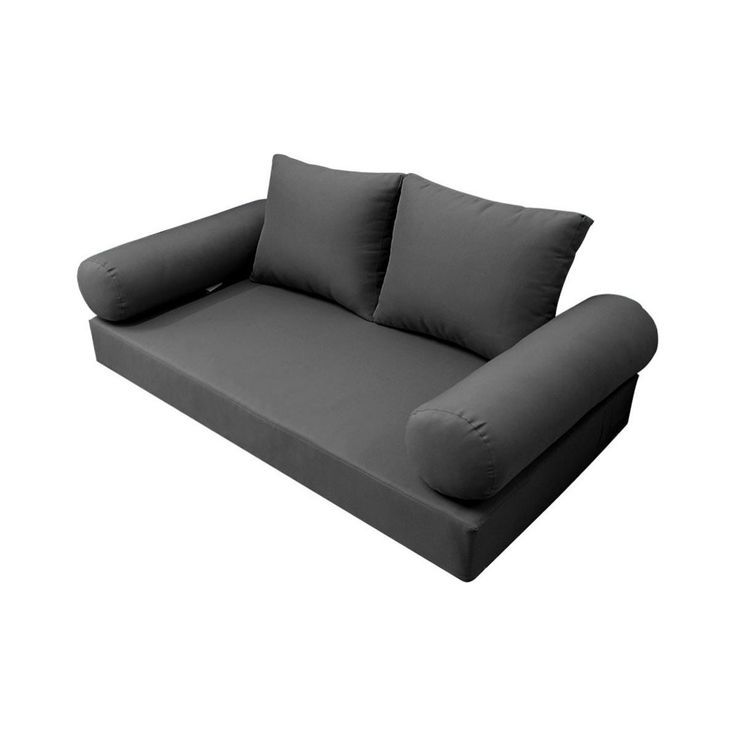
• Store cushions and soft furnishings indoors when possible, or use protective covers.
• Pay attention to the hardware—nuts, bolts, and fasteners can loosen and need periodic tightening.
A simple weekly routine can make a huge difference. It’s like brushing your teeth daily instead of waiting until they hurt. You’ll notice your furniture lasting much longer with consistent care.
Example: A family that cleaned their outdoor dining set twice monthly saw 40% less wear than those who only cleaned seasonally.
Protective Treatments and Coverings
Sometimes, you need to go beyond regular cleaning to truly protect your furniture. Here’s how:
• UV Protective Coatings: These specialized treatments can be applied to wood and some plastics to add an extra layer of protection. They’re especially useful for furniture that stays out year-round.
• Weatherproof Covers: High-quality covers made from breathable materials can shield furniture from sun, rain, and dust. Make sure they fit properly to avoid flapping in the wind.
• Shade Solutions: Consider adding umbrellas, pergolas, or shade sails to reduce direct exposure. Even partial shade can significantly extend furniture life.
• Furniture Stands: Elevating items off the ground can prevent moisture buildup and protect the base from direct sun.
Investing in quality protective gear pays dividends. A good cover costs less than replacing damaged furniture, and it’s often cheaper than professional repairs.
Consider this: a $200 shade sail can extend the life of your outdoor furniture by several years, making it one of the best investments you can make.
Seasonal Adjustments and Storage Strategies
Outdoor furniture doesn’t need to suffer through every season. Smart seasonal management makes a big difference:
• Summer: Increase cleaning frequency due to more dirt and debris. Apply protective treatments during peak sun months.
• Fall: Begin preparing for winter storage. Clean thoroughly and inspect for any damage.
• Winter: Store items indoors or use heavy-duty covers. Remove any moisture that accumulates.
• Spring: Reassess and repair any damage from winter storage. Refresh protective treatments.
Some people choose to store furniture entirely during harsh winters, while others prefer to keep it protected. Both approaches work, but consistency is key.
Pro tip: Label your storage containers with the furniture type and date to make retrieval easier next season.
Recognizing Warning Signs and When to Repair or Replace
Knowing when something needs fixing versus when it’s time to replace is crucial. Here’s what to watch for:
• Structural Issues: Cracks, loose joints, or wobbly frames indicate problems that need immediate attention.
• Severe Fading: If colors are completely gone and the material looks worn, it might be time for new pieces.
• Safety Hazards: Sharp edges, broken parts, or unstable structures pose risks and shouldn’t be ignored.
• Cost-Benefit Analysis: Sometimes repairing costs more than replacing. Factor in the cost of materials, labor, and your time.
• Aesthetic vs. Functionality: You might choose to keep older furniture for its style even if it’s no longer optimal for daily use.
Remember, regular maintenance helps prevent small issues from becoming expensive problems. It’s much easier to fix a loose screw than to replace an entire chair frame.
Smart Shopping Tips for Long-Lasting Outdoor Furniture
When it’s time to buy new pieces, keep these factors in mind:
• Research Before Buying: Read reviews from people who live in similar climates to yours. Ask about long-term durability.
• Check Warranty Coverage: Good warranties often reflect manufacturer confidence in product quality.
• Look for Climate-Specific Features: Some manufacturers design furniture specifically for hot, sunny environments.
• Price vs. Quality: The cheapest option isn’t always the best long-term investment. Consider total cost of ownership.
• Color Choices Matter: Lighter colors reflect heat better than dark ones. This small detail can extend furniture life.
• Test the Construction: Before purchasing, examine joints, hardware, and overall build quality. A sturdy chair that feels solid will last longer.
One shopper discovered that choosing furniture with UV-treated surfaces saved her from having to replace her patio set after just two summers.
Building a Sustainable Outdoor Living Space
Beyond just protecting furniture, think about creating a sustainable approach to your outdoor space:
• Plan for Durability: Choose timeless designs over trendy pieces that might fall out of style.
• Invest in Quality Over Quantity: Fewer, better-made pieces often perform better than many cheaper alternatives.
• Use Sustainable Materials: Look for recycled or responsibly sourced options when possible.
• Create Microclimates: Use plants, water features, or shade structures to create varied areas within your outdoor space.
• Maintain Consistency: Regular upkeep creates a positive cycle where your space looks great and functions well.
The goal isn’t just to survive the sun—it’s to enjoy your outdoor space for decades to come. It’s about making thoughtful decisions that pay off in comfort, safety, and longevity.
Taking care of your outdoor furniture in sunny climates isn’t rocket science, but it does require some thoughtfulness and regular attention. The key is understanding how different materials respond to sun exposure, choosing wisely from the start, and maintaining a consistent care routine. Yes, it takes effort, but the payoff is worth it. Your furniture will last longer, look better, and save you money on replacements. Plus, there’s something deeply satisfying about a perfectly maintained outdoor space that looks as good as the day you installed it. So whether you’re dealing with scorching summer days or year-round sunshine, remember that with the right approach, your outdoor furniture can handle whatever the sun throws at it. It’s not about avoiding the sun—it’s about working with it smartly.