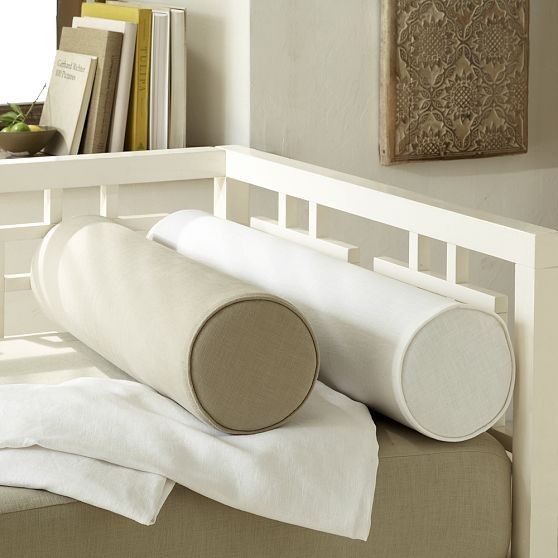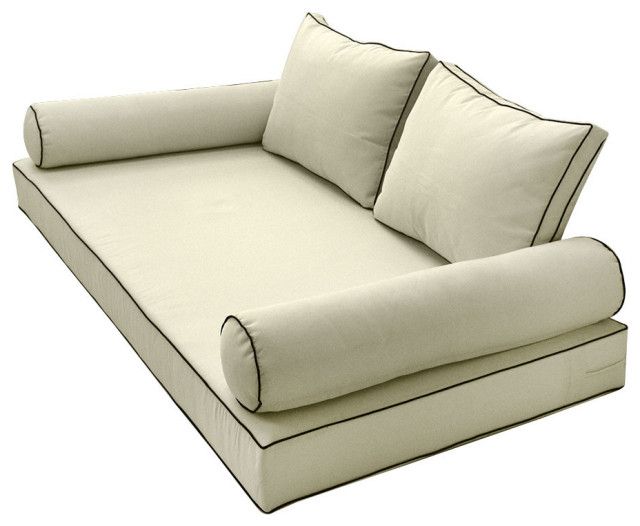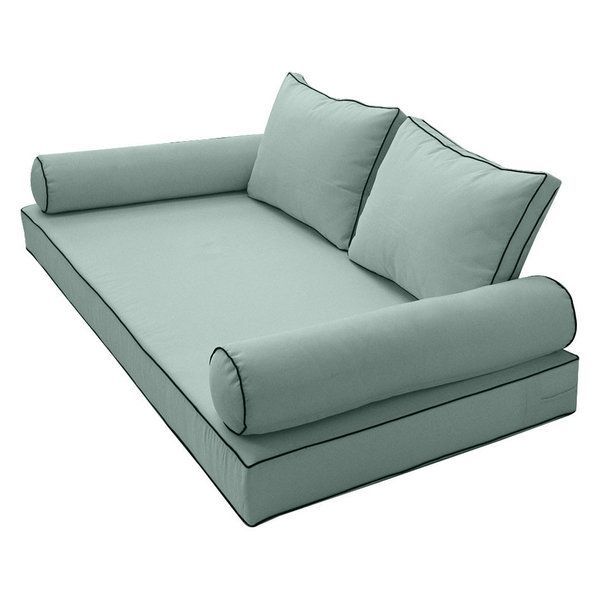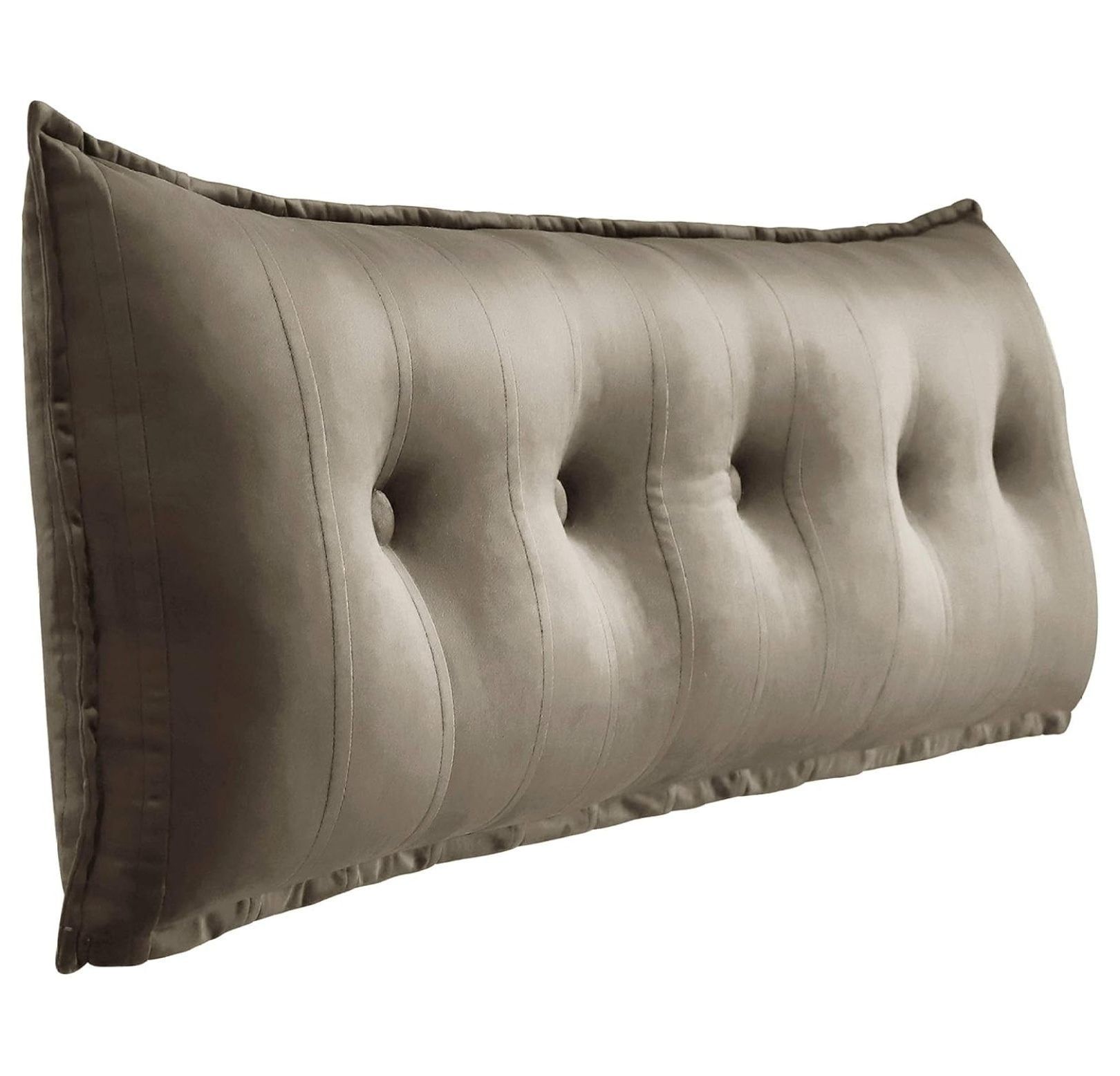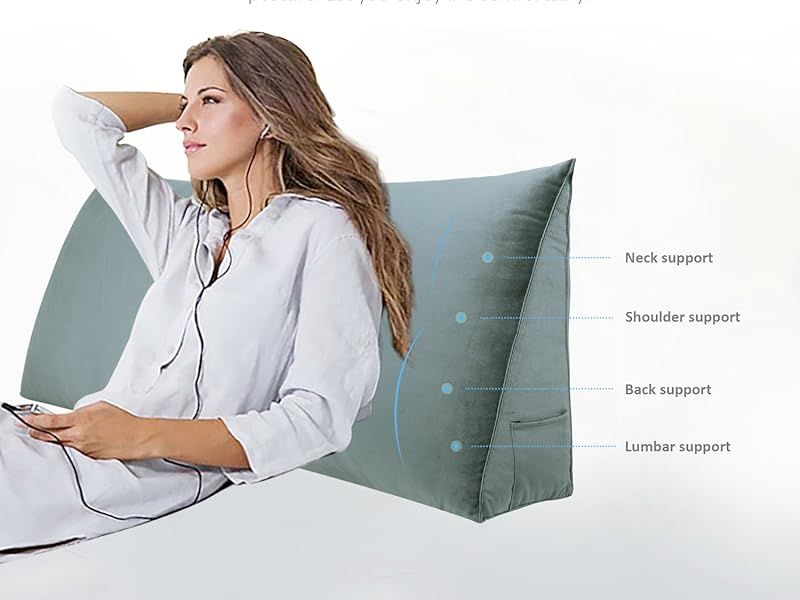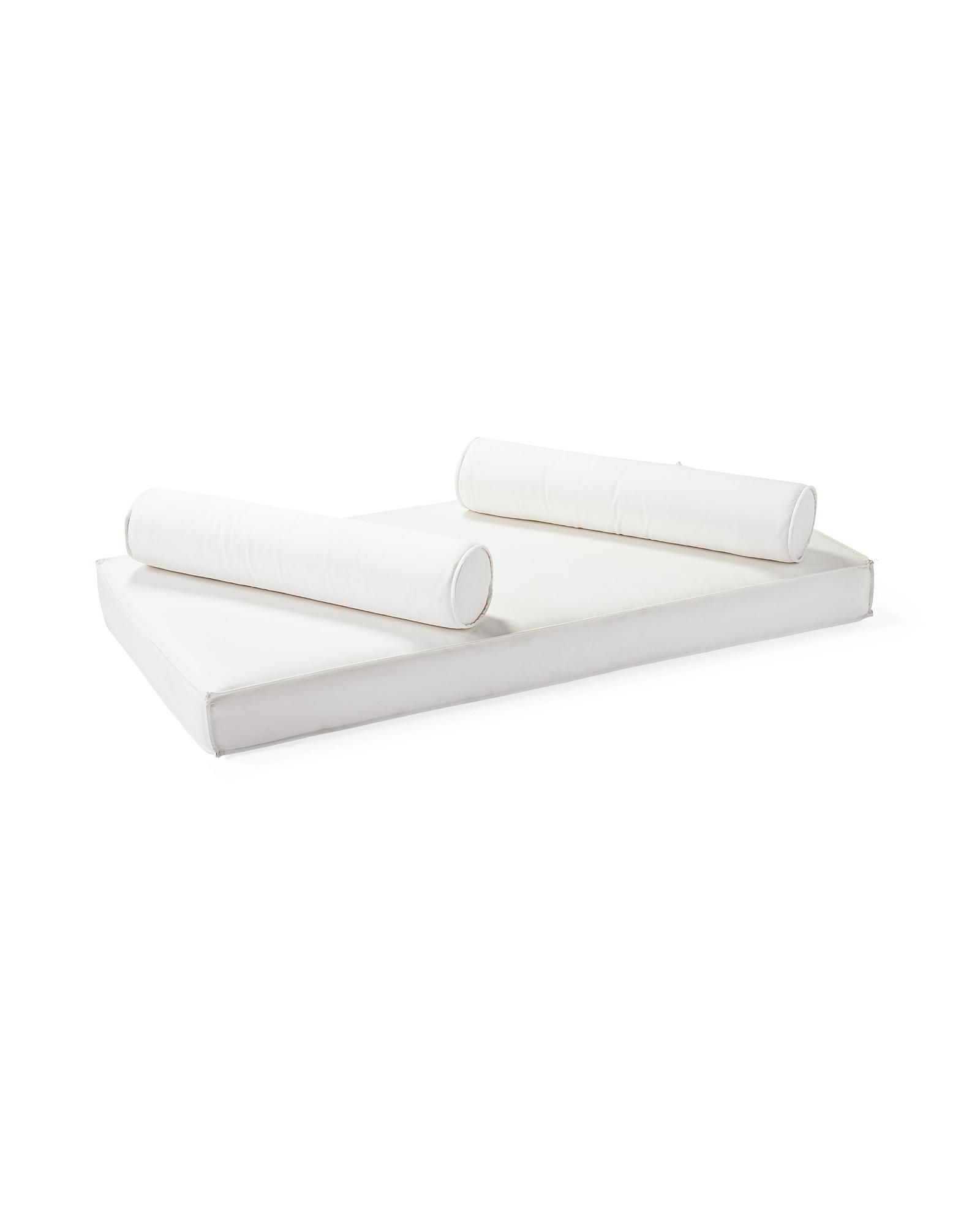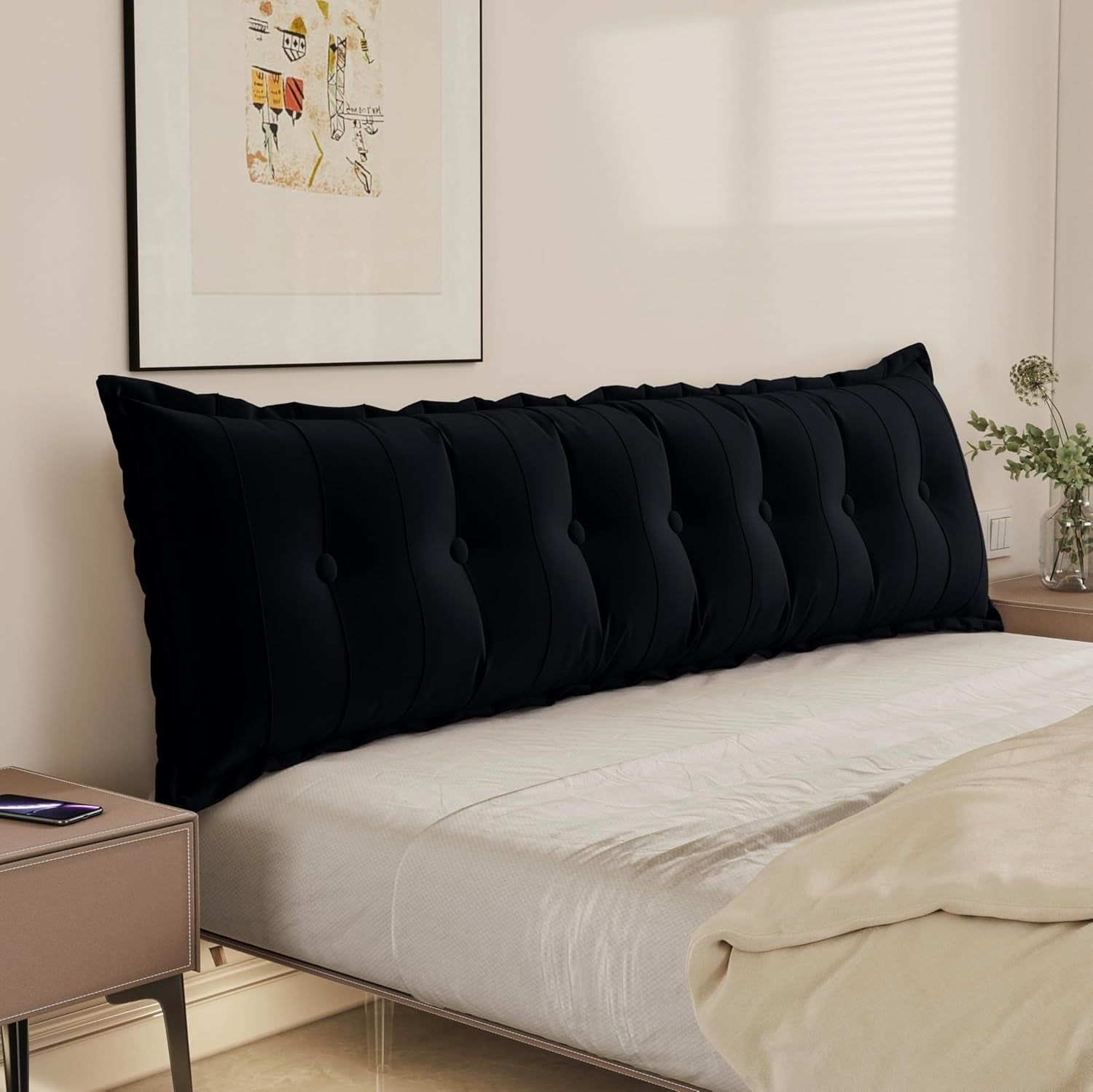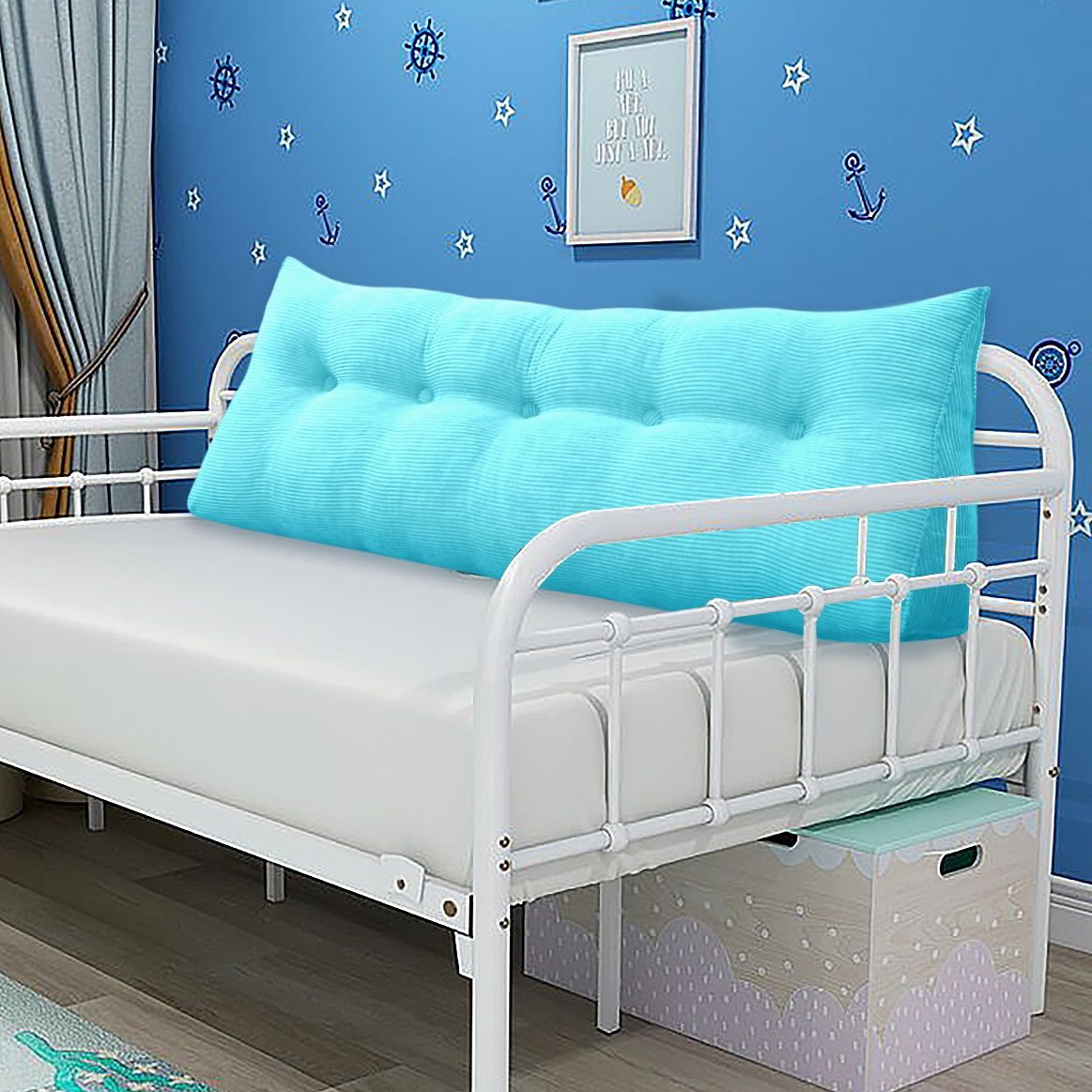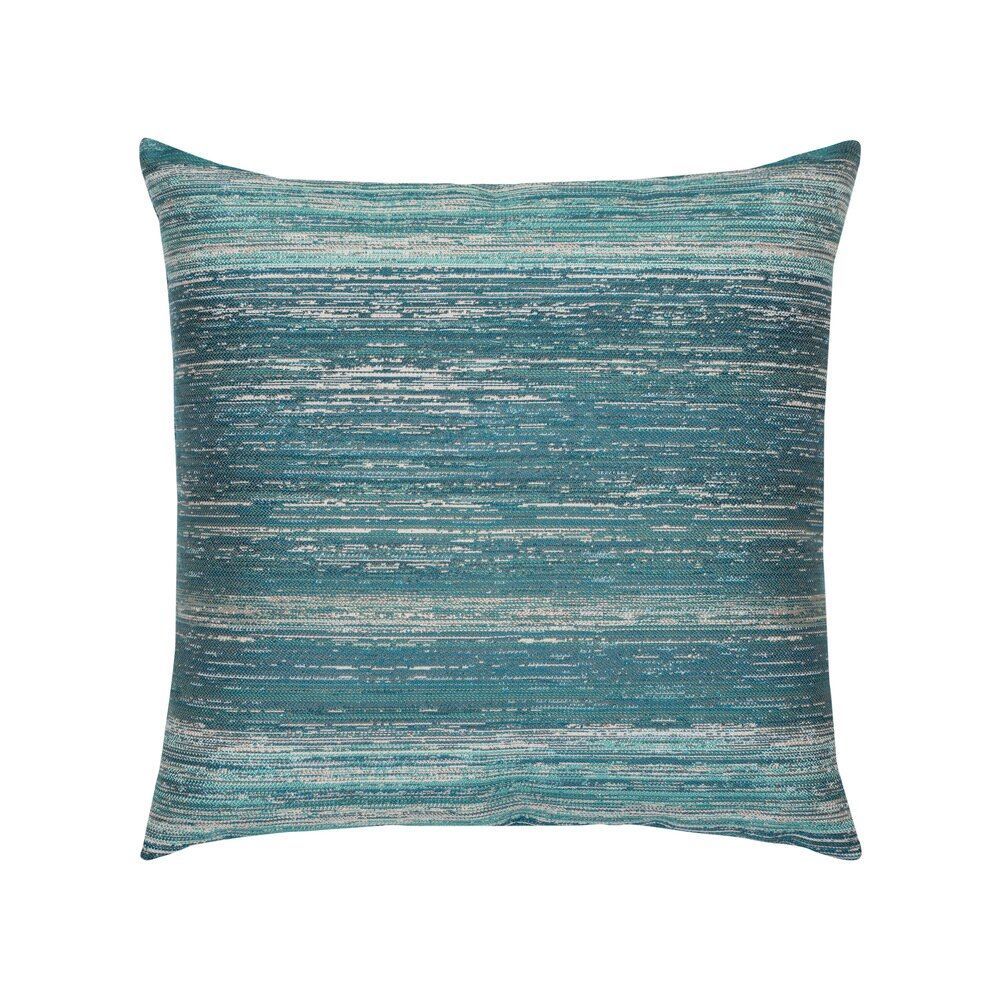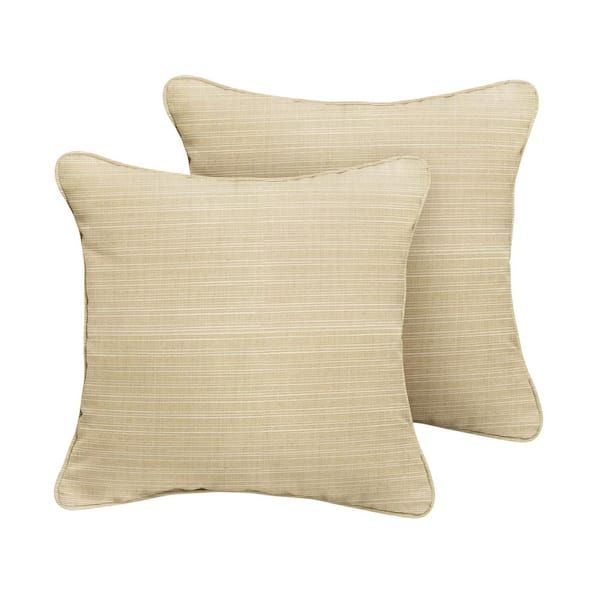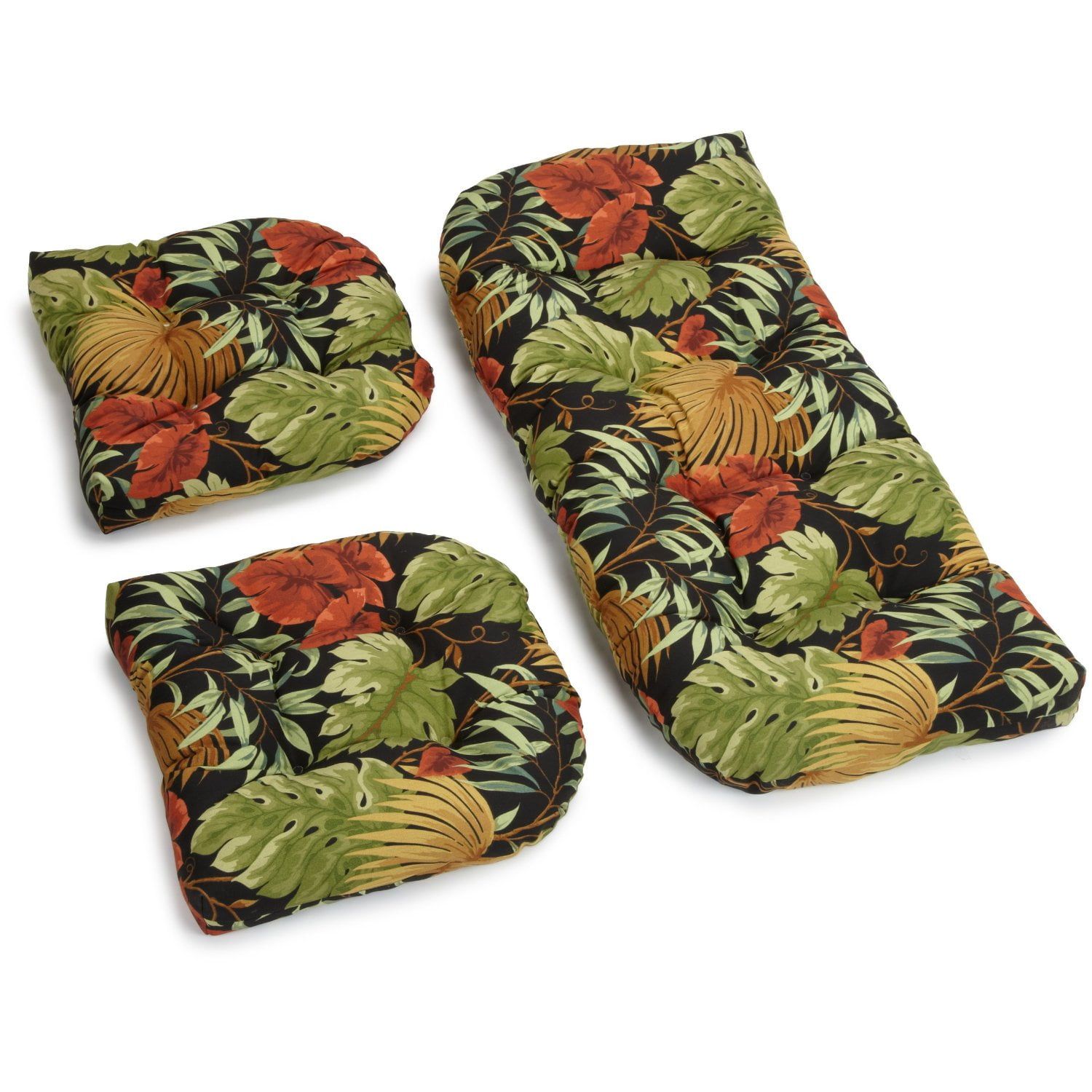
Daybeds have evolved far beyond their traditional roots. These versatile pieces now serve as focal points in bedrooms, living rooms, and even home offices. But what makes a daybed accessory truly special? It’s not just about function – it’s about how thoughtful design elements come together to create something beautiful and useful.
When you think about daybeds, you might picture something simple – maybe a basic frame with a few cushions. But today’s market offers much more than that. Modern daybed accessories are like the finishing touches on a masterpiece, each element carefully chosen to enhance both form and function. These accessories don’t just sit on top of furniture – they become part of the overall design story. Think about it: a perfectly chosen throw blanket can change the entire mood of a room. A well-placed lamp can create intimacy. And when we talk about daybed accessories, we’re talking about the small details that make a big difference in how we live and sleep.
The Foundation: Frame and Structure
Every great daybed accessory starts with a solid foundation. The frame sets the stage for everything else. Whether it’s wood, metal, or upholstered, the structure needs to be sturdy and comfortable. The right frame supports not just your body weight but also the aesthetic goals of your space. You’ll notice that modern designs often feature clean lines and minimalist shapes. This isn’t just for looks – it’s about creating pieces that won’t overwhelm a room. A well-designed frame allows other elements to shine. Consider how different materials age differently too. Wood frames often develop character over time, while metal frames offer durability. Upholstered frames provide comfort and softness, making them ideal for relaxation areas. The key is matching the frame material to your lifestyle and the room’s atmosphere.
Color Psychology in Daybed Accents
Colors have power. They influence our moods, our energy levels, and even how we perceive space. When selecting daybed accessories, pay attention to color choices. Neutral tones like beige, gray, and white create calming environments. They’re perfect for bedrooms where rest is the priority. But don’t underestimate the impact of bold colors. A vibrant red throw pillow can add energy to a neutral space. Blue accents often promote tranquility, making them excellent choices for bedroom settings. Remember that color temperature matters too. Warm colors (reds, oranges) make spaces feel cozy and intimate. Cool colors (blues, greens) create a sense of calm and openness. Many designers recommend using the 60-30-10 rule: 60% dominant color, 30% secondary color, and 10% accent color. This approach ensures visual balance. Consider how natural light affects colors throughout the day. A blue blanket might look completely different in morning light versus evening glow. Testing samples in your actual space before purchasing helps avoid surprises.
Texture and Material Harmony
Texture adds depth and interest to any space. It’s one of the most tactile aspects of daybed accessories. Think about how different materials interact with each other. Soft cotton throws against smooth linen sheets create contrast. Velvet pillows against rougher wool blankets offer variety. The beauty of texture lies in its ability to make surfaces interesting. It’s not just about what feels good – it’s about creating layers of sensory experience. Natural materials like bamboo, jute, and organic cotton bring earthiness to interiors. Synthetic materials offer durability and easy maintenance. Mixing textures thoughtfully creates visual complexity without chaos. For example, a knitted throw paired with a silk pillowcase creates sophistication. The key is ensuring materials complement rather than compete with each other. Pay attention to care instructions too. Some textures require special handling, while others are built for daily wear. Remember that texture can also affect temperature – a thick wool blanket feels different in winter compared to summer.
Shape and Proportion Balance
Good design understands the importance of proportion. Every daybed accessory should fit naturally within the overall scale of your space. A large, oversized pillow might dominate a small room. Conversely, tiny accessories can get lost in bigger spaces. The shape of accessories matters too. Rounded forms tend to feel softer and more inviting. Angular shapes bring structure and definition. Curved lines are particularly effective in bedroom settings because they suggest comfort and relaxation. Consider how accessories relate to the daybed itself. A rectangular cushion should complement a rectangular bed frame. Circular elements can add playful energy to more formal arrangements. The placement of accessories also matters. Think about how they work together as a group. A collection of small pillows creates one effect. A single large piece can have a different impact entirely. Sometimes less is more – a few well-chosen accessories often work better than many competing elements.
Function Meets Form: Practical Considerations
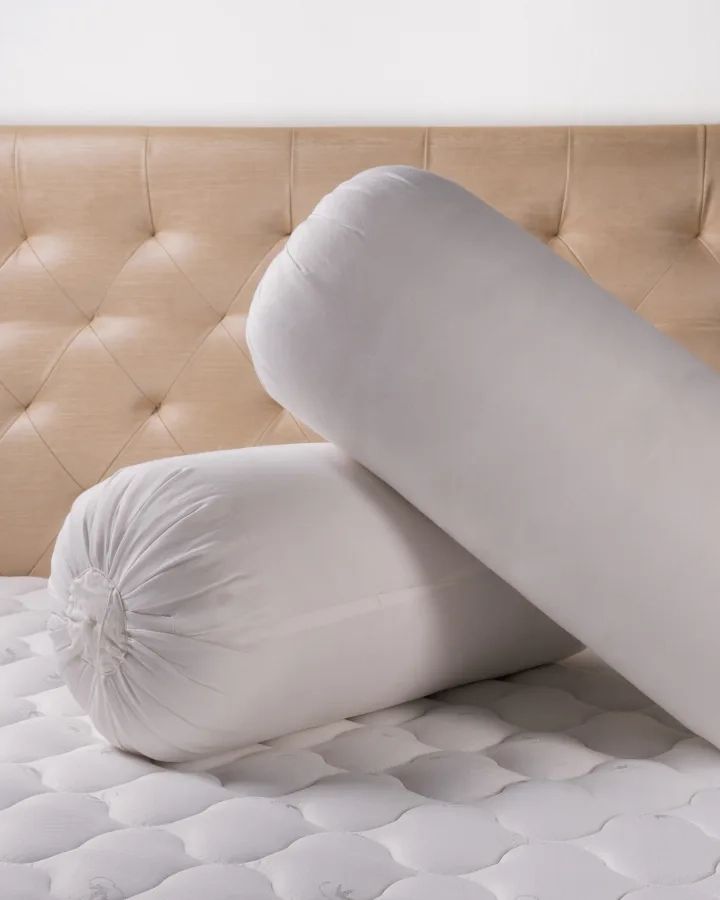
Beautiful things need to work too. That’s where functionality comes in. Every daybed accessory should serve a purpose beyond aesthetics. Storage solutions are incredibly popular – boxes, baskets, and drawers that blend seamlessly with design. These elements keep clutter under control while maintaining visual appeal. Consider how frequently you’ll use certain items. A decorative pillow that sees daily use should be durable and easy to clean. Bedding that’s meant to be changed regularly should be practical as well as pretty. Features like removable covers, machine washability, and stain resistance make a huge difference in everyday life. Some accessories serve multiple functions – a bolster pillow that doubles as a footstool, or a storage ottoman that works as seating. These dual-purpose items maximize space efficiency. Remember that practicality doesn’t mean sacrificing style. The best accessories combine both qualities effortlessly. They should enhance rather than complicate daily routines.
Personal Touches and Cultural Influences
What makes accessories truly special is how they reflect personal taste and cultural background. Traditional patterns from different cultures bring rich stories to modern spaces. Moroccan geometric designs add exotic flair. Scandinavian minimalism brings clean simplicity. Indian textiles offer vibrant colors and intricate weaving. These influences aren’t just decorative – they connect us to broader artistic traditions. Personal items like family photos, heirloom pieces, or handmade crafts add authenticity. They transform generic spaces into meaningful environments. Consider how accessories tell your story. A vintage quilt might represent family heritage. A handwoven rug could reflect travel experiences. The most successful daybed setups blend universal design principles with personal meaning. This combination creates spaces that feel both sophisticated and deeply personal. Don’t overlook the importance of seasonal changes either. Swapping out accessories based on weather or holidays can refresh your space without major renovations. Think about how different themes can be expressed through accessories – beachy vibes, cozy winter feels, or springtime freshness.
Daybed accessories are more than just decorative elements – they’re the secret sauce that transforms ordinary sleeping spaces into extraordinary retreats. Understanding how frame, color, texture, shape, function, and personal touches all work together creates a foundation for truly beautiful and functional spaces. The key isn’t following rigid rules, but rather developing an eye for how these elements interact. Start with what speaks to you personally, then build upon that foundation. Notice how different combinations make you feel. What makes a space feel cozy? What creates a sense of calm? How do accessories affect your daily routine? These questions guide you toward choices that truly matter. Remember that good design is ultimately about enhancing your life, not just decorating your walls. Every thoughtful selection you make contributes to a space that feels authentically yours. Whether you’re starting fresh or updating existing pieces, consider how each accessory plays its role in your larger story. The result will be a daybed area that’s not just visually appealing, but deeply satisfying to inhabit.