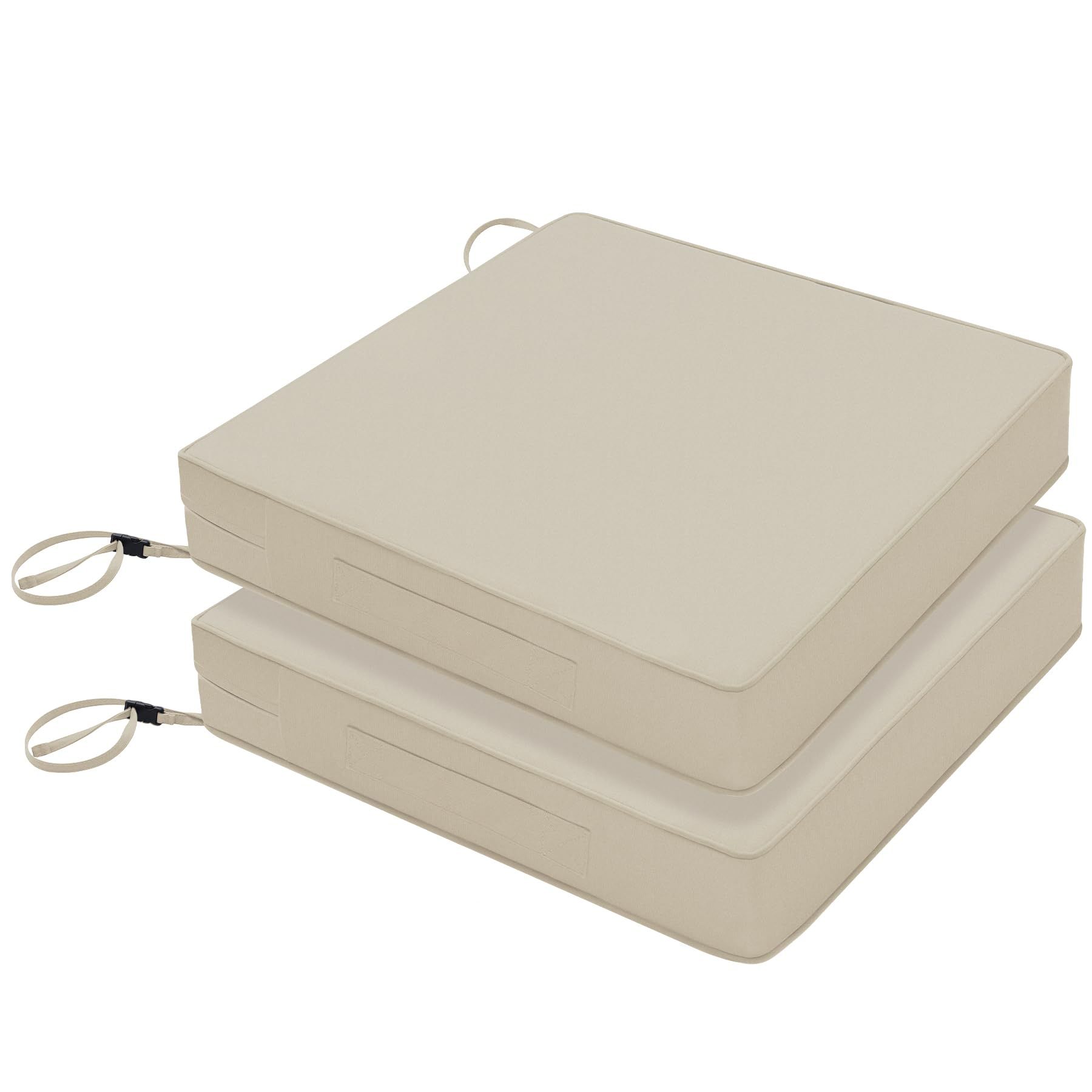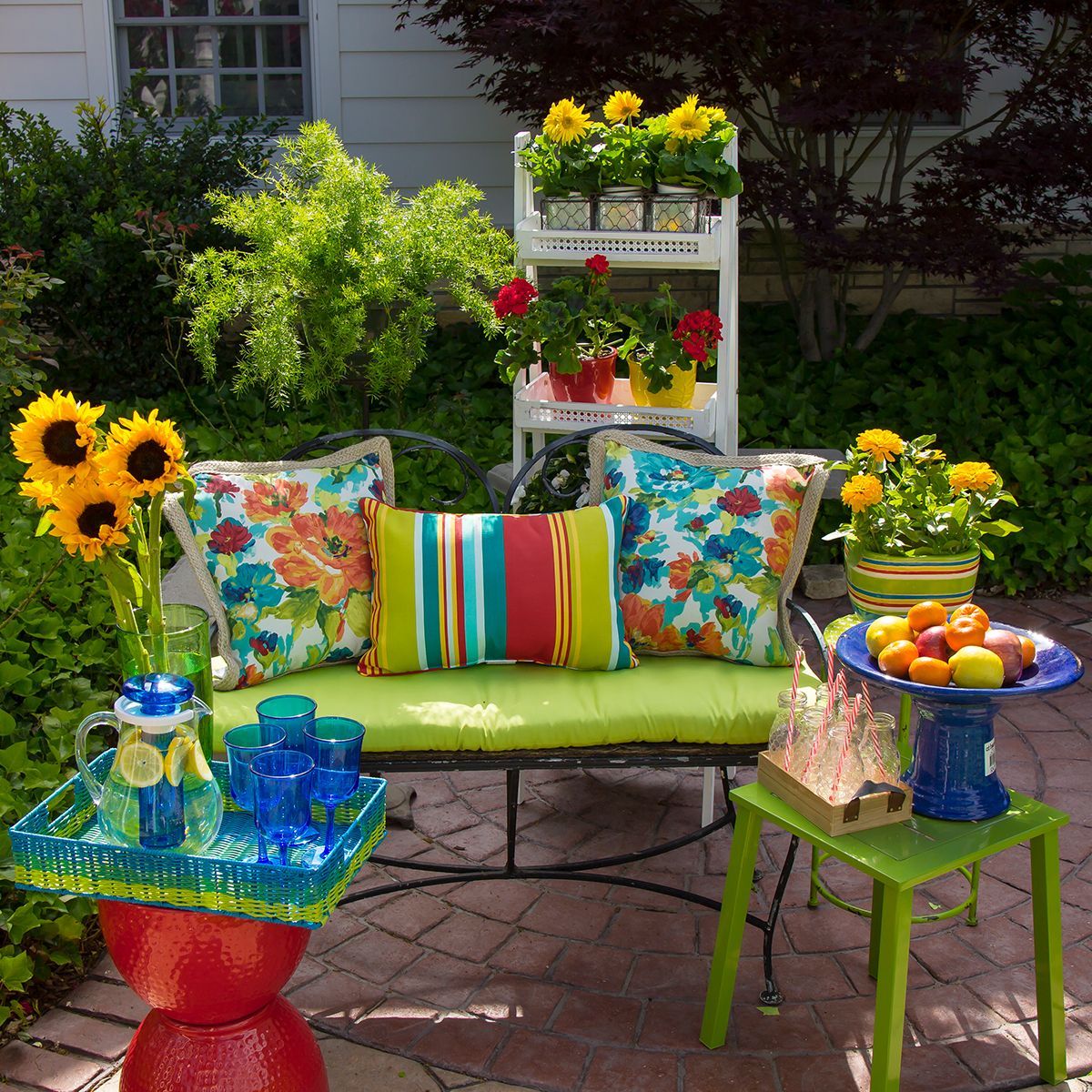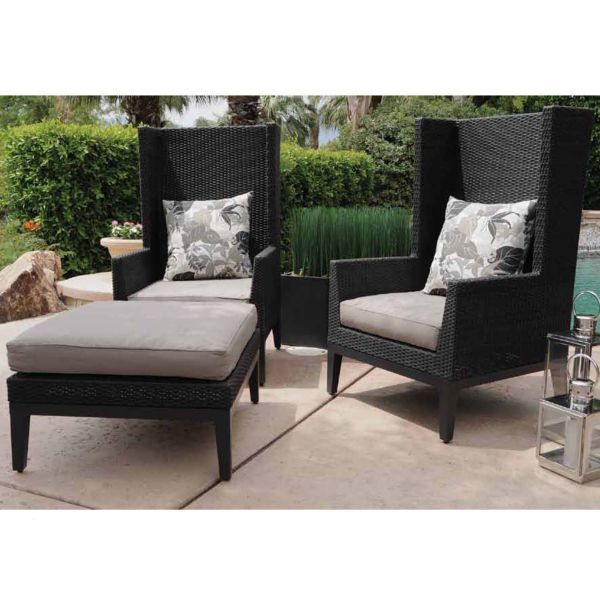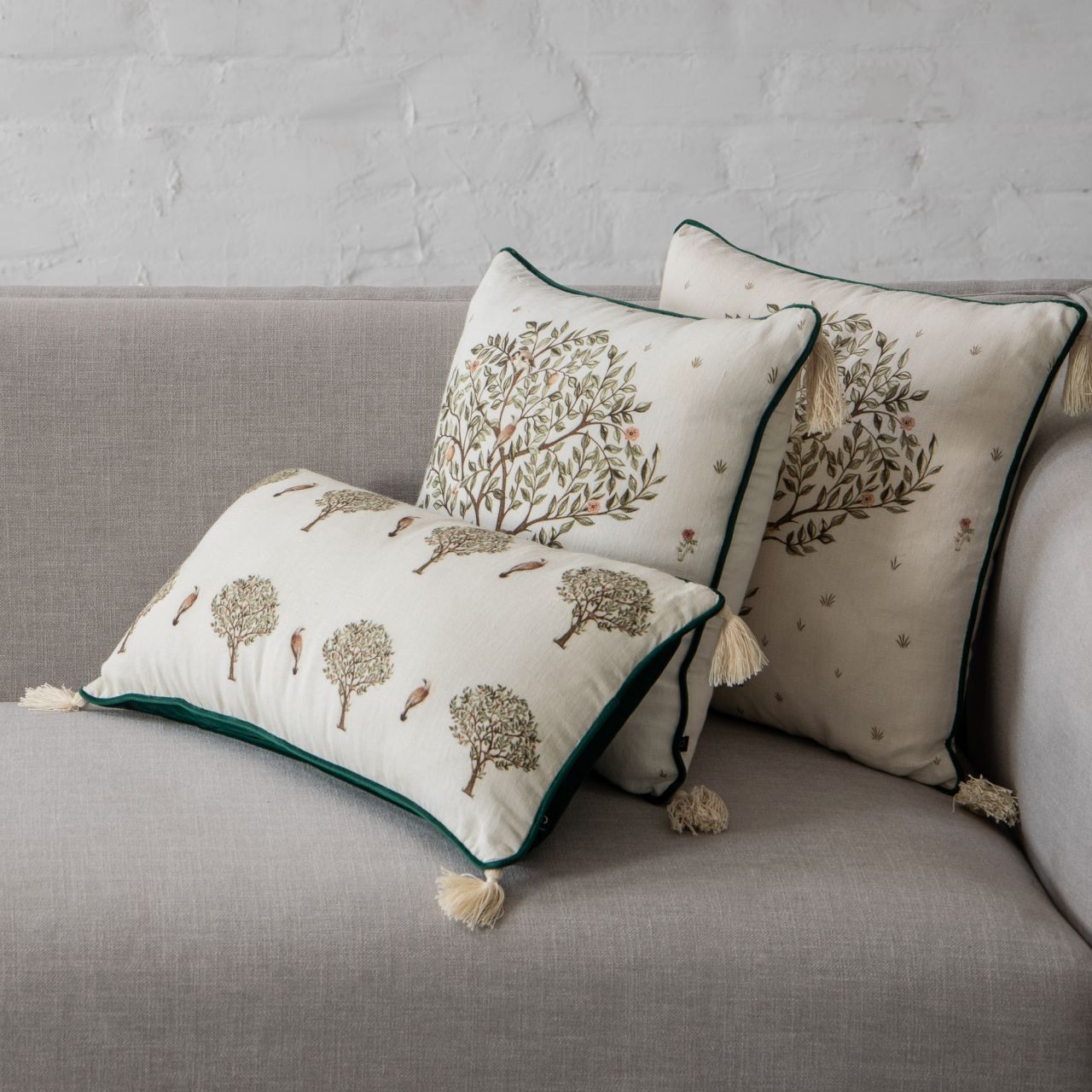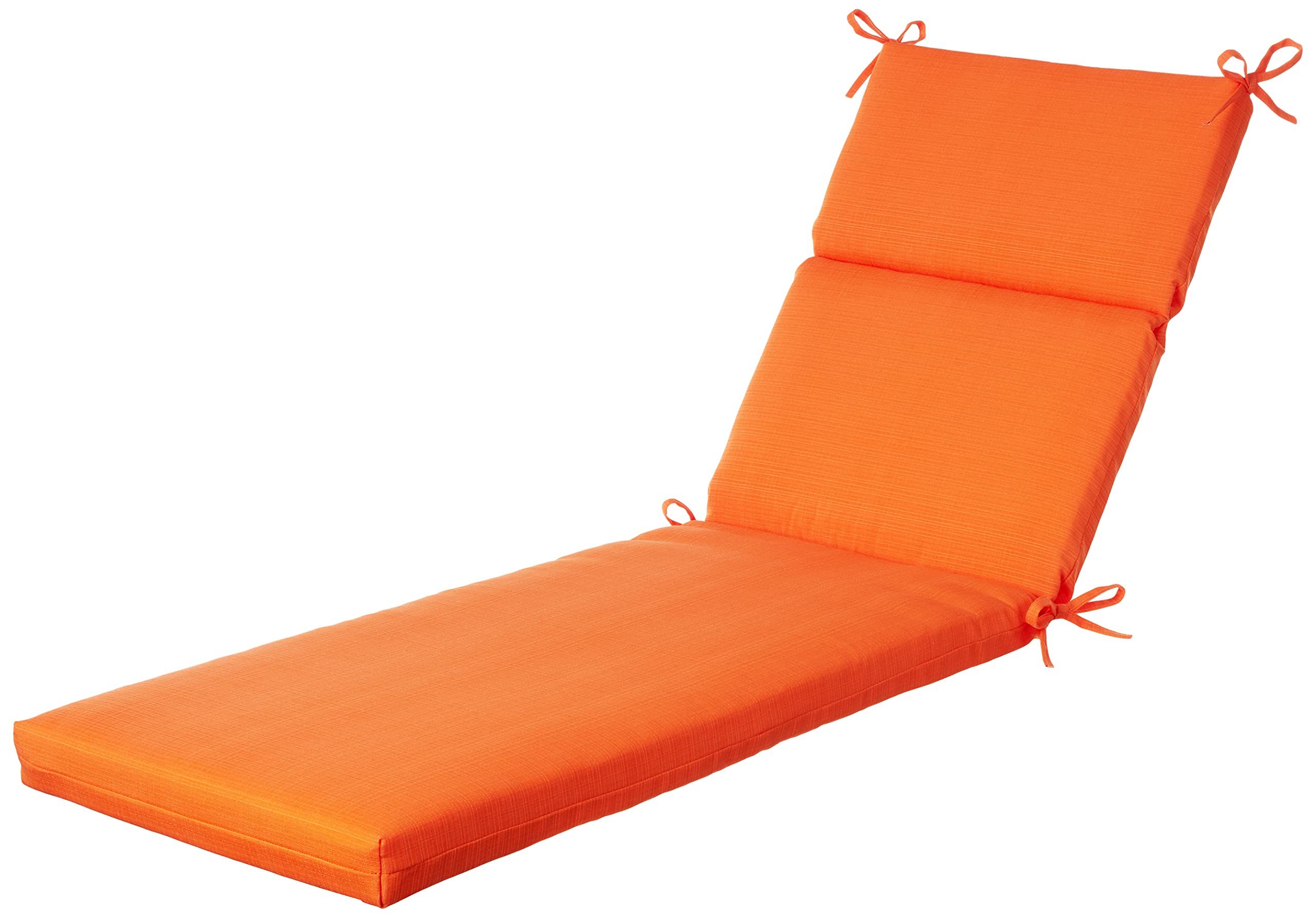
There’s something special about cream-colored outdoor seating. It brings warmth and elegance to any patio or garden space. But keeping it looking fresh requires more than just a quick wipe-down. This guide explores the best practices for maintaining your cream outdoor furniture year-round.
Cream outdoor seating has a timeless appeal that never goes out of style. Whether it’s a set of chairs, a loveseat, or a dining table, these light tones add a sophisticated touch to any outdoor area. However, they also require special attention because they show every stain, scratch, and weather mark. The good news? With the right care routine, your cream seating can maintain its beauty for years to come. It’s not just about cleaning—it’s about protecting and preserving those beautiful neutral tones.
Understanding Cream Seating Materials
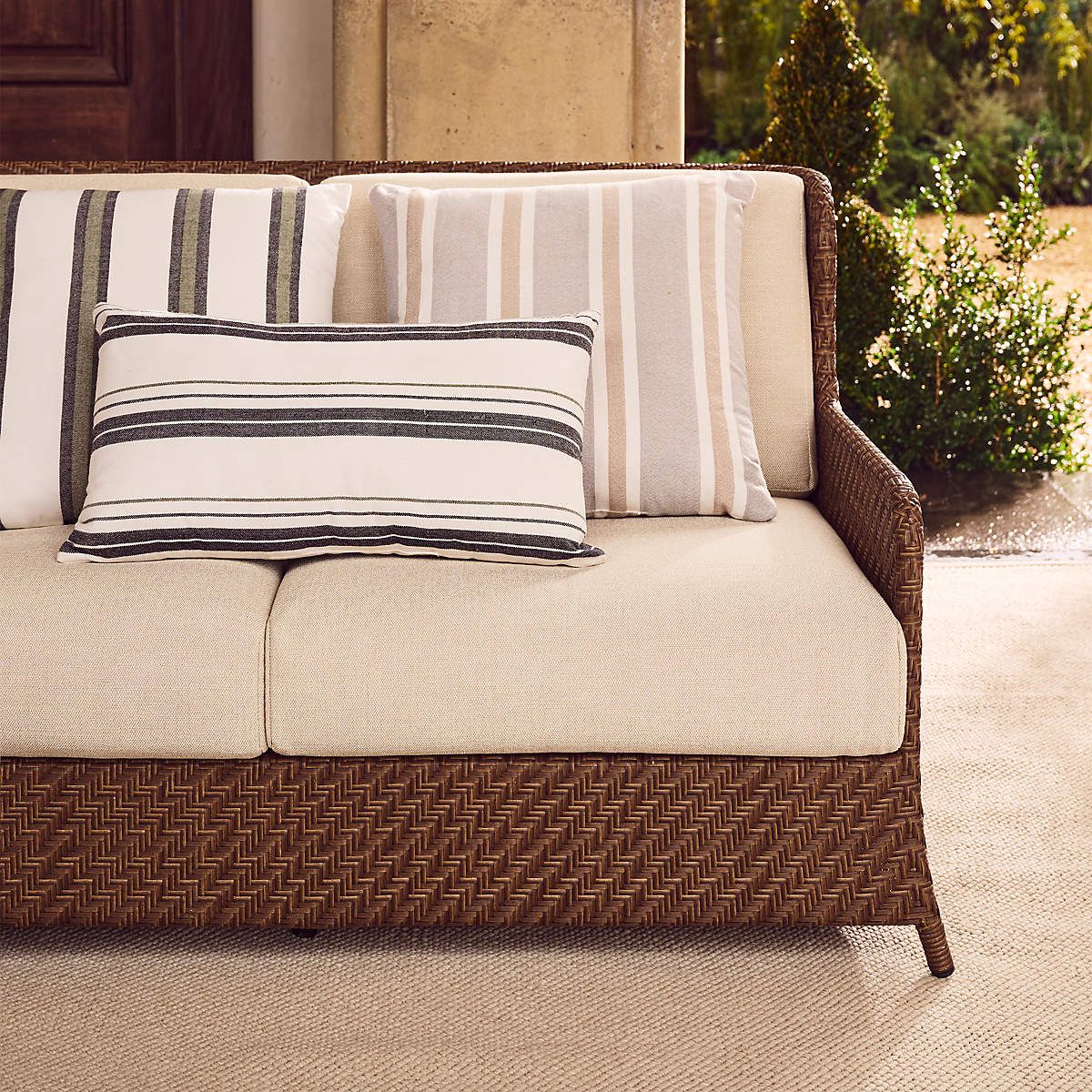
Before diving into maintenance tips, it’s important to know what your seating is made of. Cream outdoor furniture comes in many forms: wicker, rattan, synthetic materials, wood, metal, and even fabric. Each material needs different approaches for proper care. Wicker and rattan pieces often have a natural cream hue that can fade over time. Metal frames might rust if not properly maintained. Fabric cushions can trap moisture and dirt easily. Understanding your specific material helps determine the best care strategy. For example, synthetic wicker is easier to clean than natural wicker, but both benefit from regular dusting and protection from harsh elements.
Daily and Weekly Maintenance Routines
The secret to keeping cream seating looking fresh lies in consistent daily habits. Start with simple things like removing leaves, debris, and pet hair regularly. Use a soft brush or vacuum with a gentle attachment to avoid scratching surfaces. For fabric pieces, a quick shake or gentle brush can remove loose particles. Check for any small spills immediately. Cream colors absorb stains quickly, so acting fast prevents permanent damage. Weekly, give your seating a deeper clean with mild soap and water. This routine prevents buildup that could dull the appearance over time. Consider using a microfiber cloth for wiping down surfaces—these are gentle yet effective at removing grime without leaving streaks.
Seasonal Protection Strategies
Different seasons bring unique challenges for outdoor cream seating. Spring means preparing for the growing season, while summer demands protection from intense sun and heat. Fall calls for cleaning and storing, and winter requires shelter from freezing temperatures and snow. During hot summer months, UV rays can cause fading and discoloration. Applying a UV protectant spray can help preserve the original color. In fall, thoroughly clean all surfaces before storing them indoors or covering them properly. Winter protection is crucial—use high-quality covers that breathe while shielding from moisture and frost. Even in mild climates, covering seating prevents accumulation of dirt and prevents weather-related damage.
Cleaning Techniques for Different Surface Types
Each material requires specific cleaning methods to avoid damage. Wood seating benefits from gentle soap and water, followed by a light coat of wood protector. Synthetic materials can handle stronger cleaners but still need to avoid abrasive scrubbing. Wicker pieces should be cleaned with a soft brush and mild detergent, then rinsed thoroughly. For fabric components, spot clean with appropriate cleaners and check manufacturer instructions for washing. Metal parts need attention to prevent rusting—clean with a damp cloth and dry completely. Always test cleaning products on a hidden area first. Some products that work well on one surface might damage another. It’s better to be safe than sorry when it comes to preserving your investment.
Stain Prevention and Removal Methods
Prevention is always better than cure when it comes to stains on cream seating. Regular cleaning and protective treatments reduce the chances of permanent marks. If you do get a spill, act quickly. Blot rather than rub to avoid spreading the stain. For common stains like coffee, wine, or food, a mixture of mild soap and water usually works. More stubborn spots might need specialized cleaners designed for outdoor furniture. Always check the product label to ensure it’s safe for your specific material. Natural remedies like baking soda paste can help lift certain stains without harsh chemicals. The key is to address issues immediately rather than letting them set in and become harder to remove.
Long-Term Storage and Preservation Tips
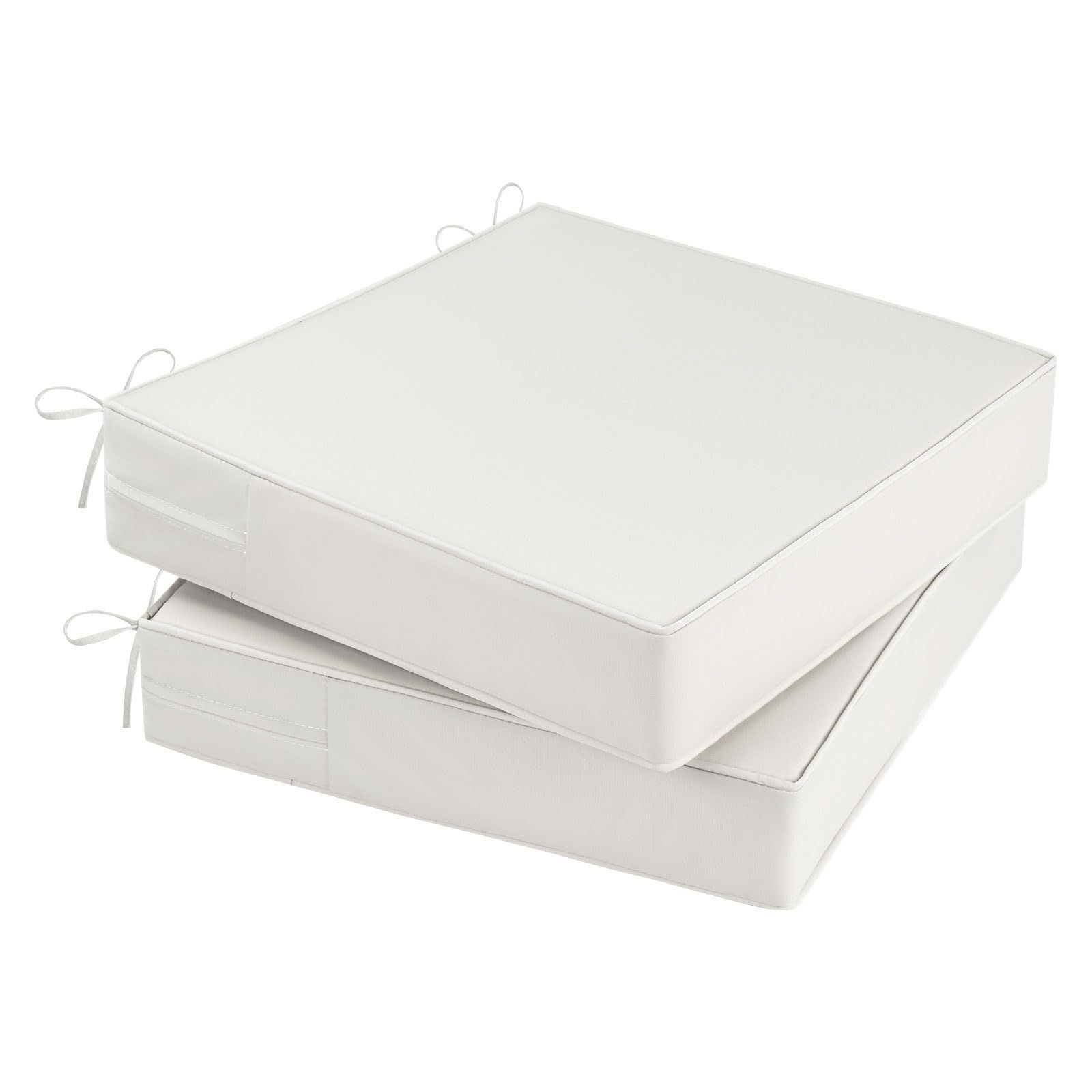
Proper storage during off-seasons is vital for maintaining cream outdoor seating. Before storing, clean everything thoroughly and allow it to dry completely. Remove cushions and store them separately in breathable bags. Stack items carefully to prevent warping or scratching. If storing outdoors, invest in quality covers that protect against moisture and UV rays. Consider using silica gel packets to absorb excess humidity. For long-term storage, elevate seating off the ground to prevent moisture absorption. Keep storage areas cool and dry, away from direct sunlight. These precautions extend the life of your seating significantly and make future maintenance much easier.
Taking care of cream outdoor seating isn’t just about keeping it clean—it’s about preserving the investment you’ve made in your outdoor living space. By understanding your materials, following consistent maintenance routines, and implementing seasonal strategies, your cream furniture will continue to provide comfort and style for many years. The effort you put into care today will pay off in the longevity and beauty of your seating tomorrow. Remember, small daily actions compound into major results over time. So start with these tips and build a routine that works for your lifestyle. Your cream outdoor seating deserves nothing less than the best care possible.