There’s something undeniably charming about seeing those familiar buffalo check patterns transformed through the fluid, dreamy medium of watercolor. It’s like watching a well-loved quilt come alive with gentle brushstrokes and soft color transitions. These designs have captured hearts across art communities, fashion lines, and home decor spaces. What makes them so special? Let’s dive into the fascinating world where tradition meets artistic expression.
Watercolor buffalo check patterns represent one of the most intriguing intersections in modern design. These aren’t just simple geometric repeats – they’re complex visual stories that blend heritage with innovation. The pattern itself has deep roots in American history, originally appearing on clothing and textiles worn by cowboys and farmers. But when artists began applying watercolor techniques to these classic checks, something magical happened. The rigid lines softened, colors bled and blended, creating a new form of artistic expression that speaks to both nostalgia and contemporary sensibilities. This transformation has made watercolor buffalo checks a favorite among crafters, interior designers, and visual artists everywhere. The appeal isn’t just superficial – there’s genuine artistry at work here that deserves closer examination.
Historical Roots and Cultural Significance
Buffalo check patterns trace back to the early 19th century, when they were first used on durable fabrics for practical wear. Originally designed for cowboys and laborers, these checks provided both warmth and visibility in outdoor environments. The distinctive red, black, and white color scheme was chosen for its visibility and durability. Over time, the pattern evolved beyond its utilitarian origins. It became associated with rural American culture and later with a certain rustic sophistication. The cultural significance runs deeper than simple decoration. These checks represent a connection to working-class heritage and the pioneering spirit of American history. When artists began incorporating watercolor techniques, they weren’t just changing the aesthetic – they were honoring these cultural connections while adding their own artistic interpretation. The pattern’s versatility allows it to carry different meanings depending on how it’s presented. In some contexts, it evokes nostalgia for simpler times, while in others, it suggests modern elegance and artistic refinement. The beauty lies in how the historical weight of the pattern can coexist with the fluid nature of watercolor painting.
The Technical Artistry Behind Watercolor Application
Creating watercolor buffalo checks requires a delicate balance between precision and spontaneity. Artists must understand how watercolors behave on paper – how they blend, how they dry, and how light affects their appearance. The process often begins with careful planning of color placement, but the actual execution allows room for serendipitous discoveries. A key technique involves layering washes of color to create depth and dimensionality. Some artists prefer to wet their paper first, allowing colors to flow naturally and create organic edges. Others work with dry brush techniques, emphasizing texture and contrast. The buffalo check grid itself presents unique challenges. Maintaining clean lines while achieving the soft, blurred edges characteristic of watercolor requires practice and patience. Many artists find that the most successful pieces emerge from embracing the medium’s unpredictability rather than fighting against it. The final result often features subtle variations in color intensity, creating a sense of movement and life that static prints simply cannot match. The technical mastery involved in achieving this effect is considerable, making each piece a testament to the artist’s skill and dedication.
Color Theory and Emotional Impact
The color choices in watercolor buffalo checks significantly influence their emotional resonance. Traditional reds, blacks, and whites carry strong associations with both strength and simplicity. When these colors are rendered through watercolor, they take on a softer, more introspective quality. Red becomes more passionate and romantic, while black gains a mysterious, almost ethereal quality. White transforms from stark and bold to gentle and luminous. The beauty of watercolor lies in its ability to create subtle gradations and transitions between these colors. Artists often experiment with various shades and tints to achieve the desired emotional impact. A piece might feature warm, earthy tones that evoke comfort and stability, or cooler blues and grays that suggest calm and reflection. The way colors interact with each other creates a visual harmony that can be soothing or energizing, depending on the palette chosen. Some artists intentionally incorporate unexpected color combinations to create visual surprise and interest. The emotional journey of viewing a watercolor buffalo check is as important as its visual appearance, making color selection a crucial artistic decision.
Contemporary Applications and Design Trends
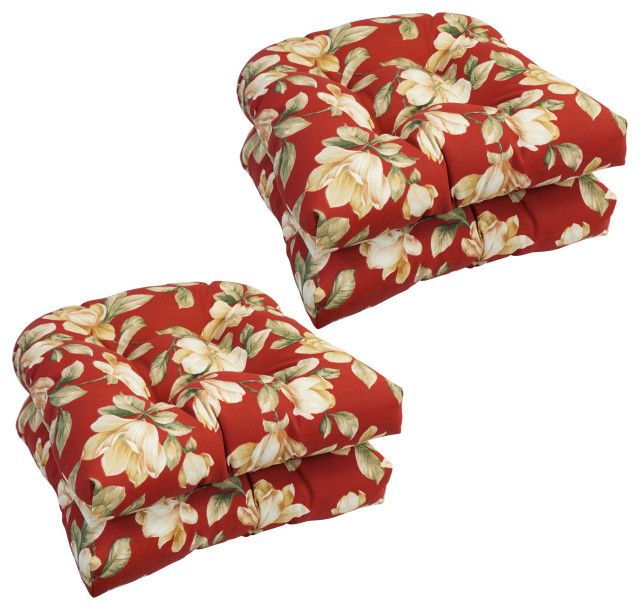
Modern designers have embraced watercolor buffalo checks in numerous creative ways. From fashion accessories to wall murals, these patterns have found their way into diverse applications. In interior design, they’ve become popular for accent walls, bedding, and decorative pillows. The soft, flowing nature of watercolor makes these checks particularly appealing for creating calming, welcoming spaces. Fashion designers have incorporated the patterns into everything from casual wear to formal gowns, often using them as subtle background elements that add sophistication without overwhelming the overall look. The trend has also influenced home textiles, with many manufacturers offering watercolor buffalo check bedding, tablecloths, and curtains. Social media has played a significant role in popularizing these designs, with influencers showcasing how they can transform ordinary spaces into artistic showcases. The pattern’s adaptability means it works equally well in traditional settings and modern minimalist spaces. Its enduring appeal suggests that this aesthetic will continue to evolve and find new applications in creative industries.
Popular Artists and Creative Interpretations
Several contemporary artists have made significant contributions to the watercolor buffalo check movement. Some focus on recreating classic patterns with modern color palettes, while others completely reimagine the traditional structure. One notable approach involves combining the buffalo check grid with other geometric patterns, creating complex visual compositions that challenge viewers’ expectations. Another popular variation features abstract interpretations where the traditional checkerboard structure is broken down into organic shapes and flowing forms. Some artists experiment with scale, creating miniaturized versions that appear almost like microscopic patterns, or oversized interpretations that dominate entire canvases. Collaborations between artists and textile companies have produced limited edition collections that showcase the best of this artistic fusion. The variety of interpretations shows how versatile this pattern can be when approached with creativity and skill. Each artist brings their unique perspective, resulting in a rich diversity of expressions within the same basic framework. The community of creators around this style continues to grow, fostering innovation and artistic exchange.
Practical Tips for Creating Your Own Watercolor Buffalo Checks
Starting your own watercolor buffalo check project doesn’t require advanced skills, though it does demand patience and practice. Begin with basic supplies: watercolor paints, brushes, and good quality paper. Start with a simple grid pattern using a pencil to sketch the basic structure before applying paint. Consider using masking tape to create clean edges if you want precise lines. For beginners, working with fewer colors often produces better results than trying to manage too many at once. The key is understanding that watercolor works differently than other mediums – it’s all about controlling the water-to-paint ratio and timing. Experiment with different brush strokes and pressure to see how they affect the final appearance. Some artists find success in wet-on-wet techniques, allowing colors to blend naturally. Others prefer dry brush methods for more defined edges. Don’t be afraid to make mistakes – watercolor’s fluid nature often leads to unexpected but beautiful results. Practice with small samples first, then gradually work up to larger pieces. Remember that the most important aspect is enjoying the creative process and learning from each attempt.
Watercolor buffalo check patterns represent much more than a passing design trend. They embody a beautiful marriage of historical significance and artistic innovation. Whether you’re drawn to their nostalgic appeal, their technical complexity, or their endless creative possibilities, these patterns offer something special for everyone. The medium’s inherent unpredictability ensures that no two pieces are exactly alike, making each creation uniquely valuable. As we continue to see new interpretations and applications of this classic pattern, it’s clear that watercolor buffalo checks will remain a beloved element in contemporary art and design. Their enduring popularity speaks to something fundamental about our appreciation for both tradition and creativity. The journey from simple geometric pattern to sophisticated watercolor masterpiece demonstrates the incredible power of artistic expression. For anyone interested in exploring this fascinating intersection of heritage and modernity, watercolor buffalo checks provide an excellent starting point for creative exploration and personal expression.