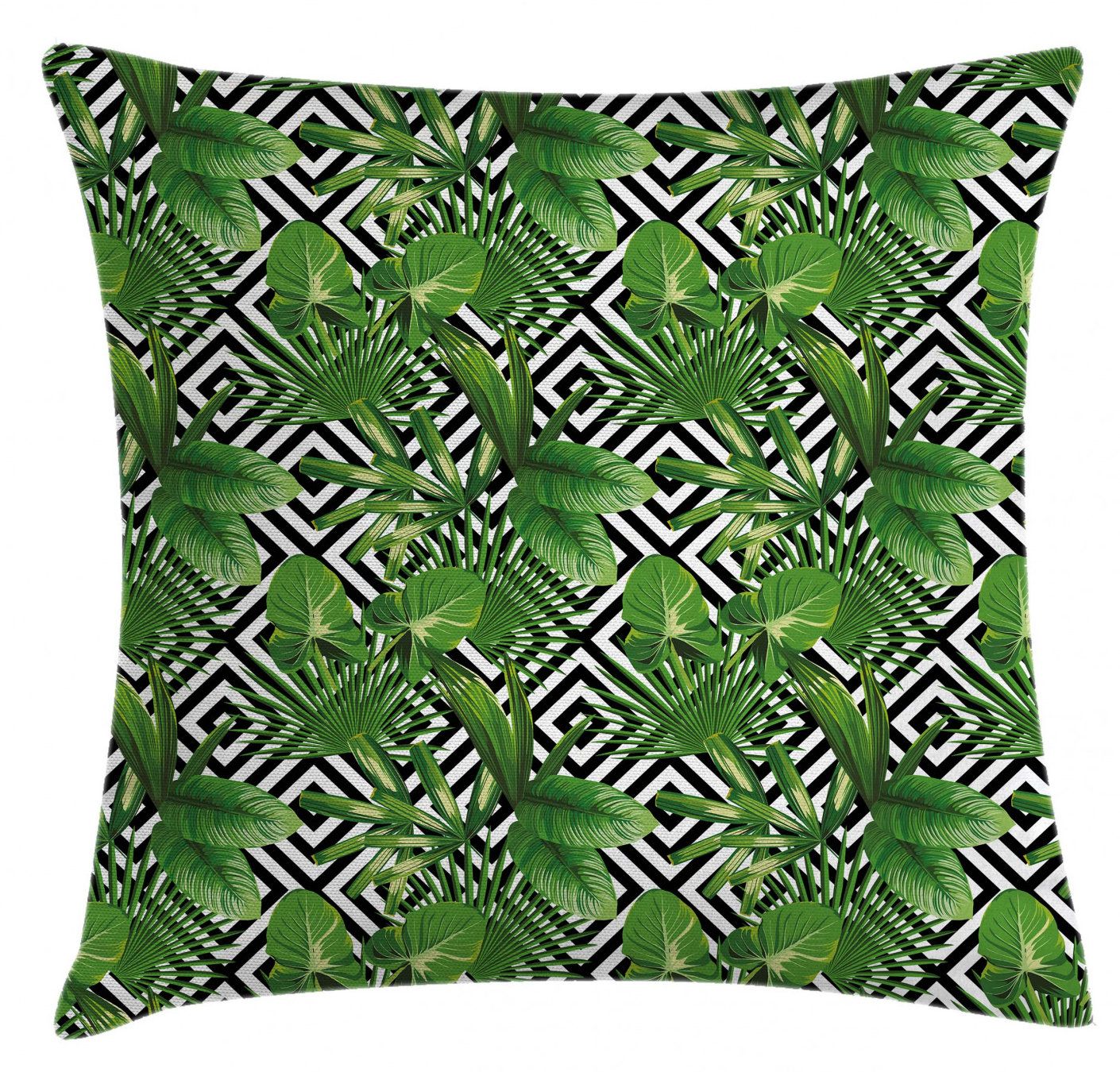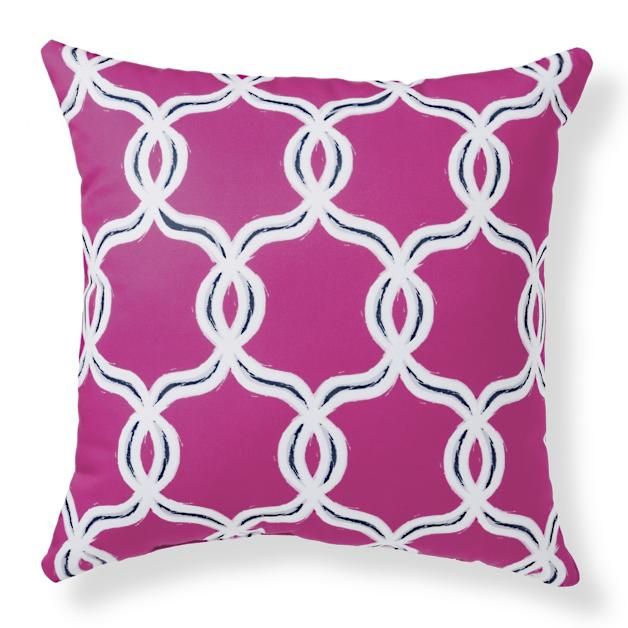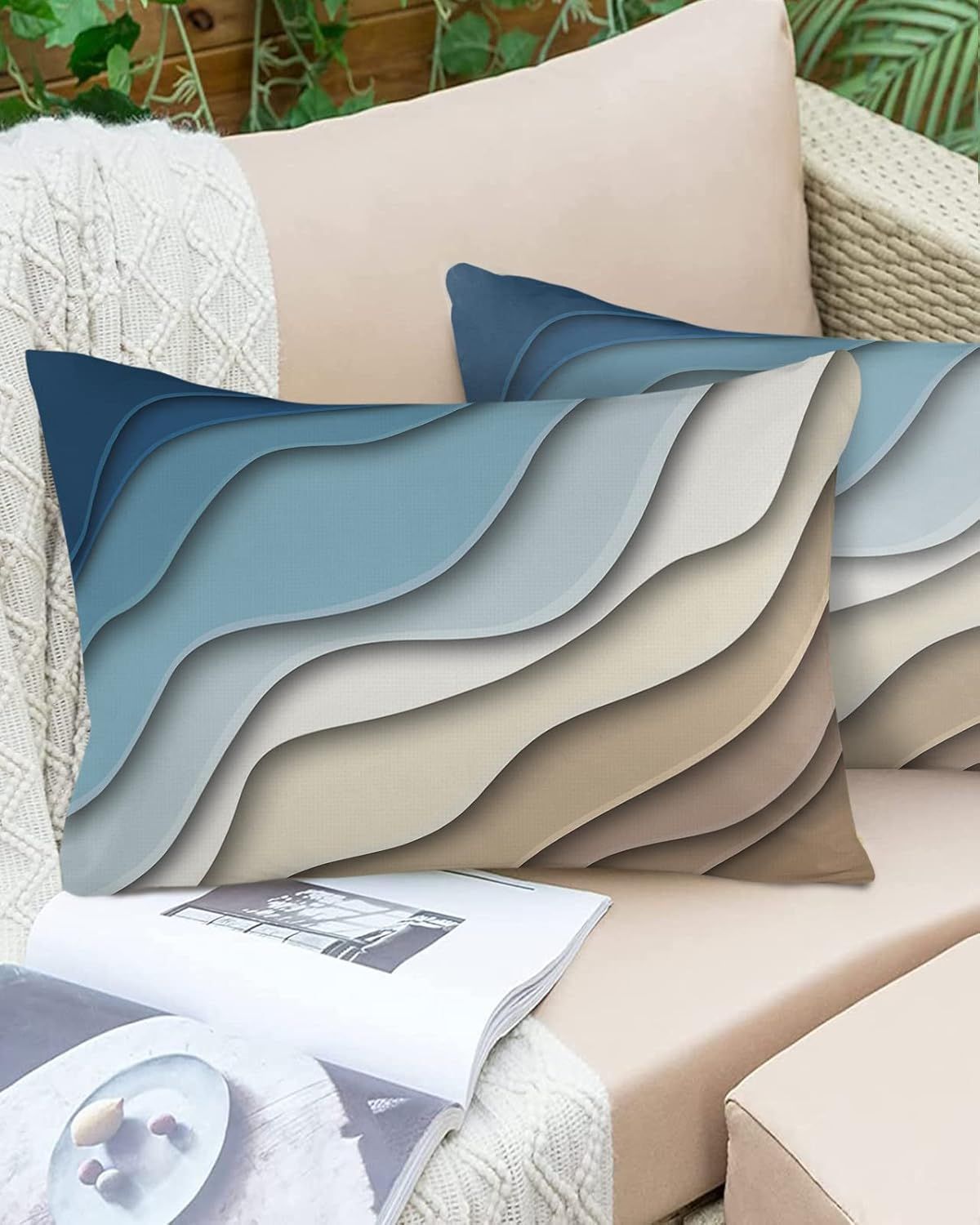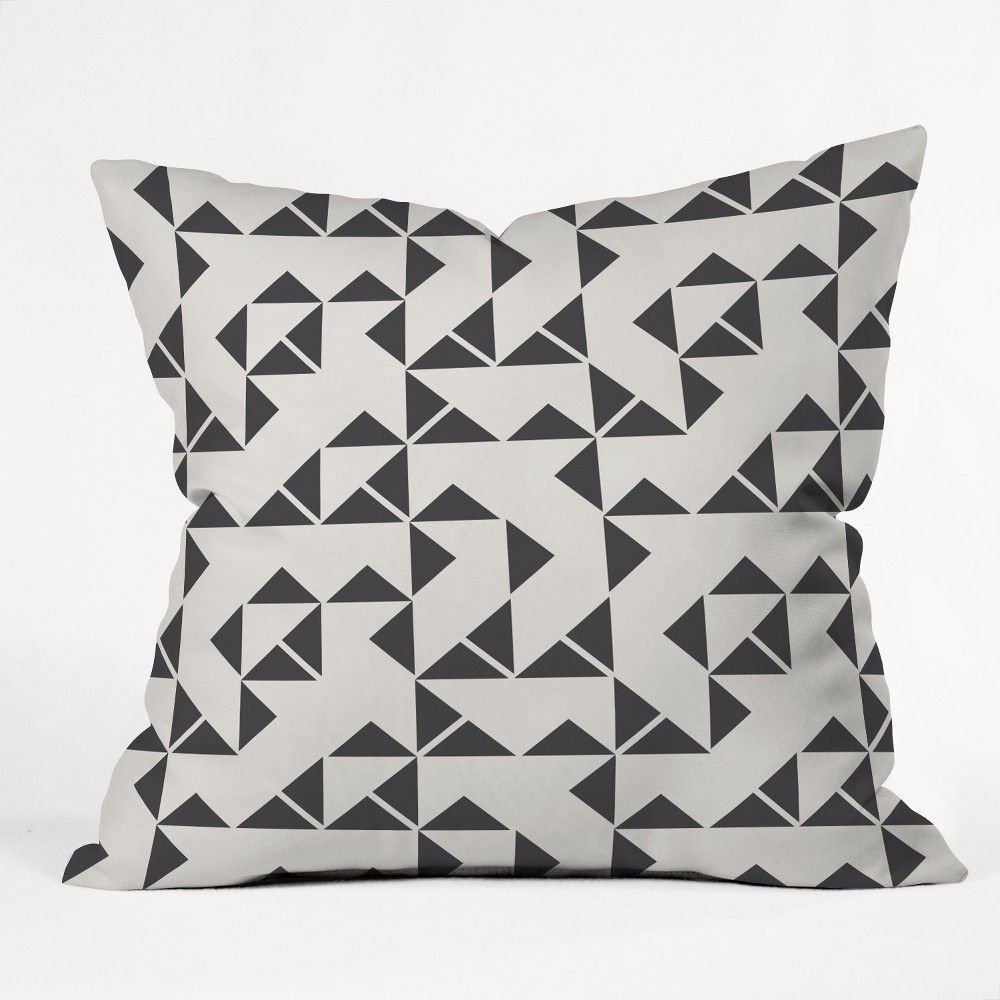
Have you ever noticed how different outdoor furniture pieces make you feel? Maybe one chair feels cozy and inviting while another seems too stark or overwhelming. It’s not just about comfort – there’s science behind why certain colors and shapes affect us so deeply when we’re outdoors. From the way sunlight hits a bright yellow garden bench to the calming curves of a wooden swing, every element carries psychological weight that influences our connection to outdoor spaces.
When we think about outdoor living spaces, we often focus on functionality and durability. But there’s another layer that’s equally important – the emotional and psychological impact of our outdoor furniture choices. Every shade of blue on a patio umbrella, every angular metal frame, every rounded cushion shape tells a story about how we want to feel in our outdoor environments. These visual elements don’t just decorate our spaces – they actively shape our experiences and moods. Understanding the psychology behind color and shape in outdoor furniture accessories helps us create spaces that truly serve us, whether we’re seeking relaxation, energy, or social connection.
The Emotional Language of Outdoor Colors
Colors have an incredible power to influence our emotions and behaviors without us even realizing it. In outdoor settings, this becomes particularly significant because we spend time in direct sunlight and under varying weather conditions. Think about how a deep forest green might make you feel grounded and peaceful, while a vibrant orange can energize and stimulate conversation.
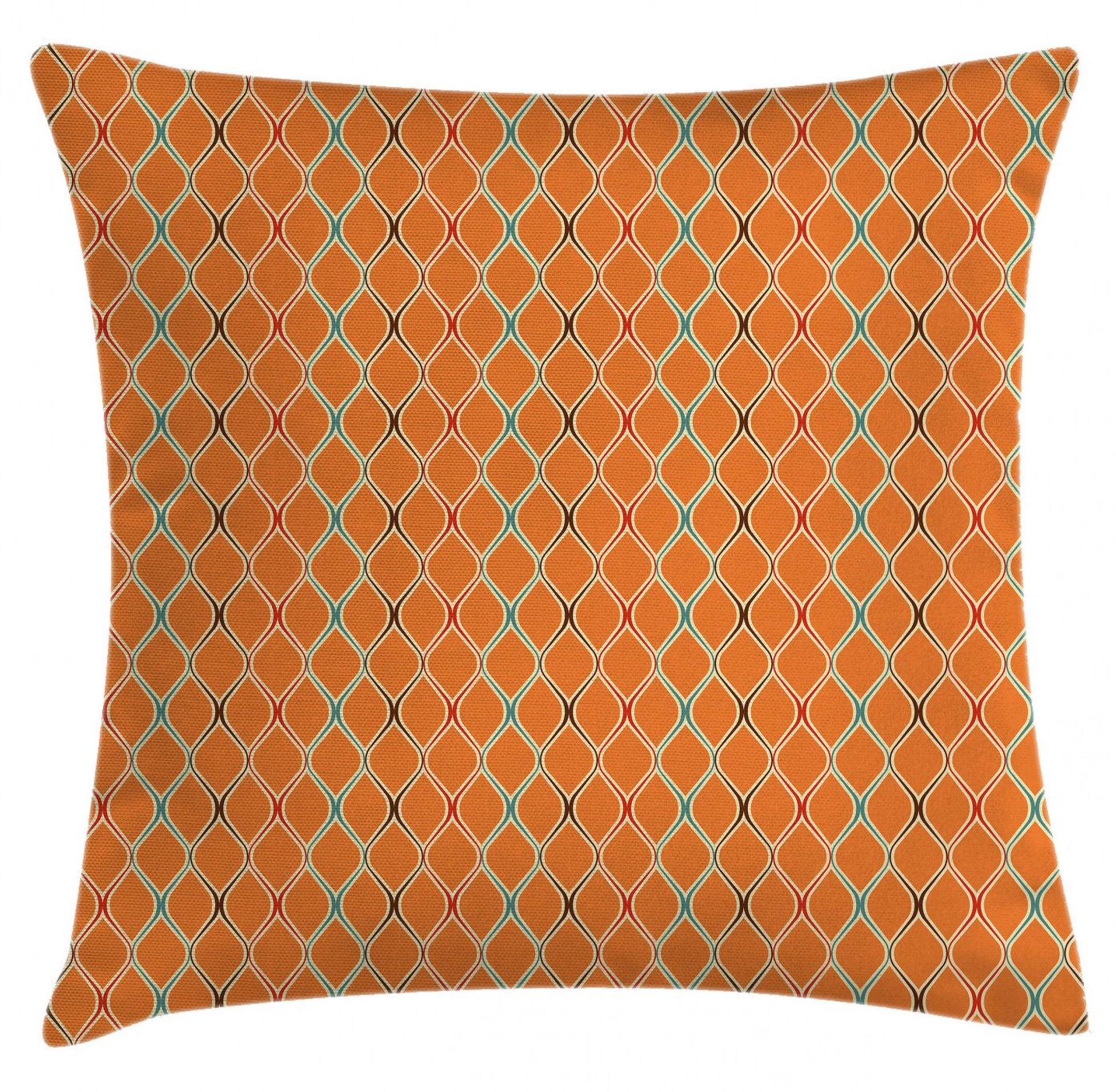
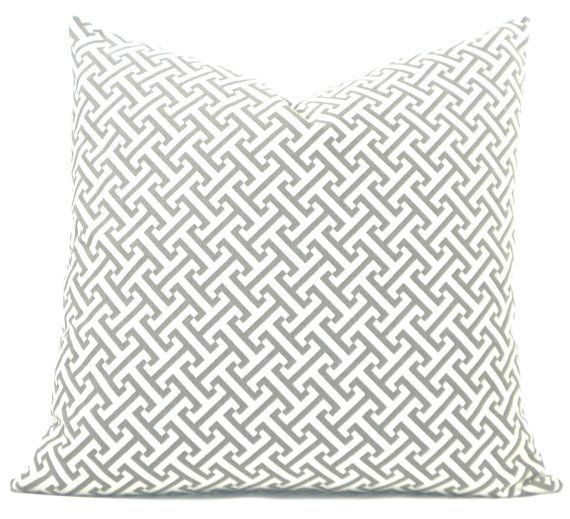
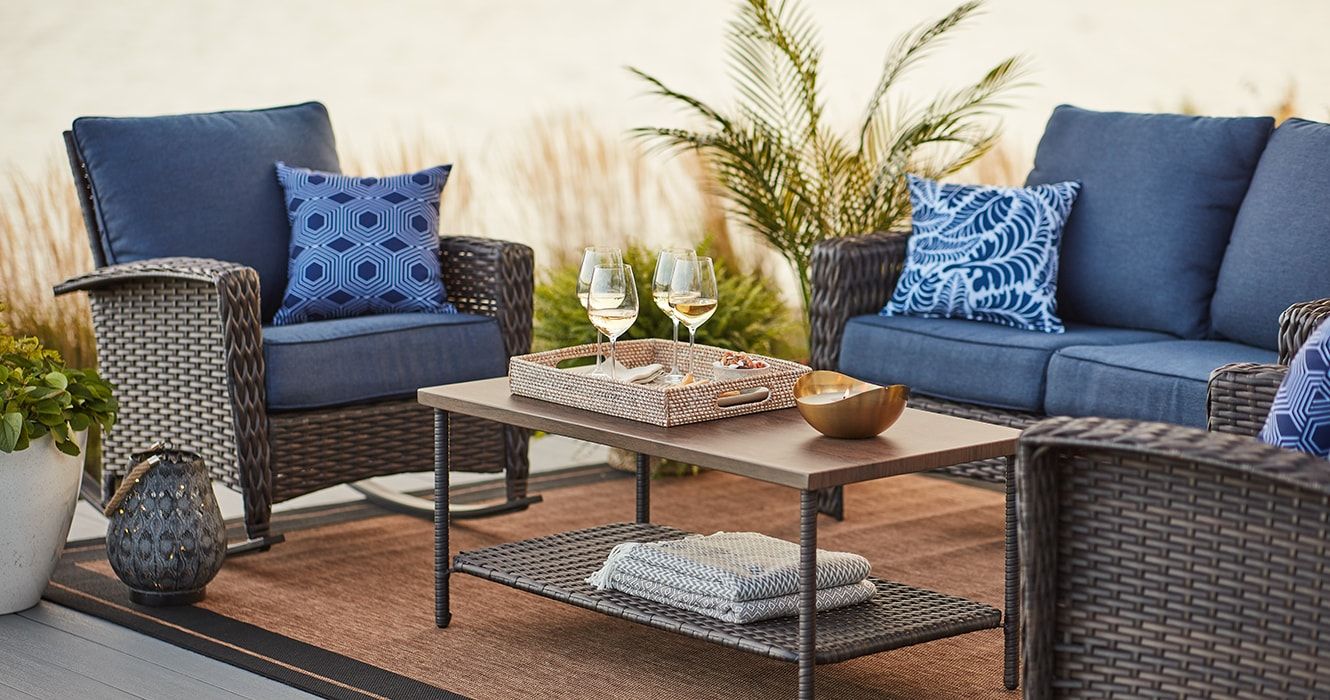
Different hues trigger different responses in our brains. Cool blues and greens tend to promote calmness and tranquility, making them perfect for relaxation areas. Warm reds and oranges create energy and excitement, ideal for dining areas where you want to encourage conversation. Neutral tones like beige and gray offer balance and sophistication, serving as excellent base colors that allow other elements to stand out.
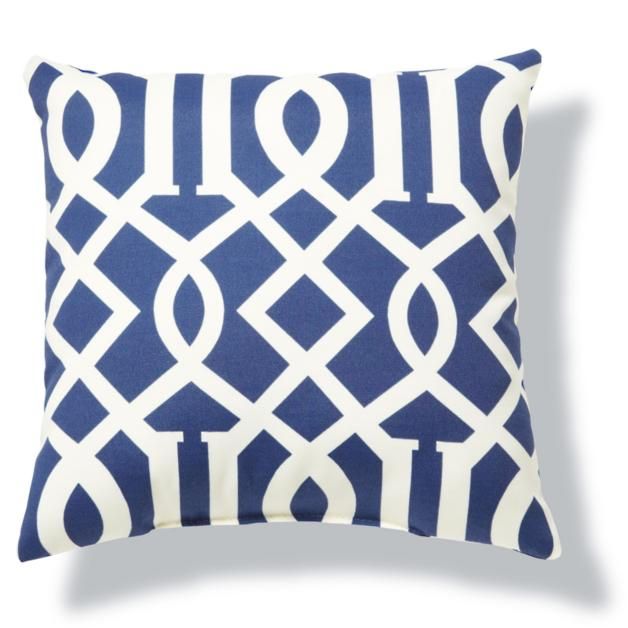
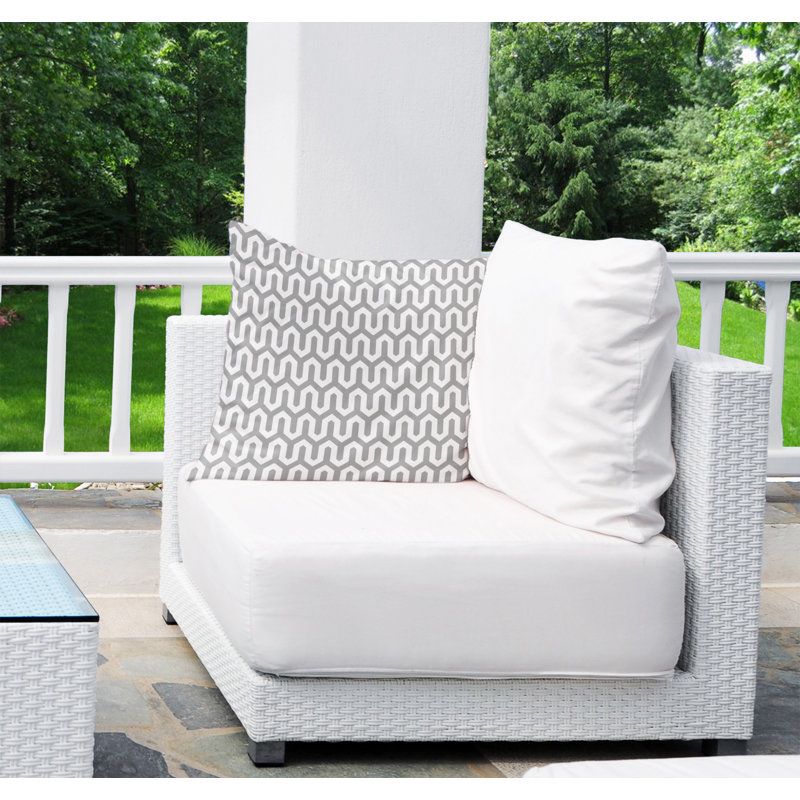
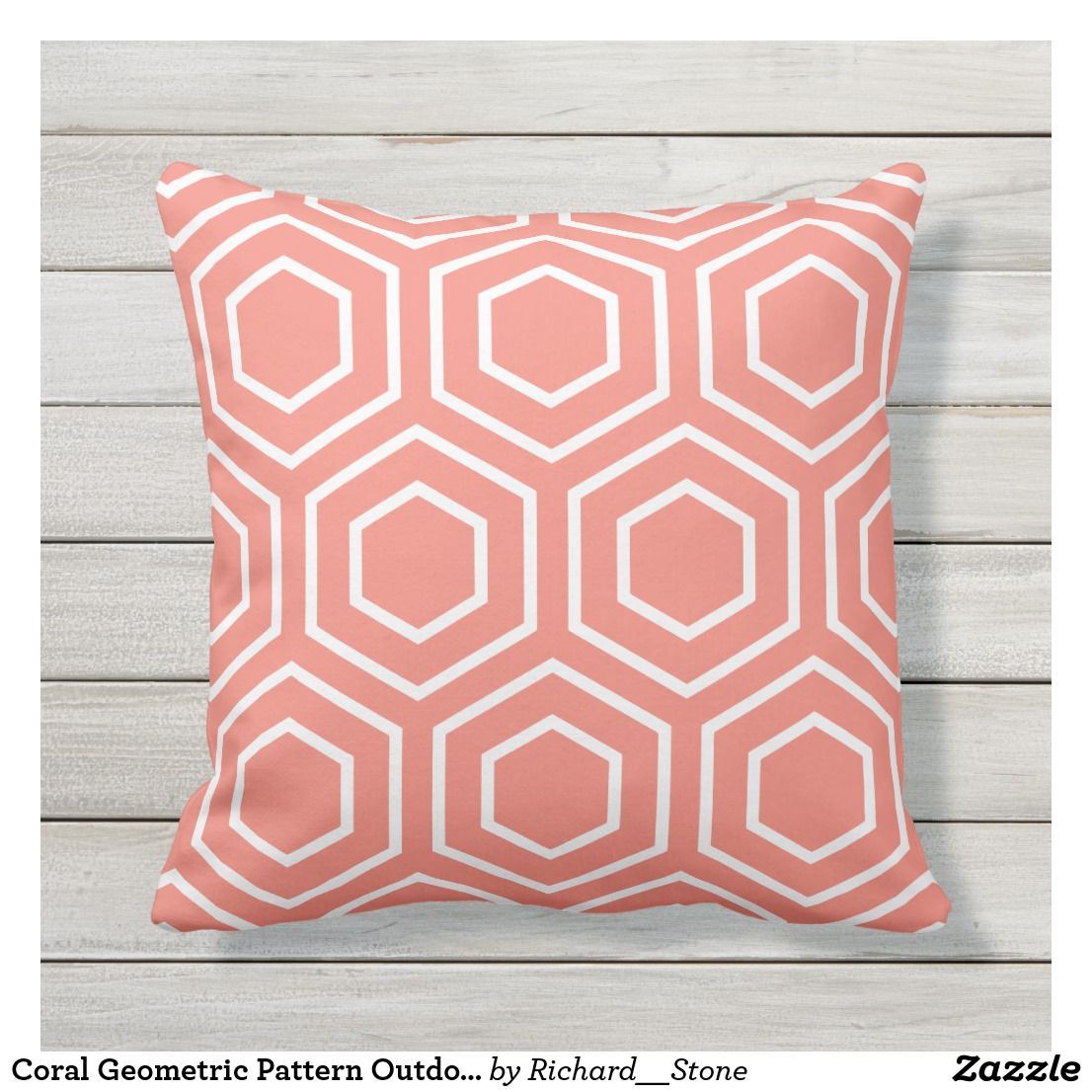
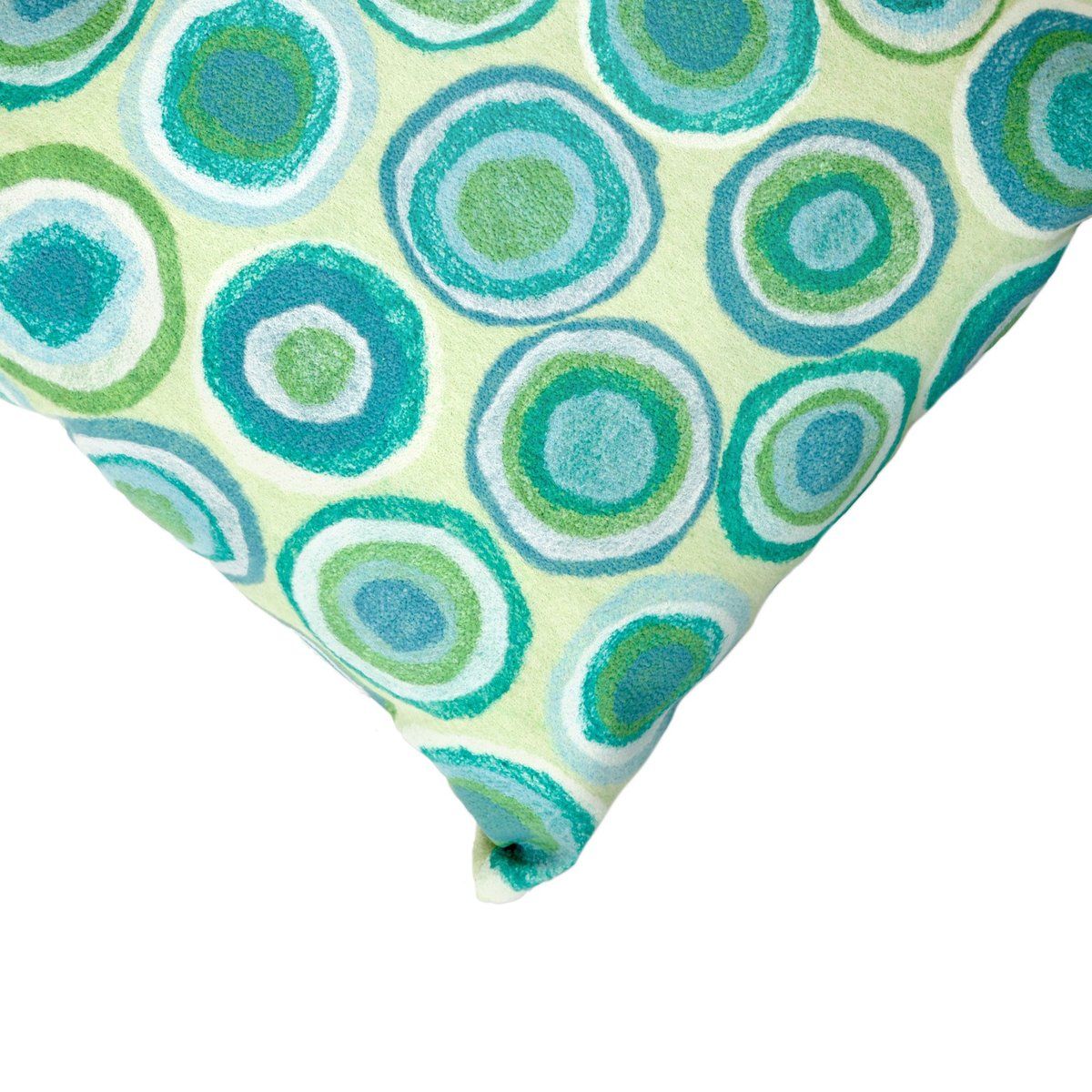
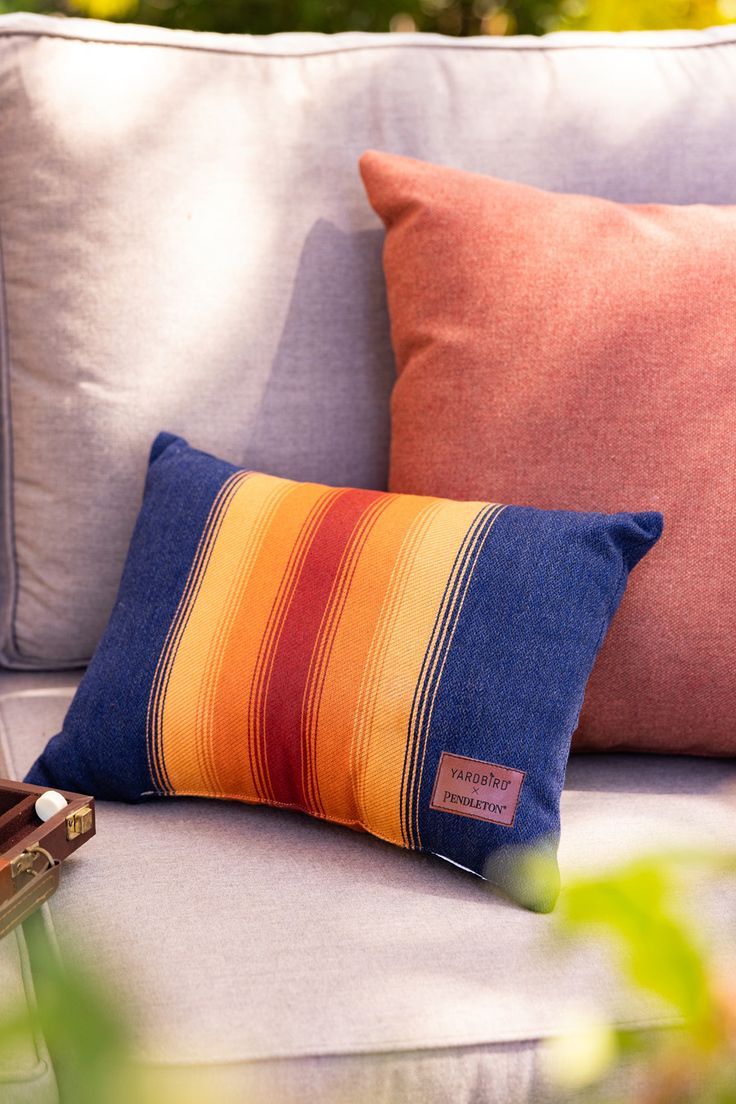
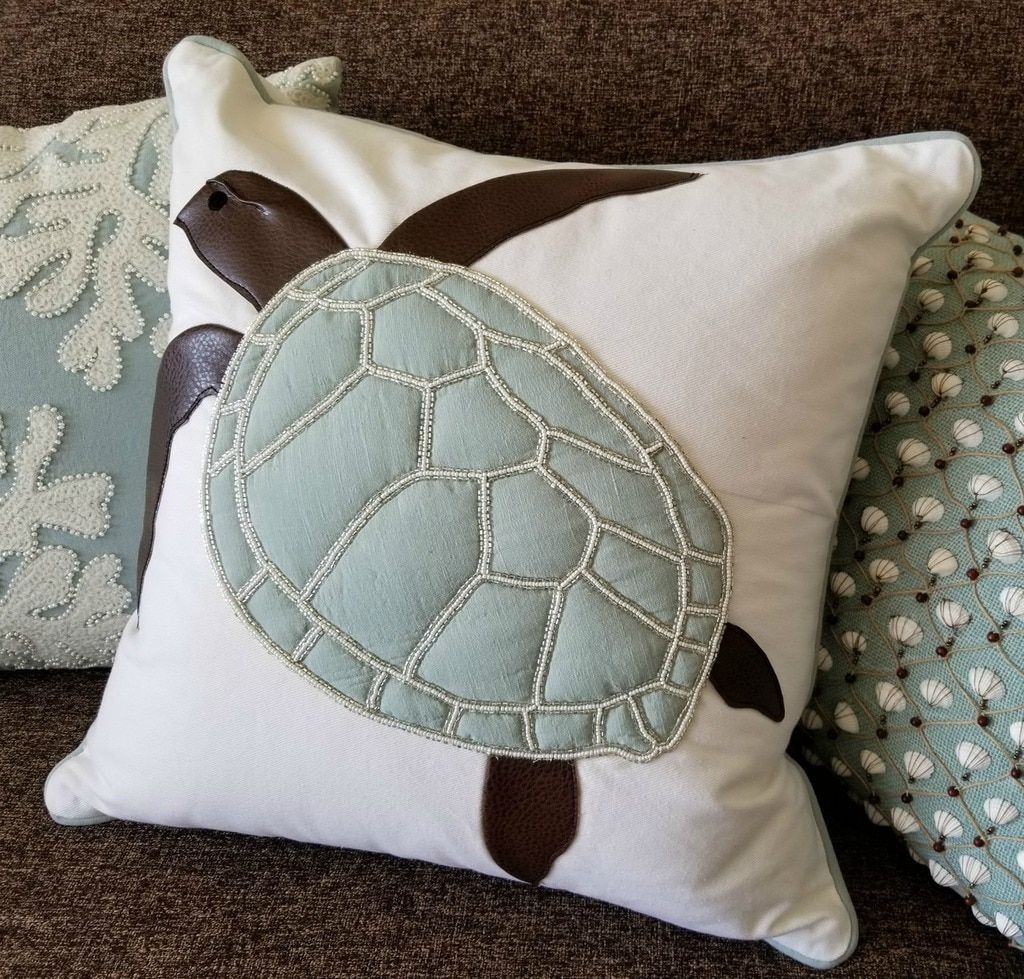
Consider how the color of your outdoor cushions affects your experience. A bright coral throw pillow might make you feel playful and youthful, while a soft sage green one could make you feel more connected to nature. The same goes for the main furniture pieces themselves – a white lounge chair can make a small space feel larger and airier, whereas a rich burgundy loveseat adds warmth and intimacy to a corner.
Shape Psychology in Outdoor Design
Shapes communicate messages just as powerfully as colors do. The geometry of outdoor furniture tells stories about personality, function, and atmosphere. Rounded forms naturally suggest comfort and approachability. A curved bench invites you to sit and stay, while sharp angles can create a sense of structure and formality.
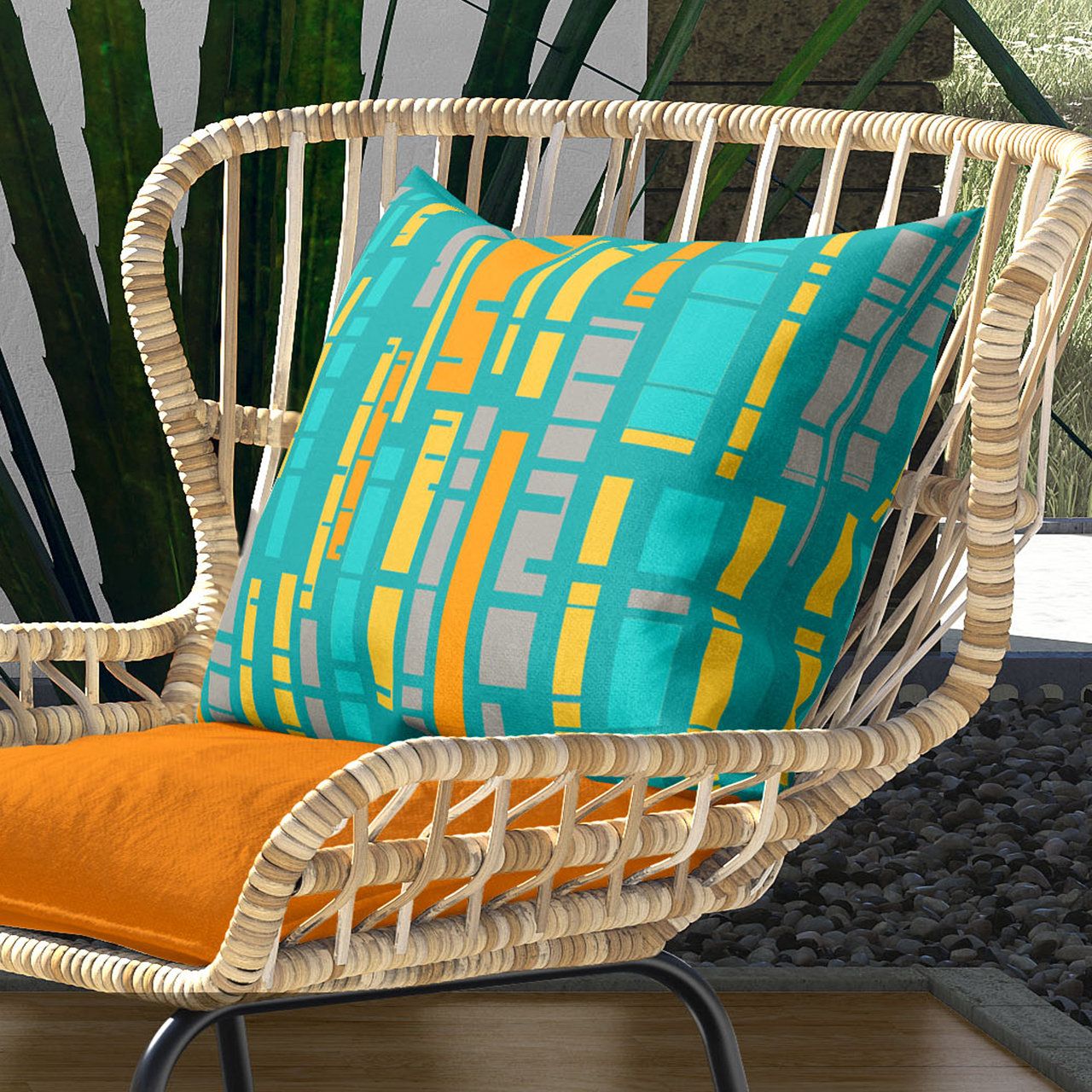
In outdoor settings, organic shapes – those that mimic natural forms like leaves or waves – tend to make people feel more relaxed and connected to their environment. Look at how a wicker chair with gentle curves makes you want to linger compared to a rigid metal frame that feels more transactional. The brain interprets these shapes as either welcoming or challenging, affecting everything from how long you stay to how you interact with others.
Square and rectangular shapes dominate modern outdoor designs and often create a sense of order and practicality. They work well in formal settings where you want a clean, organized look. But they can also feel cold or unwelcoming if used too heavily. The key is finding the right balance between geometric precision and human comfort in your outdoor arrangements.
Color Temperature and Seasonal Impact
Outdoor spaces experience dramatic changes throughout the seasons, and understanding how color temperature affects mood becomes crucial. Warm tones – yellows, oranges, and reds – gain energy during cooler months, making them perfect for creating cozy gathering spots when temperatures drop. These colors seem to pull light and heat toward them, literally and figuratively.
Cool tones – blues, greens, and purples – become more appealing in warmer weather, offering visual relief from the sun’s intensity. They create a sense of freshness and refreshment that’s particularly welcome on hot summer days. The way these colors reflect off surfaces and interact with natural light creates a subtle but powerful shift in how we perceive and enjoy our outdoor spaces.
Consider how a blue umbrella can make a hot day feel more manageable, or how a red lantern can make a cool evening feel more intimate. These aren’t just aesthetic choices – they’re psychological tools that help us adapt to changing environmental conditions and emotional needs throughout the year.
Cultural Influences on Color Perception
While some color associations are universal, cultural backgrounds significantly shape how we interpret colors in outdoor contexts. In Western cultures, white often represents cleanliness and simplicity, making it popular for outdoor furniture that needs to appear fresh and easy to maintain. In many Asian cultures, white can symbolize purity and peace, but it also requires more careful maintenance due to its tendency to show dirt.
Red carries very different meanings across cultures. In China, red represents luck and celebration, making it ideal for festive outdoor gatherings. In Western contexts, it often signals energy and excitement. Understanding these nuances becomes especially important when designing outdoor spaces that might be used by diverse groups of people.
Green symbolism varies globally too. In some cultures, it represents growth and renewal, while in others it might signal caution or danger. When selecting outdoor furniture accessories, consider not just personal preferences but also the cultural backgrounds of those who will use the space regularly. This awareness helps create more inclusive and universally appealing outdoor environments.
Practical Applications for Homeowners
Applying these principles doesn’t require expensive redesigns or major renovations. Small changes in color and shape can dramatically transform your outdoor experience. Start by identifying the primary function of each area in your outdoor space. A dining area might benefit from warm colors that encourage conversation, while a reading nook could use cooler tones for serenity.
Consider mixing shapes strategically. Place a few round elements among more angular pieces to create visual interest and balance. This approach prevents any single shape from dominating the space and creates a more dynamic environment. You might try pairing a square table with rounded chairs, or using a curved bench next to straight-backed seating.
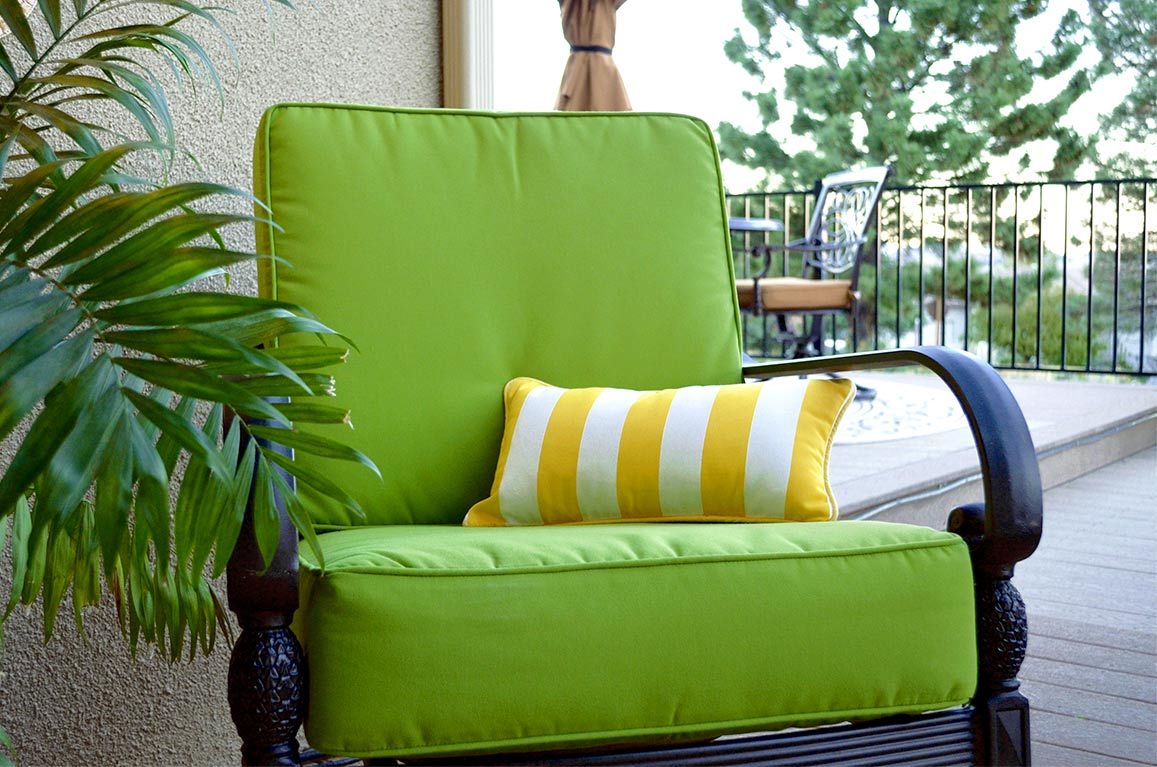
Don’t overlook the importance of contrast. Bold color accents against neutral backgrounds can create focal points that draw attention and guide movement through your space. A bright yellow chair against a white deck can make that chair stand out as the star of the show, encouraging people to sit there and engage with others.
Designing for Specific Moods and Activities
Every outdoor space can be designed to support specific emotional states and activities through thoughtful color and shape selection. For relaxation zones, opt for soft, muted colors and rounded forms that suggest comfort and ease. Think of gentle blues and earth tones paired with curved seating options that invite people to sit and stay.
For active social areas, brighter colors and more defined shapes can stimulate engagement and interaction. Vibrant yellows and oranges work well for gathering spaces where you want people to feel energetic and sociable. Angular furniture pieces can create clear boundaries and structured areas that encourage conversation and activity.
Exercise or meditation spaces might benefit from natural colors and organic shapes that connect users to their surroundings. Earth tones and flowing lines help create environments that feel grounding and supportive of mindfulness practices. The key is matching the visual elements to the intended purpose of each outdoor area.
Understanding the psychology of color and shape in outdoor furniture accessories isn’t about making your space look more expensive or trendy – it’s about creating environments that genuinely support how you want to live and feel outdoors. Whether you’re designing a new space or updating existing furniture, remember that every color choice and shape decision impacts your emotional experience. The best outdoor spaces are those where the visual elements work together to support your lifestyle, your mood, and your connections with others. Take time to observe how different combinations make you feel, and don’t be afraid to experiment with colors and shapes until you find what truly resonates with your outdoor lifestyle. After all, your outdoor space should feel like an extension of yourself, not just a place to put furniture.