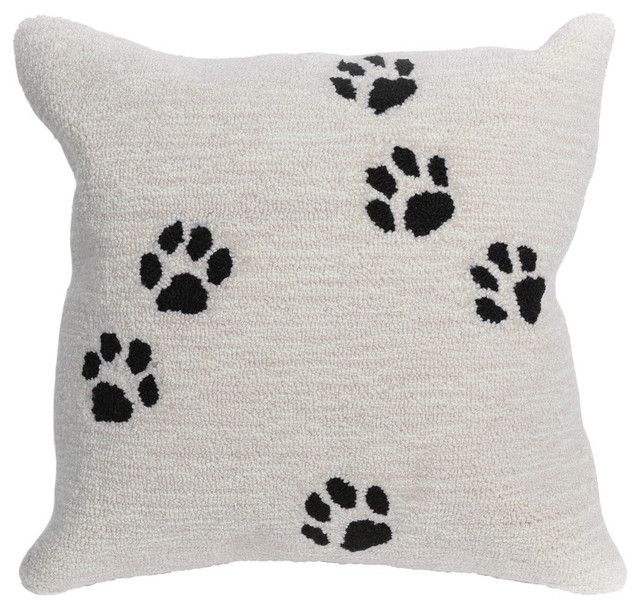
When you think about cleaning your home, you might focus on the living room or kitchen. But there’s one spot that deserves extra attention – your dog’s pillow. This cozy spot where your furry friend spends countless hours isn’t just a comfort item. It’s a hotspot for bacteria, allergens, and odors that can affect both your pet’s health and your household’s cleanliness.
Picture this: your dog has been sleeping on their favorite pillow all day, maybe even all week. They’ve left behind their scent, some drool, and who knows what else? While you might think a quick vacuum is enough, the truth is your dog’s pillow needs a different approach. This isn’t just about keeping things fresh – it’s about maintaining a healthy environment for both you and your four-legged companion. The pillow becomes a breeding ground for microorganisms when not properly cleaned, and that’s something we can’t ignore.
The Microbial Playground
Think of your dog’s pillow like a microbial playground. When your pet lies on it, they leave behind skin cells, saliva, and oils from their fur. These elements combine with dust, dirt, and other particles that accumulate over time. What happens next? Bacteria multiply rapidly, sometimes doubling every 20 minutes under the right conditions.
This isn’t just gross – it’s potentially harmful. Some of these microbes can cause allergic reactions in humans and pets alike. Consider that a typical dog pillow can harbor hundreds of thousands of bacteria, especially if it hasn’t been washed in weeks. The warm, moist environment created by your dog’s body heat makes it perfect for growth.
Real-world example: A study found that dog beds had 10 times more bacteria than a typical kitchen sponge, showing just how quickly these areas can become contaminated.
Odor Control Beyond Surface Cleaning
When we talk about cleaning your dog’s pillow, we’re not just addressing visible dirt. The smell is often the first clue something needs attention. That distinctive doggy odor isn’t just about fur – it’s about the complex mixture of sebum, sweat, and saliva that accumulates in the fabric fibers.
Simple surface cleaning won’t cut it. The smell penetrates deep into the material, making it necessary to treat the entire pillow rather than just the outside. You’ll notice that even after washing, if the pillow still smells, it’s likely because the deeper layers haven’t been properly addressed.
Pro tip: Always use a deodorizing agent specifically designed for pet items. Regular laundry detergent alone might remove surface grime but won’t eliminate the persistent odors that dogs leave behind.
Allergen Management
For many people, the biggest concern isn’t just cleanliness but allergies. Dog dander – microscopic flakes of skin – can trigger serious allergic reactions. These tiny particles cling to pillows and bedding, making them a significant source of indoor allergens.
What makes this particularly important is that allergens don’t just stay on the surface. They work their way deep into the fabric, where they can persist for months. If you or someone in your household suffers from pet allergies, regular deep cleaning becomes essential.
Consider this: a single dog pillow can contain enough allergens to trigger symptoms in sensitive individuals. Regular vacuuming helps, but it’s nowhere near sufficient. You need to wash and sanitize these items properly to reduce exposure effectively.
Fabric-Specific Care Approaches
Not all dog pillows are created equal, and that matters when it comes to cleaning. Some are made from materials that can handle high heat, while others require gentle treatment. Cotton and polyester blends often tolerate machine washing well, but delicate fabrics may need hand-washing or professional cleaning.
The filling also plays a role. Down-filled pillows might require special attention to ensure the down stays clean and fluffy. Synthetic fillings could be more prone to trapping odors and bacteria.
Key factors to consider:
• Material type
• Washability guidelines
• Fill composition
• Size and weight considerations
Example: A memory foam dog pillow might need to be spot-cleaned rather than submerged in water, while a cotton throw pillow could go through a full wash cycle.
Health Implications for Your Pet
Cleaning your dog’s pillow isn’t just about keeping your house smelling fresh – it’s about protecting your pet’s health too. When bacteria build up in bedding, they can cause skin irritations, respiratory issues, and even infections in some cases.
Your dog’s immune system works hard to fight off these microbes, but constant exposure can weaken their defenses over time. Plus, if your pet has any existing skin conditions, dirty bedding can worsen symptoms significantly.
A clean pillow means:
• Reduced risk of bacterial skin infections
• Better air quality around your pet
• Less irritation from trapped allergens
• Improved overall sleep comfort
Remember, your dog spends roughly 8-10 hours per day sleeping. That’s a lot of time breathing in whatever particles are present in their bedding.
Practical Cleaning Tips and Schedule
Now that we know why cleaning matters, let’s talk about how to do it right. There’s no one-size-fits-all approach, but following some basic principles will keep your dog’s pillow in great condition.
Weekly tasks:
• Vacuum the surface to remove loose hair and debris
• Spot-clean any obvious stains immediately
• Check for signs of wear or damage
Monthly maintenance:
• Full washing cycle (if machine-washable)
• Sanitization with pet-safe products
• Inspection of zippers, buttons, and seams
Seasonal deep cleaning:
• Thorough disinfection
• Replacement of worn-out parts
• Professional cleaning for delicate items
Important note: Always check manufacturer instructions before attempting any cleaning process. Some pillows have specific requirements that must be followed to avoid damage.
Taking care of your dog’s pillow might seem like a small detail, but it’s actually a crucial part of maintaining a healthy home environment. The pillow isn’t just a place for your pet to rest – it’s a complex ecosystem that requires attention to prevent health problems and maintain cleanliness. From understanding the microbial growth that occurs to recognizing the importance of proper fabric care, each aspect plays a role in ensuring your pet stays healthy and your home remains comfortable.
Don’t underestimate the impact of a well-maintained dog pillow. It’s a simple investment that pays dividends in terms of reduced allergies, better sleep quality for both you and your pet, and peace of mind knowing you’re providing a clean space for your beloved companion. The next time you’re planning a cleaning session, remember to give that special pillow the care it deserves. It might be small, but its influence on your household’s wellness is anything but.