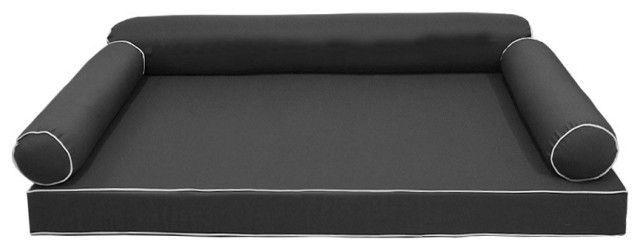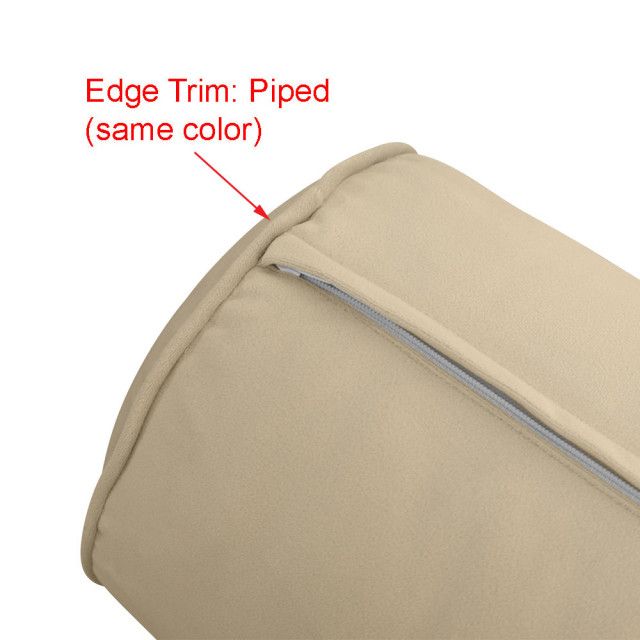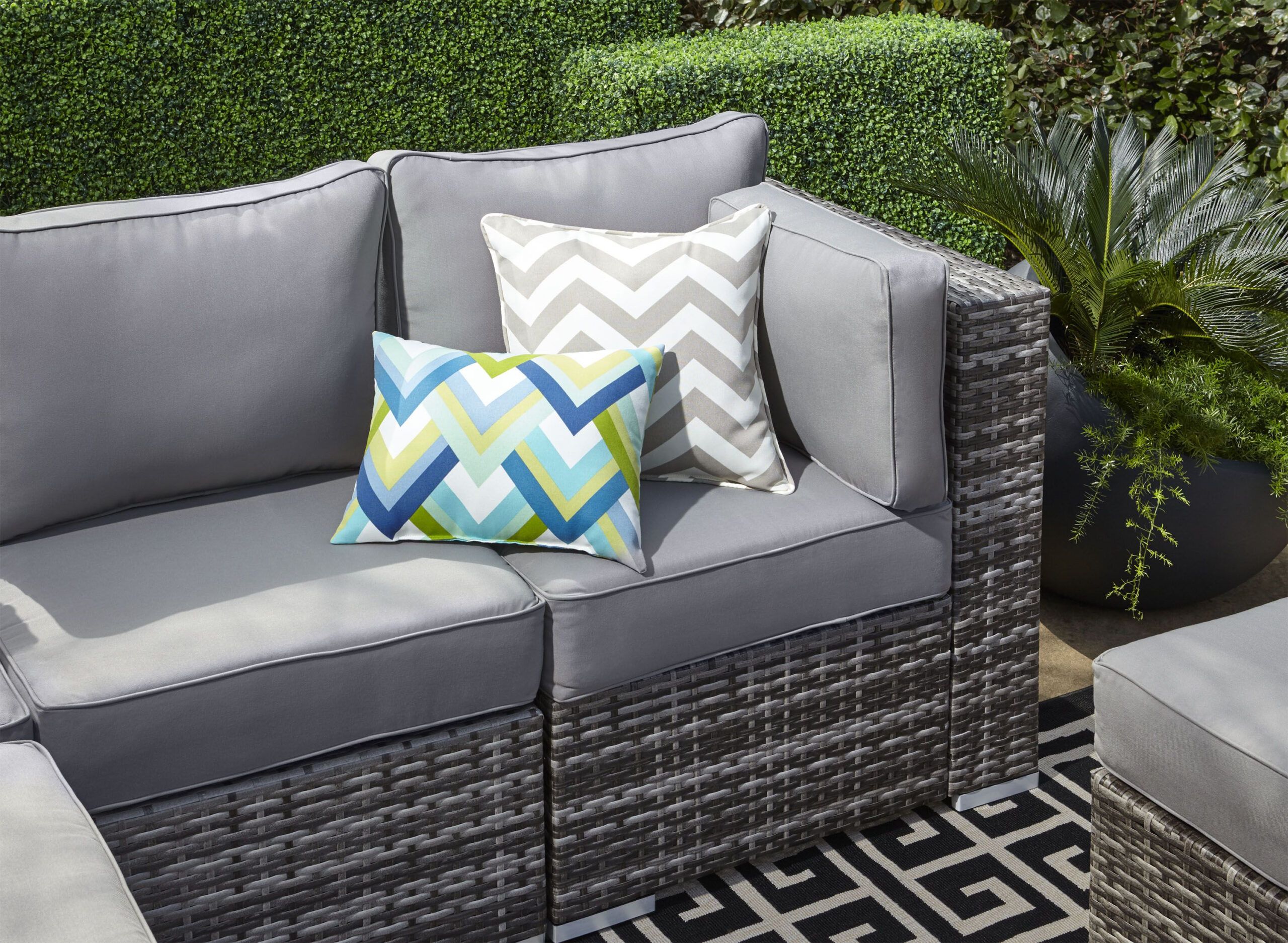
Picture this: You’re sitting on a sleek, modern patio set. Everything looks clean and minimal, but something catches your eye. It’s subtle, yet it makes the whole piece feel complete. That something is contrast trim – the often-overlooked element that transforms ordinary outdoor furniture into extraordinary statements.
When we think about outdoor furniture, our minds usually jump to materials, comfort, and weather resistance. But there’s another layer to the equation that often goes unnoticed until you see it in action. Contrast trim isn’t just about adding a few extra lines or colors. It’s about creating visual interest, defining form, and giving outdoor spaces that polished, intentional look that makes them feel special rather than just functional. Think of it like the finishing touch on a painting – it’s what makes everything else pop.
What Exactly Is Contrast Trim?
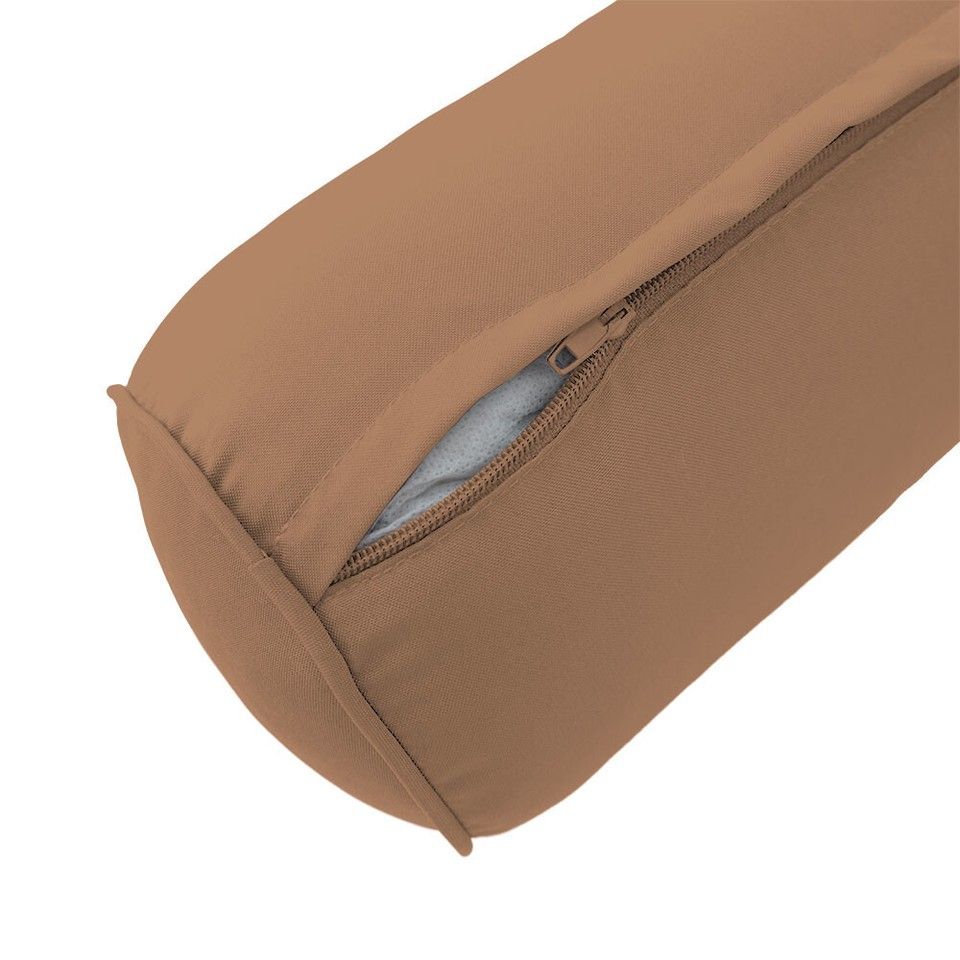
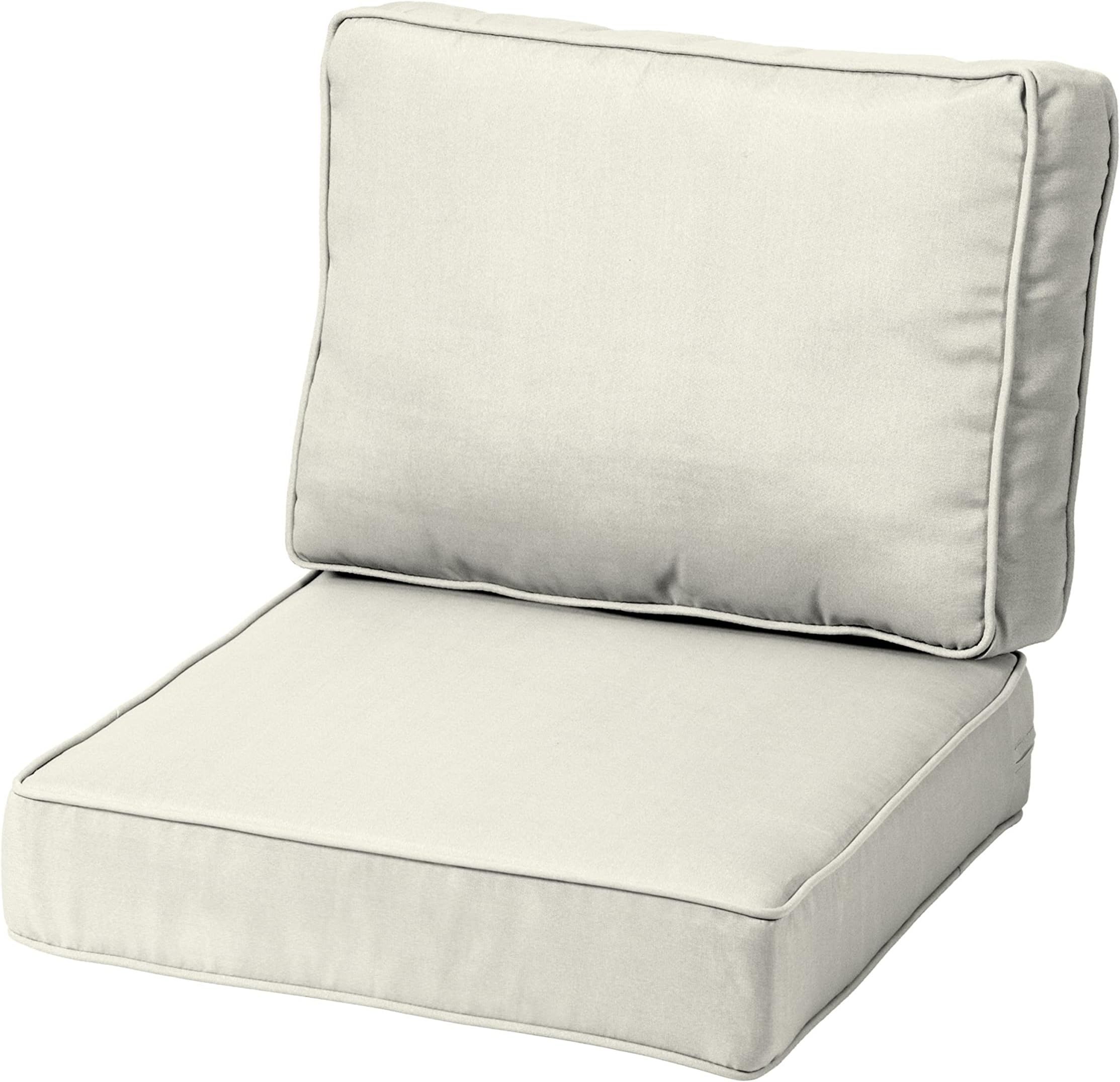
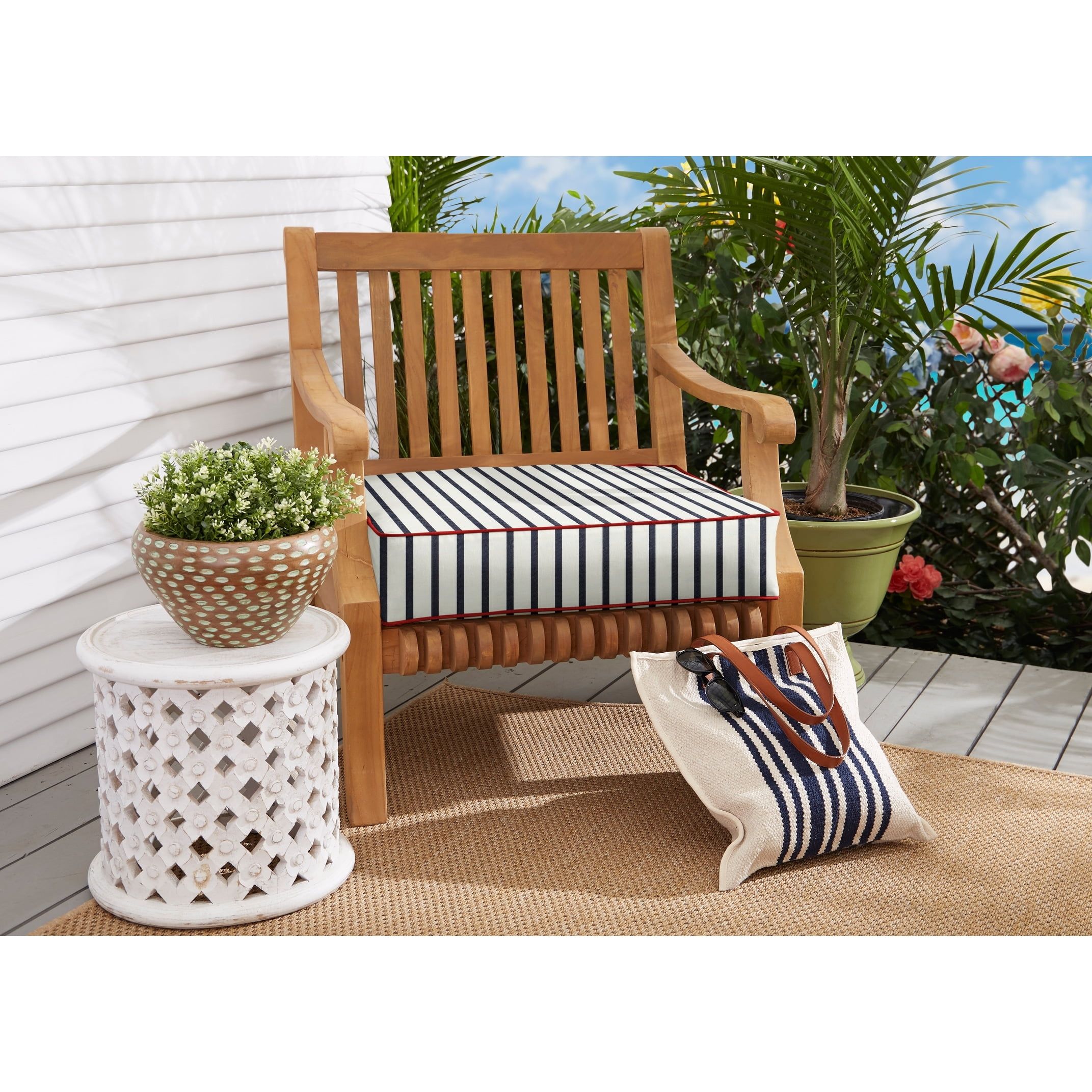
Contrast trim refers to the deliberate use of different materials, colors, or textures to highlight specific areas of outdoor furniture. It’s not just about decoration – it’s a design principle that guides the eye and adds dimension. This might be a darker edge on light-colored cushions, a contrasting metal strip along a wooden frame, or even a different fabric texture on one side of a chair back. The key is that it creates visual separation between elements while maintaining overall harmony. It’s like having a conversation with yourself, where the contrast makes the main message clearer. For instance, when you see a white aluminum table with black metal accents, the contrast makes both materials more distinct and interesting.
Why Contrast Matters in Outdoor Spaces
Outdoor environments present unique challenges for furniture design. Sunlight changes throughout the day, creating constantly shifting shadows and highlights. Weather conditions can affect how colors appear, and the open-air setting demands furniture that stands out visually. Contrast trim addresses all these issues. It provides definition where it’s needed most, helps break up large, flat surfaces, and creates focal points that draw attention. Consider how a simple wooden bench becomes more dynamic when it features a contrasting trim around the seat edges. The trim doesn’t just add beauty – it makes the piece more interesting to look at and easier to navigate. Plus, in outdoor settings, the contrast helps define the furniture’s shape and function, especially during those golden hour moments when everything takes on a warm glow.
Material Pairings That Work Wonderfully Together
The magic happens when you pair materials thoughtfully. Here are some combinations that consistently deliver striking results:
• Wood and metal: The classic pairing that never disappoints. A teak dining table with brushed aluminum legs creates a sophisticated contrast.
• Light wood with dark metal: Creates a strong visual hierarchy that makes both elements stand out.
• Natural fibers with synthetic materials: A rattan chair with polyester cushions in a contrasting color.
• Textured vs. smooth surfaces: A smooth concrete coffee table with a ribbed trim edge.
These pairings work because they create tension and balance simultaneously. The contrast isn’t jarring – it’s purposeful. It’s the difference between a piece that looks like it belongs in a showroom versus one that feels like it was designed specifically for the space it occupies.
Color Psychology in Outdoor Contrast
Colors have power, especially in outdoor environments where they’re exposed to natural light and changing conditions. Bright colors can make a space feel energetic and vibrant, while neutral tones create calm and sophistication. When choosing contrast trim colors, consider:
• Seasonal impact: Does the contrast work well in summer sun or winter light?
• Room coordination: How does it complement the overall color scheme?
• Mood creation: Do you want bold statements or subtle enhancements?
A blue-gray trim on a bright yellow outdoor sofa creates a dramatic effect that’s perfect for a contemporary backyard. Meanwhile, a warm brown trim on a light gray chair adds richness without overwhelming the space. The right color choice can transform a casual patio into a sophisticated retreat. Sometimes, even a small accent color can change how an entire outdoor room feels.
Practical Applications and Real-World Examples
Let’s talk about how this translates into actual outdoor living spaces:
• Dining sets: Trim along the edges of tables or chairs can make them more defined and easier to use. Think of a white dining table with a dark wood border – it’s both functional and beautiful.
• Seating arrangements: A contrasting trim on a lounge chair back can make it more comfortable to sit against and visually appealing to look at.
• Storage solutions: Outdoor storage boxes benefit from trim that defines their structure and prevents them from blending into backgrounds.
• Accent pieces: Small items like planters or side tables gain character when they feature contrasting details.
Real-world examples show that the best designs don’t just look good – they solve problems too. A contrast trim on a storage box makes it easier to identify and access contents. On a dining chair, it helps prevent wear marks from appearing as unattractive stains.
Maintenance and Longevity Considerations
Here’s where contrast trim really gets interesting from a practical standpoint. The materials chosen for contrast must hold up under outdoor conditions. Rust-resistant metals, UV-stable fabrics, and weatherproof woods all play a role in ensuring that the contrast continues to look fresh over time. Some trim elements may require more care than others. For example, a painted metal edge needs regular touch-ups, while a natural wood trim might benefit from periodic staining. The key is selecting materials that complement each other in durability and maintenance requirements. It’s like choosing clothes that match – you want them to look good together AND last long.
Contrast trim in outdoor furniture design isn’t just about aesthetics – it’s about creating spaces that feel intentional and well-thought-out. Whether you’re designing new outdoor furniture or upgrading existing pieces, understanding how to use contrast effectively can transform your space from merely functional to truly memorable. The beauty lies in its subtlety and power. A few carefully chosen contrasting elements can completely change how a room feels and functions. It’s the difference between a house that looks like it was put together quickly and one that feels like it was designed with care and intention. Next time you’re looking at outdoor furniture, pay attention to those details. You might be surprised how much more appealing a space becomes when contrast trim works its magic.