Think about the last time you sat at a desk for hours, feeling your lower back start to ache. Or perhaps you’ve laid in bed trying to find the perfect position to fall asleep. For many of us, these experiences are all too familiar. But what if we told you that the secret to better sleep and more productive workdays might lie in something as simple as proper back support? Today’s advanced lumbar technology isn’t just about comfort—it’s about creating environments that actually work with our bodies rather than against them.
In today’s fast-paced world, we spend most of our time either sitting at desks or lying down trying to catch some rest. Our backs often pay the price for these habits. But there’s good news: modern lumbar technology is changing everything. These innovations aren’t just about padding or extra cushioning—they’re about understanding how our spine functions and designing support that actually helps our bodies perform at their best. Whether you’re looking to improve your sleep quality or boost your productivity at work, the right lumbar support can make a surprisingly big difference. Let’s explore how this technology is reshaping our approach to comfort and health.
Understanding Lumbar Support Basics
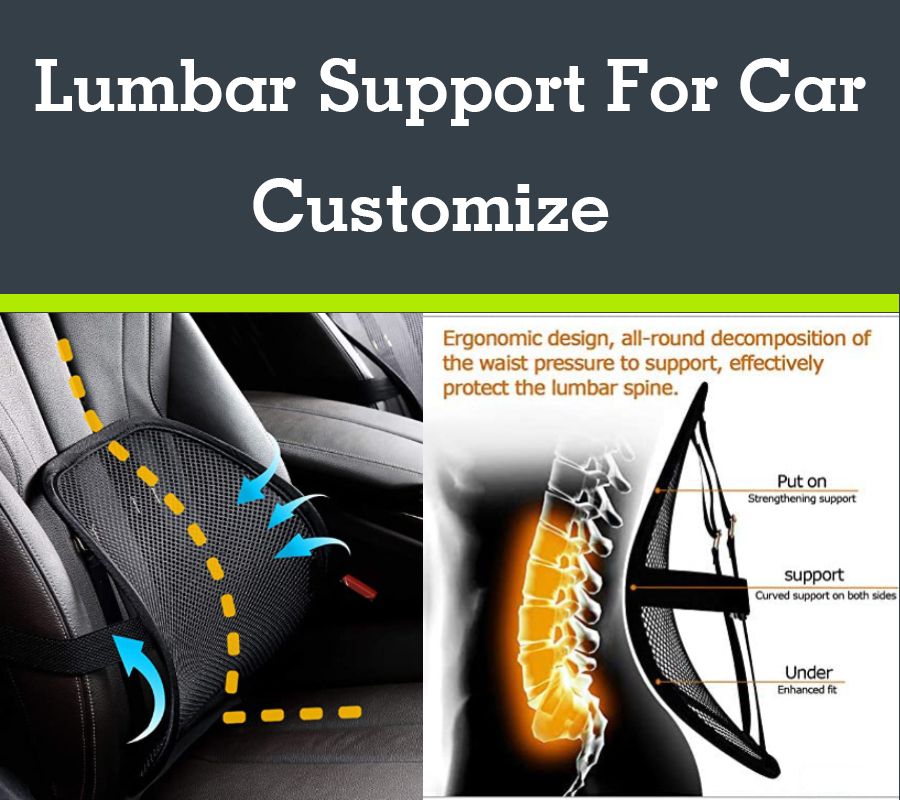
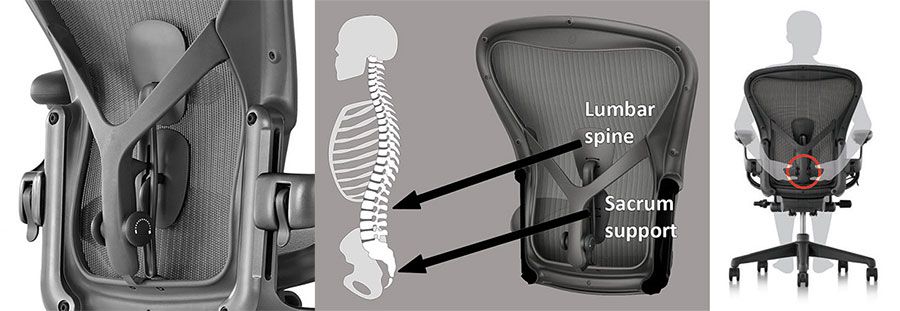
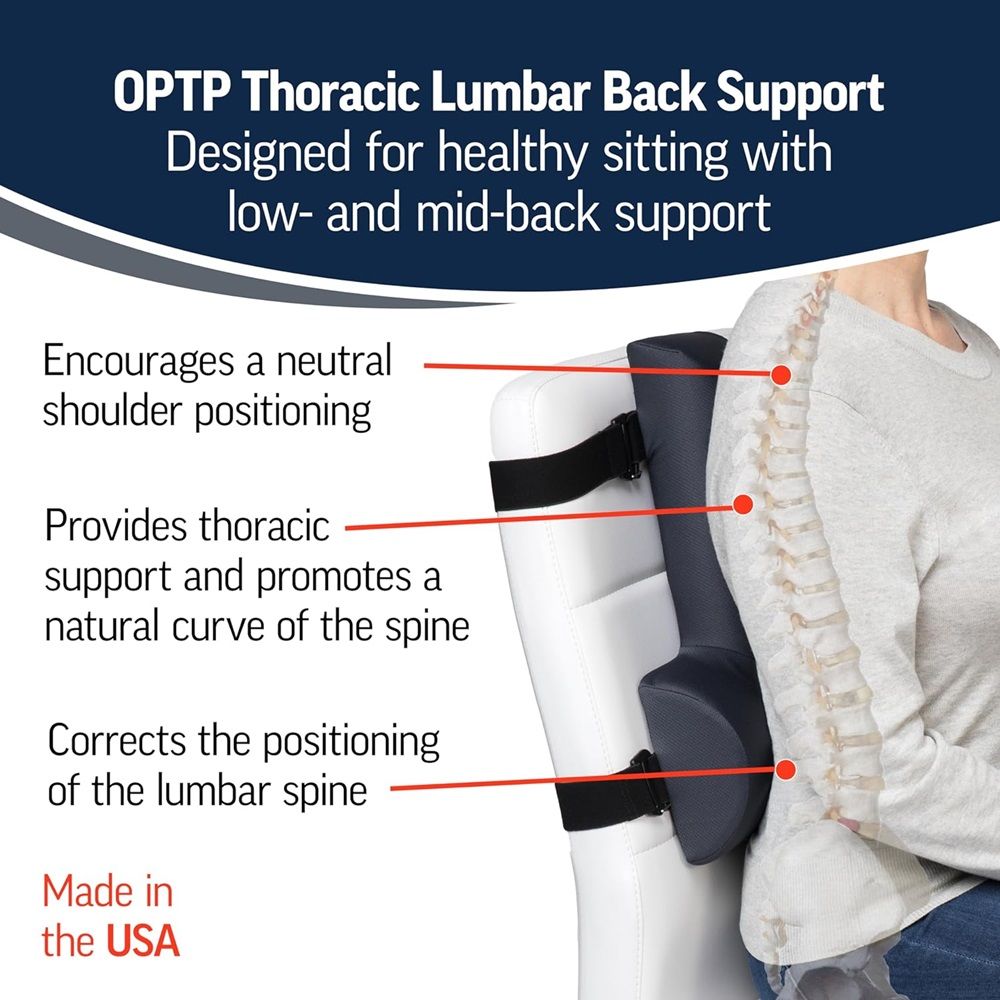
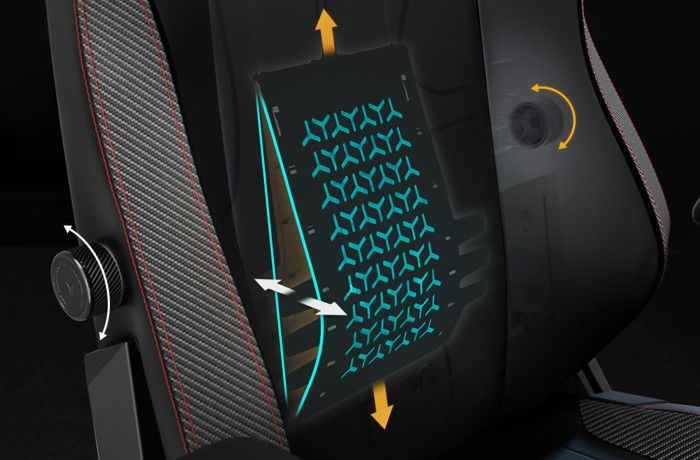
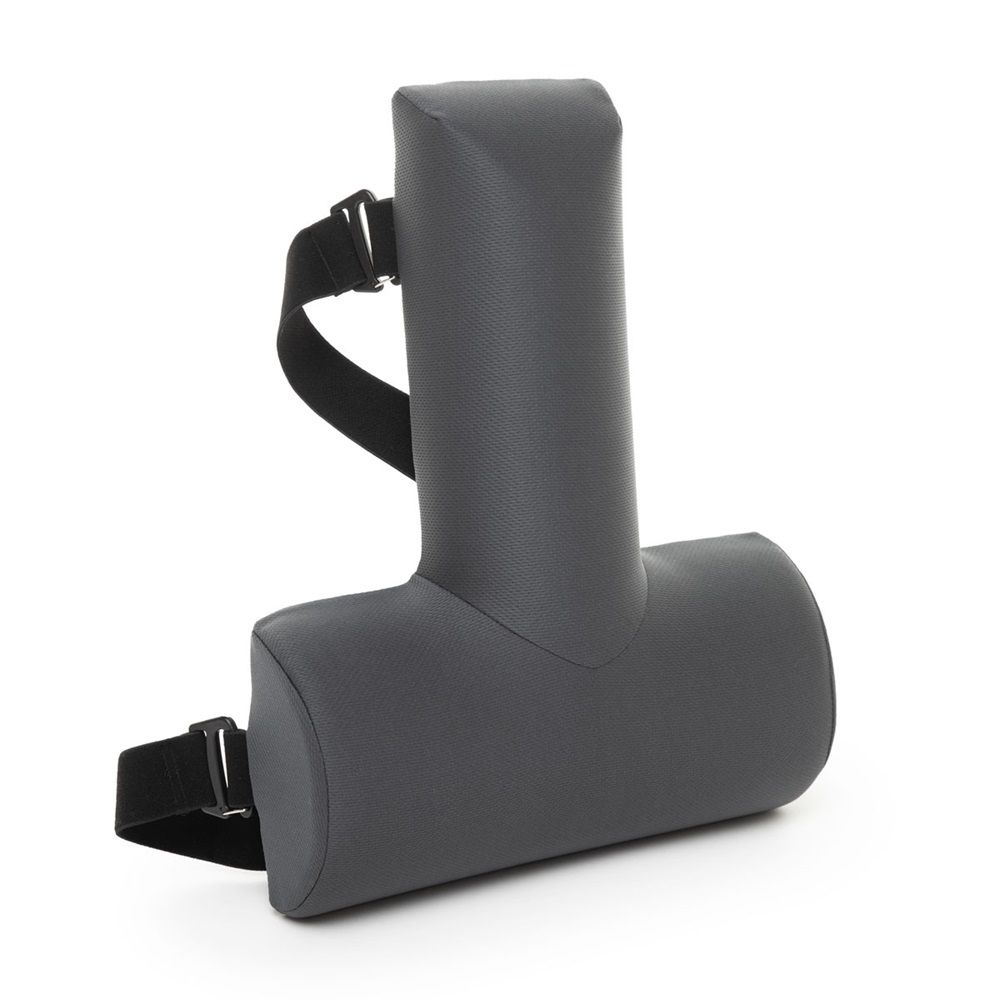
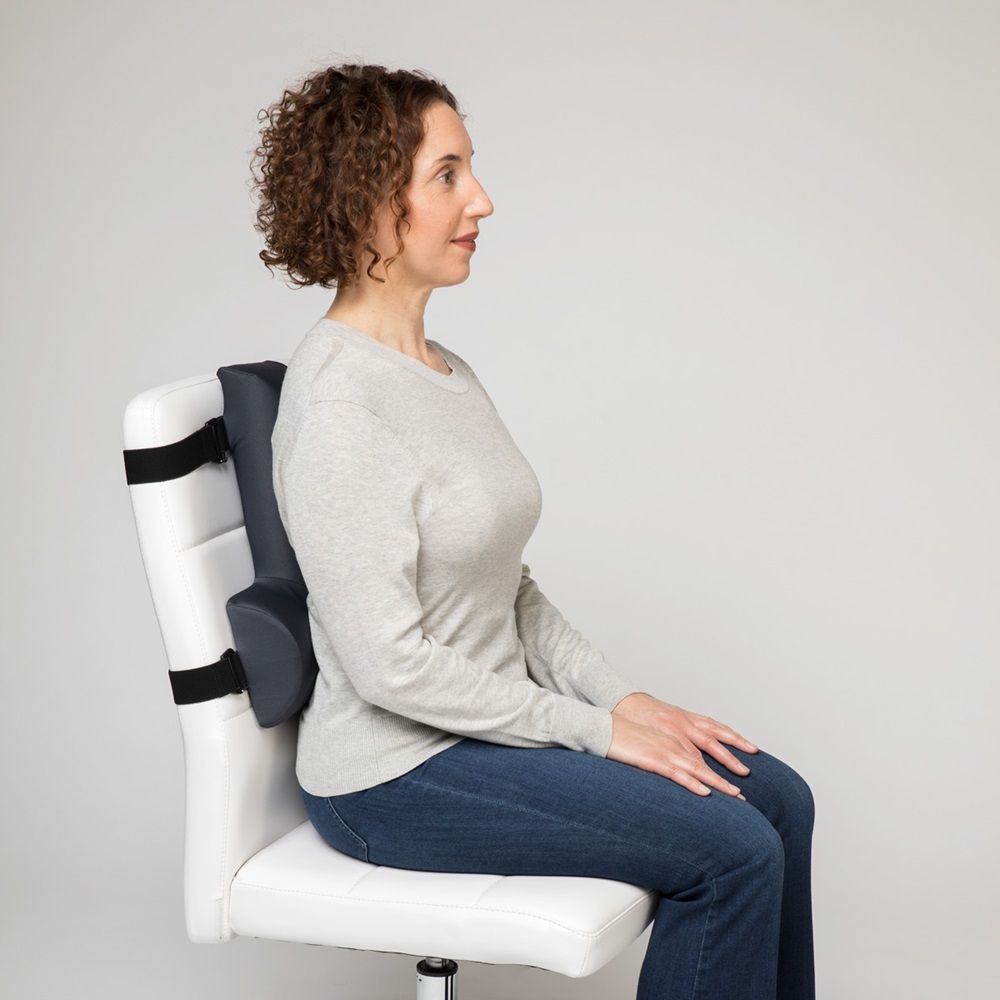
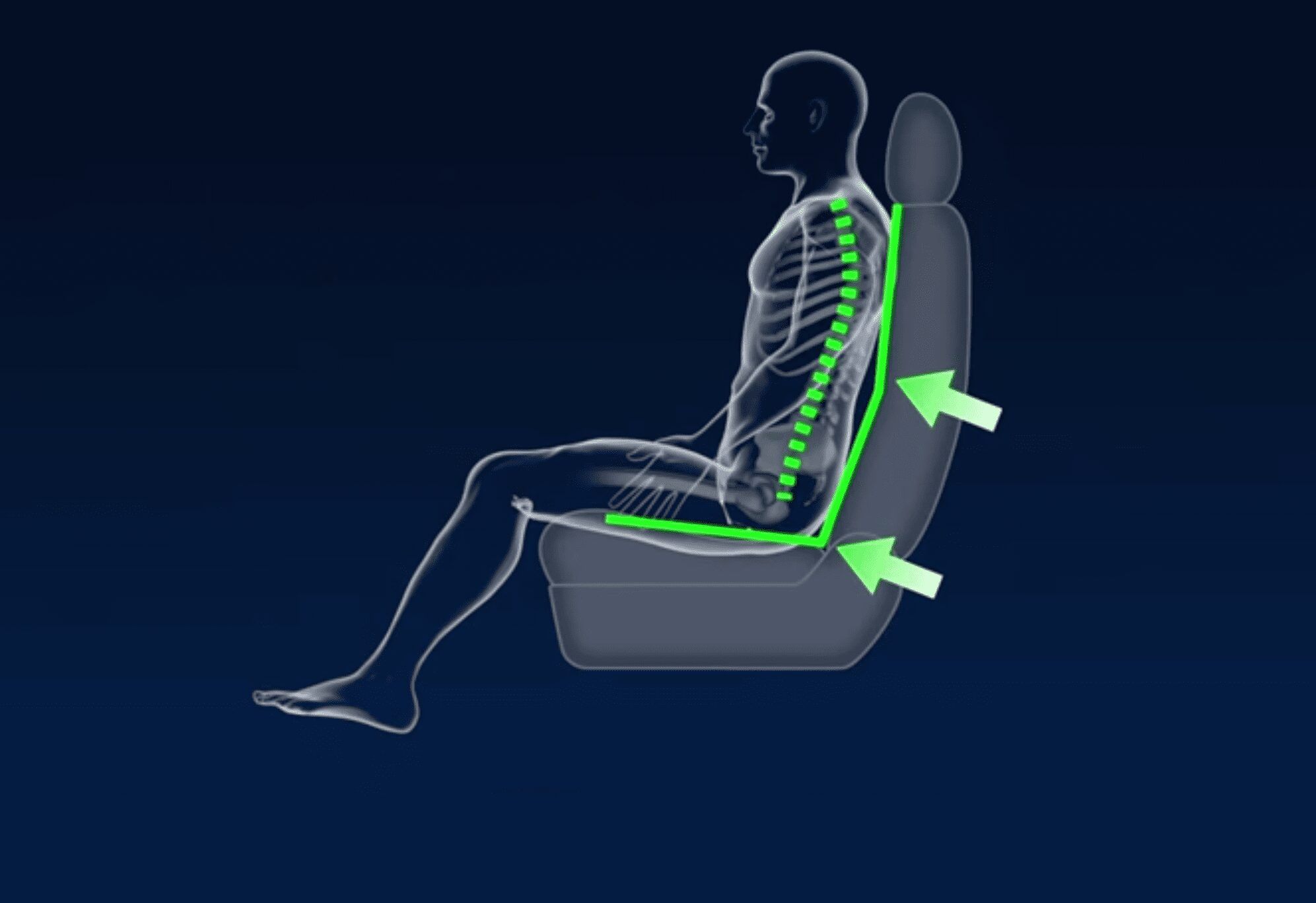
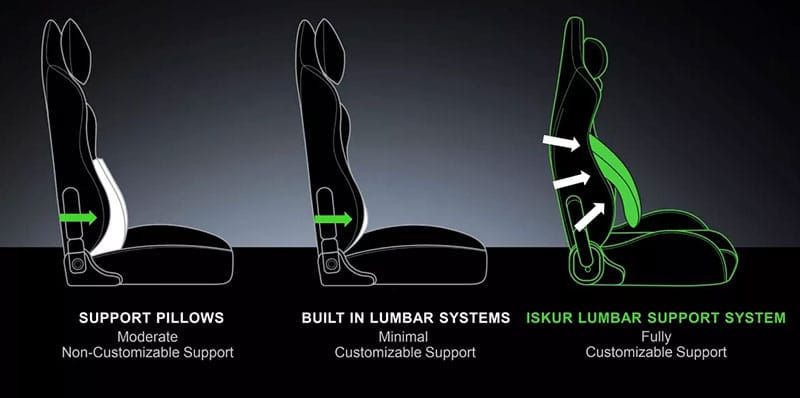
Before we dive into advanced technology, let’s start with the fundamentals. The lumbar region is that lower part of our spine, just above the hips. This area bears significant weight when we sit or stand, making it prone to strain and discomfort. Traditional office chairs often provide little to no support in this crucial area, leading to poor posture and back pain. The key insight behind modern lumbar technology is that our spines have natural curves that need to be supported. When we sit properly, these curves should be maintained naturally. Advanced systems now offer adjustable support that adapts to different body types and positions. Think of it like having a custom-fitted glove instead of a one-size-fits-all approach. Some systems even incorporate sensors that detect posture changes and adjust support automatically. This means your back gets exactly what it needs, when it needs it, without you having to think about it.
The Science Behind Modern Lumbar Systems
Modern lumbar technology isn’t just guesswork—it’s rooted in biomechanics and ergonomics research. Scientists study how forces distribute across our spines during various activities. They look at factors like muscle activation patterns, joint stress, and pressure points. This research led to the development of systems that can provide targeted support where it’s needed most. For instance, some advanced systems use materials that compress and expand based on body heat and movement. Others incorporate smart fabrics that respond to pressure changes. The technology also considers individual differences—some people have more pronounced natural curves while others have flatter spines. These variations mean one size definitely doesn’t fit all. Instead, modern systems offer multiple adjustment points, allowing users to customize their support levels. What’s fascinating is that these systems can even learn from user behavior over time, making adjustments that become more effective with continued use. The goal is to reduce the energy our bodies expend maintaining good posture, freeing up mental resources for actual work or rest.
Sleep Space Innovations
When it comes to sleep, the importance of proper spinal alignment becomes even more critical. Poor sleeping positions can lead to morning stiffness and chronic back issues. Advanced lumbar technology has transformed mattresses and pillows to better support our natural sleeping postures. Memory foam mattresses now incorporate lumbar support zones that adjust to your body shape. Some high-end models feature built-in sensors that monitor breathing patterns and adjust firmness accordingly. The concept of ‘sleep architecture’ has evolved significantly. Researchers found that optimal sleep occurs when our spines maintain neutral positioning throughout the night. This means less tossing and turning, better sleep quality, and fewer morning aches. New pillow designs specifically target neck and lumbar support simultaneously. These aren’t just luxury items—they represent serious improvements in sleep science. Consider how much more comfortable you’d feel if your mattress could automatically adjust its contouring based on your sleeping position, rather than forcing you to constantly shift around.
Workplace Ergonomics Revolution
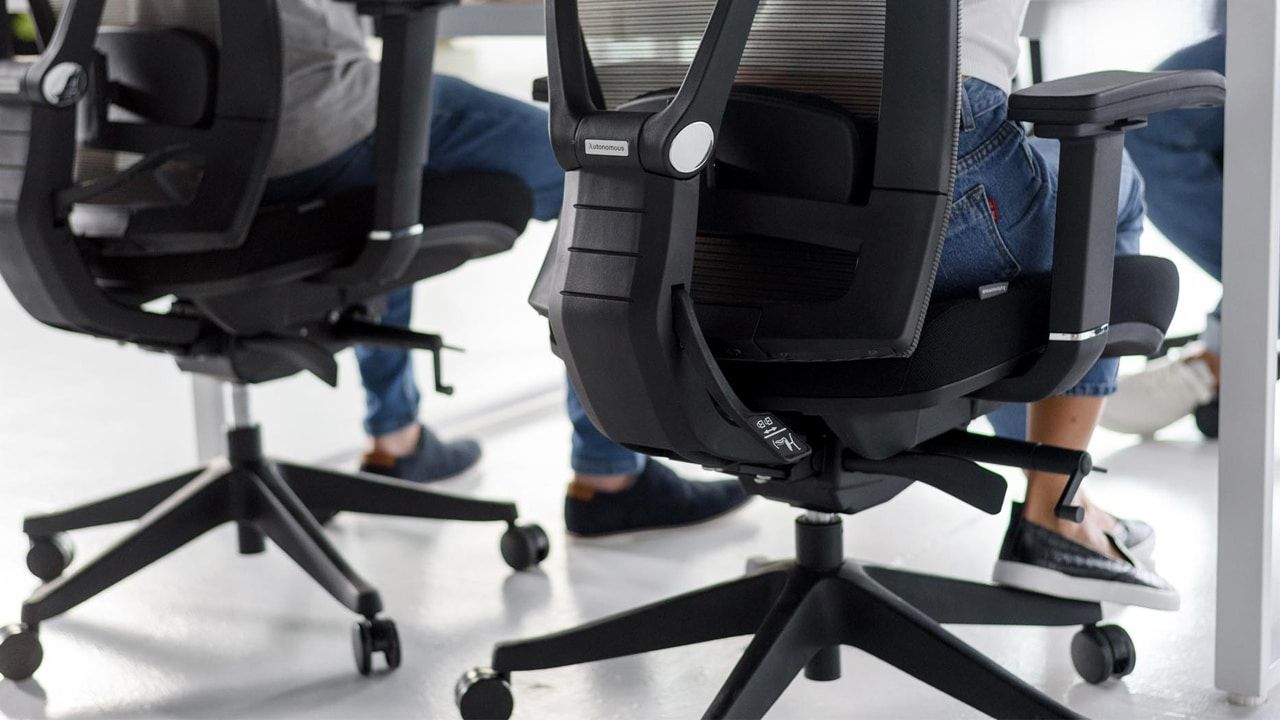
Office spaces are experiencing a quiet revolution thanks to lumbar technology. Gone are the days when ergonomic furniture was limited to expensive, clunky solutions. Today’s advanced systems integrate seamlessly into modern work environments. Standing desks now come with adjustable lumbar support that works whether you’re seated or standing. The technology addresses the common issue of transitioning between positions—our backs need different support in each state. Some companies are implementing entire workstations designed around these principles. These setups include specialized seating that supports the lumbar region during both active work and brief rest periods. The benefits extend beyond comfort—they translate to measurable productivity gains. Employees report fewer sick days, reduced back pain complaints, and improved focus. What’s particularly interesting is how these systems encourage movement throughout the day. Rather than promoting static positions, they support dynamic sitting and standing cycles that keep our muscles active. This kind of thoughtful design recognizes that our bodies are meant to move, not stay fixed in one position.
Personalized Support Solutions
One of the most exciting developments in lumbar technology is personalization. Every person’s spine is unique, with different curvatures, strengths, and weaknesses. Modern systems recognize this diversity and offer customization options that were impossible just a decade ago. Some devices can be programmed to match individual body measurements and preferences. Smart sensors can track posture over time, learning what positions work best for each user. This data-driven approach means support becomes more effective as it learns your habits. The technology can even predict when you might experience discomfort and proactively adjust support levels. Imagine having a system that knows when you’re slouching and gently reminds you to correct your posture. These personalized solutions go beyond basic adjustments—they adapt to your body’s evolving needs over time. For example, someone recovering from back surgery might need different support than someone with chronic pain. The flexibility of modern systems allows for these varied approaches within the same framework.
Future Trends and Emerging Technologies
The future of lumbar technology looks incredibly promising, with several exciting trends emerging. One major direction involves integration with wearable technology. Smart garments that provide subtle support through embedded sensors and materials are becoming more sophisticated. These systems can monitor posture in real-time and deliver gentle feedback through vibrations or temperature changes. Another growing area focuses on predictive maintenance for spinal health. Some systems can analyze patterns in your daily movements and alert you to potential issues before they become serious problems. Artificial intelligence is playing a bigger role in developing adaptive support systems. These intelligent platforms can learn from vast amounts of user data to optimize support strategies. Virtual reality applications are also beginning to incorporate lumbar support considerations into immersive experiences. As we move toward more remote work arrangements, the demand for adaptable, portable solutions continues growing. The technology is becoming more affordable and accessible, making these benefits available to more people. What’s particularly exciting is how these systems are starting to communicate with each other, creating networks of support that work together to optimize overall wellness.
The evolution of lumbar technology represents more than just a comfort upgrade—it’s a fundamental shift in how we think about supporting our bodies throughout the day. From improving sleep quality to enhancing workplace productivity, these innovations address real human needs with scientific precision. What’s remarkable is how this technology has become increasingly accessible, moving from expensive specialty products to mainstream solutions. The investment in proper lumbar support pays dividends not just in physical comfort, but in mental clarity and overall well-being. Whether you’re redesigning your home office or simply looking for better sleep, the advances in this field offer genuine solutions to everyday challenges. The future promises even more sophisticated systems that will continue making our lives more comfortable and healthier. The key takeaway is that investing in quality lumbar support isn’t a luxury—it’s a smart approach to living well in our modern world. After all, when your back feels good, everything else tends to follow. Who knew that such a simple concept could have such a profound impact on our daily lives?