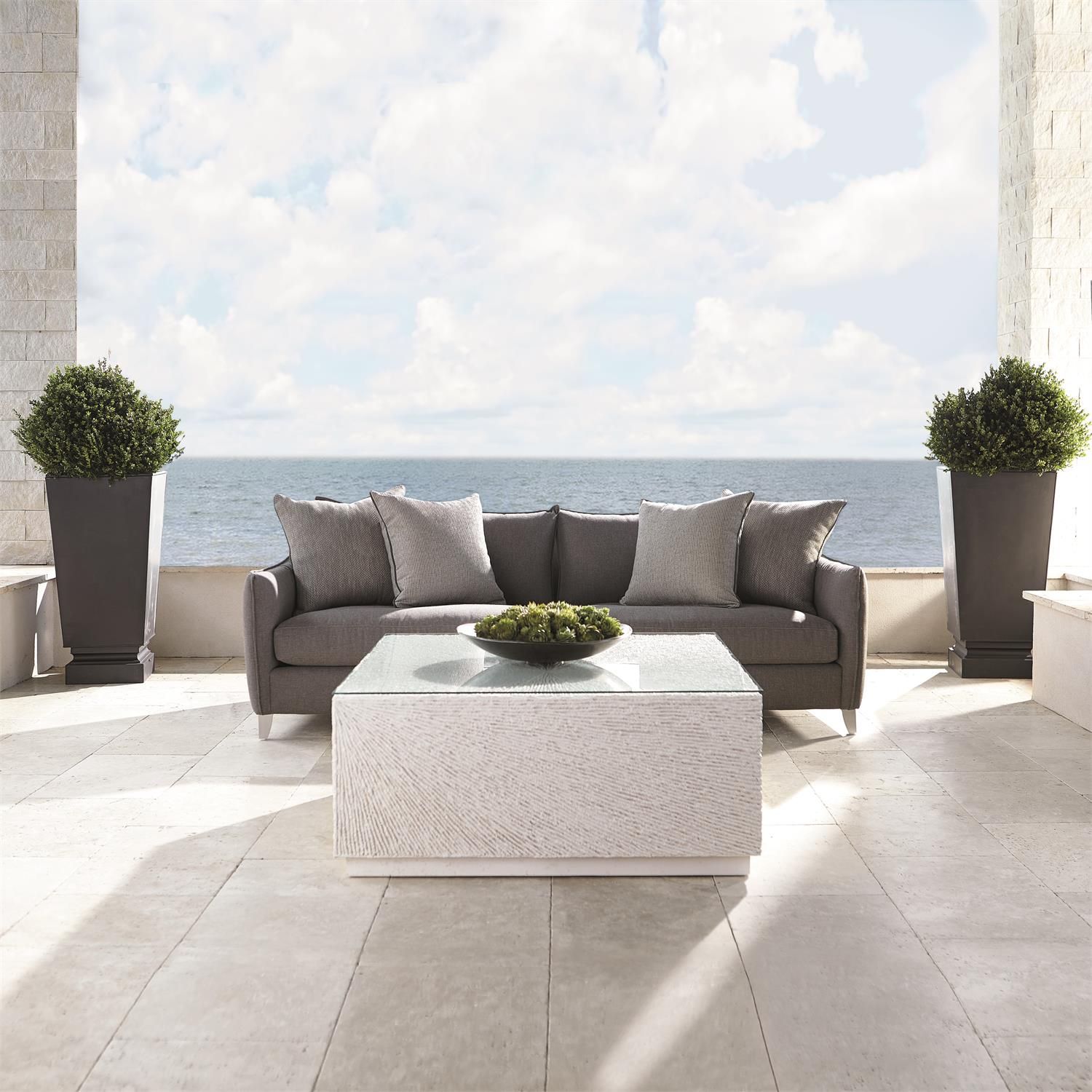
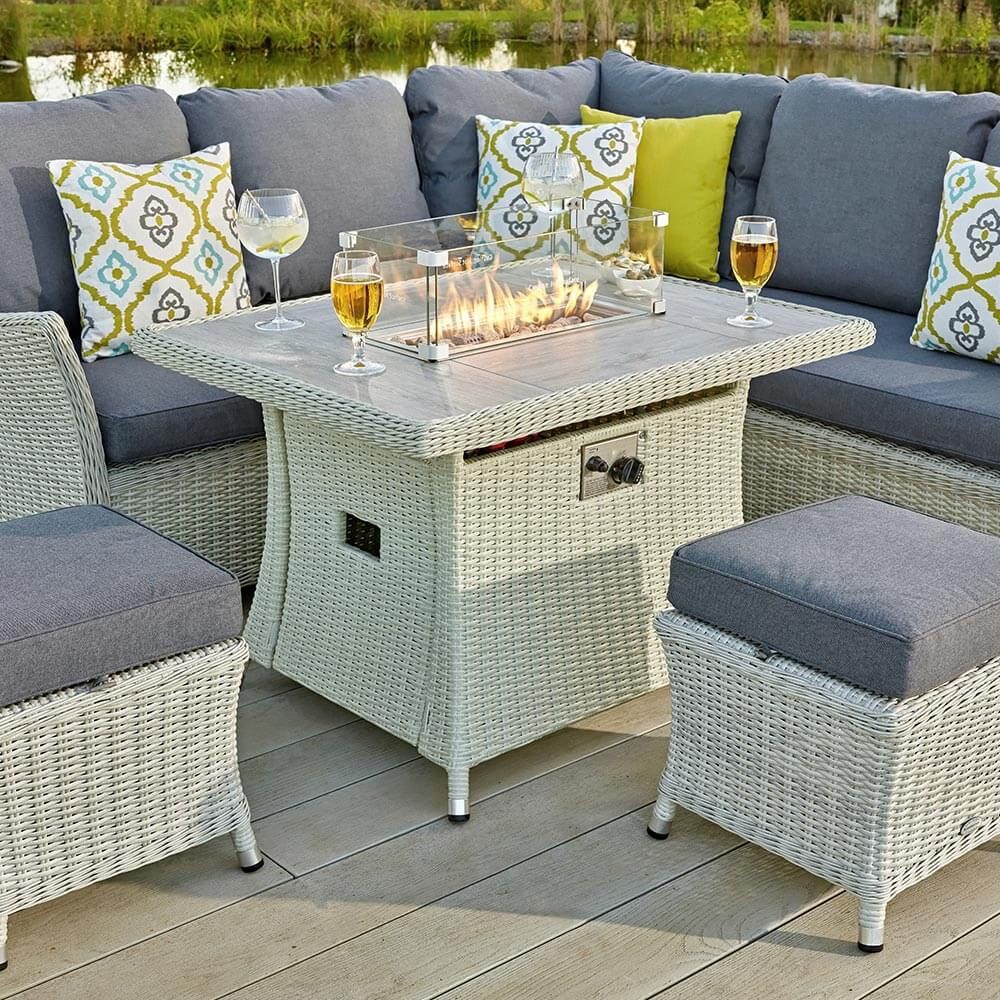
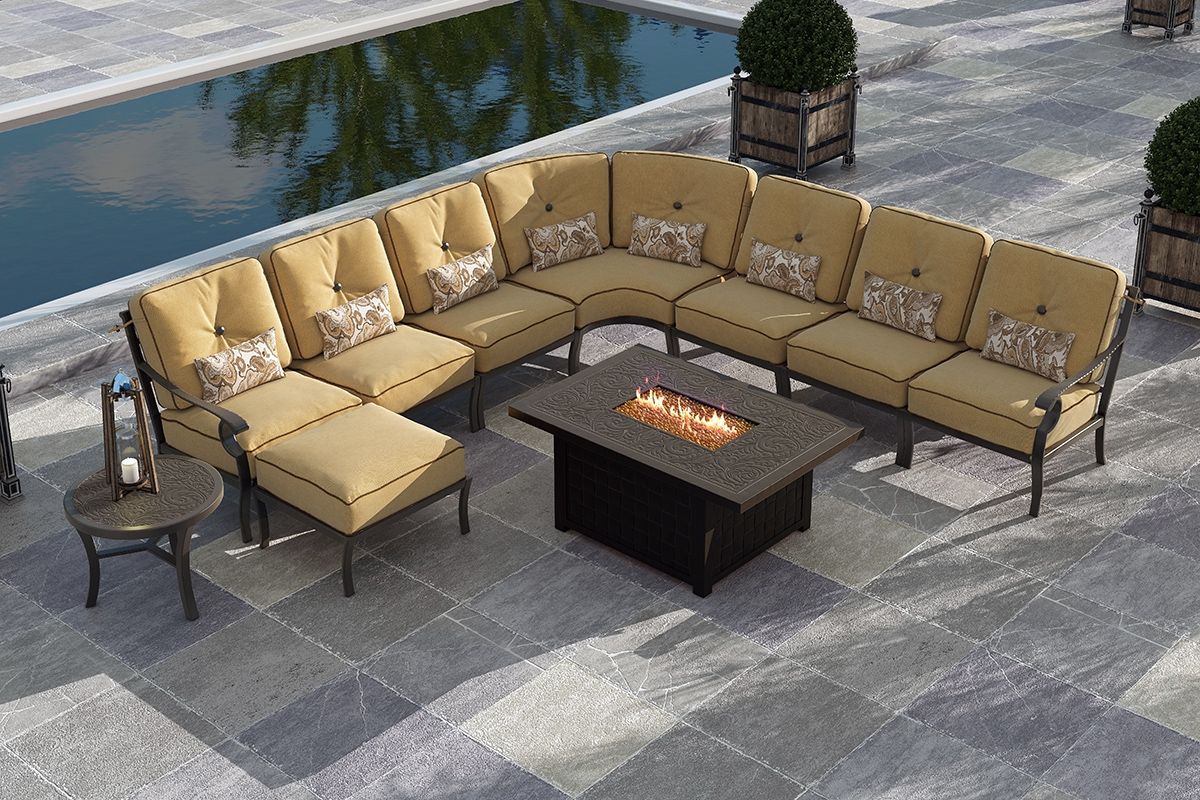
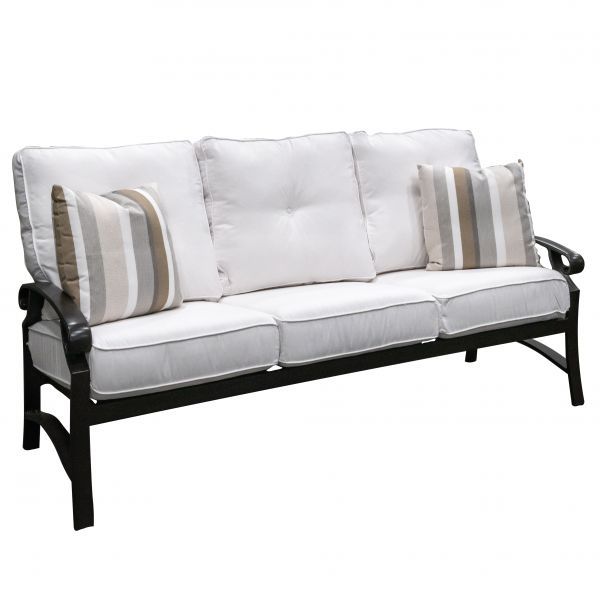
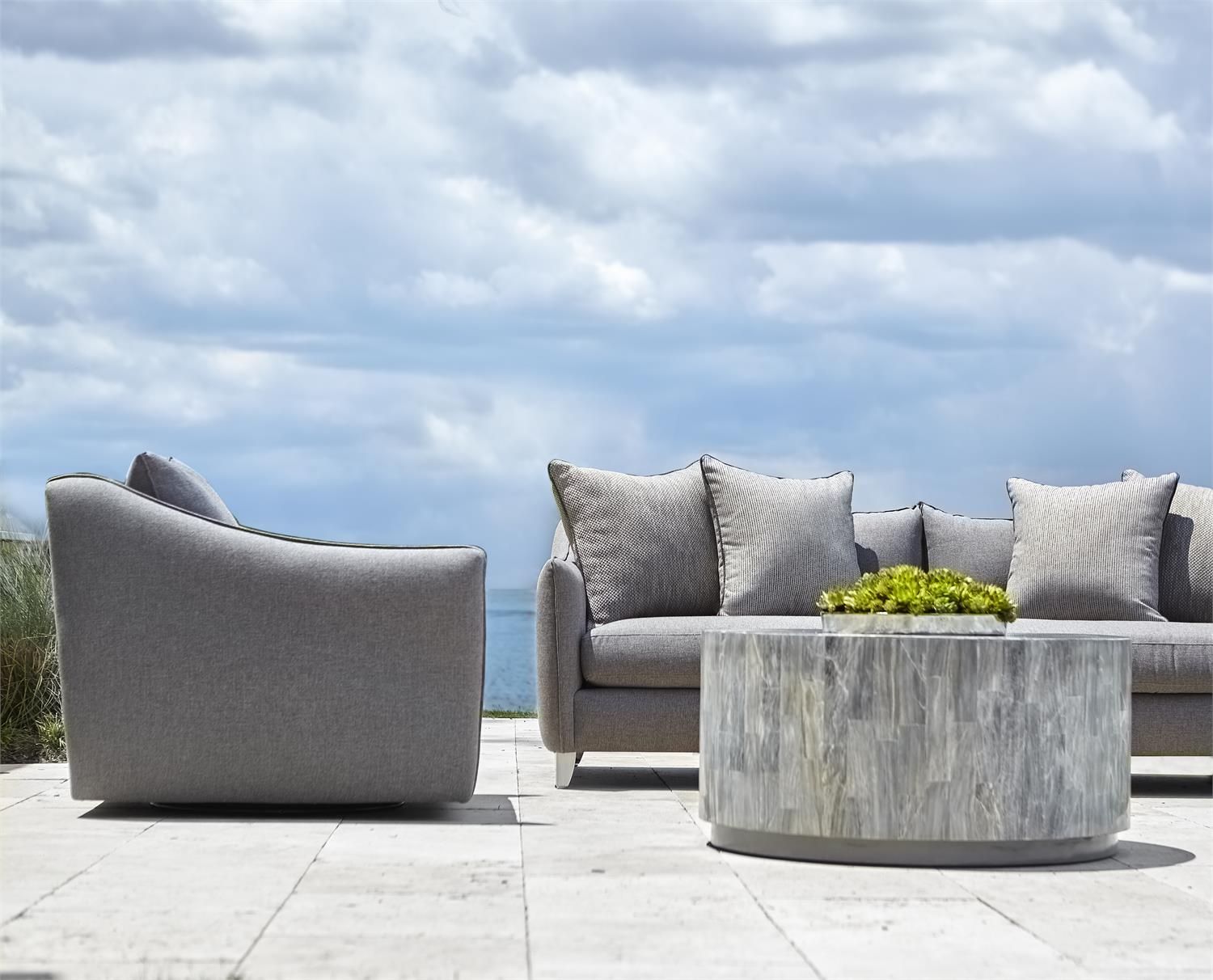
Your outdoor living space is a sanctuary, a place where you can unwind, entertain, and bask in the fresh air. A comfy sofa is often the heart of this space, the perfect spot to curl up with a good book or chat with friends and family. But, outdoor sofas face a constant battle against the elements – sun, rain, wind, and everything in between. Fortunately, with a little bit of know-how and some simple steps, you can significantly extend the life of your outdoor sofa, ensuring it remains a stylish and comfortable centerpiece for years to come. This guide will walk you through practical solutions, offering insights and actionable advice to help you protect your investment and enjoy your outdoor living space to the fullest. Let’s jump in.
Outdoor sofas, unlike their indoor cousins, are exposed to a lot. They’re constantly battling against sun fading, mold growth, and the wear and tear of everyday use. But, don’t despair. Maintaining your outdoor sofa doesn’t have to be a chore. In fact, with a little bit of planning and regular maintenance, you can keep your sofa looking great and functioning well for a long time. Think of it as an investment in your outdoor relaxation, a way to ensure those lazy afternoons on the patio stay as enjoyable as possible. And it’s not just about looks; proper care also prevents the need for costly replacements. Ready to learn some simple tricks to keep your outdoor sofa in tip-top shape?
Choosing the Right Materials: The Foundation of Longevity
The very first step in extending your sofa’s life starts with the materials. When buying an outdoor sofa, it’s vital to choose materials that are specifically designed to withstand the elements. Look for fabrics like:
- Sunbrella: Known for its exceptional resistance to fading, mildew, and water damage. It’s a top choice for outdoor furniture.
- Textilene: A woven fabric made from PVC-coated polyester yarns, Textilene is durable, weather-resistant, and easy to clean. It’s great for withstanding the sun’s powerful rays.
- Marine-grade vinyl: This material is water-resistant and can handle harsh weather conditions. It’s often used on boats and is very tough.
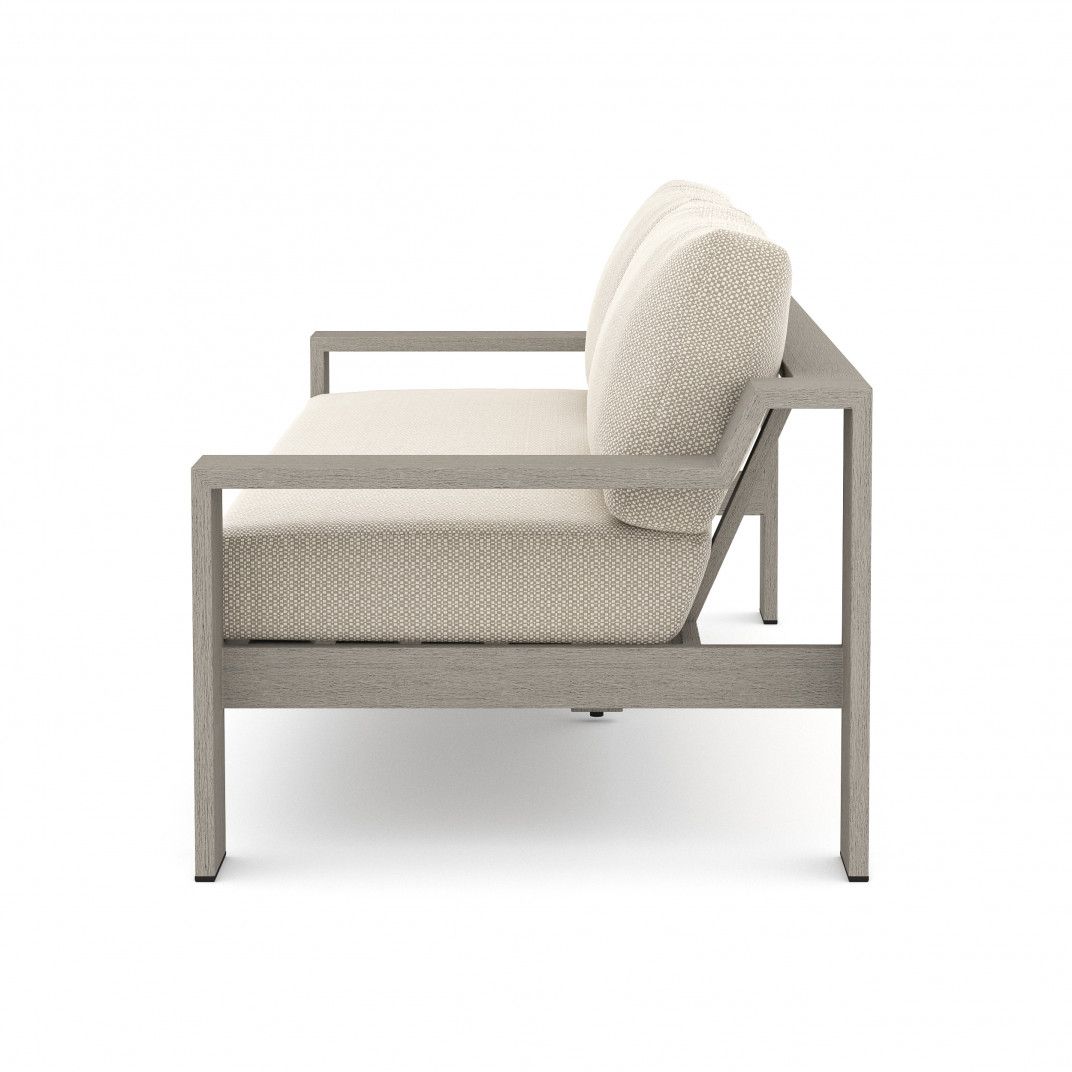
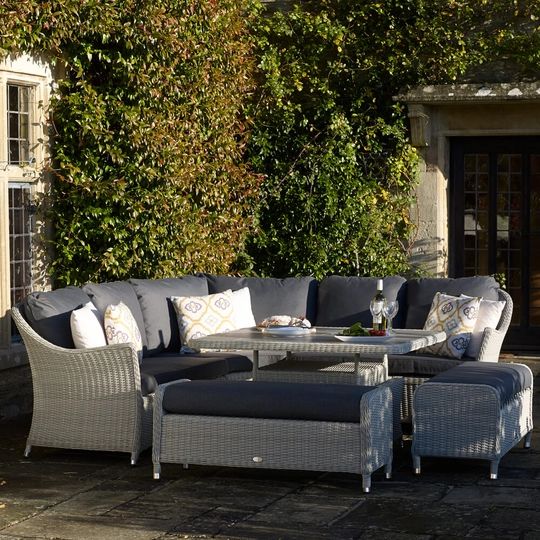
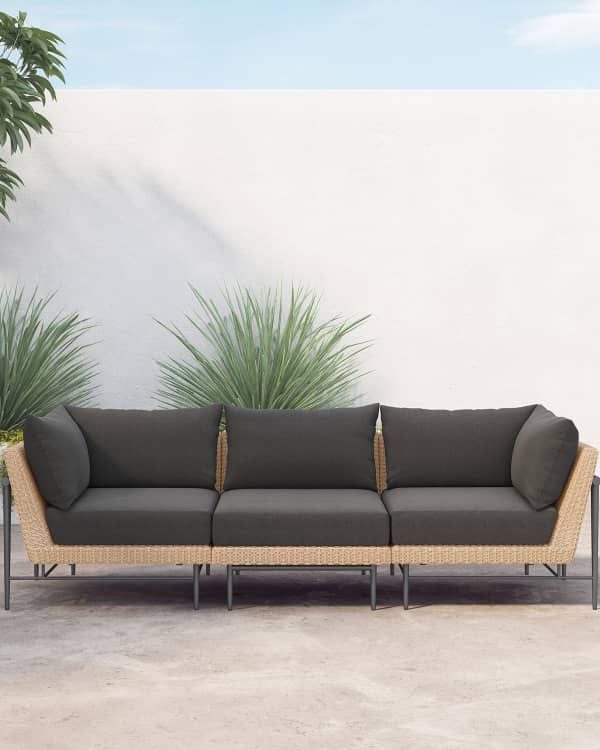
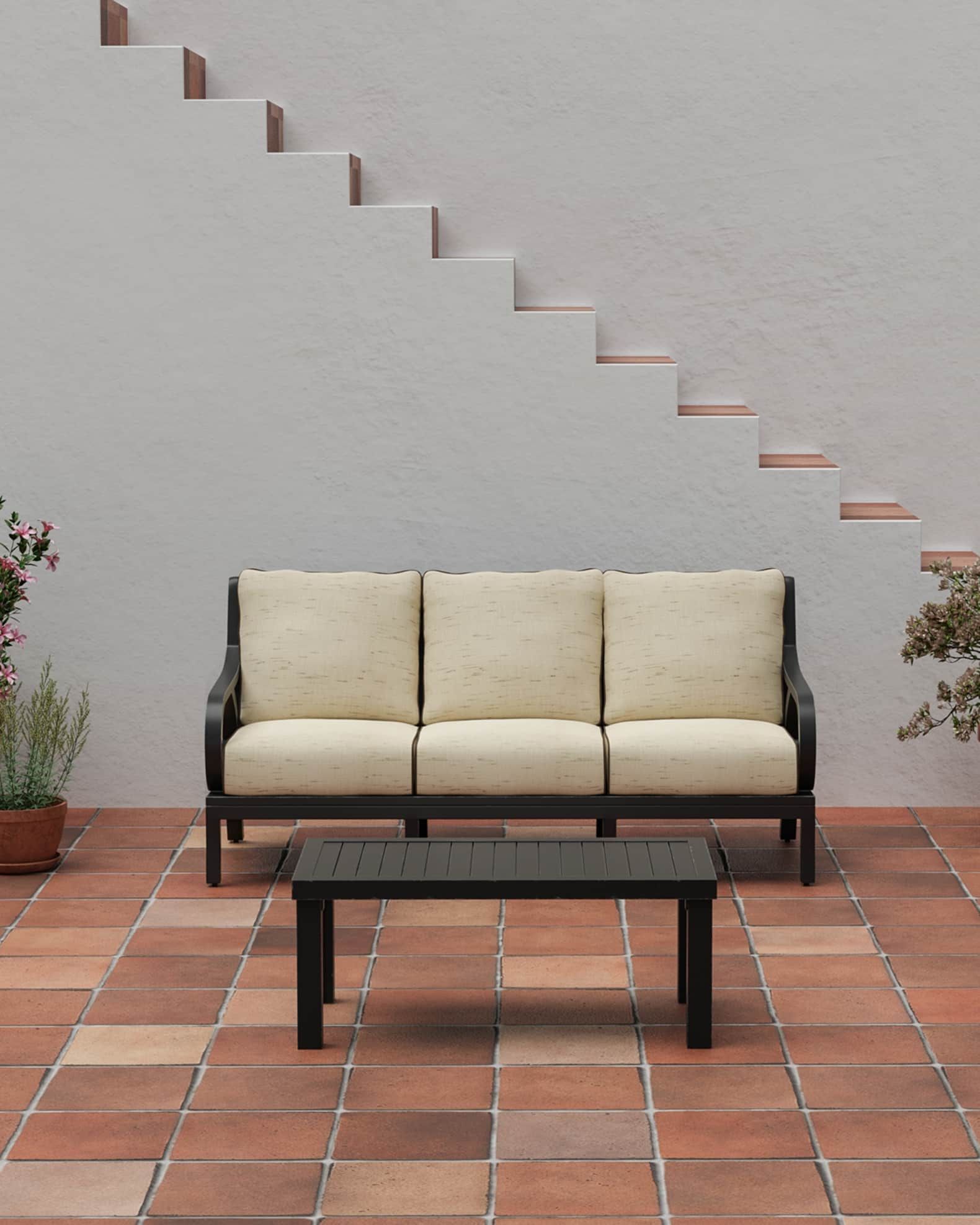
Consider the frame material too. Aluminum frames are rust-resistant and lightweight, making them a good choice for outdoor use. Wicker, if made from synthetic materials like resin, can also be a good option, as it’s more durable than natural wicker. Remember, the better the materials, the longer your sofa will last.
Protective Measures: Shields Against the Elements
Once you have a good quality sofa, the next step is protection. This is where you become proactive about safeguarding your outdoor investment. Here are some key actions you can take:
- Use Covers: Invest in a high-quality, weather-resistant cover. This is the most effective way to protect your sofa when it’s not in use. Make sure the cover fits well and is made of a breathable material to prevent moisture buildup.
- Strategic Placement: If possible, position your sofa in a location that offers some natural protection from the elements. A covered patio or a spot shielded by trees can help reduce sun exposure and rain damage.
- Consider a Waterproofing Spray: For fabric sofas, a waterproofing spray can add an extra layer of defense against moisture and stains. This is especially useful for fabrics that aren’t inherently water-resistant. Be sure to test the spray on an inconspicuous area of the fabric first.
These strategies, when used together, create a strong barrier against the harsh outdoor conditions.
Regular Cleaning and Maintenance: The Keys to Long-Term Care
Regular cleaning is crucial for maintaining your outdoor sofa. Dirt and grime can accelerate fabric degradation, and mold can grow if moisture is left unchecked. Here’s a simple cleaning routine:
- Regular Brushing: Brush off loose dirt and debris from the sofa regularly. This prevents dirt from grinding into the fabric.
- Spot Cleaning: Address stains immediately. Use a mild soap and water solution or a cleaner specifically designed for outdoor fabrics. Always test the cleaner in a hidden area first.
- Deep Cleaning: Once or twice a year, give your sofa a thorough cleaning. This might involve removing cushions and washing them according to the manufacturer’s instructions, or using a pressure washer on a low setting (be careful not to damage the fabric).
- Inspect and Repair: Regularly check your sofa for any signs of wear and tear, such as loose threads or frame damage. Address these issues promptly to prevent them from becoming bigger problems. And, remember, regular care makes a big difference.
Specific Fabric Care: Tailoring Your Approach
Different fabrics require different cleaning approaches. Always refer to the manufacturer’s care instructions, but here are some general guidelines:
- Sunbrella: This fabric is relatively easy to clean. For most stains, a mild soap and water solution will do the trick. For tougher stains, you can use a diluted bleach solution (again, test in an inconspicuous area first).
- Textilene: Textilene is very durable and can be cleaned with a hose and mild soap. You can also use a soft brush to remove stubborn dirt.
- Marine-grade vinyl: Wipe down vinyl with a damp cloth and mild soap. Avoid abrasive cleaners that could damage the surface.
Knowing the specific needs of your sofa’s fabric will help you provide the best care.
Dealing with Mold and Mildew: Prevention and Removal
Mold and mildew are common problems with outdoor furniture, especially in humid environments. Prevention is key:
- Ensure Good Air Circulation: Make sure your sofa isn’t crammed against a wall or other furniture, allowing air to circulate freely.
- Dry Thoroughly: After rain or cleaning, allow your sofa to dry completely before covering it. This prevents moisture from becoming trapped, which is a breeding ground for mold.
- Cleaning Mold and Mildew: If you spot mold or mildew, act quickly. Mix a solution of bleach and water (follow the fabric manufacturer’s instructions) and apply it to the affected areas. Scrub gently with a soft brush, rinse thoroughly, and allow to dry completely. For persistent problems, you may need to consult a professional cleaner.
Early action and prevention are your best weapons against these unwelcome growths.
Seasonal Storage: Preparing for Harsh Weather
If you live in an area with harsh winters or prolonged periods of heavy rain, consider storing your outdoor sofa indoors during the off-season. This will protect it from the elements and extend its lifespan significantly.
- Clean and Dry: Before storing your sofa, thoroughly clean it and allow it to dry completely. This is especially important to prevent mold and mildew growth during storage.
- Cover: If you can’t store your sofa indoors, cover it with a weather-resistant cover and place it in a sheltered area, such as a garage or shed.
- Proper Ventilation: If storing your sofa in an enclosed space, ensure good ventilation to prevent moisture buildup. You might consider using a dehumidifier.
Proper storage is a simple, yet effective, way to protect your sofa from the worst of the weather.
Extending the life of your outdoor sofa is a manageable task that pays off in both comfort and cost savings. By choosing the right materials, taking protective measures, maintaining a regular cleaning routine, and following fabric-specific care guidelines, you can keep your sofa looking great and functioning well for years to come. Remember, it’s an investment in your outdoor enjoyment, a way to create a welcoming and relaxing space where you can unwind and connect with nature. So, put these tips into practice, and get ready to enjoy many more seasons of comfortable outdoor living. You’ve got this, and your sofa will thank you for it. And, don’t feel overwhelmed; start with a single step, like buying a cover, and build from there. Every little bit helps.