There’s something magical about dining under the open sky, surrounded by nature’s gentle whispers. Al fresco dining transforms ordinary meals into memorable experiences, but only when the space is thoughtfully designed. It’s not just about having a table outside – it’s about creating an environment where every element works together to make guests feel truly comfortable and stylish.
Al fresco dining has evolved far beyond simple backyard barbecues. Today’s outdoor spaces are carefully crafted environments that blend functionality with visual appeal. Whether you’re planning a restaurant patio, a private garden dining area, or a casual outdoor café, the principles remain the same: create a space that feels both inviting and elegant. The key lies in understanding how lighting, seating arrangements, weather protection, and decorative elements work together to transform an outdoor area into a comfortable retreat.
Lighting: Setting the Mood
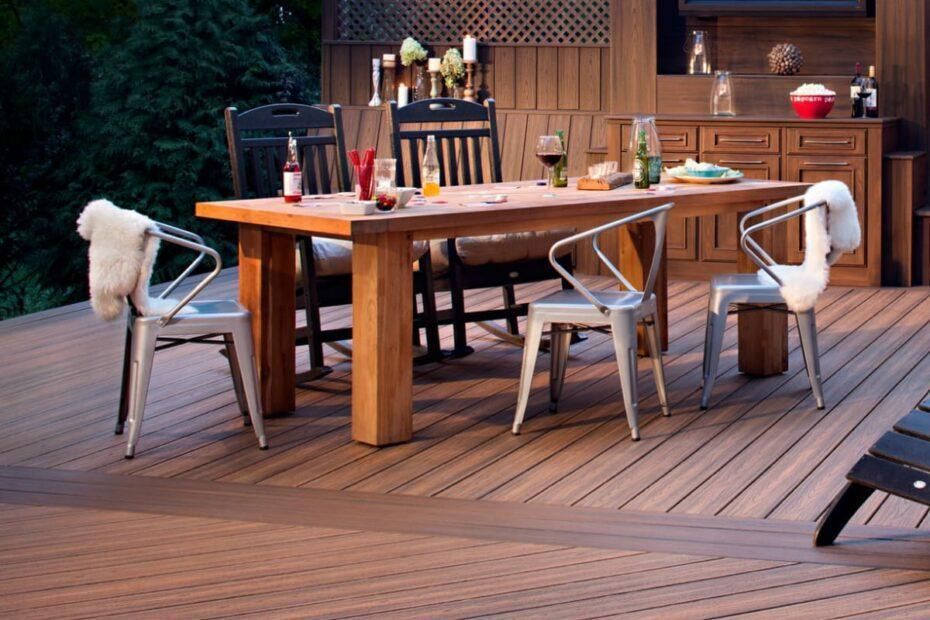
Proper illumination can make or break an outdoor dining experience. Consider layering different types of lighting to create depth and atmosphere. String lights overhead provide romantic ambiance, while table lamps and candles add intimacy to individual settings. LED strips along pathways create safety and visual interest. The trick is balancing brightness with warmth – too harsh, and the space feels clinical; too dim, and it becomes unwieldy.
Think about using dimmer switches for flexibility. During dinner hours, you might want softer lighting to encourage conversation. For daytime events, brighter options work better. Many modern outdoor lighting systems offer smart controls that can adjust based on time of day or weather conditions.
Candles aren’t just decorative – they provide a natural source of light that creates a cozy, intimate atmosphere. They’re particularly effective in smaller spaces or when you want to create focal points around specific tables.
Seating Arrangements: Comfort First
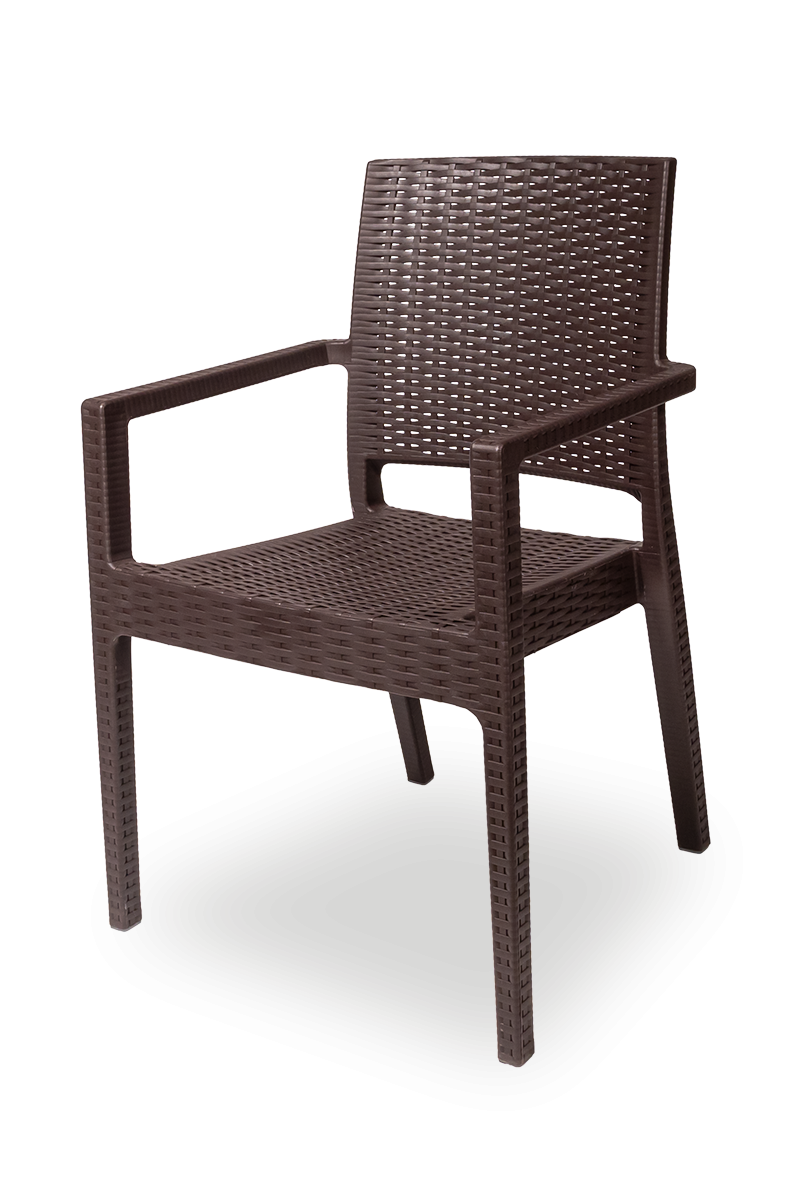
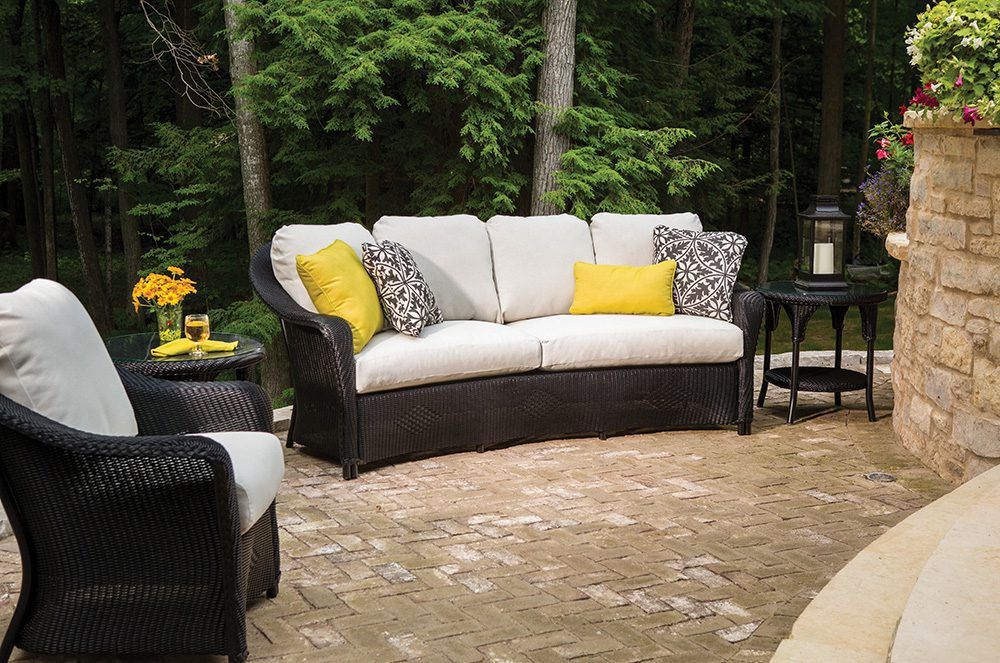
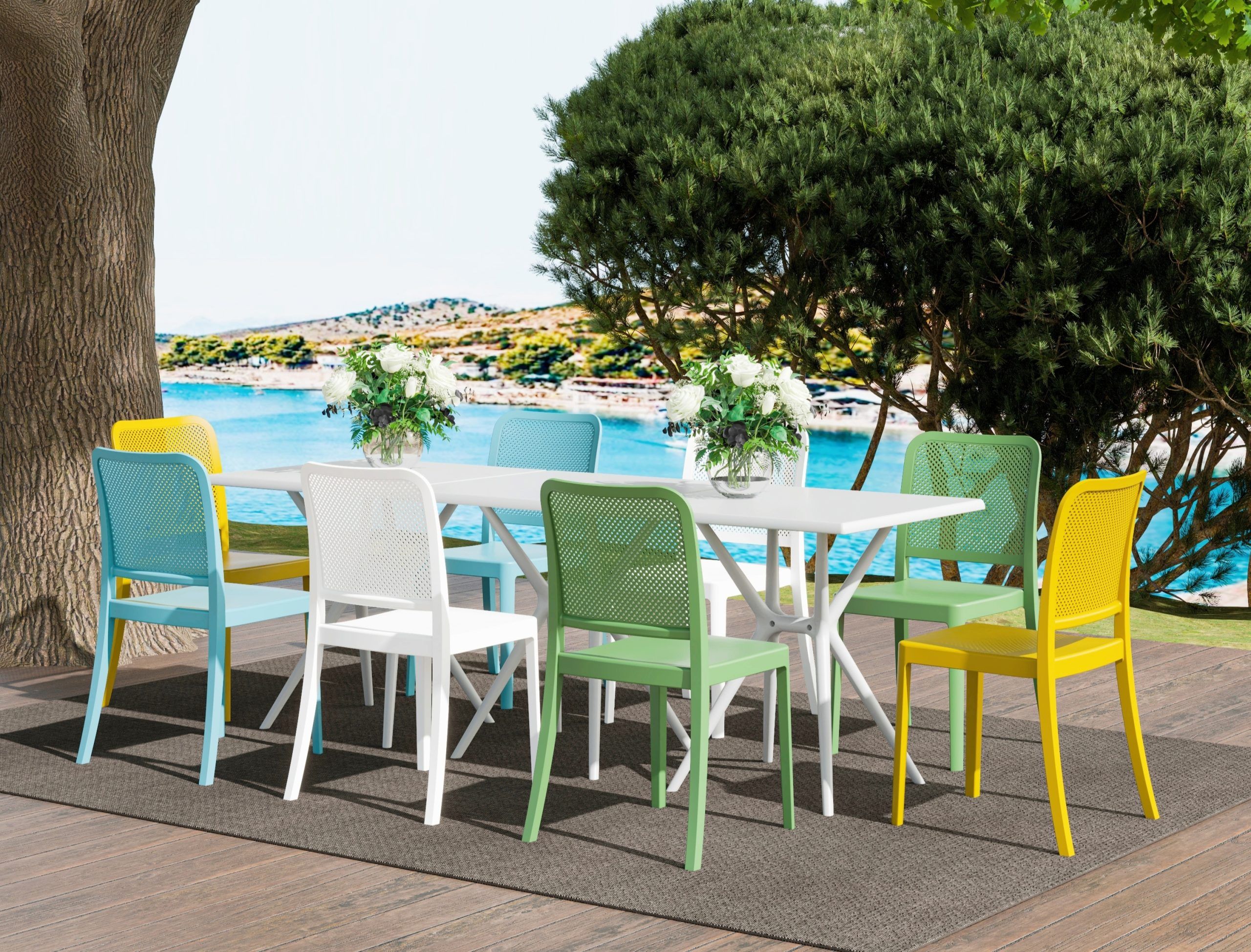
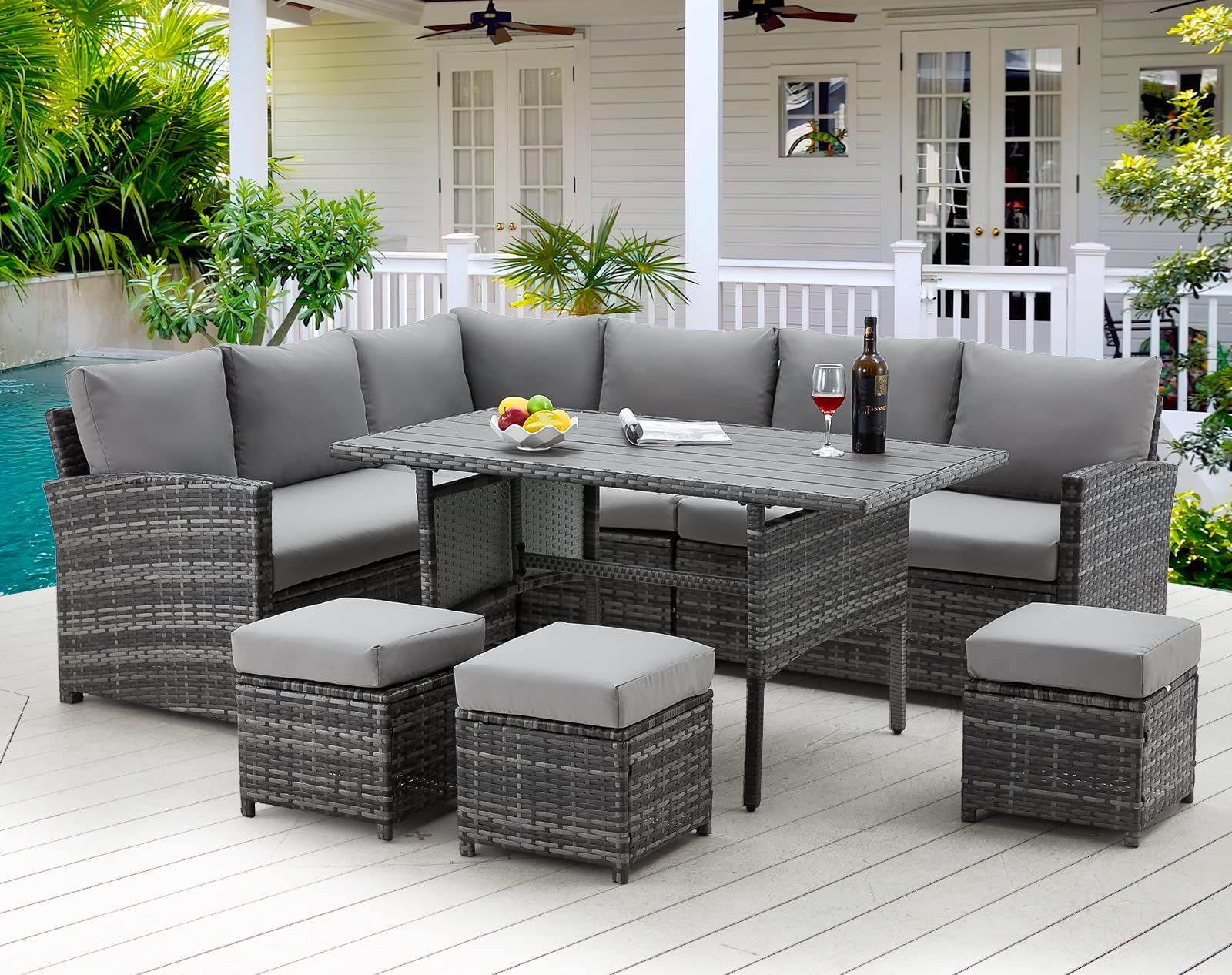
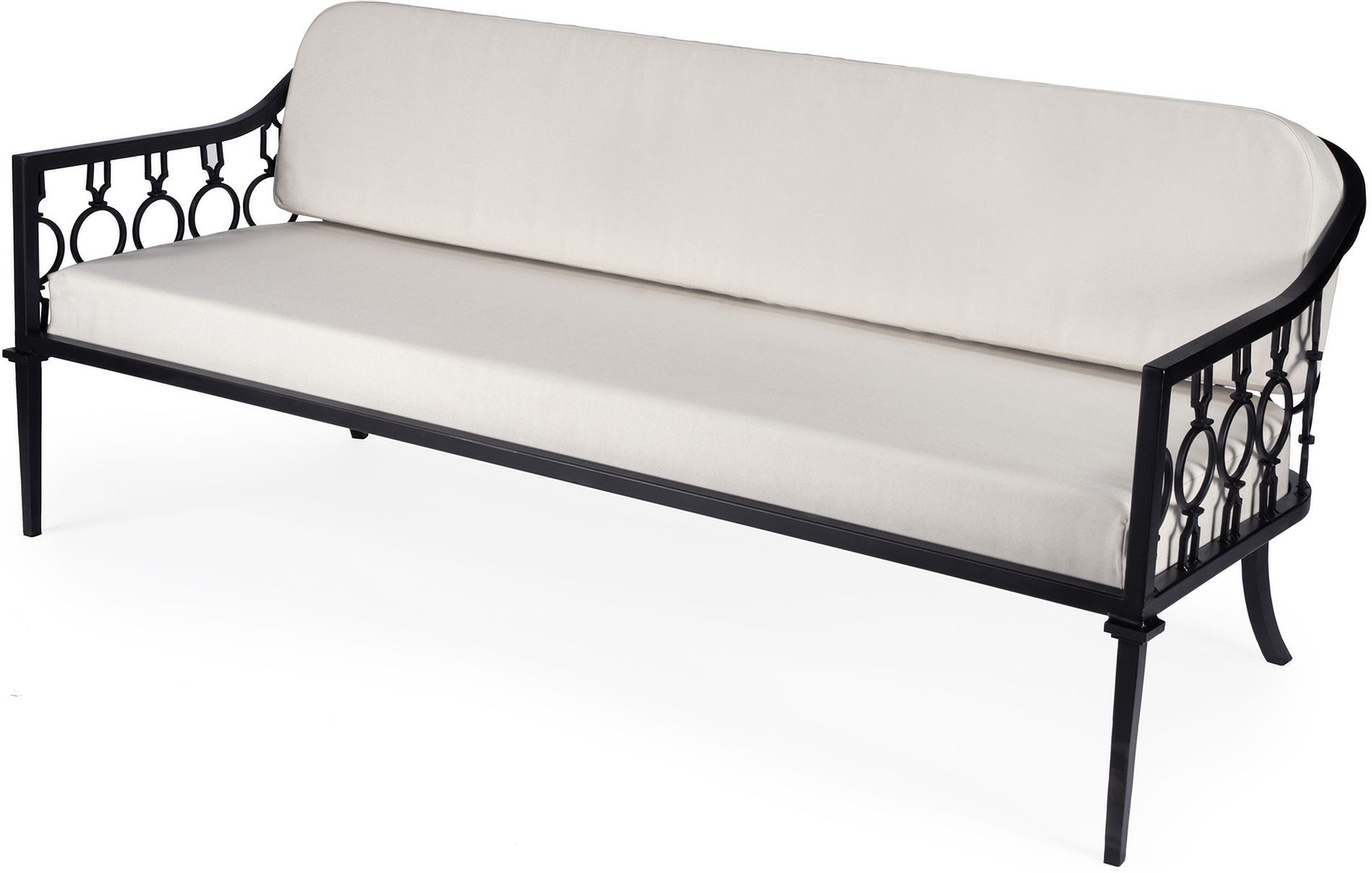
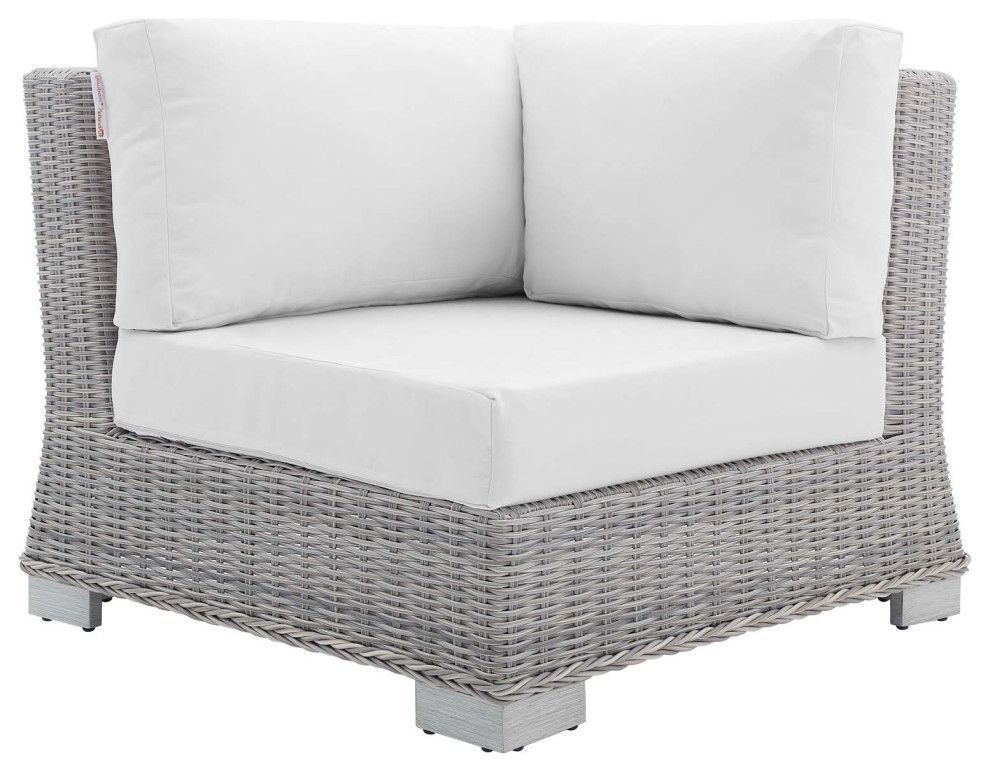
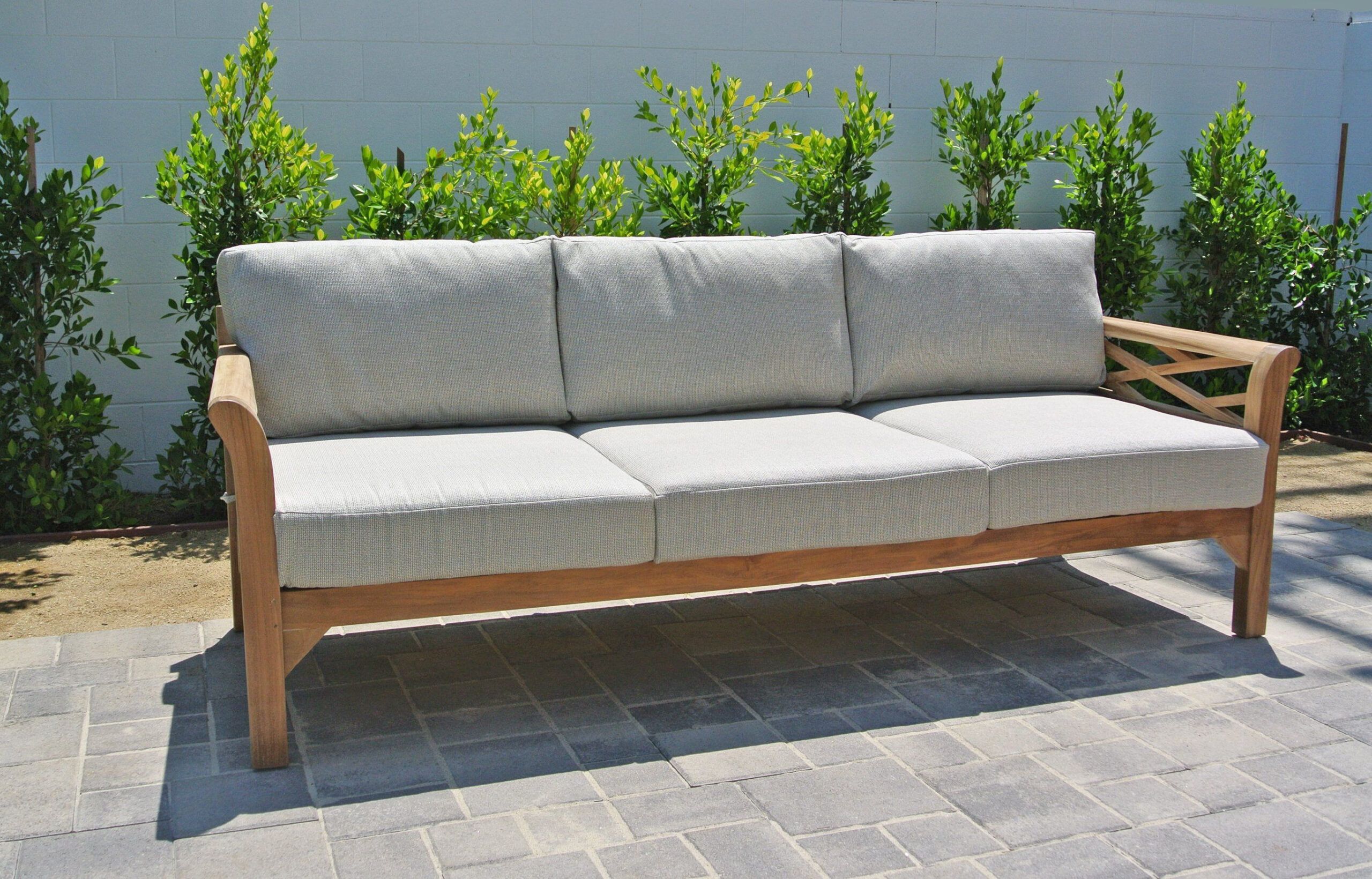
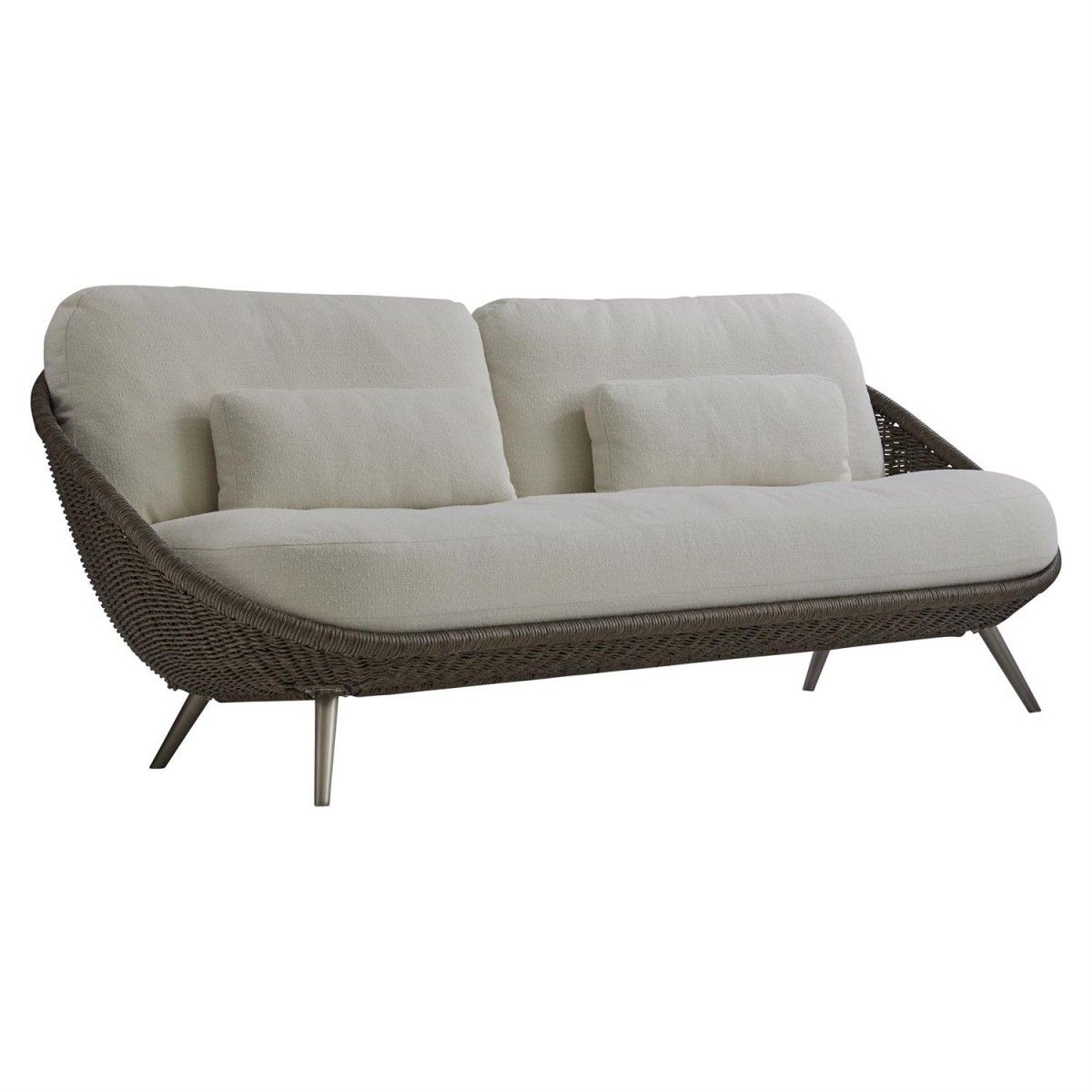
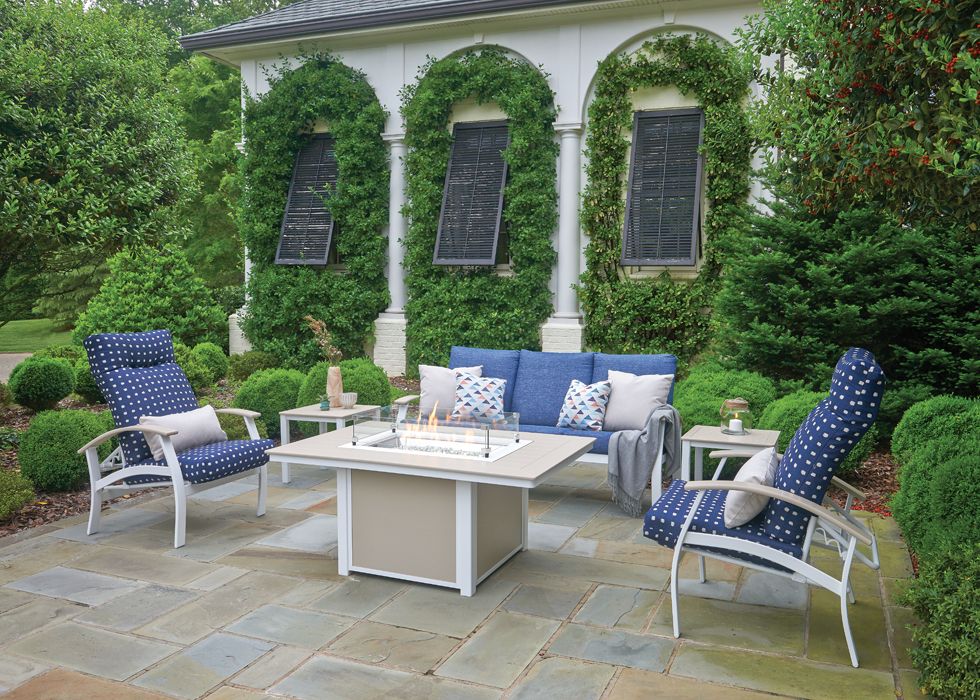
Comfortable seating is the foundation of any successful outdoor dining area. The right chairs and tables should encourage lingering conversations rather than quick meals. Consider mixing different seating heights to create visual interest and accommodate various preferences. Some people prefer the support of armrests, others enjoy the freedom of backless chairs.
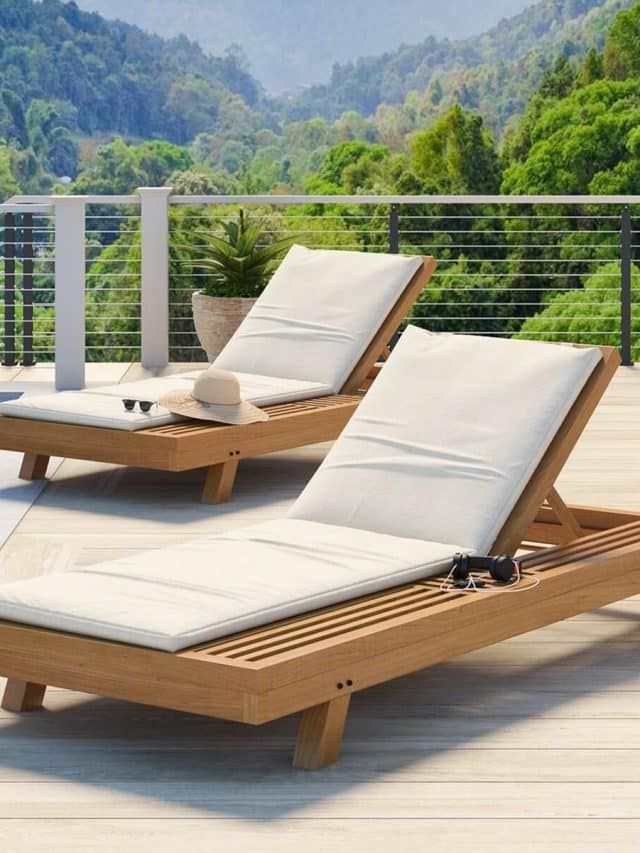
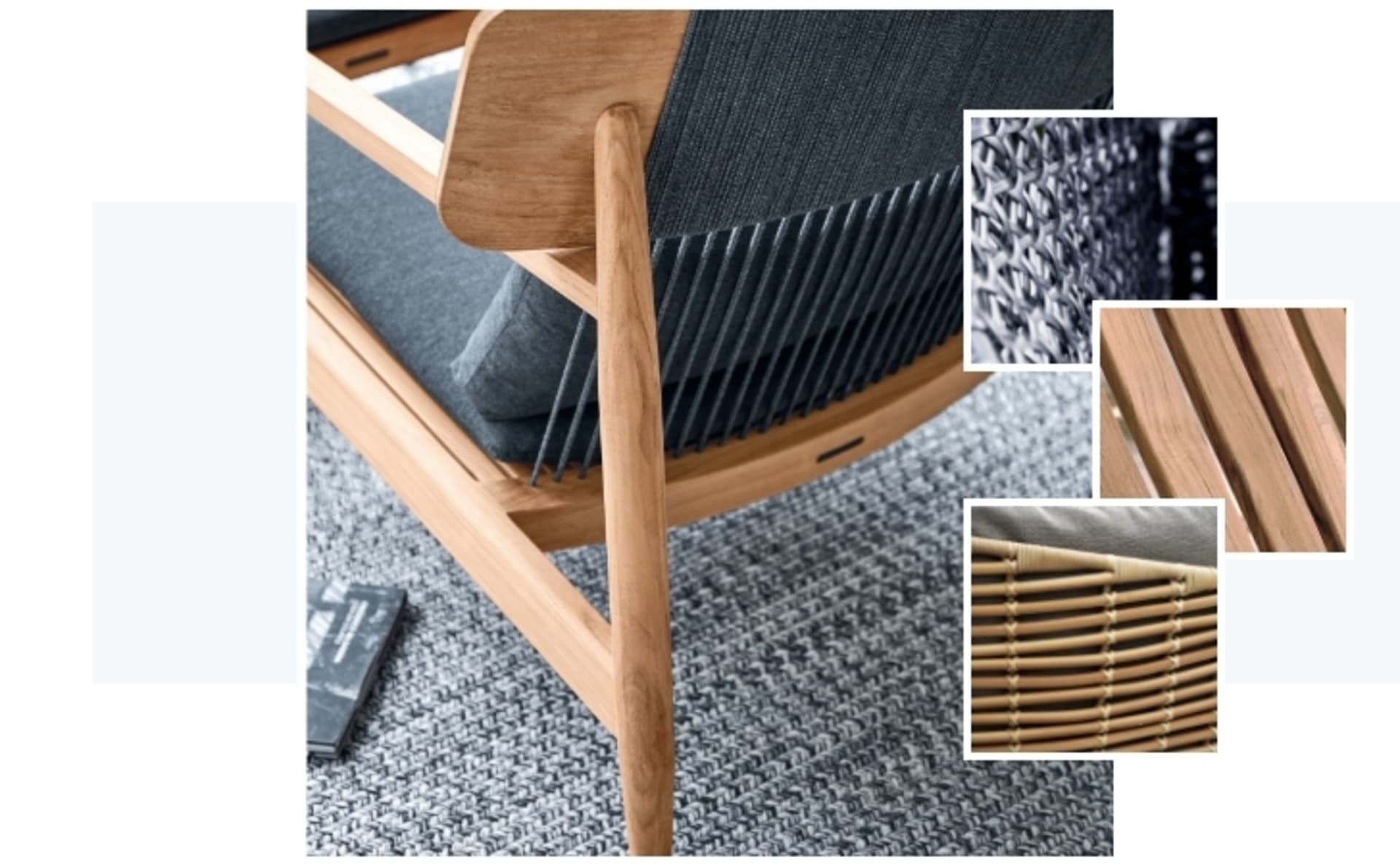
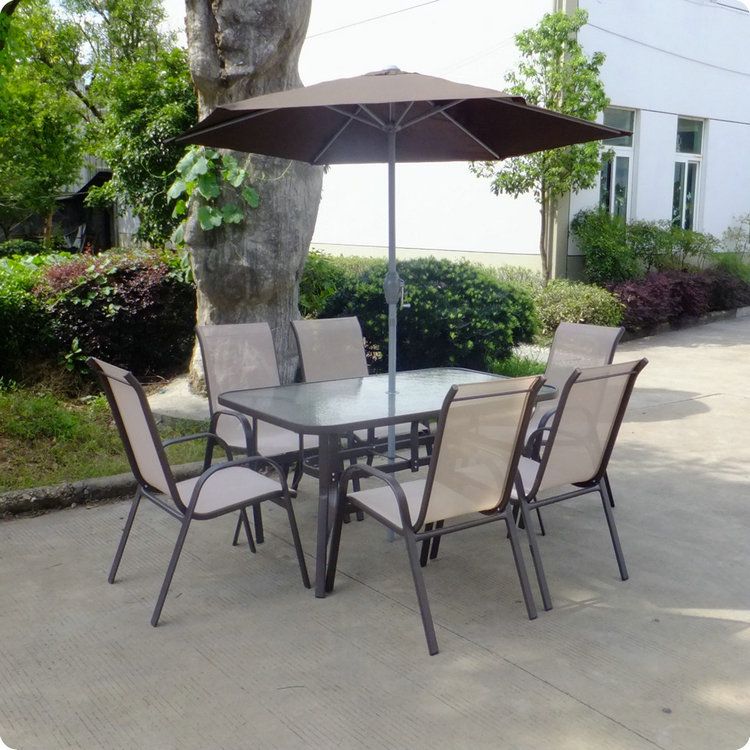
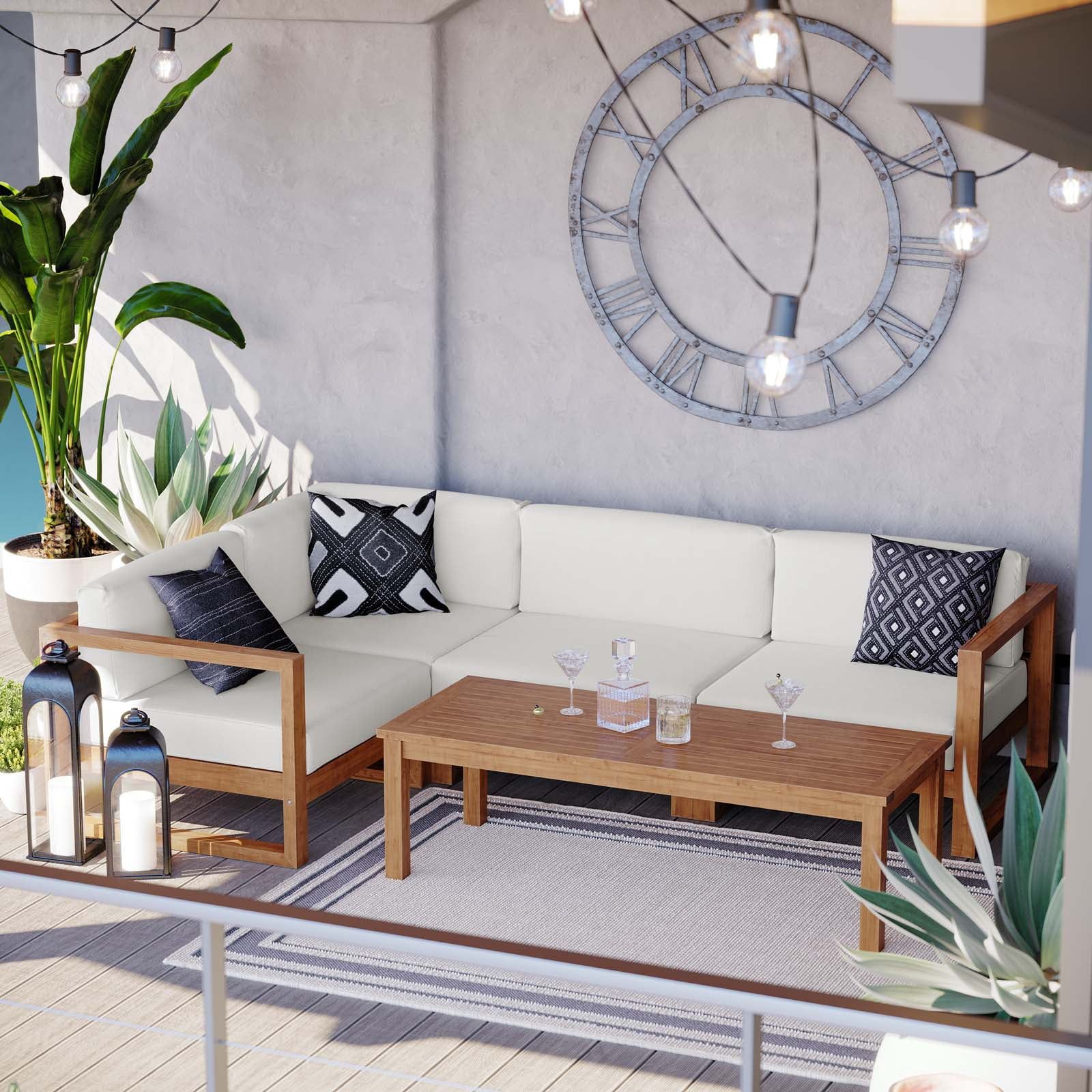
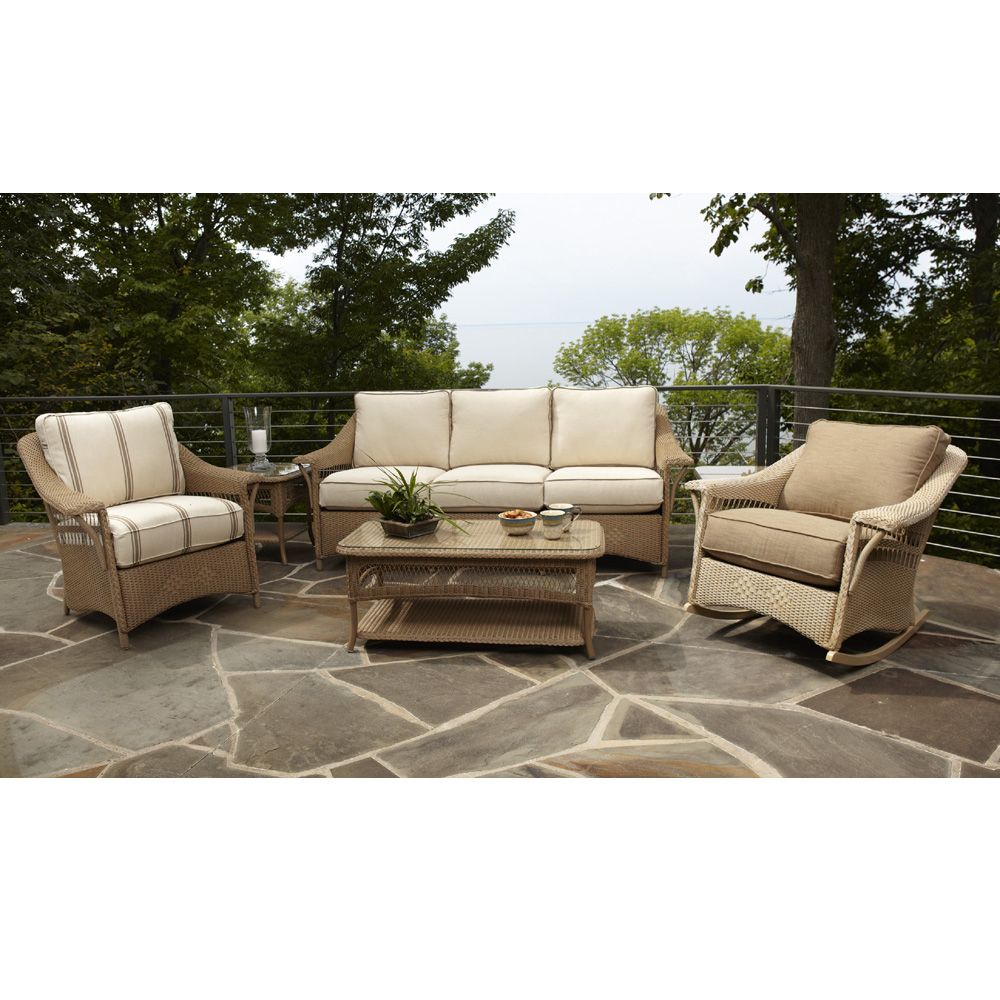
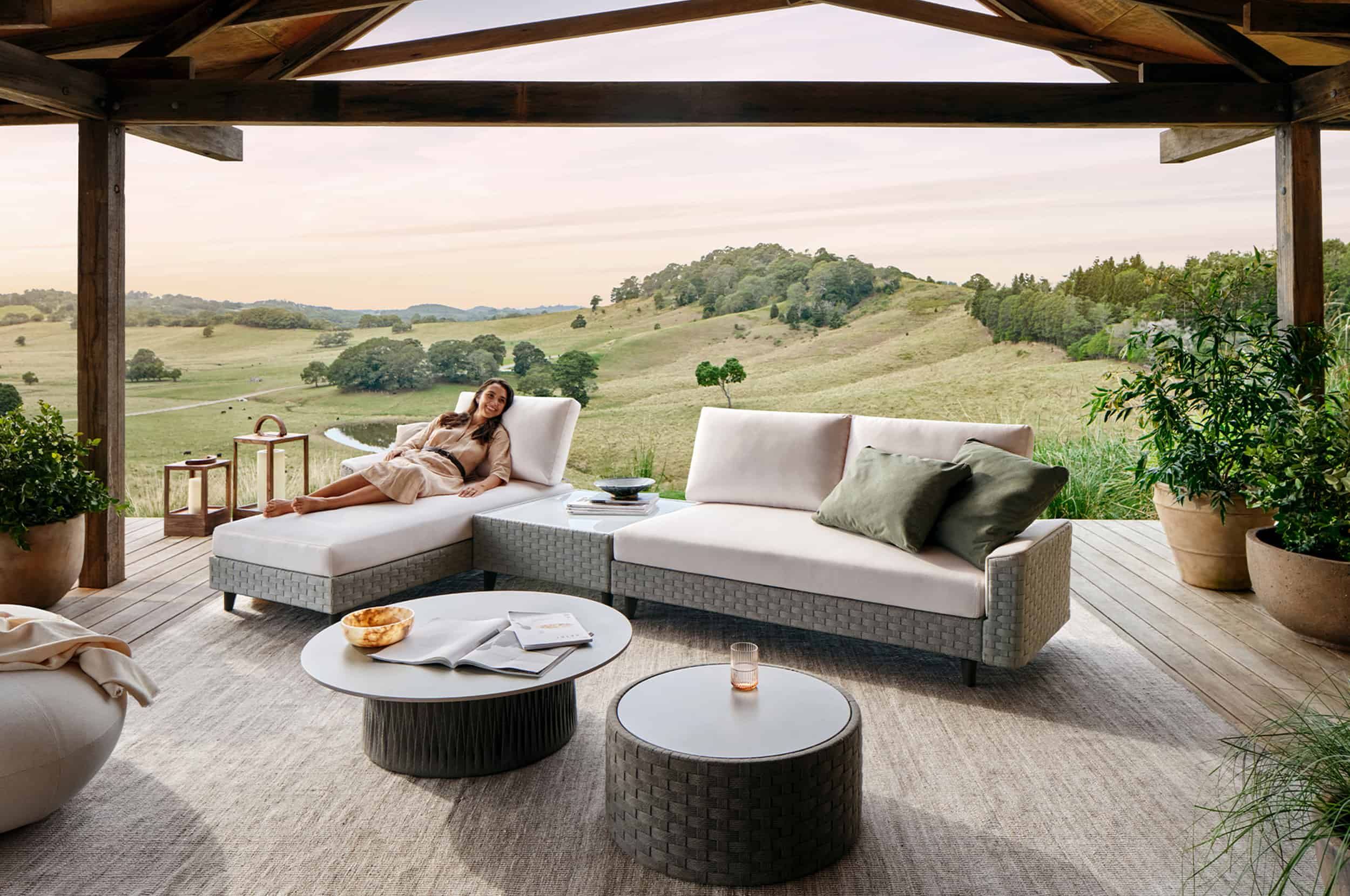
The material matters greatly. Teak and aluminum offer durability against weather elements, while wicker and rattan provide a more traditional, organic feel. Cushions and throws add texture and comfort, but must be weather-resistant or easily removable for seasonal changes.
Arrangement plays a crucial role too. Circular tables encourage conversation, while linear setups work better for larger groups. Ensure there’s enough space between tables for easy movement and privacy. A general rule is to allow at least three feet of clearance around each seating area.
Don’t forget about accessories like side tables for drinks and small items. These should be proportionate to the main seating arrangement and positioned for convenience without obstructing views.
Weather Protection: Staying Cozy Year-Round
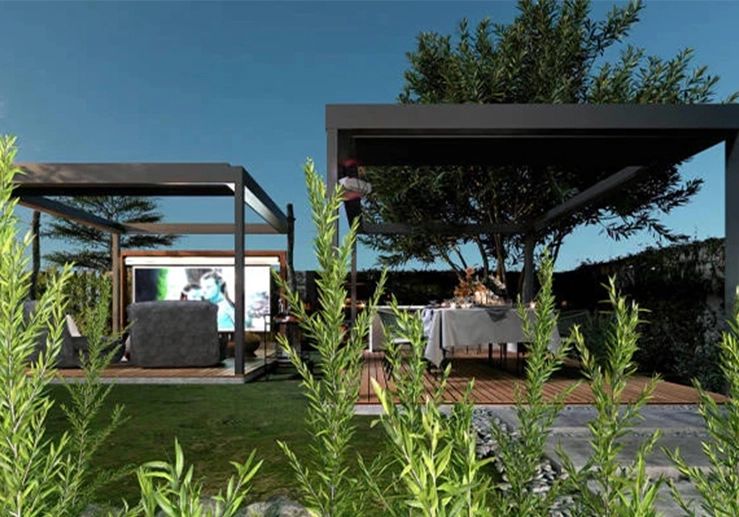
Outdoor dining should be enjoyable regardless of weather conditions. This means incorporating elements that protect diners from sun, wind, rain, and temperature fluctuations. Canopies and pergolas provide shade during hot days and can be designed to open or close based on conditions.
Wind screens or privacy panels can transform a breezy spot into a comfortable dining area. These don’t have to be permanent structures – portable windbreaks or strategically placed plantings work well too. Consider the orientation of your space and how natural elements like trees or buildings might provide shelter.
For cooler months, consider heaters or fire features. Outdoor fire pits not only provide warmth but also serve as social gathering points. They’re especially popular in northern climates where outdoor dining is limited by cold weather.
Rain protection is equally important. Even if you have a covered area, having umbrellas or retractable canopies available gives diners options when unexpected weather hits. The key is having multiple layers of protection rather than relying on just one solution.
Decorative Elements: Adding Personality
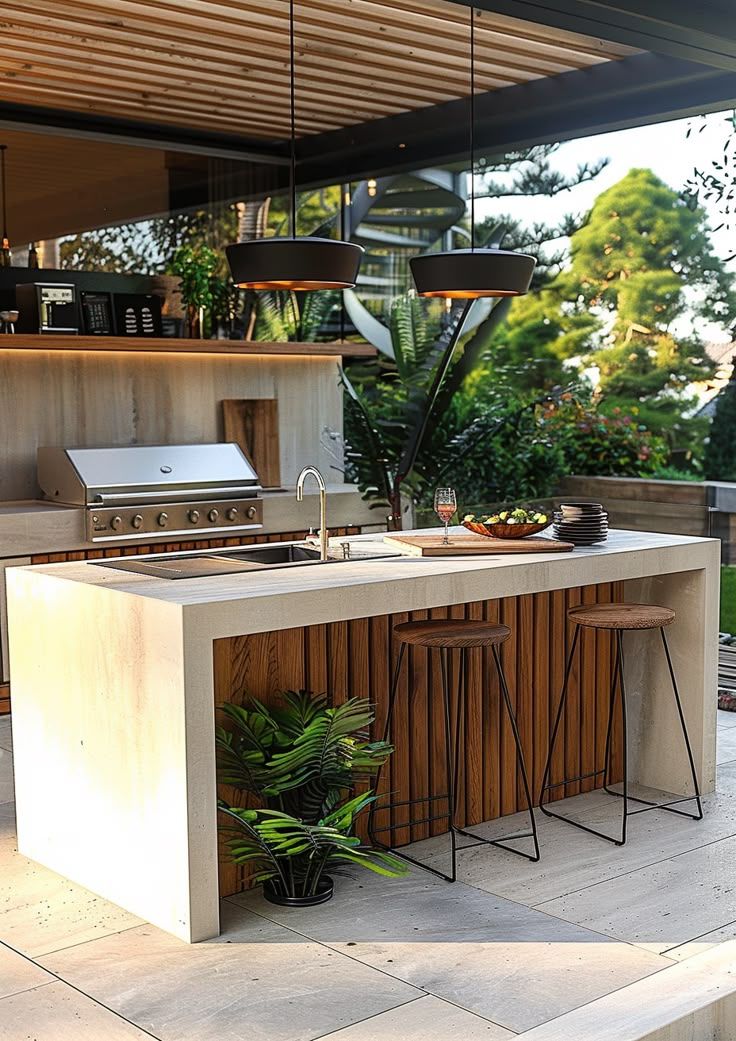
The decorative touches often define the character of an outdoor dining space. Plants play a crucial role, providing natural beauty and visual interest. Choose plants that thrive in your local climate and require manageable maintenance. Large potted specimens can anchor seating areas, while smaller plants add detail and color.
Artwork and sculptures can elevate the aesthetic quality significantly. These don’t need to be expensive – even simple metal sculptures or painted wooden pieces can make a statement. Consider how lighting will affect these elements throughout the day and evening.
Textiles bring warmth and personality to outdoor spaces. Throw pillows, tablecloths, and rugs can change the entire mood of an area. They’re also practical for protecting surfaces from spills and wear. When selecting fabrics, prioritize materials that resist fading, water damage, and mildew.
Seasonal changes can refresh the entire look of your space. Swap out cushions and table decorations seasonally, or use removable elements that can be easily changed for holidays or special occasions. This keeps the space feeling fresh and exciting year after year.
Practical Considerations: Functionality Matters
Beyond aesthetics, outdoor dining areas must function efficiently. Storage solutions are essential for keeping the space clean and organized. Under-table storage, wall-mounted shelving, or dedicated storage units help manage everything from serving dishes to seasonal decorations.
Accessibility is another key factor. Ensure pathways are wide enough for wheelchair access and that all areas are reachable for cleaning and maintenance. Lighting should illuminate walkways safely, especially during evening hours.
Water and electrical access points should be strategically placed. Having outlets near seating areas allows for charging devices or powering small appliances. Similarly, easy access to water helps with cleaning and maintaining the space.
Consider how the space will be used throughout different times of day. Morning service might require different layouts than evening dining. Having modular furniture or flexible arrangements makes it easier to adapt to changing needs.
Technology Integration: Modern Convenience
Modern outdoor dining areas benefit from thoughtful technology integration. Smart lighting systems can adjust automatically based on time of day or occupancy. Bluetooth speakers can provide background music without being obtrusive.
Digital menu boards or QR code systems can streamline ordering processes, especially in restaurants. These can be updated quickly and don’t require physical menu changes.
Weather monitoring systems can alert staff to changing conditions, helping them prepare for guests’ comfort. Some high-end installations even feature automated shade systems that respond to sunlight intensity.
Mobile payment options are increasingly important for customer convenience. Having terminals or QR codes for payments can reduce wait times and improve the overall dining experience.
The key is integrating technology seamlessly, so it enhances rather than disrupts the outdoor dining experience. Overdoing it can make the space feel impersonal, while underutilizing technology can leave guests wanting more convenience.
Creating the perfect al fresco dining area isn’t about following rigid rules – it’s about understanding what makes people feel comfortable and inspired. The best outdoor spaces combine practical considerations with aesthetic appeal, ensuring that every element serves a purpose while contributing to the overall experience. Whether you’re designing a commercial space or enhancing your personal outdoor area, remember that comfort and style work hand-in-hand. The most successful outdoor dining environments are those where guests feel they can truly relax, connect with others, and enjoy their meal in a setting that feels both beautiful and functional. It’s less about having the most expensive materials and more about creating an environment where people want to spend time. The magic happens when all these elements come together to create a space that feels like a natural extension of indoor comfort, but with the freedom and openness that only outdoor dining can provide.