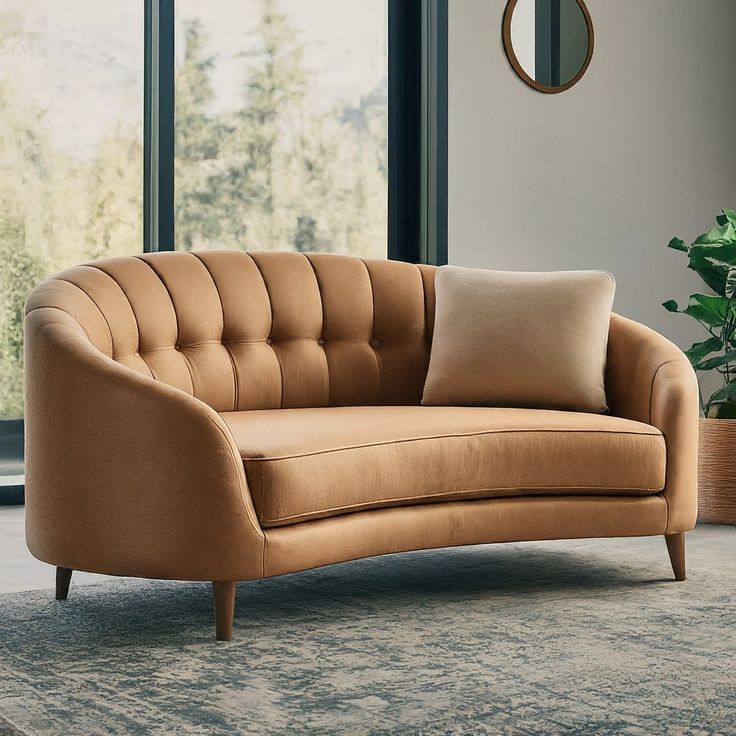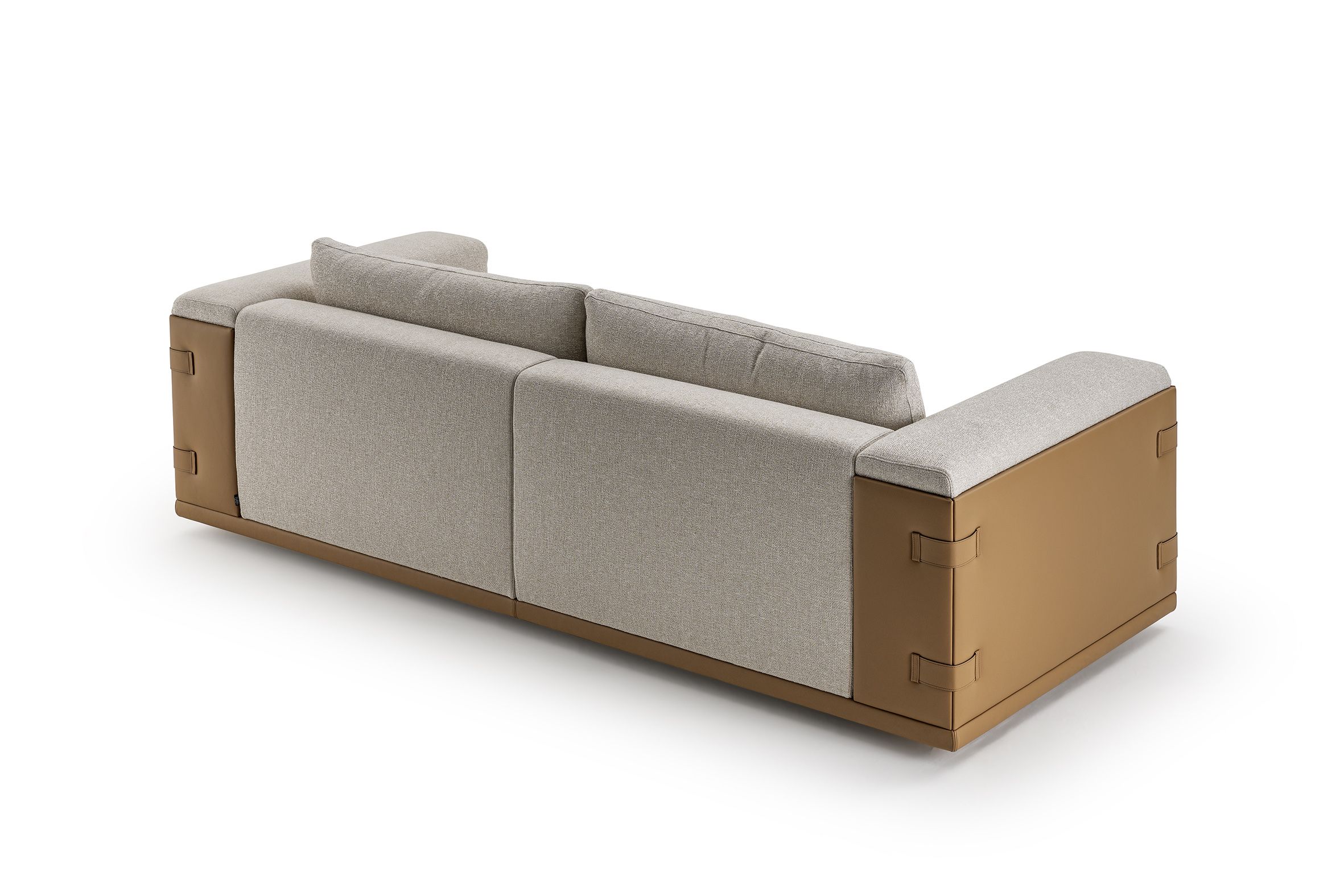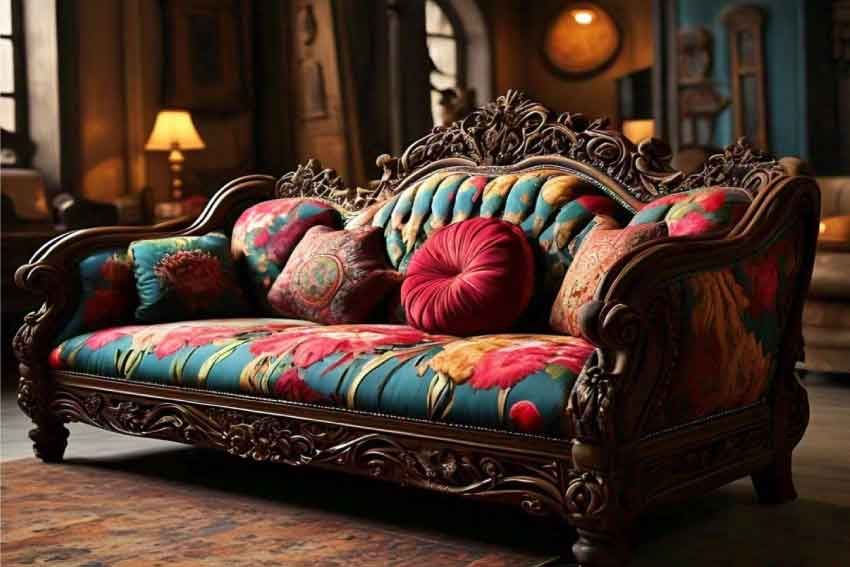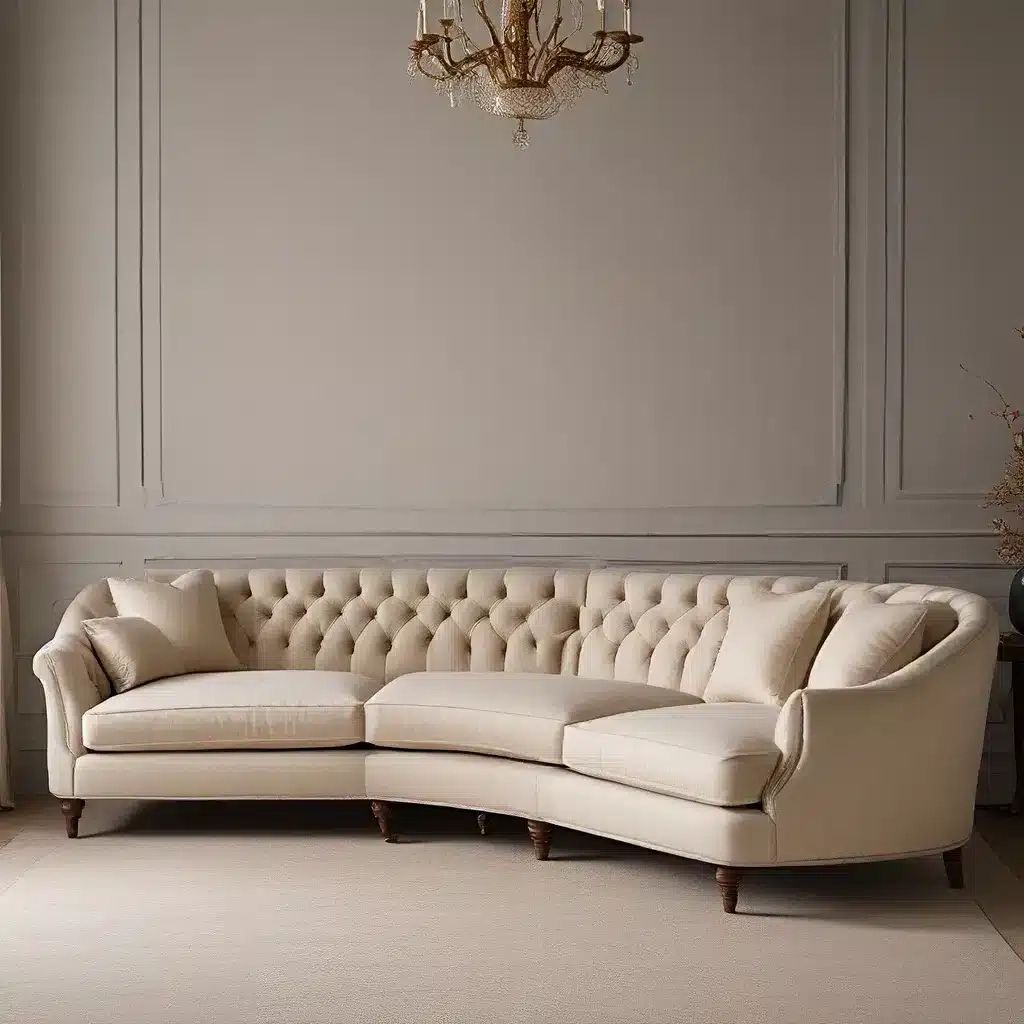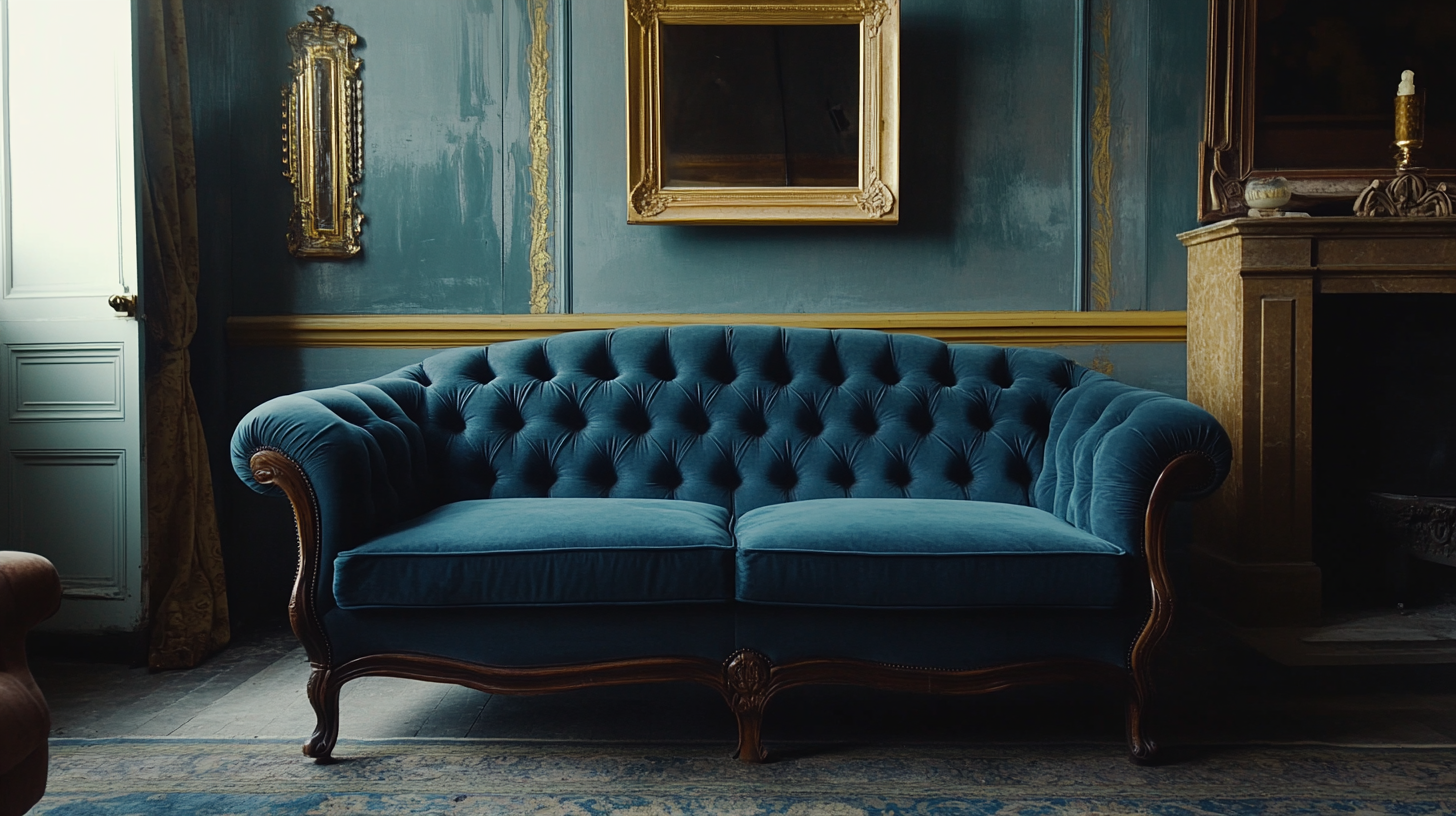
Picture this: you’re settling into a sofa that feels like it was made just for you. The fabric drapes perfectly, the cushions hold their shape, and every detail speaks of care and skill. That’s exactly what happens when you encounter a Tibi sofa. But what really goes into creating these remarkable pieces? Let’s explore the fascinating world behind the scenes.
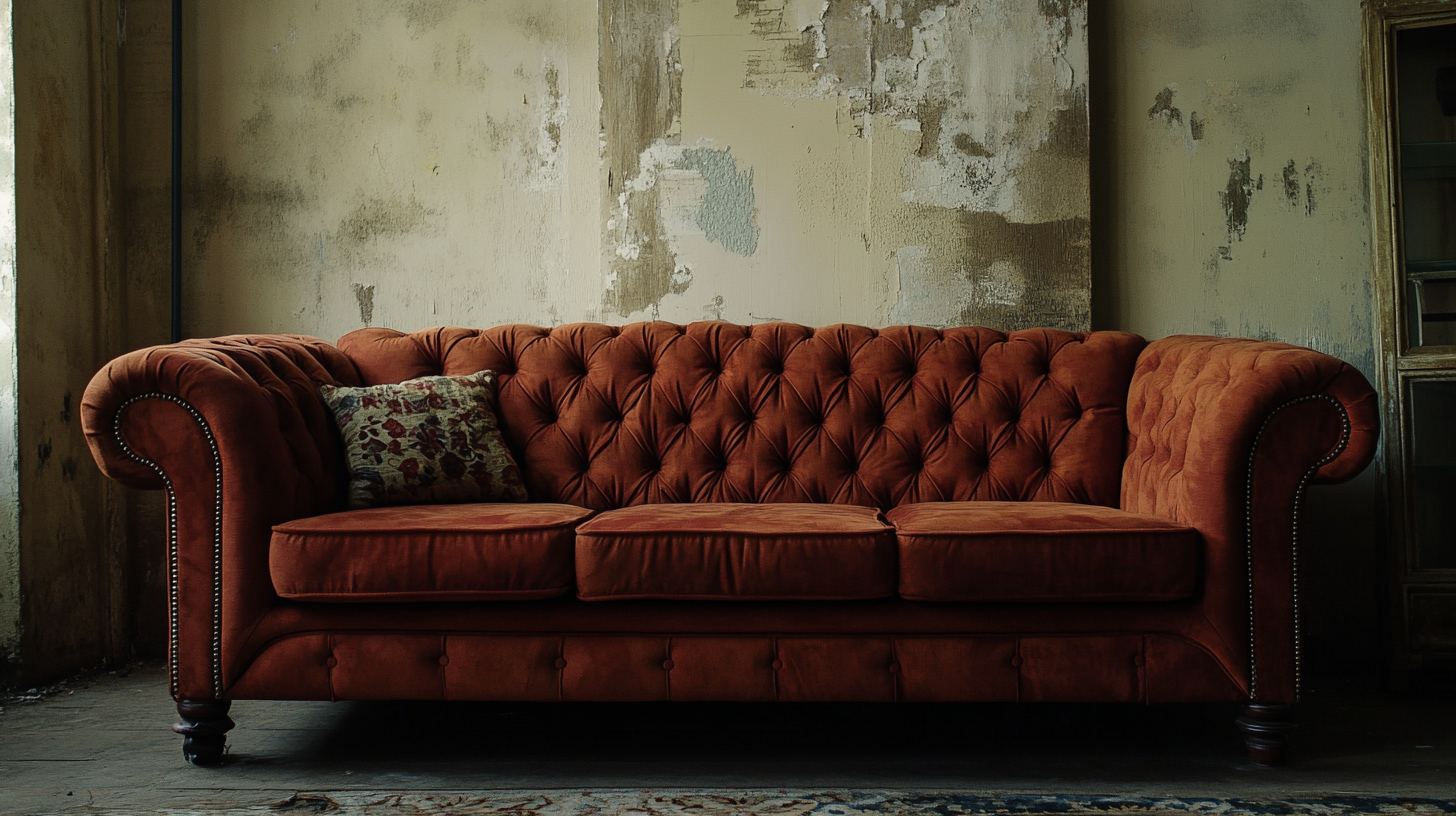
When someone mentions Tibi sofas, images of elegant living rooms and sophisticated design come to mind. But there’s so much more beneath the surface than meets the eye. These aren’t just pieces of furniture – they’re works of art crafted through generations of skill and dedication. What makes them truly special isn’t just their appearance, but the meticulous attention to detail and traditional methods that go into each creation. Every stitch, every frame, every cushion tells a story of craftsmanship that spans decades.
The Foundation: Woodwork and Frame Construction
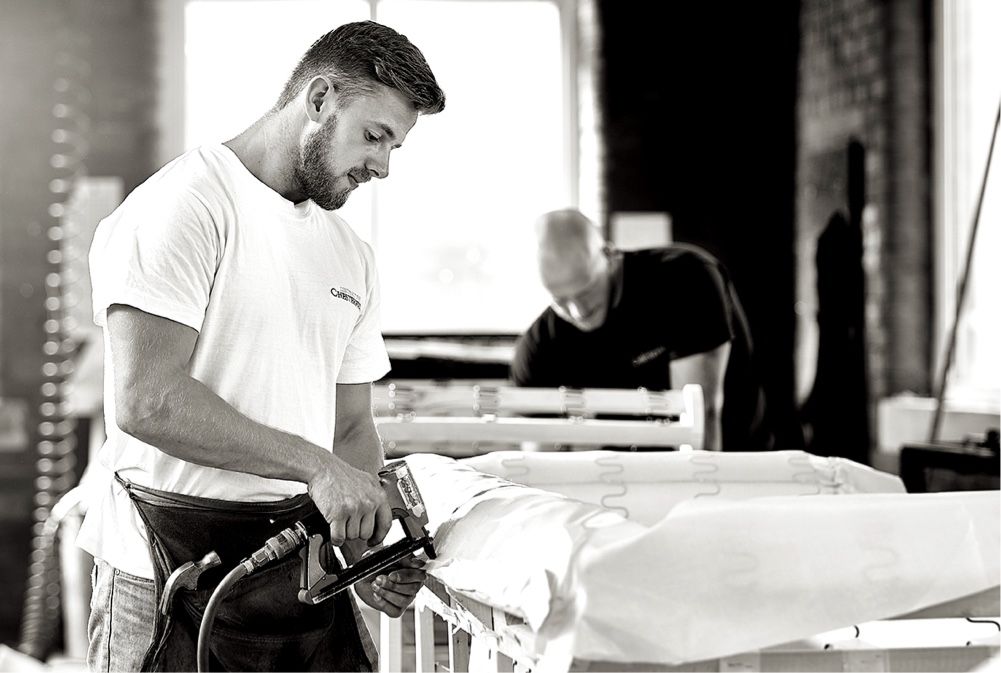
At the heart of every Tibi sofa lies a strong foundation. The wood used isn’t just any ordinary timber – it’s carefully selected hardwoods like oak, maple, or ash that provide both strength and beauty. Master craftsmen spend hours shaping these frames, often using techniques passed down through families for generations. The joints are never glued or nailed; instead, they rely on traditional joinery methods that create structures capable of lasting decades. You might think that modern manufacturing could speed things up, but these artisans prefer time-tested methods that ensure longevity over convenience. It’s like building a legacy piece rather than a disposable item.
Fabric Selection and Treatment Process
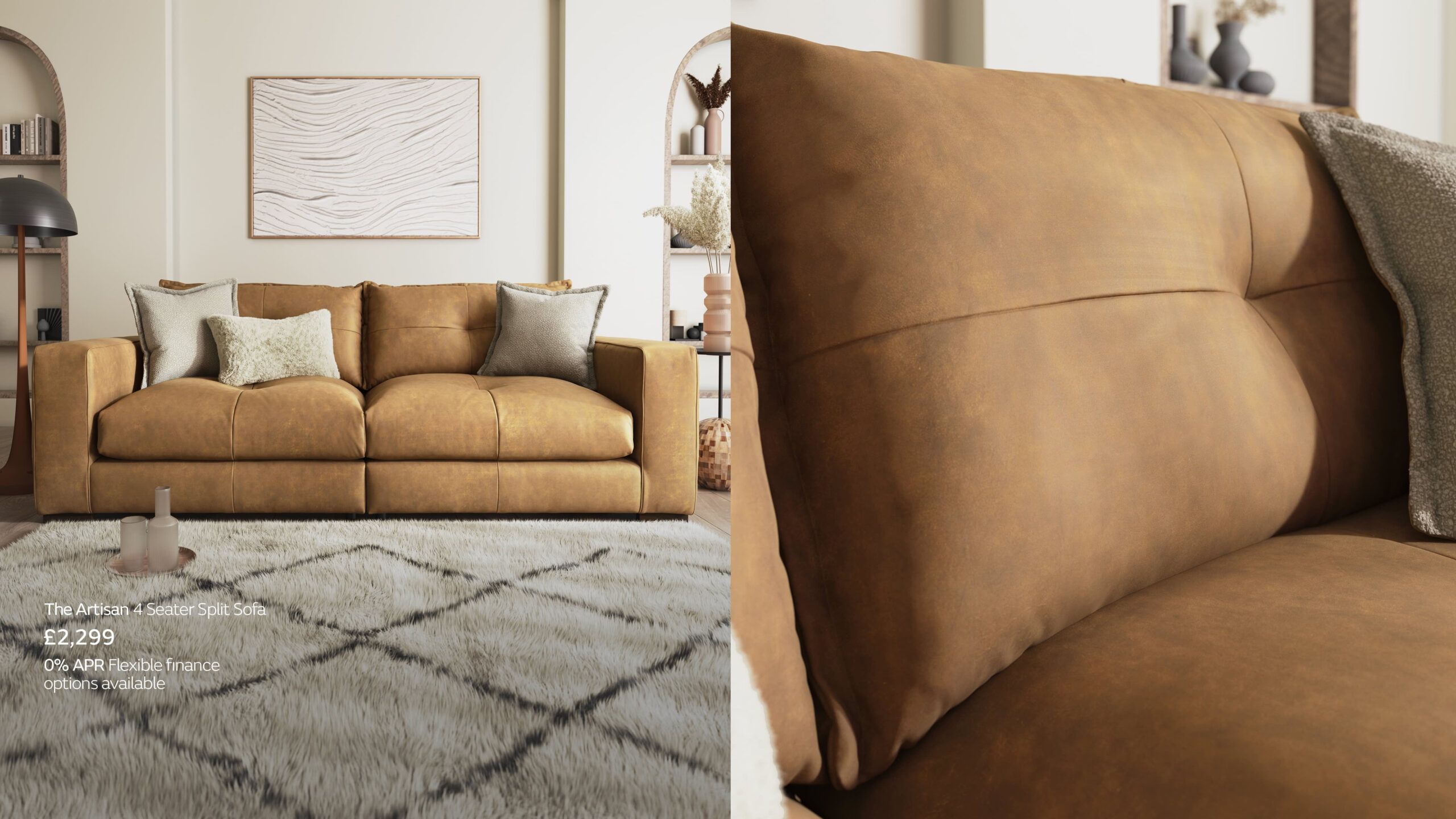
What fabric graces a Tibi sofa says everything about its character. Designers work closely with textile specialists to choose materials that not only look stunning but also perform well. The fabrics undergo rigorous testing for durability, colorfastness, and comfort before even entering production. Some are hand-woven using ancient techniques, while others incorporate modern innovations without losing their artisanal feel. The treatment process includes multiple steps to enhance texture, prevent fading, and ensure easy maintenance. This attention to material quality means that each sofa becomes a canvas for both beauty and practicality.
Cushioning and Comfort Engineering
Comfort isn’t just about sitting – it’s about feeling supported and relaxed. Tibi designers understand that proper cushioning requires more than just filling with foam. They use a combination of high-density foam, down, and specialized padding materials strategically placed to support different body areas. The cushion construction involves careful layering and precise measurements to ensure even distribution of weight. Many artisans still use traditional hand-stitching techniques for securing the cushion fillings, which creates a more durable and comfortable seating experience. It’s this blend of science and artistry that makes the difference between a good sofa and a great one.
The Role of Handcrafted Details
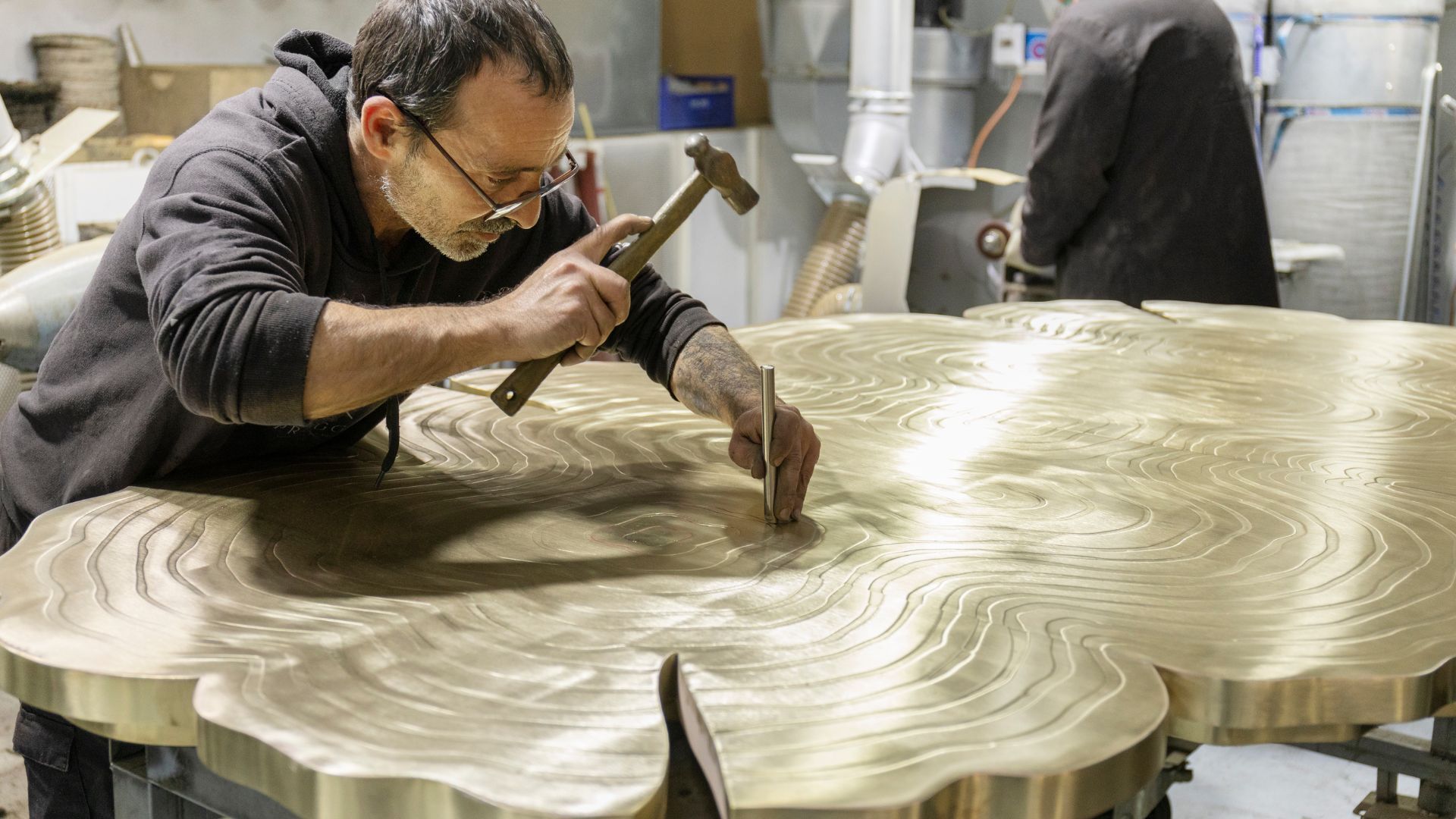
This is where Tibi truly sets itself apart. While many manufacturers rely heavily on machines, Tibi maintains a significant handcrafted component. From the careful placement of decorative stitching to the precise finishing of edges, skilled artisans add personal touches that cannot be replicated by automated processes. These details might seem small – a perfectly straight seam, a consistent button placement, or a subtle curve in the armrest – but they accumulate to create something extraordinary. Each piece gets individual attention, ensuring no two sofas are exactly alike, yet all maintain the signature Tibi quality.
Quality Control and Final Inspection
Before any Tibi sofa leaves the workshop, it undergoes multiple inspection stages. Quality control isn’t just about checking if everything looks right – it’s about ensuring structural integrity, fabric performance, and overall craftsmanship meet exacting standards. This process involves several experienced craftspeople who examine each element meticulously. If something doesn’t meet criteria, it’s corrected or redone rather than rushed out the door. This commitment to perfection means customers receive products that exceed expectations, not just meet them. The final inspection includes stress tests, fabric checks, and functional evaluations to guarantee satisfaction.
Sustainability and Ethical Practices
Modern craftsmanship isn’t just about beautiful results – it’s also about responsible practices. Tibi embraces sustainable approaches by choosing eco-friendly materials whenever possible, minimizing waste during production, and working with suppliers who share ethical values. Many artisans use traditional methods that have minimal environmental impact compared to mass production techniques. The company also focuses on longevity, designing pieces that will last for generations rather than contributing to fast fashion furniture trends. This approach ensures that each purchase represents not just a beautiful piece of furniture, but also a responsible choice for the environment and future generations.
Tibi sofas represent far more than furniture – they embody centuries of accumulated knowledge and passion for quality. Every element, from the initial wood selection to the final finishing touches, reflects dedication to excellence that’s rarely seen in today’s fast-paced world. When you sit on a Tibi sofa, you’re not just enjoying comfort – you’re experiencing the result of countless hours of skilled craftsmanship. These aren’t just pieces of furniture; they’re heirlooms in the making, designed to bring joy and beauty to homes for years to come. The next time you appreciate the perfect curve or flawless stitching, remember that behind every detail lies a story of tradition, skill, and unwavering commitment to quality.