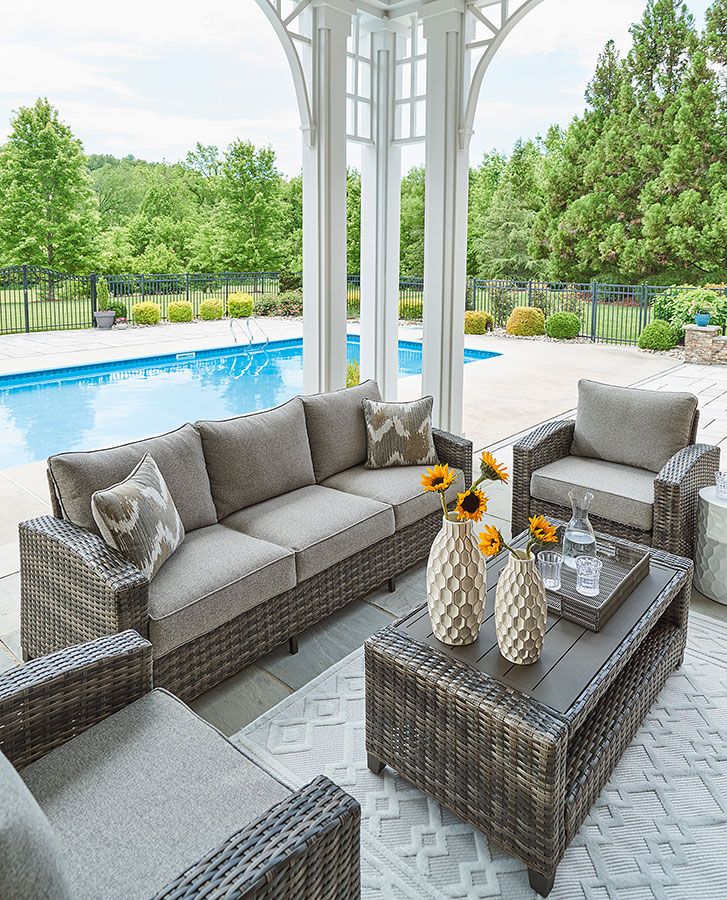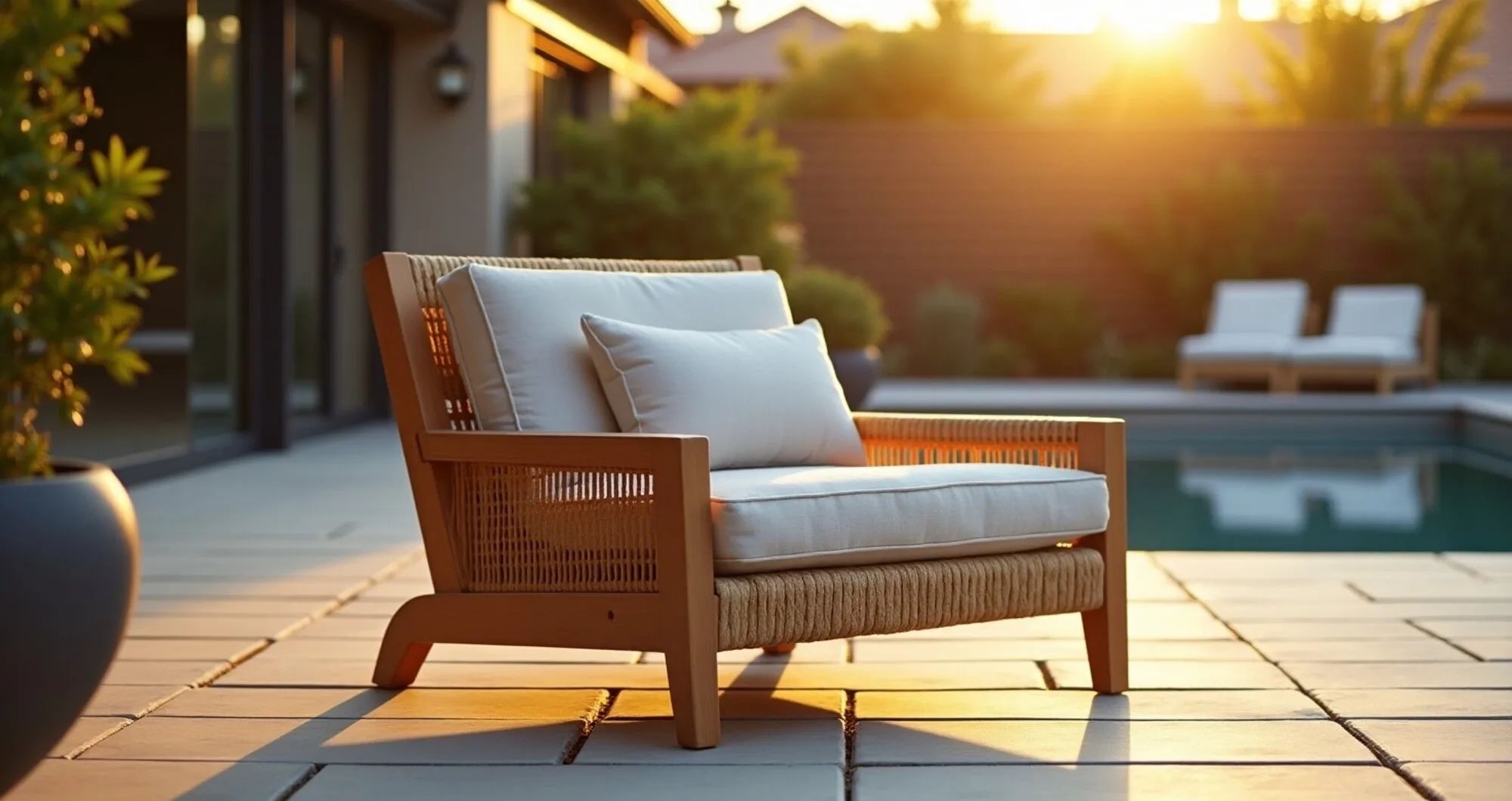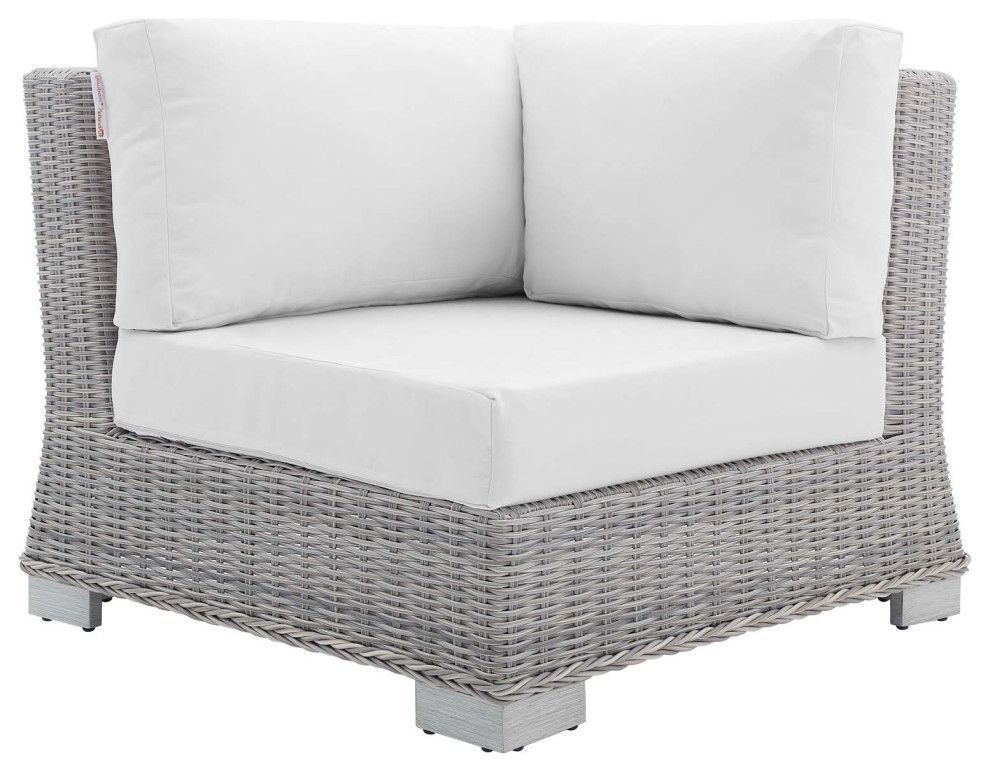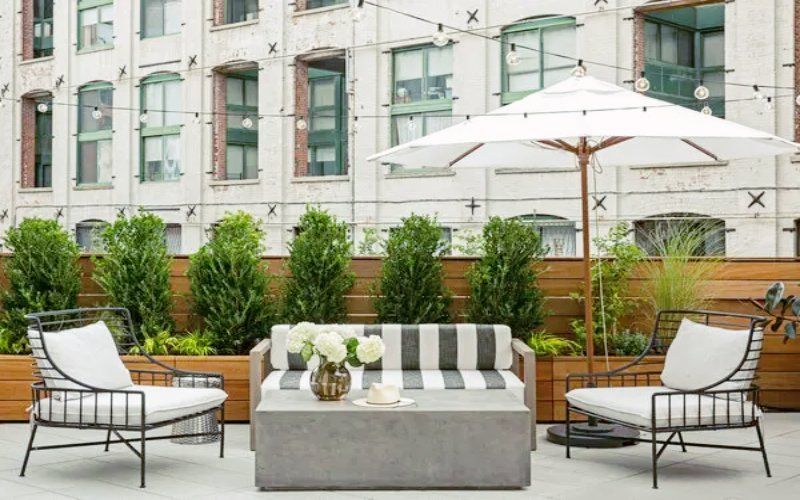
There’s something magical about stepping outside and finding a space that feels like it was made just for you. Whether you’re planning a backyard oasis or a simple patio area, the goal is to create something that will bring joy for years to come. This isn’t about following every passing trend – it’s about crafting spaces that have lasting appeal and genuine character.
Outdoor living spaces are more than just extensions of our homes. They’re where memories are made, conversations flow freely, and the pace of life slows down just enough to appreciate the simple things. When we talk about designing with timeless charm, we’re not just talking about aesthetics – we’re talking about creating environments that feel right no matter what season comes next. The secret lies in understanding what makes a space feel enduring rather than fleeting, and how to blend functionality with beauty in ways that never go out of style.
Understanding Timeless Design Principles
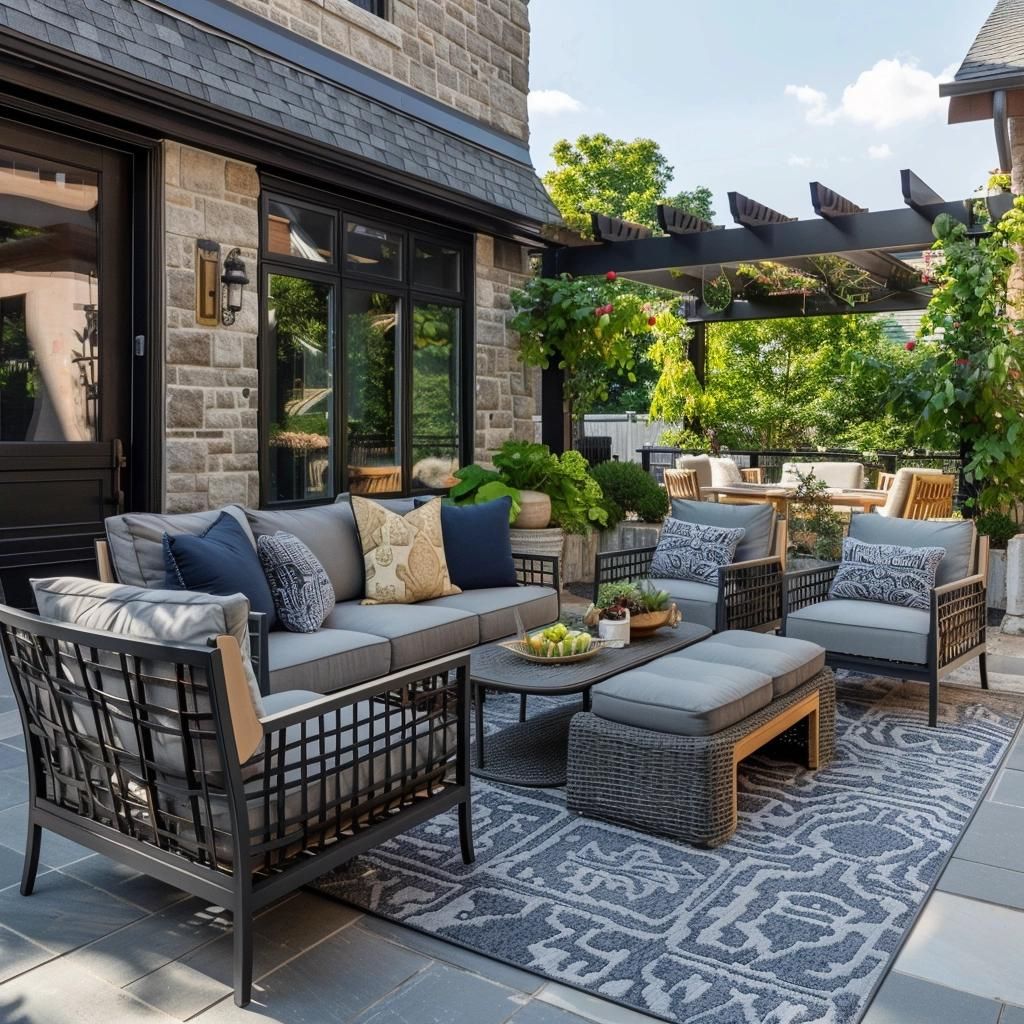
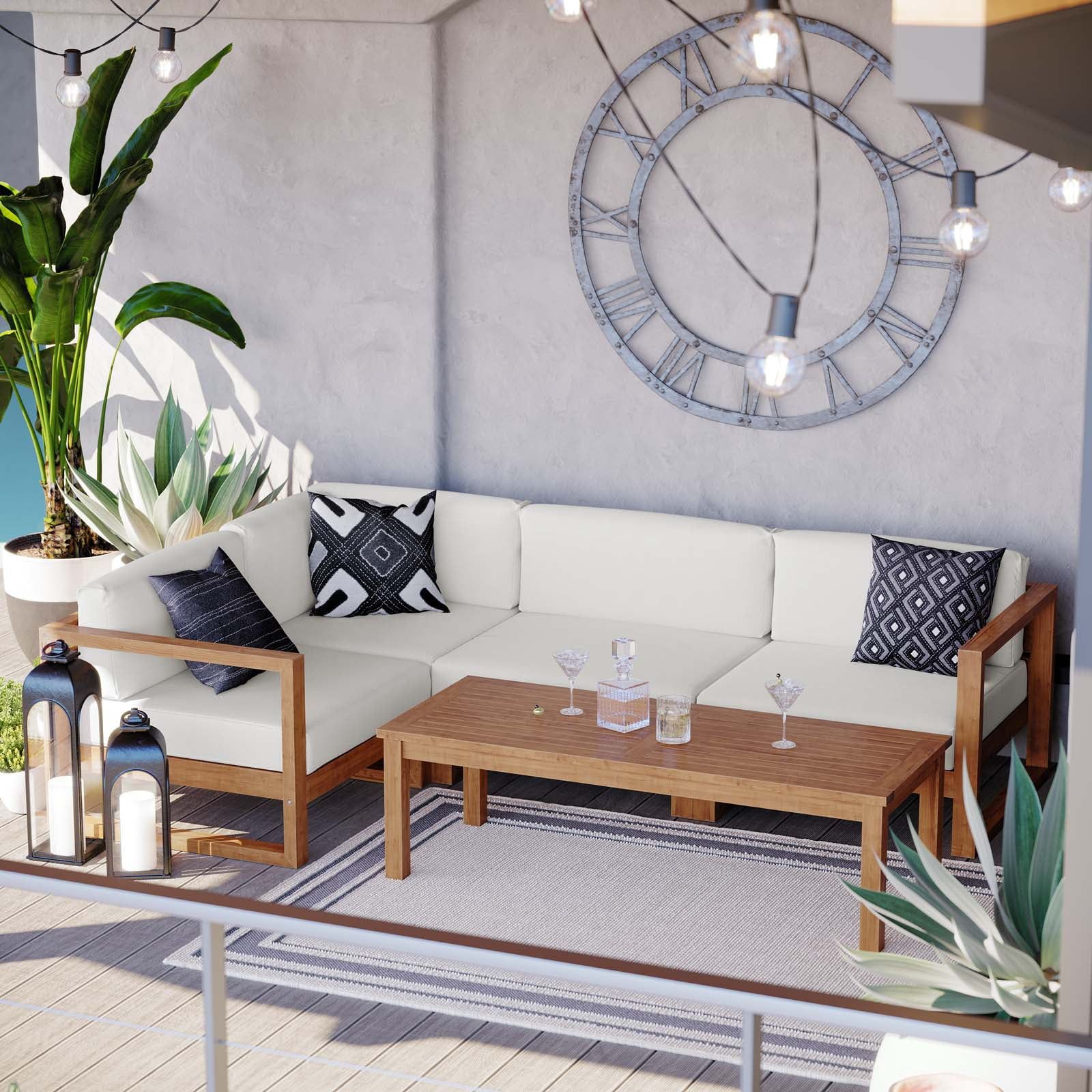
What makes a design timeless? It’s often the combination of classic elements that work together harmoniously. Think about the difference between a space that looks trendy today versus one that feels like it could have been designed decades ago. Timeless design relies heavily on proportion and balance. A well-proportioned dining table won’t look out of place whether it’s paired with vintage chairs or modern seating. The key is choosing pieces that complement each other rather than compete. Natural materials like wood and stone tend to age beautifully, gaining character over time. These aren’t just aesthetic choices – they’re practical decisions that pay off in the long run. Consider how a weathered wooden deck will look after ten years versus a glossy composite material that might start looking dated quickly. The materials themselves become part of the story being told by your outdoor space.
Choosing the Right Color Palette
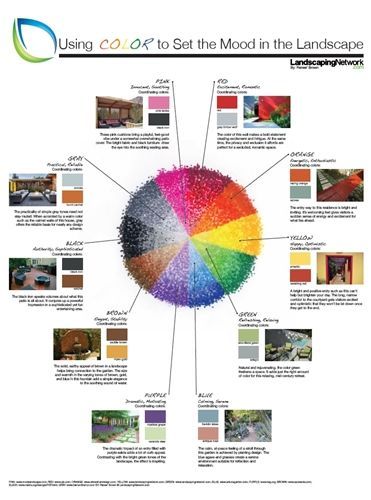
Colors set the mood for any space, and outdoor areas are no exception. The best color schemes for timeless outdoor living spaces tend to be neutral-based, drawing inspiration from nature itself. Earth tones like warm browns, soft greens, and muted grays create a sense of calm and permanence. These colors don’t change dramatically with seasons, making them ideal for year-round enjoyment. You might add pops of color through accessories or plantings, but the foundation should feel solid and unchanging. Think about how different hues interact with natural light throughout the day. A white or cream-colored pergola will look fresh and clean, while a deep blue or green shade might feel more substantial and grounded. Don’t underestimate the power of a few carefully chosen accent colors that can tie everything together without overwhelming the senses. Consider using a color wheel to plan your palette, ensuring that your choices complement rather than clash with each other.
Creating Functional Zones Within Your Space
A timeless outdoor living space isn’t just about pretty things – it’s about creating areas that serve different purposes naturally. Think about how you actually use your outdoor space. Do you entertain frequently? Then you’ll want a designated entertaining area that’s both comfortable and practical. Maybe you enjoy quiet moments alone or with family – a cozy seating area tucked away from the main traffic flow works wonderfully for that. The key is thinking about flow and purpose. You shouldn’t have to constantly rearrange furniture to accommodate different activities. A well-thought-out layout allows you to move easily between zones while maintaining the feeling of distinct areas. Consider how furniture placement affects the overall energy of the space. Sometimes, simply adding a small privacy screen or a low wall can transform a casual sitting area into a more intimate retreat. The most successful outdoor spaces feel intentional rather than haphazard.
Selecting Durable Materials and Elements
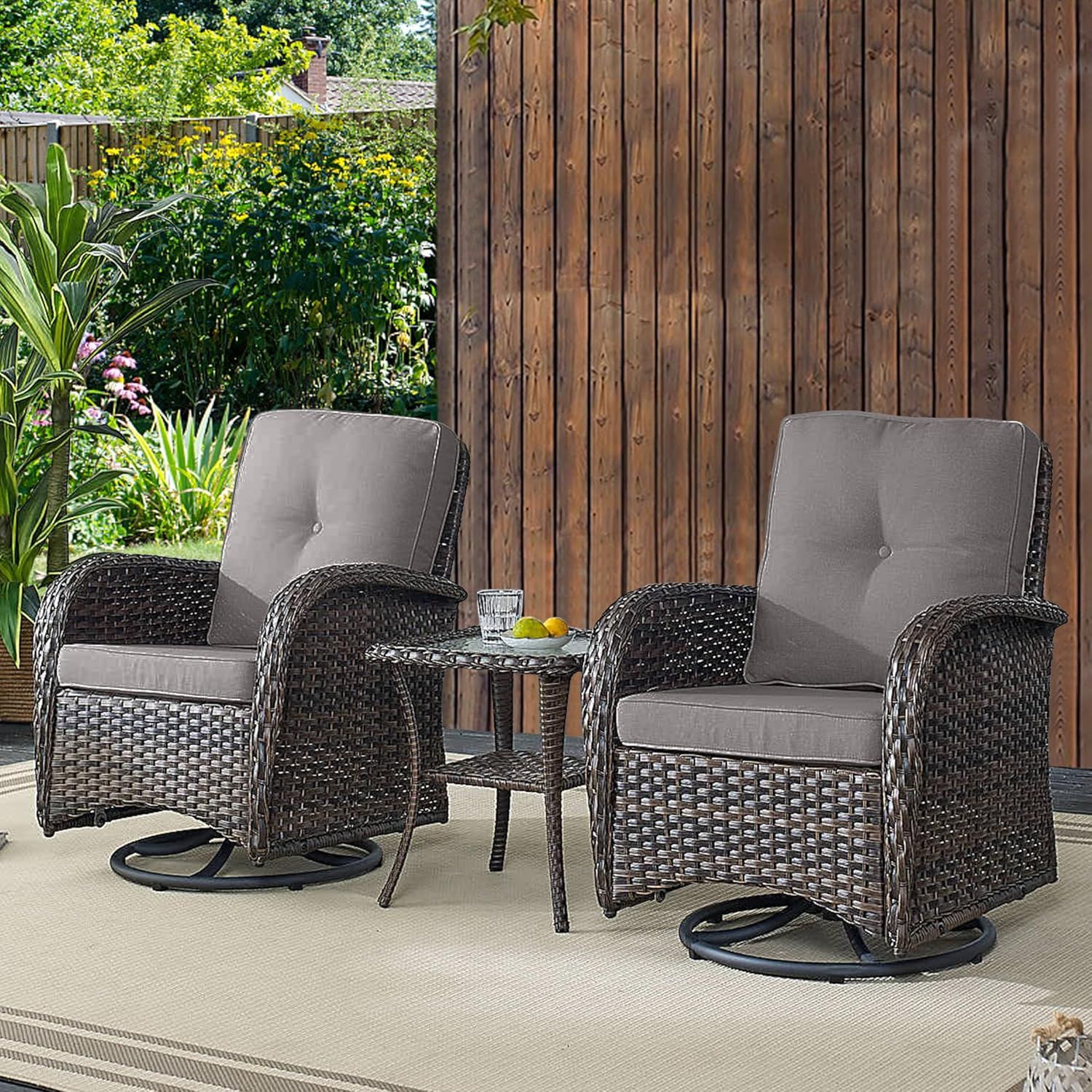
When designing for longevity, materials matter more than you might think. Choose elements that can handle whatever Mother Nature throws at them without losing their appeal. Weather-resistant woods like cedar or teak age gracefully, developing rich patinas that many find more attractive than the original color. Stone and brick offer durability combined with natural beauty that rarely disappoints. These materials don’t just last longer – they often become more appealing over time. Don’t overlook the importance of quality hardware and fixtures either. Stainless steel, brass, or aluminum components that resist rust and corrosion will serve you better than cheaper alternatives that might need replacing within a few years. Pay attention to details like proper drainage, good foundation work, and materials that won’t fade or warp easily. For example, synthetic materials may seem like a good investment, but they often lack the authenticity and natural beauty of traditional options. Your outdoor space should feel like it belongs there, not like something that was hastily assembled.
Incorporating Natural Elements
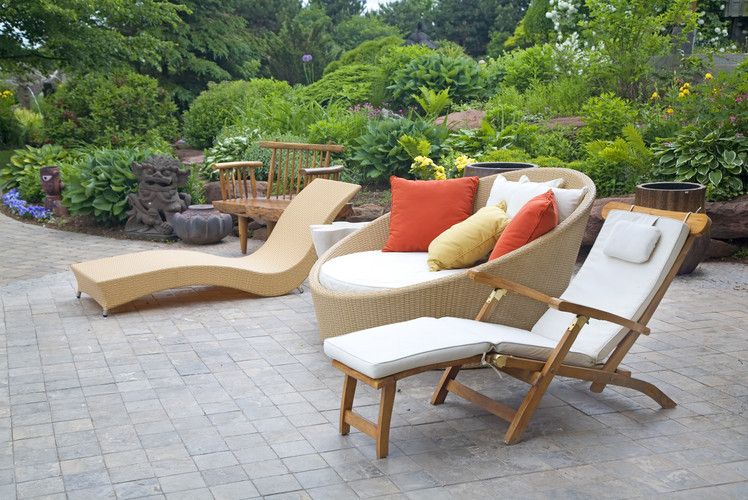
The magic of timeless outdoor spaces often comes from how well they integrate with their surroundings. Plants play a crucial role, but they should be chosen thoughtfully rather than just for their immediate visual impact. Evergreen shrubs provide structure and year-round interest, while seasonal flowers add vibrant bursts that change with the seasons. Trees create natural privacy and can anchor larger design elements. Consider how light filters through different foliage types and how plants will mature over time. A young tree might look small now, but it will eventually frame your seating area perfectly. Natural elements like water features, fire pits, or even simple stone pathways contribute to the feeling of permanence. These aren’t just decorative – they become part of the identity of your outdoor space. The key is balancing natural elements with clean lines and thoughtful placement so everything works together.
Maintaining Your Timeless Outdoor Space
Even the most carefully planned outdoor spaces require some maintenance to stay beautiful over time. The good news is that maintaining timeless elements is usually simpler than trying to keep up with trendy changes. Regular cleaning, basic repairs, and seasonal adjustments are all part of the process. Establish a routine that includes checking for wear and tear before problems become serious. Simple tasks like sweeping, watering plants, and protecting furniture during harsh weather can extend the life of your investment significantly. Understanding how different materials age helps you plan appropriate care. Wood needs periodic sealing, stone might need cleaning, and metal elements require attention to prevent rust. The most important thing is consistency rather than dramatic overhauls. If you’ve created a space that’s built to last, you’re more likely to want to preserve it than replace it. This mindset helps you avoid the trap of constantly updating to match new trends.
Designing outdoor living spaces with timeless charm isn’t about following rules or chasing fads. It’s about creating environments that reflect your personality while standing the test of time. The spaces that truly endure are those that combine smart planning with honest materials, thoughtful proportions, and a deep appreciation for what makes a place feel like home. Whether you’re starting from scratch or renovating an existing area, focus on the fundamentals that will serve you well for years to come. Remember that great outdoor spaces aren’t just about what you put in them – they’re about how you use them, how they evolve with you, and how they continue to bring joy long after the initial excitement fades. The investment in time and thoughtfulness pays dividends in the form of spaces that feel like true retreats rather than temporary solutions.