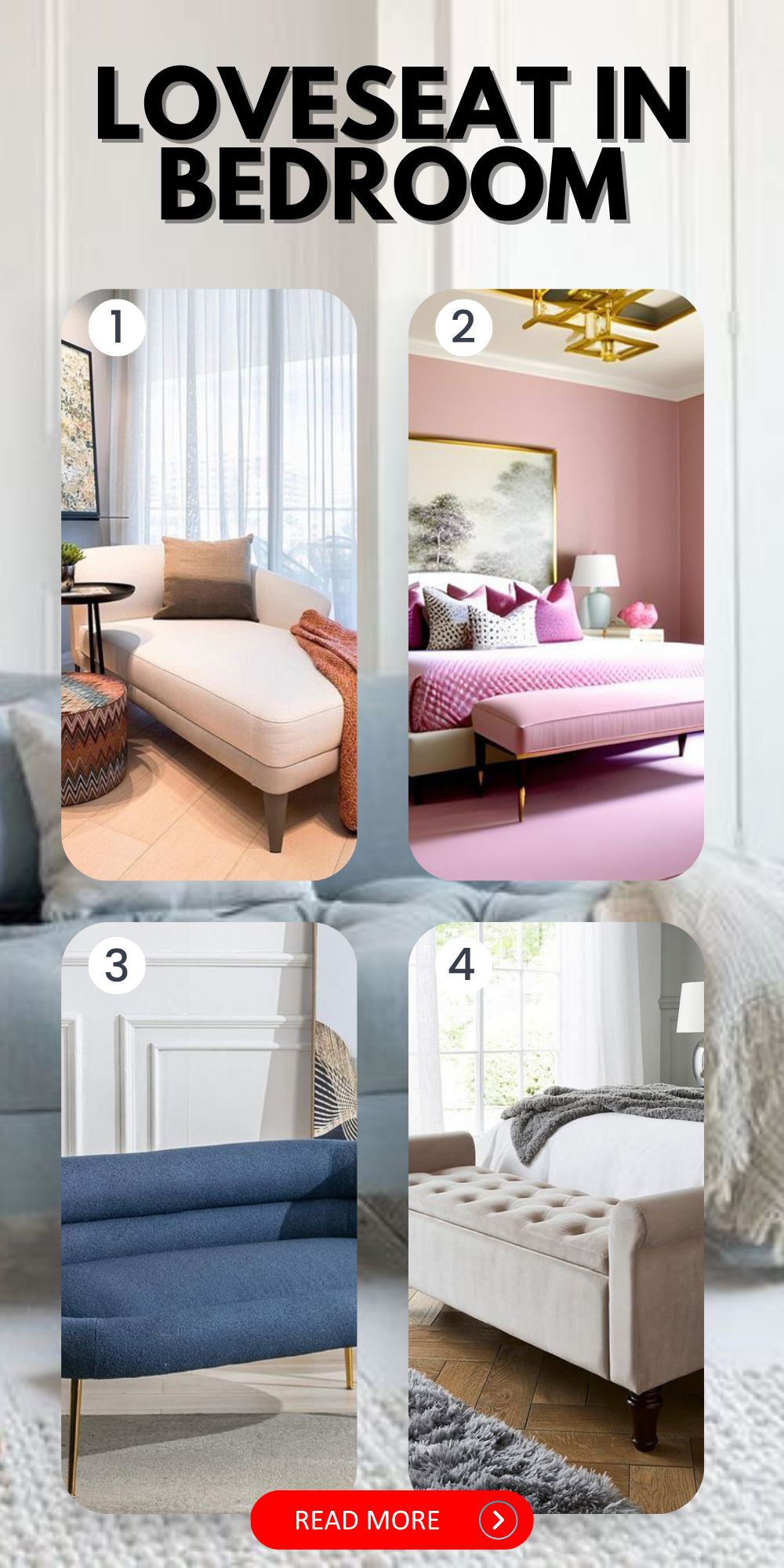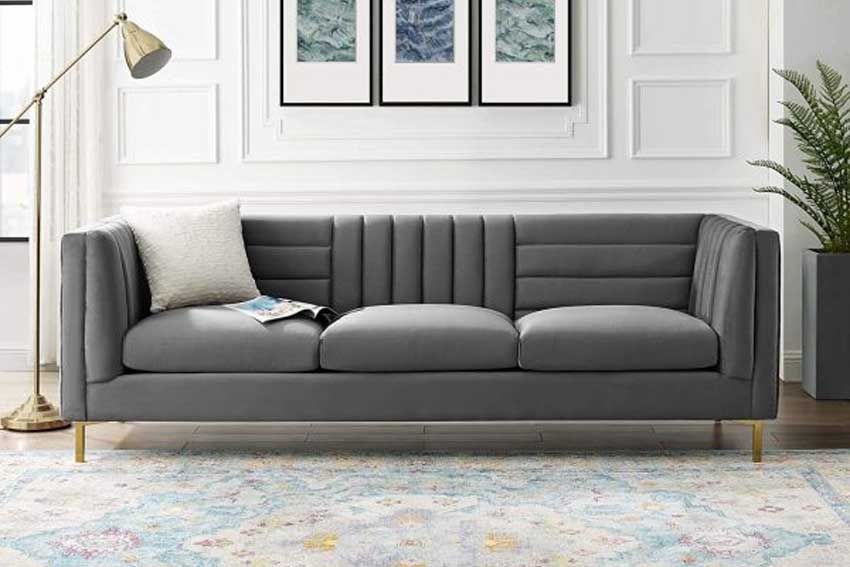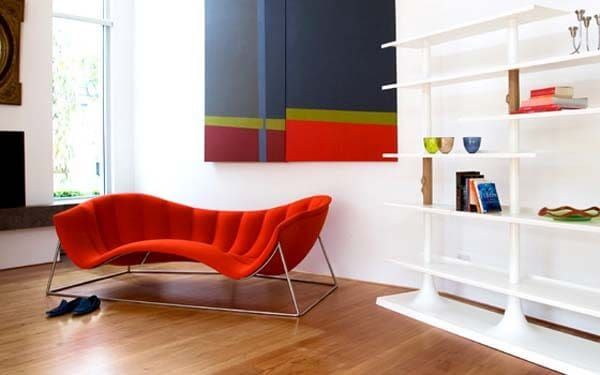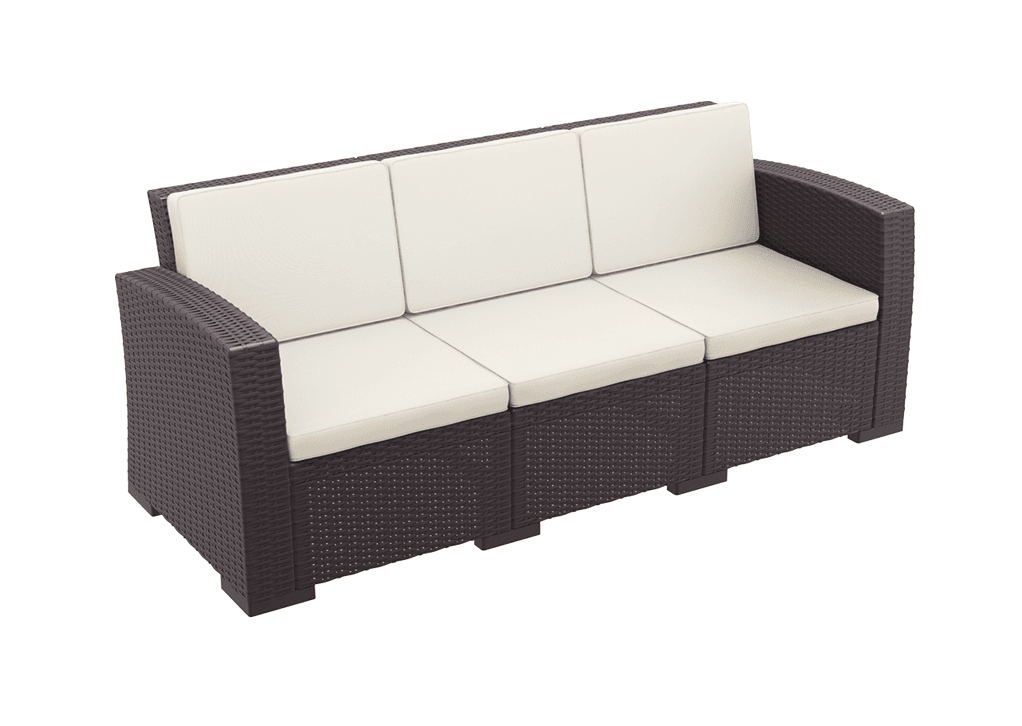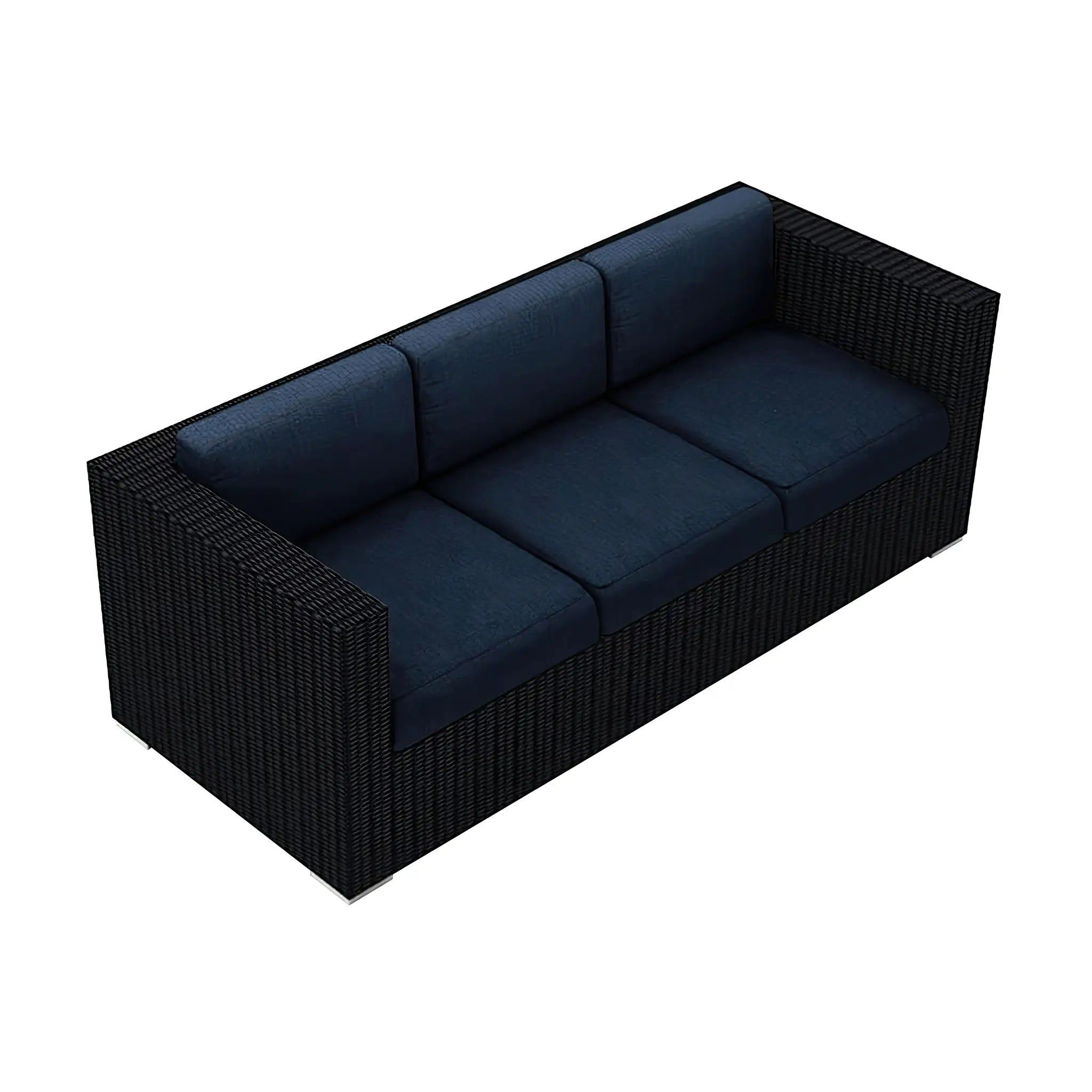
Think about it. How many of our most meaningful conversations happen while we’re curled up together? The way we choose to sit in our homes often says more about our relationships than we realize. A loveseat isn’t just furniture – it’s the foundation of countless shared moments, quiet discussions, and comfortable silences that make our homes feel like sanctuaries.
When we think about creating spaces that nurture connection, we often focus on the big things – the kitchen island where families gather, or the dining table where meals become memories. But sometimes, the smallest decisions have the biggest impact. Consider the loveseat – that perfect compromise between comfort and conversation. It’s where friends catch up over coffee, where couples share their dreams, and where families find their rhythm. Choosing a loveseat thoughtfully isn’t just about aesthetics or comfort; it’s about intentional relationship building. Every time someone sits down, they’re choosing to engage, to connect, to be present. That simple act of sitting together matters more than we might think.
The Psychology of Seating and Connection
Research shows that the way we arrange ourselves physically influences how we relate to one another. When people sit side-by-side on a loveseat, they naturally lean toward each other, creating physical intimacy that mirrors emotional closeness. This isn’t just about the physical proximity – it’s about the subconscious signals we send to ourselves and others. The loveseat creates a unique space where conversation flows more easily. There’s something about the shape of a loveseat that invites participation. It’s neither too formal nor too casual, providing just enough structure for meaningful dialogue while remaining relaxed enough for vulnerability. Think about the last time you had a deep conversation with someone. Was it in a chair, on a couch, or somewhere else entirely? Often, it’s the seating arrangement that makes all the difference in whether we open up or hold back.
Size Matters: Finding the Right Fit for Your Space
Choosing the right size loveseat isn’t just about measuring your living room. It’s about understanding how much space you need for both physical comfort and emotional openness. A loveseat that’s too small feels cramped, forcing people to squeeze together uncomfortably. On the other hand, one that’s too large can create distance, making it harder to have intimate conversations. The sweet spot lies in finding a loveseat that allows for easy movement and conversation while still providing enough space for people to feel secure. Consider your typical group dynamics. Do you prefer close proximity or some breathing room? Are you planning to host regular gatherings or keep it intimate? These questions help determine the ideal dimensions. For example, a 60-inch loveseat works well for two people who want to sit close together, while a 72-inch model might better suit larger families or those who enjoy having guests sit nearby.
Material Choices and Their Emotional Impact
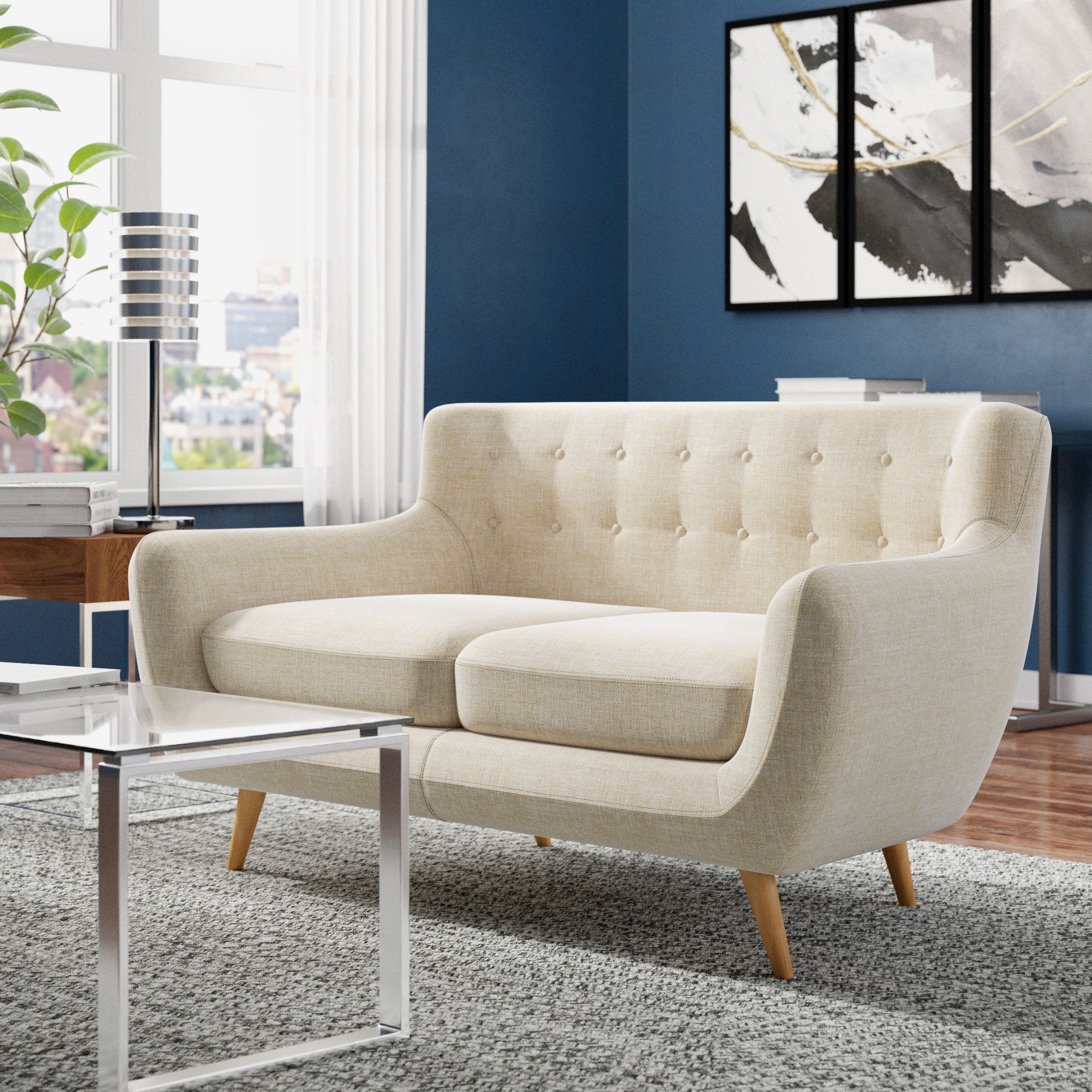
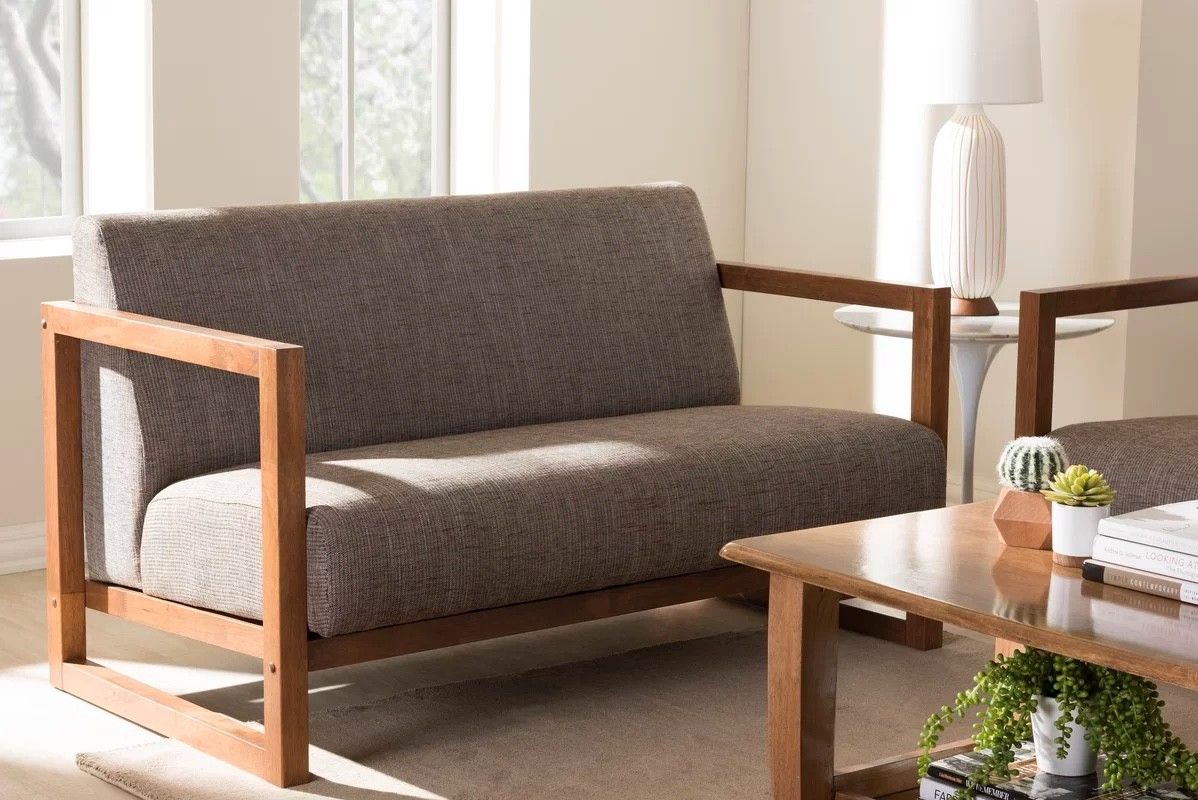
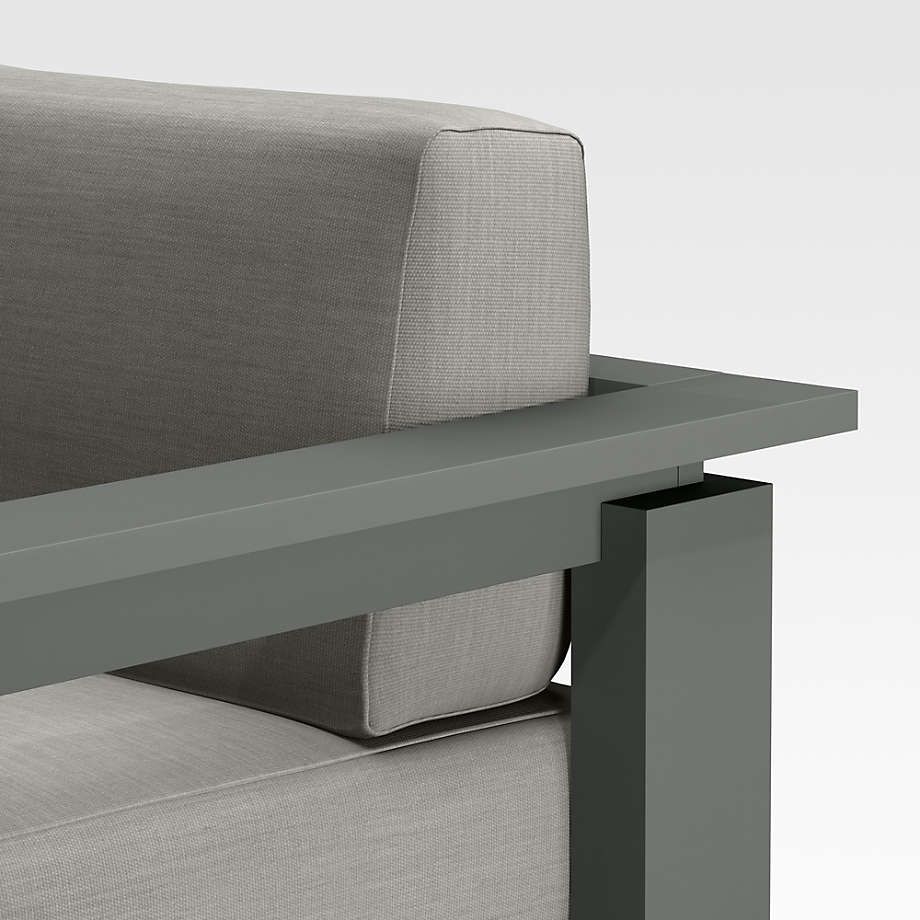
Different materials evoke different feelings, and these subtle emotional responses can influence how people interact in your space. Fabric loveseats offer warmth and softness, creating an inviting atmosphere that encourages people to linger. They’re often associated with comfort and domesticity, making them perfect for cozy family moments. Leather, however, brings a sense of sophistication and durability that can signal a more formal approach to relationship-building. It’s the kind of material that suggests important conversations deserve special attention. Wood frames add a grounded quality, connecting people to tradition and stability. Metal frames can bring a modern edge, suggesting innovation and forward-thinking approaches to relationships. The texture of the material also plays a role. Smooth surfaces encourage easy conversation, while textured fabrics might require more deliberate engagement. When you’re selecting a loveseat, consider not just what feels good to touch, but what kind of emotional environment you want to create.
Color Psychology and Relationship Dynamics
Colors don’t just decorate our spaces – they influence how we feel and behave. Warm colors like reds, oranges, and yellows tend to create energy and excitement, making them great for social gatherings. Cool blues and greens promote calmness and reflection, perfect for serious conversations or quiet moments. Neutral tones like beige, gray, and white offer versatility, allowing other elements in the room to take center stage. But beyond these basic associations, color choices also reflect our personal values and relationship preferences. A bold red loveseat might indicate someone who enjoys passionate discussions, while a soft sage green could suggest someone who values peaceful, thoughtful communication. The key is matching your color choices to your relationship goals. If you want to encourage open dialogue, perhaps choose colors that make people feel comfortable and confident. If you’re looking to create a space for serious talks, maybe go with something more subdued but elegant.
Design Elements That Foster Conversation
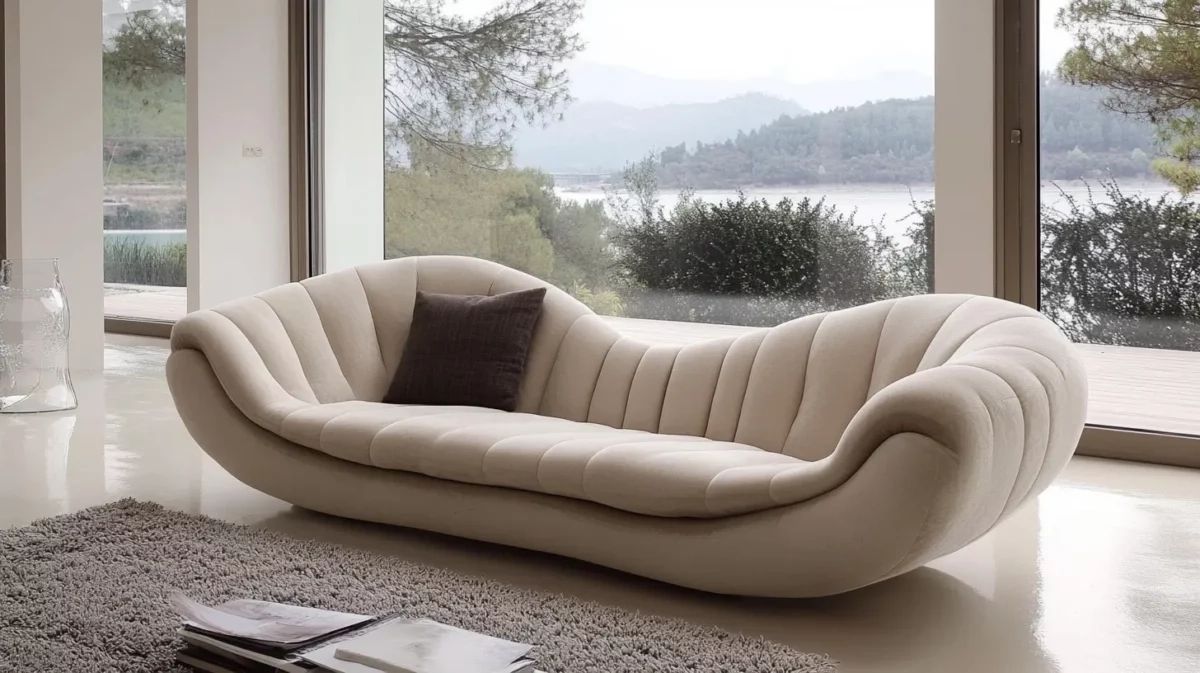
Not every loveseat is created equal when it comes to facilitating connection. The design itself can either encourage or discourage interaction. Armrests, for instance, can create barriers or provide support for leaning in. Low-profile designs invite people to sit closer together, while higher backs might create more privacy and independence. Reclining features can offer flexibility for different conversation styles – sometimes you want to face someone directly, other times you might want to lean back and relax. The overall silhouette matters too. Curved designs often feel more welcoming and inclusive, while straight lines might seem more formal or distant. Consider what kinds of interactions you want to promote. Do you want people to feel like they’re part of a team, or do you prefer a more individualized experience? The design choices should align with your desired relationship outcomes. For example, a loveseat with integrated armrests might be perfect for couples who enjoy sharing drinks while watching movies together, while a more traditional design might better suit families who want to maintain distinct personal space during meals.
Practical Considerations for Long-Term Success
A beautiful loveseat that’s uncomfortable or difficult to maintain will eventually become a source of stress rather than joy. Consider how often you’ll use it, how many people will sit on it regularly, and what kind of lifestyle you lead. If you have young children, durability might be more important than style. If you entertain frequently, easy cleaning becomes crucial. Some materials age beautifully, while others show wear quickly. Think about the long-term investment. A loveseat that holds up well over time reduces stress and maintains the positive energy of your space. Also, consider the practical aspects of placement. Will it be in a high-traffic area? Is there adequate lighting? Does it complement existing furniture? Sometimes the best choice isn’t the most expensive option, but rather the one that fits perfectly into your life and supports your relationship goals. You might spend more on a loveseat that will be used daily for years, or less on something that will sit unused in a corner.
Choosing a loveseat isn’t just about finding something that looks good in your living room. It’s about creating a foundation for better relationships, one comfortable seat at a time. Every element – from the size and material to the color and design – contributes to how people interact in your space. When you invest thoughtfully in this decision, you’re investing in the quality of your connections with others. The right loveseat becomes more than furniture; it becomes a symbol of intentionality in your relationships. Whether you’re hosting friends for Sunday brunch, having quiet conversations with your partner, or simply enjoying comfortable silence together, the seating you choose sends powerful messages about what you value most. So next time you’re shopping for furniture, remember that you’re not just buying a piece of furniture – you’re investing in the quality of your relationships and the stories that unfold in your home. The best loveseats aren’t just comfortable; they’re catalysts for connection, conversation, and community.