In a quiet corner of America, two individuals quietly revolutionized how we think about craftsmanship. Their story isn’t just about pots and pans, but about how simple things can spark profound cultural change.
Picture this: two people, one named Fawn, another called Purveyor Pewter, living in small towns where everyone knew everyone else’s name. They weren’t looking for fame or fortune. They were simply passionate about creating something beautiful with their hands. What started as a hobby turned into something much bigger. Today, their influence stretches far beyond their hometowns, touching how we view art, work, and community. This is more than just a story about craft—it’s about how ordinary people can create extraordinary change. It’s about finding your voice when the world seems to be shouting at you. And it’s about how something as simple as a handcrafted item can become a symbol of something much deeper.
The Humble Beginnings
Fawn and Purveyor Pewter didn’t start big. They started small, like most great stories do. Fawn was a former office worker who discovered her love for pottery during a weekend workshop. Purveyor Pewter had always been fascinated by metals, spending hours tinkering with old tools in his garage. Their paths crossed at a local craft fair in 2012. Both were drawn to the same thing—creating items that people could actually use while appreciating their beauty. The first pieces they made together were simple. A few mugs, some decorative bowls, maybe a candle holder or two. Nothing fancy, nothing expensive. But something magical happened when they combined their skills. Their work wasn’t just functional; it had soul. The clay Fawn shaped had warmth, and the metal Purveyor worked with had character. Together, they created something neither could have made alone. It was a partnership built on respect for each other’s craft, and an understanding that sometimes the best things come from collaboration rather than competition. They didn’t know it then, but they were starting something that would eventually reshape how people thought about handmade goods.
What Makes Their Work Different
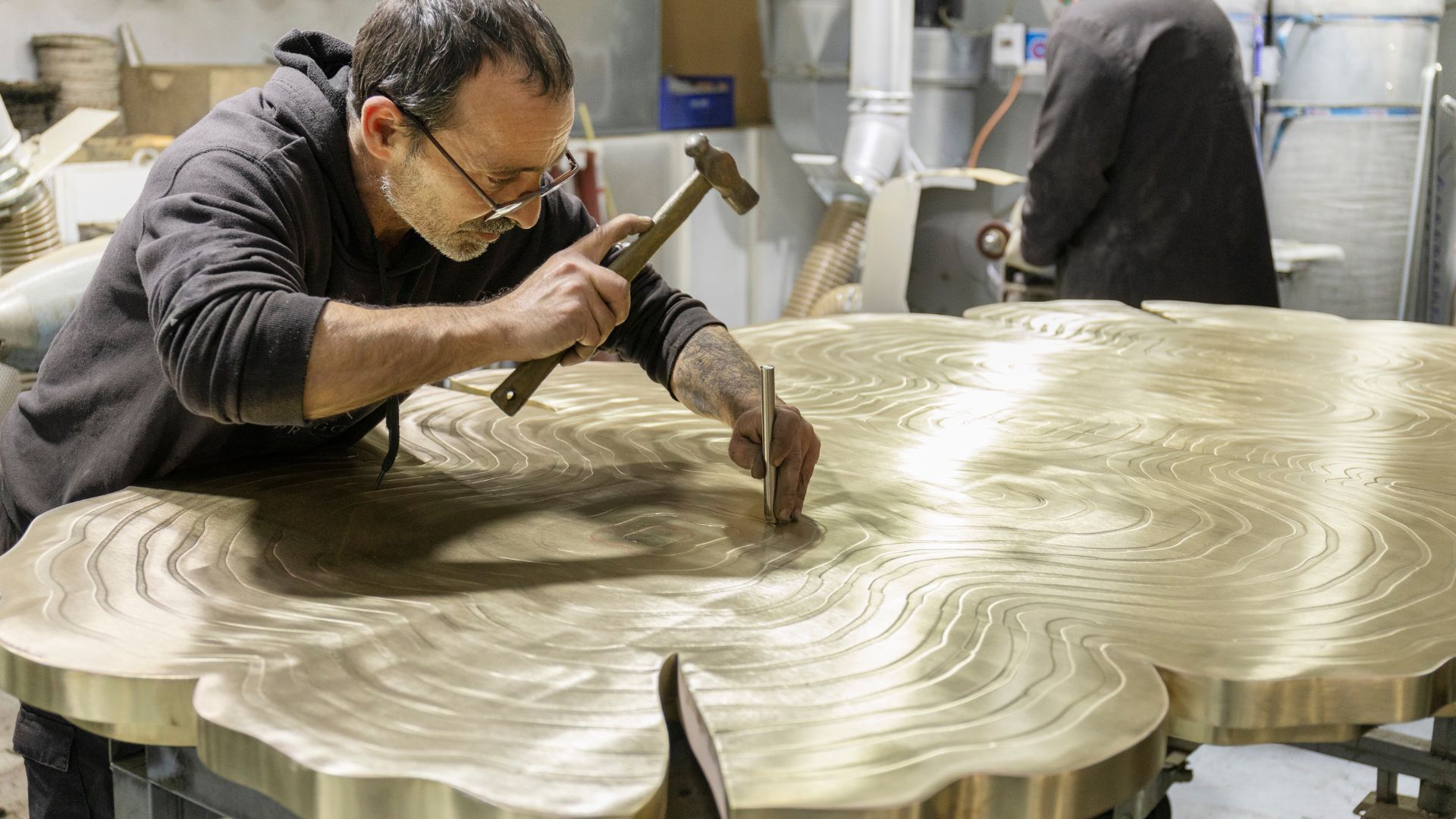
Here’s what set Fawn and Purveyor Pewter apart from the rest. They understood that people want more than just products—they want stories. Every item they created told a tale. The pottery had the texture of someone’s hands, the metalwork showed the marks of time and effort. They didn’t just make objects; they made connections. Their work was never mass-produced. Each piece was unique, carrying the individuality of its maker. When someone bought one of their items, they weren’t just buying a mug or a bowl. They were buying into a tradition, a process, a way of life that’s becoming increasingly rare. Their commitment to sustainability was also refreshing. Instead of using cheap materials that would break quickly, they chose durable, quality materials that would last generations. They worked with local suppliers, supported their communities, and made decisions based on what was best for the planet, not just the bottom line. This approach resonated with people who felt disconnected from the fast-paced world around them. In a time when everything seemed disposable, their work reminded people that things could be meaningful and lasting. It wasn’t just about the final product—it was about the journey, the process, and the values behind it.
Community and Connection
One of the most powerful aspects of their influence was how they brought people together. Local coffee shops started featuring their work, and soon, customers would gather around tables just to talk about the pieces they’d purchased. The items became conversation starters, bridges between strangers who might never have otherwise met. People would bring friends to their workshops, and families would visit their studio together. They created something that transcended the typical boundaries of commerce. The work wasn’t just about selling things—it was about building relationships. Community events centered around their creations, and local businesses began partnering with them to showcase their work. It wasn’t just about the products themselves, but the culture they fostered. People started to see the value in supporting local artisans. They realized that when they bought from Fawn and Purveyor Pewter, they were investing in their neighbors’ dreams, their local economy, and their shared future. This sense of belonging and connection was something that many people were craving in an increasingly digital world. The community they built wasn’t just about commerce—it was about identity, pride, and mutual support. Their influence spread beyond their immediate area as word-of-mouth recommendations grew stronger.
The Ripple Effect on Culture
As their reputation grew, so did their impact on broader cultural trends. Suddenly, people were talking about the importance of craftsmanship again. The idea that something made by hand was inherently better than something made by machine gained new traction. Social media platforms exploded with photos of their work, but not just because they looked pretty. People were sharing stories about how the items made them feel, how they connected them to their heritage, or how they reminded them of simpler times. The movement wasn’t just about aesthetics—it was about values. People began questioning their consumption habits, wondering if they really needed another plastic item or if they could find something more meaningful. Their influence even reached into schools and universities, where students started taking classes in traditional crafts. Art programs began incorporating more hands-on learning, and professors started emphasizing the importance of craftsmanship in design. The cultural shift wasn’t subtle—it was palpable. People were re-evaluating what mattered, and their work helped guide that conversation. It wasn’t just about making things look good anymore; it was about making things that mattered. The ripple effect touched everything from interior design to fashion to architecture. Everything started to consider how it could be more human, more personal, more connected to its origins.
Challenges and Adaptation
Of course, their journey wasn’t without obstacles. As demand grew, they faced the classic challenge of scaling while maintaining quality. Some critics questioned whether they could keep their integrity while expanding. They had to learn how to say no to orders that didn’t align with their values. There were moments when they wondered if they were being too selective about who they worked with. They also struggled with the balance between preserving their traditional methods and embracing new technologies that could help them reach more people. Technology presented both opportunities and threats. On one hand, social media helped them connect with customers worldwide. On the other hand, it meant they had to compete with mass-produced alternatives that were cheaper and faster. They had to be creative in how they maintained their uniqueness. Sometimes, they would offer limited editions or custom pieces to keep their offerings special. They learned that their biggest asset wasn’t their ability to produce large quantities, but their ability to create meaningful experiences. The challenges forced them to think differently about what success meant. It wasn’t about volume—it was about impact. They had to be strategic about how they invested their time and energy. Their willingness to adapt without compromising their core beliefs became a model for others in similar situations. They proved that it was possible to grow while staying true to your values.
Legacy and Future Impact
Today, the influence of Fawn and Purveyor Pewter extends far beyond their original scope. Their work has inspired countless others to pursue artisanal crafts, creating a new generation of makers who carry forward their philosophy. The concept of slow living, sustainable consumption, and intentional creation has become mainstream thanks to their efforts. Young entrepreneurs now study their approach to business, learning how to build successful ventures while maintaining ethical standards. Their story has been featured in major publications, and their techniques are taught in design schools across the country. More importantly, they’ve shown that passion and dedication can create lasting change. Their legacy isn’t just in the objects they’ve created, but in the mindset they’ve instilled in others. They’ve proven that you don’t need massive resources or grand ambitions to make a difference. Sometimes, all it takes is two people who care deeply about what they do, who refuse to compromise on quality, and who believe in the power of human touch. Their influence continues to grow, inspiring new movements and new ways of thinking about work, community, and creativity. They’ve left behind a blueprint for how to build a meaningful career that contributes to society rather than just filling wallets.
The story of Fawn and Purveyor Pewter isn’t just about two people making pretty things. It’s about how ordinary individuals can create extraordinary change when they stay true to their values. They showed us that there’s still room in our modern world for craftsmanship, community, and connection. Their influence reminds us that we don’t have to choose between progress and tradition, between efficiency and meaning. We can have both. The cultural impact they’ve created will continue to resonate for years to come, inspiring new generations to think differently about work, worth, and what it means to live a purposeful life. In a world that often feels rushed and disconnected, their story offers hope. It shows us that the simplest acts—like making something with your hands—can create the most profound shifts. Their legacy isn’t just about their creations; it’s about the values they’ve helped restore to our collective consciousness. The question isn’t whether their influence will fade—it’s whether we’ll remember to follow their example.