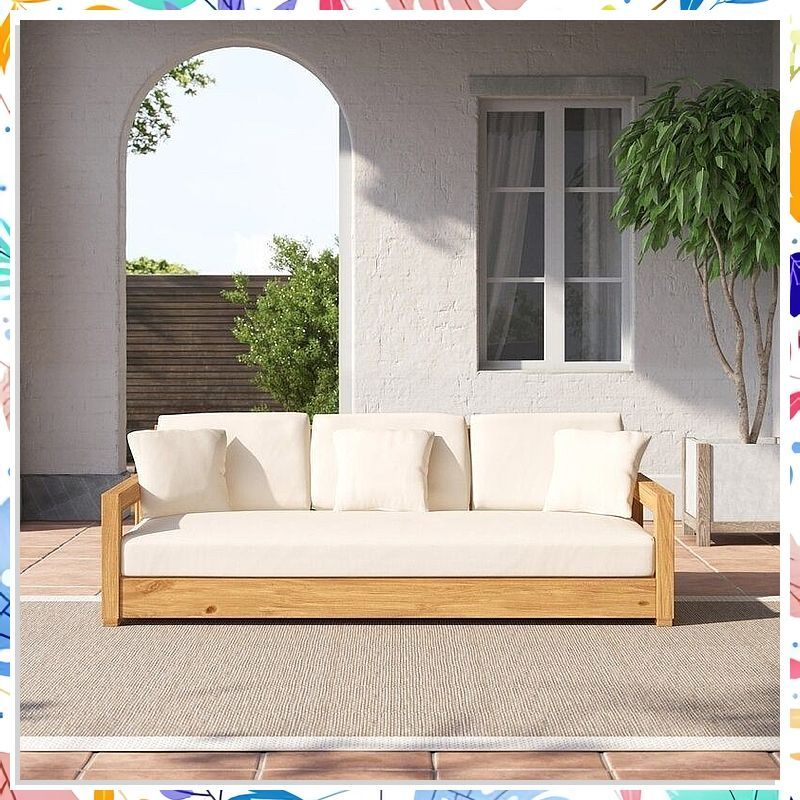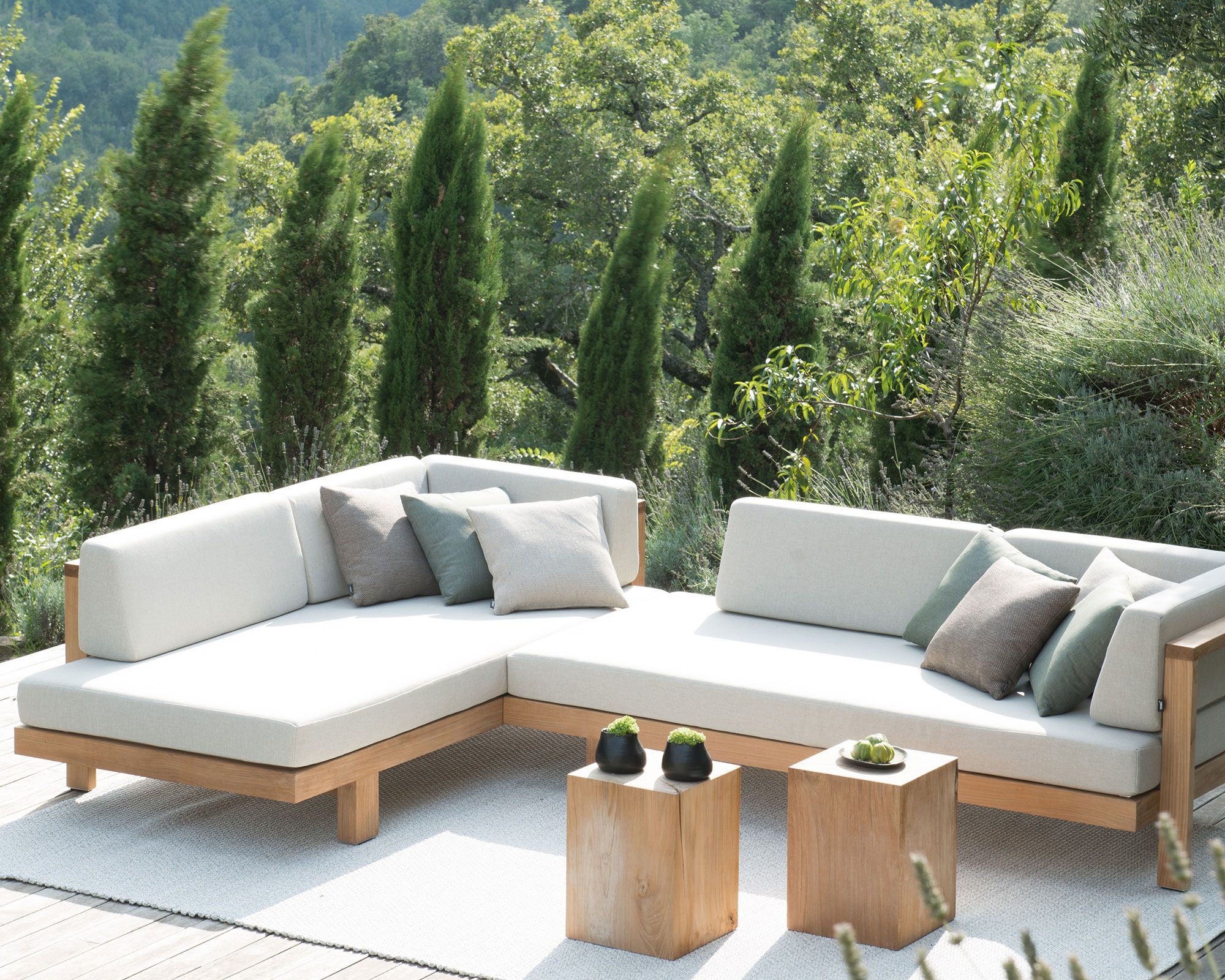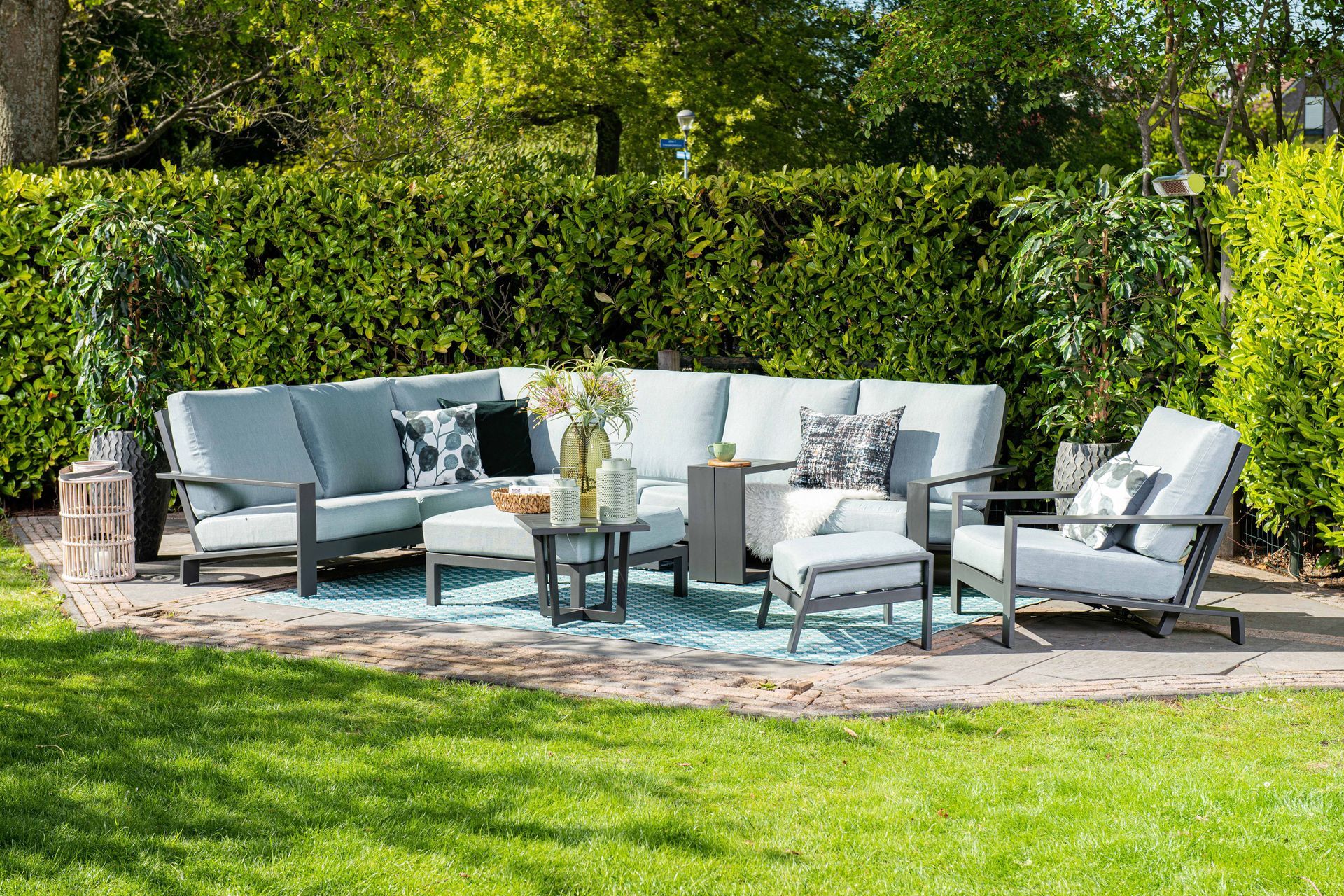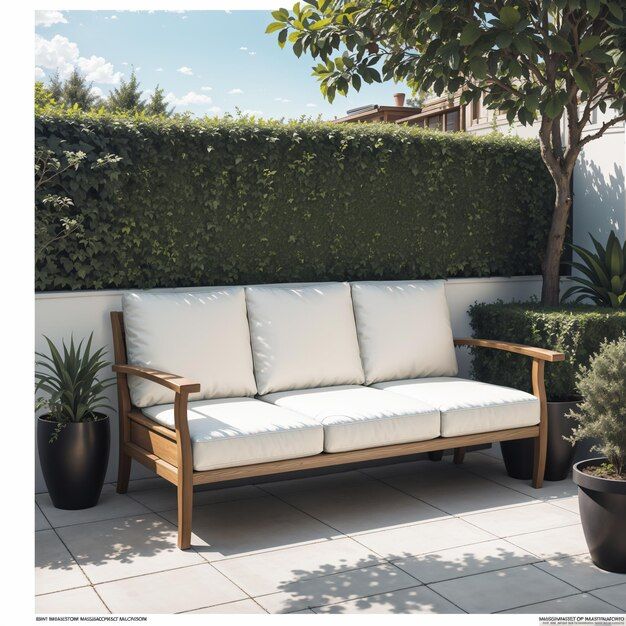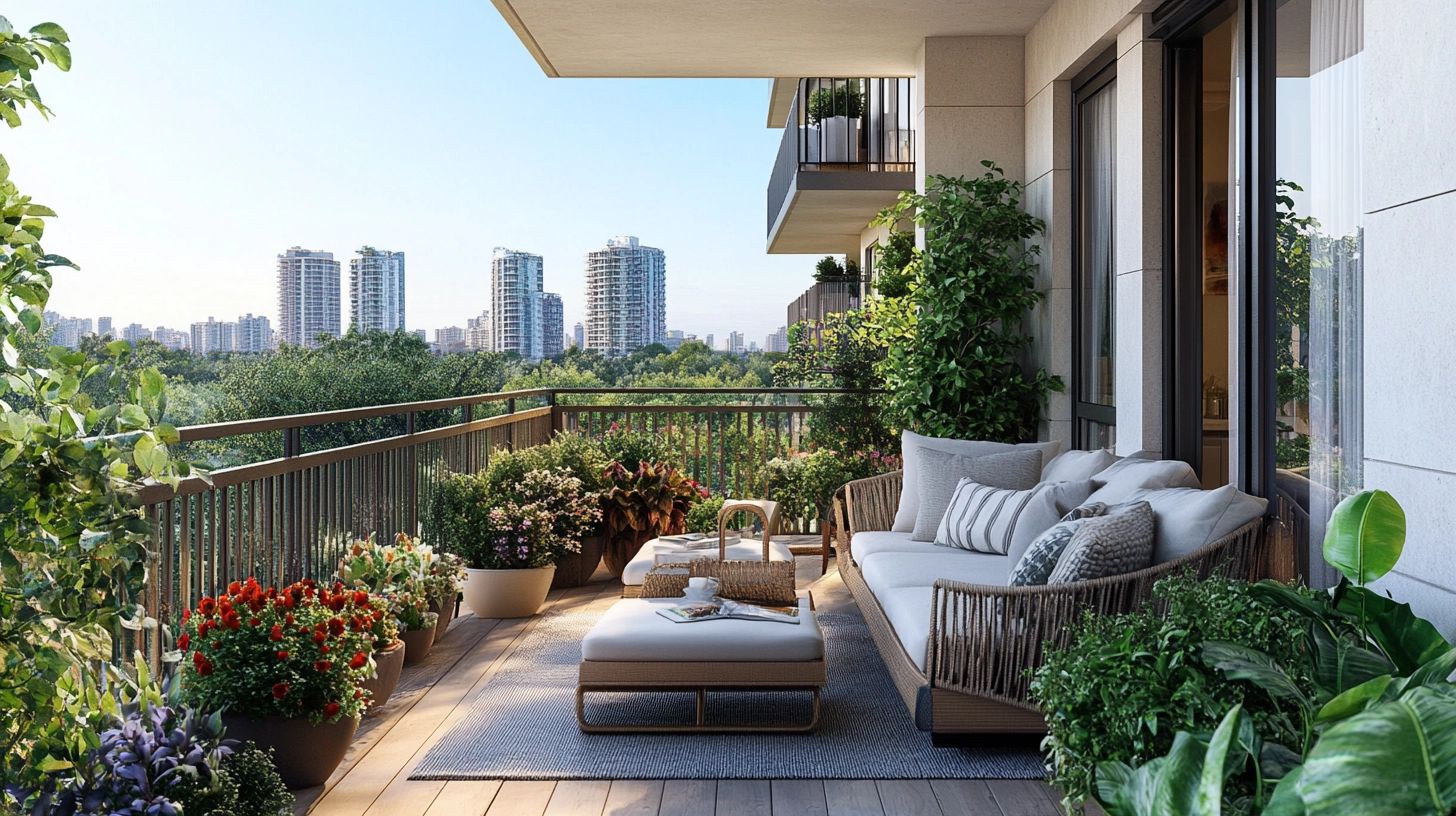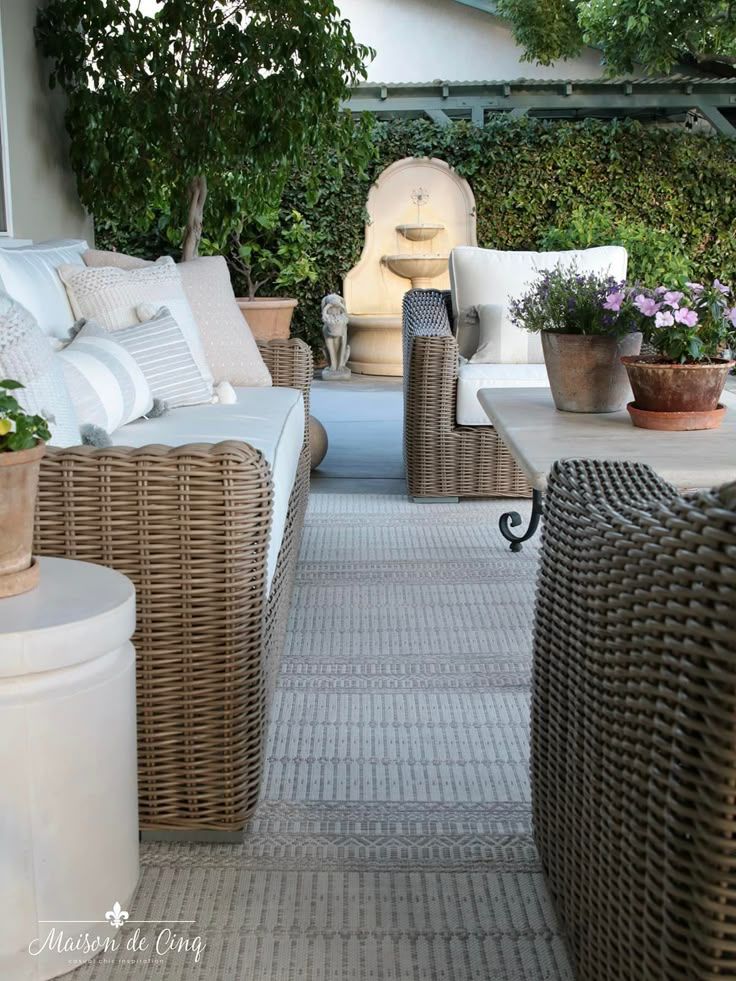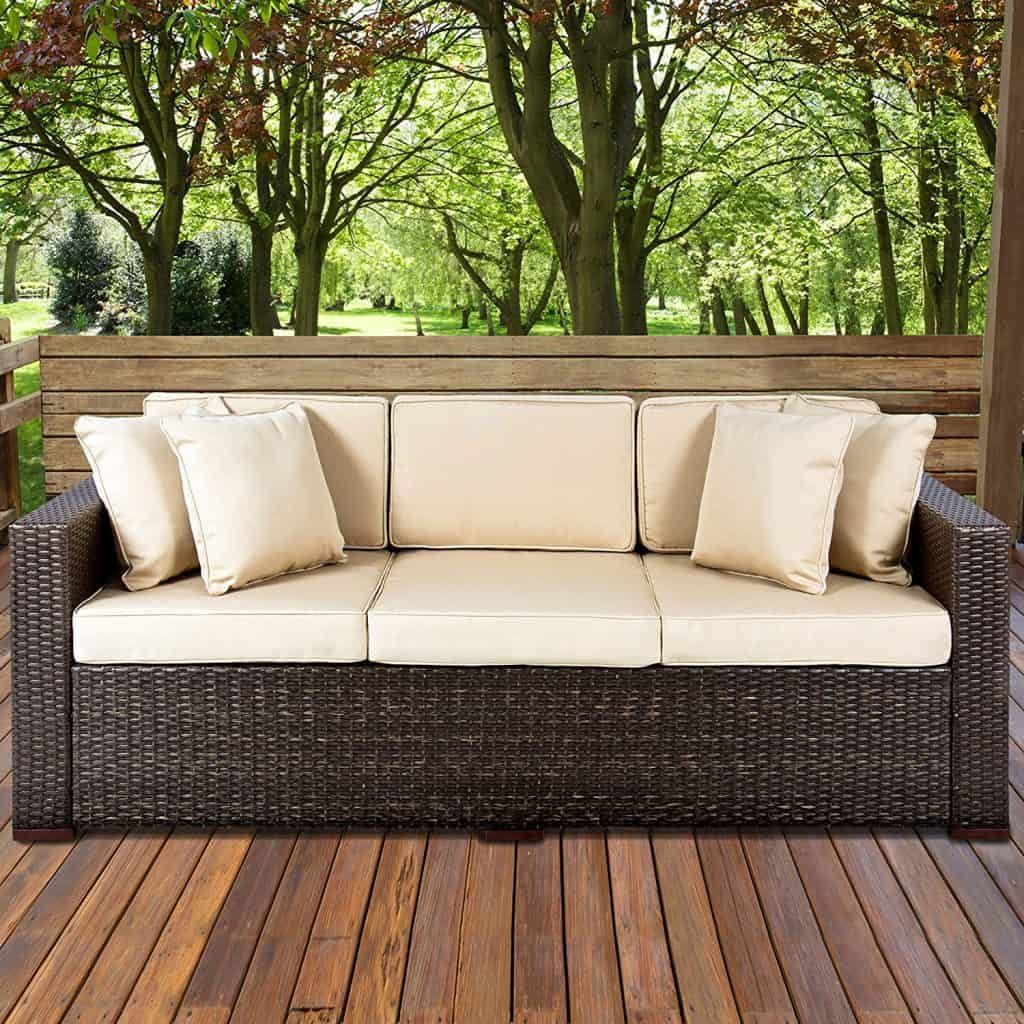
Picture this: the sun is setting, gentle breeze flows through your backyard, and you’re lounging on a perfectly designed outdoor seating area. It’s not just a dream anymore. Creating comfortable outdoor seating solutions isn’t just about aesthetics – it’s about crafting spaces where families gather, friends meet, and memories form.
Outdoor living spaces have evolved dramatically over the past decade. What used to be simple patio furniture arrangements now demand thoughtful design that seamlessly bridges indoor and outdoor lifestyles. The modern homeowner wants more than just a place to sit – they want a sanctuary that extends their living space naturally. This shift has created a fascinating challenge for designers, homeowners, and manufacturers alike. How do we create seating that feels both comfortable and stylish? How do we ensure these spaces work year-round? These aren’t just questions about furniture – they’re about lifestyle, about creating environments that support how we actually live today.
Understanding Modern Outdoor Living Needs
The way we use our outdoor spaces has fundamentally changed. Today’s homeowners aren’t just looking for places to entertain guests – they want spaces that serve multiple purposes. A well-designed outdoor seating area might function as a breakfast nook, a family hangout spot, a quiet reading corner, or even a workspace. This multipurpose approach means seating solutions must be versatile, durable, and adaptable. Consider families with young children who need easy-to-clean materials, or retirees who prioritize comfort and accessibility. The key is understanding that outdoor comfort isn’t just about cushioning – it’s about creating environments that encourage people to stay longer, engage more deeply, and feel truly at home.
Material Selection for Longevity and Comfort
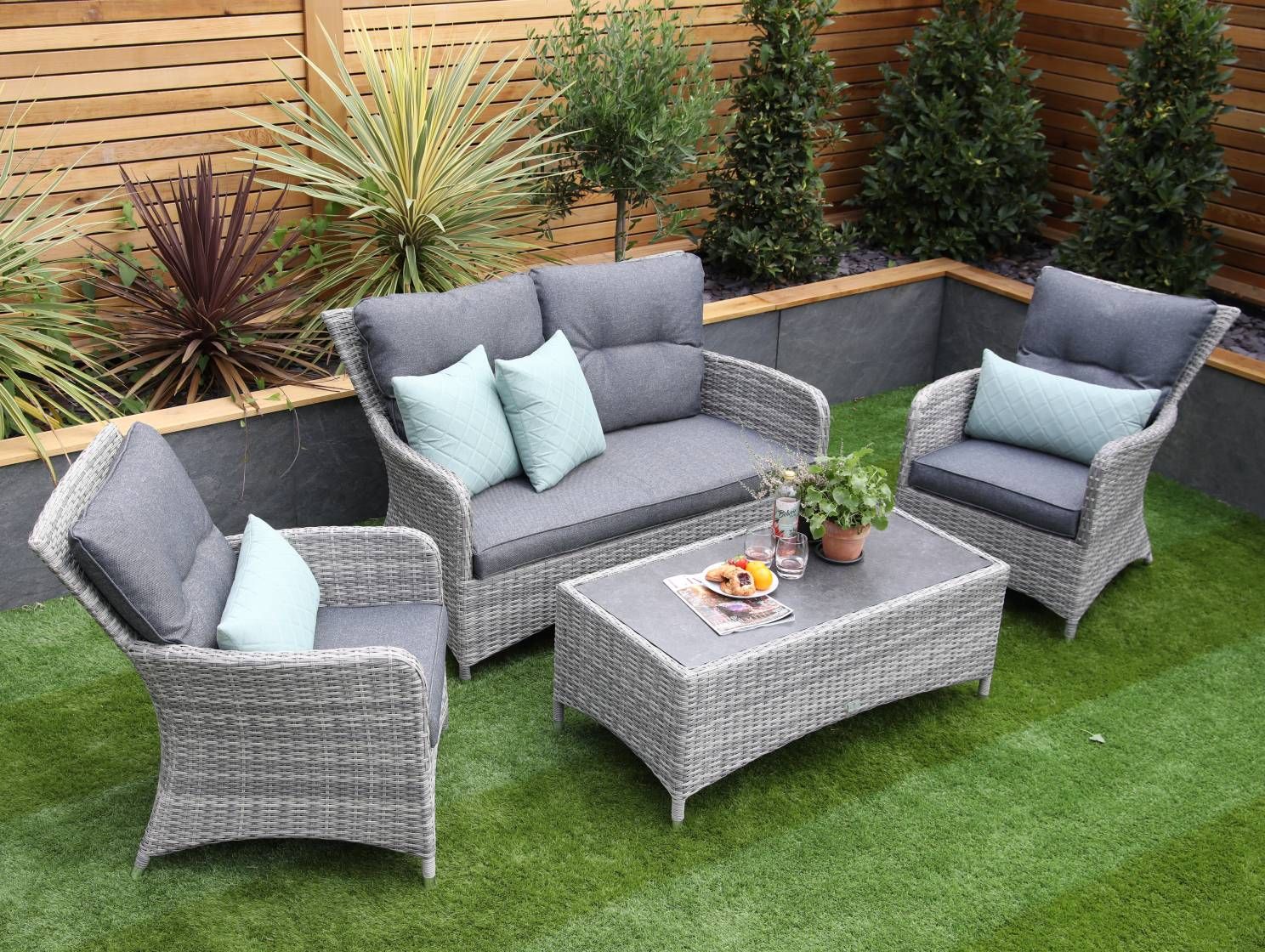
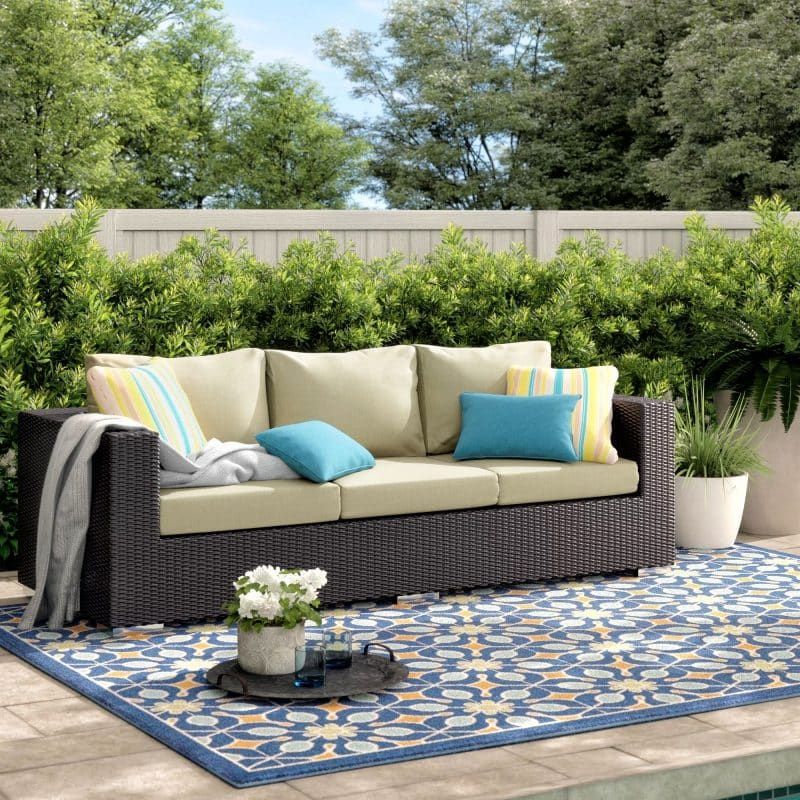
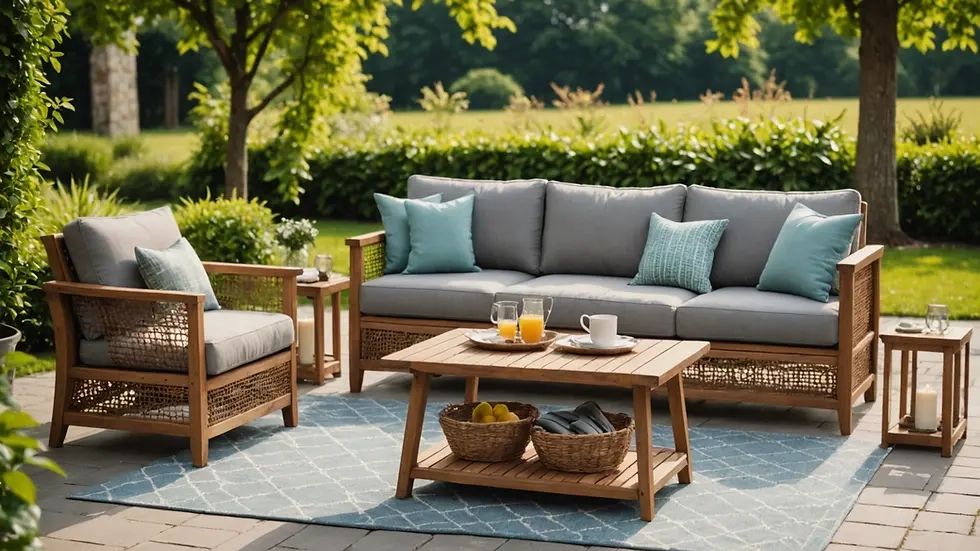
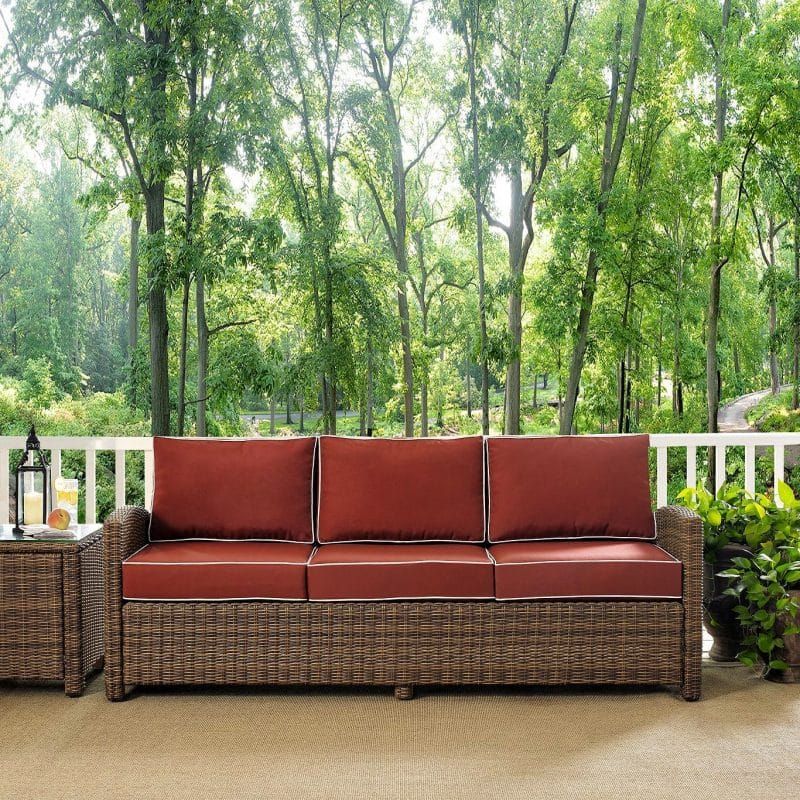
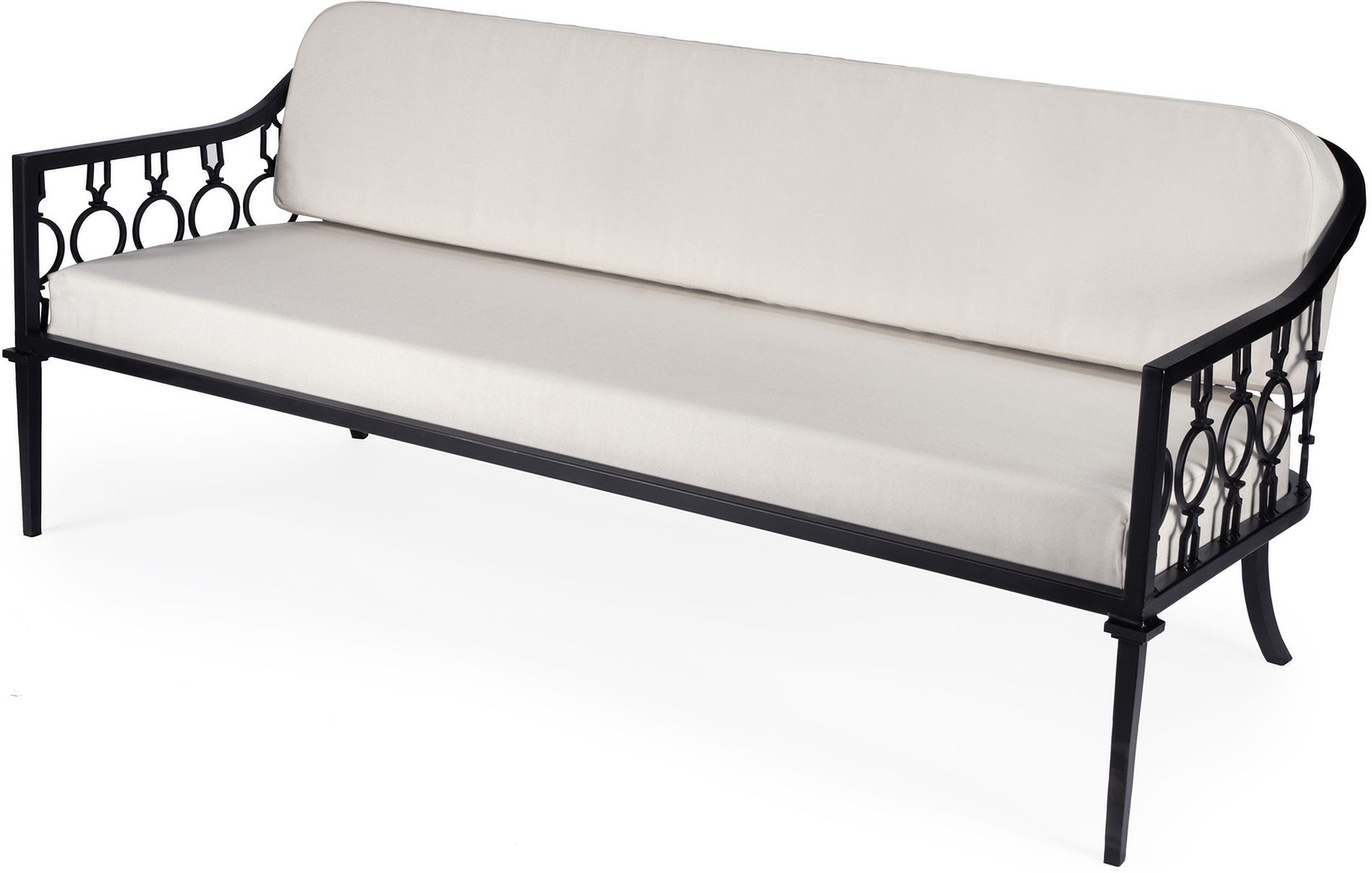
Choosing the right materials is crucial for any outdoor seating solution. Weather resistance matters more than ever, especially with climate changes affecting seasonal patterns. Teak wood offers classic beauty and natural weather resistance, while synthetic wicker provides the look of natural rattan with much better durability. Aluminum frames paired with high-quality fabrics can withstand harsh conditions while maintaining comfort. Cushions made from Sunbrella fabric or similar marine-grade materials resist fading, water damage, and mildew. Consider the maintenance required too – some materials need regular cleaning and treatment, others require minimal upkeep. The investment in quality materials often pays off in reduced replacement costs and greater satisfaction with your outdoor space.
Layout and Flow Design Principles
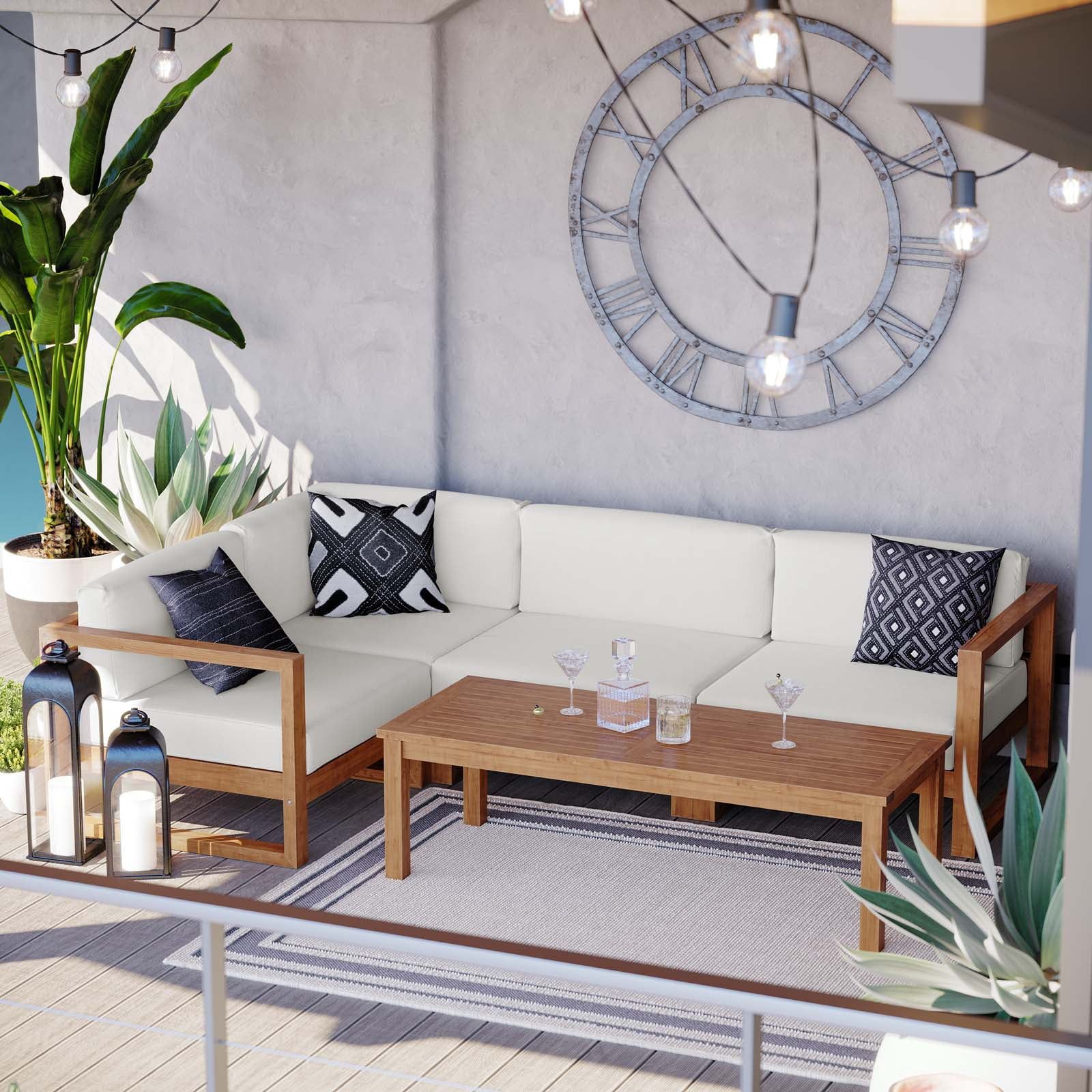
A great outdoor seating area starts with smart layout planning. Think about how people move through the space and where they naturally want to congregate. Circular arrangements can promote conversation, while linear setups work well for dining or viewing activities. Consider traffic flow – there should be clear pathways between seating areas and other outdoor elements like grills or fire pits. The concept of zoning is important too; different areas can serve different functions within one larger space. For instance, a seating area near a kitchen might be designed for casual meals, while a more secluded corner could offer privacy for quiet reflection. Proper spacing ensures that each person feels comfortable without feeling cramped or isolated.
Comfort Features That Matter Most
Comfort in outdoor settings often comes down to a few key factors. Proper back support prevents fatigue during extended conversations. Armrests provide necessary support when sitting for long periods. Seat depth should accommodate most body types comfortably. Temperature regulation becomes important during hot summer months – consider shade options or breathable fabrics. Some people appreciate features like adjustable angles or reclining capabilities. Built-in storage for cushions and accessories keeps the space clean and organized. Even small details like cup holders or small side tables can significantly improve the user experience. The best seating solutions consider human ergonomics while remaining practical for outdoor conditions.
Seasonal Adaptability and Year-Round Use
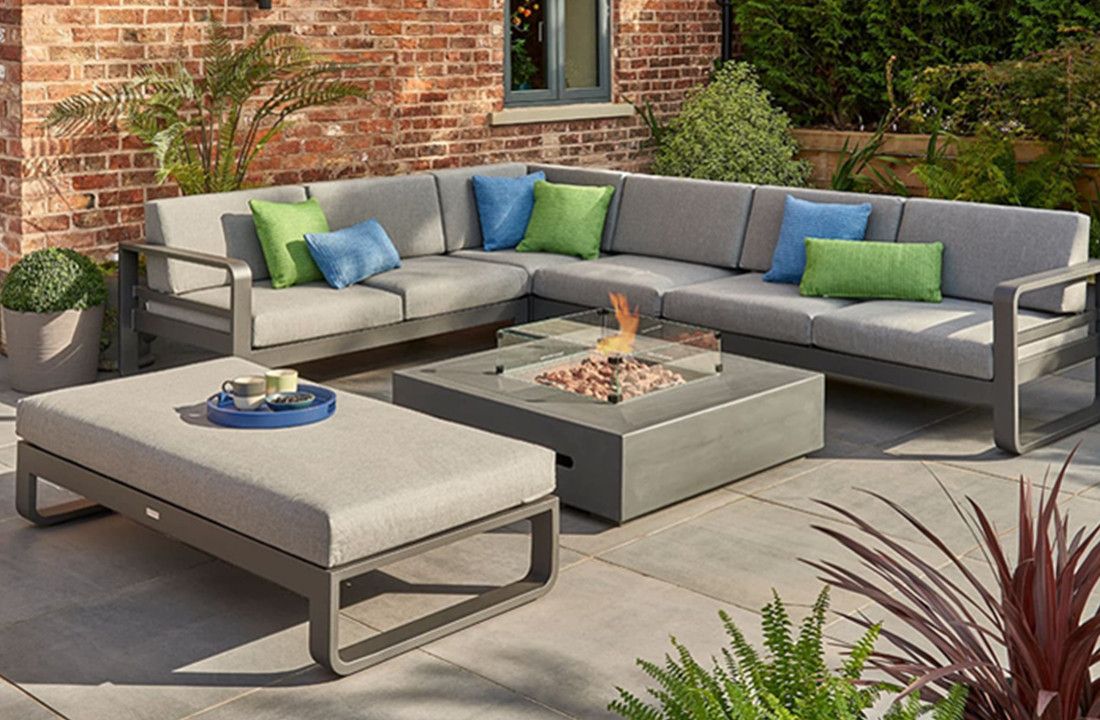
Modern outdoor seating needs to work throughout all seasons. In colder months, consider heating options like fire pits or string lights to extend usability. Weather protection for cushions and furniture helps maintain longevity. Some homeowners invest in all-season furniture that can handle snow, rain, and temperature fluctuations. Others prefer seasonal transitions – bringing in indoor pieces during winter and using outdoor-specific items in warmer months. The key is designing with flexibility in mind. Modular seating allows for reconfiguration based on season or activity needs. Storage solutions keep seasonal items out of sight when not in use. This adaptability makes outdoor spaces more valuable and functional throughout the entire year.
Style Integration with Home Architecture
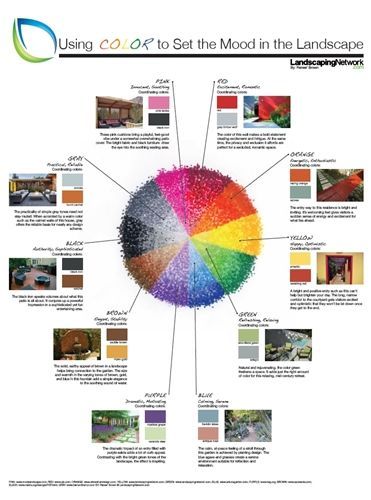
Outdoor seating should complement rather than compete with your home’s architectural style. Contemporary homes might benefit from sleek, minimalist designs with clean lines and neutral colors. Traditional homes often pair well with more ornate or natural materials like wood or stone. The color palette of your seating should harmonize with exterior paint colors, roofing materials, and landscaping elements. Consider how the style will age over time – some trends fade quickly while classic designs remain appealing for decades. The seating should feel like a natural extension of your home’s character, not an afterthought. This integration creates a cohesive look that enhances rather than disrupts the overall aesthetic of your property.
Creating comfortable outdoor seating solutions isn’t just about selecting the right chairs or tables – it’s about crafting experiences that reflect how modern families want to live. When done thoughtfully, these spaces become the heart of outdoor living, encouraging gathering, relaxation, and connection. The investment in quality materials, smart design principles, and careful consideration of lifestyle needs pays dividends in daily enjoyment and property value. Whether you’re starting from scratch or refreshing existing spaces, remember that the goal is to create environments where people want to spend time. After all, the best outdoor seating solutions are those that make people want to stay longer, return again and again, and ultimately, feel truly at home.