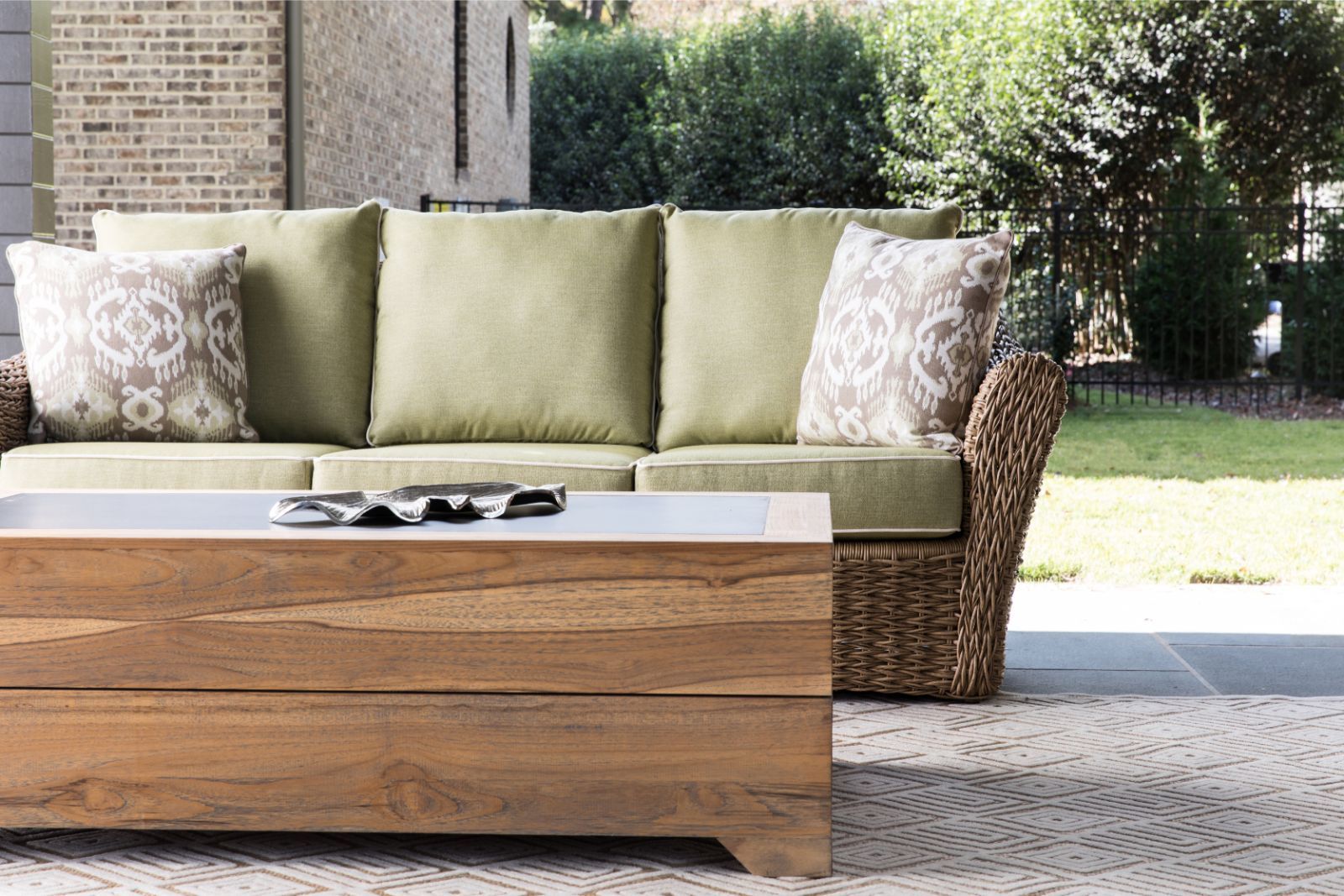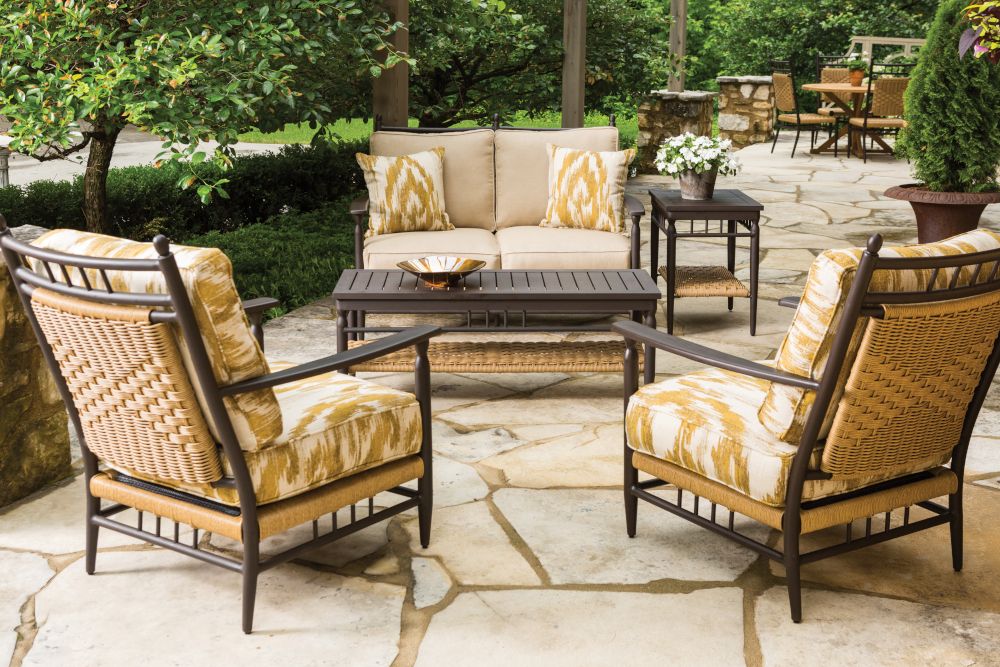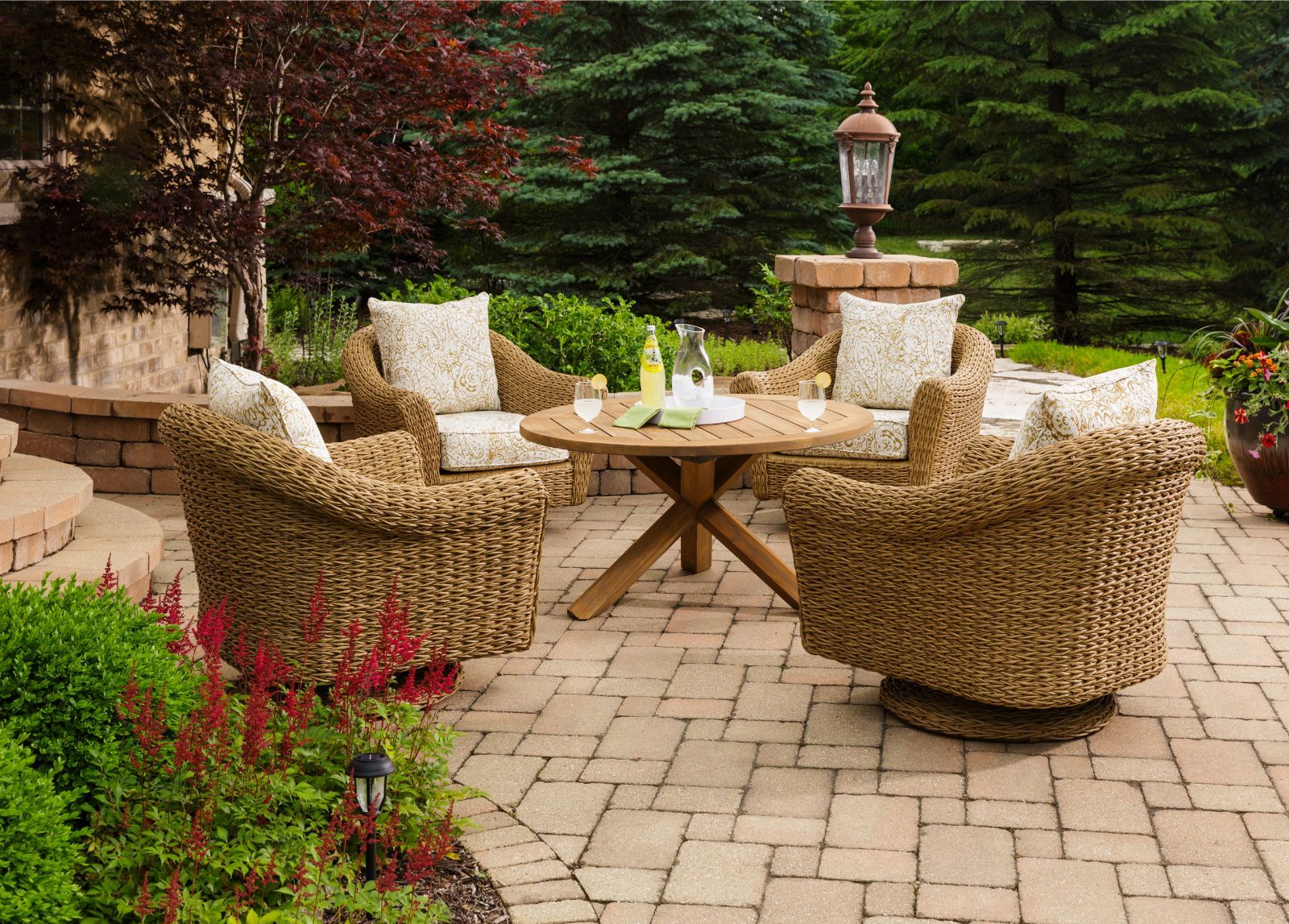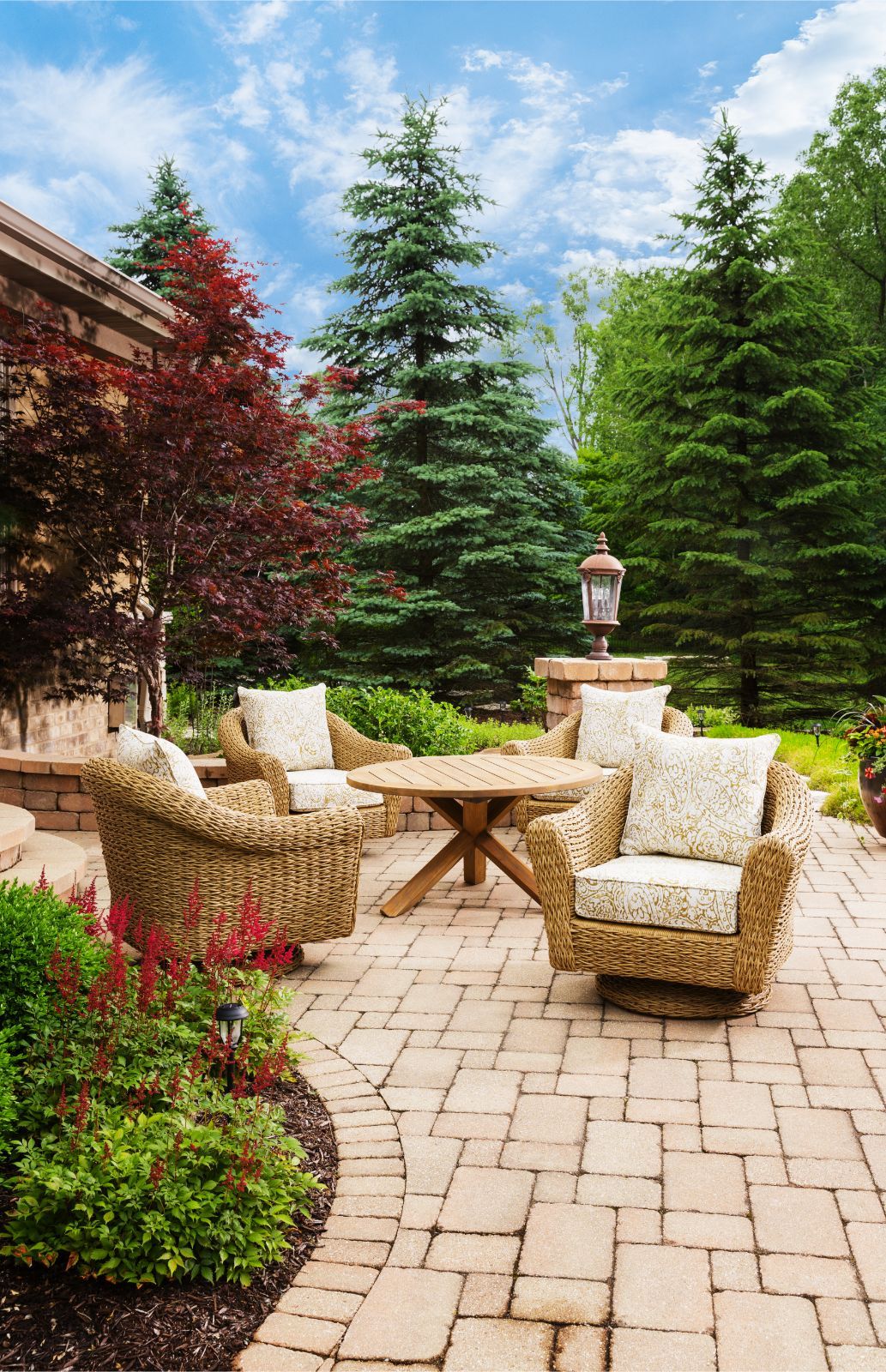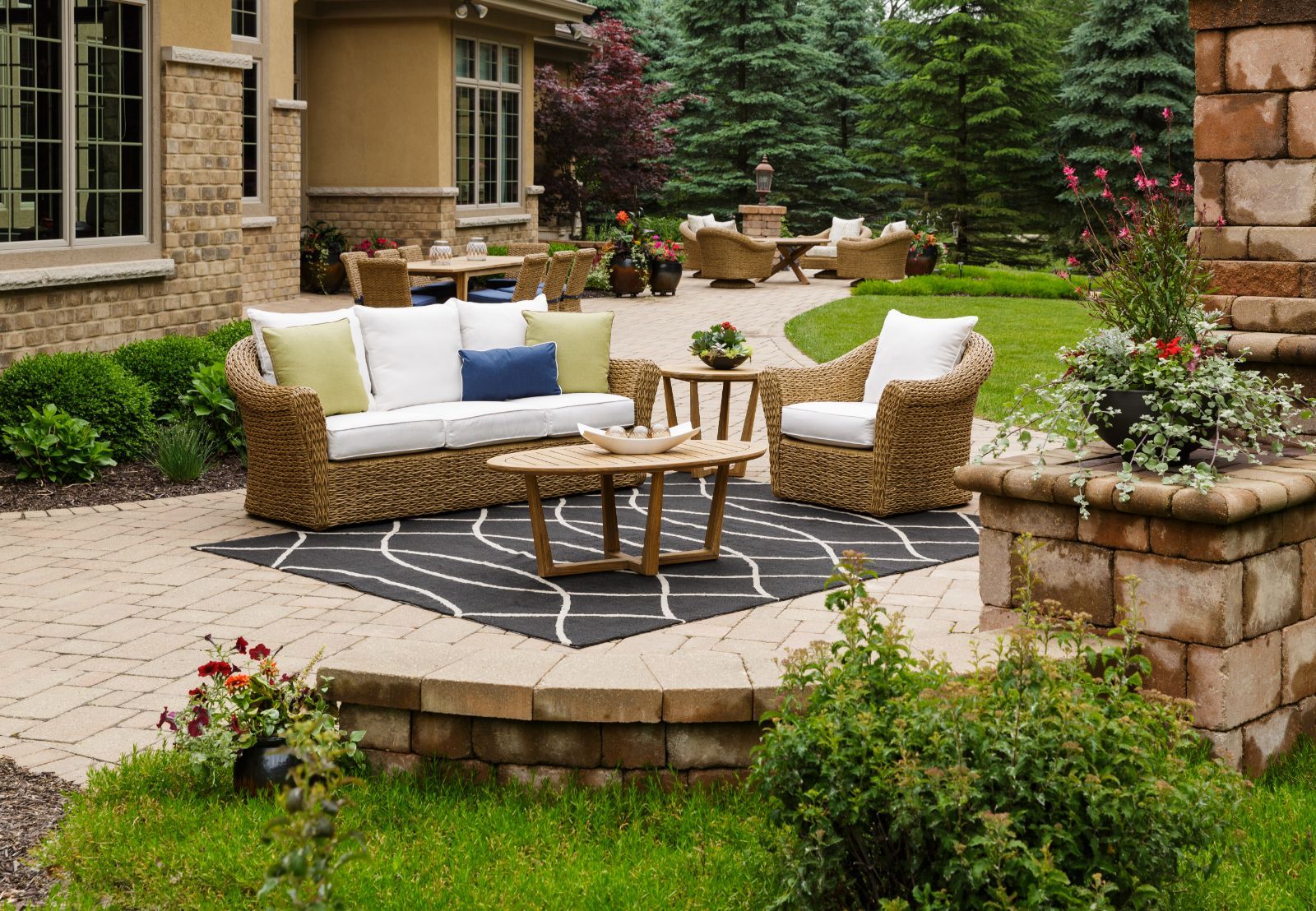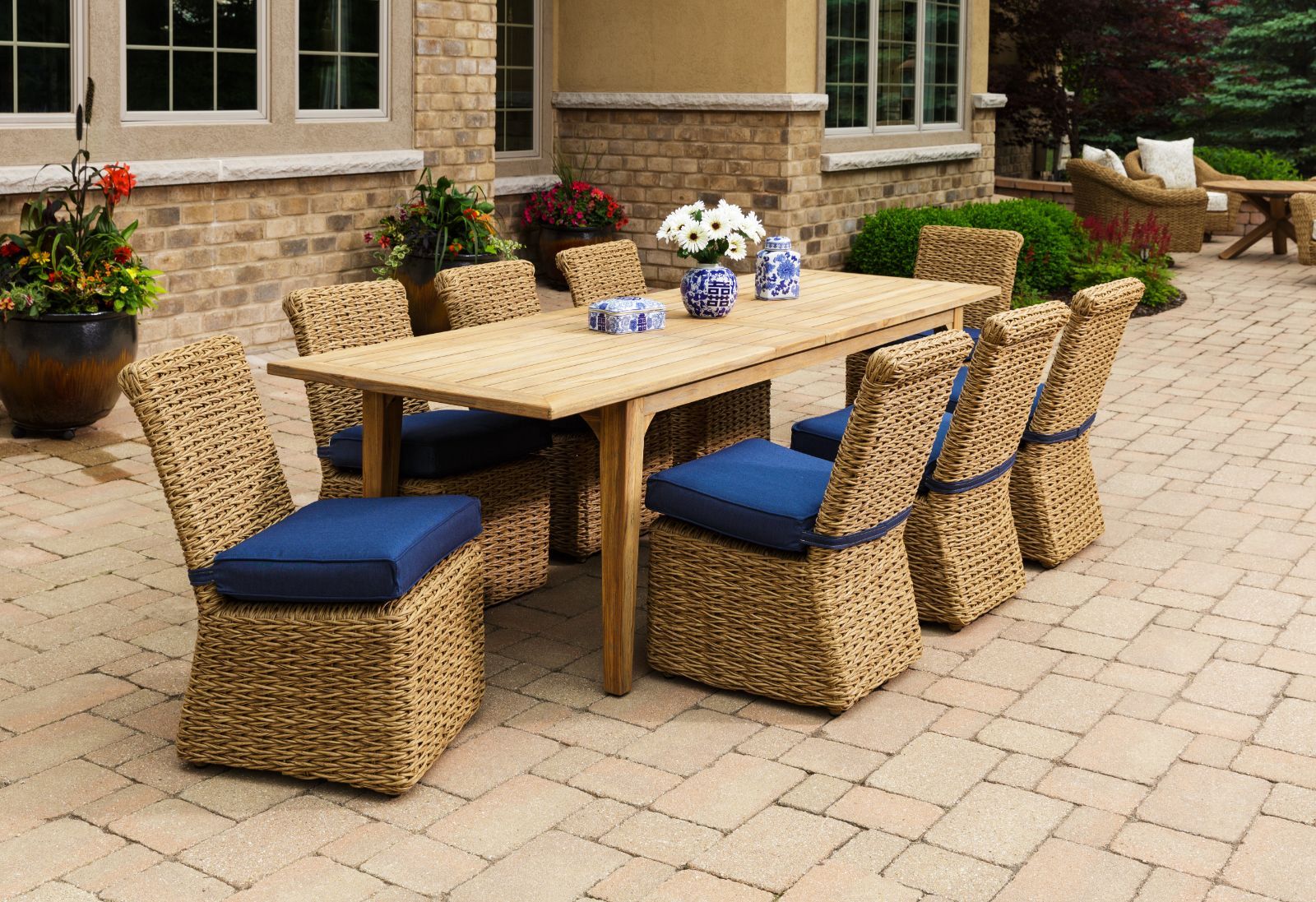
When you hold a piece of Lloyd Flanders furniture, you’re not just touching wood – you’re feeling the weight of generations dedicated to perfecting their craft. This isn’t just about furniture; it’s about preserving traditions that span decades.
Lloyd Flanders furniture represents something special in the world of woodworking. It’s not merely about creating functional pieces – it’s about crafting heirlooms that tell stories. The name itself carries weight, suggesting quality that goes beyond simple construction. What makes these pieces so remarkable? It’s the careful attention to detail, the dedication to traditional methods, and the passion for creating something lasting that defines this legacy. Every table, chair, and cabinet carries with it the spirit of craftsmanship that’s been passed down through generations.
The Origins of a Masterpiece
Lloyd Flanders furniture began as a small workshop with big dreams. Founded in the early 1900s, the company started with humble beginnings but quickly gained recognition for its commitment to excellence. The founder understood something fundamental about quality – it wasn’t just about materials, but about the care put into every single piece. Early craftsmen worked with local hardwoods, often sourcing timber from nearby forests. They didn’t rush the process. Each piece was carefully planned, measured, and constructed with patience that modern manufacturing often forgets. The company’s early success came not from mass production, but from building relationships with customers who appreciated the unique character each piece brought to their homes.
Time-Honored Techniques
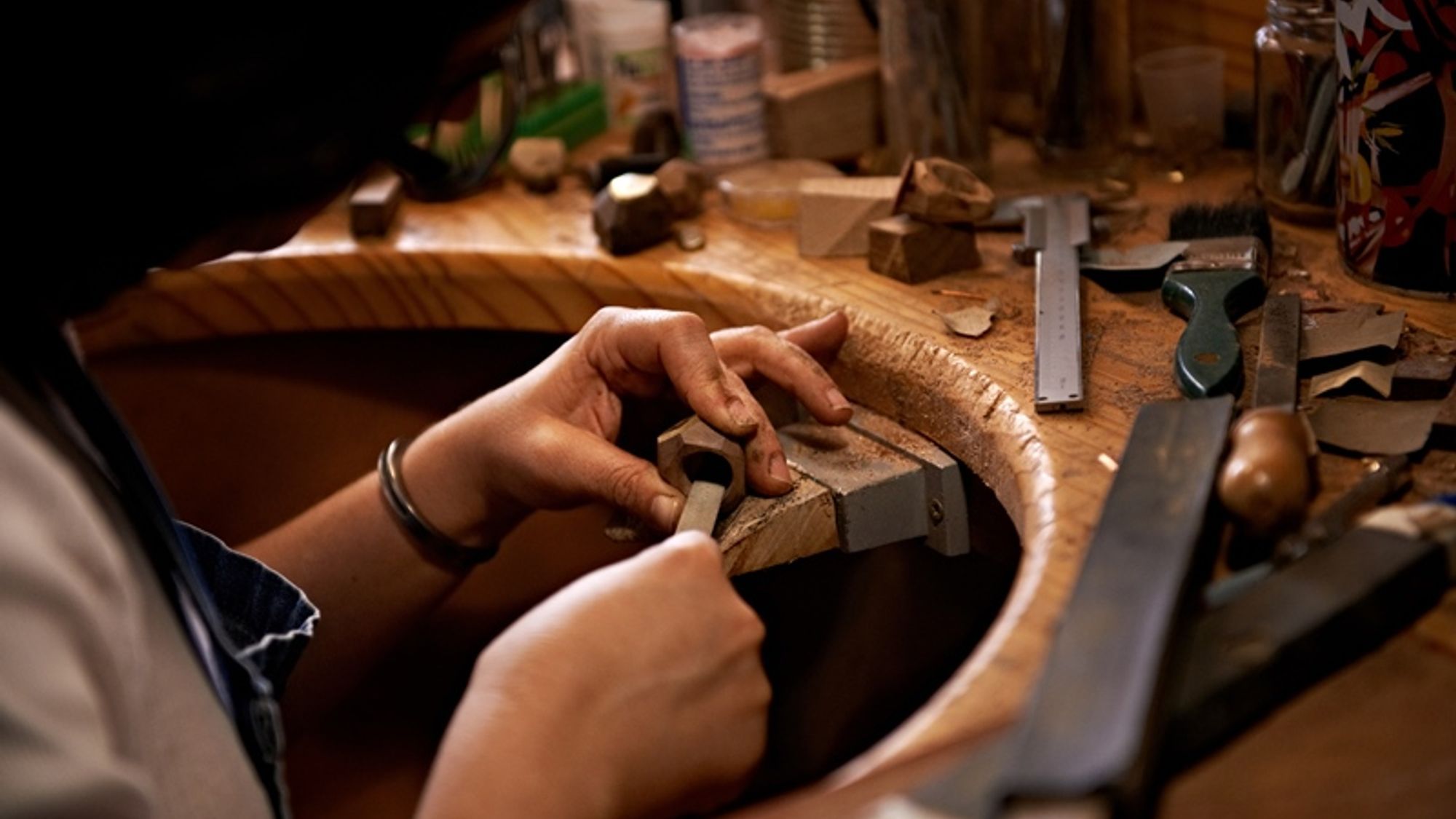
What sets Lloyd Flanders apart is their adherence to traditional woodworking techniques. These aren’t just old methods – they’re proven approaches that have been refined over centuries. Hand carving remains central to their process, with artisans spending weeks or months perfecting intricate details. The joinery techniques used today mirror those of the 1800s, where mortise and tenon joints create strength that no glue or screw can match. They still use hand tools like chisels and planes rather than relying entirely on power equipment. This approach creates furniture that ages gracefully, developing a patina that tells its own story. The natural beauty of the wood becomes even more pronounced as it weathers over time, something that machine-made pieces simply cannot replicate.
Materials That Last
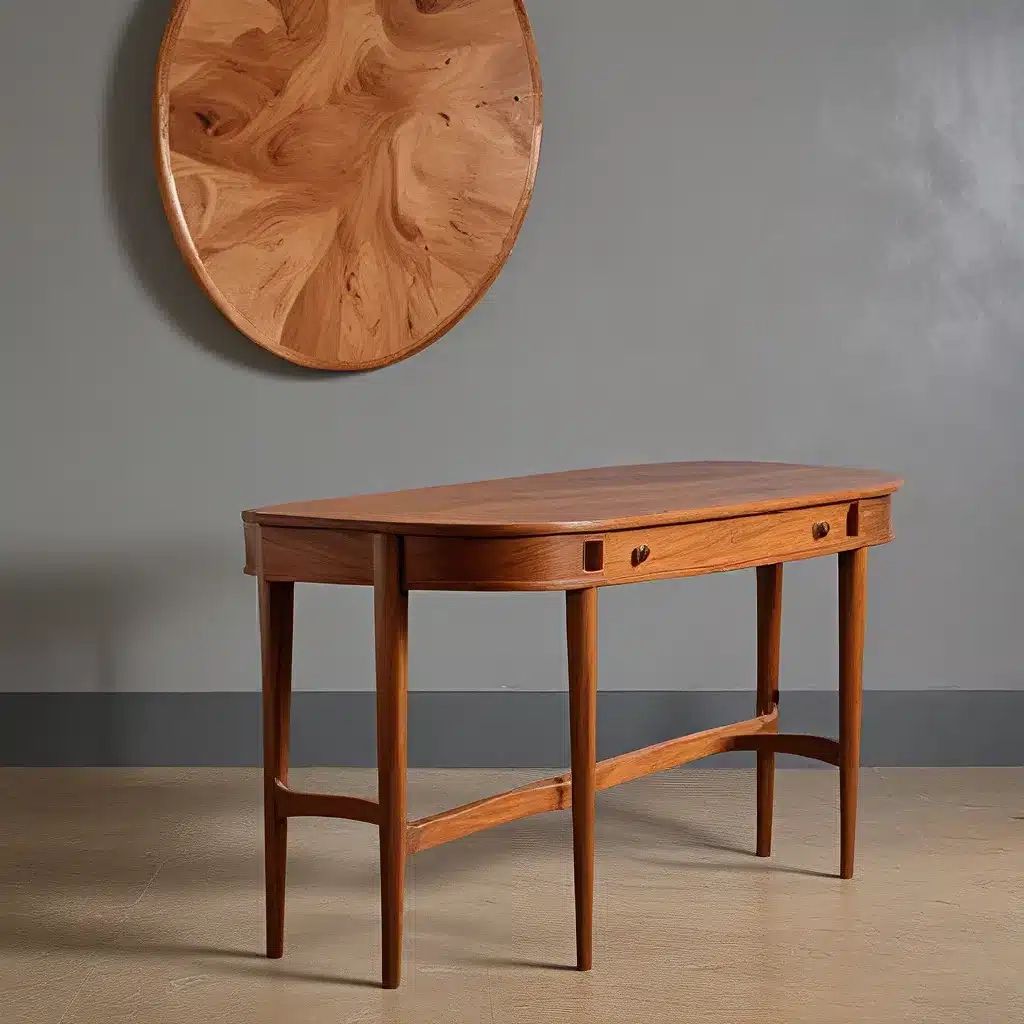
The choice of materials speaks volumes about Lloyd Flanders’ philosophy. They prefer hardwoods like oak, maple, and cherry, which offer both durability and aesthetic appeal. These woods aren’t chosen for cost savings but for their ability to stand the test of time. Each piece undergoes careful selection, with craftsmen examining grain patterns and checking for imperfections before beginning work. The wood is often air-dried for months or even years, allowing moisture to dissipate naturally. This slow process prevents warping and ensures stability in finished pieces. Many collectors note how these pieces retain their shape and beauty long after cheaper alternatives have begun to deteriorate. The investment in quality materials pays dividends in longevity.
Artisanal Attention to Detail
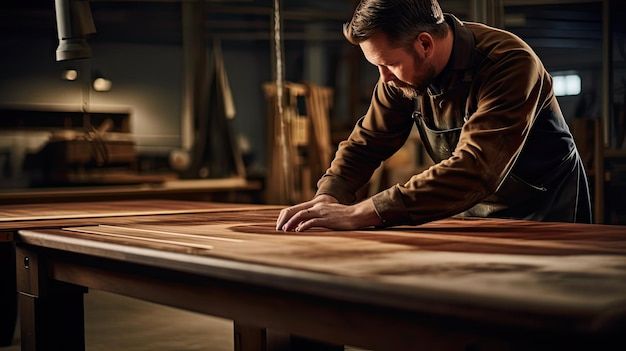
Every Lloyd Flanders piece reflects meticulous attention to detail that most mass-produced furniture simply cannot match. The finishing process alone can take several days per piece. Craftsmen apply multiple coats of traditional finishes, sanding between each layer to ensure perfection. They use natural oils and waxes rather than synthetic alternatives, allowing the wood to breathe while providing protection. Even the hardware – drawer pulls, hinges, and handles – are carefully selected to complement the overall design. Some pieces feature hand-applied decorative elements like carved motifs or inlay work that takes weeks to complete. The result is furniture that feels substantial and well-crafted, with every surface and corner showing evidence of care.
Cultural Impact and Recognition
Over the decades, Lloyd Flanders furniture has earned its place in cultural institutions and private collections alike. Museums have featured pieces in exhibitions about American craftsmanship, recognizing them as important artifacts of design history. Collectors seek out these pieces because they represent something rare in today’s market – authentic, handmade craftsmanship. The company’s influence extends beyond furniture itself, inspiring a new generation of craftspeople to value traditional skills. Many woodworking schools now reference Lloyd Flanders techniques in their curricula, understanding that these methods represent the foundation of quality furniture making. Their reputation has spread internationally, with collectors from Europe and Asia seeking out their pieces.
Modern Relevance in a Digital Age
In our fast-paced digital world, Lloyd Flanders furniture offers something refreshing – the tangible connection to traditional craftsmanship. People increasingly recognize the value of handmade items that carry stories and memories. These pieces become family heirlooms, passed down through generations. Modern homeowners appreciate the durability and timeless design that contrasts sharply with disposable furniture trends. The company has adapted to contemporary markets while maintaining core values, offering custom options that allow families to personalize pieces. Social media has helped share their story with younger audiences who might not otherwise encounter traditional craftsmanship. The challenge remains to balance accessibility with maintaining exclusivity and quality standards that define their legacy.
Lloyd Flanders furniture represents more than mere objects – it embodies a philosophy about craftsmanship and permanence in an age of instant gratification. The legacy they’ve built rests on principles that seem simple but require tremendous dedication: using quality materials, employing traditional techniques, and treating each piece as a unique creation. When you purchase a Lloyd Flanders piece, you’re investing in a tradition that honors both past and future. The company continues to prove that there’s still immense value in taking time to do things right. Their furniture stands as a testament to what’s possible when passion meets skill, and when quality is valued above quantity. In many ways, they’ve created a bridge between eras, keeping alive a craft that might otherwise fade away.