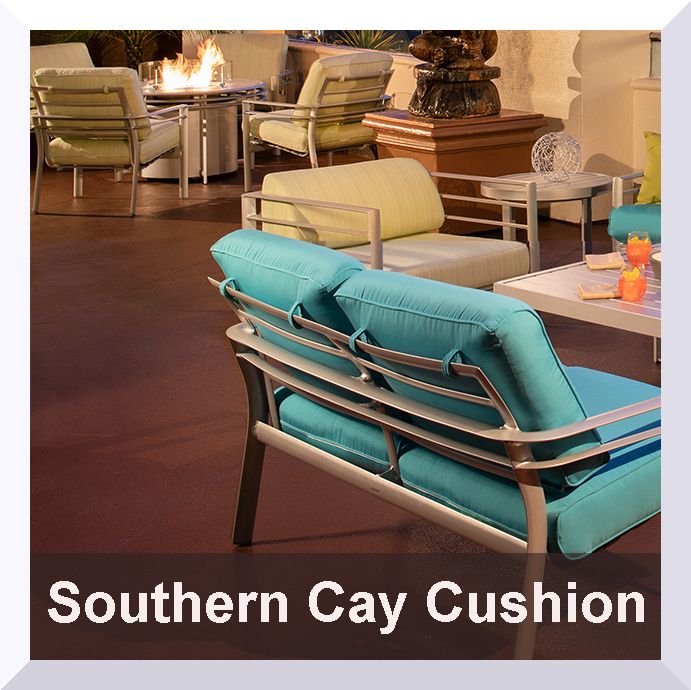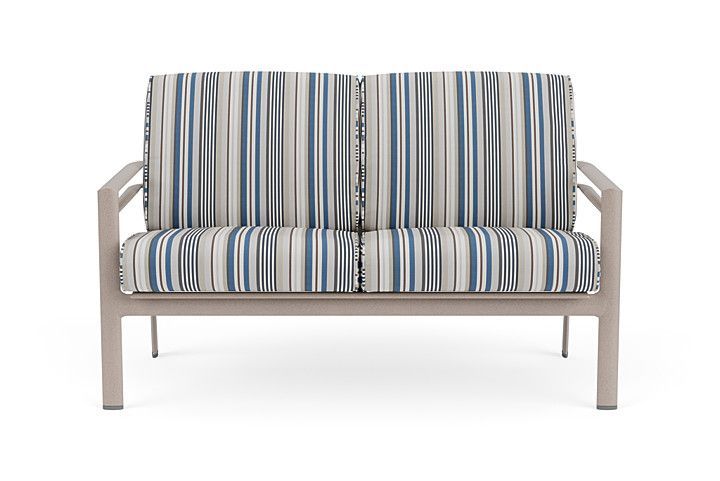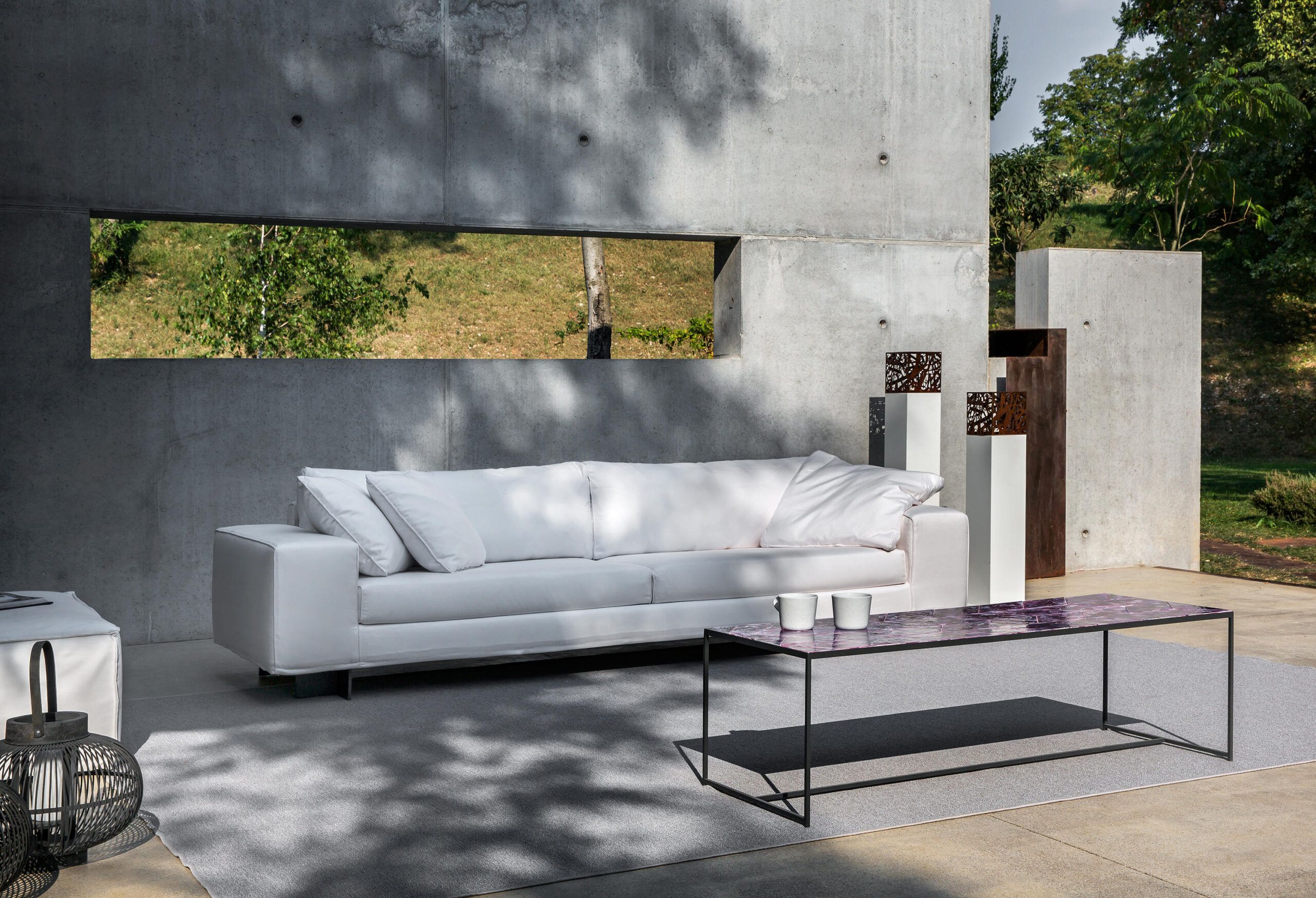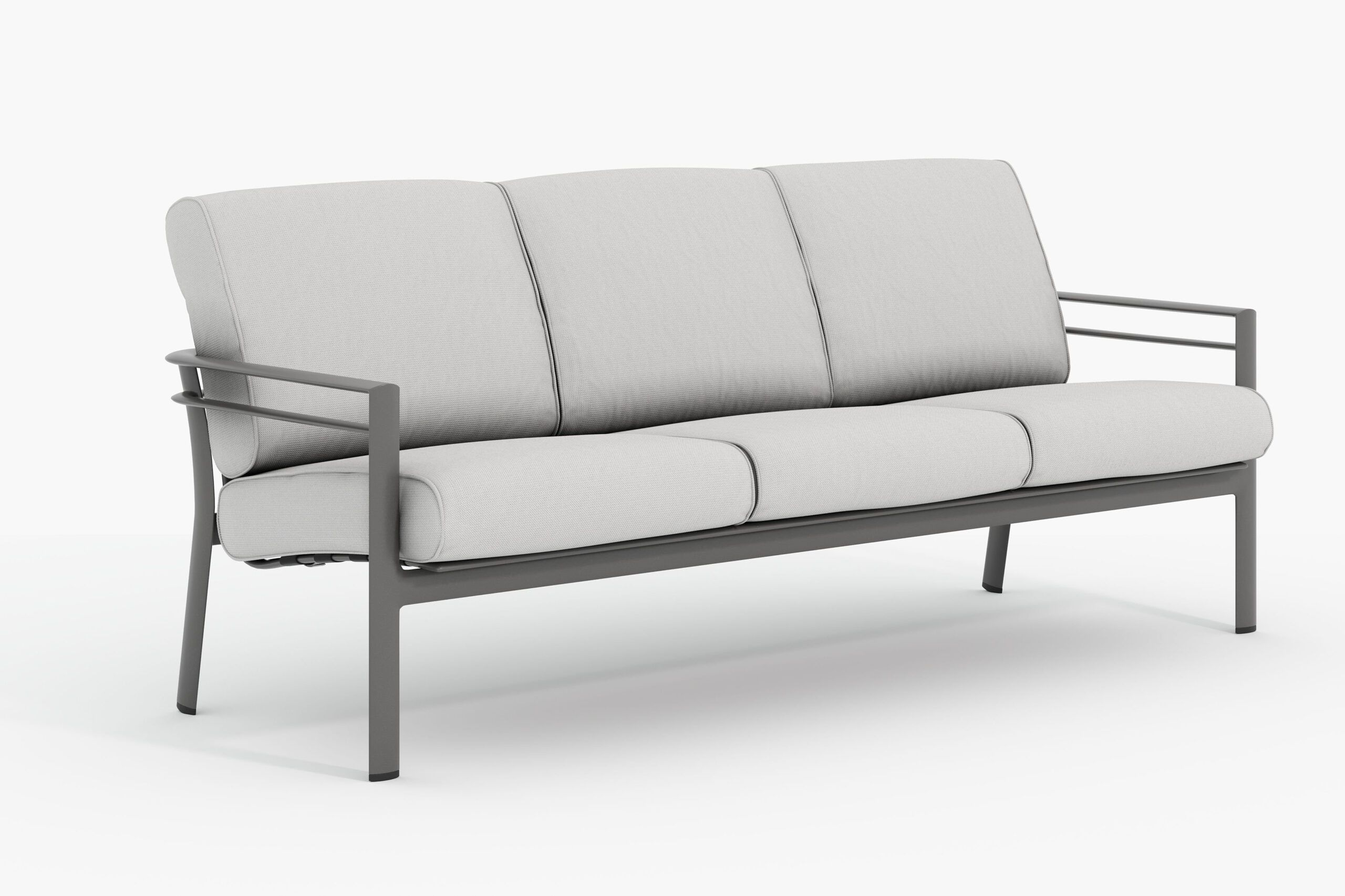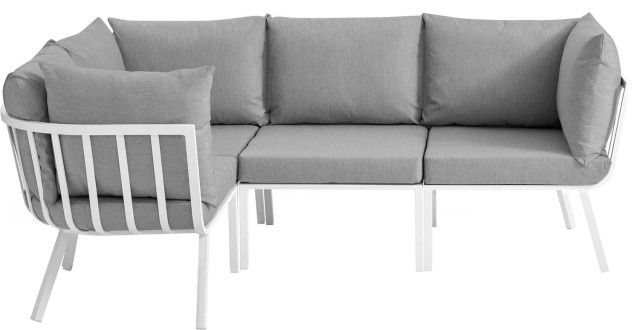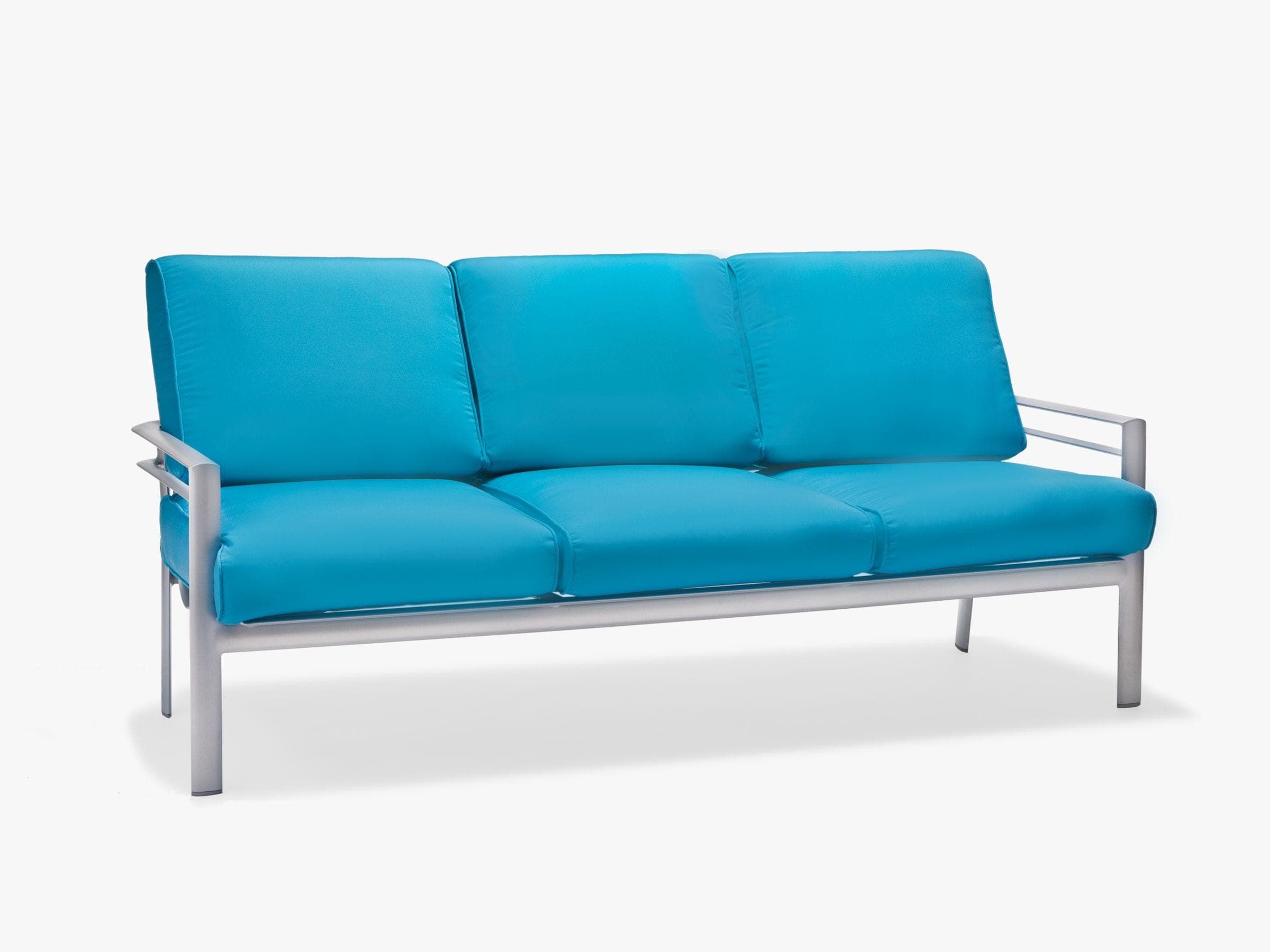
When you think about seating in your living room, what comes to mind? Is it comfort, style, or perhaps a sense of belonging? For many people in the Southern United States, the answer might be all three, especially when it comes to the beloved Southern Cay cushion sofa. This isn’t just furniture—it’s a cultural statement, a conversation starter, and a reflection of regional identity.
Picture this: You’re sitting in a cozy living room, surrounded by family and friends. The atmosphere is warm, inviting, and full of life. At the center of it all sits a Southern Cay cushion sofa, its plush cushions beckoning everyone to come closer. But what makes this particular sofa so special beyond its obvious comfort? What deeper meanings does it carry within Southern culture? The answer lies in understanding how this piece of furniture became woven into the very fabric of regional identity.
Historical Foundations of Southern Design Philosophy
The Southern Cay cushion sofa didn’t emerge from nowhere. Its roots stretch back to the early 1900s when Southern craftsmanship was flourishing. These sofas were originally designed with comfort as their primary focus, reflecting the laid-back lifestyle of the South. Unlike the rigid, formal designs that dominated Northern furniture, Southern pieces embraced softness and ease. The term ‘Cay’ itself refers to the coastal regions where these designs first took root, bringing together maritime influences with the warmth of Southern hospitality.
Many families have passed down their Southern Cay sofas through generations, often with stories attached to each cushion and frame. These aren’t just pieces of furniture—they’re heirlooms that tell tales of family gatherings, holiday celebrations, and quiet Sunday afternoons. The design philosophy behind these sofas speaks to the Southern values of community, comfort, and making space for others.
The Role of Comfort in Southern Social Traditions
In the South, comfort isn’t just about physical well-being—it’s a social currency. When someone invites you to sit on their Southern Cay sofa, they’re extending more than just a seat; they’re offering hospitality, friendship, and a place to belong. This tradition dates back centuries, where homes served as gathering places for extended families and neighbors alike.
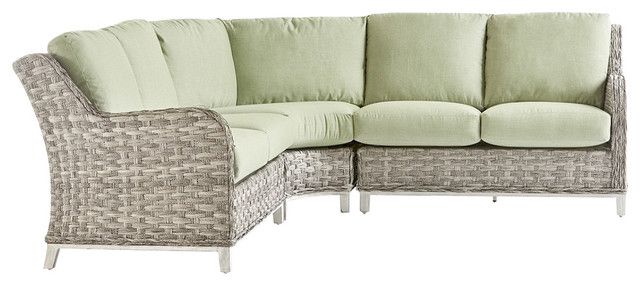
The cushion design specifically supports this social aspect. Unlike traditional chairs that keep people at arm’s length, the wide, generous cushions of Southern Cay sofas encourage people to lean in, share stories, and connect. The deep seating allows for long conversations, while the soft materials invite people to linger. Many Southern families have their own signature sofa arrangements that have remained unchanged for decades, creating familiar spaces for bonding and communication.
Consider how often you’ve sat on a Southern Cay sofa and felt immediately at home. That feeling isn’t accidental—it’s the result of intentional design choices that prioritize human connection over formal aesthetics.
Regional Materials and Craftsmanship Traditions
What sets Southern Cay sofas apart isn’t just their design philosophy, but also the materials and methods used to create them. Traditional Southern craftsmanship emphasizes quality over quantity, using materials like high-grade cotton, linen, and sometimes even hand-woven textiles that reflect local traditions. The cushions themselves often feature multiple layers of padding, creating that signature softness that makes them so irresistible.
Many of these sofas are still made by small workshops in the South, maintaining age-old techniques passed down through generations. The wood frames are typically crafted from locally sourced hardwoods, ensuring durability and longevity. The attention to detail in the stitching, the choice of fabrics, and even the way the cushions are attached all contribute to the overall experience.
This craftsmanship tradition connects modern consumers to historical practices, making each purchase a continuation of a cultural heritage rather than just a commercial transaction. The quality of these sofas means they often last for decades, becoming part of family histories and traditions.
Symbolism of Family and Community Spaces
Southern Cay cushion sofas function as more than mere seating—they serve as symbols of family unity and community connection. In many Southern households, the living room becomes the heart of family life, and the sofa is often the centerpiece around which everything revolves. The way families arrange their sofas, the colors they choose, and even the number of cushions reflects their personal story and cultural background.
These sofas often become the backdrop for important moments in family life. Birthdays, graduations, holidays, and even difficult conversations happen on these comfortable seats. The presence of a Southern Cay sofa in a home signals to visitors that this is a place where relationships matter, where people gather to share experiences, and where comfort is valued above all else.
The communal nature of these sofas also reflects broader Southern values about hospitality and inclusion. When guests arrive, they’re naturally drawn to the sofa area, creating opportunities for conversation and connection that might not occur elsewhere in the home.
Modern Adaptations and Cultural Evolution
While traditional Southern Cay sofas remain popular, designers have adapted the concept for contemporary tastes. Modern versions maintain the core principles of comfort and social functionality but incorporate updated materials and subtle design changes. Today’s versions might feature contemporary fabric patterns, new padding technologies, or slightly altered proportions while keeping the essential spirit intact.
This evolution shows how cultural traditions can adapt without losing their essence. Younger generations continue to embrace the comfort and social aspects of these sofas, even as they update the aesthetic to match current interior trends. The sofa remains a bridge between past and present, honoring tradition while embracing change.
Many contemporary Southern Cay sofas now come in various sizes and configurations, allowing families to customize them to fit their specific needs. Some feature modular designs that can be reconfigured as family dynamics change, showing how these pieces continue to evolve with modern lifestyles.
Economic and Social Impact on Local Communities
Beyond their cultural significance, Southern Cay cushion sofas have had a tangible impact on local economies and social structures. The manufacturing process supports small businesses and craftspeople in Southern communities, providing jobs and preserving traditional skills. Many of these businesses are family-owned, passing down knowledge and techniques through generations.
The demand for these sofas has also helped preserve local textile traditions, as many manufacturers source fabrics from regional mills and artisans. This creates a network of skilled workers who specialize in creating materials that complement the unique requirements of Southern Cay designs.
Socially, these sofas bring people together in ways that extend beyond individual households. They’re often featured in community events, shared spaces, and even local art installations, reinforcing their role as cultural touchstones. The presence of a well-made Southern Cay sofa in a public space can signal pride in local craftsmanship and cultural identity.
The Southern Cay cushion sofa represents much more than a piece of furniture. It embodies centuries of Southern culture, values, and traditions. From its humble beginnings in coastal workshops to its role as a centerpiece of family life, this sofa tells the story of a region that values comfort, community, and connection. Whether you’re experiencing one for the first time or have owned one for years, the Southern Cay sofa offers something special—a reminder that the most meaningful objects in our lives often carry the deepest cultural significance. The next time you settle into one of these beloved seats, take a moment to appreciate not just the comfort, but the rich history and cultural meaning that brought it to your home.