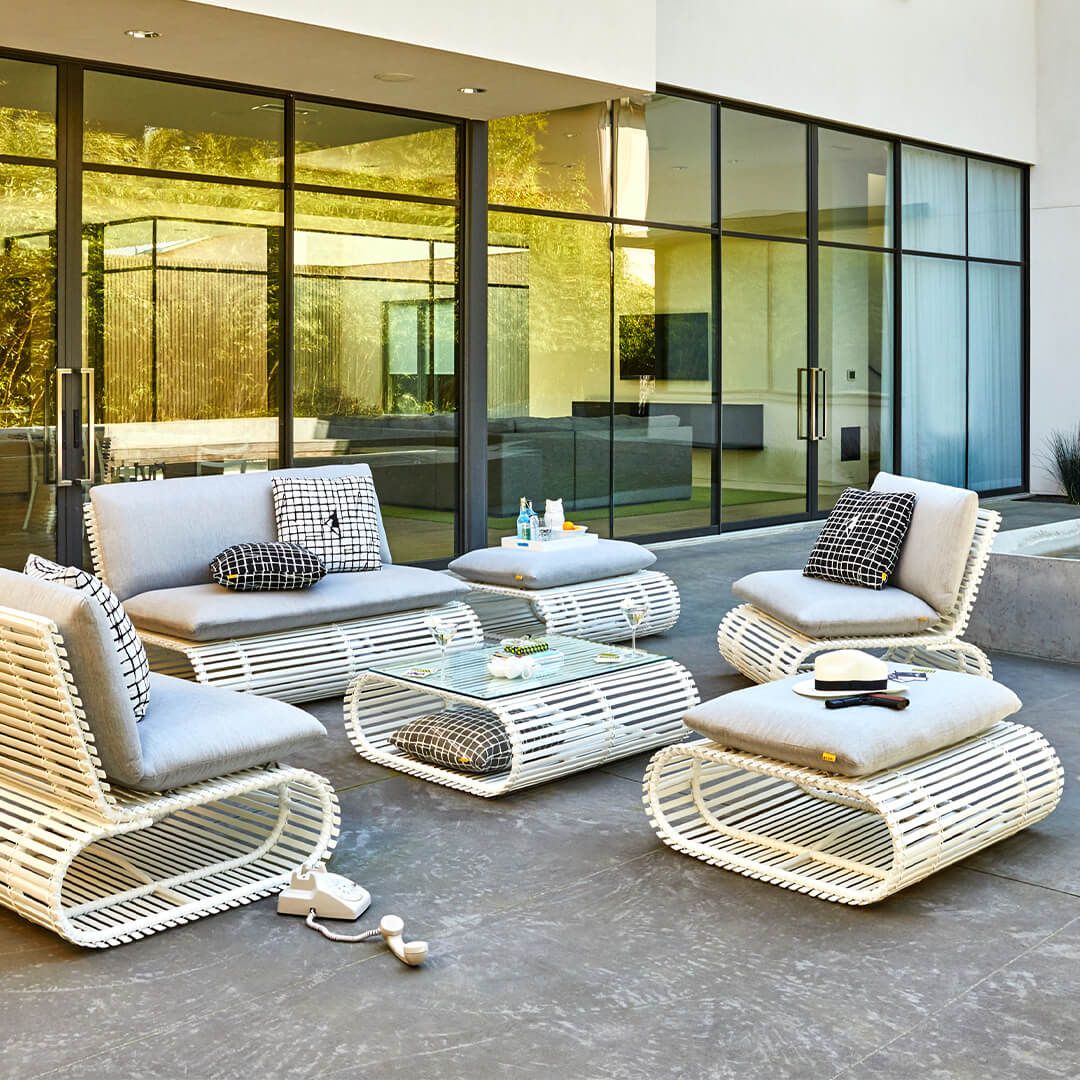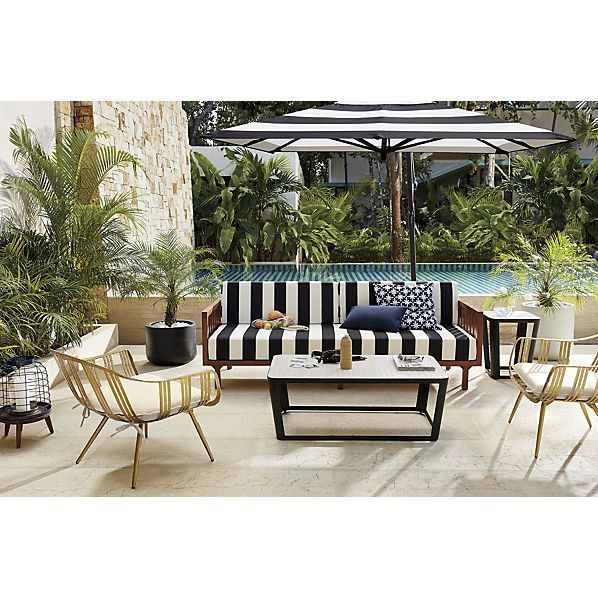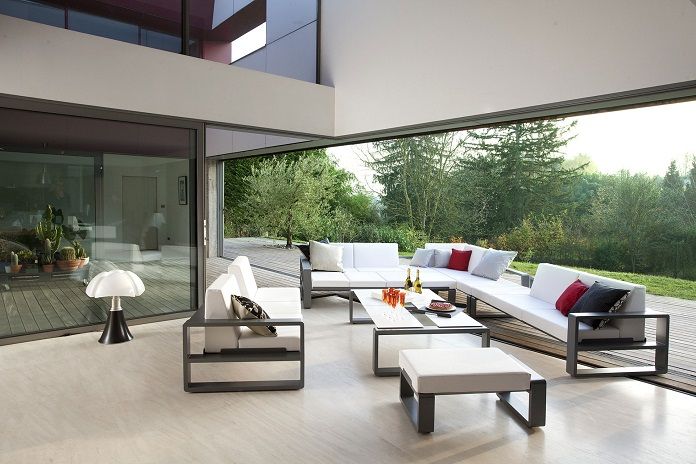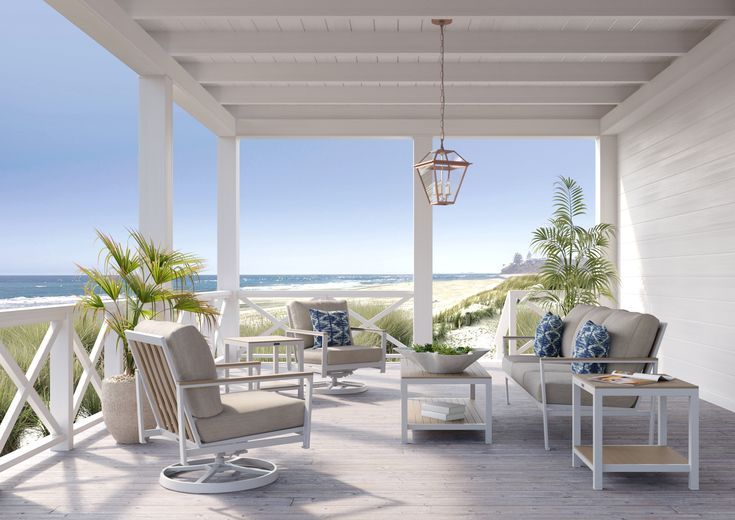
Picture this: you’ve got a modest-sized backyard, but you want to create a comfortable area for entertaining guests, relaxing, and enjoying the outdoors. What if you could make every inch count? That’s exactly what modular outdoor sectional configurations offer – the ability to maximize your space while creating versatile, beautiful outdoor living areas.
Outdoor living spaces have evolved far beyond simple dining areas or basic seating arrangements. Today’s homeowners are looking for ways to make their outdoor environments work harder for them. Whether you’re dealing with a small urban patio or a sprawling backyard, the right modular approach can completely change how you think about outdoor space. These clever configurations allow you to adapt and reconfigure your outdoor furniture as your needs change, making them incredibly valuable for anyone who wants to get the most out of their outdoor area.
Understanding Modular Outdoor Sectionals
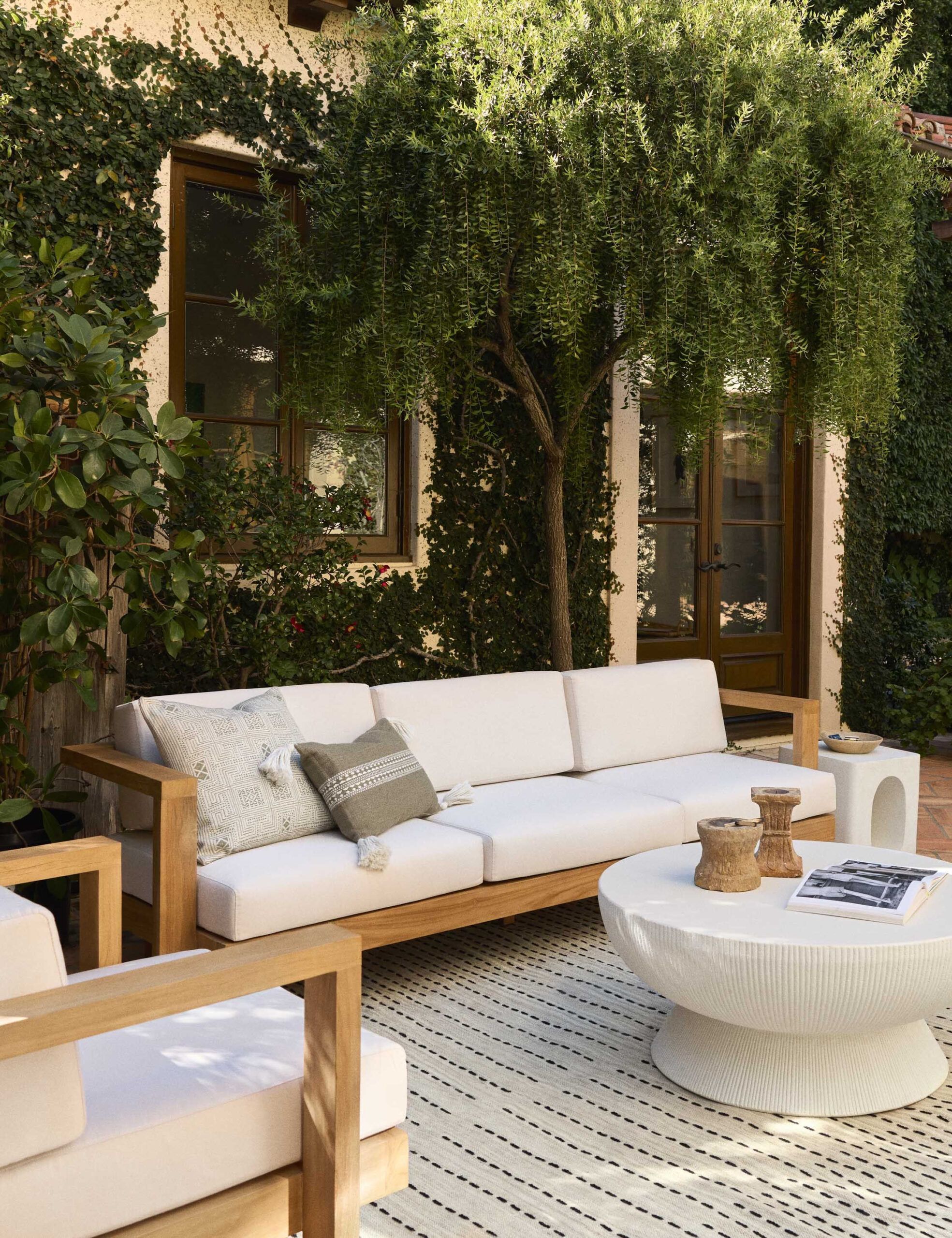
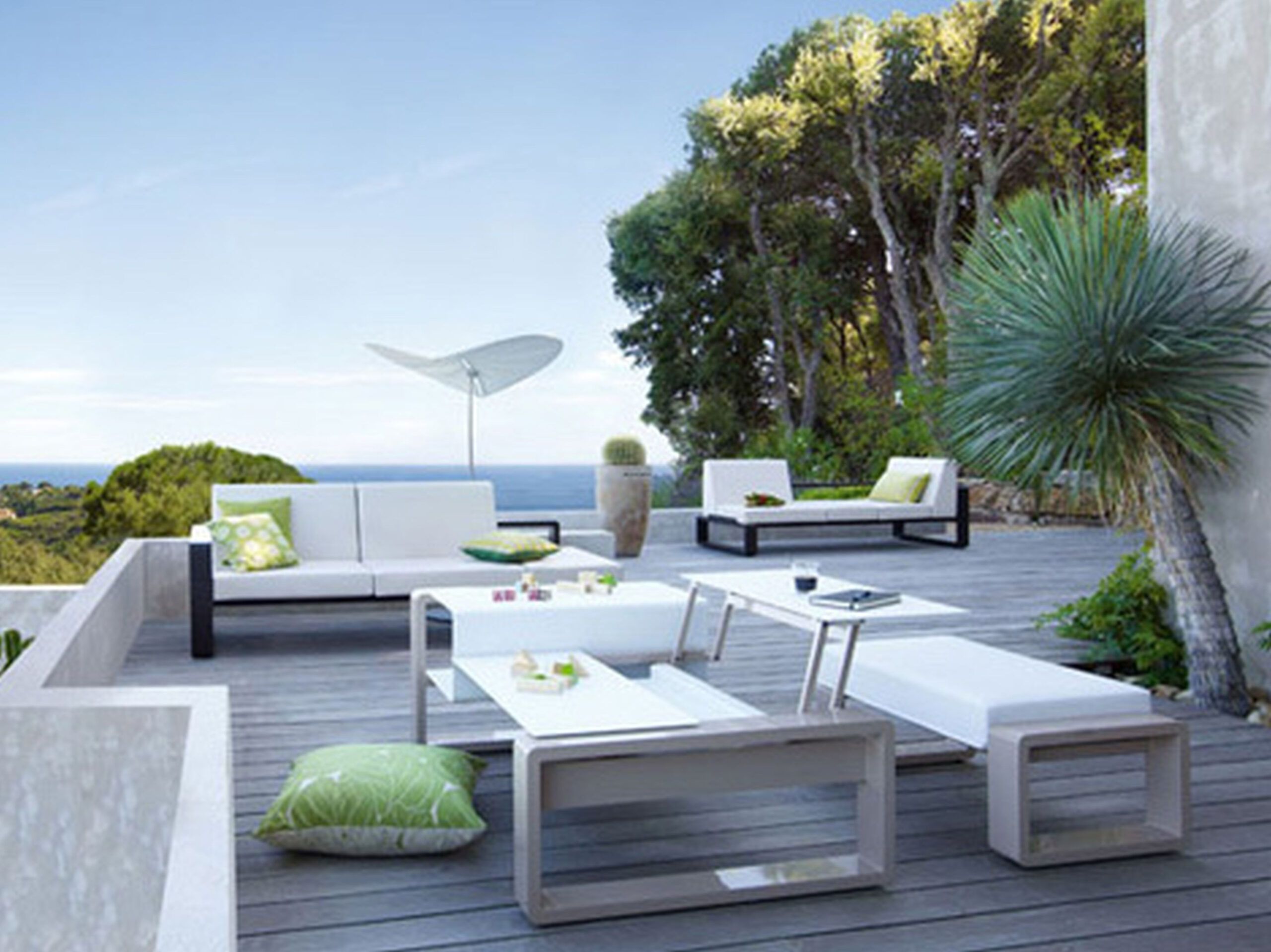
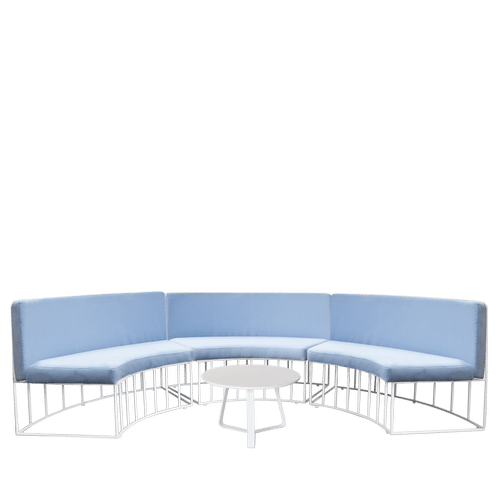
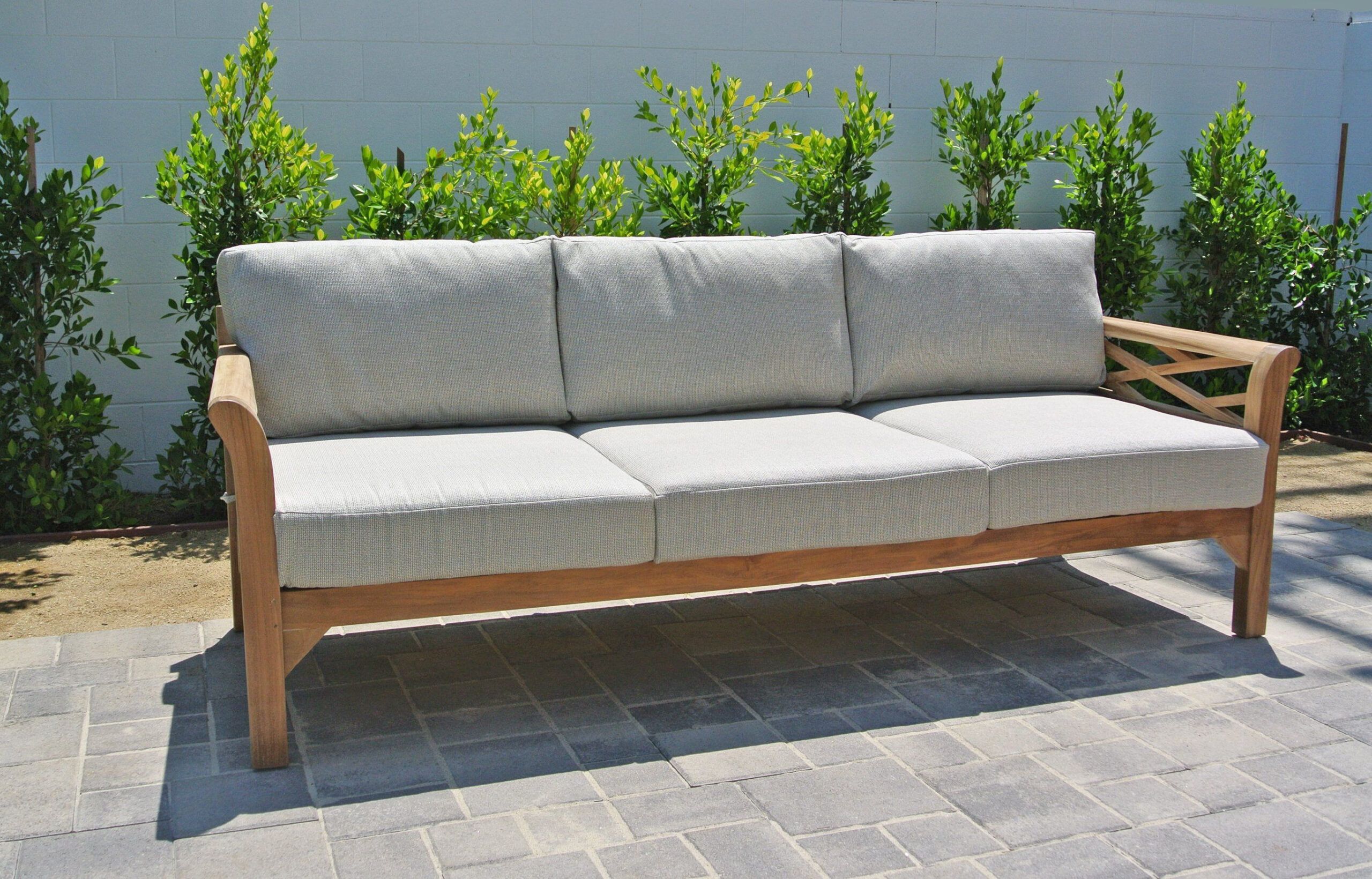
Modular outdoor sectionals are pieces of furniture that can be connected together in various combinations. Unlike traditional fixed furniture sets, these systems feature components that link easily, allowing you to build different layouts as needed. Think of them like building blocks for your outdoor space. The beauty lies in their flexibility – you can start with just a few pieces and gradually expand as your needs grow. They often feature weather-resistant materials like aluminum, synthetic wicker, or high-grade plastics that can handle everything from summer sun to winter rain.
The Benefits of Flexible Outdoor Layouts
There are several compelling advantages to choosing modular configurations over traditional outdoor furniture. First, they save money by allowing you to purchase pieces incrementally rather than buying an entire set upfront. Second, they offer adaptability. Want to create a conversation area for parties? No problem. Need a more intimate setup for quiet evenings? Easy to adjust. Third, they provide longevity. As your lifestyle changes, your furniture can evolve with you. A couple might start with a small L-shaped sofa, then add a chaise later when they have children. This scalability makes modular systems incredibly practical for families and changing circumstances.
Key Design Principles for Space Optimization
Creating efficient outdoor spaces requires thoughtful planning. Consider traffic flow first – you want enough room for people to move around comfortably. Next, think about the primary functions of your space. Is it mainly for dining, lounging, or entertaining? This determines the size and arrangement of your sections. Pay attention to proportions too. A large sectional won’t work well in a small space, but a tiny configuration might feel lost in a large area. The goal is balance. You want to fill the space without overwhelming it. Also, consider how the sections will connect – some systems use clips, others rely on magnetic attachments, and some even feature hidden connectors that keep the look clean.
Practical Configuration Ideas
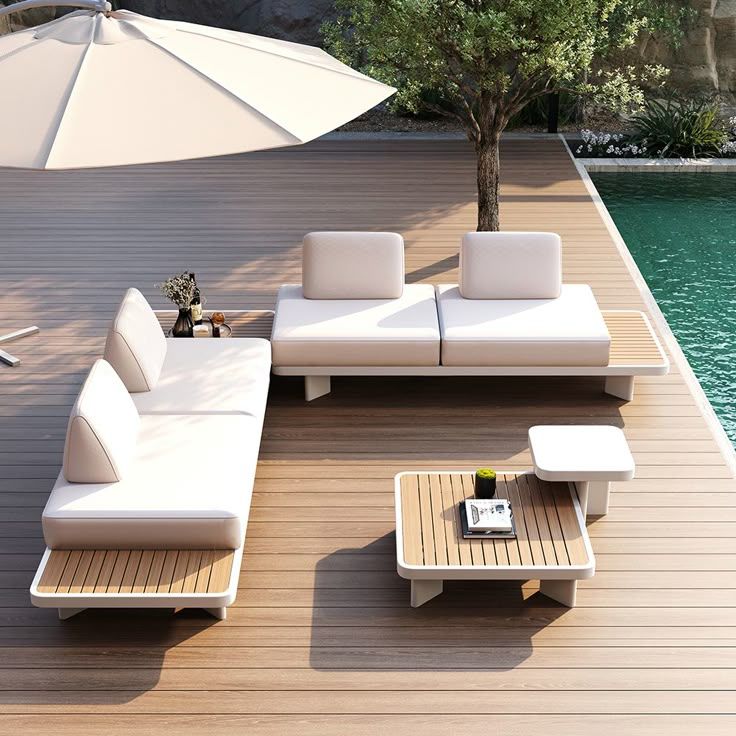
Let’s talk about some real-world scenarios. For small patios, a compact U-shaped configuration works wonders. It creates a cozy seating area while still leaving room for movement. In larger backyards, you might want to create multiple zones – perhaps one area for dining and another for lounging. Some people even create a "kitchen" zone with a small table and bar stools. The beauty is that you can rearrange these zones seasonally or based on events. For example, during summer BBQs, you might extend your seating area to accommodate more guests. During quieter months, you can reduce the configuration to something more intimate.
Material Selection for Durability and Style
Choosing the right materials is crucial for outdoor modular systems. Aluminum frames are popular because they resist rust and corrosion while remaining lightweight. Synthetic wicker offers the look of natural rattan but with much better durability. Many modern systems combine materials for maximum performance. Cushions are equally important – look for quick-dry fabrics that can handle moisture and sun exposure. Some manufacturers offer removable cushion covers that can be washed or replaced seasonally. The key is finding materials that look good year-round and can withstand whatever weather conditions your area experiences.
Maintenance Tips for Longevity
Proper maintenance ensures your modular outdoor sectionals last for years. Regular cleaning with mild soap and water helps prevent buildup of dirt and grime. Store cushions indoors during harsh weather seasons when possible. Check connections periodically to ensure they remain secure. Some systems may require occasional tightening of bolts or adjustment of joints. If you live in an area with extreme temperatures, consider how the materials will react – some plastics can become brittle in freezing weather, while others might fade in intense sunlight. Following manufacturer care instructions is always wise, but basic vigilance goes a long way toward preserving your investment.
Modular outdoor sectional configurations represent more than just a furniture trend – they’re a smart approach to outdoor living that maximizes both function and flexibility. Whether you’re working with limited space or want to create a versatile outdoor environment, these systems offer solutions that adapt to your changing needs. The key is thinking beyond the obvious – instead of just buying furniture, think about how each piece can contribute to a larger, evolving design. By carefully considering layout, materials, and functionality, you can create outdoor spaces that truly serve you well, no matter what size or shape your area happens to be. The investment in modular systems pays off not just in convenience, but in the joy of having a space that grows with you and your family.