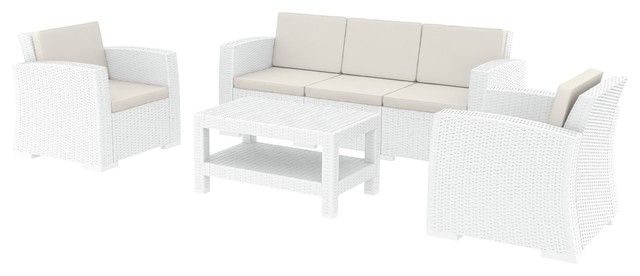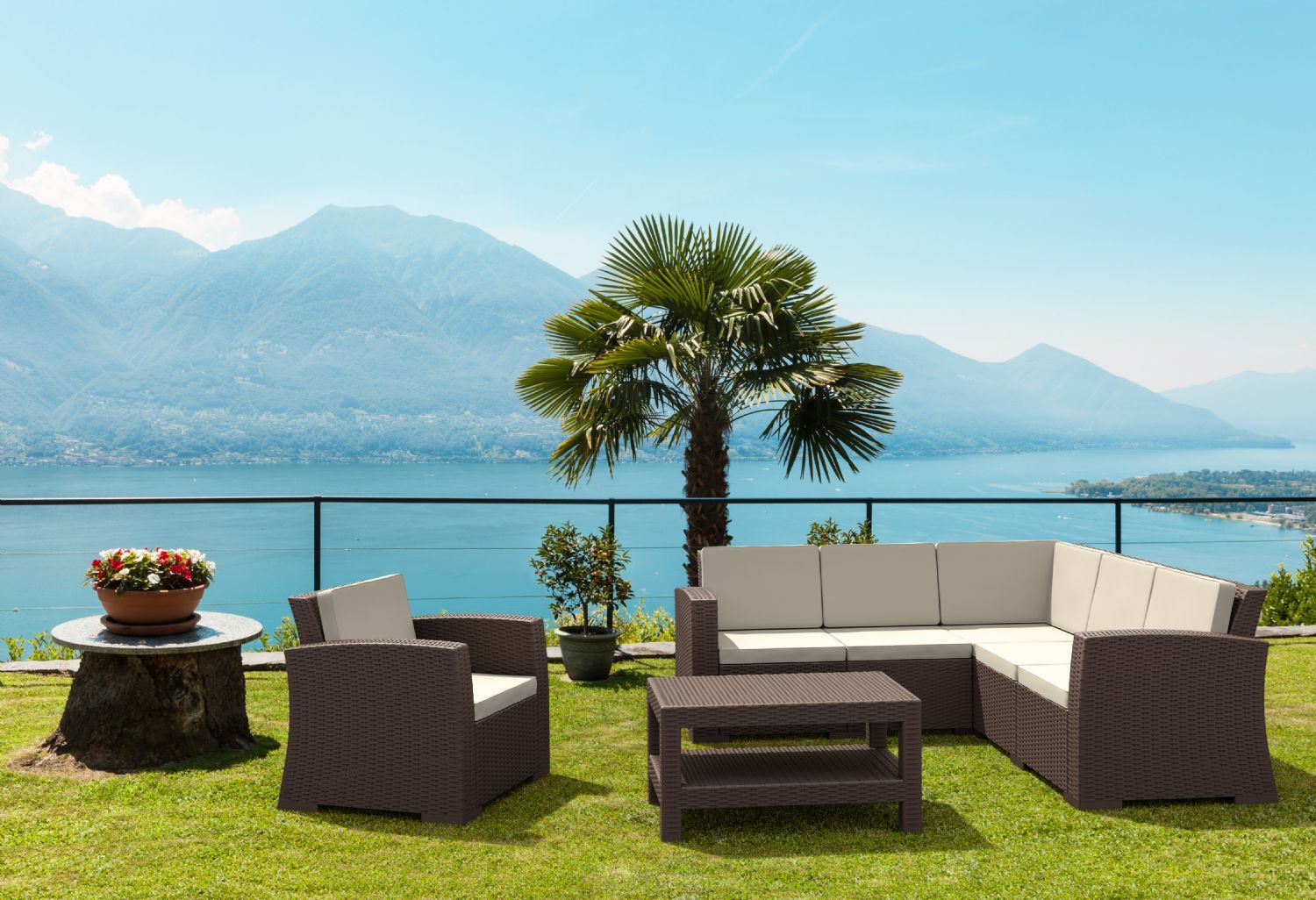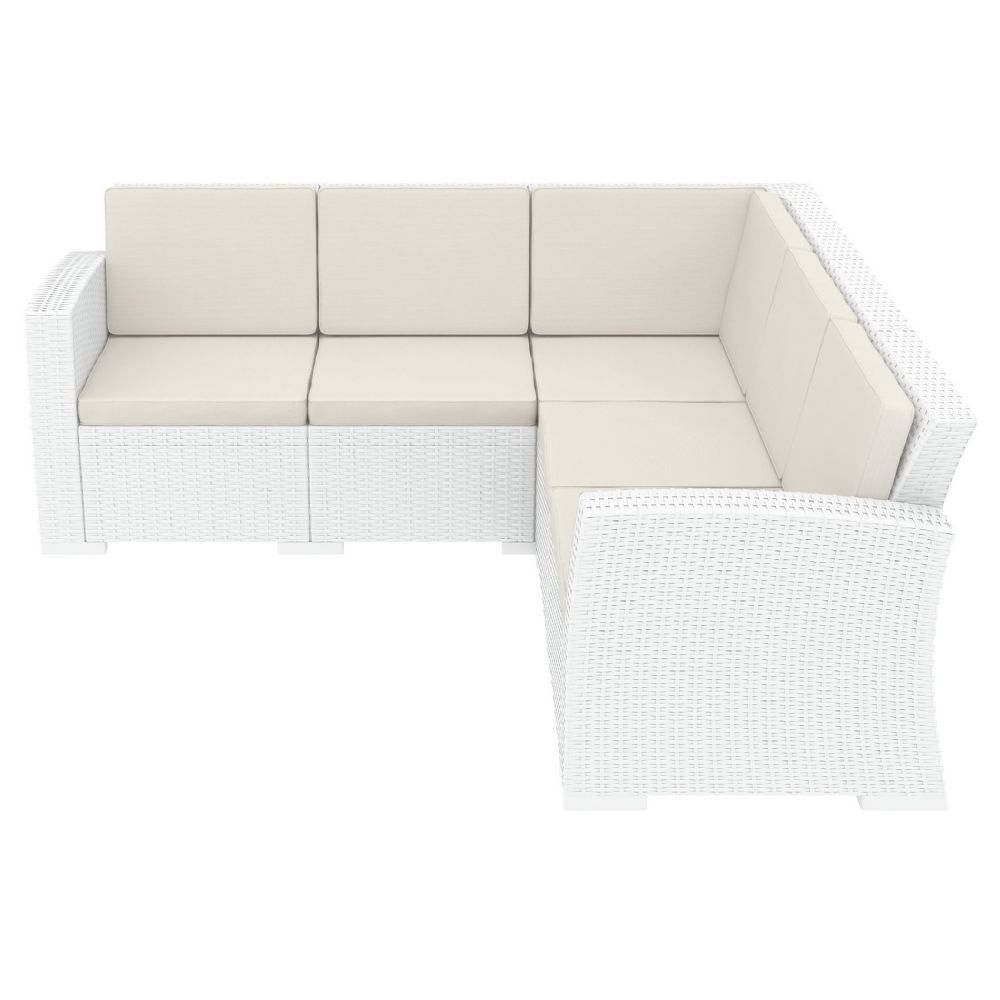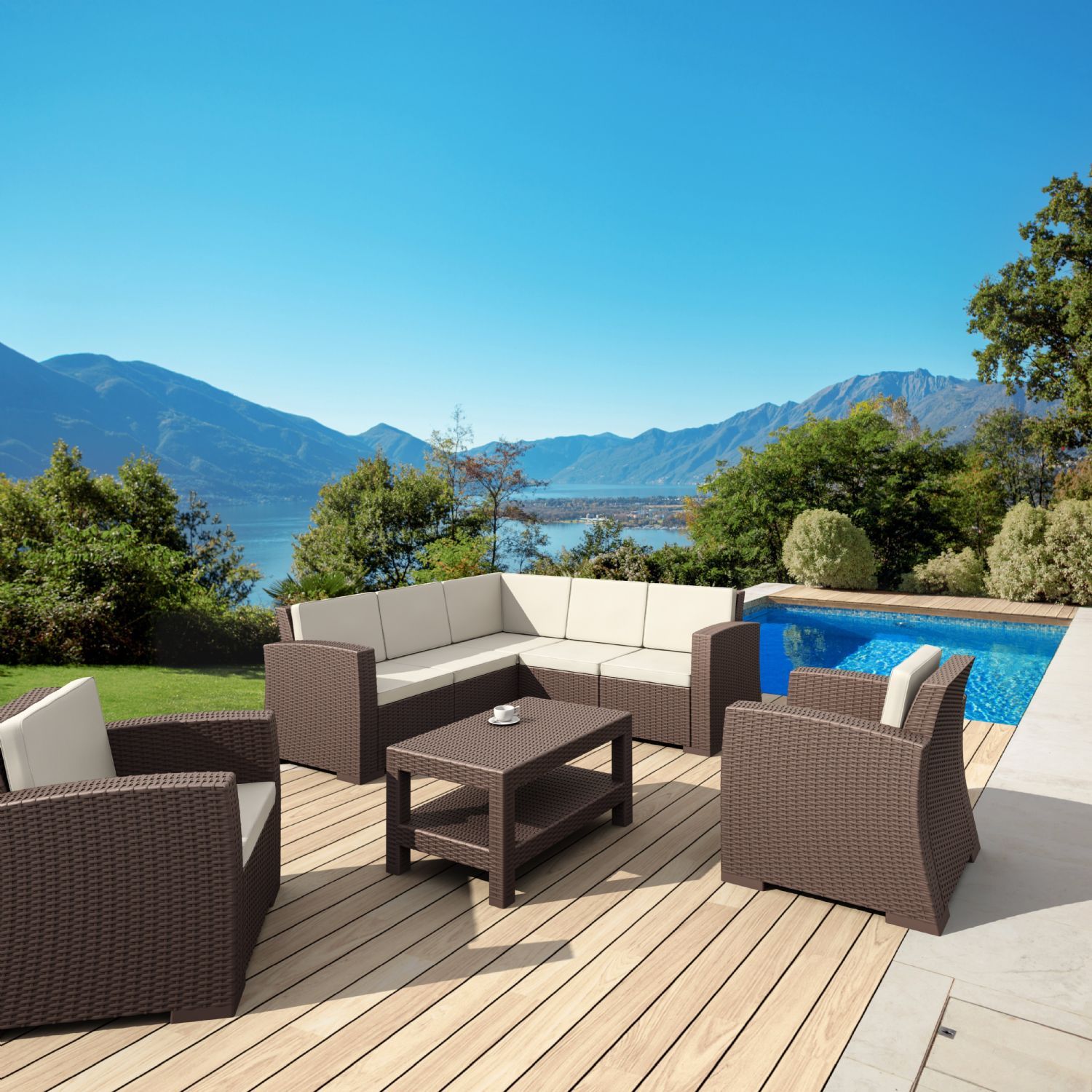
Picture this: You’ve finally created that perfect outdoor space. The weather is ideal, the sun is shining, and everything looks just right. But something feels off. Maybe it’s too crowded, or perhaps there’s nowhere to sit comfortably. What if we told you that the secret to your dream outdoor area lies not in expensive upgrades, but in thoughtful furniture placement? It’s amazing how a few strategic moves can completely transform your space from chaotic to calm.
Outdoor living spaces have become more than just extensions of our homes – they’re becoming essential retreats where families gather, friends meet, and memories are made. Yet many people struggle to make their outdoor areas work efficiently. Too often, we simply place furniture where it fits, without considering how it all comes together. This approach can leave us with spaces that feel cramped, uninviting, or simply impractical. The truth is, good outdoor furniture placement isn’t just about aesthetics – it’s about creating functional zones that support how you actually live and move through your space. When done right, your outdoor area becomes a seamless extension of your indoor lifestyle, not a separate entity that feels disconnected from the rest of your home.
Understanding Your Outdoor Space Dynamics
Before diving into specific arrangements, it’s crucial to assess your outdoor area’s unique characteristics. Every space has its own personality, shaped by factors like size, shape, sun exposure, and surrounding elements. Start by walking around your space and noting where natural features like trees, walls, or water features might influence movement patterns. Consider how the space changes throughout the day – where does the sun fall? Which areas get shade? How do people naturally flow through the space? These observations will guide your decisions and help you avoid common mistakes. For instance, placing a dining table directly under a tree might seem convenient, but it could create awkward shadows during meals and limit flexibility for seasonal changes. Understanding your space’s natural rhythm helps you work with it rather than against it.
Creating Functional Zones Within Your Outdoor Area
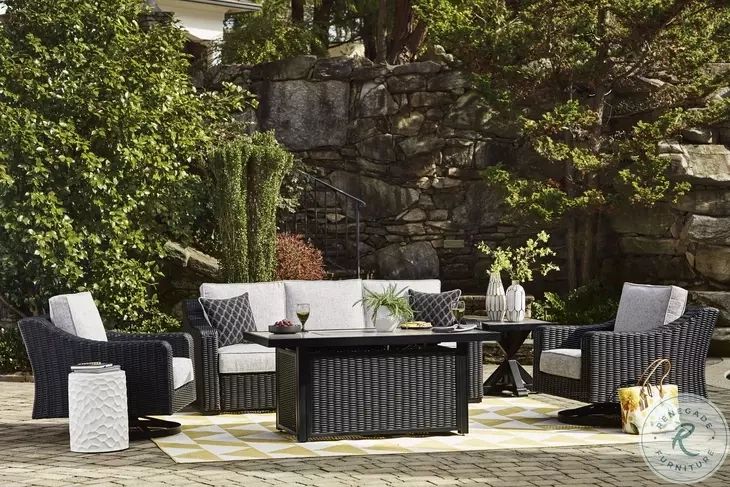
Think of your outdoor space like a well-organized room inside your home. It needs distinct areas for different activities. A typical setup might include a dining zone, a lounging area, and perhaps a cooking corner. Each zone should have enough breathing room to function properly. The dining area typically needs a minimum of 36 inches of clearance around each side of a table, while lounge areas benefit from 24 inches of space between seating units. Consider how people move between zones – there should be clear pathways that don’t require stepping over furniture. For example, if you’re planning to have both a grill and dining table, ensure there’s adequate distance between them to prevent heat issues and allow for easy traffic flow. Zone planning also considers privacy – some areas might need screens or plants to create intimate spaces while others should remain open and welcoming.
The Power of Proper Proportions and Scale
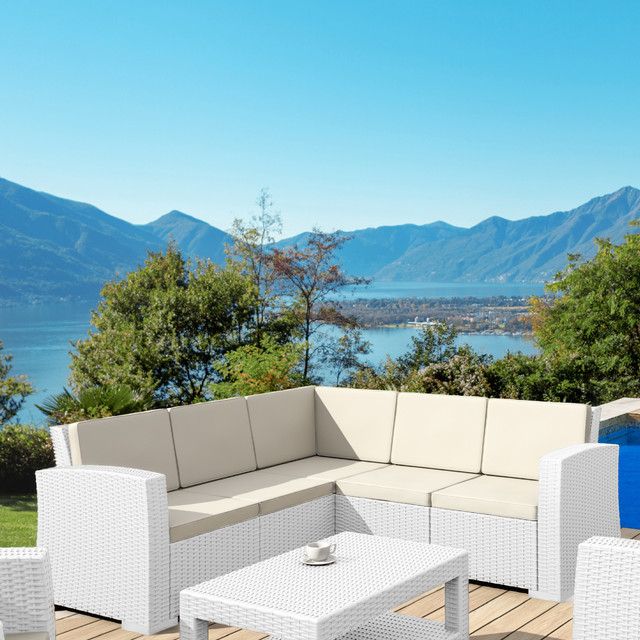
One of the most overlooked aspects of outdoor furniture placement is ensuring proper scale. A massive sectional sofa in a small patio will overwhelm the space, while a tiny chair in a large area can look lost and insignificant. The key is matching furniture proportions to your space dimensions. Measure your available area carefully before purchasing new pieces. A general rule of thumb is that no single piece should take up more than 50% of your space’s total area. For smaller patios, consider multi-functional furniture like storage benches or nesting tables. Larger areas offer more flexibility for bigger statement pieces. Don’t forget to account for accessories too – a large umbrella can dominate a small space just as much as oversized furniture. Pay attention to visual weight as well; a light-colored, airy chair might look better in a compact space than a dark, bulky one.
Optimizing Traffic Flow and Accessibility
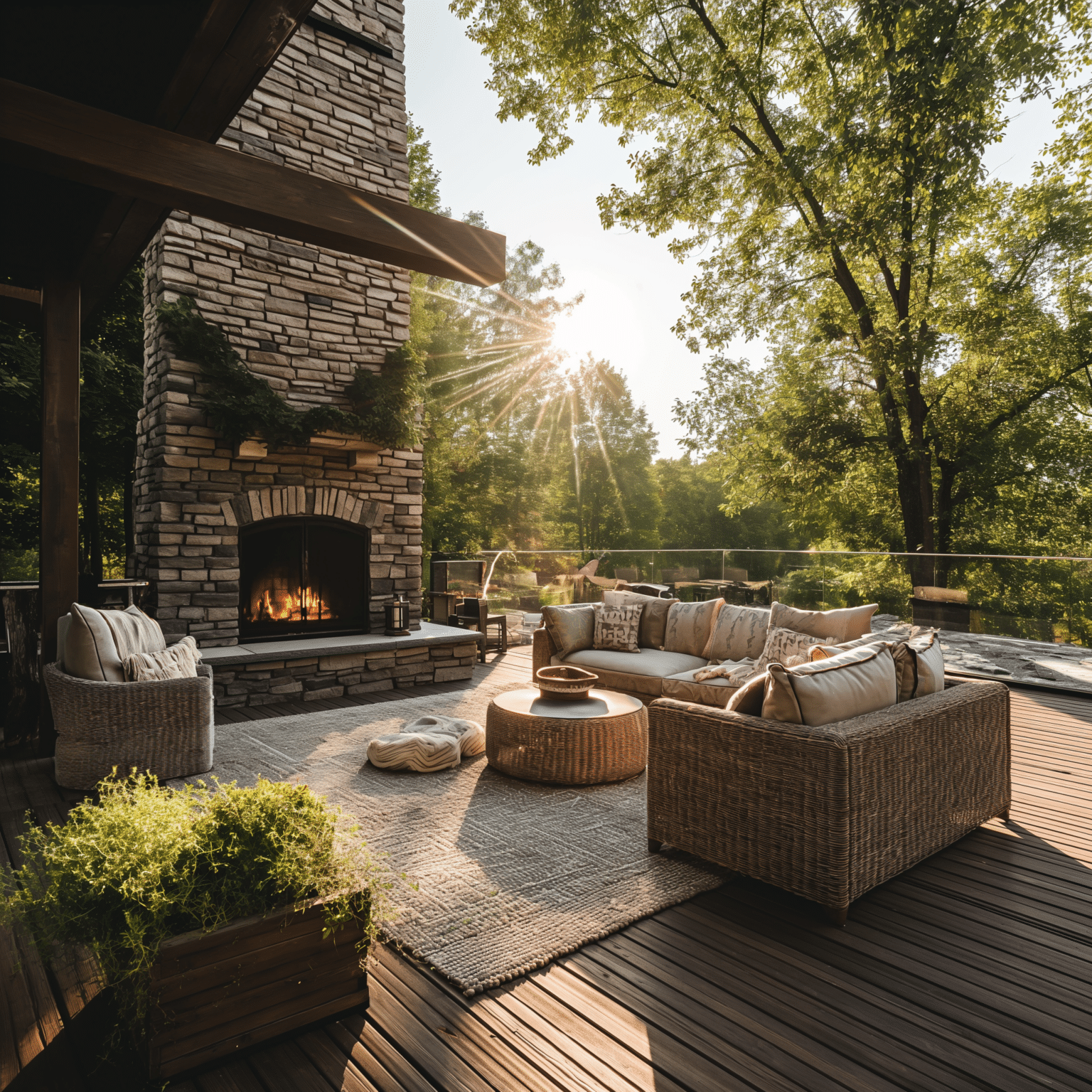
How people move through your outdoor space is just as important as what they do there. Good traffic flow means everyone can navigate easily without bumping into furniture or feeling confined. Plan clear pathways that are at least 36 inches wide for comfortable passage. Keep frequently used areas easily accessible, especially near entrances or doorways. If you have young children or elderly family members, consider wheelchair accessibility and smooth transitions between surfaces. Think about how guests enter and exit – there should be a logical path that guides them naturally through your space. For example, if you have a fire pit in the center, ensure there’s enough room around it for people to walk past safely. Sometimes, a simple rearrangement can solve major flow problems. Moving a coffee table slightly to one side might create the difference between a cramped and spacious feeling.
Lighting and Seasonal Considerations
Effective outdoor furniture placement must account for lighting and changing seasons. Natural light affects how you use different areas throughout the day, so position furniture accordingly. South-facing areas get the most sun, making them perfect for lounging during morning hours. North-facing spots offer consistent shade, ideal for year-round comfort. Consider incorporating layered lighting – ambient lighting for general illumination, task lighting for specific activities like reading or dining, and accent lighting for ambiance. String lights can create a magical atmosphere, while spotlights highlight architectural features. Seasonal changes mean you’ll want flexible solutions. During winter, you might prefer covered seating areas, while summer calls for more open spaces with good breeze circulation. Some people invest in retractable awnings or moveable shade solutions to adapt to changing conditions.
Practical Tips for Maximum Efficiency
Here are some actionable strategies to maximize your outdoor space efficiency:
• Use vertical space effectively with wall-mounted planters or hanging storage
• Choose multi-functional pieces like benches with hidden storage or tables that fold flat
• Group similar items together to create cohesive zones
• Leave 24-36 inches of clearance around seating areas for easy access
• Position frequently used items within arm’s reach
• Consider the height of your furniture – mix heights for visual interest
• Test your arrangement with actual people before finalizing
• Plan for storage during off-seasons to keep the space clean and uncluttered
• Invest in weather-resistant materials that can handle your local climate
• Create focal points with accent pieces that draw the eye and anchor areas
Common Mistakes to Avoid
Even experienced designers sometimes fall into traps when arranging outdoor furniture. One major error is overcrowding the space – people often think more furniture equals better function, but it’s the opposite. Another common misstep is ignoring the view and orientation of the space. Placing furniture with its back to beautiful scenery defeats the purpose of outdoor living. Many people also overlook the importance of considering the entire seasonality of their space. Summer furniture might look great in spring, but won’t work when snow arrives. Poor traffic flow is another frequent issue, where furniture placement creates bottlenecks or makes it hard to move around. Finally, not accounting for maintenance needs can lead to cluttered spaces – remember that outdoor furniture requires regular cleaning and care. All of these mistakes can be avoided with careful planning and consideration of how your space will be used year-round.
Making It Work for Your Lifestyle
The best outdoor furniture arrangements reflect your personal habits and preferences. If you entertain frequently, prioritize social areas with comfortable seating for groups. If you prefer quiet evenings alone, create intimate spaces with cozy seating and good lighting. Families with children might need more open play areas, while couples might focus on romantic, private corners. Consider your daily routine – do you need easy access to a kitchen or dining area? Do you want to enjoy views from your outdoor space? These questions help determine the most practical layout. Remember that outdoor spaces evolve with your lifestyle, so choose arrangements that can adapt as your needs change. A modular setup allows for easy reconfiguration as your family grows or your interests shift. The goal is creating a space that supports your life, not one that you have to constantly rearrange to make work.
Budget-Friendly Solutions for Smart Placement
Great outdoor furniture placement doesn’t require a huge investment. Sometimes the most effective changes come from reorganizing existing pieces rather than buying new ones. Repositioning furniture can dramatically alter the feel of a space without spending money. Simple additions like throw pillows, rugs, or small accent pieces can define zones and add visual interest. Consider DIY solutions like building simple planters or using repurposed items as decorative elements. Sometimes, the most important element isn’t the furniture itself, but how it’s arranged. A few strategically placed plants can create natural boundaries and make a small space feel larger. The key is focusing on functionality first and then enhancing with aesthetic touches. Even small adjustments can make a significant difference in how you experience your outdoor space.
Maintenance and Long-Term Care
Proper furniture placement also affects how easily you can maintain your outdoor space. Arrange items to allow for easy cleaning underneath and around furniture. Keep frequently used items in easily accessible locations so they don’t get forgotten in corners. Consider storage solutions that keep your space looking neat even when not in use. Seasonal maintenance becomes much easier when furniture is arranged for easy access to all sides. For example, having a designated storage area near your main entrance makes it easier to store items during harsh weather. Regular maintenance routines become simpler when you know exactly where everything belongs. This attention to detail prevents accumulated clutter and keeps your outdoor space functioning optimally throughout the year.
Mastering the art of outdoor furniture placement isn’t about following rigid rules – it’s about understanding how your space works and how you want to live in it. The most successful outdoor areas are those where furniture serves the people who use them, not the other way around. Whether you have a sprawling backyard or a tiny balcony, thoughtful placement transforms any space into a functional and enjoyable outdoor environment. Remember that this is a process, not a destination. Your outdoor space will evolve as your needs change, and that’s perfectly normal. The key is staying flexible while maintaining the core principles of good design: function, flow, and harmony with your lifestyle. With a little attention to these fundamentals, your outdoor area can become the most cherished part of your home, a place where every moment feels just right.