Picture this: you’re sinking into a sofa that feels like a gentle hug, yet it’s made from materials that won’t harm the planet. That’s the promise of natural fiber innovations in contemporary sofa construction. These revolutionary approaches are transforming how we think about comfort and sustainability, creating furniture that’s both luxurious and responsible.
When you think about sofas, you probably picture plush cushions, soft fabrics, and maybe some synthetic materials that have been around for decades. But today’s furniture makers are getting creative with nature’s own building blocks. Natural fibers are stepping into the spotlight, offering a fresh take on comfort that respects both our bodies and the environment. It’s not just about looking good anymore – it’s about feeling good while doing good. From ancient weaving techniques to cutting-edge processing methods, these innovations are changing the game in ways that surprise many people.
The Foundation of Natural Fiber Sofas
Natural fibers form the backbone of modern sofa construction, providing strength and comfort that synthetic alternatives struggle to match. Think about it – our ancestors used plant fibers for everything from clothing to shelter, and now we’re rediscovering their potential in furniture design. These materials offer something special: they breathe, they’re naturally antimicrobial, and they often provide better support than their artificial counterparts.
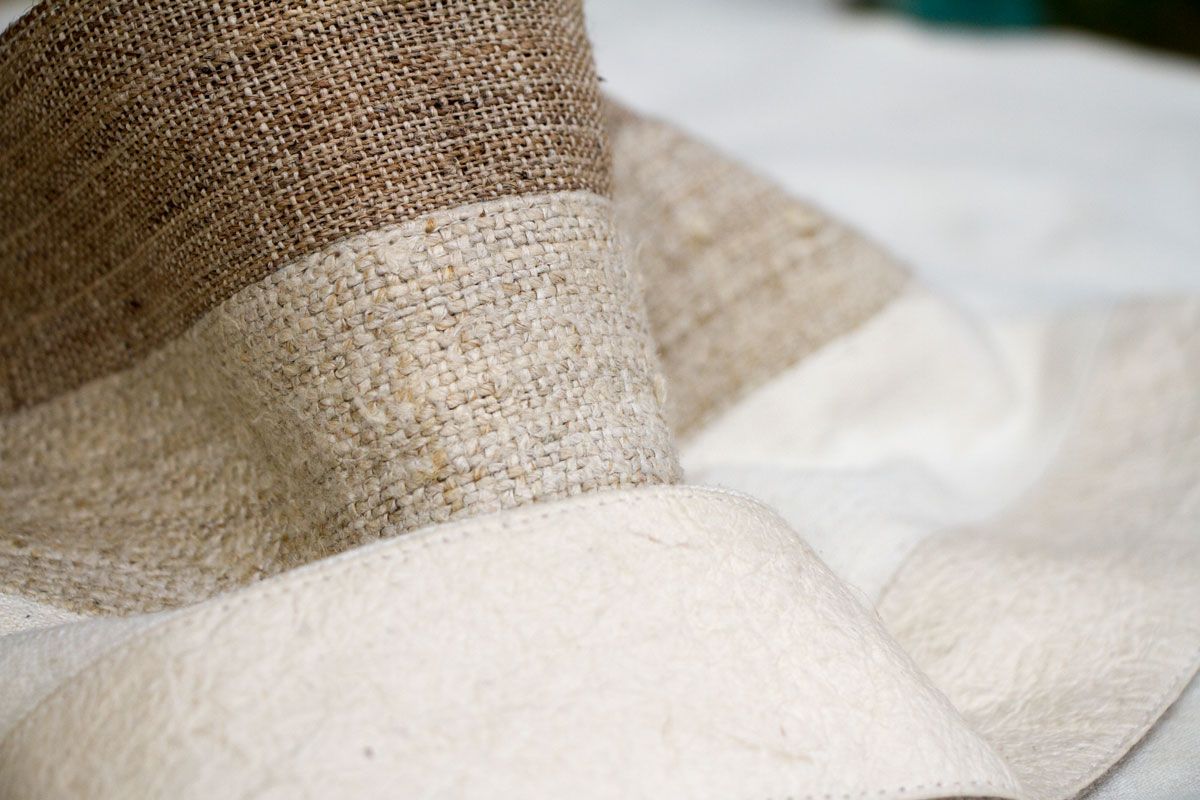
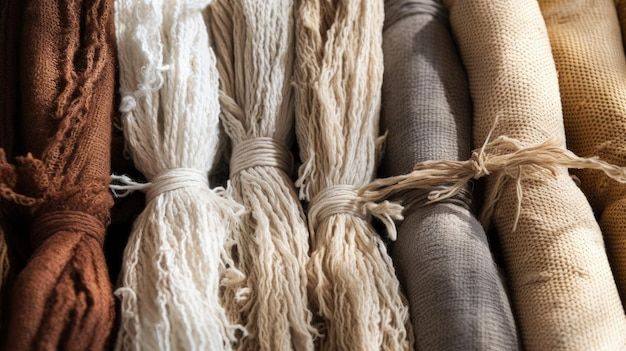
Cotton, linen, and hemp are among the most popular choices for sofa upholstery. Cotton offers that classic softness we crave, while linen brings a more structured feel with its inherent strength. Hemp stands out for its incredible durability and resistance to wear. Each fiber type brings unique properties that designers leverage to create different experiences.
The key advantage isn’t just aesthetic. Natural fibers have inherent properties that make them ideal for everyday use. They handle temperature changes well, resist static electricity, and often have natural stain-resistant qualities. This means sofas made with these materials can last longer and require less maintenance than traditional options.
Innovative Processing Techniques
Modern technology has breathed new life into traditional natural fibers, making them suitable for high-end furniture applications. These processing methods transform raw materials into premium components that meet today’s performance standards. The result? Sofas that look and feel like luxury items while maintaining their eco-friendly credentials.
One fascinating development involves mechanical treatments that enhance fiber strength without chemical additives. These processes preserve the natural integrity of materials while boosting their durability. For example, specialized brushing techniques can make cotton fibers smoother and more resilient, creating a surface that’s both comfortable and long-lasting.
Another breakthrough involves blending natural fibers with bio-based polymers. This creates hybrid materials that combine the best of both worlds – the comfort and breathability of natural fibers with the structural benefits of modern materials. These innovations allow manufacturers to create sofas with enhanced resilience and reduced environmental impact.
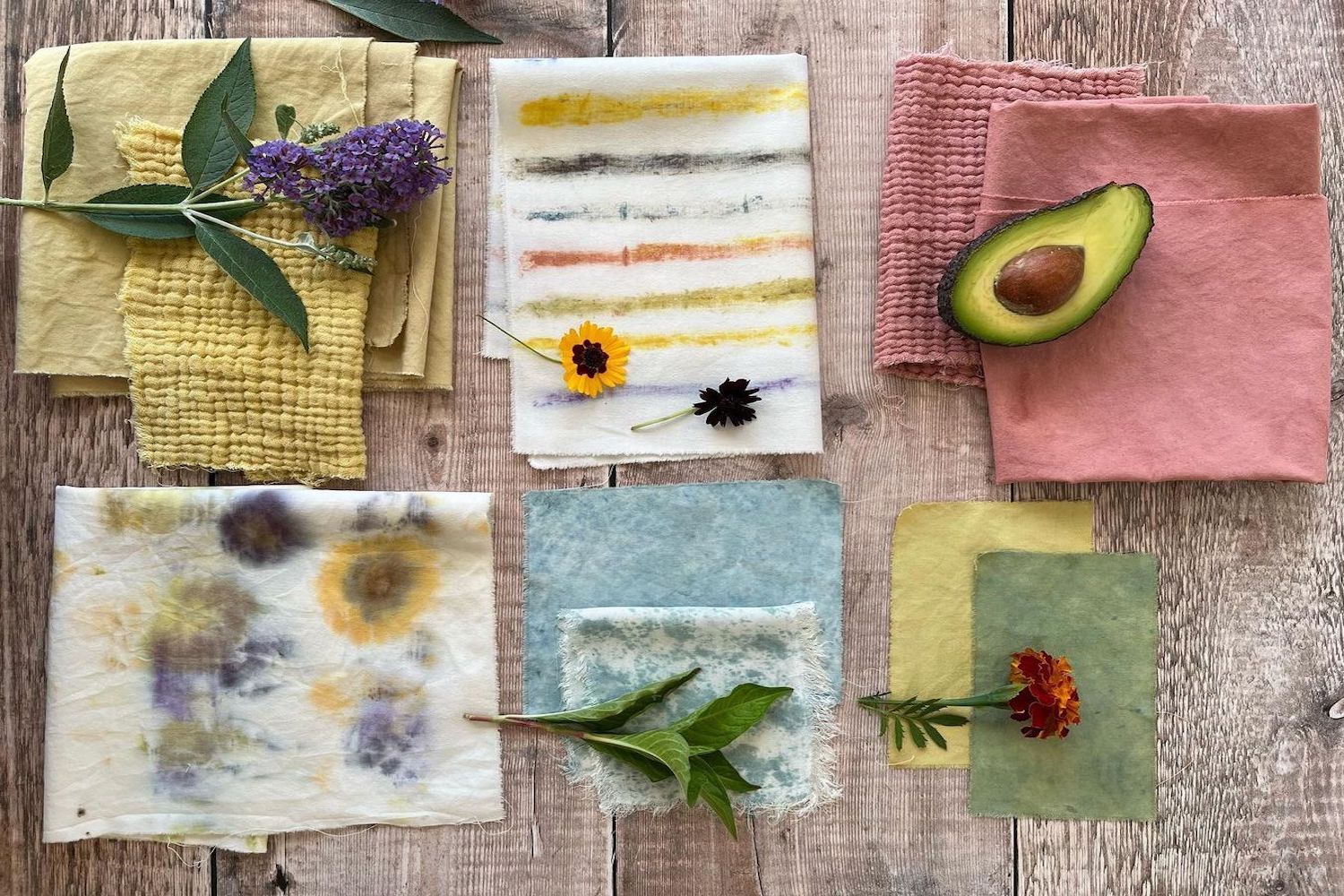
Some companies are even experimenting with natural dyeing processes that use plant extracts instead of synthetic chemicals. This approach not only reduces pollution but also creates unique color variations that add character to each piece.
Comfort and Support Advancements
The secret to great sofa comfort lies in how materials interact with our bodies, and natural fibers excel in this area. Unlike synthetic materials that can trap heat and moisture, natural fibers naturally regulate temperature and wick away humidity. This makes them particularly appealing for people who want year-round comfort.
Research shows that natural fiber-filled seating provides better spinal alignment and pressure distribution compared to foam alternatives. The fibers compress and reform around the body, creating personalized support that adapts to individual shapes and movements. This is especially important for people who spend long hours sitting.
Memory foam, while popular, can sometimes create hot spots and restrict airflow. Natural fiber alternatives address these issues by allowing air circulation and preventing the buildup of heat and moisture. The result is a more comfortable sitting experience that feels cooler and more breathable.
Some manufacturers are combining multiple natural fibers to optimize comfort. For instance, using a blend of cotton and wool creates a cushion that’s both soft and supportive. The wool adds resilience while the cotton provides a luxurious touch. This layering technique allows for precise control over the final feel of the sofa.
Environmental Impact Considerations
One of the most compelling aspects of natural fiber sofas is their reduced environmental footprint compared to conventional alternatives. This goes beyond just using renewable resources – it includes the entire lifecycle of the product. From sourcing to disposal, natural fibers generally create less harm to ecosystems and human health.
The production process for natural fibers typically requires fewer chemicals and less energy than synthetic manufacturing. Many natural fiber suppliers implement sustainable farming practices that improve soil health and biodiversity. Organic cotton, for example, uses significantly less water and avoids harmful pesticides that can contaminate groundwater.
Another benefit is biodegradability. When natural fiber sofas eventually reach the end of their useful life, they can decompose naturally without leaving toxic residues. This contrasts sharply with synthetic materials that persist in landfills for centuries. Some companies even offer take-back programs where old sofas are recycled into new products or composted appropriately.
Water usage is another critical factor. Traditional textile manufacturing consumes enormous amounts of water, but natural fiber processing often requires much less. This is particularly important in regions facing water scarcity issues. Sustainable fiber sourcing also supports local communities and agricultural practices that protect rather than deplete natural resources.
Durability and Longevity Benefits
Natural fibers may seem fragile at first glance, but when properly processed and maintained, they can exceed the lifespan of many synthetic alternatives. This longevity represents one of the most significant advantages of choosing natural fiber furniture.
Hemp fibers, for instance, are among the strongest natural fibers available. They can withstand thousands of compression cycles without losing their shape or support. This makes them ideal for high-traffic areas where sofas see constant use. The fibers also resist UV degradation, meaning they won’t fade or break down quickly when exposed to sunlight.
Linen, though softer than hemp, still offers excellent durability when treated properly. Its natural strength comes from the way the fibers are structured, making them resistant to tearing and abrasion. Many linen sofas can last decades with proper care, making them a smart investment.
The key to maximizing durability lies in proper maintenance and quality construction. Natural fibers respond well to regular cleaning and conditioning, which helps maintain their appearance and performance. Unlike synthetic materials that can degrade over time, natural fibers often improve with age, becoming softer and more comfortable.
Some manufacturers are also incorporating natural fiber reinforcement techniques that extend the life of sofa frames and cushions. This hybrid approach combines traditional craftsmanship with modern engineering to create furniture that truly lasts.
Design Flexibility and Aesthetic Appeal
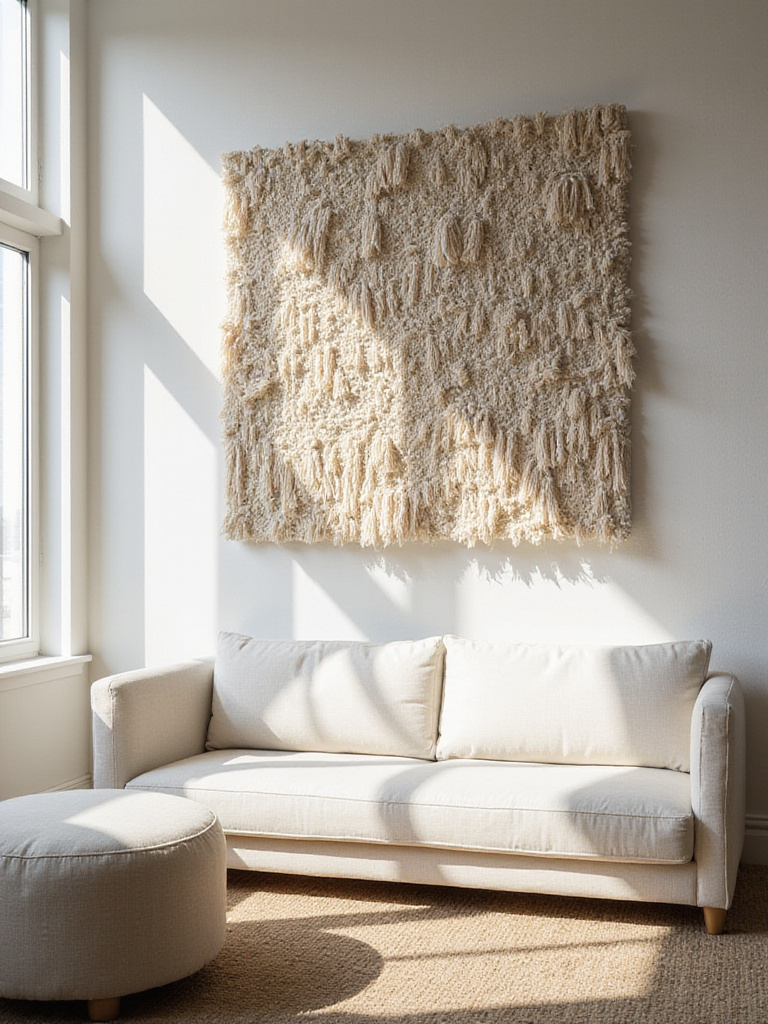
Natural fibers open up a world of design possibilities that go beyond simple functionality. The organic textures and natural colors of these materials bring warmth and authenticity to any space. Designers can work with the inherent characteristics of different fibers to create unique visual and tactile experiences.
The variation in natural fibers creates beautiful imperfections that make each piece distinctive. No two natural fiber sofas are exactly alike, which appeals to consumers seeking unique, artisanal pieces. This individuality adds character to homes and spaces that mass-produced alternatives simply cannot match.
Color options are diverse and often more subtle than synthetic dyes. Natural fibers tend to have earthy tones and muted hues that complement various interior styles. Some fibers naturally produce interesting color variations that change with lighting conditions, adding depth and dimension to the overall design.
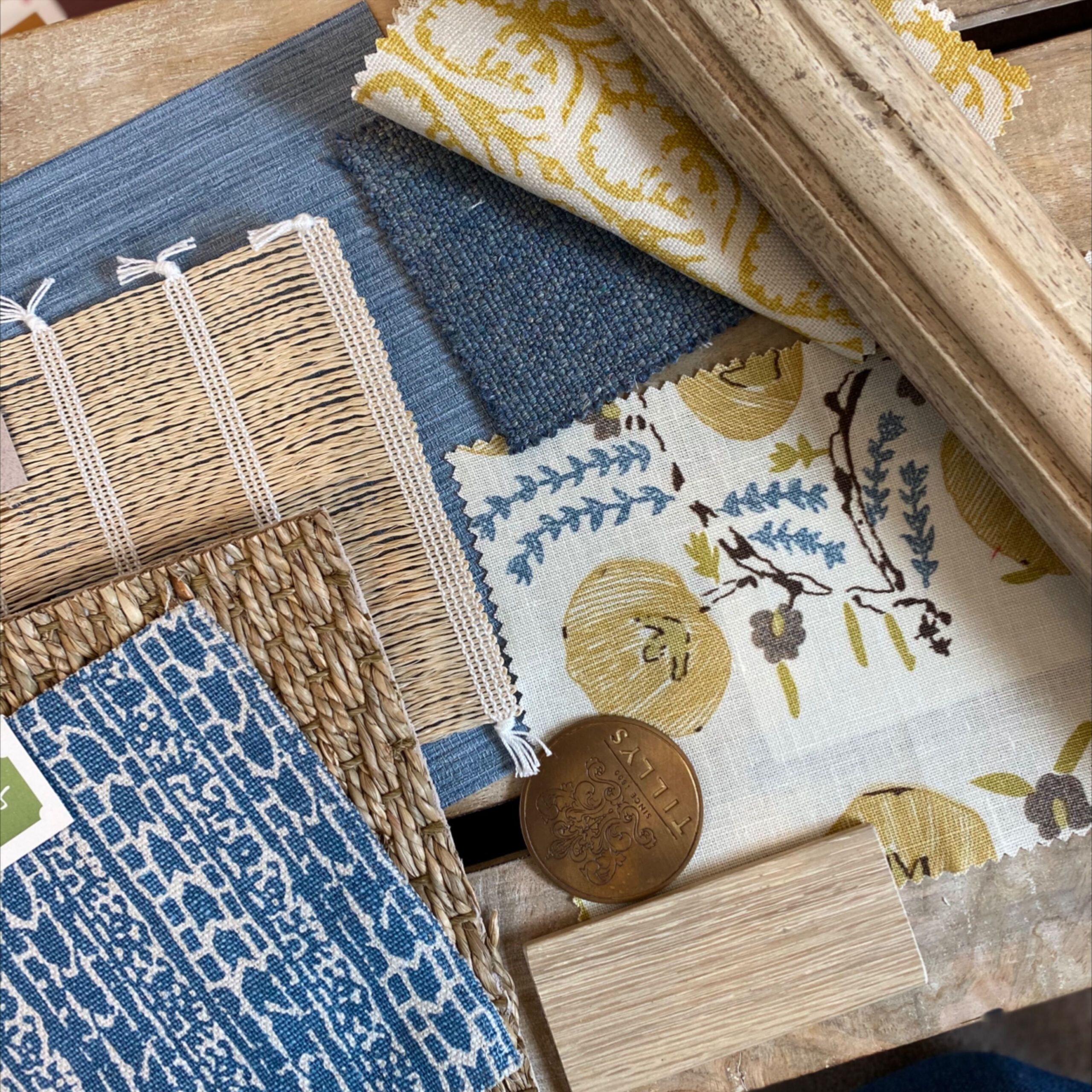
Texture variety is another advantage. From the smooth, refined surface of fine cotton to the textured appearance of linen or the rustic appeal of jute, natural fibers offer designers a palette of tactile experiences. These textures can be manipulated through different weaving and finishing techniques to achieve specific design goals.
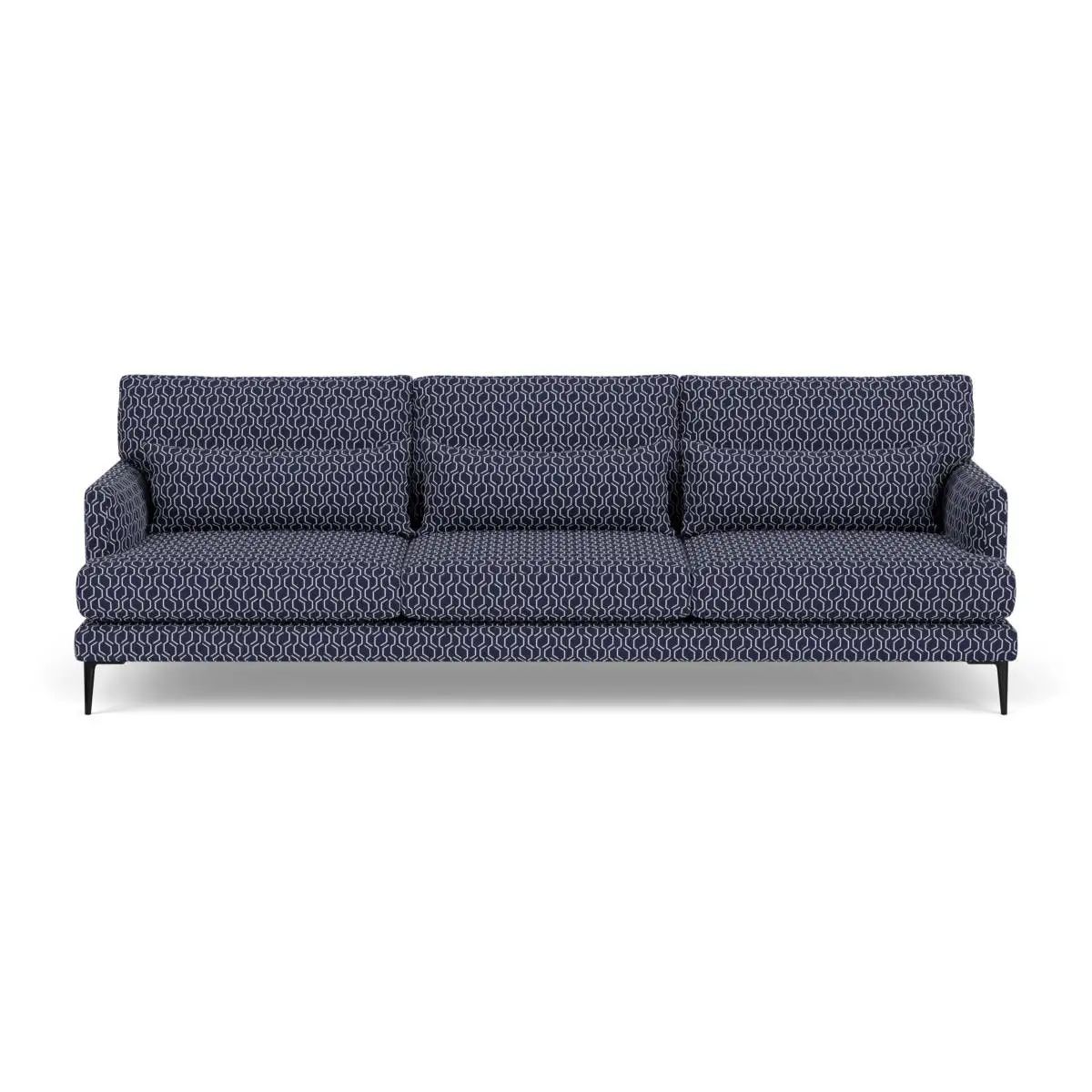
The versatility extends to pattern possibilities too. Natural fibers can be woven, knitted, or braided in countless combinations, allowing for intricate designs that would be impossible with synthetic materials. This flexibility enables designers to create innovative shapes and configurations that push the boundaries of traditional sofa design.
Natural fiber innovations in contemporary sofa construction represent more than just a trend – they’re a fundamental shift toward more conscious consumer choices. These materials offer genuine benefits that extend far beyond basic comfort, touching on environmental responsibility, long-term value, and aesthetic appreciation. As we continue to grapple with climate concerns and sustainability challenges, natural fiber solutions provide a pathway forward that doesn’t compromise on quality or style. Whether you’re renovating your living room or starting fresh with new furniture, considering natural fiber options could be one of the most rewarding decisions you make for both yourself and the planet. The future of sofa design is already here, and it’s made from the very materials that have supported human comfort for millennia.