There’s something deeply satisfying about stepping outside and finding a space that feels like a gentle hug. When you think about creating an outdoor area that invites linger, classic grey tones offer the perfect foundation. These versatile colors don’t just look elegant – they create that special feeling of calm and comfort that makes people want to stay put. Whether you’re working with a small patio or a sprawling backyard, grey can transform your space from merely functional to truly welcoming.
Outdoor living spaces have evolved far beyond simple places to eat or relax. Today’s homeowners want their patios and gardens to feel like extensions of their indoor comfort zones. Grey tones, with their inherent sophistication and versatility, have become the go-to choice for creating these seamless transitions between inside and outside. But making grey work isn’t just about picking the right shade – it’s about understanding how these colors interact with light, texture, and the natural elements around us. The magic happens when you layer different greys, add the right textures, and incorporate elements that make people want to curl up with a book or share stories with friends.
Understanding Grey’s Many Faces
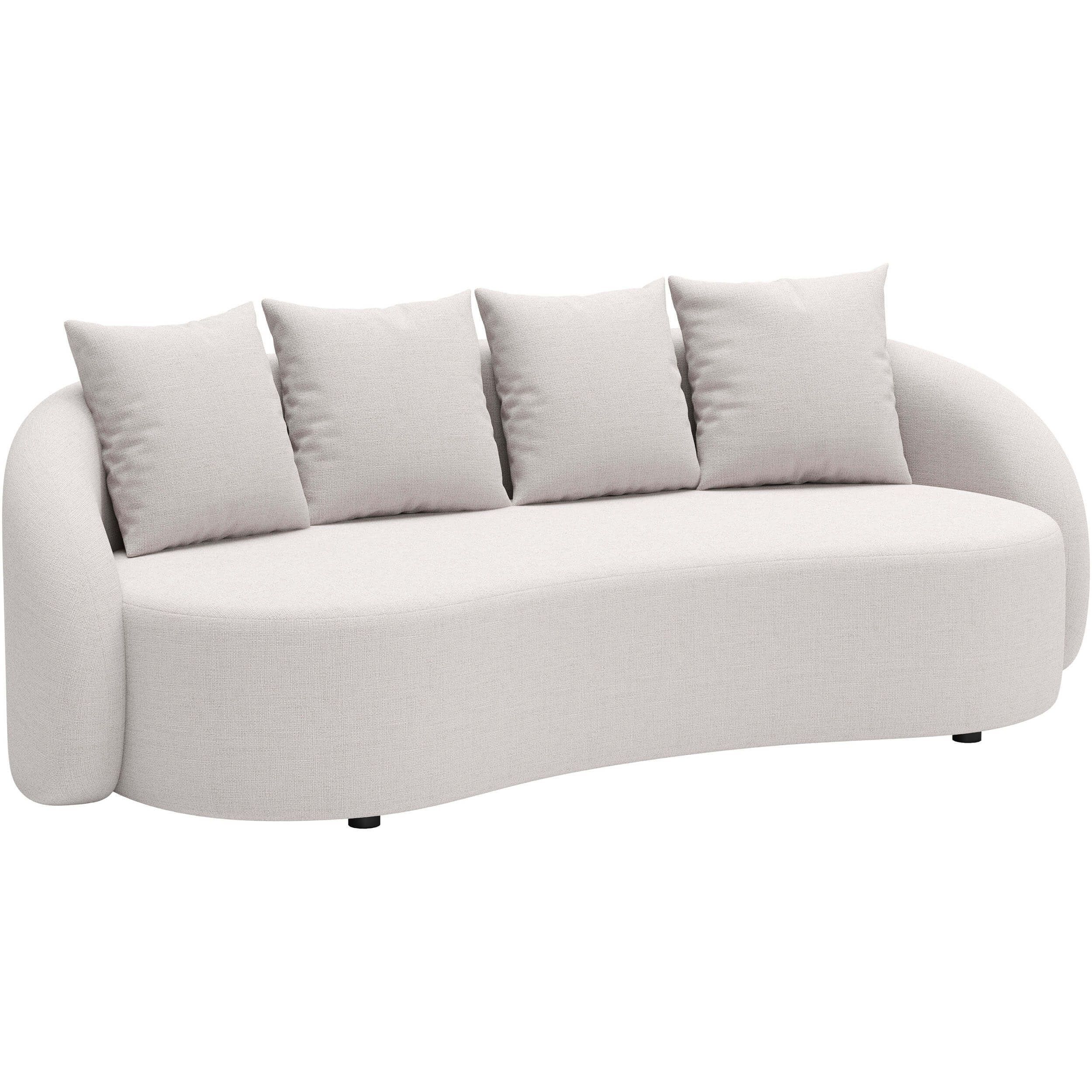
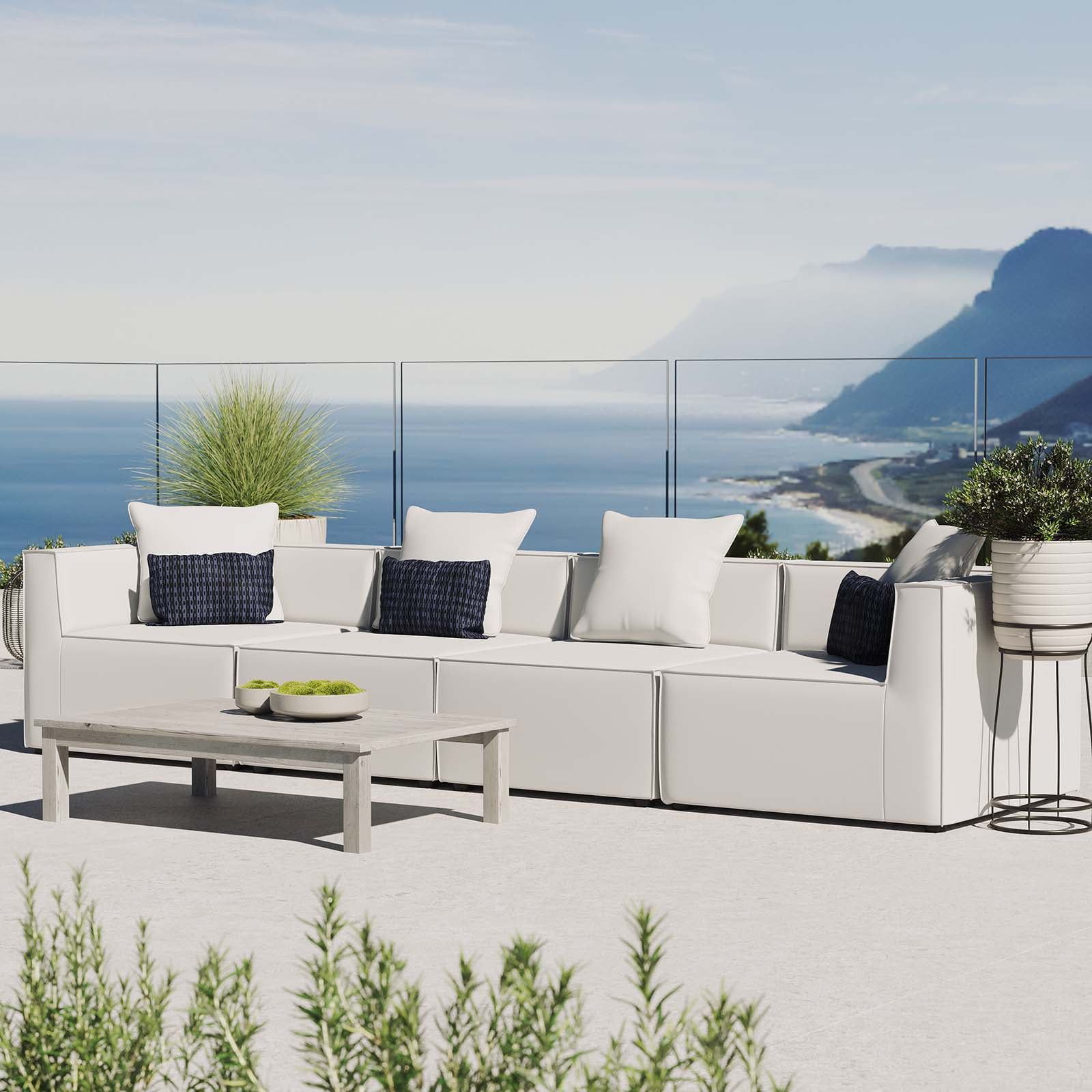
Grey isn’t one color, it’s a whole family of hues that can completely change the mood of your outdoor space. Think of it like choosing between different types of coffee – some are bold and intense, others are smooth and mellow. Light greys like silver and charcoal can make a small space feel bigger and brighter, while deeper greys like graphite and storm cloud create a sense of intimacy and warmth. The key is knowing how to use these variations strategically. A grey sofa might feel too stark against a white wall, but paired with warm wood tones and soft textures, it becomes the perfect centerpiece. Consider how grey looks at different times of day – morning light might make it appear cool and crisp, while evening light can bring out its warmer undertones.
The Power of Layered Textures
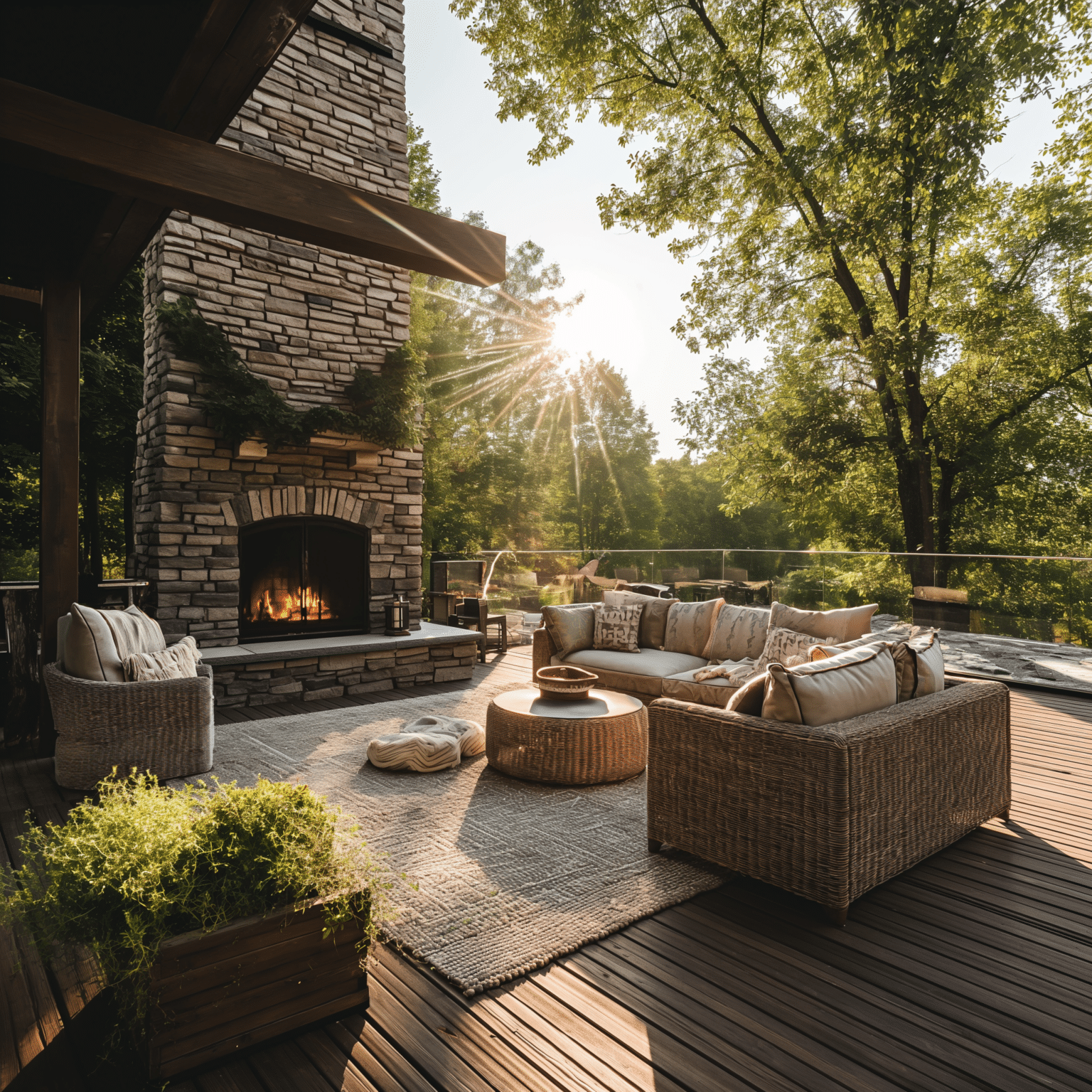
One of the most important secrets to creating cozy grey outdoor areas is using a variety of textures. This is where the magic really happens. A grey chair alone might seem clinical, but when you add a plush throw, a woven basket, or a silk cushion, suddenly it’s inviting. Natural materials like rattan, wicker, and linen work beautifully with grey because they provide visual interest and tactile comfort. Think about how you’d want to feel when sitting in your outdoor space – do you want that crisp, clean look, or something more relaxed and lived-in? The answer often lies in combining smooth and rough textures. Smooth grey stone can be balanced with soft, fuzzy throws. Woven metal can be softened with natural fibers. These combinations create depth and make people want to touch and explore the space.
Choosing the Right Grey for Your Space
Not all greys are created equal, and selecting the right one depends on several factors. First, consider the amount of natural light in your outdoor area. A bright, sunny space can handle deeper greys, while shaded areas might benefit from lighter tones that reflect rather than absorb heat. The size of your space matters too – smaller patios often benefit from lighter greys that don’t feel cramped. Also, think about the surrounding environment. If you have lots of greenery, a cooler grey might complement the natural palette. For areas with more earth tones, warmer greys can create a harmonious balance. Some popular choices include charcoal grey for dramatic statement pieces, dove grey for a softer approach, and slate grey for a more neutral foundation that works with almost anything.
Lighting That Enhances Grey’s Charm
Good lighting can make or break any outdoor space, especially when working with grey tones. These colors don’t pop like bright colors do, so thoughtful lighting becomes essential for creating atmosphere. String lights can create a magical glow that makes grey fabrics look rich and luxurious. Table lamps and lanterns add warmth to darker grey spaces, while subtle accent lighting can highlight the texture of grey stone or metal furniture. Consider layering your lighting – ambient light for general illumination, task lighting for specific activities, and accent lighting to create focal points. The interplay of light and shadow on grey surfaces can create beautiful depth and dimension that makes your space feel alive and dynamic.
Natural Elements That Complement Grey
Nature itself provides the perfect counterpoint to grey. Adding plants, especially those with green leaves, creates a fresh contrast that makes grey feel less sterile. Consider incorporating both large statement plants and smaller containers that can be moved around. Wood elements, whether it’s a natural teak table or a wooden bench, add warmth and organic texture. Stone features, like a small garden fountain or a grey stone pathway, can tie everything together while providing natural interest. Water features, even small ones, can create a calming element that makes grey areas feel more peaceful. The key is choosing natural elements that either complement or contrast with your grey palette in ways that feel intentional rather than accidental.
Practical Tips for Long-Term Success
Creating a cozy grey outdoor area isn’t just about the initial setup – it’s about maintaining that comfortable feel over time. Choose high-quality materials that can handle weather and wear without looking worn quickly. Grey furniture, particularly outdoor pieces, should be designed with durability in mind. Regular maintenance helps preserve the look and feel of your space. Consider seasonal changes – adding different textiles or accessories can keep the space feeling fresh throughout the year. Don’t forget about practical considerations like storage for cushions and accessories during harsh weather. Finally, remember that comfort is subjective, so pay attention to how people actually use your space and adjust accordingly. What works perfectly in theory might need small tweaks to meet real-life needs.
Designing cozy outdoor seating areas with classic grey tones is both an art and a science. It requires understanding how colors behave in different conditions, how textures interact with each other, and how to create spaces that feel both sophisticated and welcoming. The beauty of grey is that it offers endless possibilities for personal expression while maintaining that classic elegance that never goes out of style. Whether you’re starting from scratch or refreshing an existing space, remember that the most successful outdoor areas are those that feel like extensions of your home’s personality. Grey gives you that foundation, but it’s the details – the right textures, the appropriate lighting, and the thoughtful integration of natural elements – that make all the difference. The result is a space that feels like a quiet retreat where you can truly relax and enjoy the outdoors.