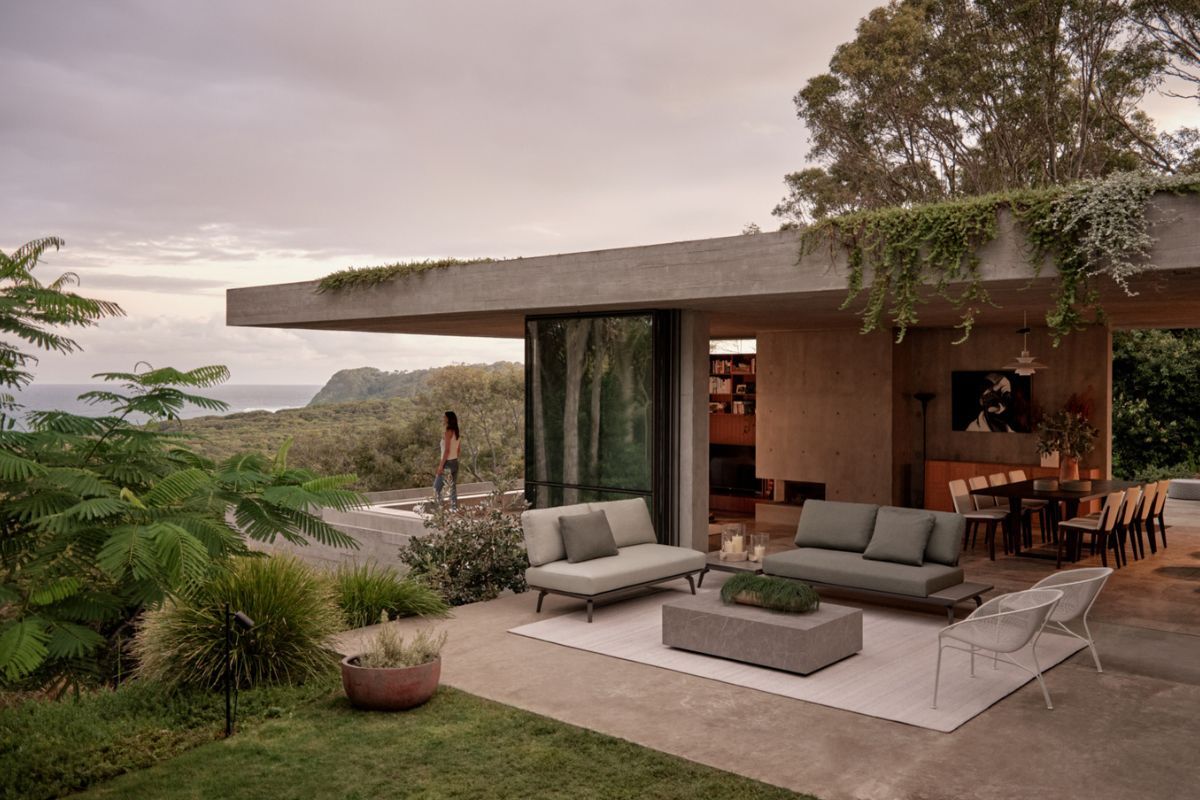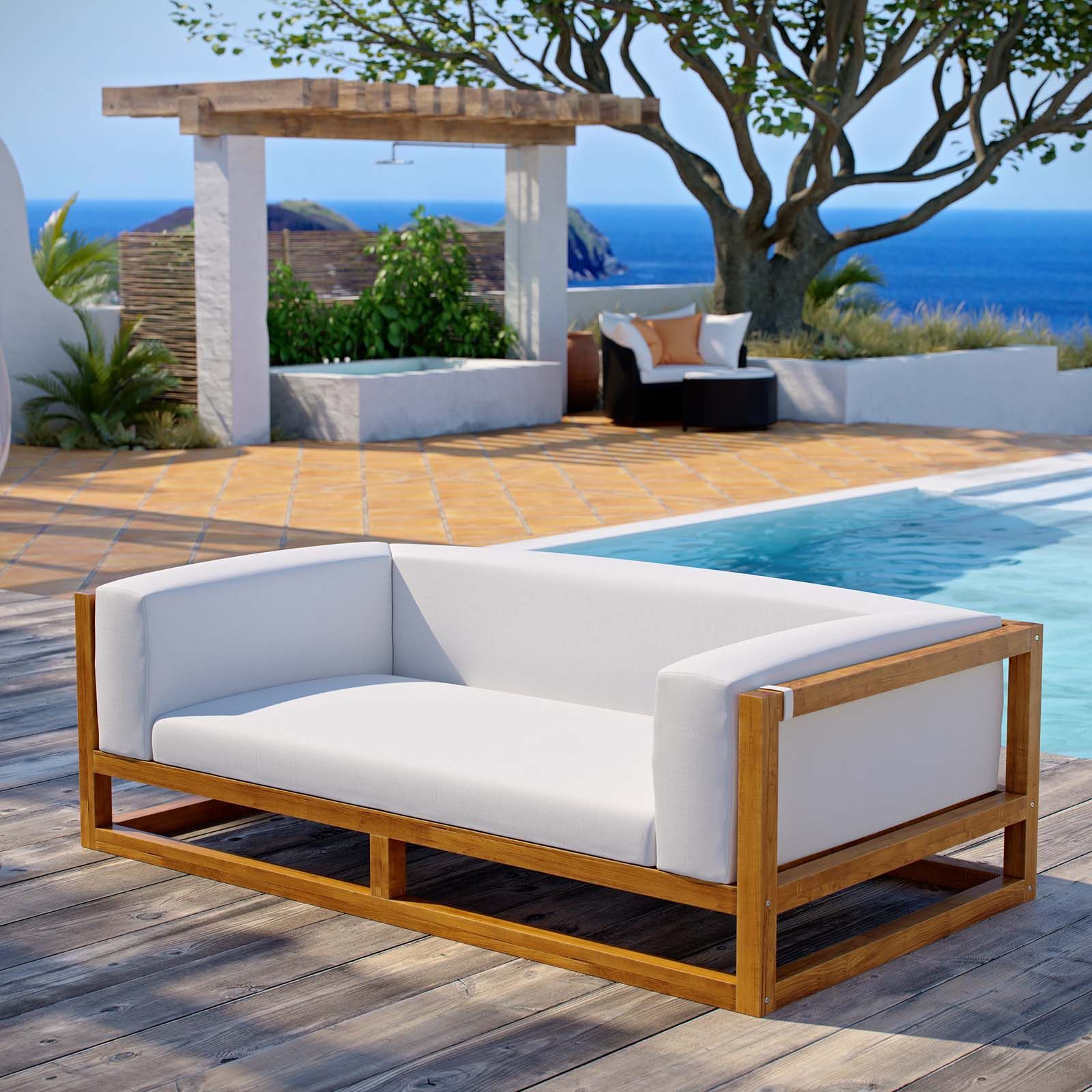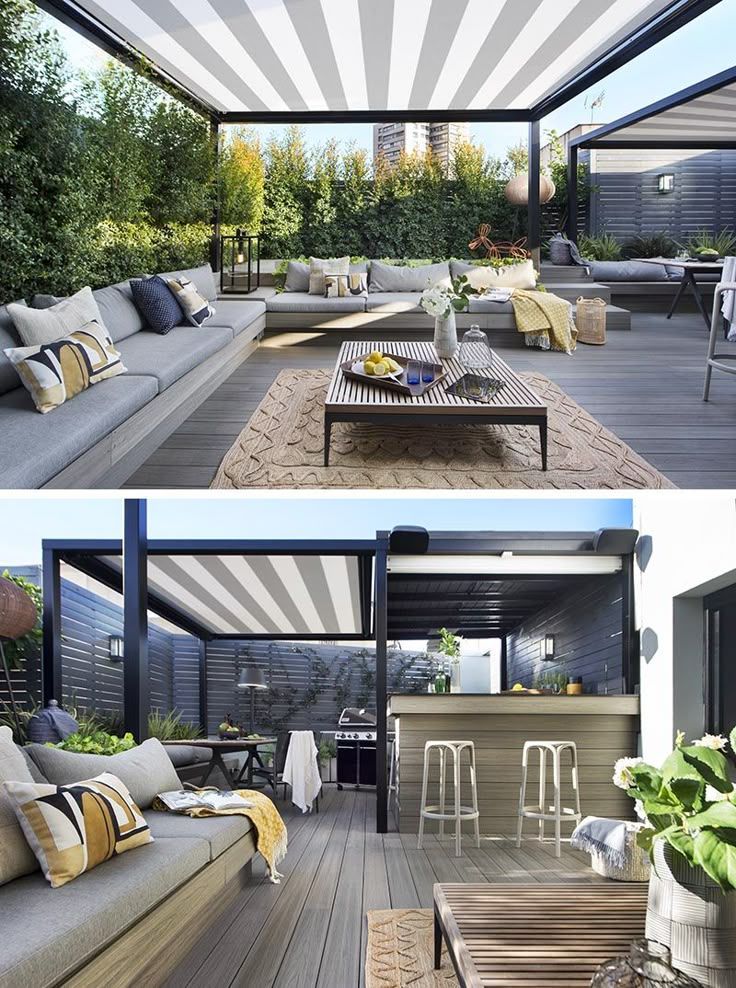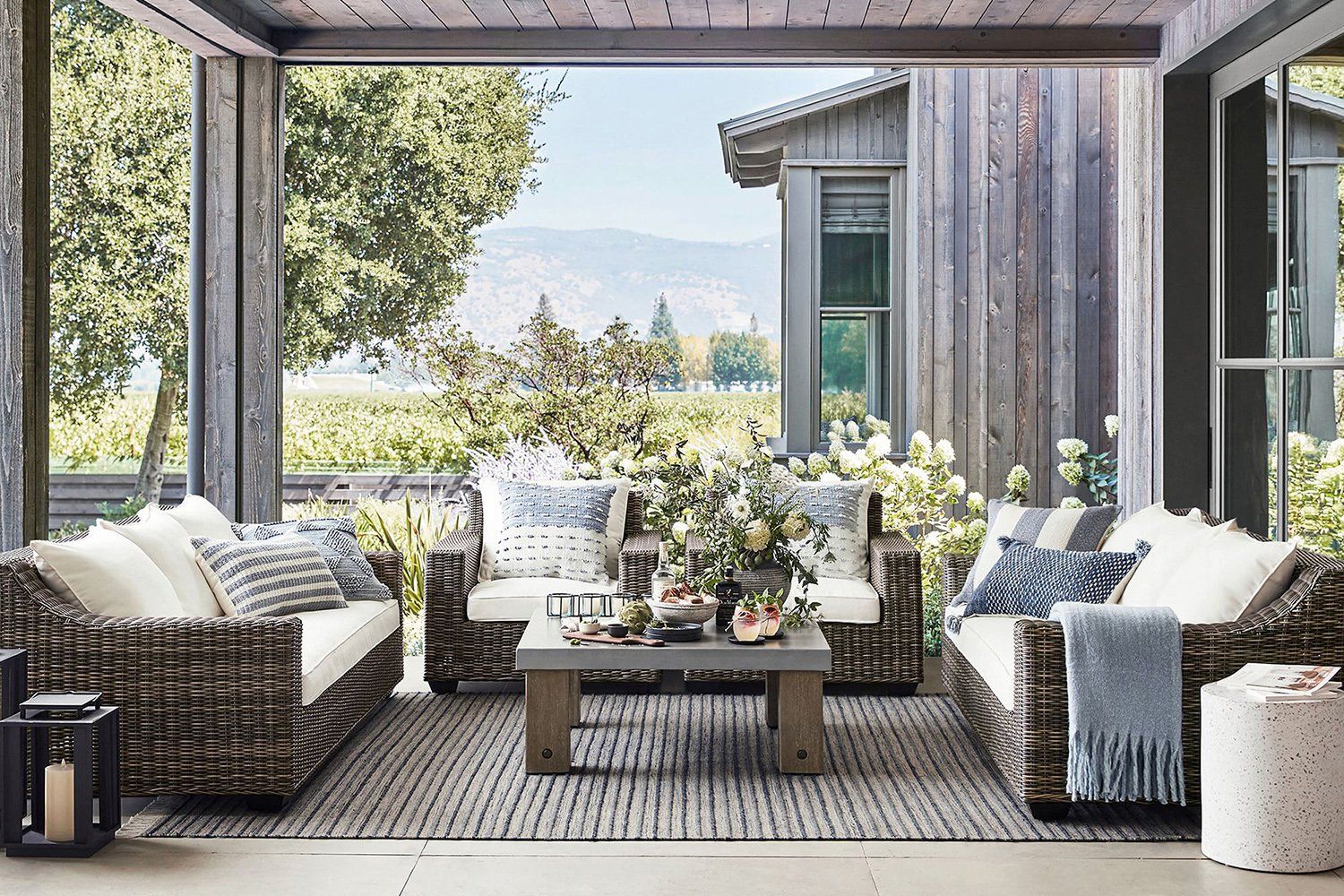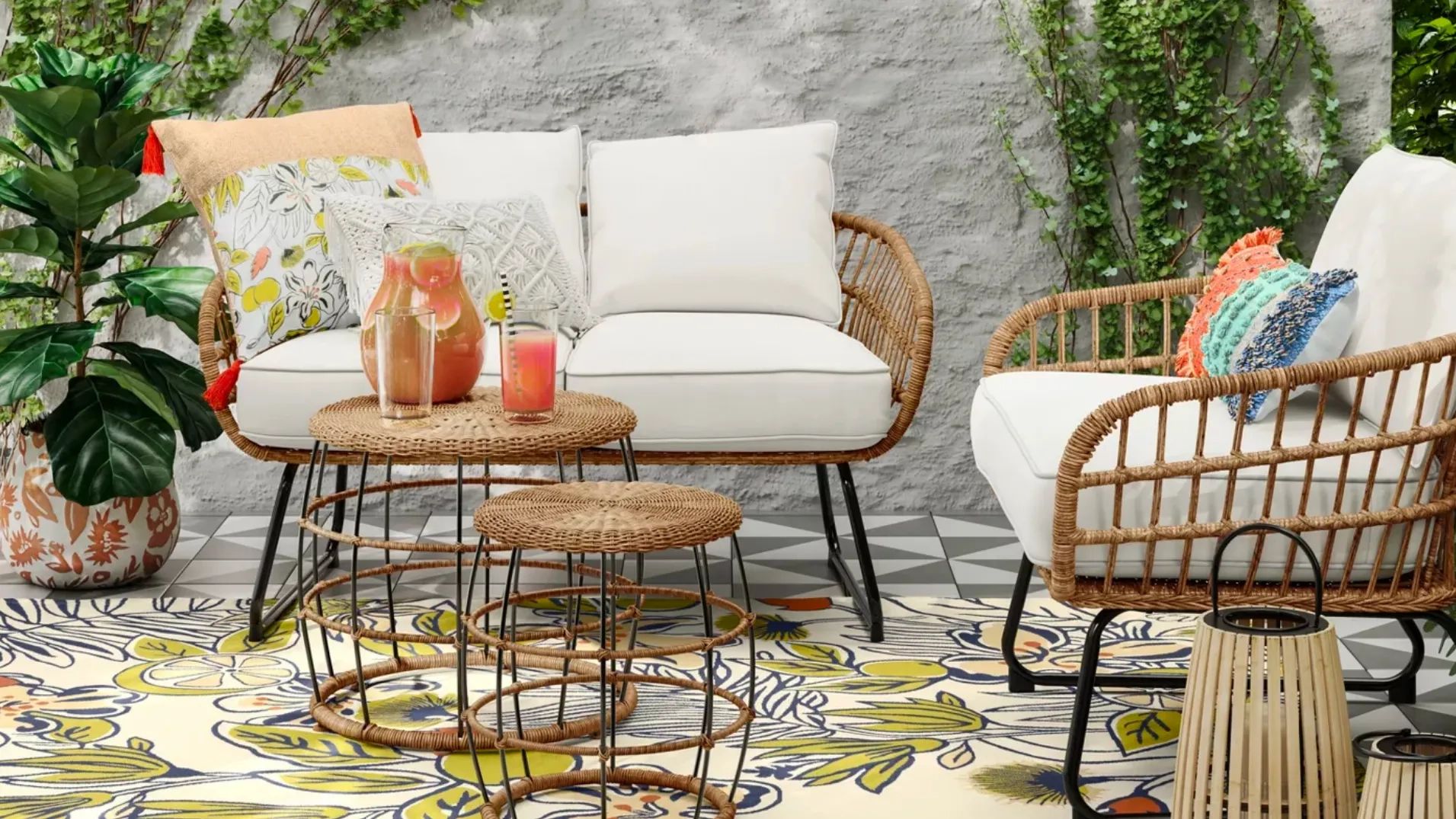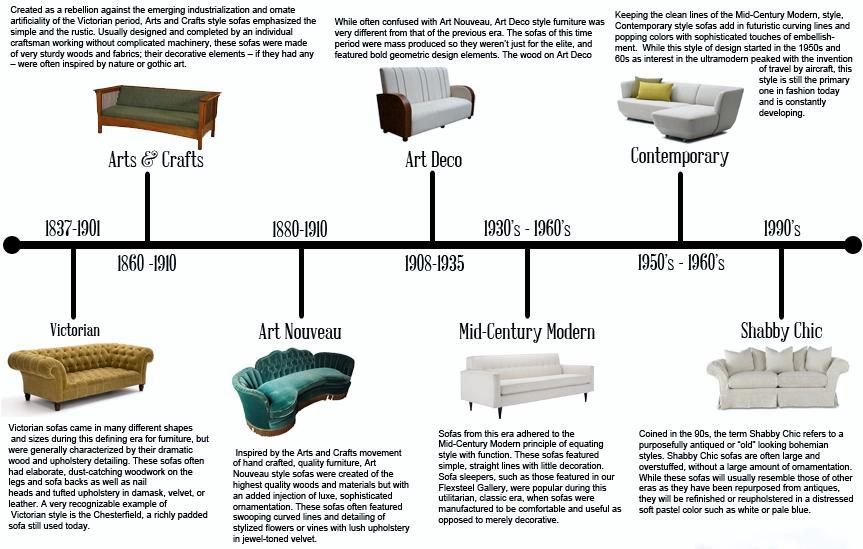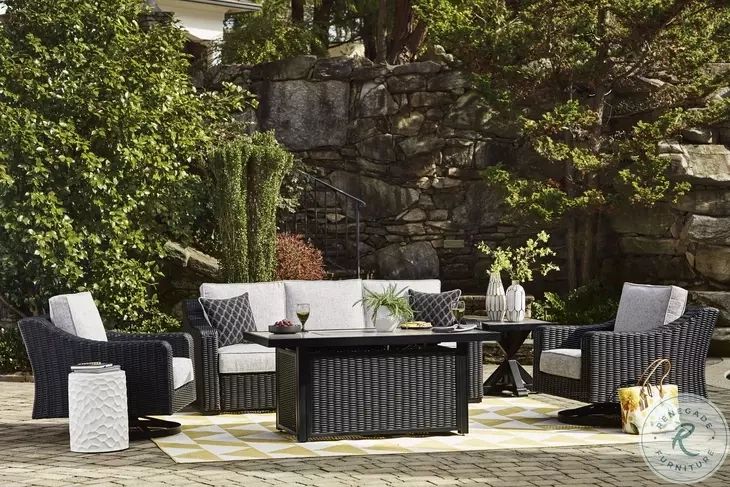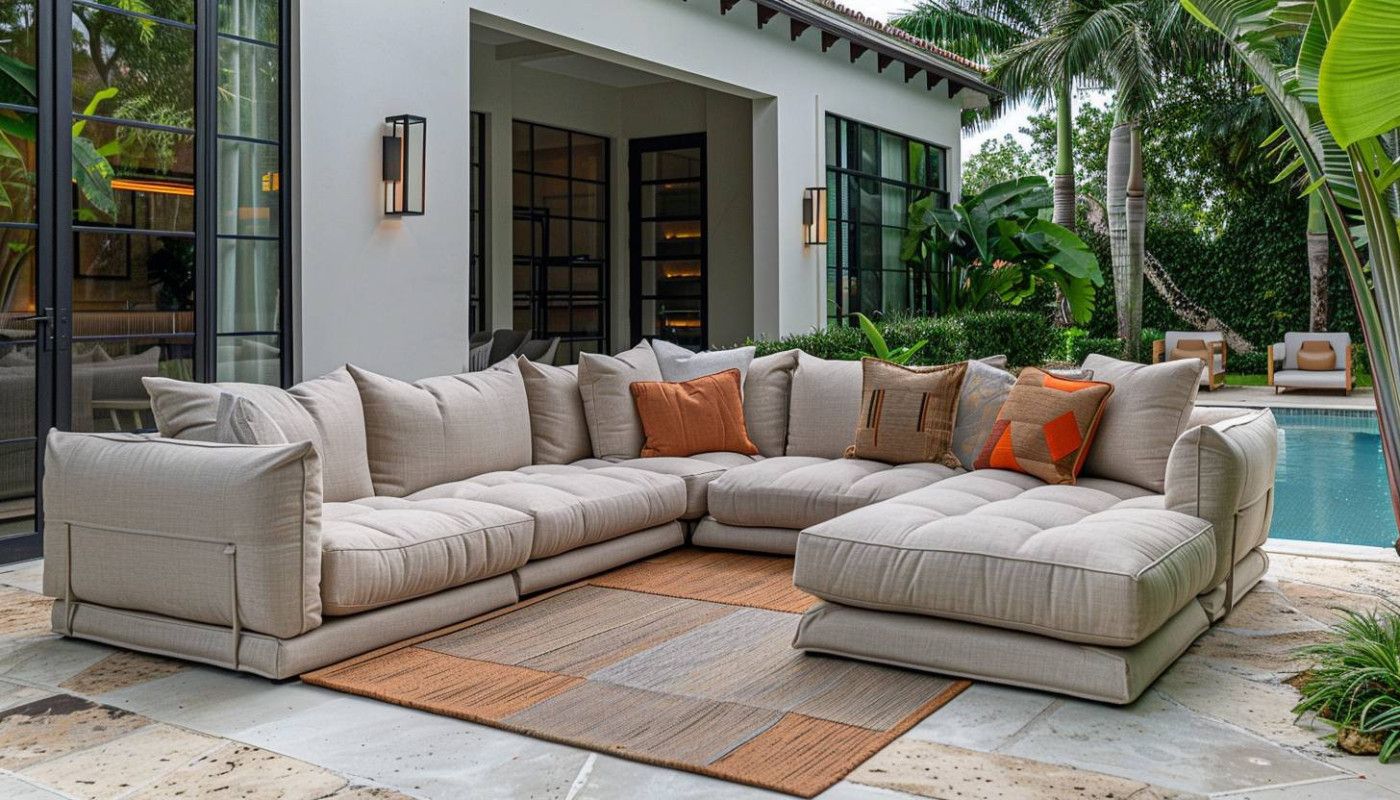
Think back to when your backyard was just a patch of grass with a few wooden chairs. That’s how patio furniture used to be – simple, functional, and often uncomfortable. Today’s outdoor spaces are completely different, filled with stylish seating, smart technology, and creative solutions that blur the lines between indoor and outdoor living.
Patio furniture has undergone quite the transformation over the decades. What started as basic wooden benches and metal chairs has evolved into sophisticated collections that seamlessly blend comfort, style, and functionality. This journey isn’t just about aesthetics though – it’s about how we’ve redefined our relationship with outdoor spaces. From the early days of weathered wood to today’s high-tech materials, each change reflects our growing understanding of what makes outdoor living truly enjoyable.
The Early Days: Simple Beginnings
In the 1950s and 60s, patio furniture was all about getting the job done. Think heavy wooden tables with metal legs, plastic chairs that looked like they’d been designed by someone who’d never seen a tree, and metal sets that rusted within months. These pieces were built for durability over beauty, and honestly, they worked pretty well for their time.
The materials were straightforward – wood was wood, metal was metal, and plastic was plastic. There weren’t many options, and the design philosophy was simple: make something that would last outdoors. You’d find these pieces mostly in backyards, often covered by a tarp during winter months.
What made these early pieces special wasn’t their elegance, but their reliability. People knew they could count on them to hold up against sun, rain, and whatever else nature threw at them. The focus was purely on function, not fashion.
The 70s and 80s: A Splash of Color
The 70s brought a revolution in patio furniture design. Suddenly, colors were everywhere. Bright yellows, electric blues, and bold reds became the norm rather than the exception. This was the era of the "dazzle" – furniture that made a statement.
Plastic really came into its own during this time period. Manufacturers learned how to make it look less like cheap imitation and more like something you’d actually want to spend time in. The result? Plastic furniture that was both affordable and surprisingly comfortable.
Design-wise, there was a move toward more ergonomic shapes. People started thinking about how they’d actually sit in these pieces, rather than just how they’d look. This led to curved backs, better seat heights, and more thoughtful proportions.
One thing that really stood out was the introduction of cushions. No longer were people limited to hard plastic seats. Cushions added a whole new dimension of comfort, making outdoor spaces feel more like extensions of indoor living rooms.
The 90s and Early 2000s: Quality Takes Center Stage
By the 90s, manufacturers had learned that people wanted more than just colorful, cheap furniture. They wanted quality that would last. This era saw a major shift toward materials that could handle the elements without falling apart.
Aluminum became king. It was lightweight, didn’t rust, and looked good doing it. Many companies started using aluminum frames with synthetic fabrics for cushions, creating pieces that were both durable and attractive.
There was also a growing awareness of sustainability. Some manufacturers began using recycled materials, while others focused on creating pieces that could be easily repaired or upgraded rather than thrown away.
This period also introduced the concept of modular furniture. People could now build their outdoor spaces in ways that suited their specific needs. A set of chairs might be rearranged to create different configurations, making the space more flexible and adaptable.
Modern Materials and Technology Integration
Today’s patio furniture represents a true fusion of traditional craftsmanship and cutting-edge technology. We’re seeing materials that were once science fiction becoming everyday reality.
Recycled plastics have evolved dramatically. They now offer the look and feel of natural materials while being completely weatherproof. Some even mimic the appearance of wood grain or stone textures.
Smart technology integration is another game-changer. You’ll find patio sets with built-in USB ports, LED lighting systems, and even Bluetooth speakers. These aren’t just fancy additions – they’re practical solutions that enhance the outdoor experience.
Weather-resistant fabrics have also improved enormously. Sunbrella fabric, for example, offers incredible UV protection while maintaining softness and comfort. It’s no longer necessary to worry about fading or water damage.
The rise of sustainable manufacturing processes has also influenced modern designs. Many companies now focus on circular economy principles, creating furniture that can be recycled or repurposed at the end of its life cycle.
Cove Solutions: Creating Seamless Outdoor Spaces
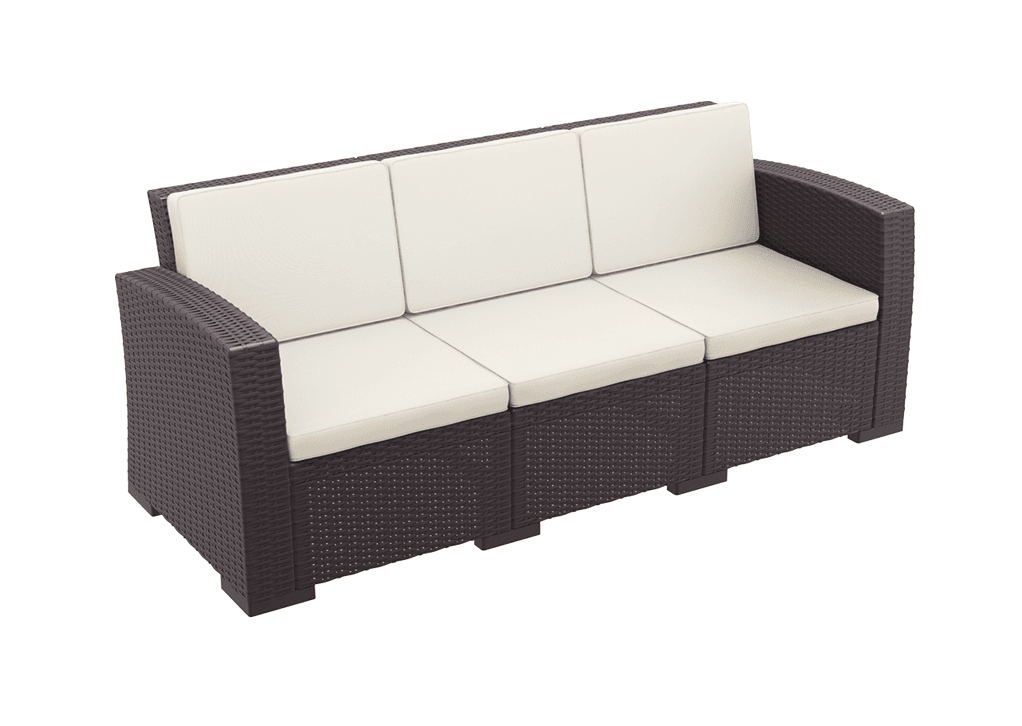
The concept of cove solutions has transformed how we think about outdoor living areas. These aren’t just individual pieces anymore – they’re complete environments designed to work together.
A cove solution might include everything from seating arrangements to storage units, lighting systems, and even temperature control features. The idea is to create cohesive outdoor spaces that feel intentional rather than random.
What makes cove solutions particularly interesting is their adaptability. A single cove system can be configured for different purposes throughout the year. In summer, it might become a relaxing lounge area. During fall, it could transform into a dining space with additional seating and warming elements.
These systems also incorporate practical considerations like drainage, easy cleaning, and maintenance. The goal isn’t just to make things look good, but to make them work well in real-world situations.
Many modern cove solutions also consider accessibility. Whether it’s easier entry points, appropriate seating heights, or features that accommodate different mobility needs, these designs show a deeper understanding of who uses outdoor spaces.
Future Trends and What’s Next
Looking ahead, the evolution of patio furniture continues to accelerate. Sustainability remains a major driving force, with companies exploring new biodegradable materials and manufacturing processes.
There’s also growing interest in modular and customizable designs. People want pieces that can evolve with their changing needs and tastes. This means furniture that can be easily reconfigured, upgraded, or replaced.
Smart home integration will likely continue expanding. Imagine furniture that can adjust automatically based on weather conditions, or that integrates with home automation systems for seamless control.
Another trend is the incorporation of wellness features. Some companies are adding elements like built-in air purification, aromatherapy, or even health monitoring capabilities to outdoor spaces.
The future seems to be heading toward furniture that’s not just beautiful and functional, but also responsive to our changing lifestyles and environmental concerns.
The journey from basic patio furniture to today’s sophisticated outdoor solutions tells us a lot about how we view our homes and our lives. Each era brought its own innovations and priorities, reflecting the values and technologies of the time. What’s most striking is how much more thought and care goes into designing these spaces now. It’s not just about having something to sit on anymore – it’s about creating experiences. Whether it’s through better materials, smarter technology, or more thoughtful design approaches, modern patio furniture shows us how outdoor living can be both comfortable and inspiring. The best part? This evolution isn’t stopping anytime soon. Every season brings new possibilities, new materials, and new ways to enjoy the great outdoors.