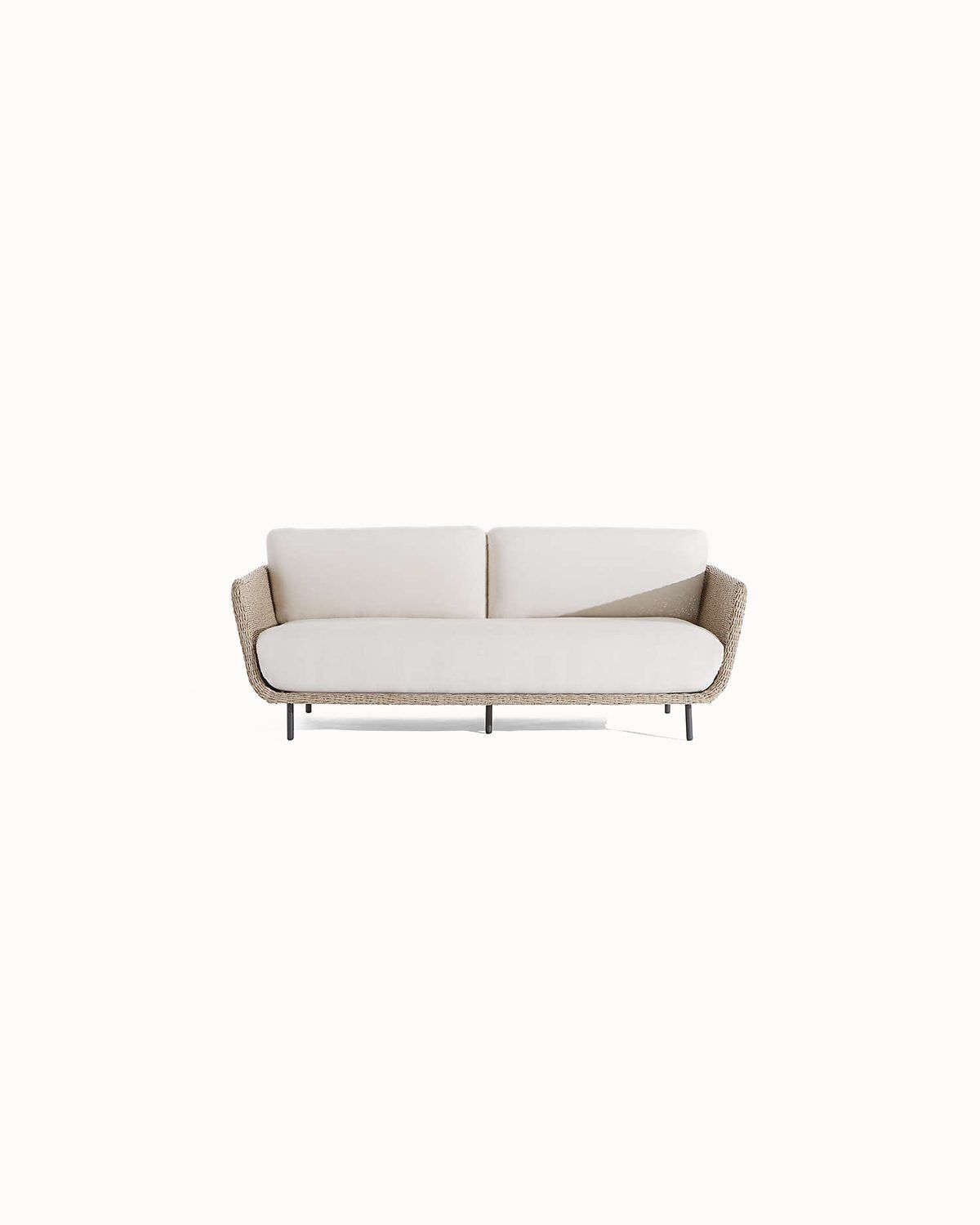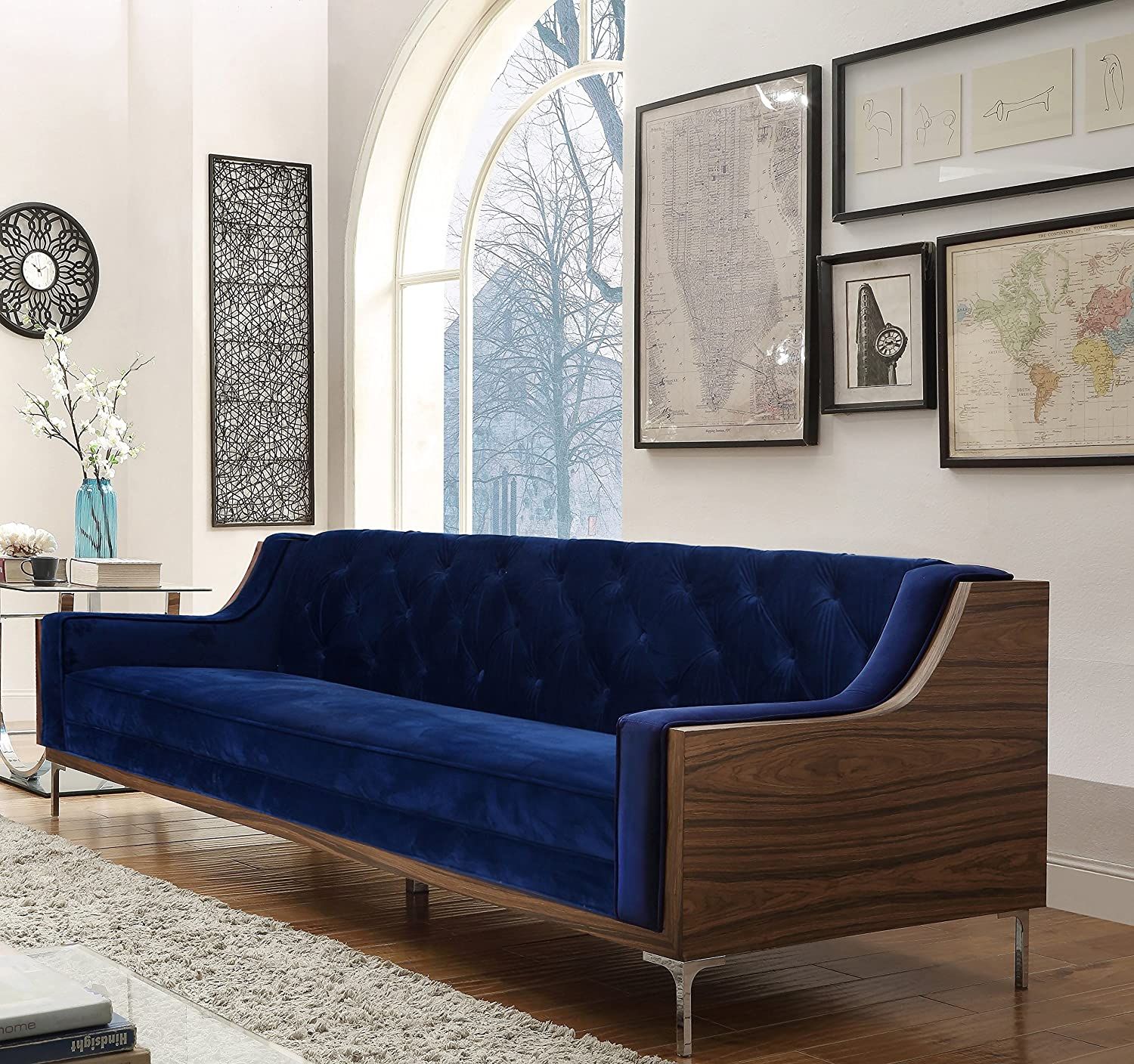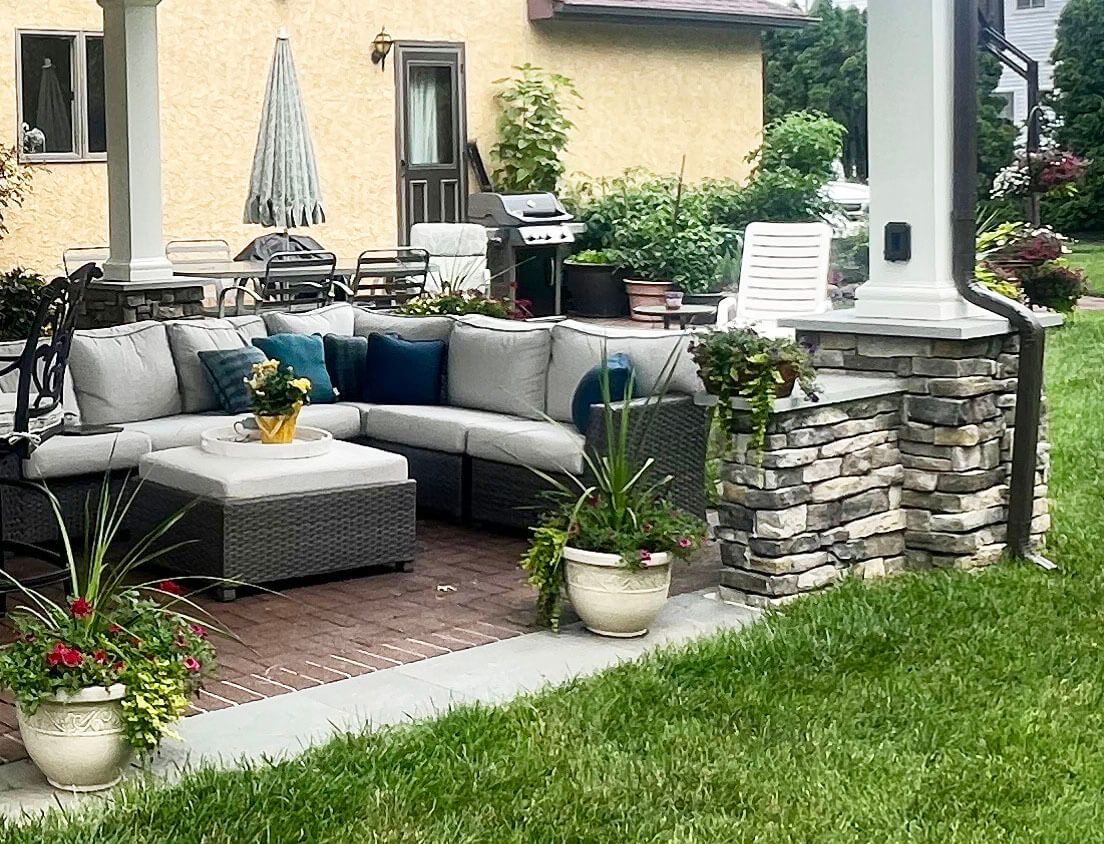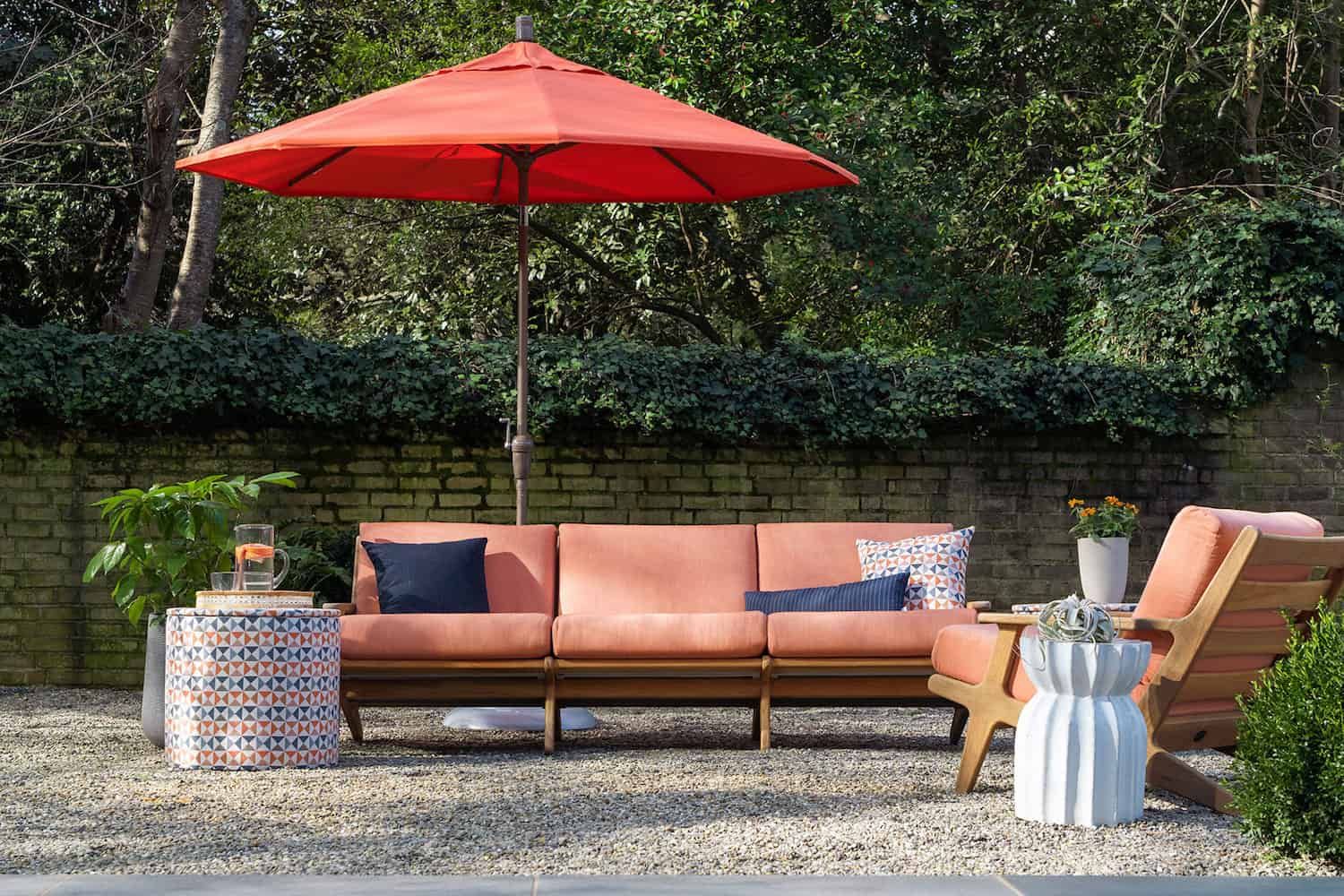
There’s something deeply satisfying about watching a weathered patio set come back to life. It’s not just about fixing things—it’s about honoring the past while building for the future. Whether it’s a classic wooden bench that’s seen decades of summer afternoons or a metal chair that’s been battered by rain and sun, restoration brings out the best in outdoor furniture. This isn’t just about aesthetics, though those are absolutely stunning. It’s about creating spaces that last, that feel lived-in and loved, and that tell stories of generations of enjoyment.
Outdoor furniture often bears the brunt of nature’s elements. Sun, rain, wind, and time all take their toll. But instead of discarding these pieces, many homeowners are discovering the joy of restoration. It’s more than just a budget-friendly solution—it’s a way to preserve memories, reduce waste, and create truly unique outdoor environments. The process of bringing furniture back to life involves understanding materials, techniques, and the careful balance between preservation and renewal. What makes restoration particularly compelling is its ability to transform ordinary outdoor spaces into extraordinary gathering places.
The Visual Appeal of Restored Pieces
Restored outdoor furniture carries a certain charm that mass-produced alternatives simply cannot match. The patina of aged wood tells a story of countless sunrises and evenings. When you restore a piece, you’re not just fixing it—you’re enhancing its character. Consider a teak dining table that’s been stripped and refinished. The rich golden-brown hue that emerges is like a warm embrace. Natural wood grain patterns become more defined, and the overall look gains depth and sophistication.
The aesthetic benefits extend beyond just visual appeal. Restored furniture often features better proportions and craftsmanship than modern alternatives. Many vintage pieces were built to last decades, using techniques and materials that have stood the test of time. A well-restored garden chair might have perfectly balanced curves that make it comfortable to sit in for hours. These details matter because they create spaces that feel intentional rather than random.
Functional Improvements Through Restoration
Restoration isn’t just about looking good—it’s about making pieces work better too. When you properly restore outdoor furniture, you’re often improving its functionality. Loose joints get tightened, worn surfaces get smoothed, and structural issues get addressed. For example, a wooden garden bench that’s been restored might now support more weight than before, thanks to proper reinforcement.
Modern manufacturing often prioritizes speed over durability. Restoration allows you to add improvements that weren’t originally there. You might sand down rough edges, add protective coatings, or even modify pieces to better suit current needs. A chair that was once uncomfortable might become a cozy spot for afternoon reading after restoration. The process reveals hidden potential in furniture that might otherwise be discarded.
Environmental Impact and Sustainability
One of the most compelling reasons to restore outdoor furniture is its environmental benefit. Every piece you restore keeps another item out of a landfill. Consider that furniture production requires significant resources—timber harvesting, metal extraction, energy-intensive manufacturing processes, and transportation. By extending the life of existing furniture, restoration reduces demand for new materials.
The carbon footprint of restoration is minimal compared to buying new. A single wooden chair restoration might save several pounds of CO2 emissions compared to purchasing a new one. Additionally, restoration supports local craftsmanship and traditional skills that are disappearing. When you choose restoration, you’re investing in sustainable practices that benefit the planet and communities. Many restoration experts use eco-friendly products and techniques, further reducing environmental impact.
Cost-Effective Solutions for Outdoor Living
Money talks when it comes to outdoor projects, and restoration offers excellent value. A complete restoration of quality outdoor furniture typically costs less than replacing it entirely. Think about a beautiful wrought iron garden set that’s been rusted and faded. Professional restoration might cost $300-$500, while buying new could easily reach $1,000-$2,000.
The savings compound over time. Restored furniture often lasts longer than new pieces because restoration addresses underlying issues rather than just surface problems. You’re investing in longevity rather than temporary fixes. Additionally, restoration allows for customization. You might choose different stain colors, add cushions, or modify pieces to fit your exact space requirements. This flexibility means you get exactly what you want without overspending.
Preserving Family Heritage and Memories
Many outdoor furniture pieces carry deep emotional significance. Grandparents’ dining sets, family heirlooms passed down through generations, or pieces that were part of special celebrations all have stories to tell. Restoration gives these items new life while preserving their sentimental value.
A grandmother’s wooden rocking chair might be too fragile for daily use, but restoration can make it safe and comfortable again. The wood grain pattern, the slight imperfections, and the overall shape might be unchanged, but the piece becomes usable once more. These restored treasures often become focal points in outdoor spaces, serving as conversation starters and reminders of family history. They create continuity between past and present, linking generations through shared spaces.
Techniques and Materials for Successful Restoration
Successful outdoor furniture restoration requires understanding materials and appropriate techniques. Wood restoration often involves cleaning, sanding, treating, and protecting with suitable finishes. Teak, cedar, and mahogany respond differently to restoration methods, requiring specific approaches.
Metal furniture restoration might include rust removal, repainting, or re-plating. Aluminum is relatively easy to work with, while steel may require more intensive treatment. The key is matching the restoration approach to the material. Using the wrong products or techniques can damage the piece permanently.
Modern restoration also incorporates protective treatments that extend furniture life. UV-resistant coatings, water-repellent treatments, and specialized sealers help outdoor pieces withstand harsh conditions. These treatments don’t hide the natural beauty of the materials—they enhance it while providing protection.
Restoring outdoor furniture is more than a hobby or budget-saving strategy—it’s a way of connecting with the past while creating spaces for the future. The aesthetic benefits are undeniable, with each restored piece carrying unique character and history. Functionally, restoration often improves upon original designs, making furniture more durable and comfortable. Beyond personal satisfaction, it contributes to environmental sustainability and community values. Whether you’re working with family heirlooms or salvaged finds, the process of restoration creates meaningful connections between people and their outdoor spaces. The investment in time and effort pays dividends in beauty, function, and lasting memories. Restoration transforms simple furniture into meaningful artifacts that enhance every outdoor moment.