Imagine stepping outside your home and being greeted by a space designed specifically for entertaining guests, relaxing with family, or simply enjoying the outdoors. This isn’t just a dream – it’s entirely possible with thoughtful planning and smart design choices. Whether you have a sprawling yard or a tiny patio, creating a functional outdoor entertainment area can dramatically improve your quality of life and add significant value to your home.
Outdoor entertainment spaces have become essential elements of modern living. They serve as extensions of our indoor living areas, providing places for socializing, dining, cooking, and unwinding. But designing a space that truly works for your lifestyle requires more than just aesthetics. It demands understanding how people actually use outdoor spaces, what features matter most, and how to balance form with function. The best outdoor entertainment areas aren’t just pretty – they’re thoughtfully planned environments that seamlessly blend comfort, usability, and visual appeal. From the first guest arriving to the last light fading, these spaces should support all your outdoor activities naturally.
Understanding Your Outdoor Lifestyle Needs
Before diving into design decisions, take some time to really think about how you want to use your outdoor space. Do you host regular barbecues? Are you looking for quiet spots to read or relax? Perhaps you need room for children to play or pets to roam freely. Understanding these patterns helps determine the right layout and features for your area. Consider factors like the size of your household, frequency of entertaining, and seasonal usage. For instance, if you entertain frequently during summer months but rarely use the space in winter, you might prioritize features that work well in warm weather while keeping heating options minimal. Some people prefer a single large entertaining area, while others find multiple smaller zones more useful. Ask yourself: What activities bring you joy outdoors? What do you wish your current outdoor space could do better? These answers will guide your design choices and ensure your investment creates real value in your daily life.
Essential Zones for Maximum Functionality
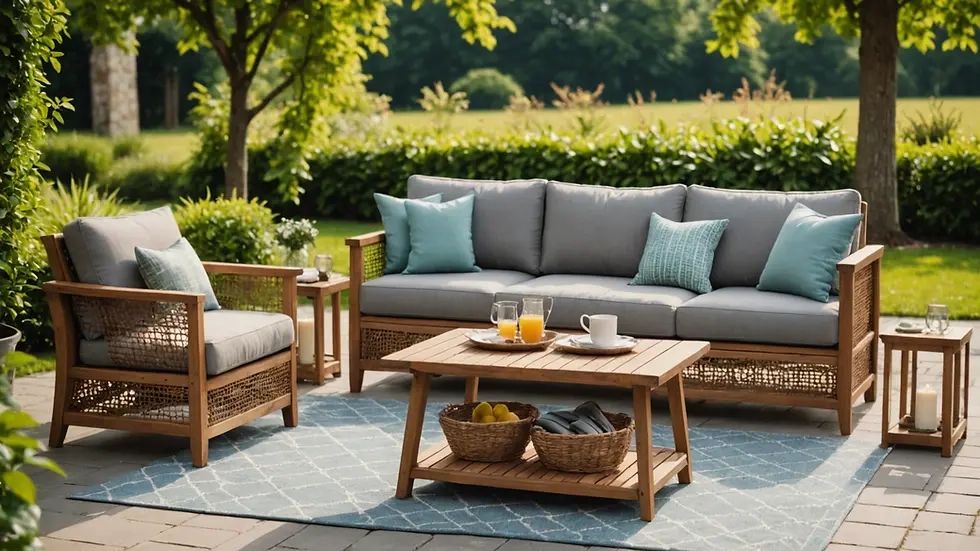
A well-designed outdoor entertainment area typically includes several distinct zones, each serving a specific purpose. The dining zone provides a place for meals and casual gatherings. Think about whether you want a formal dining setup with chairs around a table or a more relaxed arrangement with benches and informal seating. The cooking area needs proper ventilation and easy access to utilities. This might be a built-in grill station or a portable setup depending on your preferences and space constraints. A relaxation zone offers comfortable seating for unwinding or watching the evening sky. This could include lounge chairs, a sectional sofa, or even a fire pit area. Finally, consider a play area if children are part of your outdoor equation. Each zone should feel distinct yet connected to create a cohesive experience. The key is ensuring there’s enough space between zones so people can move comfortably without bumping into each other. When you have multiple zones, you can easily switch between different activities without having to relocate furniture or change setups constantly.
Practical Layout Planning Strategies
Layout matters more than many people realize when creating outdoor entertainment spaces. Start by mapping out your existing space and identifying natural boundaries like walls, trees, or pathways. These elements can define zones and provide structure to your design. Consider traffic flow – where will people move when they enter the space? How will they navigate between different areas? You don’t want people walking through your dining area to get to the bathroom. Think about privacy too. If your neighbors are close by, consider using screens, hedges, or architectural elements to create a sense of separation. Also, remember that outdoor spaces often require more planning for weather protection. A covered area or pergola can extend your usable space through various weather conditions. For example, a pergola with retractable sides allows you to enjoy the outdoors year-round while still feeling connected to nature. Many successful outdoor entertainment areas incorporate multi-functional elements like storage under seating or built-in benches that double as storage solutions.
Choosing the Right Materials and Furniture
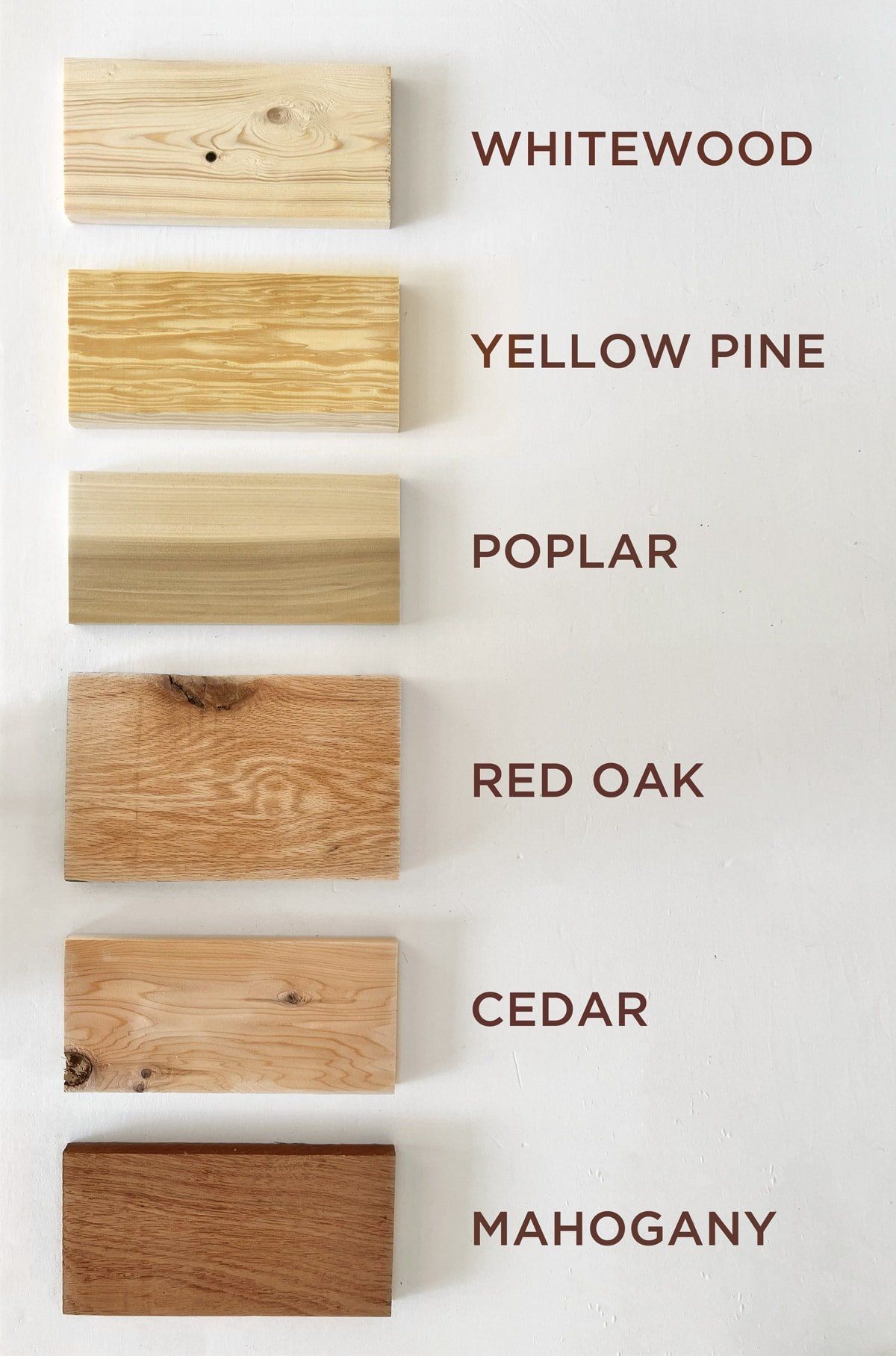
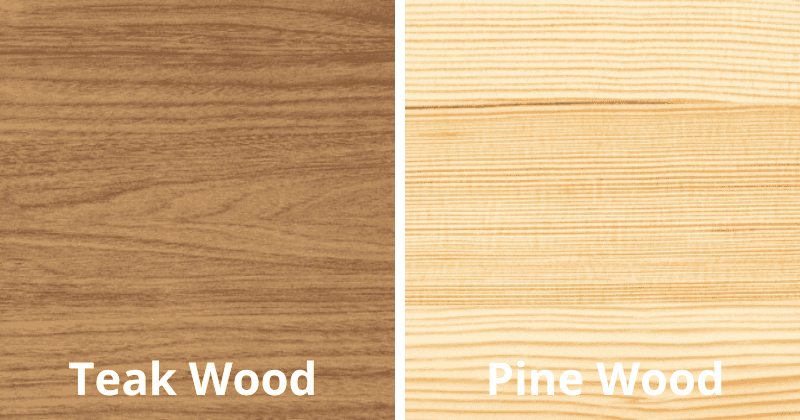
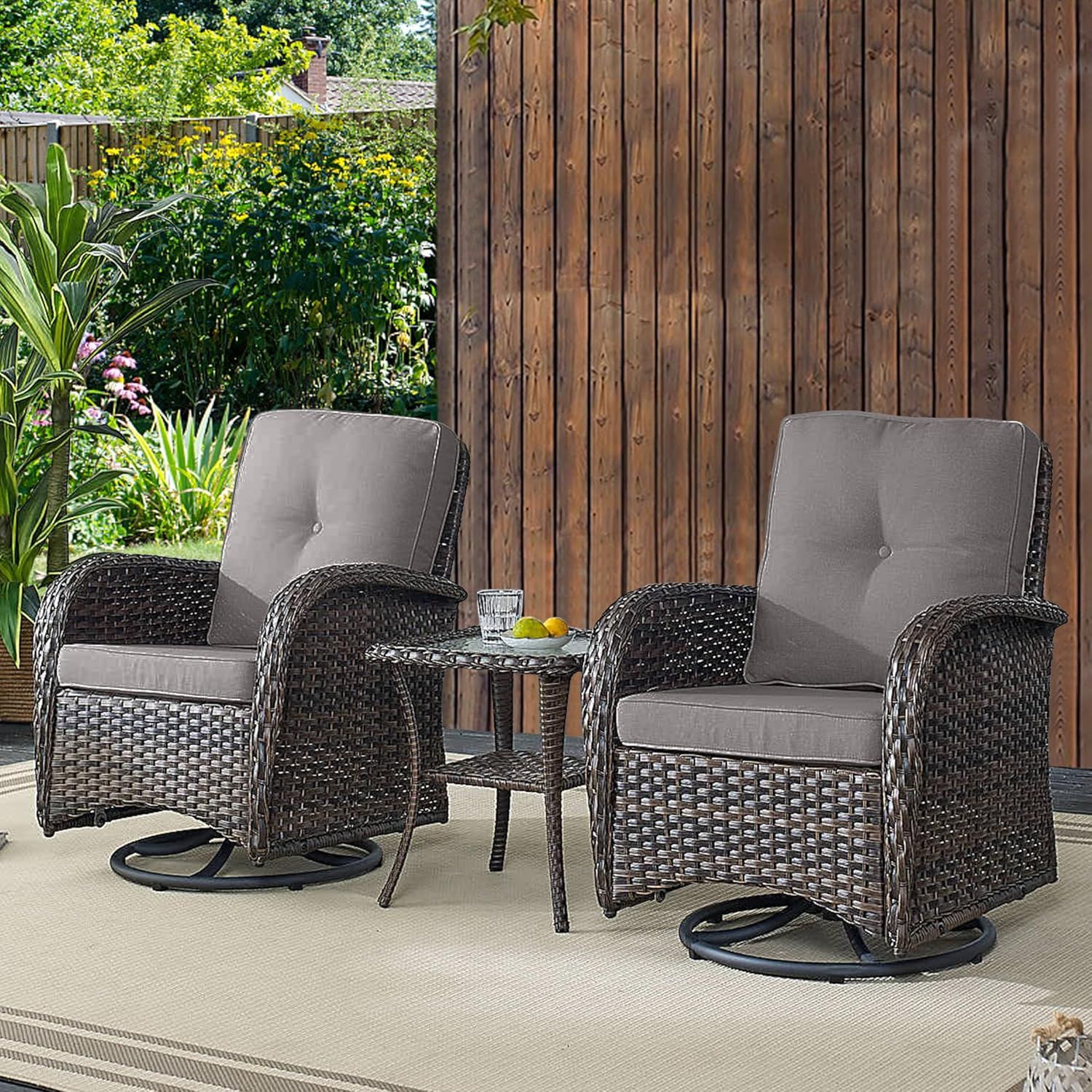
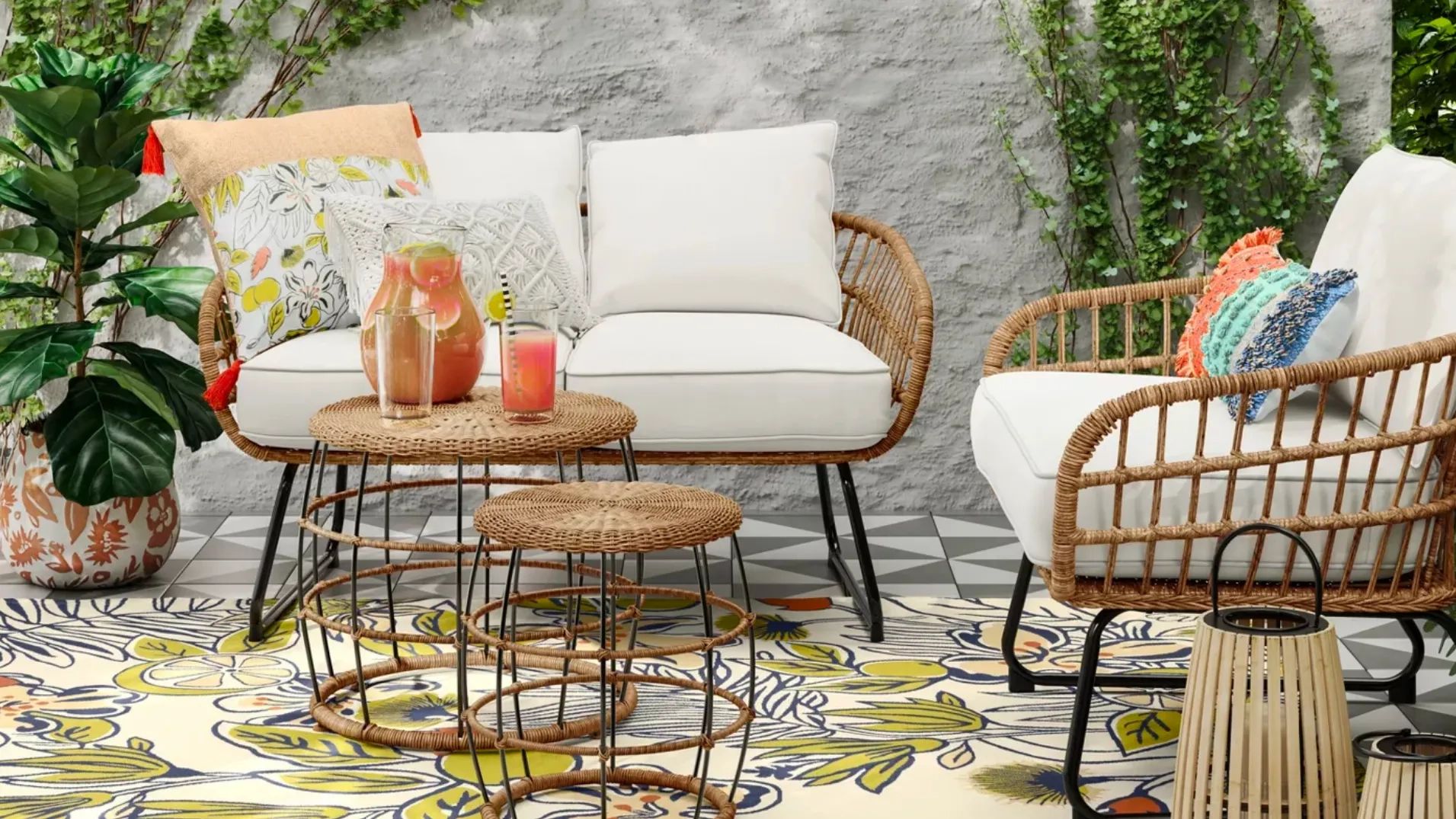
The materials you select for your outdoor entertainment area significantly impact both durability and appearance. Weather-resistant materials like teak, aluminum, or synthetic wicker handle moisture and temperature changes better than traditional indoor materials. For seating, look for cushions that can withstand sun exposure and rain. Many people overlook the importance of slip-resistant surfaces for decks and patios. These safety considerations become especially important when entertaining guests. Don’t forget about lighting – it’s crucial for both safety and atmosphere. String lights, lanterns, or recessed lighting can transform your space from day to night. Furniture should be both comfortable and practical. Consider modular pieces that can be rearranged as needed rather than fixed installations. For example, a modular sectional sofa allows you to adjust seating arrangements based on the number of guests or type of gathering. The right combination of materials and furniture creates a space that feels both luxurious and lived-in.
Lighting That Sets the Mood
Proper lighting makes or breaks an outdoor entertainment area. It goes beyond simple illumination – it creates ambiance and defines different zones within your space. Layer your lighting with ambient, task, and accent elements. Ambient lighting provides general illumination for the entire area. This might be overhead fixtures or wall-mounted lights that cast soft light across the space. Task lighting focuses on specific activities like cooking or reading. Under-cabinet lights above a prep area or reading nooks provide targeted illumination. Accent lighting highlights architectural features or plants to create visual interest. For example, pathway lighting can guide guests safely around your space, while spotlights can draw attention to a beautiful tree or garden feature. Consider dimmer switches to allow flexibility in lighting levels throughout the day and evening. Smart lighting systems that can be controlled via smartphone apps offer convenience and energy savings. Don’t forget about safety – adequate lighting prevents accidents, especially important when guests are moving around after dark. The right lighting scheme transforms your outdoor space from merely functional to truly magical.
Seasonal Considerations and Year-Round Usability
Creating an outdoor entertainment area that works throughout the year requires strategic thinking about climate and weather patterns. In warmer climates, focus on shade solutions like umbrellas, canopies, or permanent structures with retractable covers. These protect against harsh sun while maintaining the open-air feel. For colder regions, consider heating options like fire pits, outdoor fireplaces, or even heated concrete. The key is ensuring that your space remains comfortable and usable regardless of the season. Storage solutions become critical for maintaining year-round functionality. Covering outdoor furniture when not in use protects it from weather damage and extends its lifespan. Many people invest in storage sheds or covered areas specifically for outdoor equipment. Planning for seasonal changes means thinking about what happens when weather turns cold or hot. Can your space accommodate a small heater or cooling system? Will you need to move furniture or reconfigure areas based on seasonal use? Successful outdoor entertainment areas account for these variables and plan ahead for flexibility.
Designing a functional outdoor entertainment area is both an art and a science. It requires understanding your personal needs, planning thoughtfully, and choosing materials and features that will stand the test of time. The key is balancing aesthetics with practicality, ensuring that every element serves a purpose while contributing to the overall experience. Remember that the best outdoor spaces evolve over time – they adapt to your changing needs and preferences. Don’t feel pressured to complete everything at once. Start with the basics and add features gradually as you see what works best for your lifestyle. The most important thing is creating a space that brings joy and enhances your daily routine. Whether you’re hosting elaborate parties or simply enjoying quiet moments outdoors, your investment in thoughtful outdoor design pays dividends in comfort, connection, and quality of life. With careful planning and attention to detail, your backyard can become the heart of your home’s social life and a place where memories are made.