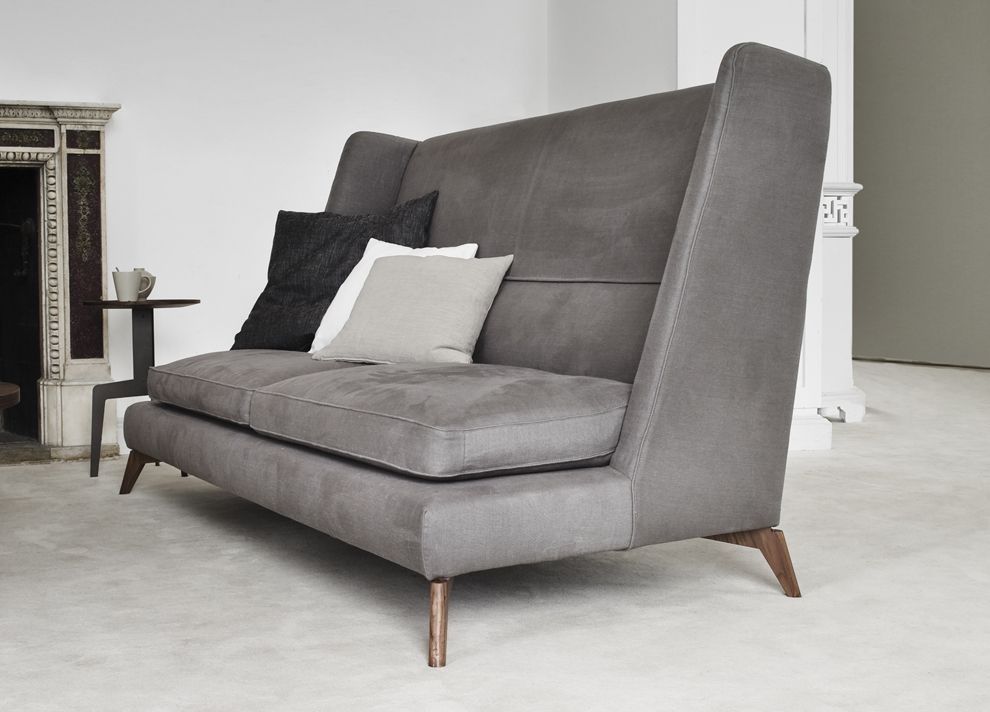
Every great piece of furniture tells a story. For Manor’s ultra high back sofas, that story begins with skilled artisans who’ve perfected their craft over generations. These aren’t just sitting spaces – they’re statements of quality, designed to last decades while providing unparalleled comfort.
When you think of luxury seating, the Manor ultra high back sofa probably comes to mind. But what truly sets these pieces apart isn’t just their impressive height or elegant design. It’s the centuries-old techniques passed down through generations of craftspeople. These aren’t mass-produced items meant to be replaced after a few years. They’re heirloom-quality furniture built to stand the test of time. Every stitch, every curve, and every carefully selected material reflects dedication to excellence that’s becoming increasingly rare in our fast-paced world. What makes these sofas special goes far beyond aesthetics – it’s about understanding how traditional craftsmanship can create modern comfort.
The Foundation of Quality
Building a superior sofa starts long before any fabric touches the frame. The foundation relies heavily on wood selection and construction techniques that have remained largely unchanged for centuries. Master craftsmen choose hardwoods like oak, ash, or maple because of their strength and ability to hold shape over time. These woods don’t warp or bend like softer alternatives, ensuring that the sofa maintains its structure even after years of daily use. The joints between pieces must be strong enough to support weight and movement without loosening. Traditional mortise and tenon joints, where one piece fits precisely into another, create connections that are stronger than glue alone. Some artisans still use hand-carved joinery methods that take hours to complete properly. This attention to foundational elements means that a well-made Manor sofa can support hundreds of pounds of weight without creaking or sagging.
The Cushioning Process
What happens inside a sofa matters just as much as what you see on the outside. The padding system determines whether you’ll enjoy comfort for years or feel disappointment within months. High-end Manor sofas often feature multiple layers of materials working together. First comes the foundation layer, typically made from high-density foam or specialized spring systems. This base provides the core support that keeps the sofa from collapsing under pressure. Next, there’s a layer of down or synthetic fill that adds softness and resilience. Some manufacturers use premium goose down for its exceptional comfort and durability. The final layer might include memory foam or latex that contours to your body shape. All these materials work together to provide both immediate comfort and long-term support. When done correctly, each cushion maintains its shape and feels plush for years. The secret lies in using the right combination of materials rather than simply adding more padding.
Fabric Selection and Treatment
The outer layer of a sofa might seem simple, but choosing the right fabric involves careful consideration of many factors. Not all materials are created equal when it comes to durability and appearance. Natural fibers like wool and linen offer breathability and a luxurious feel, but they require more maintenance. Synthetic options provide easier cleaning and resistance to wear, though they might lack some of the visual appeal of natural materials. Manor artisans consider how the fabric will age over time, choosing colors and textures that won’t fade quickly or show stains easily. Many high-end pieces use specialized treatments that protect against spills and UV damage. The weave pattern also affects performance – tighter weaves tend to be more durable and less likely to snag. Some fabrics undergo multiple treatments to enhance their properties, including water resistance and stain protection. These processes add to the overall cost but ensure the sofa looks good for decades.
Hand Stitching and Finishing Details
Perhaps nowhere is artisanal skill more visible than in the finishing touches. Hand-stitching isn’t just decorative – it serves important structural purposes. When a craftsman manually sews the upholstery, they can ensure consistent tension and placement that machine stitching cannot match. The stitches become part of the sofa’s integrity, helping hold everything together. Each stitch represents deliberate care and attention to detail that’s impossible to replicate with automated processes. Some artisans use traditional hand-sewing techniques passed down through generations. The knots and patterns used vary by region and tradition, creating unique characteristics that distinguish each piece. Finishing touches include carefully applied trim, hand-painted details, or custom embroidery that adds personality to each sofa. These elements might seem small, but they contribute significantly to the overall quality and uniqueness of the final product.
Quality Control and Testing
Even the most skilled craftsman needs reliable ways to measure success. Modern manufacturers incorporate various testing procedures to verify their work meets standards. Weight tests ensure the sofa can handle expected loads without failure. Flexibility tests check that cushions maintain proper shape and support. Durability tests simulate years of normal use to predict long-term performance. Some companies even conduct stress tests on individual components to identify potential weak points. These checks happen at multiple stages during production. Initial inspections catch obvious problems early, while final inspections ensure everything meets requirements. Customer feedback also plays a role in ongoing improvements. Many manufacturers track how their products perform in real-world conditions to refine future designs. This commitment to quality control helps ensure that each piece delivered to customers meets expectations for both appearance and function.
The Human Element in Production
What really separates artisanal furniture from mass-produced alternatives is the human touch throughout the entire process. A skilled craftsman doesn’t just follow instructions – they use their experience and intuition to make decisions that improve the final result. When someone has worked with wood for decades, they know exactly how it will react to different conditions. They can sense when something isn’t quite right and make adjustments before problems develop. This kind of knowledge can’t be taught through manuals or computer programs. It comes from years of hands-on experience and observation. Each artisan brings their own perspective to the work, contributing subtle variations that make every piece unique. The collaborative nature of the process means that workers often share knowledge and techniques with each other. This creates a community of skilled professionals dedicated to maintaining high standards. When you purchase a Manor sofa, you’re investing in the expertise and passion of these individuals.
The craftsmanship behind Manor ultra high back sofas represents more than just furniture-making – it embodies a philosophy of quality that’s increasingly rare in our disposable culture. Every aspect of these pieces reflects careful consideration and skilled execution that spans generations of expertise. From selecting the right wood to hand-stitching the final details, each step contributes to a product that’s meant to be treasured for years to come. While these sofas may cost more upfront, their longevity and superior construction often make them better investments than cheaper alternatives that need replacing regularly. The beauty of artisanal craftsmanship lies not just in the finished product, but in the story of dedication and skill that went into creating it. When you sit on a Manor sofa, you’re experiencing the results of centuries-old techniques refined by passionate craftspeople who understand that true quality takes time to achieve.