When you think about outdoor living spaces, the last thing you want is furniture that breaks down after a few seasons. You deserve pieces that can handle everything from scorching sun to sudden rainstorms. But what makes some furniture truly weatherproof while others fade away? It’s not just about looking good—it’s about understanding how materials behave under pressure.
Outdoor furniture faces a daily battle with nature. Sunlight, moisture, temperature changes, and even insects all take their toll. The right materials can make the difference between a few months of enjoyment and decades of reliable use. This guide explores the science behind material choices and how they affect furniture longevity. Whether you’re buying new pieces or trying to extend the life of existing ones, this knowledge will help you make better decisions. Think of it as a conversation with someone who’s seen countless patio sets through their lifecycle.
The Basics of Material Science
Materials used in outdoor furniture aren’t just random choices—they’re carefully selected based on their chemical and physical properties. Some materials naturally resist water damage, UV rays, and temperature fluctuations better than others. When we talk about durability, we’re really talking about how well these materials hold up under stress over time. For instance, teak wood contains natural oils that repel water and prevent rotting. These oils act like a protective shield, making it one of the most popular choices for outdoor furniture. On the other hand, materials like aluminum don’t rust easily because they form a thin oxide layer when exposed to air and water. This barrier prevents further corrosion, which is why you’ll often see aluminum used in high-end outdoor dining sets.
Wood vs. Synthetic Alternatives
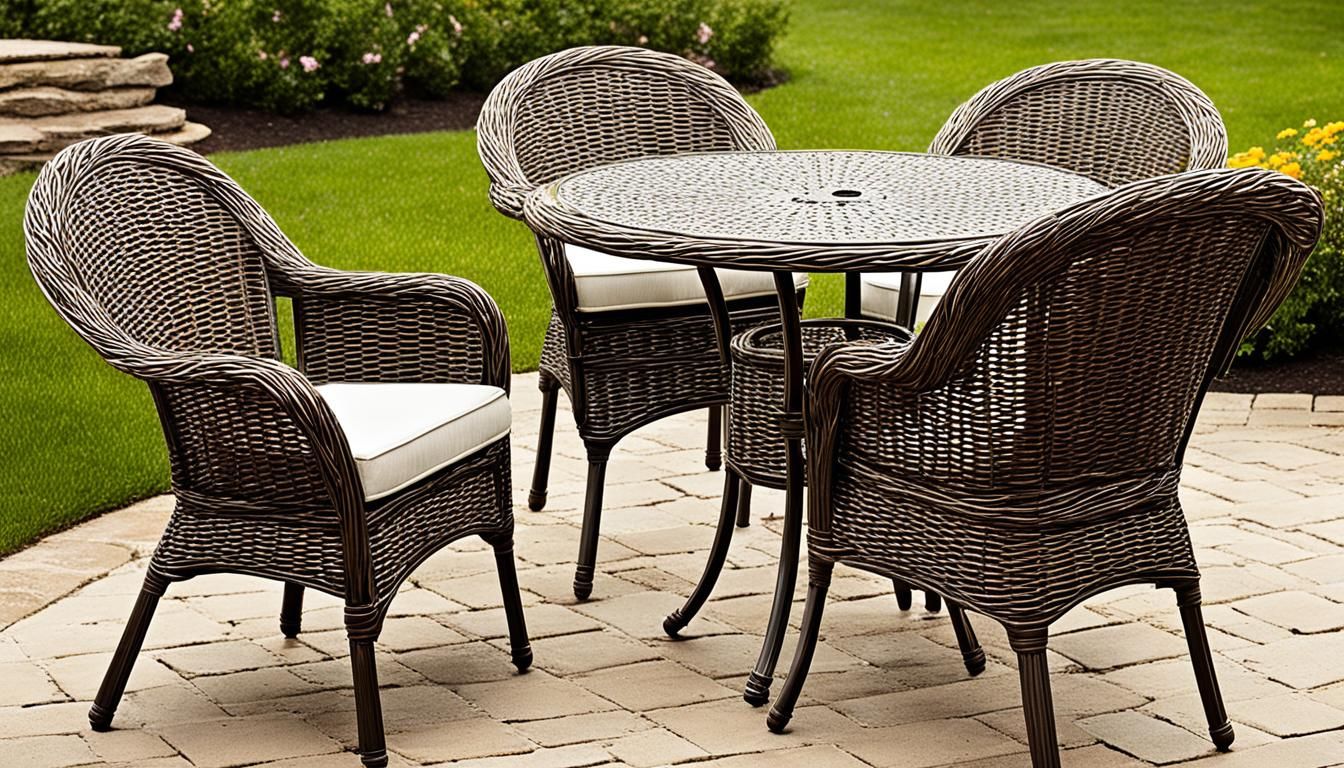
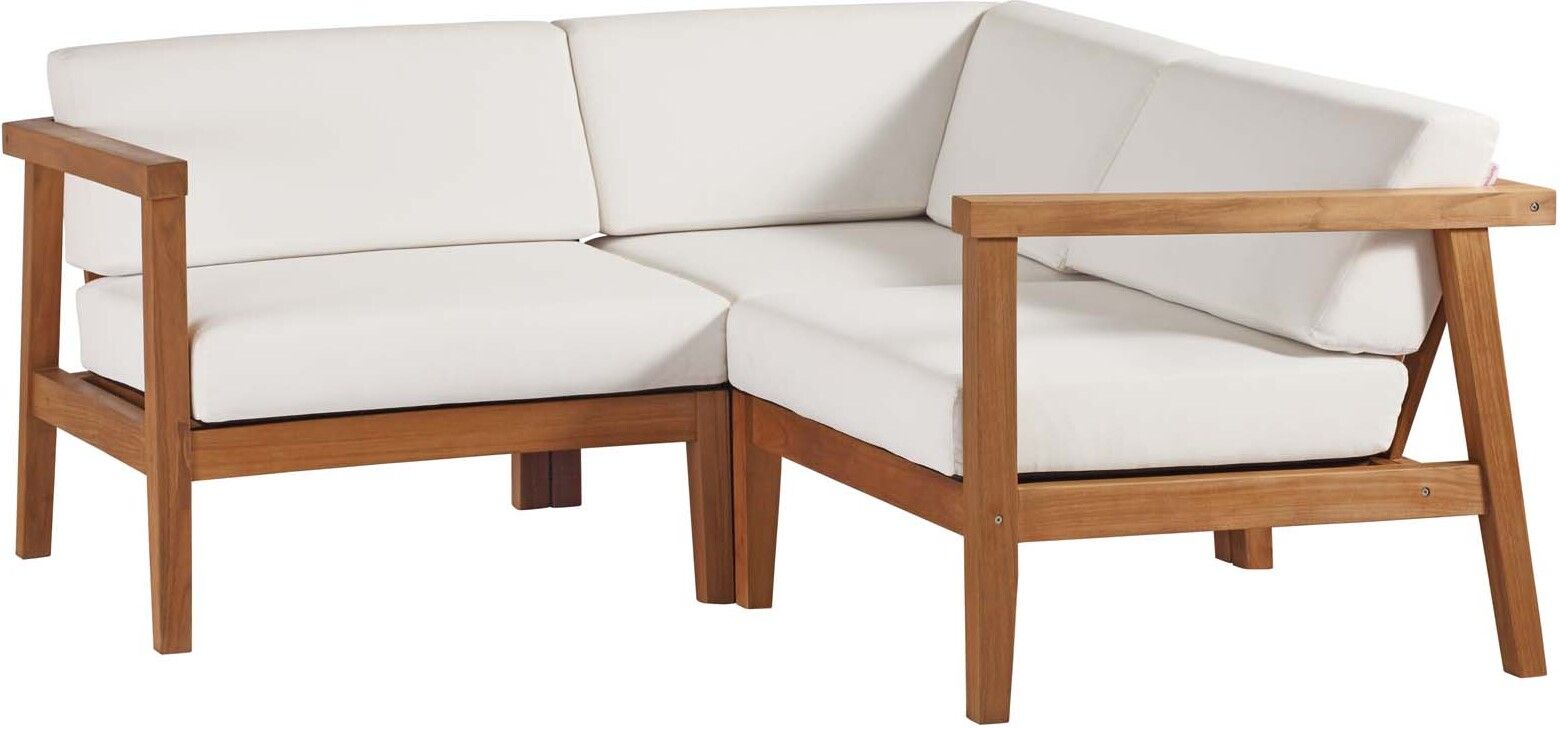
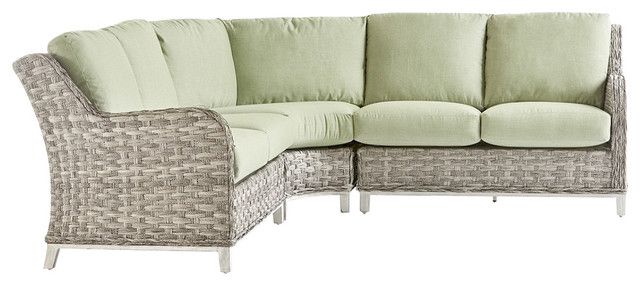
Wood remains a favorite for its natural beauty and warmth. However, not all woods are created equal when it comes to weather resistance. Teak, cedar, and redwood have natural properties that make them excellent choices. Cedar contains aromatic oils that repel insects and resist decay. Redwood has similar qualities but offers a reddish hue that many find appealing. Yet even these durable woods need maintenance—regular cleaning and treating with protective coatings helps preserve their appearance and strength. Synthetic alternatives like polyethylene and polypropylene offer different advantages. They won’t splinter, won’t absorb water, and require minimal upkeep. These materials are especially popular for children’s furniture because they’re safer and easier to clean. Many synthetic options now mimic the look and feel of real wood while providing superior protection against the elements.
Metal Considerations
Metal furniture presents unique challenges and opportunities. Aluminum is often the go-to choice because it’s lightweight, strong, and resistant to rust. When properly treated, aluminum can last for decades. Stainless steel adds extra strength and durability, though it may be heavier and more expensive. Steel with protective coatings can also work well if you’re willing to invest in quality finishes. Iron and wrought iron, while beautiful, require more care. They’re prone to rust and need regular maintenance to keep them looking good. Many modern metal pieces use powder coating or other protective treatments to extend their lifespan. The key is choosing the right metal for your environment and lifestyle. If you live in a humid climate, you’ll want to pay extra attention to rust prevention.
Plastic and Composite Materials
Plastic furniture has evolved dramatically over the past few decades. Early versions were flimsy and unattractive, but today’s plastic options are surprisingly robust. High-density polyethylene (HDPE) is particularly noteworthy because it’s virtually waterproof and doesn’t break down under UV exposure. Many manufacturers now blend recycled plastic with wood fibers to create composite materials that look like natural wood but perform much better outdoors. These composites combine the best of both worlds—durability and aesthetics. They won’t warp, crack, or fade easily, and they’re easy to clean. Some composite materials even come with warranties that last for years. The secret lies in proper formulation and manufacturing processes. Quality plastics and composites will stand up to extreme weather conditions without compromising safety or appearance.
UV Resistance and Color Fastness
Sun exposure is one of the biggest enemies of outdoor furniture. UV rays can cause fading, brittleness, and structural weakening. Materials that resist UV damage typically contain additives or have natural properties that protect against radiation. For example, some synthetic materials incorporate UV stabilizers during production. These additives help maintain color vibrancy and prevent material degradation. Colorfast fabrics and finishes are equally important. A bright blue cushion might look fantastic initially, but without proper UV protection, it could turn gray within months. Manufacturers often test materials using accelerated aging methods to predict how they’ll perform over time. This testing helps ensure that products maintain their appearance and functionality through years of exposure to sunlight.
Maintenance and Care Practices
Even the most durable materials benefit from proper care and maintenance. Regular cleaning removes dirt, debris, and moisture that can cause problems over time. For wooden furniture, periodic treatment with appropriate oils or sealers helps maintain protection. Metal pieces should be inspected regularly for signs of wear or damage. Plastic and composite items generally require less attention but still benefit from routine cleaning. Storage solutions matter too—covering furniture during harsh weather or storing it indoors when possible extends lifespan significantly. The investment in maintenance pays off in the form of longer-lasting furniture and better return on your purchase. Simple steps like wiping down surfaces after use or applying protective treatments periodically can make all the difference.
Choosing weather-resistant furniture is ultimately about finding the right balance between aesthetics, performance, and budget. Each material brings its own strengths and weaknesses to the table. Understanding these characteristics helps you make informed decisions that align with your lifestyle and expectations. Whether you prefer the timeless appeal of wood, the low-maintenance benefits of synthetic materials, or the strength of metals, there are options available that can meet your needs. The key is knowing what to look for and how to care for your investment. With proper selection and maintenance, your outdoor furniture can provide years of enjoyment regardless of changing weather conditions. Remember, the best furniture isn’t just about looks—it’s about lasting value that stands up to whatever Mother Nature throws at it.