Have you ever wondered why some things just feel right? Why certain designs make us smile while others leave us cold? It’s not just about looking pretty – it’s about finding that perfect moment when form and function dance together. This isn’t some fancy philosophy. This is about making choices that serve us well while keeping our lives beautiful.
Think about your favorite chair, the one that makes you want to sit down and stay forever. Or maybe it’s the kitchen gadget that makes cooking feel like a joy instead of a chore. What makes these items special isn’t just their appearance, though that matters. It’s how they work with you, not against you. We all want things that look good AND work well. But how do we actually achieve this magic balance? It turns out, it’s more about intention than luck. It’s about understanding that style and function aren’t enemies – they’re partners in crime. When they’re properly aligned, everything feels better. Everything works better. And honestly, that’s something worth pursuing.
Understanding the Core Conflict
Let’s face it – style and function often seem to pull in opposite directions. When you’re designing something, you might be tempted to focus purely on looks. You know, the flashy colors, the cool shapes, the eye-catching details. But if it doesn’t work well, it’s just pretty decoration. On the flip side, if you’re only thinking about function, you might end up with something that’s perfectly useful but completely boring. The challenge lies in recognizing that these two elements aren’t competing against each other. They’re meant to support each other. The best solutions happen when designers and creators think about both simultaneously. For example, consider a modern office chair. It needs to provide comfort and support for long hours of work, but it also needs to fit into the aesthetic of the space. The solution? A chair that’s both ergonomic and stylish. No compromise required. That’s the beauty of true mastery – finding ways to have it all.
Real-World Examples That Work
Let’s take a quick tour through some everyday items that get this balance right. Take smartphones, for instance. They’re sleek and attractive, but they also need to be functional. The iPhone is a great example of how form follows function. Its minimalist design isn’t just about looking good – it’s about making the device intuitive to use. The buttons are placed where they make sense, the screen size is practical, and the interface flows naturally. Another example is the humble coffee mug. Sure, it’s a simple object, but a great one will have a handle that fits comfortably in your hand, a shape that keeps your drink at the right temperature, and a design that makes you want to drink from it. Think about the difference between a plain ceramic mug and a well-designed one. The latter might cost a bit more, but it’s worth every penny because it enhances your daily routine. Even something as basic as a pair of jeans shows this balance. They’re designed to be comfortable and durable, but they also need to look good enough to wear anywhere. The best jeans have a cut that flatters different body types while maintaining their practicality.
The Psychology Behind the Appeal
There’s science behind why we love things that are both beautiful and useful. Our brains are wired to respond positively to objects that solve problems while pleasing our senses. When we encounter something that works well and looks good, it creates a positive feedback loop. We feel satisfied, confident, and even a little proud. This psychological connection explains why people spend more money on products that combine style and function. They’re not just buying an item – they’re investing in a better experience. Studies show that people who surround themselves with well-designed, functional items report higher levels of happiness and productivity. It’s like having a supportive team member in your daily life. That team member is always there, helping you succeed while making everything look amazing. The psychology works both ways too. When something is purely functional, it can feel cold or mechanical. When it’s purely aesthetic, it can feel empty or superficial. The sweet spot is where both elements work together to create something that feels alive.
Practical Tips for Everyday Application
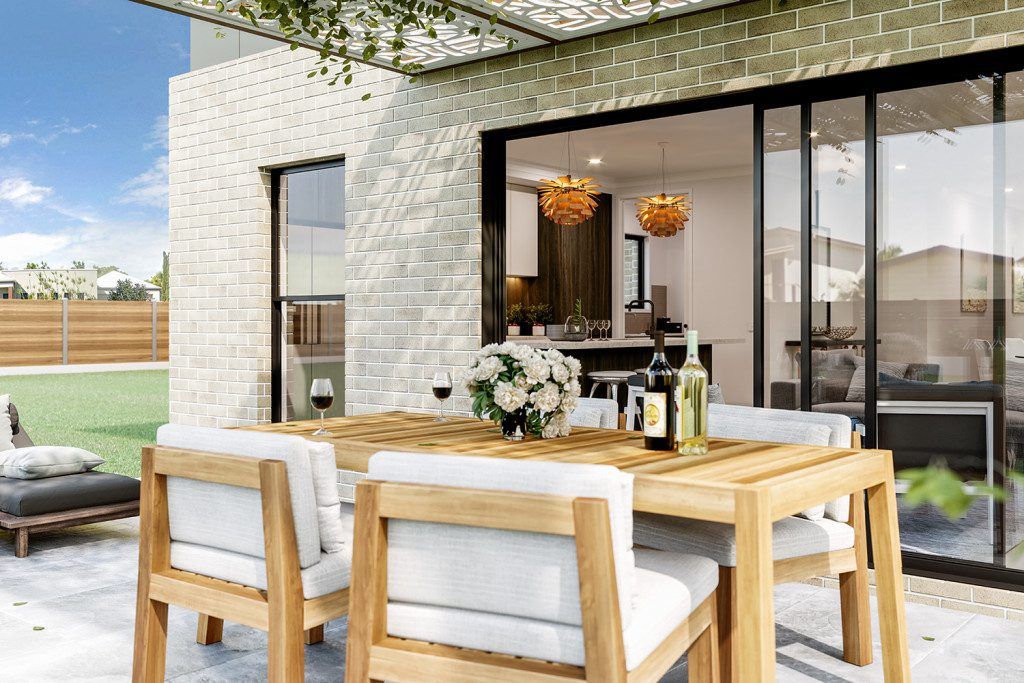
How do you apply this concept to your own life? Start small. Look around your home or workspace and pick one item that could benefit from better balance. Maybe it’s a lamp that’s too bulky for its purpose, or a bookshelf that’s functional but unattractive. Ask yourself: what would make this item more appealing while keeping it practical? Sometimes the answer is simple – adding a pop of color, changing the material slightly, or adjusting proportions. Consider your wardrobe next. Do you have clothes that are comfortable but lack style? Or outfits that look great but are uncomfortable to wear? The key is finding pieces that complement your lifestyle. Think about your daily activities and what you need to look good while doing them. A well-fitted jacket that’s both stylish and practical is worth more than several trendy items that don’t serve you. In your home, consider furniture placement and design. A dining table that’s both beautiful and functional will make meals more enjoyable. The same goes for kitchen appliances. A blender that’s both attractive and easy to clean will encourage you to cook more often.
Common Mistakes to Avoid
People often fall into traps when trying to balance style and function. One common mistake is assuming that more expensive equals better. Not necessarily. Sometimes the most practical choice isn’t the flashiest one, and that’s okay. Another pitfall is trying to be too clever. If you’re designing something that’s supposed to be simple and functional, don’t overcomplicate it with unnecessary features. Remember, simplicity itself is elegance. Some folks make the error of prioritizing either style OR function to the exclusion of the other. They’ll choose something that looks amazing but is impossible to use, or something that works perfectly but looks terrible. Both extremes miss the point. There’s also the trap of trying to please everyone. You can’t make everything perfect for every situation. Instead, focus on creating solutions that work for your specific needs and preferences. Finally, many people forget that balance is subjective. What works for someone else might not work for you. Don’t let external opinions override your personal experience with an item. Trust your instincts about what feels right.
The Future of Balanced Design
Looking ahead, the trend toward balanced design seems stronger than ever. Technology is making it easier to create items that are both beautiful and useful. Smart home devices now blend seamlessly into living spaces while providing real value. Sustainability is also playing a role – people want products that are environmentally responsible AND aesthetically pleasing. The rise of minimalism shows that there’s growing appreciation for designs that do more with less. This means fewer distractions and more focus on what truly matters. As we move forward, we’ll likely see even more innovative approaches to balancing these elements. Imagine furniture that adapts to your needs, or clothing that changes based on weather conditions. The possibilities are exciting. What’s clear is that the demand for thoughtful design won’t go away. People will continue seeking items that enhance their lives without compromising their aesthetics. The future belongs to those who understand that style and function aren’t separate worlds – they’re one and the same.
Mastering the balance between style and functionality isn’t some unreachable ideal. It’s a skill anyone can develop with practice and intention. The key is to approach every decision with both eyes open – seeing not just what something looks like, but how it serves you. Whether you’re choosing a new outfit, redesigning your workspace, or simply picking out dinnerware, remember that the best options are usually those that work well AND look good. You don’t have to sacrifice one for the other. The art is finding the harmony between them. So the next time you’re shopping, designing, or simply deciding what to wear, ask yourself: does this item serve me well while making me feel good? If the answer is yes, you’ve probably found something special. That’s the real magic of balanced design – it makes everyday moments feel more meaningful and beautiful. It’s not just about having nice things. It’s about having things that genuinely improve your life.