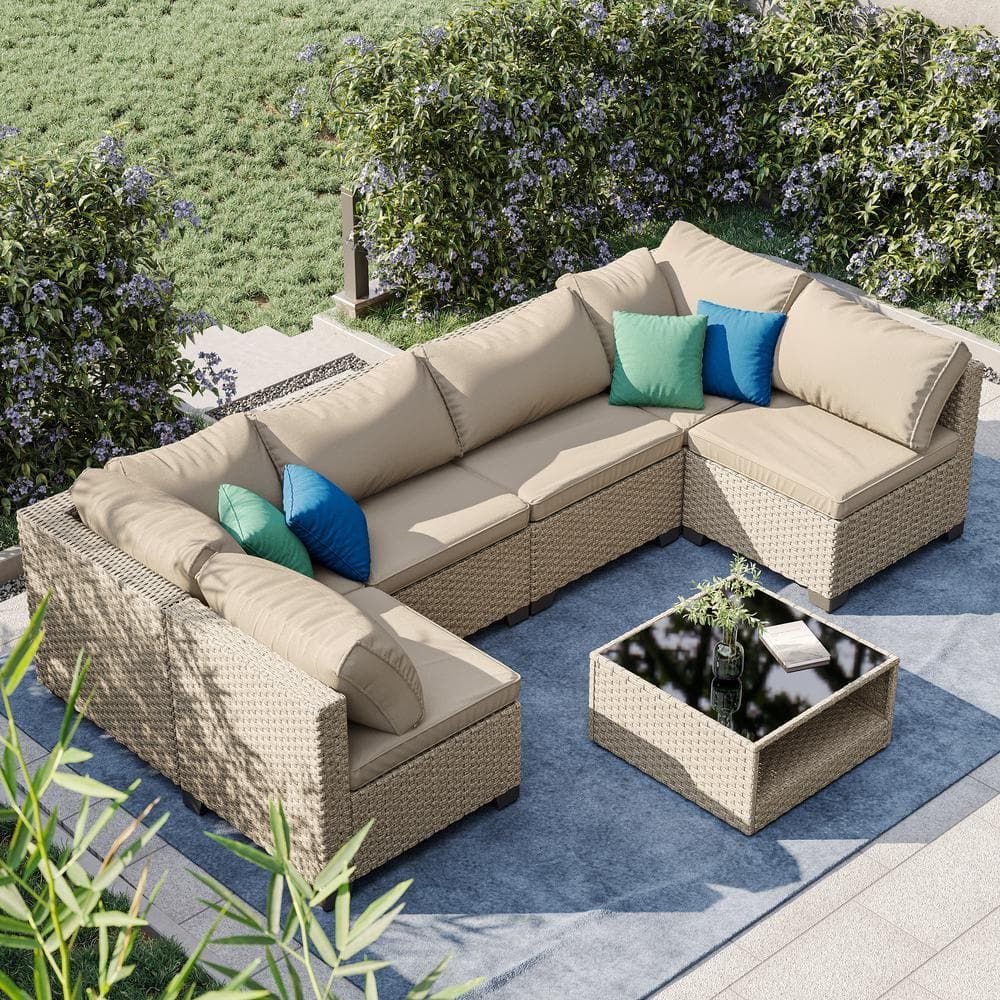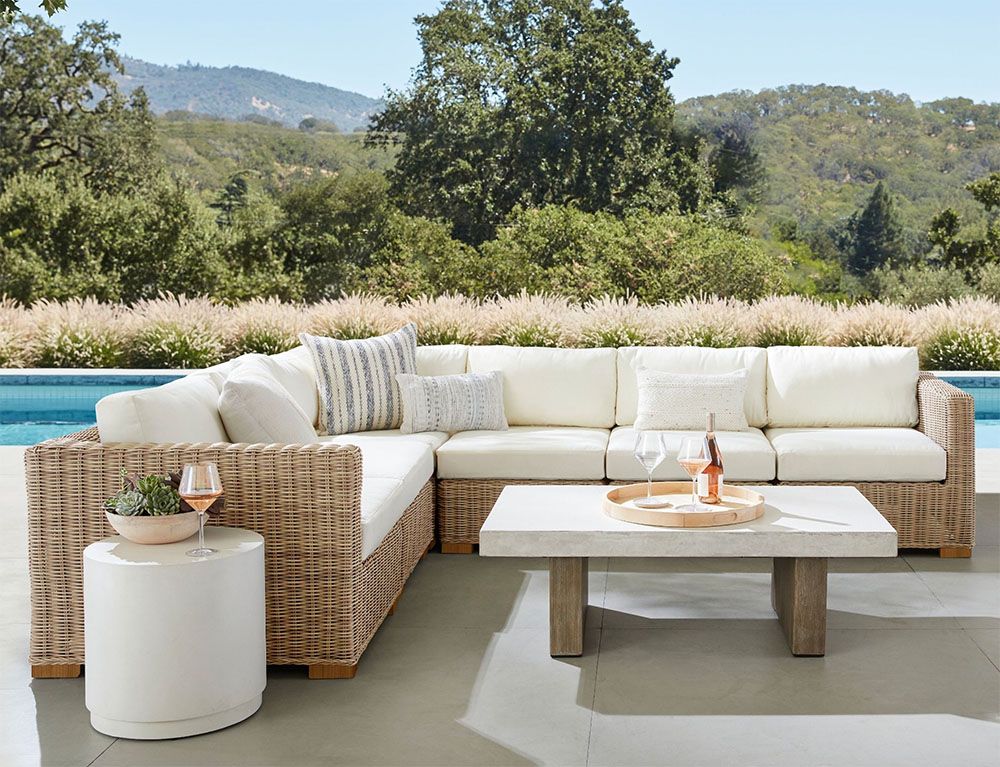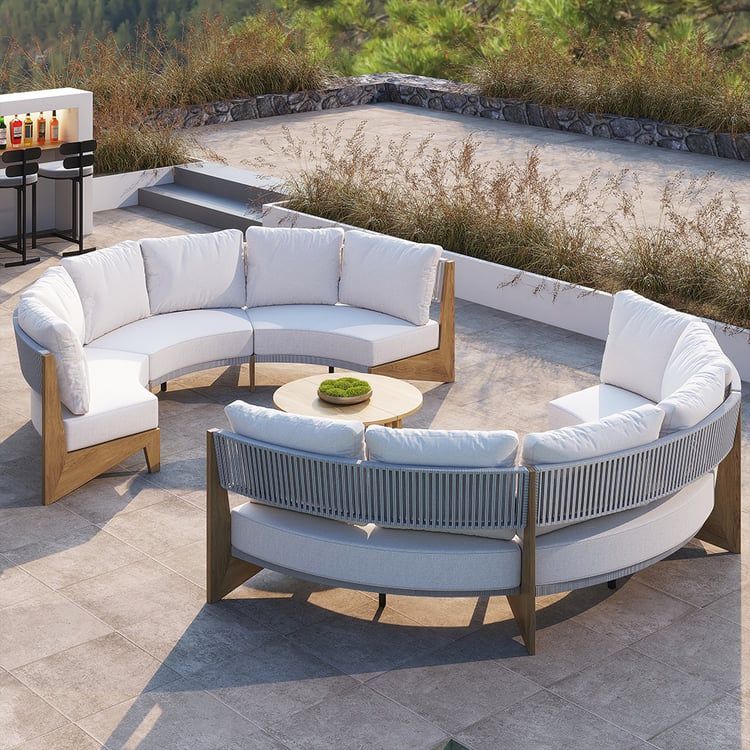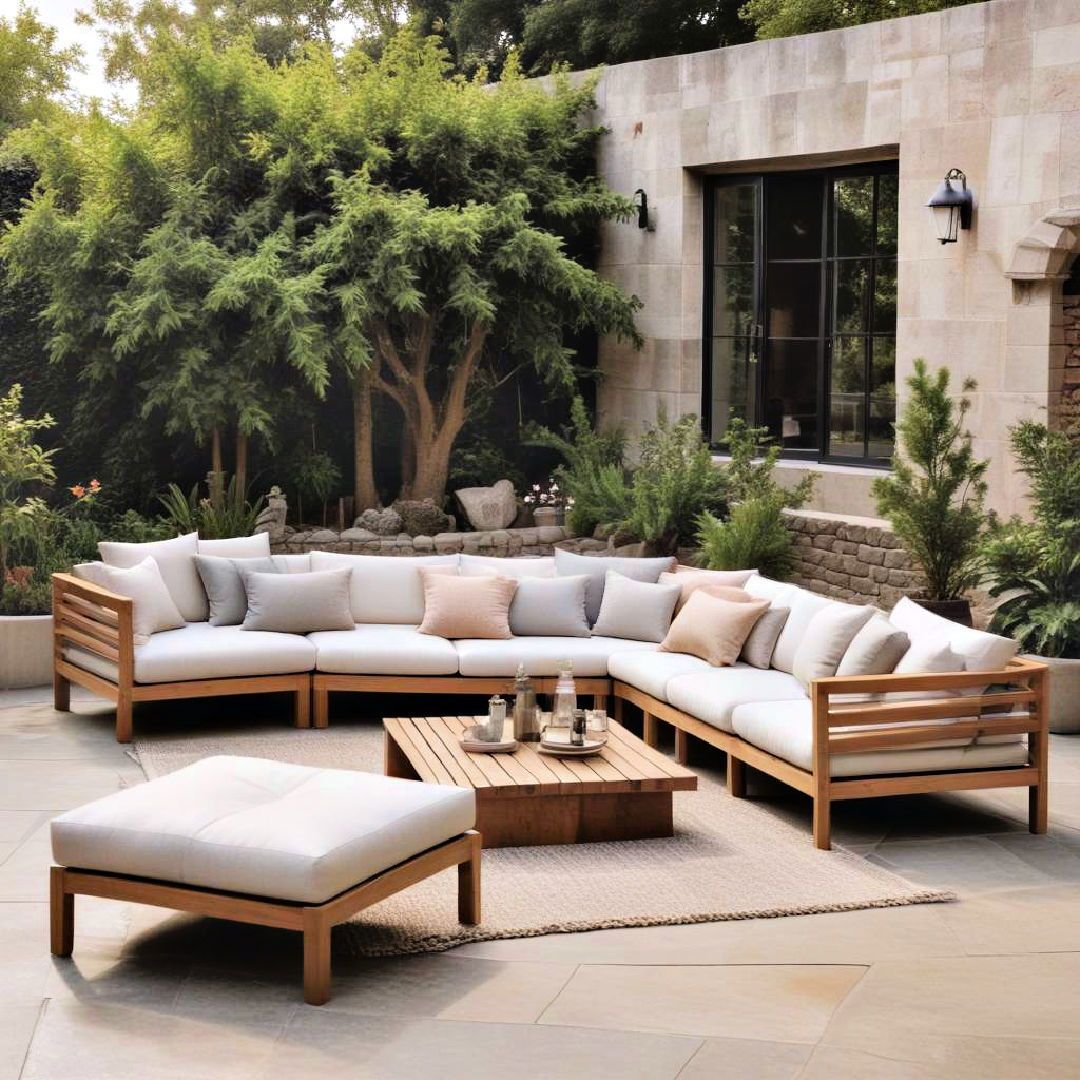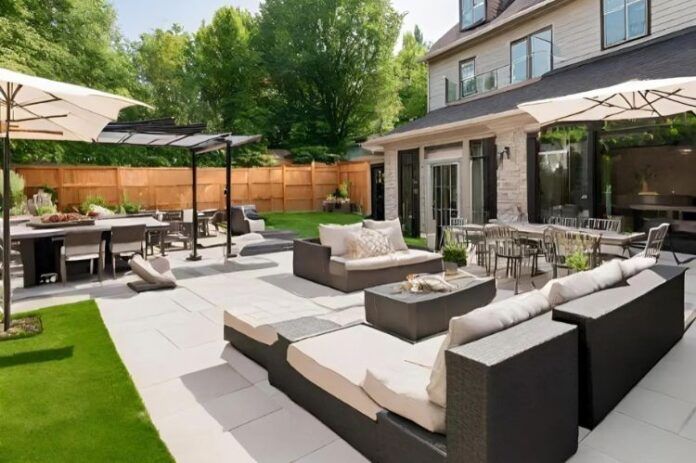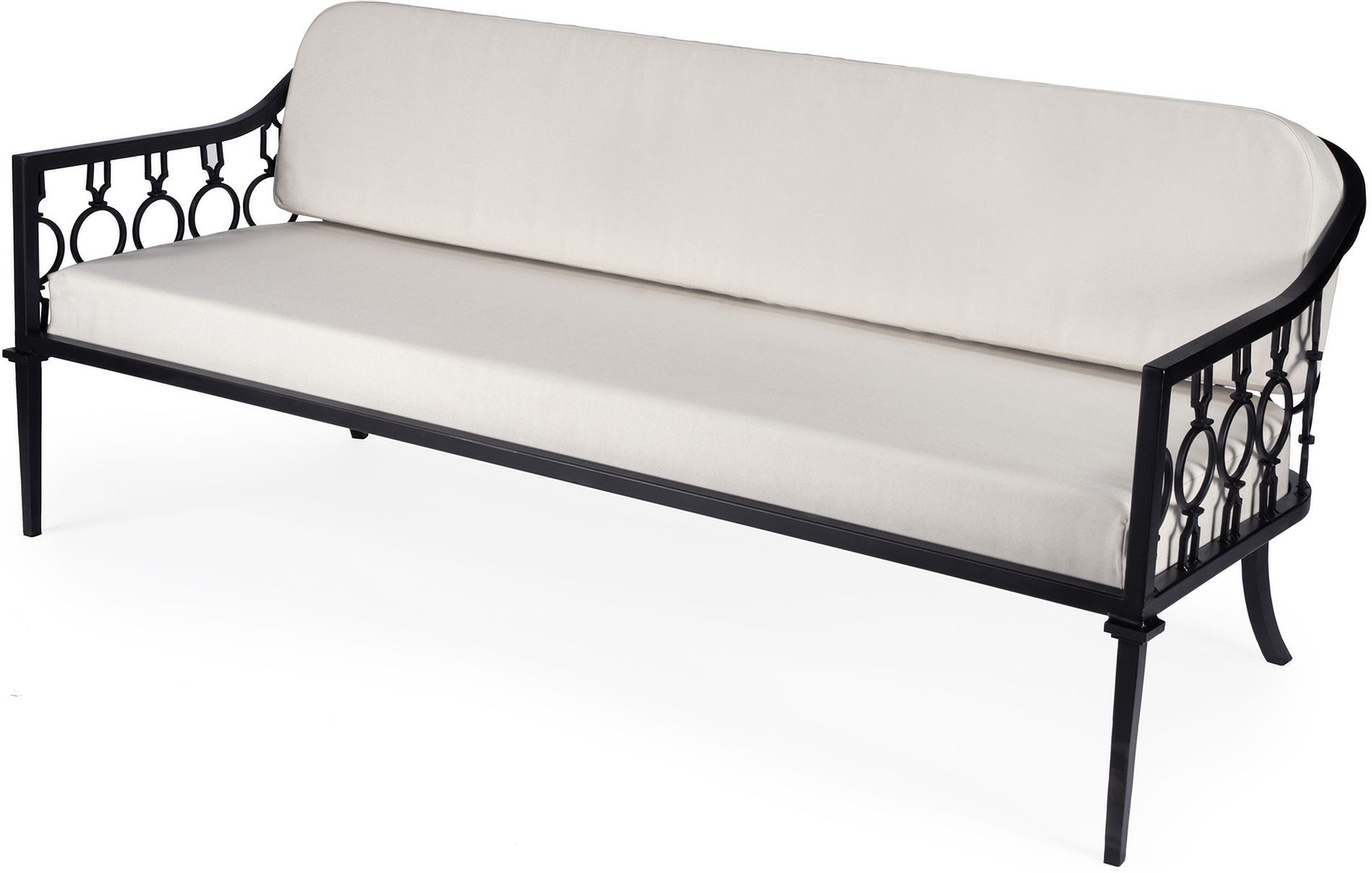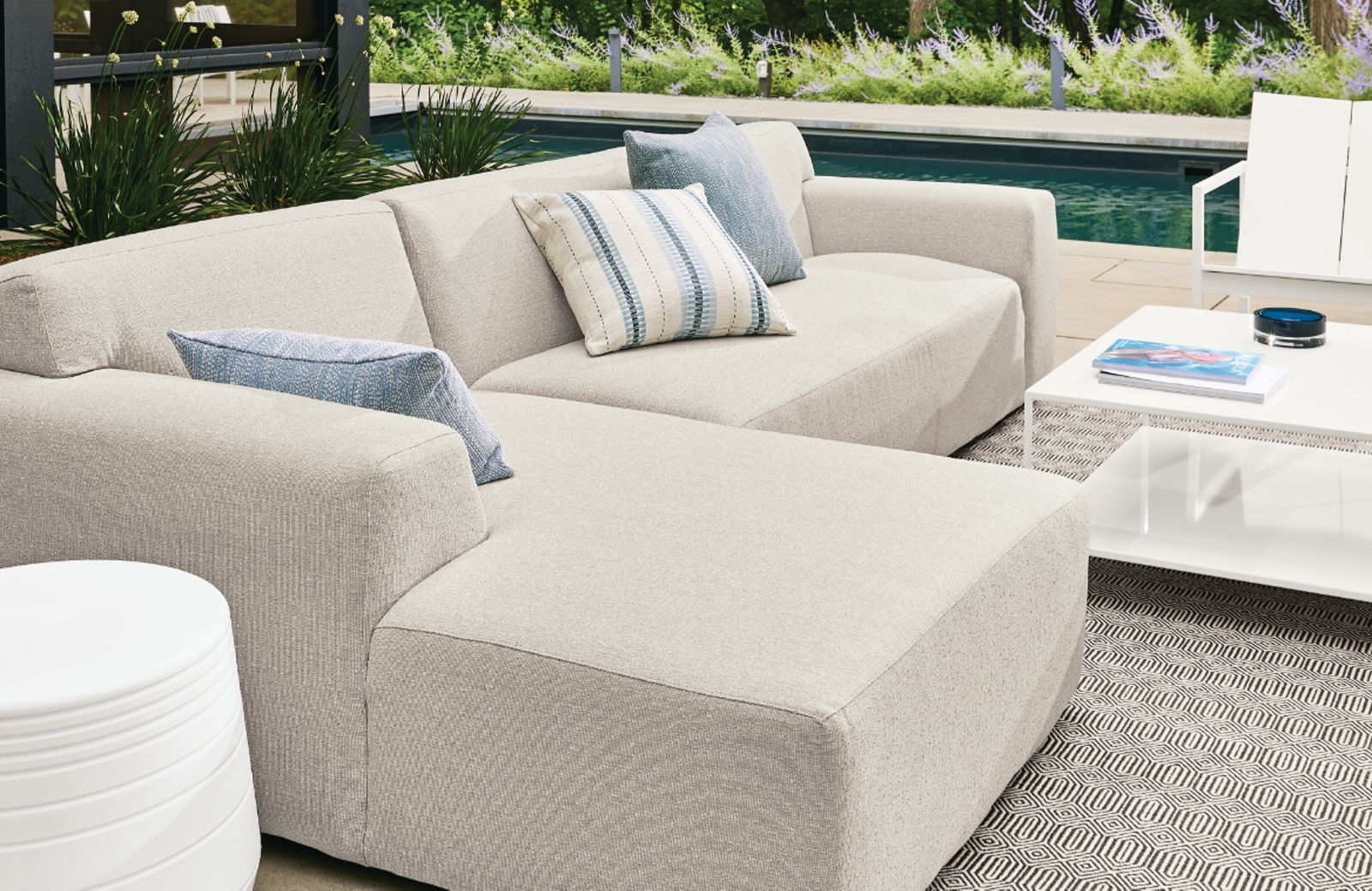
Picture this: you’re settling in for a peaceful evening on your patio, the sun setting behind you, and your favorite chair just right. Now imagine that same chair, five years later, still looking fresh and feeling comfortable. That’s the magic of choosing the right materials for outdoor seating. It’s not just about style or cost – it’s about creating spaces that truly stand the test of time and weather.
When you think about outdoor furniture, most people focus on how it looks or how much it costs. But what really matters is how well it holds up under the elements. We all want our outdoor spaces to be inviting, comfortable, and long-lasting. The truth is, the material you choose makes all the difference between a beautiful piece that lasts decades and one that breaks down after just a few seasons. Whether you’re planning a new backyard setup or updating existing seating, understanding what materials work best outdoors is crucial. Let’s explore the key considerations and options that will help you make informed choices for your outdoor comfort.
Understanding Weather Resistance
The first thing to consider when picking outdoor seating materials is how they handle weather. Think about it – your furniture will face rain, sun, wind, and temperature changes regularly. Some materials are naturally more resilient than others.
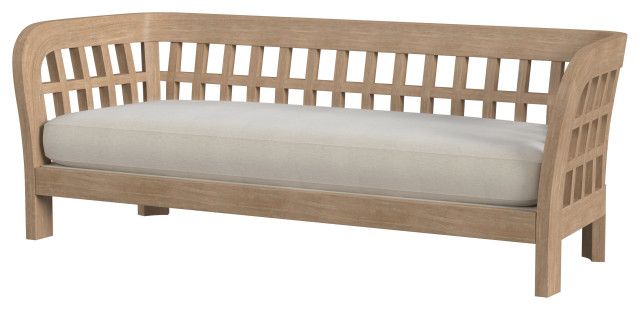
For example, teak wood is famous for its ability to resist moisture and insects. It’s often called the gold standard for outdoor furniture because it weathers beautifully and develops a lovely silver patina over time. On the other hand, materials like aluminum and stainless steel handle rust very well, making them excellent choices for coastal areas where salt spray is common.
Let’s talk about some common weather challenges:
• Extreme heat and UV rays can fade colors quickly
• Moisture leads to warping, rotting, or rusting
• Freezing temperatures can cause cracking
• High humidity promotes mold and mildew growth
What’s the takeaway? Choose materials that have proven track records in your local climate conditions. If you live near the ocean, prioritize corrosion-resistant metals. If you experience harsh winters, look for materials that can handle freeze-thaw cycles.
Durability and Longevity Factors
Durability isn’t just about looking good – it’s about functional longevity. You want furniture that won’t just survive but thrive in outdoor conditions.
Here’s what to look for in terms of long-term performance:
• Structural integrity over time
• Resistance to wear and tear
• Ability to withstand daily use
• Low maintenance requirements
• Warranty coverage
Consider how often you’ll use the seating. A dining set used daily might need different materials than a lounge chair used occasionally. The stress placed on furniture affects how quickly it deteriorates.
Take a look at the typical lifespan of different materials:
• Wood: 10-20 years with proper care
• Metal: 15-30 years depending on finish
• Plastic: 10-15 years
• Composite materials: 20-30 years
Remember, even the best materials need some upkeep. Regular cleaning and protection can extend their life significantly. And don’t forget to factor in replacement costs – sometimes spending a bit more upfront saves money later.
Cost Considerations and Value Analysis
Budget plays a big role in material selection, but it’s not always about the lowest price tag. Sometimes investing more upfront pays off in savings over time.
Let’s break down what you’re really paying for:
• Initial purchase price
• Maintenance costs over time
• Replacement frequency
• Energy efficiency (for heated seating)
• Resale value
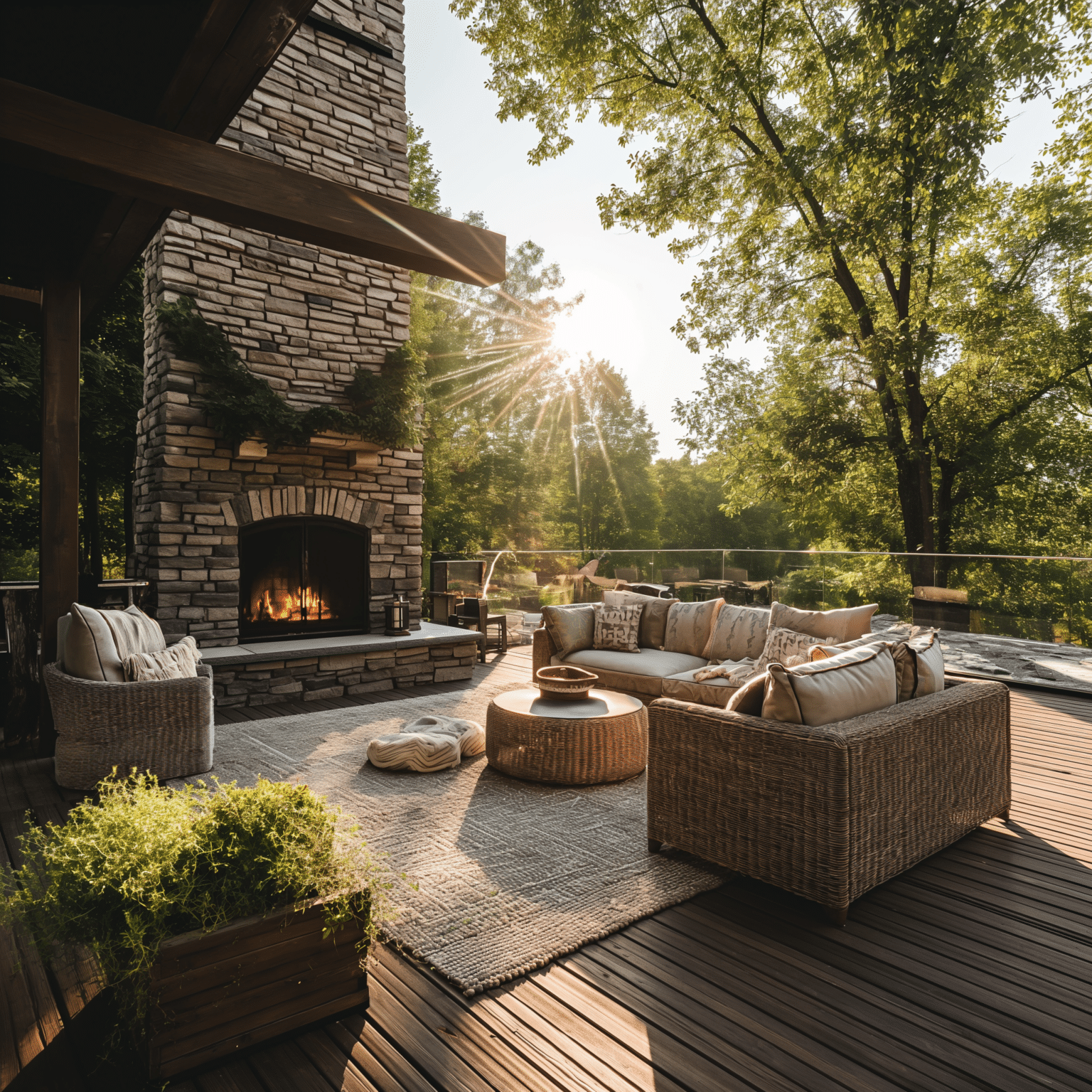
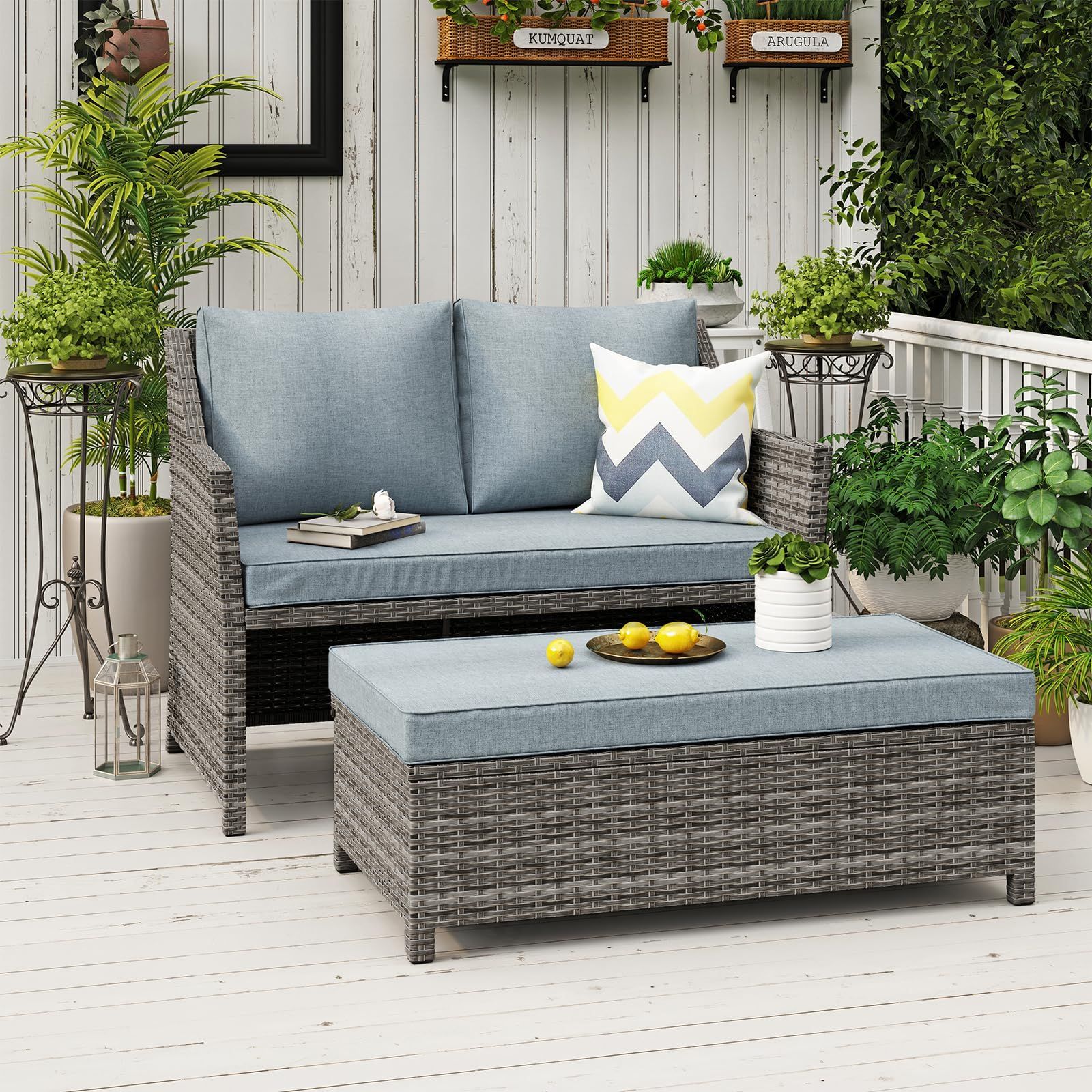
For instance, high-end synthetic wicker might cost more initially than traditional rattan, but it requires no reweaving, won’t fade easily, and often comes with better warranties. In the long run, that investment might actually save you money.
Consider these budget aspects:
• Quality versus quantity decisions
• Regional availability affecting prices
• Seasonal buying opportunities
• DIY vs. professional installation costs
• Insurance implications for expensive pieces
Sometimes the most economical choice isn’t the cheapest option. It’s about finding the sweet spot between your budget and what you need for your lifestyle.
Aesthetic Appeal and Style Integration
Outdoor furniture should complement your space visually, not clash with it. This means thinking about how materials look together and fit into your overall design scheme.
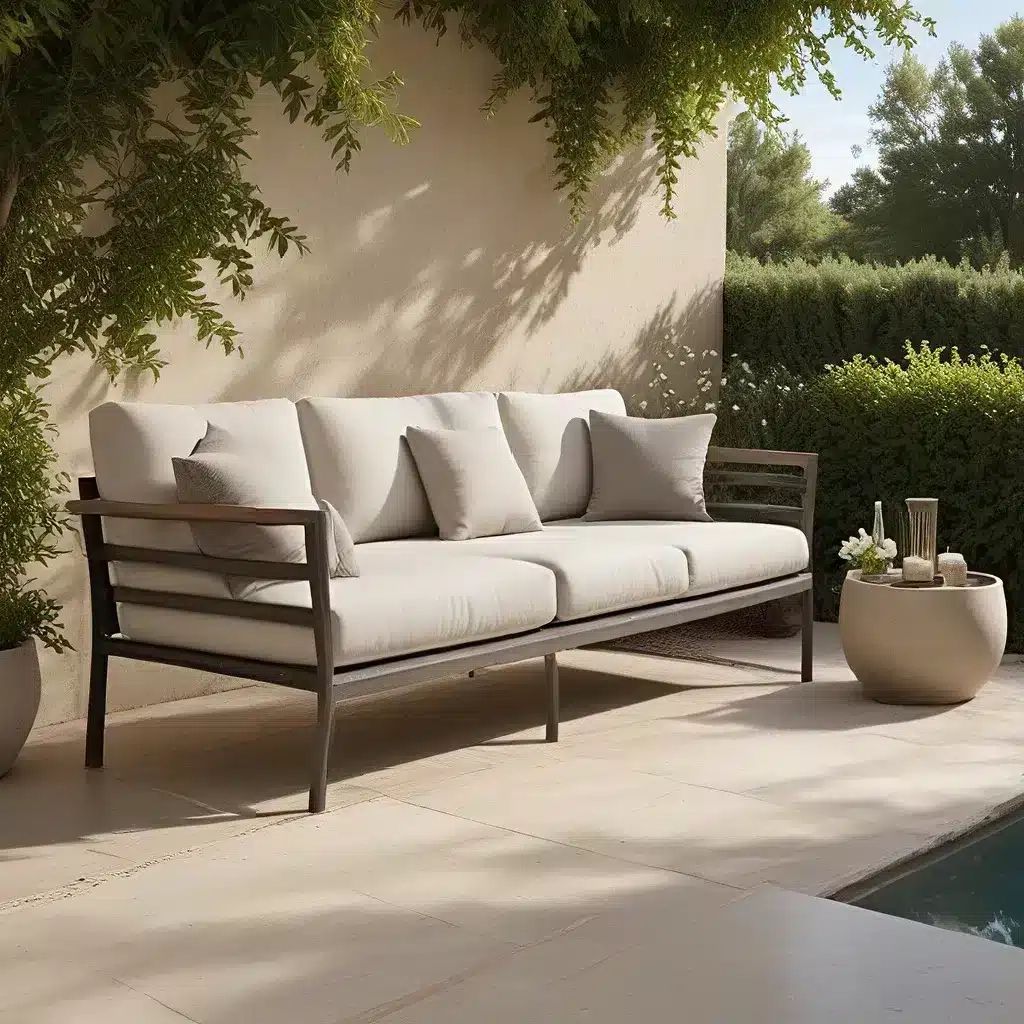
Modern homes often favor clean lines and contemporary materials like powder-coated aluminum or sleek composite lumber. Traditional settings might call for natural wood tones or classic metal finishes. The key is ensuring everything works harmoniously.
Color considerations matter greatly too. Darker colors absorb heat more readily, while lighter shades reflect it. This can impact comfort during hot summer days. Some materials age differently – certain woods develop richer tones over time, while others maintain their original appearance.
Think about:
• How the material will age over time
• Colorfastness in direct sunlight
• Texture contrast with other elements
• Overall design harmony
• Personal style preferences
Remember, the best outdoor seating fits both function and form. You want something that looks great and feels good to sit on.
Maintenance Requirements and Care Routines
Every material has its own care routine. Understanding these ahead of time helps you plan for ongoing upkeep. Some require daily attention, others minimal maintenance.
Wood needs regular cleaning and periodic sealing to prevent water damage. Metal pieces might need occasional rust treatment or repainting. Plastic furniture typically just needs rinsing and occasional scrubbing.
Here’s a quick breakdown of common maintenance needs:
• Wood: Cleaning, sealing, occasional sanding
• Metal: Rust prevention, cleaning, touch-ups
• Plastic: Regular washing, UV protection
• Synthetic materials: Basic cleaning, stain resistance
• Natural fibers: Cleaning, storage during winter
Some materials are more forgiving than others. If you’re short on time or prefer low-maintenance options, certain composites or metals might serve you better. But if you enjoy the ritual of caring for your outdoor space, wood or natural materials could be rewarding.
Consider your lifestyle when choosing maintenance requirements. What’s realistic for you?
Environmental Impact and Sustainability
More people are considering the environmental footprint of their purchases now. Outdoor seating materials vary widely in their ecological impact.
Sustainable options include:
• Reclaimed wood from old buildings
• Recycled aluminum and steel
• Bamboo and other rapidly renewable resources
• Composite materials made from recycled plastics
• Locally sourced materials to reduce transport emissions
Some manufacturers now offer eco-friendly finishes and treatments that are safer for the environment. These products often come with certifications indicating their green credentials.
Environmental considerations also include:
• Manufacturing processes and emissions
• End-of-life disposal options
• Renewable resource availability
• Chemical treatments used
• Carbon footprint of transportation
Making sustainable choices doesn’t mean sacrificing quality or style. Many eco-friendly materials perform just as well as traditional options. Plus, you’ll feel good knowing your outdoor space contributes positively to the planet.
Choosing the right materials for your outdoor seating is ultimately about balancing several important factors. You want something that stands up to the elements, fits your budget, complements your style, and aligns with your lifestyle. The best approach combines research with intuition – look at what works well in similar climates and spaces, but trust your instincts about what feels right for your home.
Remember, outdoor furniture is an investment in your enjoyment of the space. Take time to weigh your priorities and consider how each material will perform in your specific conditions. Whether you opt for classic wood, modern metal, or innovative composites, the key is matching the material to your needs. With thoughtful selection, your outdoor seating will provide many years of comfortable, beautiful use. After all, the best outdoor furniture is the kind that brings you back to your porch or patio again and again, year after year.