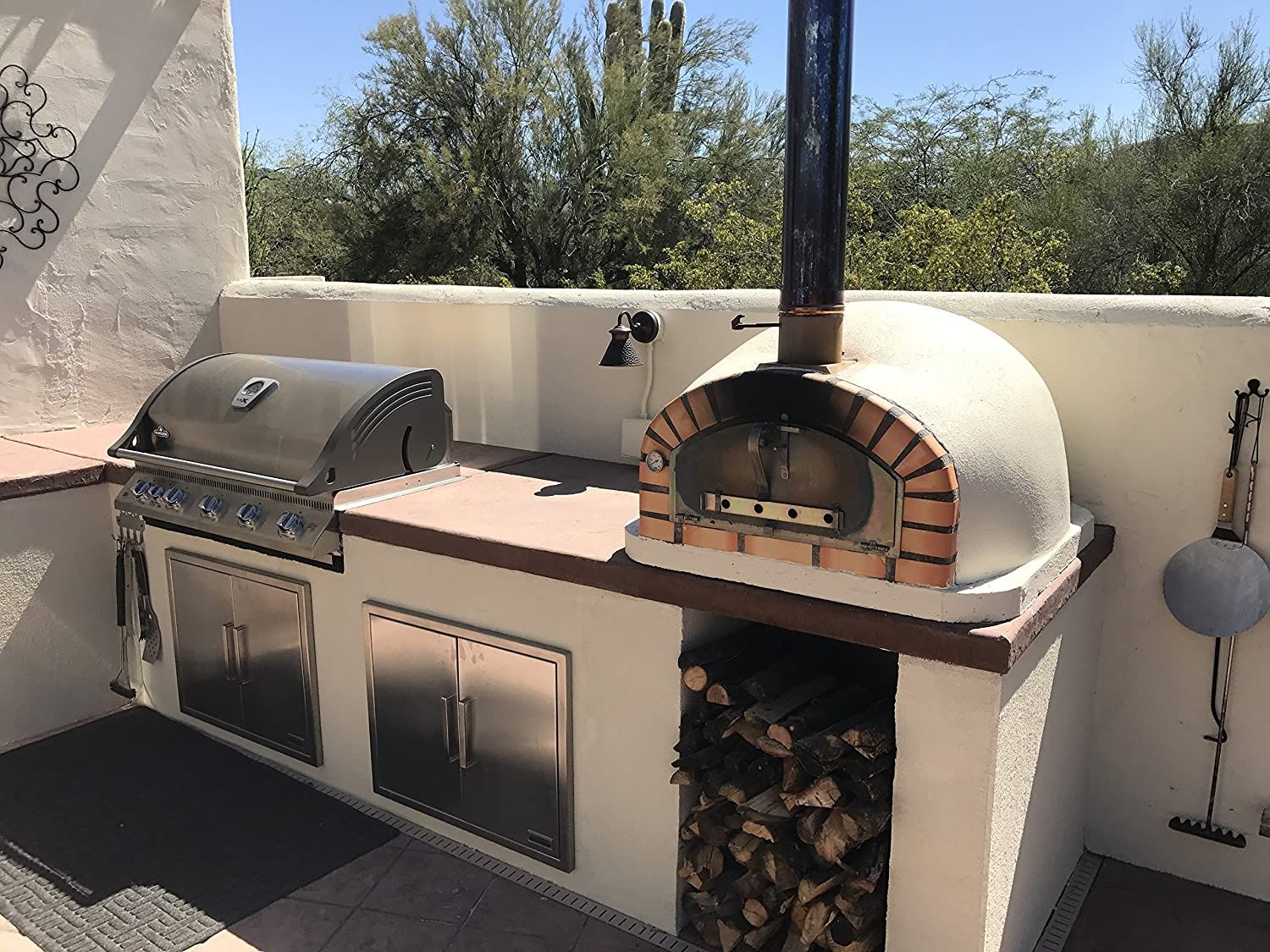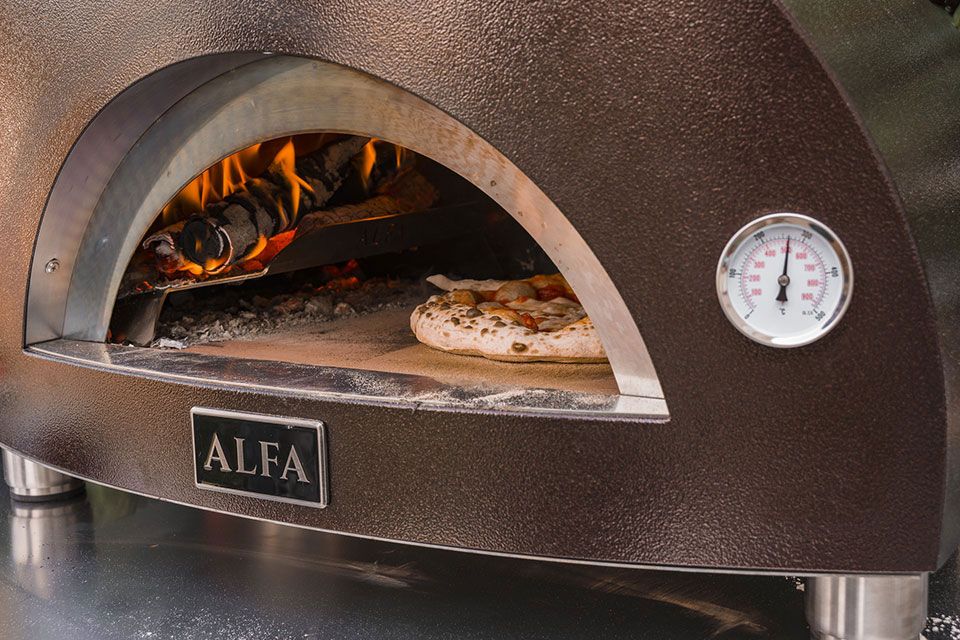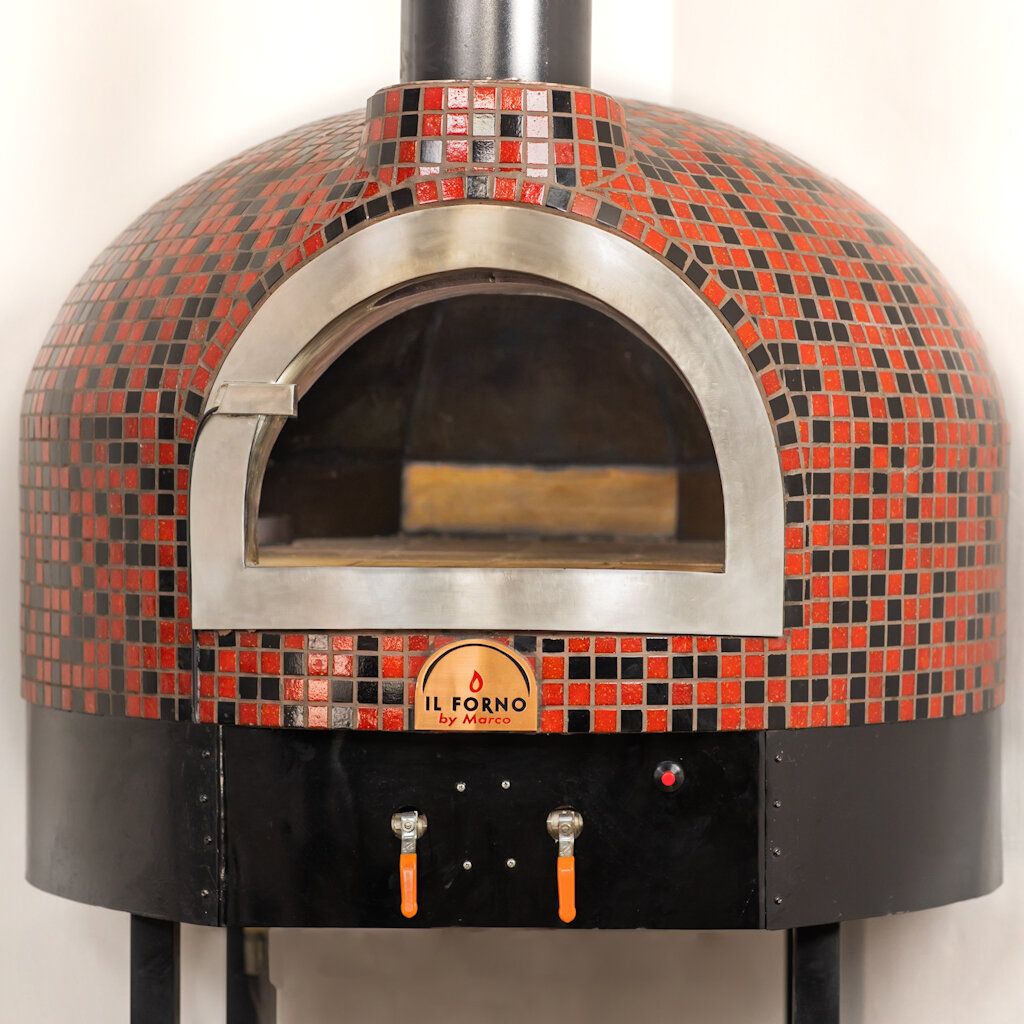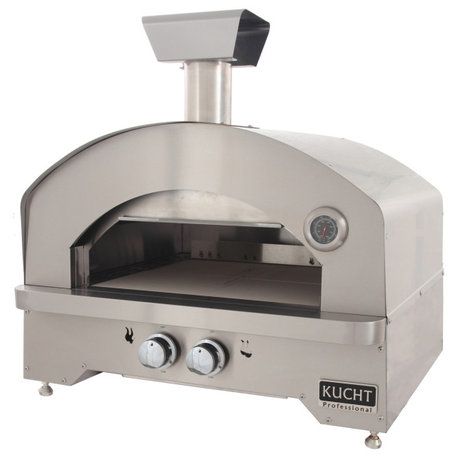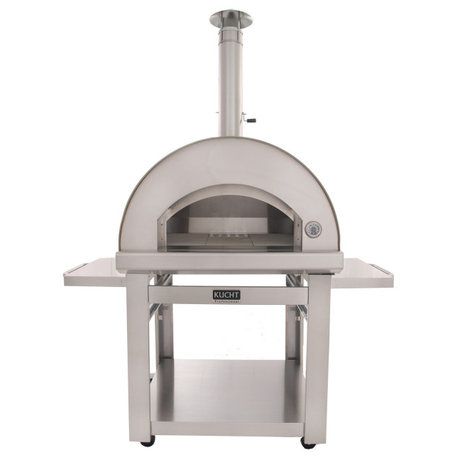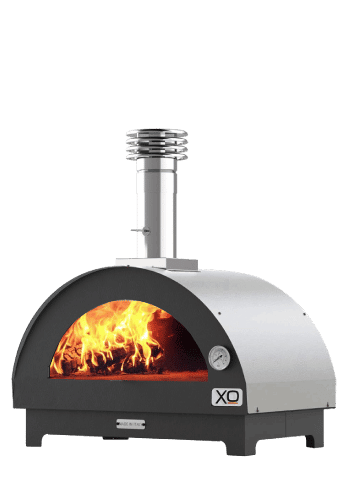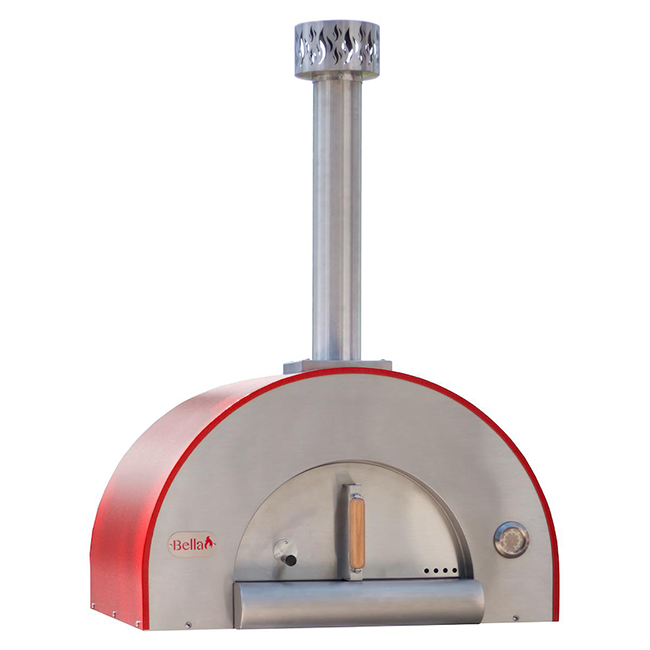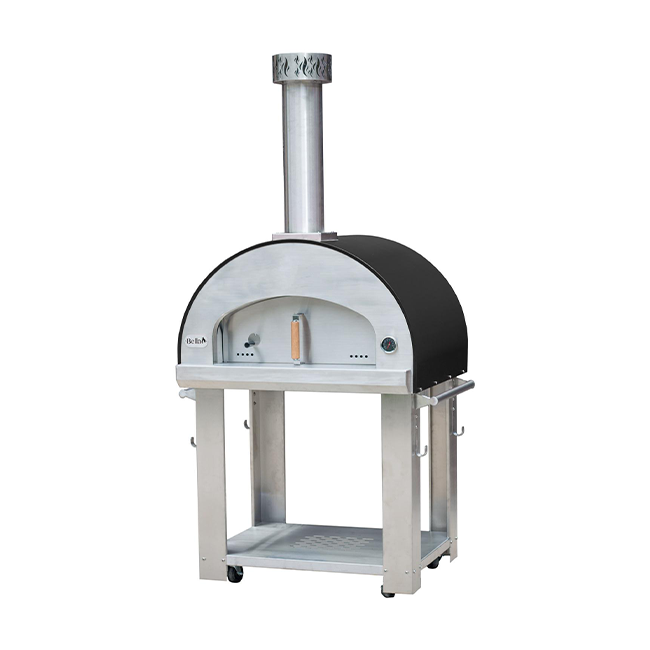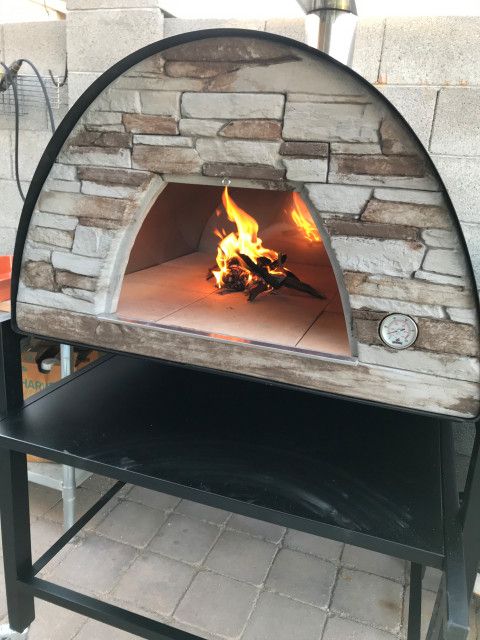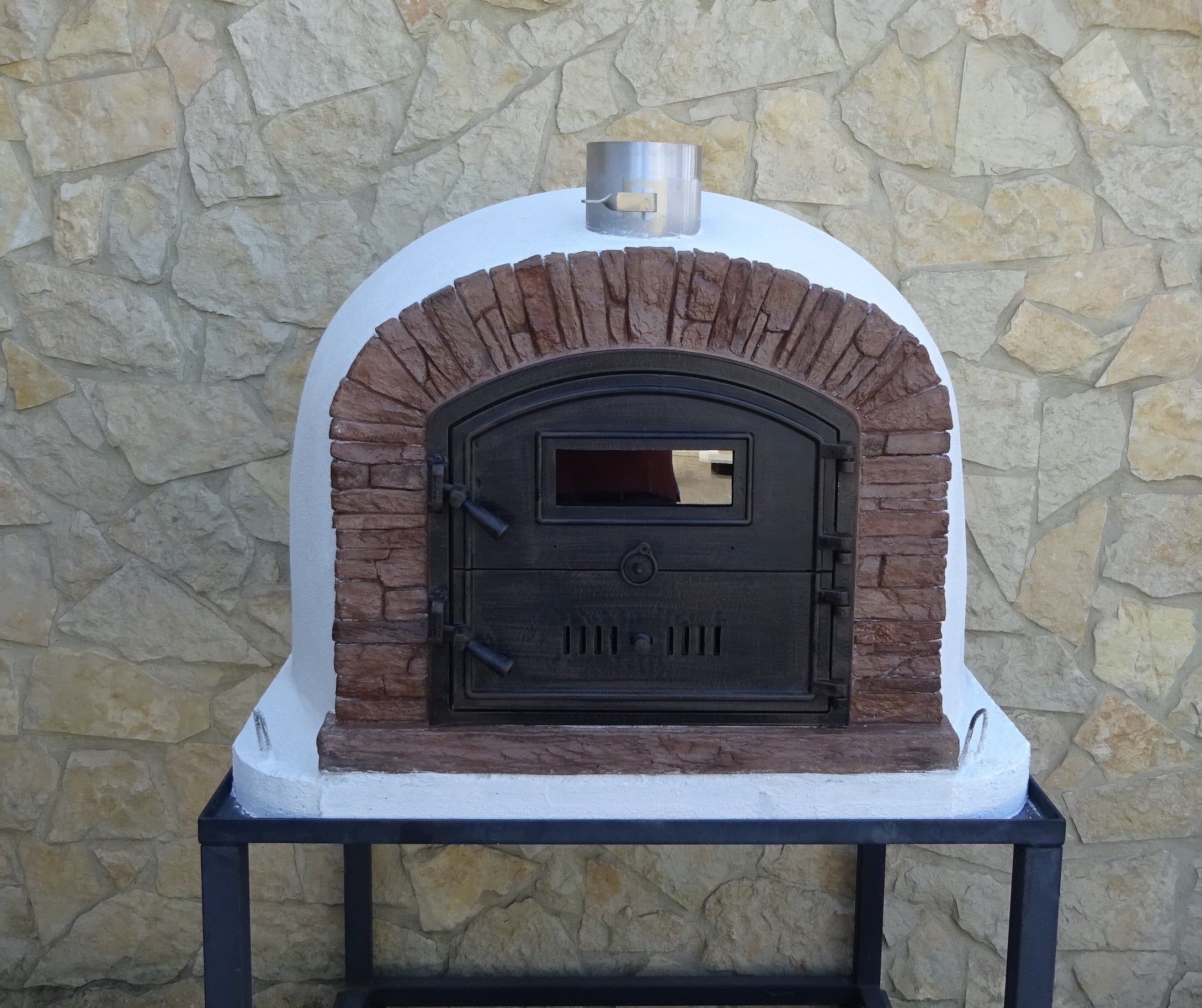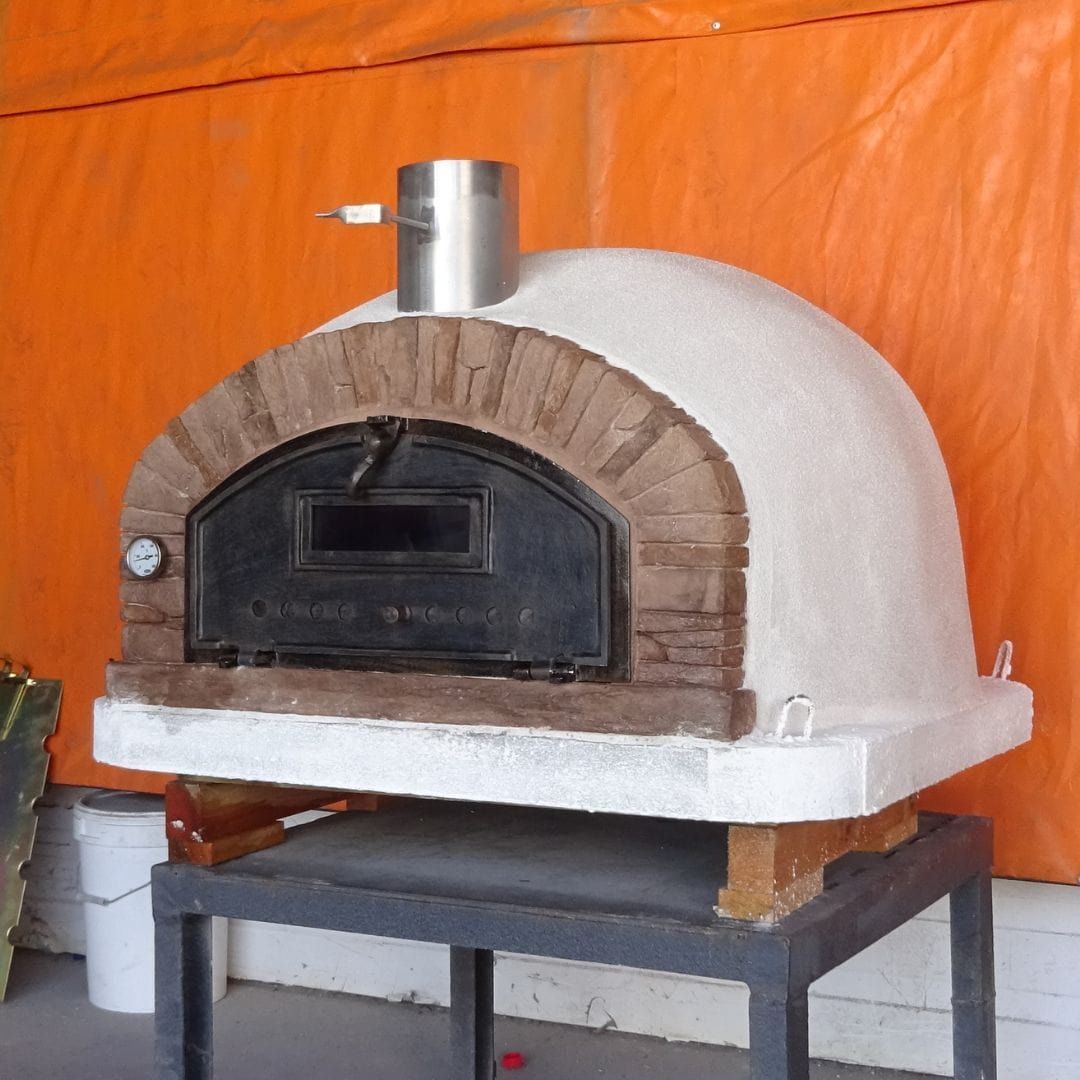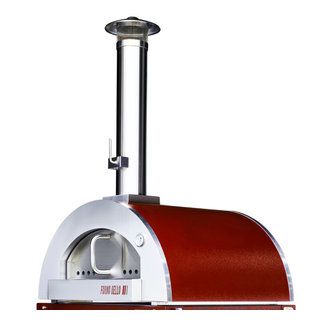
Have you ever craved that perfect sourdough pizza – the one with the blistered crust, chewy interior, and that signature tangy flavor? Well, guess what? You don’t need a fancy, expensive wood-fired oven to achieve it. Your Grande Counter Top Oven is capable of creating pizza magic, and I’m here to show you how. This isn’t just about following a recipe; it’s about understanding the science, embracing the process, and enjoying the delicious results of your hard work. And, trust me, it’s worth it. This piece is all about giving you the tools to make the best sourdough pizza, period. And I am here to share my experience and knowledge with you.
I’ve been baking sourdough pizza for years, and I’ve learned a lot along the way – from the importance of a good starter to the nuances of wood-fired cooking. I’ve made mistakes (believe me, lots of them!), and I’ve tasted the triumph of a perfectly baked pie. This is my passion, and I’m thrilled to guide you on your own sourdough pizza journey.
Welcome to the world of sourdough pizza, where the aroma of baking bread mingles with the anticipation of a delicious meal. Baking sourdough pizza is a craft, a dance between you, your starter, and the heat of your oven. It’s a journey of discovery, and your Grande Counter Top Oven is the perfect partner for this adventure.
We’ll delve into every step, from nurturing your sourdough starter to achieving that ideal crust. Forget the complicated jargon; we’ll break it down into easy-to-follow instructions and helpful tips. Get ready to level up your pizza game! We’ll talk about the basics, the important things, that you will need to take into consideration, and we’ll get you started. Ready?
The Vital Role of Your Sourdough Starter
Your sourdough starter, that bubbly, alive culture, is the heart and soul of your pizza. It’s what gives your crust its unique flavor, texture, and rise. Think of it as your pizza’s personality!
- Feeding Your Starter: Regular feeding is key. I usually feed mine with equal parts flour and water (by weight) every 12-24 hours, depending on the activity level and the temperature. A warm environment speeds things up, while a cooler one slows it down. Watch for the doubling in size, and bubbles. This is the signal it’s ready to use.
- Testing for Readiness: Before you use your starter, do the float test. Drop a small spoonful into a glass of water; if it floats, it’s ready to go. If it sinks, give it another feeding and wait. This is an important step.
- Maintaining Your Starter: Keep your starter in the fridge when not in use. Feed it at least once a week to keep it happy and active. A happy starter equals a happy pizza.
Crafting the Perfect Sourdough Pizza Dough
Once your starter is ready, it’s time to make the dough. This is where the magic really begins. The right mix of ingredients and the right process will make your pizza dough amazing.
- The Recipe: I have found that a basic recipe is a great starting point. Here’s a simple and amazing recipe to get you started:
- 100g active sourdough starter
- 300g bread flour (or a mix of bread flour and whole wheat for extra flavor)
- 200g water (lukewarm)
- 8g salt
- Mixing and Kneading: Combine the water and starter first. Then, add the flour and salt. Mix until a shaggy dough forms. Let it rest for 30 minutes (autolyse) to allow the flour to fully hydrate. Then, knead for 5-7 minutes, until the dough becomes smooth and elastic. You can do this by hand or with a stand mixer.
- Bulk Fermentation: Place the dough in a lightly oiled bowl, cover it, and let it rise at room temperature (around 70-75°F) for 4-6 hours. During this time, perform a few sets of “stretch and folds” every 30-60 minutes for the first 2-3 hours. This helps develop the gluten and build strength.
- Cold Fermentation (Optional, but Recommended): For a more complex flavor and better texture, refrigerate the dough for 24-72 hours after the bulk fermentation. This slow fermentation process develops the flavor and makes the dough easier to handle.
Mastering the Art of Prepping Your Grande Counter Top Oven
Your Grande Counter Top Oven is the tool that turns your dough into a masterpiece. Getting your oven prepped correctly is crucial.
- Preheating: Preheat your oven to its highest setting (usually around 500-550°F or 260-288°C) for at least 30-45 minutes. This ensures the stone or steel inside is fully heated, creating a super-hot cooking surface.
- Using a Pizza Stone or Steel: A pizza stone or steel is a must-have. It absorbs and radiates heat evenly, creating that perfect crispy crust. Place it in the center of your oven during preheating.
- Checking the Temperature: Use an infrared thermometer to check the surface temperature of your stone or steel. You want it to be as close to the oven’s set temperature as possible.
Shaping, Topping, and Baking Your Sourdough Pizza
Now for the fun part! This is the moment you’ve been waiting for: the moment you put everything you’ve worked on together and create pizza.
- Shaping the Dough: Gently stretch or roll out your dough to your desired size and shape. Be careful not to tear it. A little flour on your work surface helps prevent sticking.
- Topping Your Pizza: Don’t overload your pizza with toppings. Less is often more. Start with a thin layer of sauce, then add cheese and your favorite toppings. Remember, the shorter the baking time, the better your toppings will be.
- Baking in the Grande Oven: Carefully slide your pizza onto the preheated stone or steel. Bake for 4-7 minutes, or until the crust is golden brown and the cheese is melted and bubbly. Keep a close eye on it; the baking time depends on your oven and the thickness of the crust.
- Rotation: If your oven has uneven heat distribution (most do), rotate the pizza halfway through baking for even cooking.
Troubleshooting Common Sourdough Pizza Problems
Even the most experienced bakers hit snags from time to time. Here are some common issues and how to fix them.
- Pizza is Soggy: This usually means the oven wasn’t hot enough, or the dough was undercooked. Make sure your oven is fully preheated, and consider baking the pizza for a slightly longer time. Also, use less sauce and don’t over-top the pizza.
- Crust Isn’t Crispy: Again, preheating is key. Also, ensure your dough is well-fermented and not too wet. If the dough is too wet, try adding a little more flour during shaping.
- Pizza is Burnt: Your oven might be too hot, or your pizza might be too close to the heat source. Lower the oven temperature slightly or move the pizza to a lower rack. Watch your pizza carefully and adjust the baking time.
- Dough Doesn’t Rise: Your starter might not be active enough, or your dough might not have fermented long enough. Make sure your starter is bubbly and active, and give your dough enough time to rise at the right temperature.
Tips for Success and Elevating Your Pizza Game
Here are some extra tips to take your sourdough pizza to the next level.
- Experiment with Flours: Try different types of flour for varying flavors and textures. Whole wheat, rye, and semolina can all add unique characteristics to your crust.
- Hydration Levels: Experiment with different hydration levels in your dough (the ratio of water to flour). Higher hydration (more water) can lead to a more open crumb and a chewier crust, but it can also be harder to handle.
- Sauce Matters: Use high-quality ingredients for your sauce. Fresh tomatoes, a little olive oil, and some herbs can make a huge difference. Make your own, or buy a high-quality can of crushed tomatoes.
- Topping Combinations: Get creative with your toppings! Try different cheeses, meats, vegetables, and herbs. Don’t be afraid to try new things and discover your favorite flavor combinations.
- Practice Makes Perfect: Don’t get discouraged if your first few pizzas aren’t perfect. Sourdough baking takes time and practice. Keep experimenting, keep learning, and enjoy the process. It’s all about the fun of it.
Baking sourdough pizza in your Grande Counter Top Oven is more than just making food; it’s a rewarding experience. It’s about the anticipation, the process, and the joy of sharing delicious food with the people you love. With a little practice and patience, you’ll be creating incredible pizzas that will impress your friends and family. So fire up your oven, get your starter ready, and enjoy the journey. Happy baking, and may your pizzas always be perfect. I hope this has been a helpful guide. You can do it. And, just remember to have fun. And most of all, enjoy every bite!