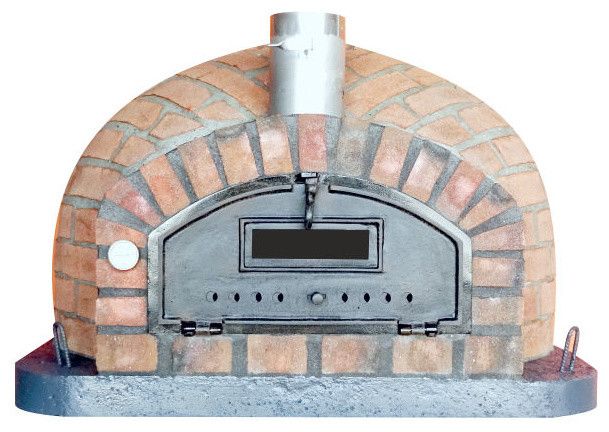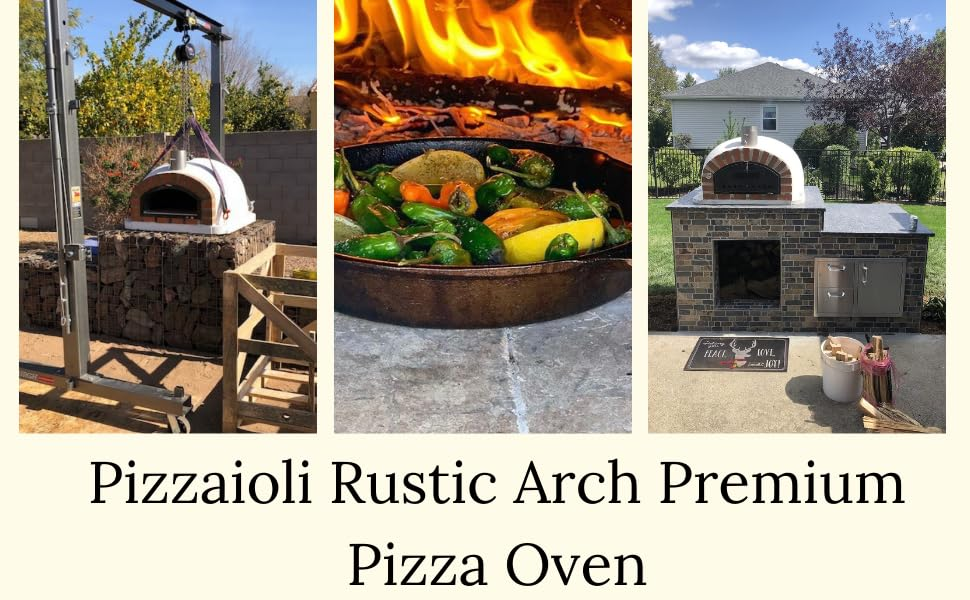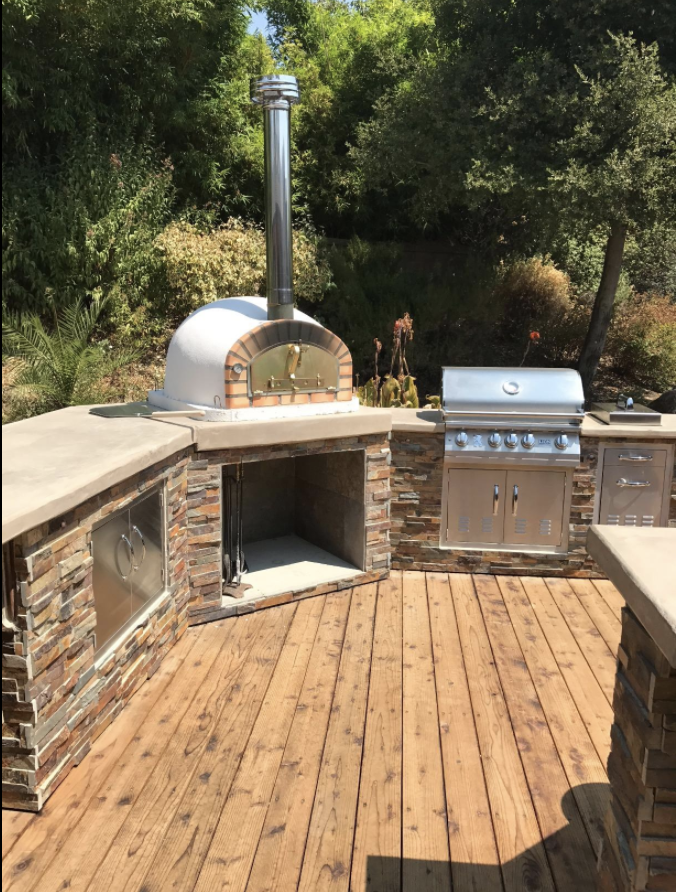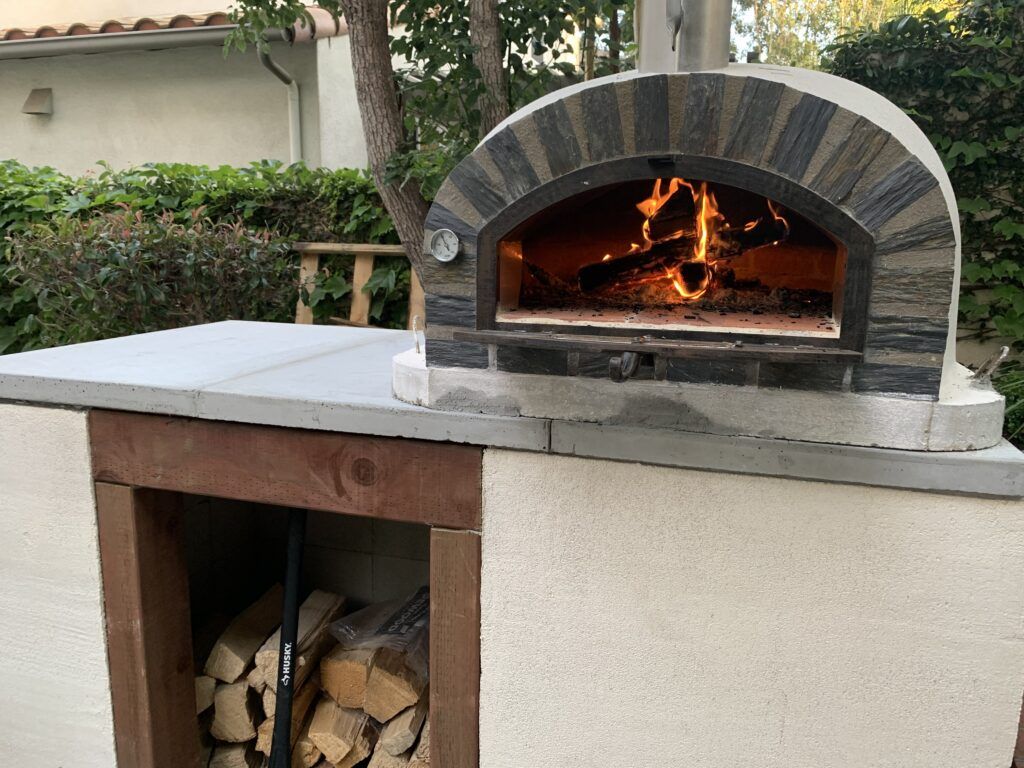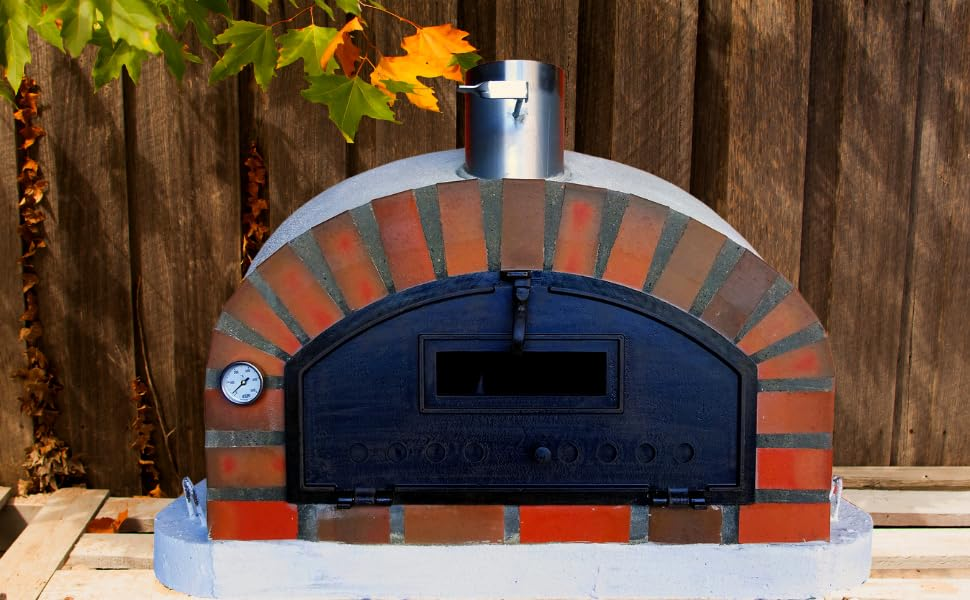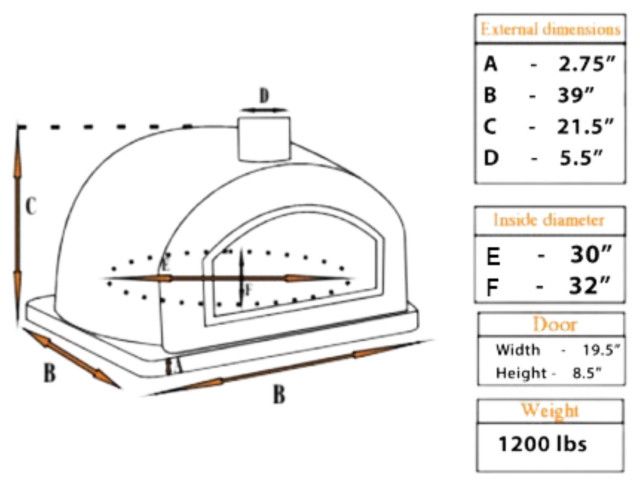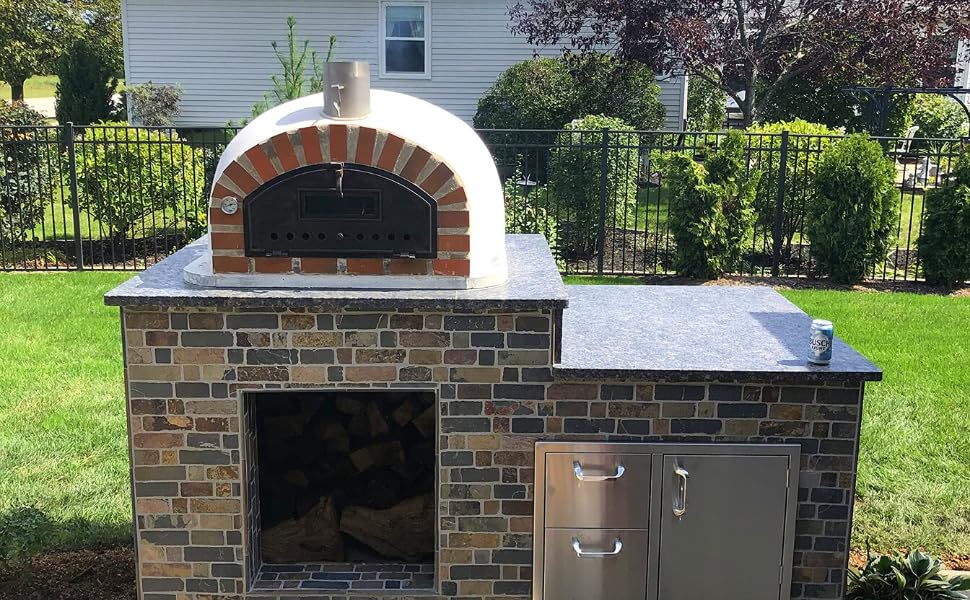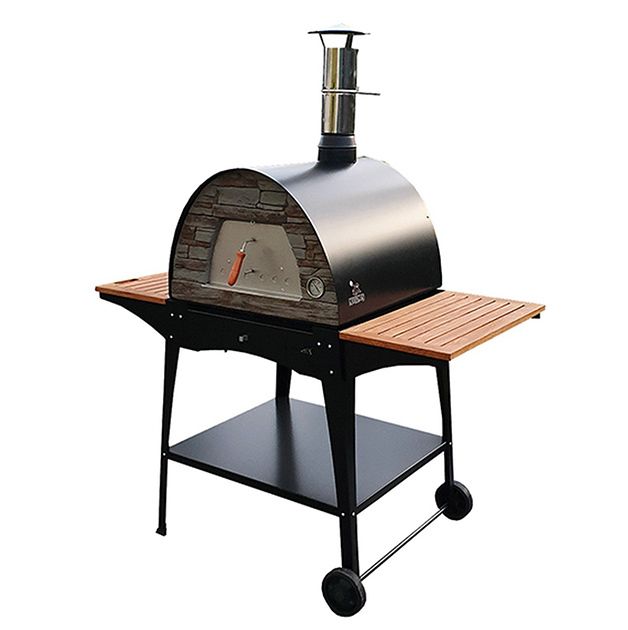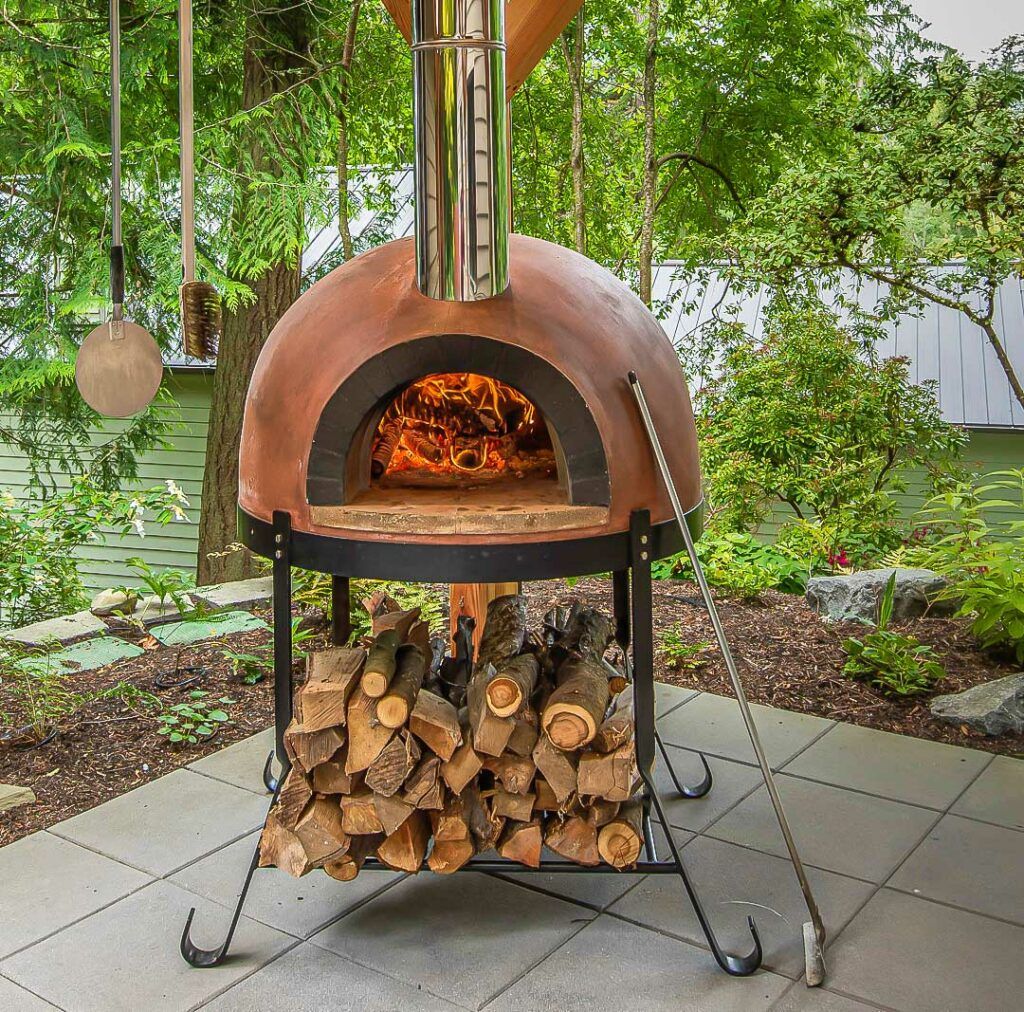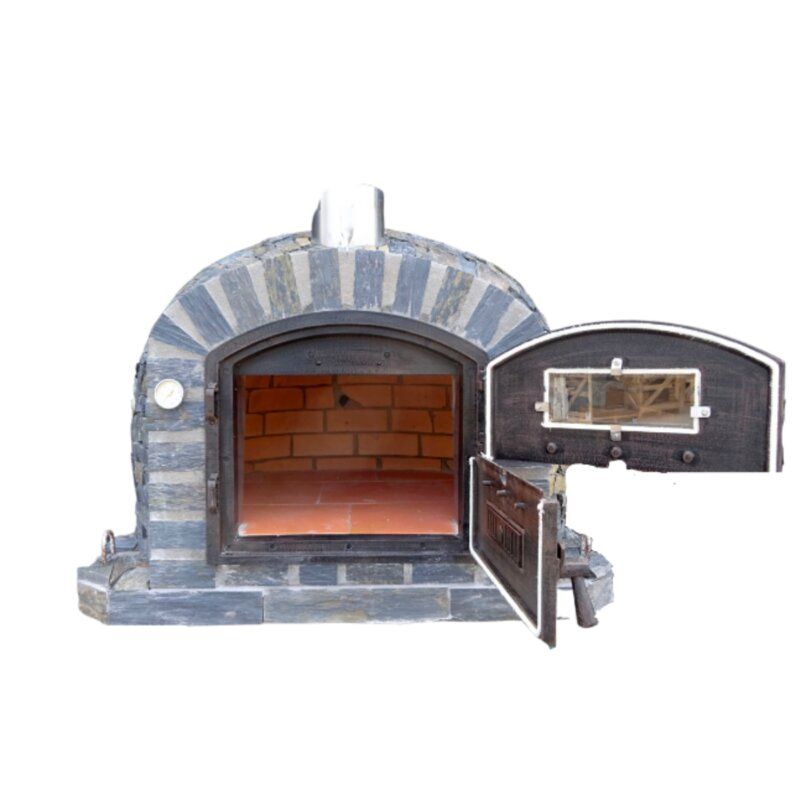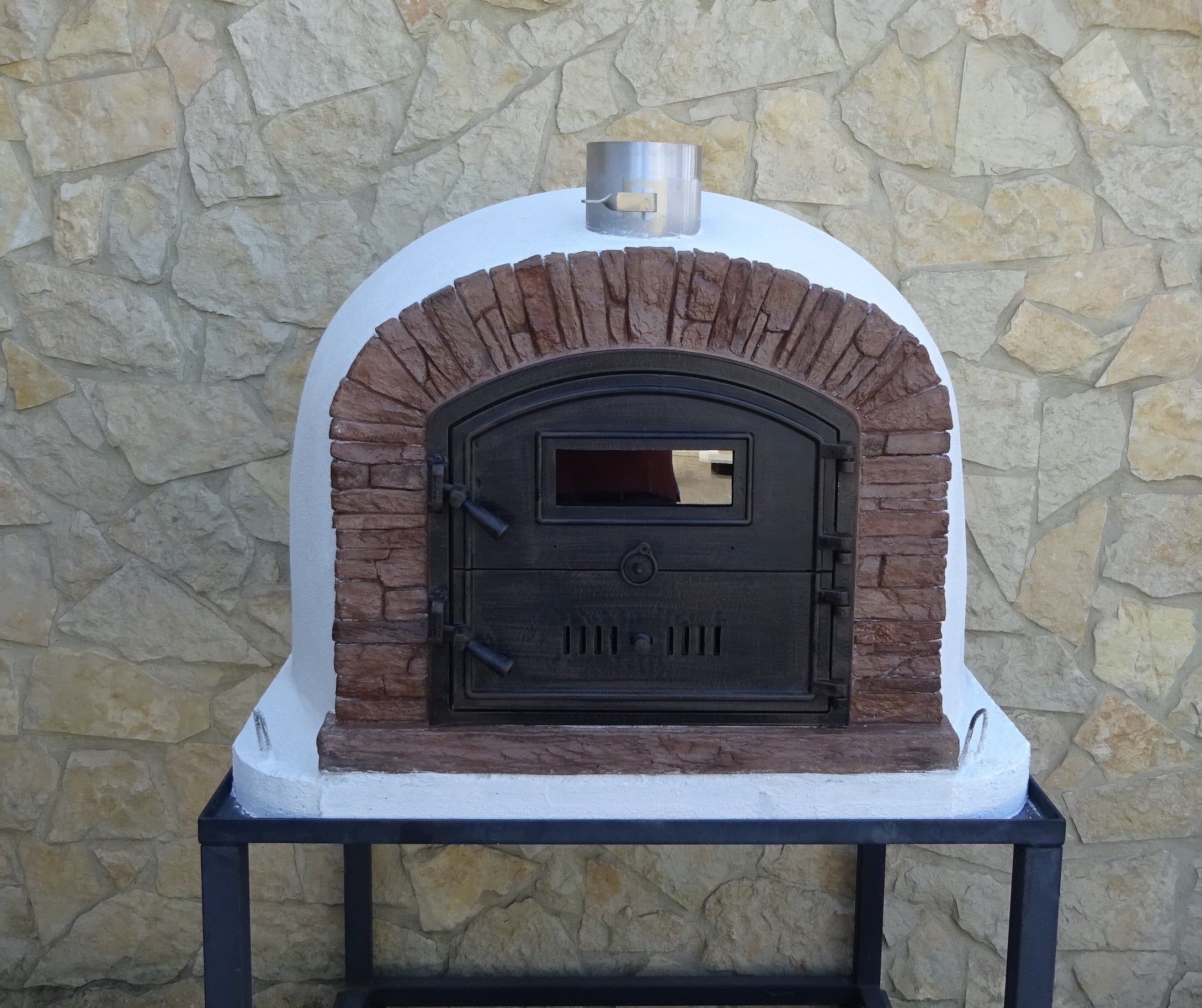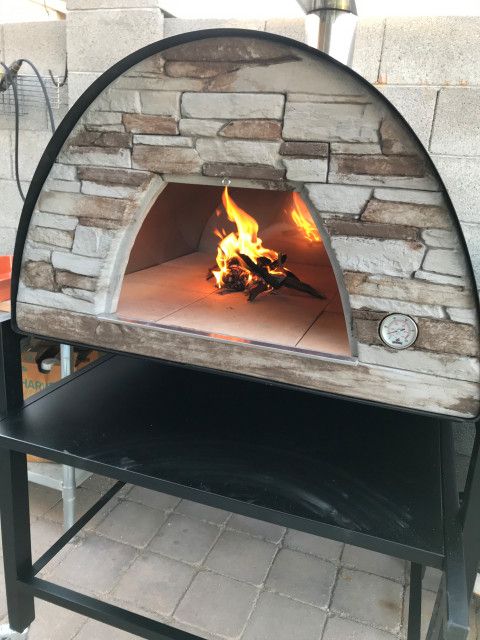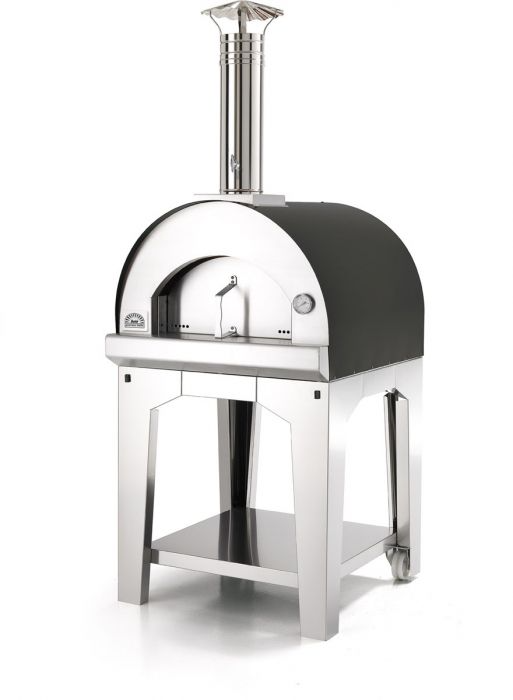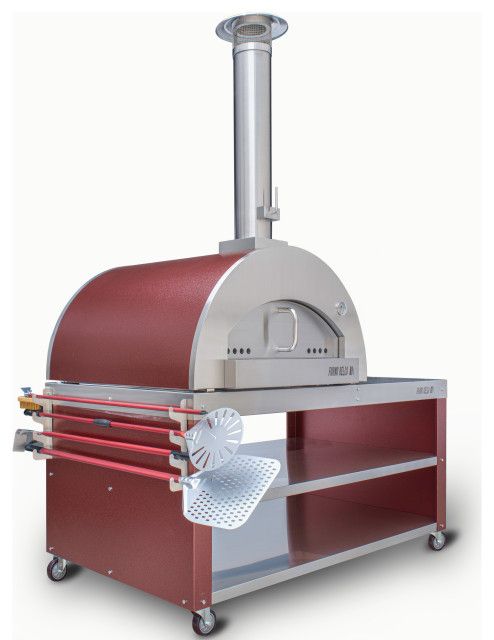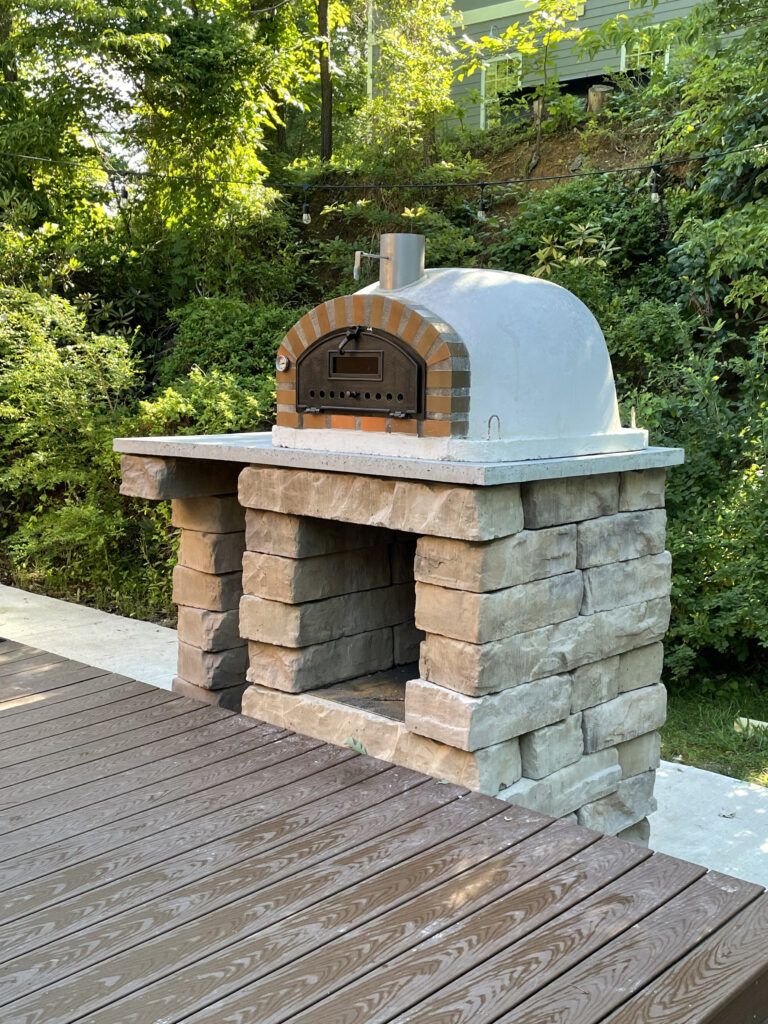
Hey pizza lovers. I’m so thrilled to be back with you today. I’ve been making pizza, you know, a long time, and I’ve learned a lot along the way, especially about my beloved Rustic Arch Pizzaioli pizza oven. It’s a fantastic piece of equipment, but even the best tools can sometimes throw a curveball. Today, we’re diving deep into those common issues that can leave you with a less-than-perfect pie, and more importantly, how to fix them. Let’s get started and turn those pizza blues into pizza wins.
The Rustic Arch Pizzaioli pizza oven, with its old-world charm and superior cooking capabilities, is a dream for any serious pizza enthusiast. That amazing brick oven, that’s the goal. But like any complex piece of kit, it can present some challenges. From uneven cooking to temperature control problems, even experienced users can run into snags. Don’t worry, though. I’ve been there, done that, and I’m here to share my hard-earned insights and practical solutions to get you back to creating pizza perfection. This guide is all about empowering you to troubleshoot, maintain, and truly enjoy your Pizzaioli oven.
Uneven Cooking: The Dreaded Under-Baked or Burnt Crust
One of the most common complaints is uneven cooking. You know, the dreaded under-baked center with a burnt crust. This can be super frustrating. This usually comes down to temperature distribution. Here’s what to check:
- Temperature Imbalance: Ensure your oven is heating evenly. Use an infrared thermometer to check different spots on the oven floor. If you notice a significant difference, you might need to rotate your pizza more frequently during cooking. Think of it like rotating a roast in your regular oven.
- Too Much Heat: If the crust is burning too fast, your oven might be too hot. Try reducing the amount of wood you’re using, or letting the fire die down a bit before putting in your pizza. Experimentation is key, here.
- Dough Thickness: Thicker crusts need more time to cook. If your dough is too thick, it might not cook through before the top and bottom get burnt. Try rolling your dough thinner or pre-cooking the crust slightly.
Maintaining Consistent Oven Temperatures
Keeping your oven at the right temperature is crucial for great pizza. It’s not just about getting it hot; it’s about staying hot. This is my bread and butter, folks.
- Wood Type: The type of wood you use impacts the heat. Hardwoods like oak or maple burn hotter and longer than softwoods. That’s why they’re great for pizza. Experiment with different woods to see which ones give you the best results.
- Airflow Control: The vents on your Pizzaioli oven are your best friends. Adjusting these helps control the airflow, which impacts the fire and the oven’s temperature. Opening the vents increases the airflow and burns the wood faster, which increases the temperature. Closing them reduces the airflow and slows the burn, which lowers the temperature. It’s all about balance.
- Fueling Frequency: Add wood in small amounts more often. This helps maintain a more consistent temperature. Don’t dump a huge pile of wood in all at once.
Dealing with Smoke and Soot
Smoke and soot can be a real pain, not to mention a sign that something isn’t quite right. Nobody wants a smoky pizza. Let’s clear the air, and the oven:
- Wood Moisture: Make sure your wood is dry. Wet wood produces a lot more smoke and can be harder to get burning properly. I always store my wood in a dry location, protected from the elements.
- Airflow Again: Poor airflow can lead to excessive smoke. Ensure your vents are open enough to allow for a good draft. And, make sure your chimney isn’t blocked.
- Cleaning: Regular cleaning is vital. Remove ash and soot build-up regularly to help with airflow and reduce smoke. A good brush designed for pizza ovens is an excellent investment.
Dough Sticking: The Pizza’s Worst Enemy
There’s nothing worse than your beautiful pizza sticking to the oven floor. It ruins the presentation, and the experience. Here’s how to avoid this pizza disaster:
- Preheat the Oven Properly: Make sure the oven floor is hot before you put your pizza in. This helps the dough cook and crisp up without sticking. Give it a good hour or two to heat up properly.
- Use Enough Flour/Semolina: Dust your peel and the oven floor generously with flour or semolina before launching your pizza. This acts as a barrier, preventing the dough from sticking. I like using semolina, personally.
- Avoid Overloading the Dough: Don’t overload your pizza with toppings, especially when it’s uncooked. Too much weight can make the dough sticky and difficult to manage.
- Peel Technique: Make sure your peel is clean and smooth. A rough peel can snag the dough. Practice your pizza launching technique. A quick, decisive motion is key.
Maintaining Your Pizzaioli Oven: Long-Term Care
Taking care of your oven will extend its life and keep it performing at its best. This is an investment, and it’s important to treat it right.
- Regular Cleaning: Clean out ash and soot regularly. This helps maintain good airflow and prevents a build-up of creosote, which can be a fire hazard.
- Curing: After you’ve built a fire, let the oven cool down slowly. This process, known as curing, is important, especially for new ovens. It helps the materials settle and prevents cracking.
- Covering: When not in use, cover your oven to protect it from the elements, especially rain and snow. This will keep it in great shape, and extend the life of your investment.
- Inspect Regularly: Periodically inspect your oven for cracks or other damage. Address any issues promptly to prevent them from worsening.
Troubleshooting Common Issues: Quick Reference Guide
Here’s a quick reference guide to help you. Consider this a cheat sheet:
- Uneven Cooking: Rotate pizza frequently. Adjust heat source. Check dough thickness.
- Temperature Issues: Use hardwood. Control airflow. Add wood in small amounts frequently.
- Smoke and Soot: Use dry wood. Improve airflow. Clean regularly.
- Dough Sticking: Preheat oven fully. Use lots of flour/semolina. Don’t overload toppings. Perfect your peel technique.
- General Maintenance: Clean regularly. Cure the oven. Cover when not in use. Perform regular inspections.
I hope this helps. Now go make some pizza. You’ve got this.
So there you have it. Troubleshooting your Rustic Arch Pizzaioli pizza oven doesn’t have to be a chore. In fact, with a little knowledge and some practice, you can easily overcome any challenges and enjoy the magic of homemade pizza. Remember, the journey of a thousand pizzas begins with a single slice. Keep experimenting, keep learning, and most importantly, keep having fun. Happy pizza making everyone.