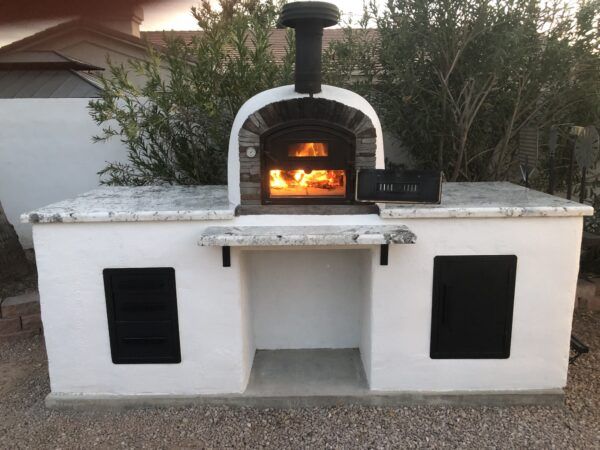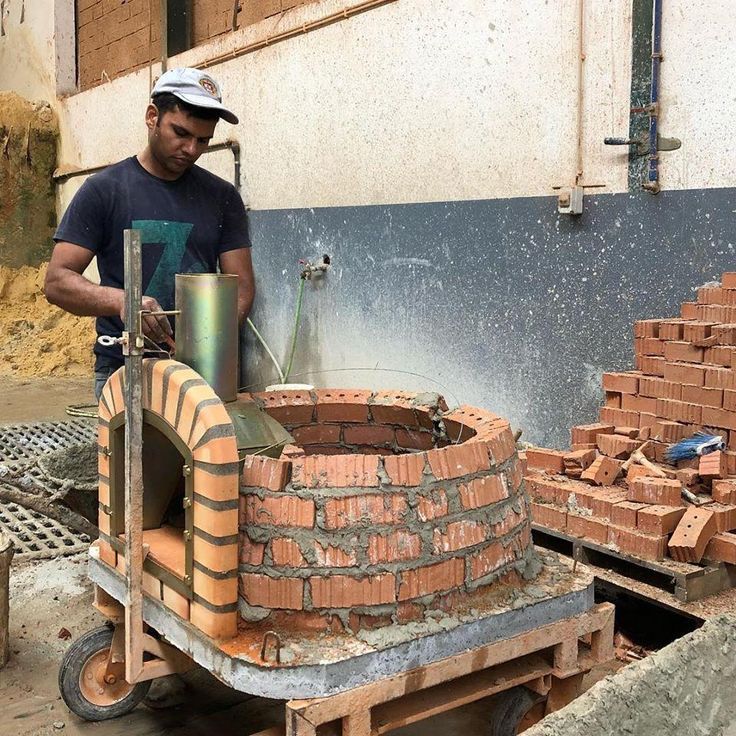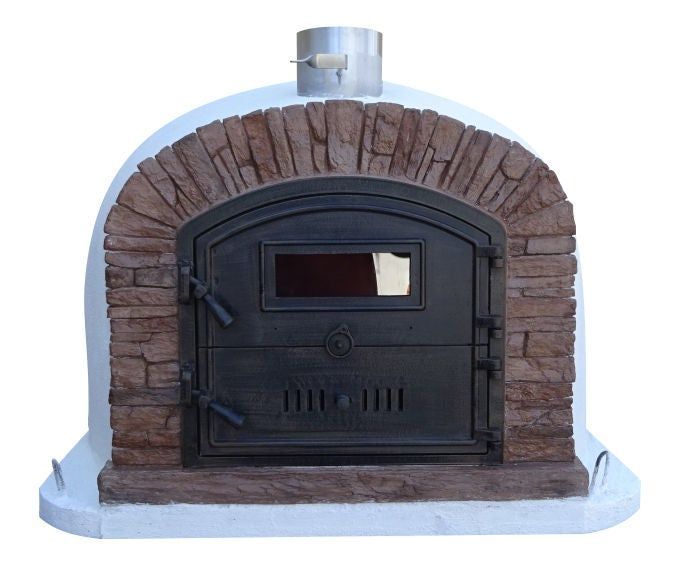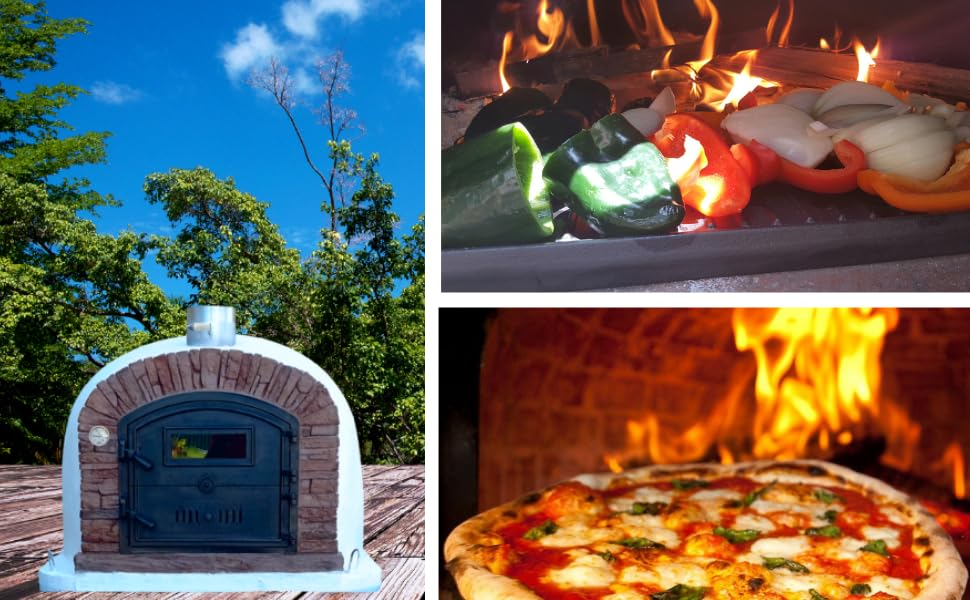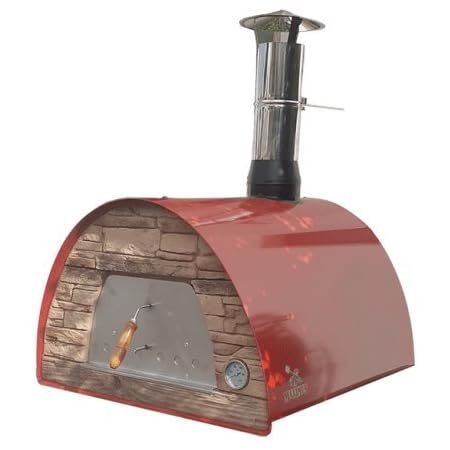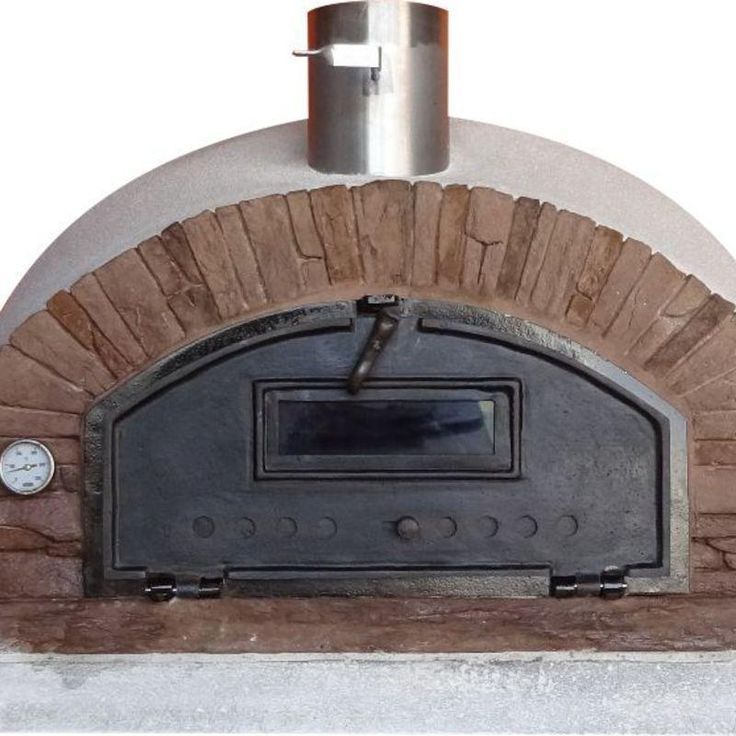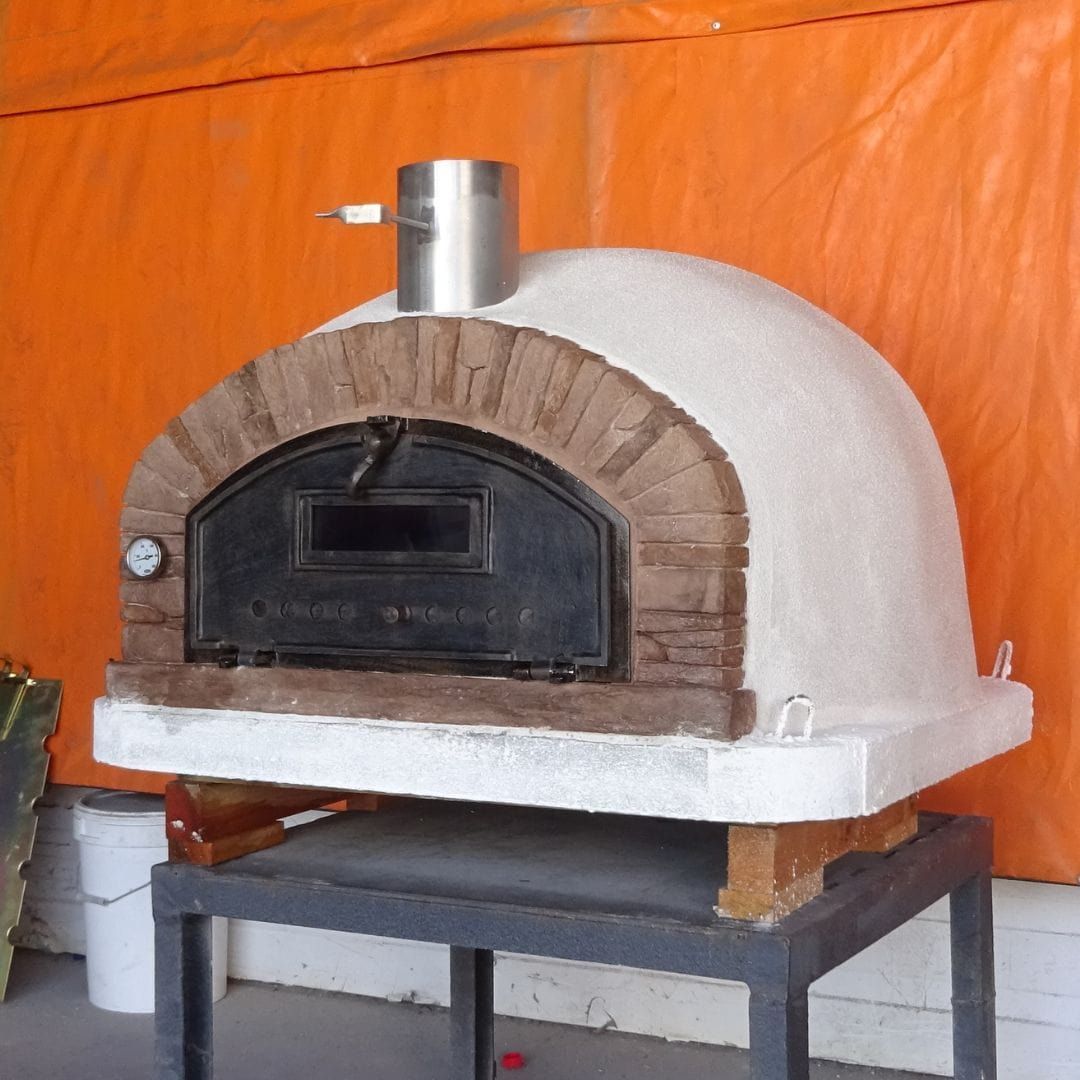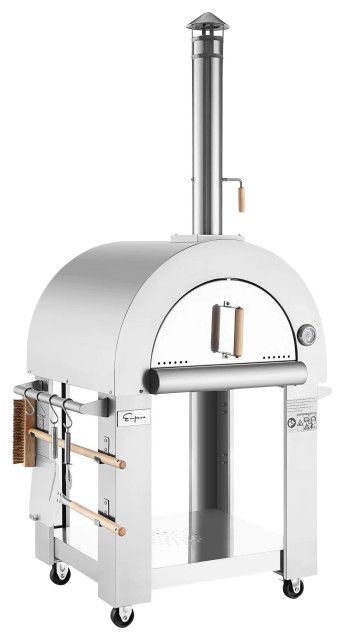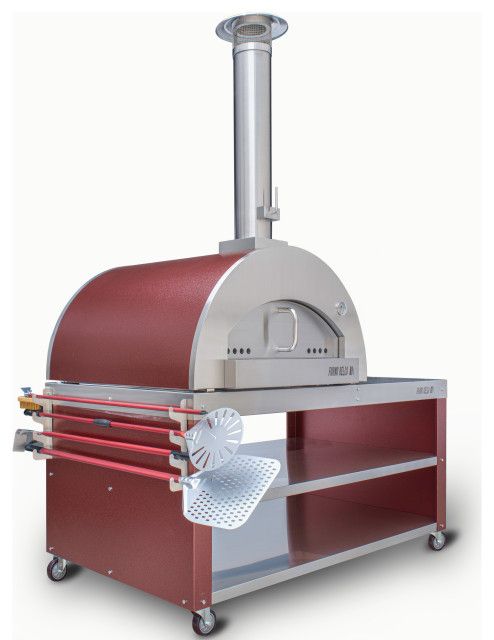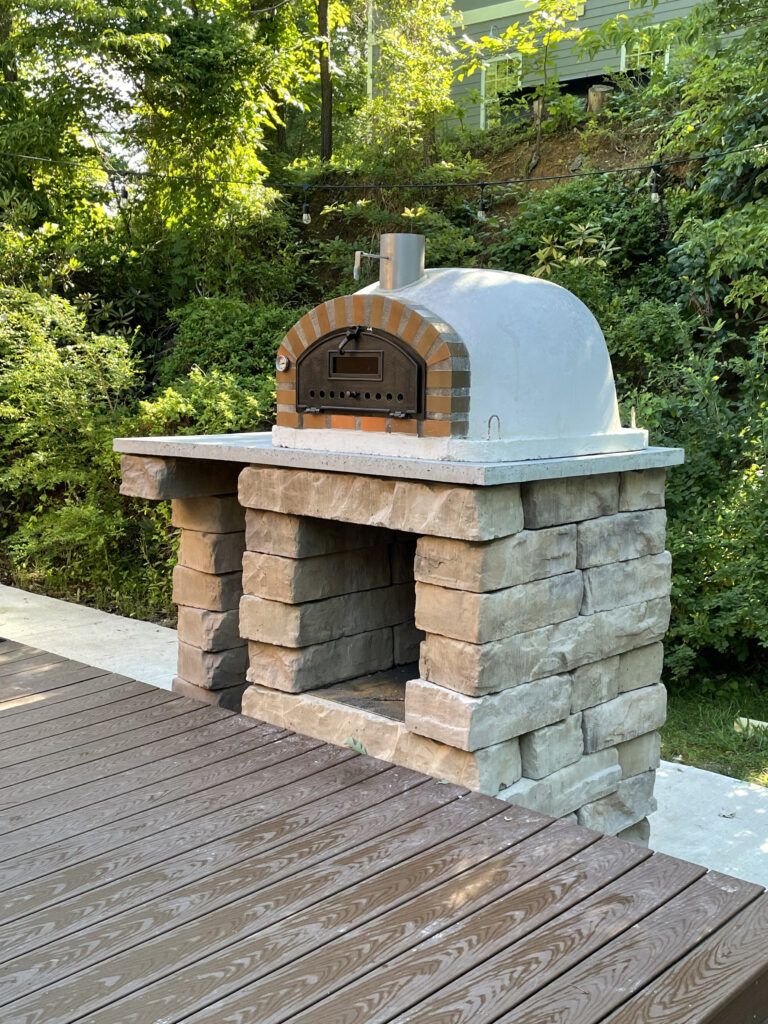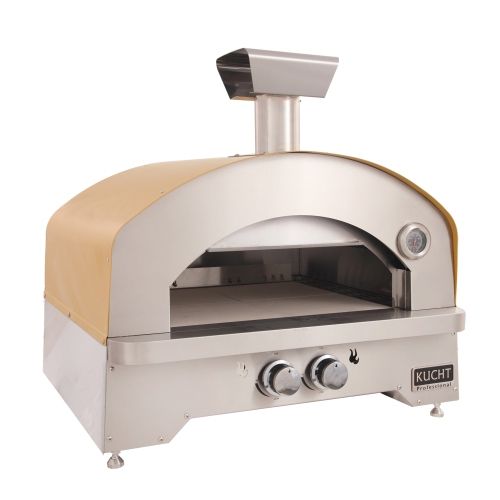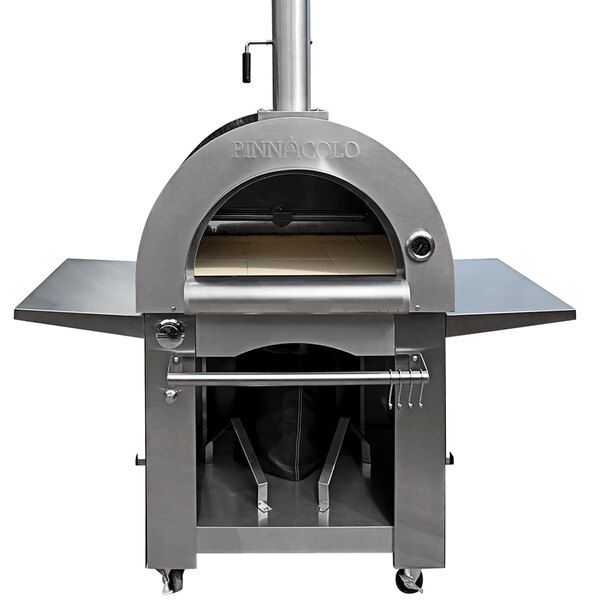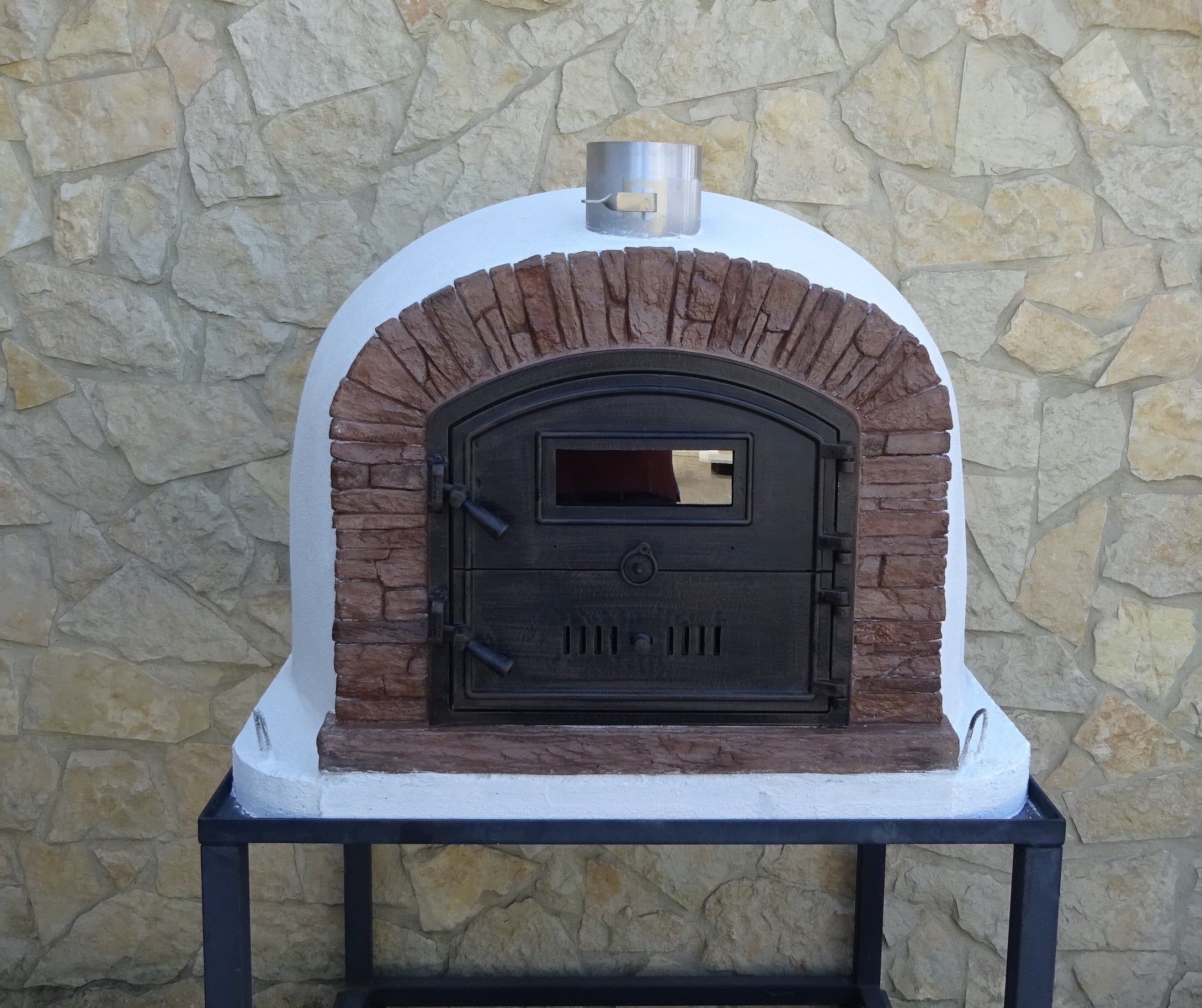
Hey pizza lovers. It’s your pal, the Pizza Prophet, back again! Today, we’re going deep, really deep, into the delicious world of Ventura Sierra pizza. Whether you’re a seasoned pro or just starting your pizza journey, we all face challenges. We’ll be tackling those common pizza issues, from the dreaded soggy crust to the uneven toppings. We’ll also be delving into some optimization techniques to elevate your pizza game to a whole new level. Get ready to transform your kitchen into a pizza paradise; it’s time to make some magic, and make some pizza.
Pizza. It’s more than just food; it’s a canvas for creativity, a symbol of comfort, and a gateway to pure joy. But, let’s be real, sometimes pizza night can turn into a pizza fight – with a soggy crust, burnt edges, or just a flavor that’s…off. This is where understanding the art of troubleshooting and optimization comes in. This guide is all about helping you conquer those pizza pitfalls and unlock the full potential of your Ventura Sierra pizza experience. Prepare to say goodbye to pizza problems and hello to pizza perfection! We’re going to make sure your pizza is a hit, every single time. The secrets await.
The Soggy Crust Saga: Battling the Damp Dough
Ah, the soggy crust. It’s the bane of every pizza maker’s existence. The culprit? Usually, too much moisture. Here’s how to fix it:
- Preheat Your Oven: Get that oven screaming hot! Aim for at least 500°F (260°C), and let it preheat for at least 30 minutes. This is crucial for a crispy crust.
- Pre-Bake the Dough: Before adding toppings, pre-bake your pizza crust for a few minutes. This helps it firm up and prevents it from absorbing moisture from the sauce and toppings. Try for around 3-5 minutes, keep a close eye on it.
- Sauce Control: Use a thin layer of sauce. Too much sauce leads to a soggy crust. You can also drain any excess moisture from your sauce before applying it.
- Topping Placement is Key: Don’t overload your pizza with wet ingredients like fresh mozzarella, mushrooms, or pineapple. If you must use them, make sure you drain them first! Remember, less is often more when it comes to toppings.
The Burnt Edges Blues: Achieving Even Cooking
Burnt edges and a raw center? A common struggle. Here’s how to achieve perfectly cooked pizza:
- Pizza Stone or Steel: Invest in a pizza stone or steel. They retain heat fantastically, providing even cooking. Place it in the oven during preheating.
- Oven Rack Position: Experiment with the position of your oven rack. Often, the middle rack is the sweet spot for even cooking. Sometimes the top rack will be better, it depends on your oven, so play around.
- Rotation is Your Friend: Rotate your pizza halfway through baking. This helps ensure even cooking, especially if your oven has hot spots.
- Temperature Check: Use an oven thermometer to verify your oven’s temperature. Ovens can be inaccurate, and this can affect cooking times and the final product’s quality.
The Uneven Topping Troubles: Spreading the Love
Uneven topping distribution is a common issue; here’s how to make sure every bite is a flavor explosion:
- Pre-Shredded vs. Fresh: Freshly shredded cheese melts better and more evenly than pre-shredded cheese, which can contain cellulose to prevent clumping. This is a game changer.
- Strategic Placement: Distribute toppings evenly across the pizza. Start with the sauce, then cheese, then other toppings. Don’t clump everything in the center.
- Less is More: Don’t overcrowd your pizza with toppings. Too many toppings can prevent the crust from cooking properly and make it difficult to achieve an even bake. This also helps with the taste of the pizza.
- Slightly Overlap: When adding ingredients like pepperoni or mushrooms, slightly overlap them for better coverage and a more cohesive look.
The Sauce Situation: Flavor and Moisture Balance
Sauce is the heart of any pizza, and getting it right is vital.
- Homemade vs. Store-Bought: Experiment with both homemade and store-bought sauces. Homemade allows for more control over flavor and consistency. Store-bought can be a great time-saver.
- Seasoning is key: Whether you make your own or buy it, season your sauce well. Add salt, pepper, garlic powder, oregano, and other spices to your liking.
- Moisture Management: If your sauce is too watery, strain it or simmer it on the stovetop to reduce the moisture content. Excess water can lead to a soggy crust.
- Sauce Application: Use a ladle or spoon to spread the sauce evenly over the dough. Don’t go all the way to the edge, leave a small border for the crust.
Dough Disasters: From Flat to Fantastic
Dough is the foundation of any good pizza; here’s how to troubleshoot dough issues:
- Yeast Troubles: Make sure your yeast is fresh. Test it by proofing it in warm water with a pinch of sugar. If it doesn’t foam, your yeast is dead.
- Kneading is Crucial: Knead the dough properly, whether by hand or with a mixer. This develops the gluten, giving your pizza its structure and chewiness.
- Proofing Time: Allow your dough to rise properly. This can take anywhere from 1-2 hours at room temperature or longer in the refrigerator. Cold fermentation often results in better flavor.
- Dough Thickness: Adjust the thickness of your dough to your preference. Thinner crusts cook faster and are crispier, while thicker crusts are chewier.
Ventura Sierra Pizza Optimization: Taking it to the Next Level
Now that we’ve covered the common problems, let’s look at optimization techniques, specific to a Ventura Sierra pizza oven, or any oven you might have.
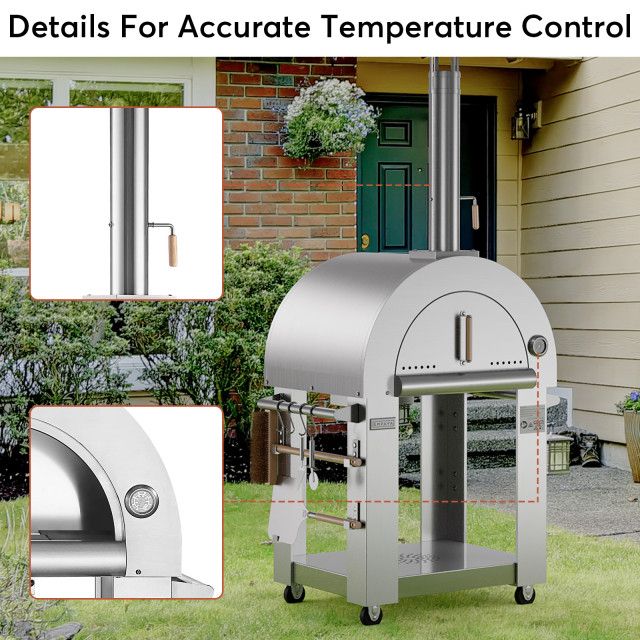
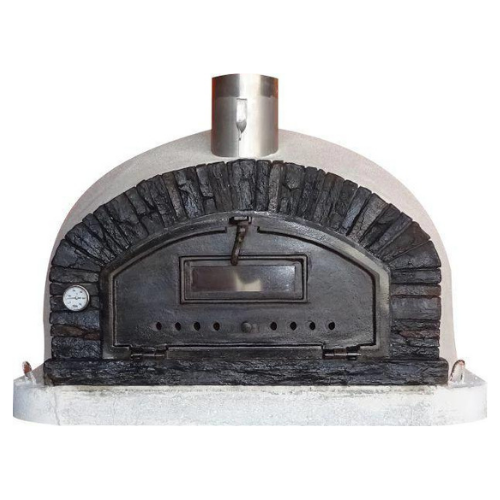
- Temperature Control: Ventura Sierra ovens are known for their high heat. Use an infrared thermometer to monitor the stone’s temperature for consistent results.
- Fuel Efficiency: Use the right amount of fuel (wood or gas) to maintain the desired temperature without wasting energy. This is important for the overall experience of making pizza.
- Wood-Fired Flavor: If using a wood-fired oven, experiment with different types of wood for unique flavor profiles. Think applewood for a hint of sweetness, or oak for a robust taste.
- Practice Makes Perfect: The more you make pizza, the better you’ll become. Don’t be afraid to experiment and learn from your mistakes. Each pizza is a learning experience. And remember, have fun.
So there you have it, pizza pals! A comprehensive guide to troubleshooting common pizza problems and optimizing your Ventura Sierra pizza-making experience. Remember, pizza is a journey, not a destination. Embrace the challenges, celebrate the successes, and most importantly, enjoy the process. With a little practice and the tips we’ve covered, you’ll be crafting pizzas that will impress your friends, delight your family, and satisfy your own cravings. Go forth, conquer those pizza problems, and create pizza perfection. Happy baking, everyone. Until next time, may your crusts be crispy, your toppings be tasty, and your pizza nights be filled with joy.