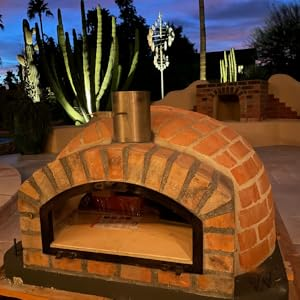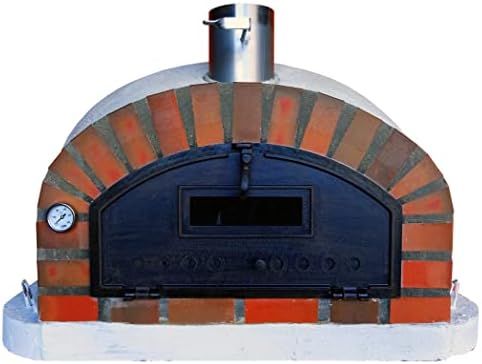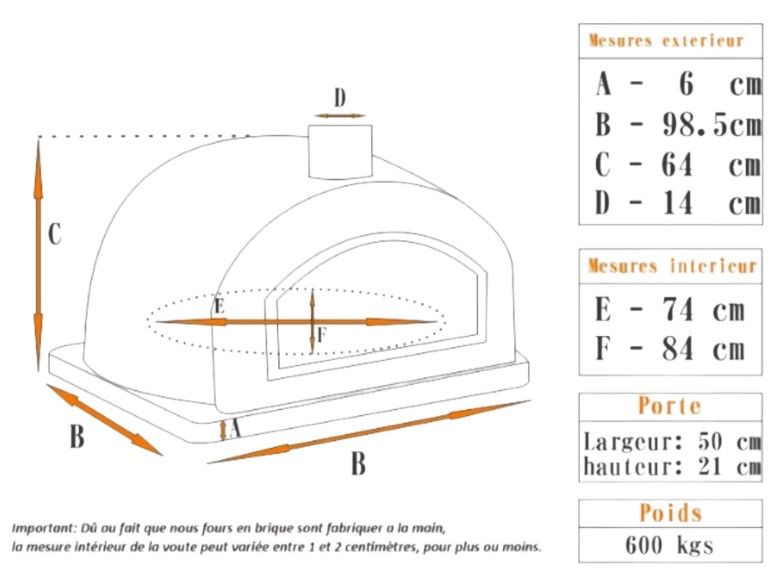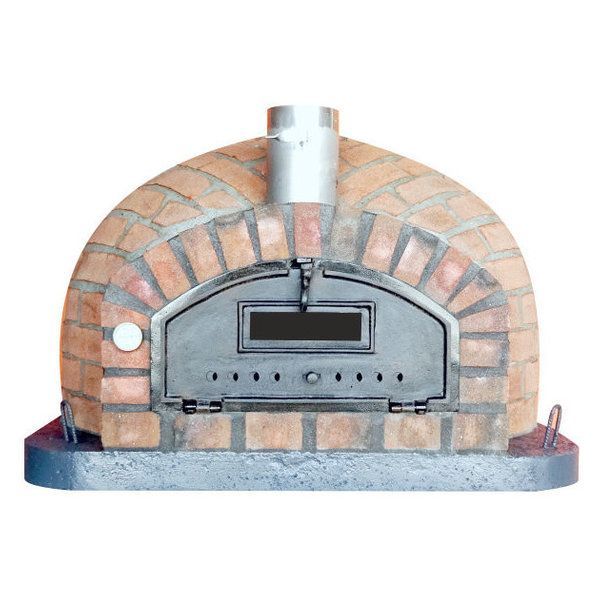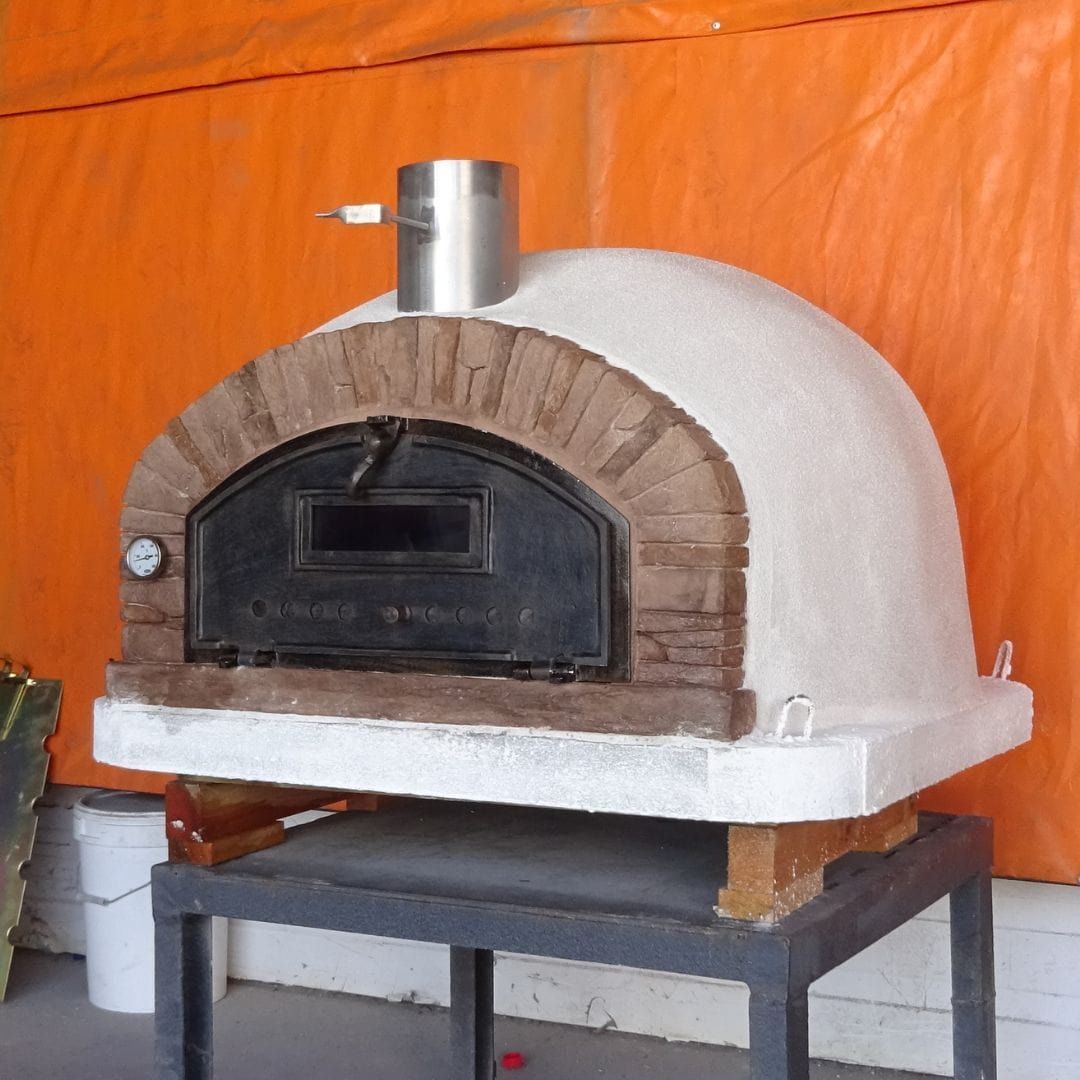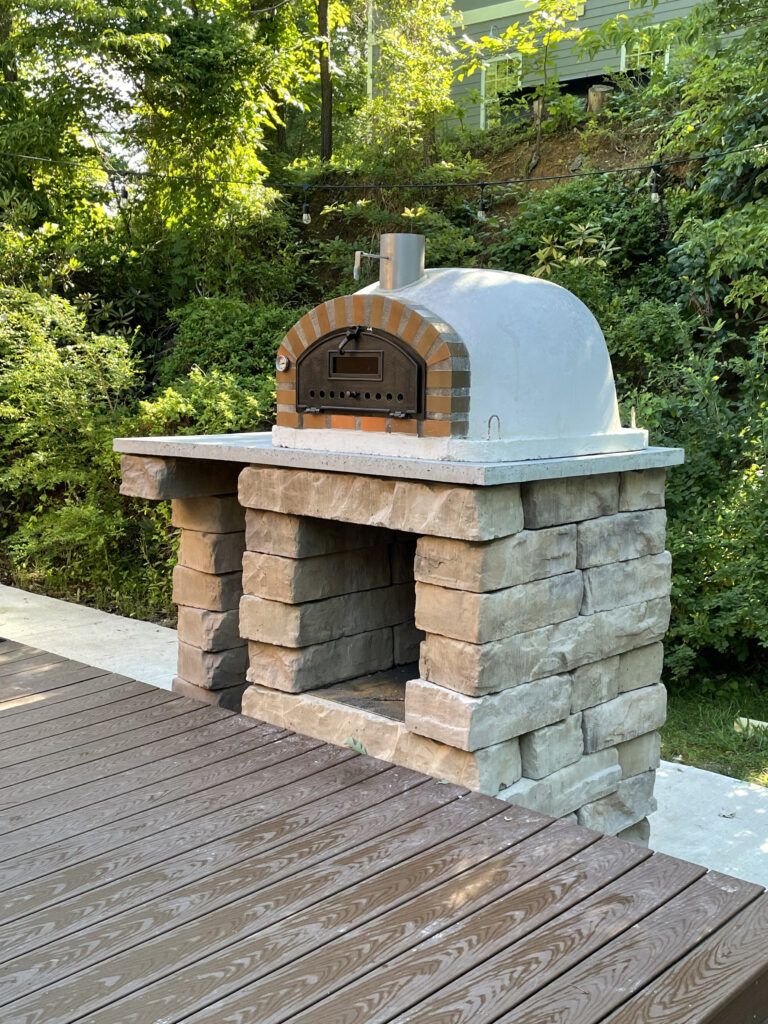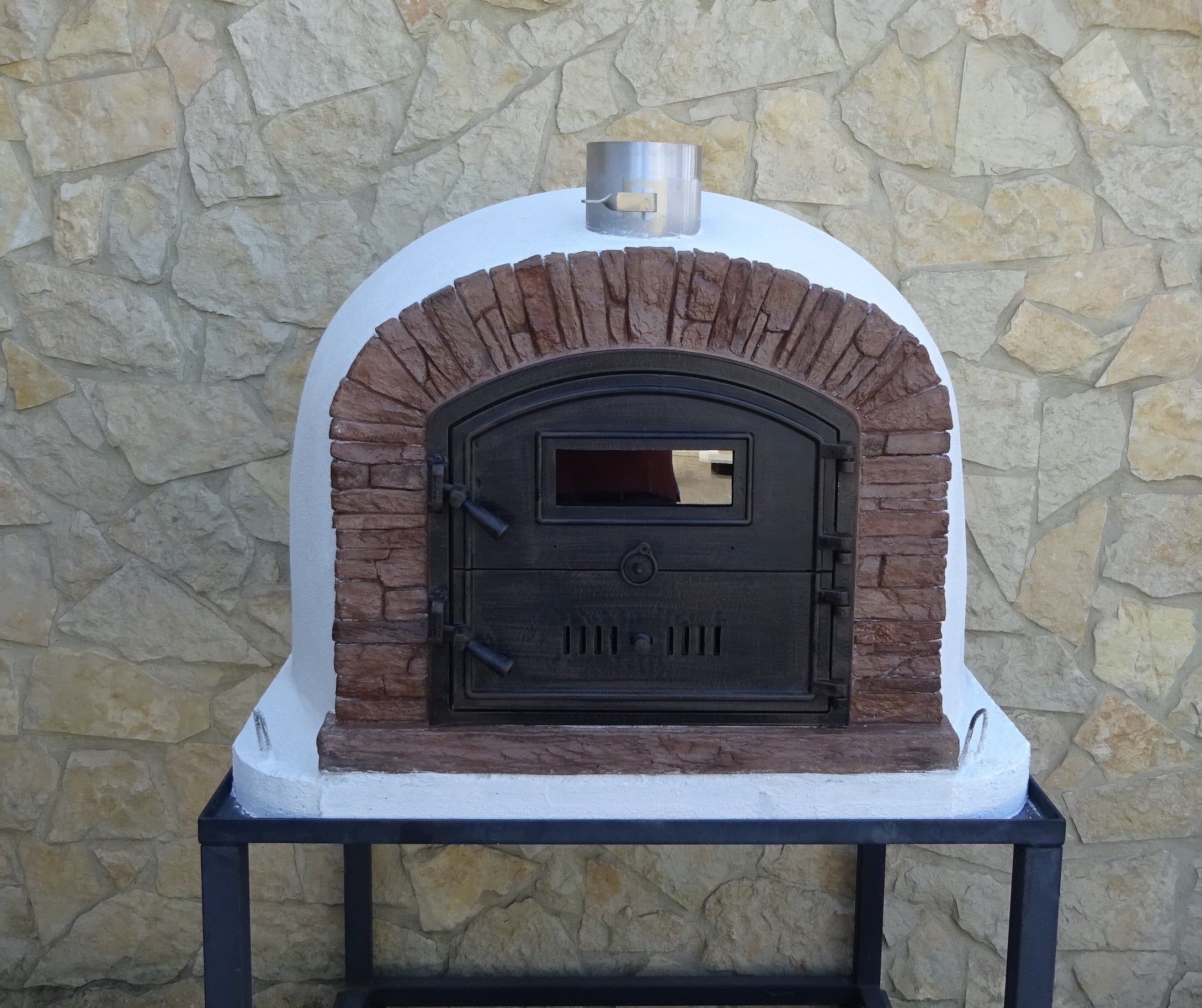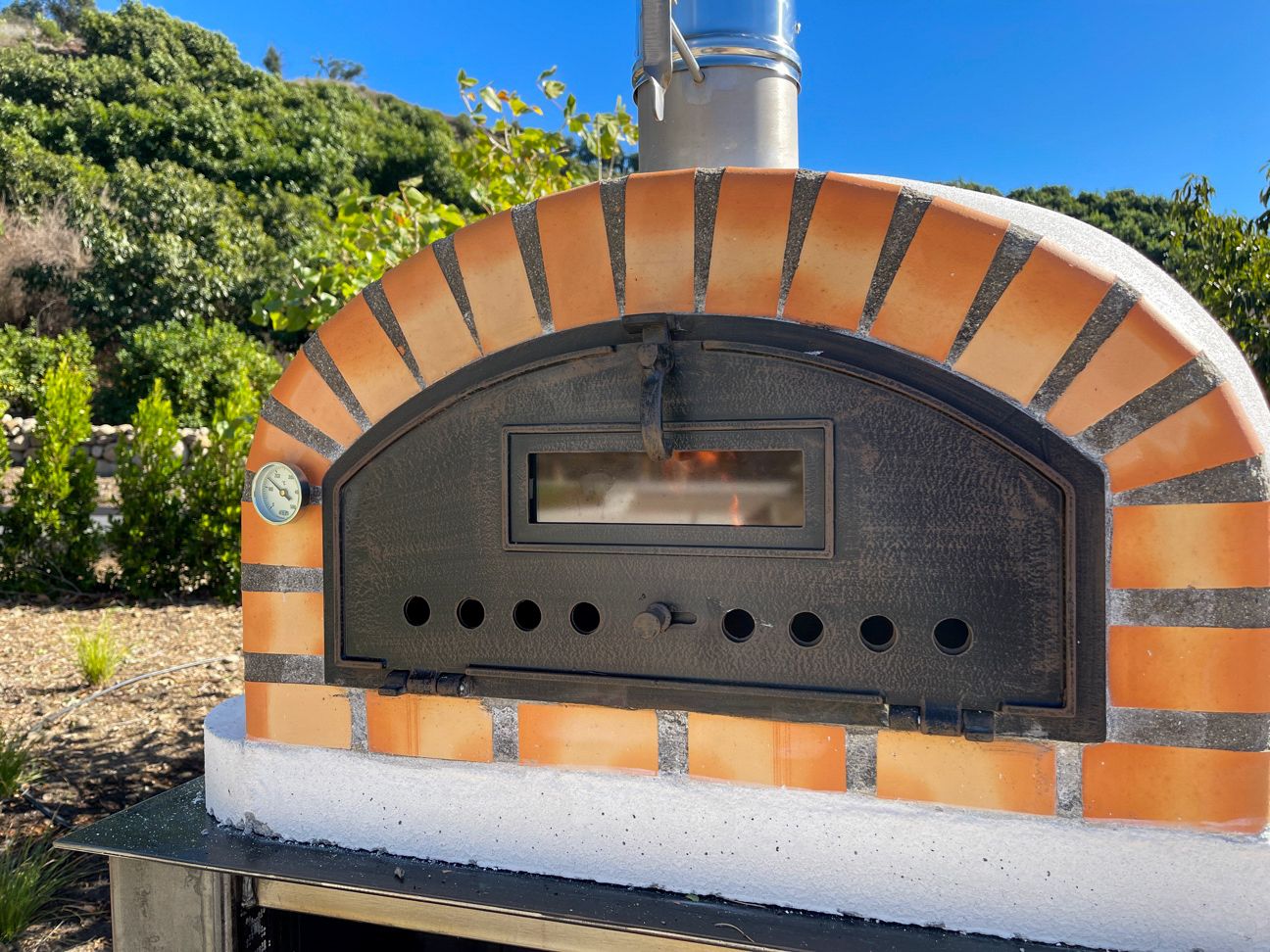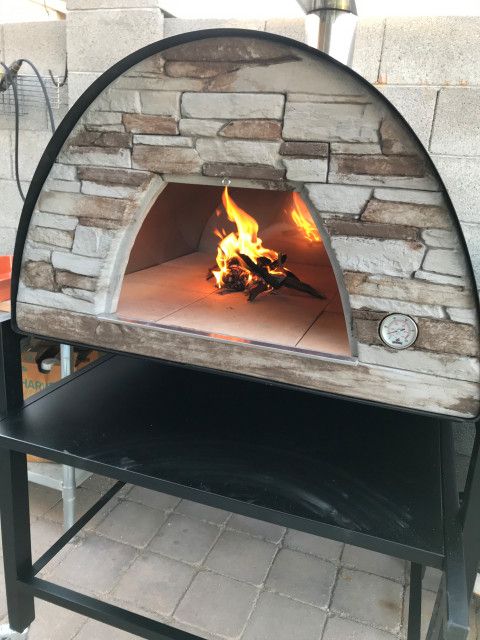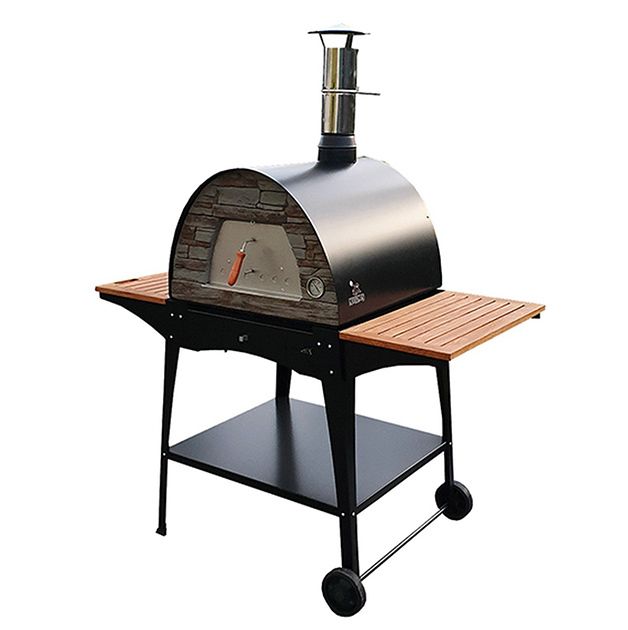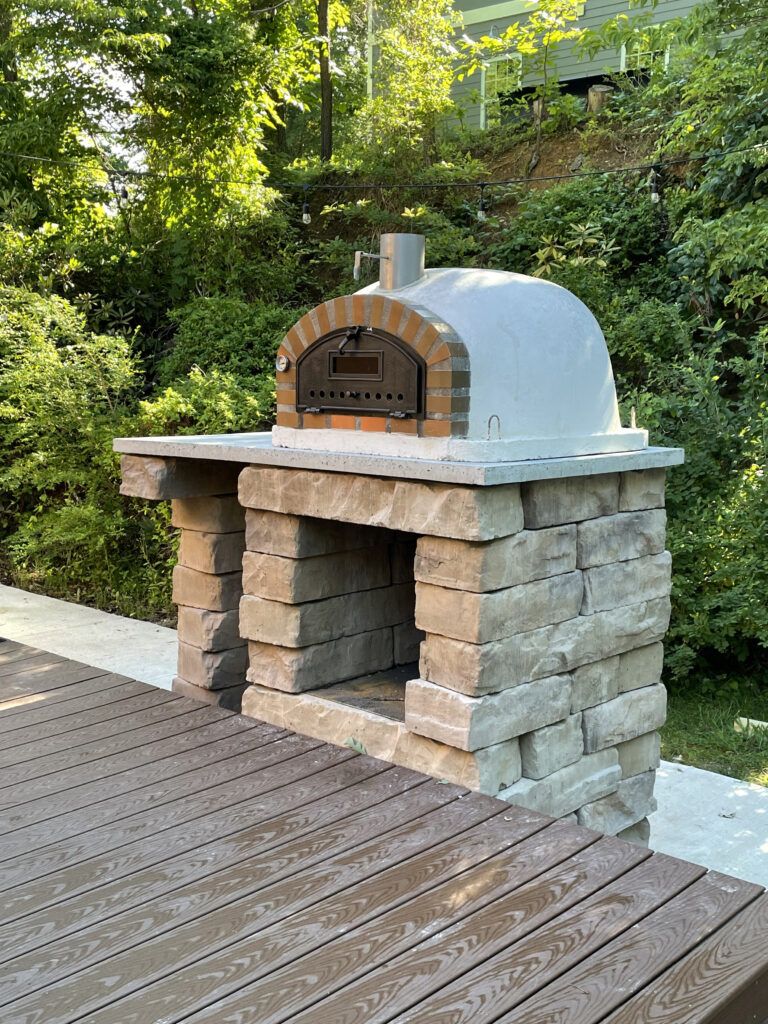
So, you’ve got yourself a beautiful, rustic pizzaioli oven. Awesome. Now, let’s talk about keeping it running smoothly, so you can keep cranking out those amazing pizzas. This guide is all about tackling those inevitable hiccups that come with owning and operating these fantastic, yet sometimes temperamental, ovens. We’re going to cover everything from inconsistent heat to smoke issues, giving you the knowledge and confidence to troubleshoot like a pro. And don’t worry, we’ll keep it real, with practical advice and real-world examples, because let’s face it – nobody wants to spend their pizza night wrestling with their oven.
Owning a rustic pizzaioli oven is a fantastic adventure. The smells, the flavors, the social aspect… it’s all part of the charm. But like any piece of equipment that gets a lot of use, these ovens can sometimes throw you a curveball. Whether you’re a seasoned pizzaiolo or just starting out, understanding how to troubleshoot common problems is essential. This isn’t about complex engineering; it’s about understanding the basics and having the right tools (and maybe a little patience) to get your oven back in top shape. Let’s dive in and uncover the secrets to a happy, healthy pizza oven, and by extension, some very happy pizza eaters.
Uneven Heating: The Pizza’s Biggest Enemy, and How to Fight It
One of the most frustrating issues is inconsistent heat distribution. You might have a beautifully charred crust on one side and a soggy, undercooked bottom on the other. This usually stems from a few key issues:
- Poor Fire Management: The way you build and maintain your fire is critical. Make sure your fire is well-placed within the oven and that you’re allowing enough time for the oven to reach a consistent temperature. Experiment with moving the fire around, or even using a ‘fire-and-move’ method, to evenly heat the oven floor and dome.
- Draft Issues: An inadequate draft can cause uneven heat. Check your chimney and flue for blockages, and ensure your oven has proper ventilation. A good draft pulls air through the oven, feeding the fire and distributing heat evenly.
- Oven Material Matters: Some ovens, especially those made with certain types of brick or stone, might retain heat more effectively than others. Consider the material of your oven and research its specific heat retention characteristics. And, if you’re building an oven from scratch, do your homework on the best materials for your specific needs.
Actionable Tip: Use an infrared thermometer to monitor the temperature of your oven floor and dome. This will give you valuable data to help you fine-tune your fire management techniques.
Smoke, Smoke Everywhere: Taming the Smoky Beast
Smoke is a common complaint, and it can quickly ruin a pizza night. Here’s why it happens, and what you can do:
- Damp Wood: Always use properly seasoned, dry firewood. Wet wood produces a lot of smoke and doesn’t burn efficiently.
- Insufficient Airflow: As mentioned before, a poor draft can prevent the smoke from escaping properly. Ensure your chimney is clear and your flue is open.
- Oven Temperature: When the oven is at a low temperature, the combustion process isn’t complete, leading to more smoke. Get your oven up to temperature before you start cooking.
- Fuel Type: Certain types of wood smoke more than others. Experiment with different wood varieties to find the one that gives you the flavor you like without excessive smoke. For instance, hardwoods like oak, maple, and beech are often preferred.
Actionable Tip: Before starting your pizza-making session, light a small fire and observe the smoke. If it’s excessive, address the issue before adding more wood.
Troubleshooting Dough Sticking: Preventing Pizza Disasters
Sticky dough is a pizza-maker’s nightmare. Here’s how to prevent it:
- Oven Floor Preparation: Make sure your oven floor is clean and free of debris. Before launching your pizza, give the floor a quick sweep with a long-handled brush. This is particularly important after the oven has cooled down and the soot and ash have settled.
- Hydration Levels: Excessively hydrated dough (meaning it has a lot of water) is more prone to sticking. Adjust your recipe, or reduce the hydration slightly.
- Flour, Flour, Everywhere: Use a generous amount of flour (semolina is a great choice) on your peel and the oven floor. This creates a barrier between the dough and the hot surface. Don’t be shy. It’s better to use too much than not enough.
- Temperature is Key: Make sure your oven floor is hot enough. A cold floor is a recipe for sticking. Give it time to heat up properly.
Actionable Tip: Practice launching your pizza onto a floured surface before attempting to bake it in your oven.
Cracked Ovens: Identifying and Addressing Structural Concerns
Cracks in your oven can be alarming, but they don’t always mean disaster. Here’s what you need to know:
- Hairline Cracks: These are often cosmetic and can occur as the oven expands and contracts with temperature changes. They usually aren’t a major concern, unless they get bigger.
- Larger Cracks: These could indicate a more serious problem, such as improper construction, the use of the wrong materials, or excessive heat stress. Inspect the cracks and monitor their growth. If they’re growing, it’s time to consult a professional.
- Material Matters (Again): The type of materials used in your oven’s construction plays a big role. High-quality refractory bricks or stones are designed to withstand high temperatures and minimize cracking.
Actionable Tip: Regularly inspect your oven for cracks. Take photos and keep a log of any changes over time. This information can be very important if you do need to get assistance from a professional.
Dealing with Soot and Ash: Keeping Your Oven Clean and Safe
A build-up of soot and ash is inevitable, but it can impact your pizza’s flavor and even pose a fire hazard. Here’s how to keep your oven clean:
- Regular Sweeping: After your oven has cooled down, use a long-handled brush to sweep the floor and dome, removing any ash and debris.
- Ash Removal: Regularly remove the ash from the oven. You can use a metal shovel or a specialized ash removal tool.
- Ventilation: Proper ventilation helps to reduce the amount of soot that accumulates. Make sure your chimney and flue are functioning correctly.
- Avoid Overloading: Don’t overload your oven with wood. A smaller, hotter fire is often better than a larger, smoky one.
Actionable Tip: Make cleaning your oven part of your routine. It’s much easier to maintain a clean oven than to deal with a major build-up.
Wood Selection: The Fuel of Flavor, and How to Choose Wisely
The type of wood you use directly impacts your pizza’s flavor. Here’s what to consider:
- Seasoning is Critical: Always use seasoned wood (wood that has been dried for at least six months). This ensures a cleaner burn and less smoke.
- Hardwoods are Best: Hardwoods like oak, maple, and beech provide a long, hot burn and impart delicious flavors. Avoid softwoods like pine, which burn quickly and can produce a lot of smoke.
- Flavor Profiles: Different woods offer different flavors. Experiment with different varieties to find your favorites. For example, cherry wood adds a slightly sweet, fruity note.
- Wood Size Matters: Use appropriately sized pieces of wood for your oven. Too large, and they’ll smolder. Too small, and they’ll burn up too fast. Find the right balance for your specific oven.
Actionable Tip: Keep a log of the woods you use and how they affect the flavor of your pizzas. This will help you refine your wood selection over time.
Owning a rustic pizzaioli oven is an ongoing learning experience. There will be times when things don’t go as planned, when the heat isn’t right, or when the smoke gets a little too enthusiastic. But that’s all part of the fun. By understanding the common issues and knowing how to address them, you can enjoy the satisfaction of creating amazing pizzas and sharing them with friends and family. Don’t be afraid to experiment, to learn from your mistakes, and to embrace the journey. With a little knowledge, a little patience, and a whole lot of passion, you’ll be a pizzaioli master in no time. So, fire up that oven, grab your peel, and get ready to create some delicious memories. Cheers to pizza and the art of the perfect pie.