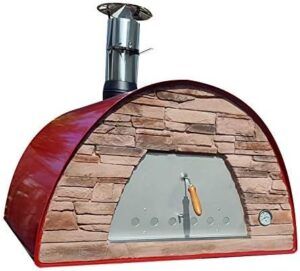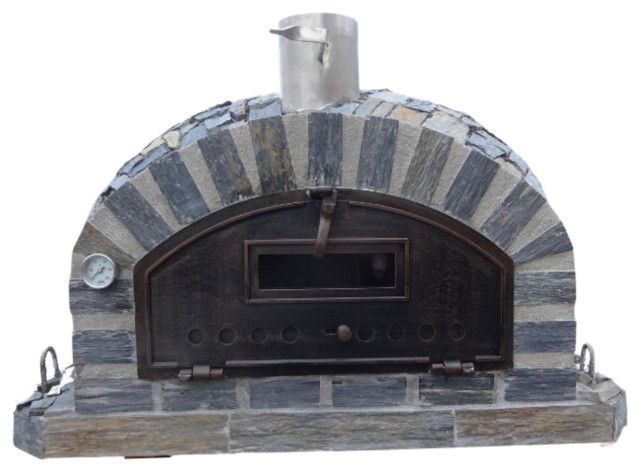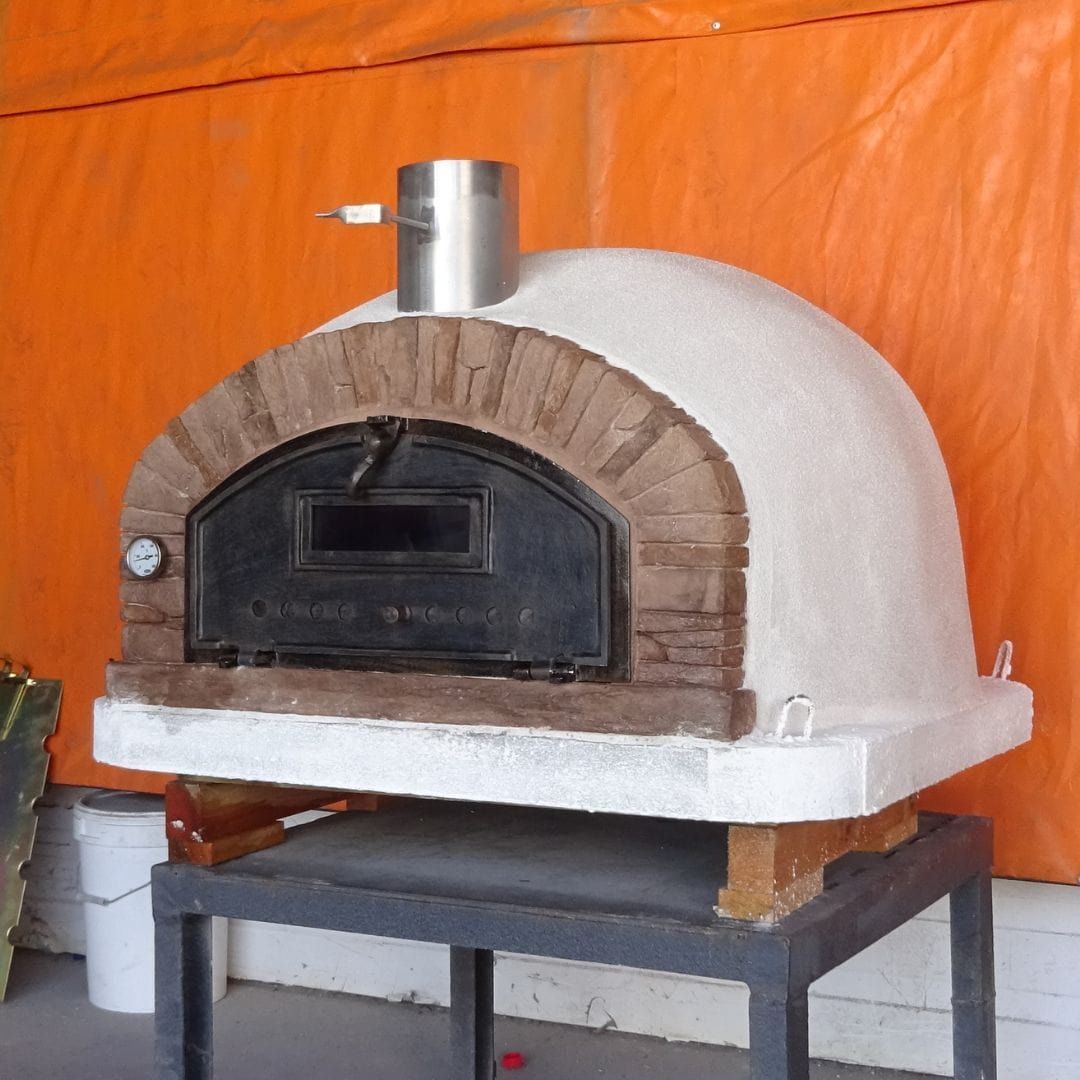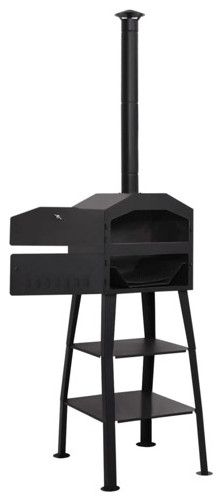
Hey everyone, it’s your friendly neighborhood home guru, back again! Today, we’re going to talk about something often overlooked but incredibly important: your chimney. Specifically, we’re going to delve into why a chimney pipe with a cap is not just a good idea, but a must-have for safeguarding your home. Believe me, I’ve seen firsthand the damage that can occur when chimneys are neglected, and trust me, you don’t want to experience it. From keeping out unwanted critters to preventing fire hazards, a properly equipped chimney is essential for a safe and sound home. Let’s dig in and explore how to keep your chimney in tip-top shape, and what’s the deal with that cap, anyway?
Your chimney is more than just a vent for smoke and gases. It’s an integral part of your home’s structure, and it plays a vital role in your family’s safety and the overall well-being of your property. One of the most crucial components of a functional and safe chimney is the chimney pipe, and, of course, the all-important cap. This dynamic duo works together, acting as a barrier against a variety of potential problems. Let’s explore why these two elements are so critical, shall we?
The Primary Role of the Chimney Pipe
The chimney pipe, often made of metal or clay, serves as the primary pathway for smoke and combustion byproducts to exit your home. It’s designed to withstand extreme heat and corrosive chemicals. Now, think of it like this: It’s like the exhaust pipe on your car. It takes the stuff you don’t want inside out of your home. A well-maintained chimney pipe ensures that these dangerous gases are safely channeled away, preventing them from seeping back into your living spaces. Problems with your chimney pipe? Well, they could lead to poor air quality, health issues, and even carbon monoxide poisoning – a serious concern. Regular inspections, cleaning, and necessary repairs are key to maintaining a healthy chimney system. You should also think about chimney relining; it’s a good way to make sure the chimney pipe is safe and sound.
The Indispensable Chimney Cap: Your Home’s First Line of Defense
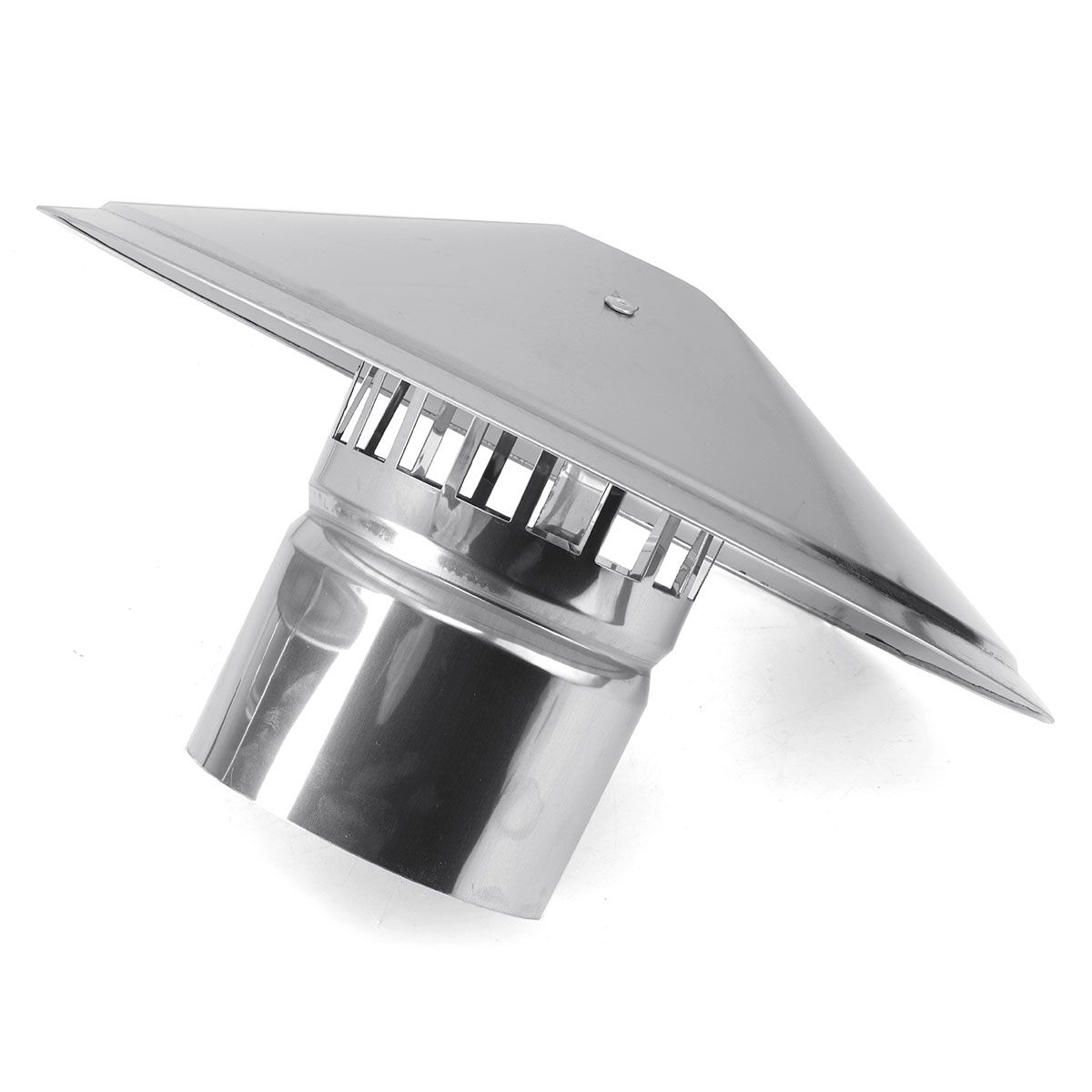
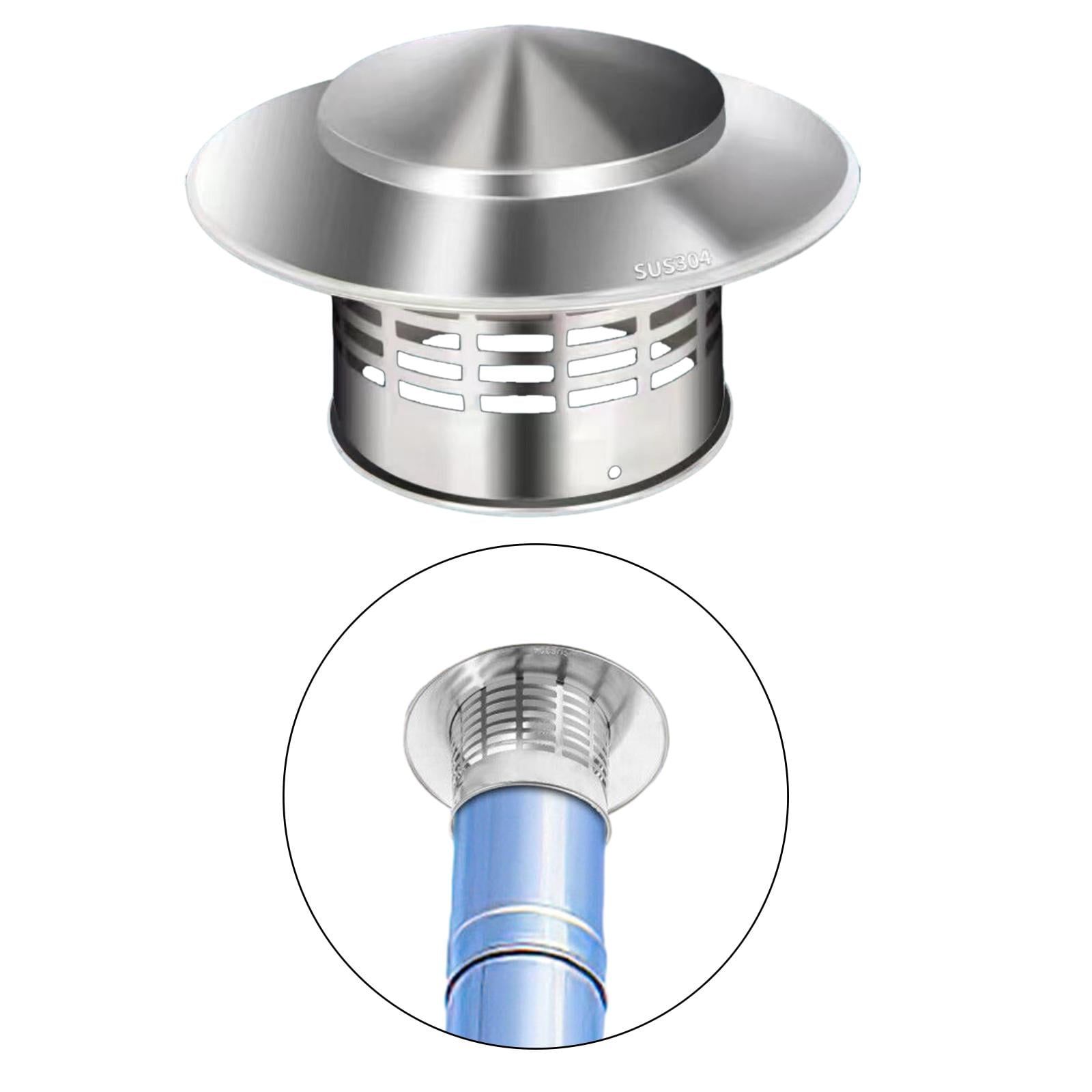
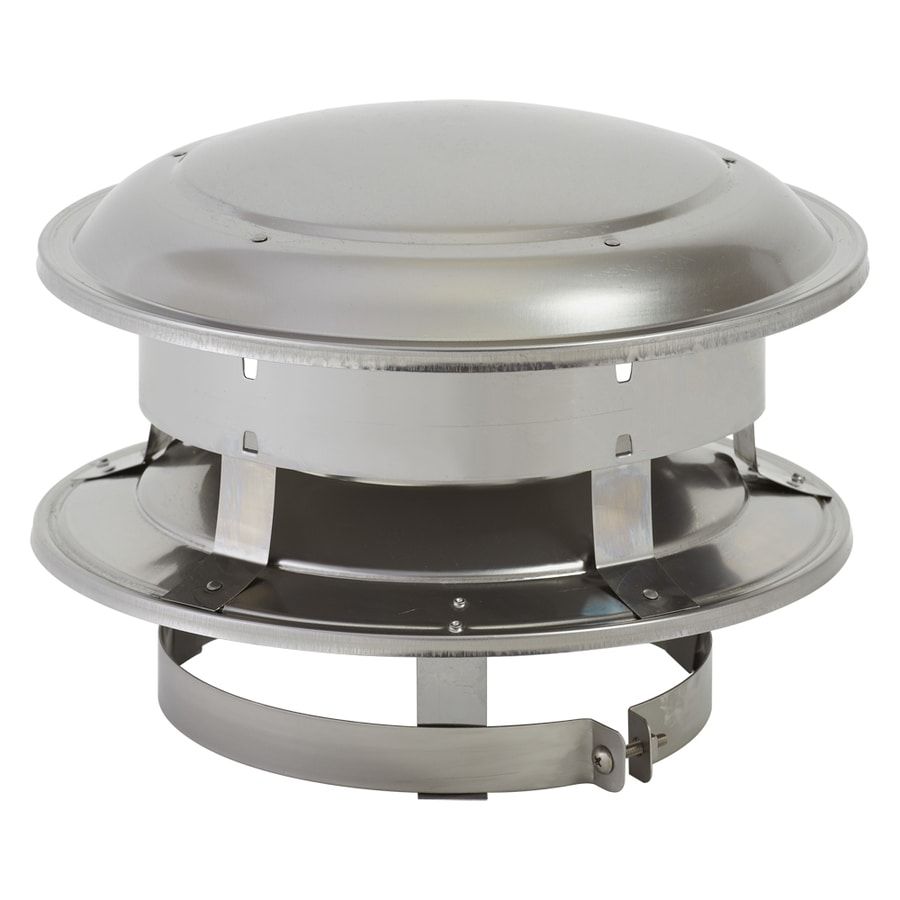
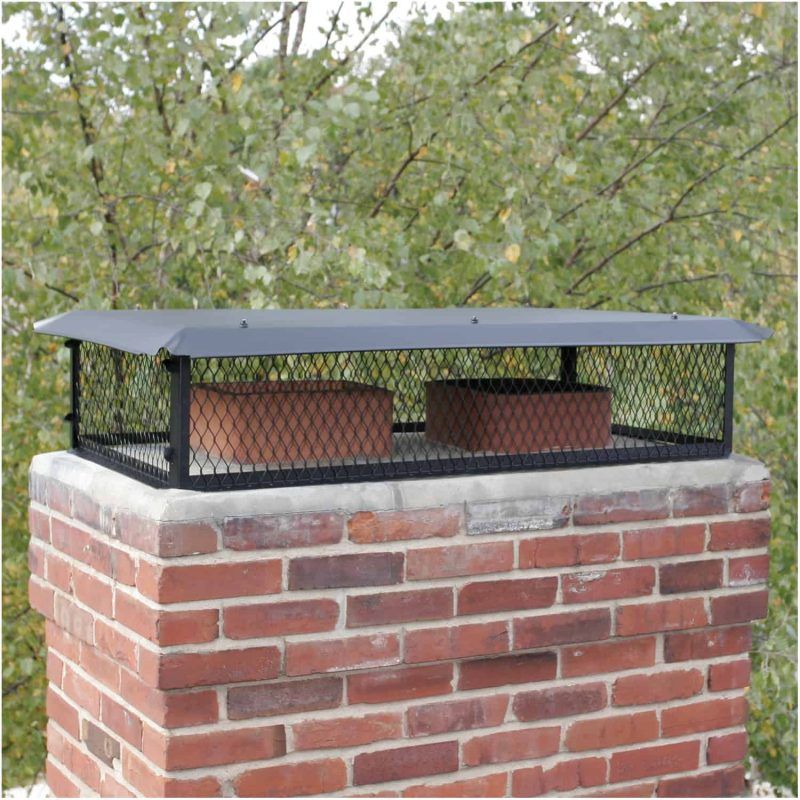
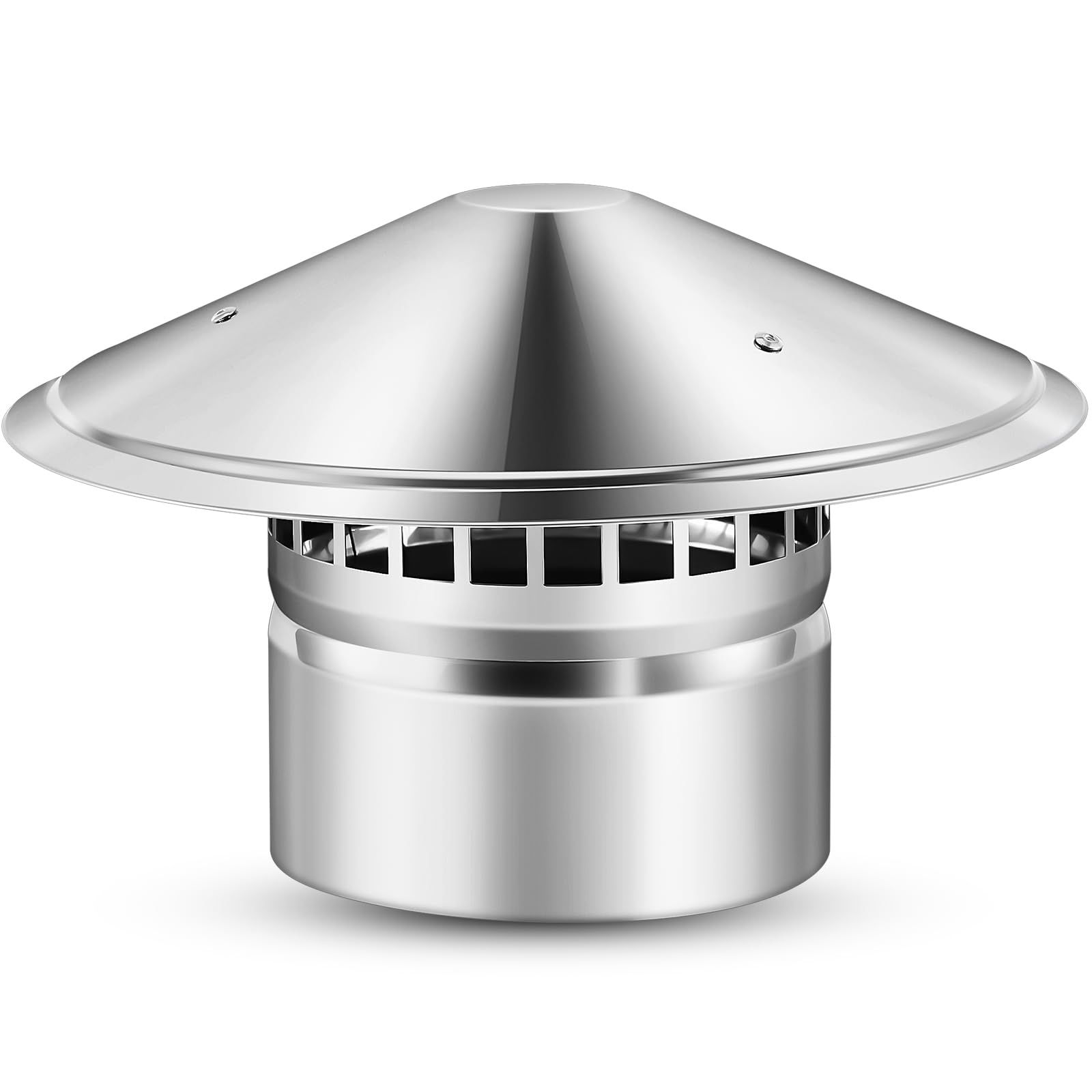
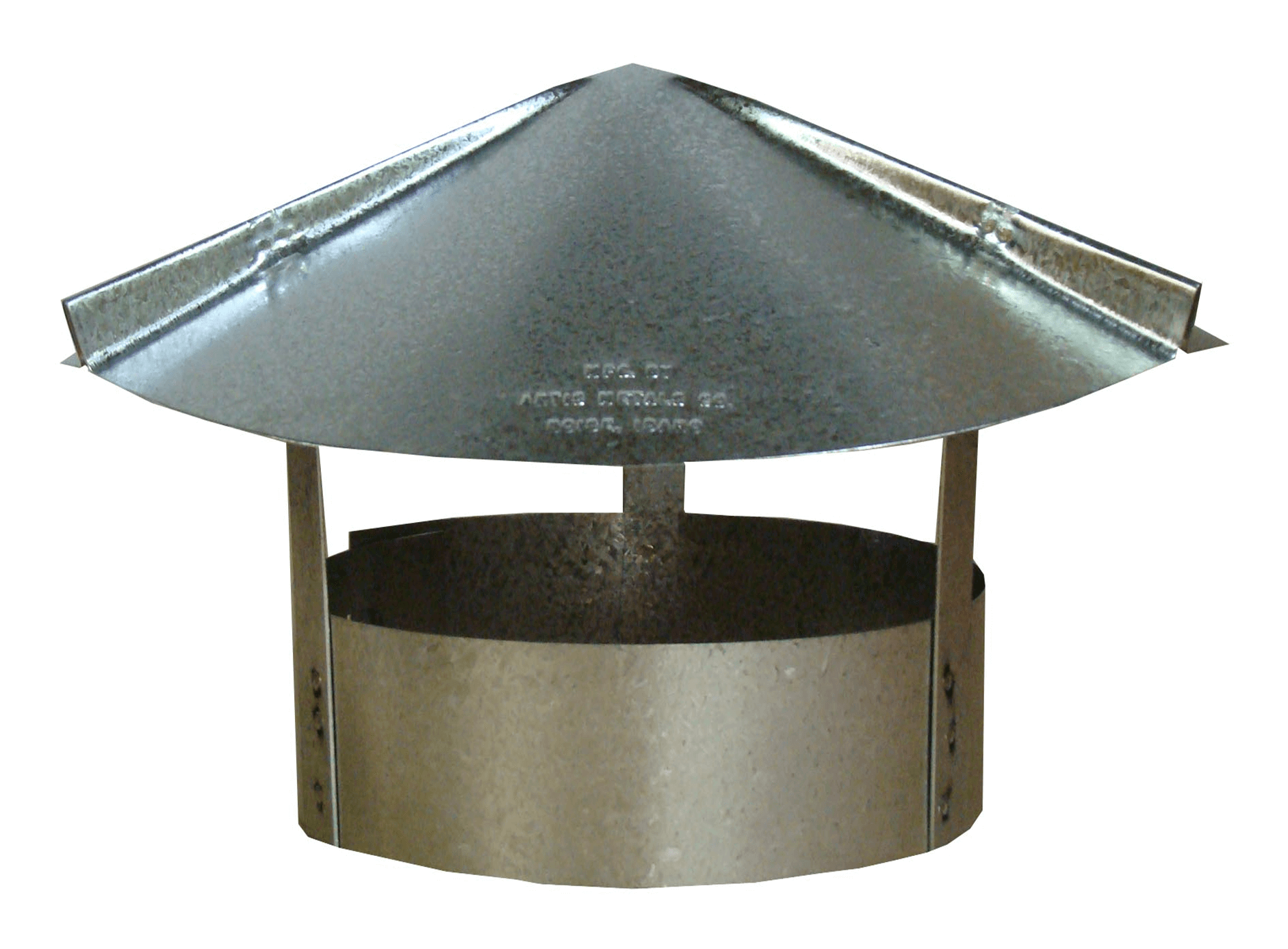
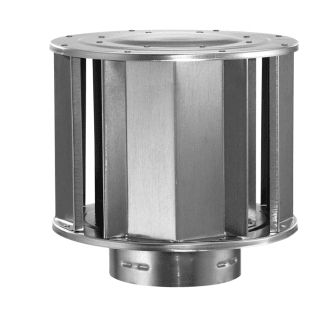
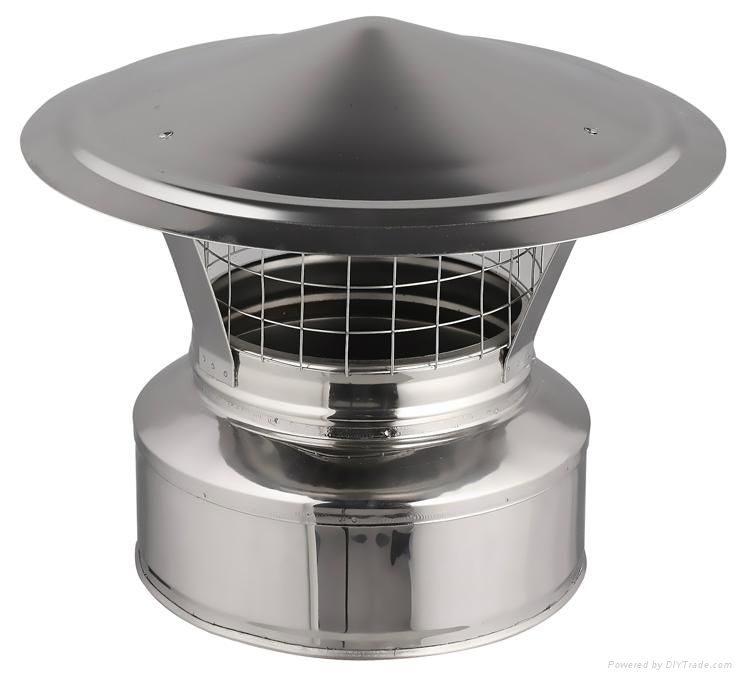
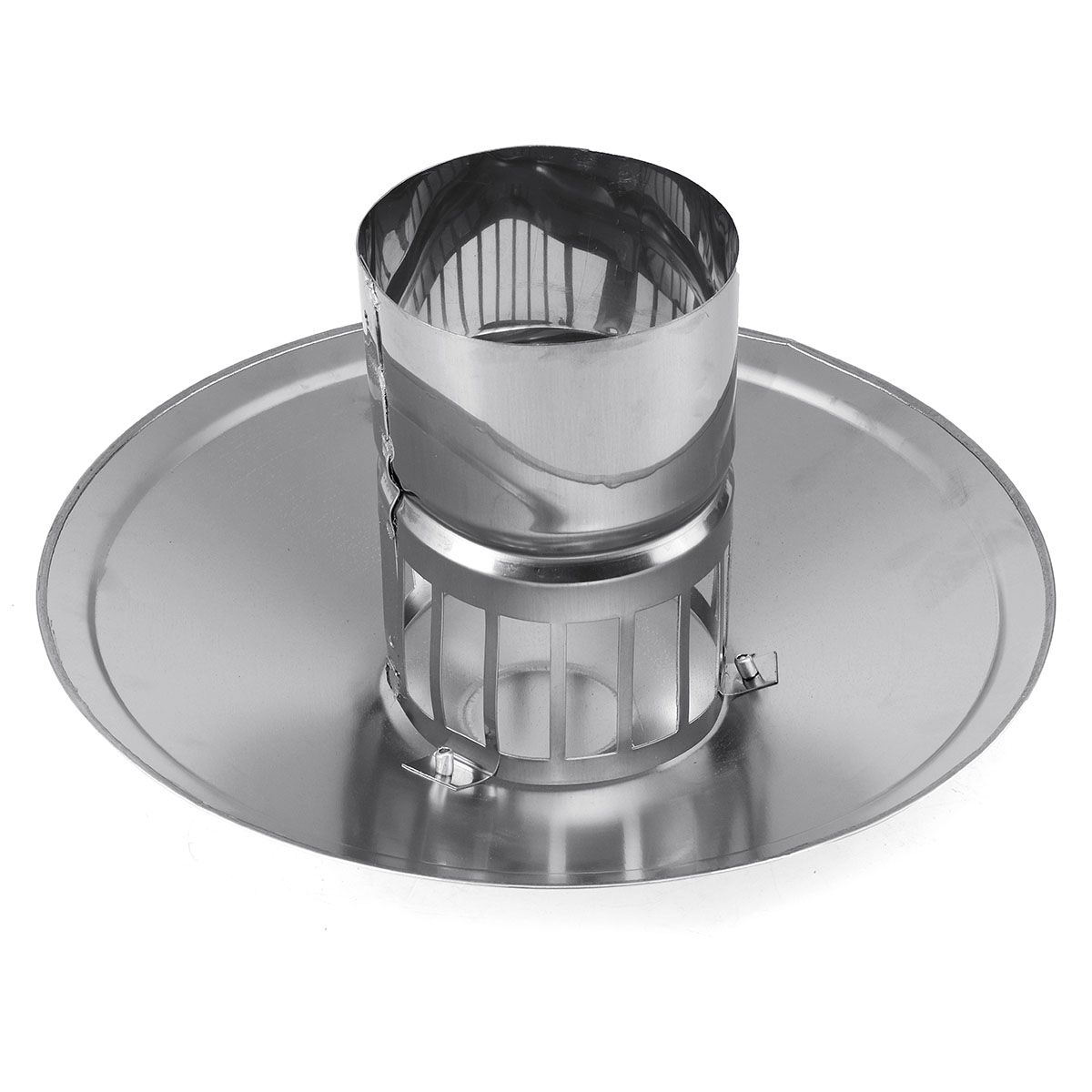
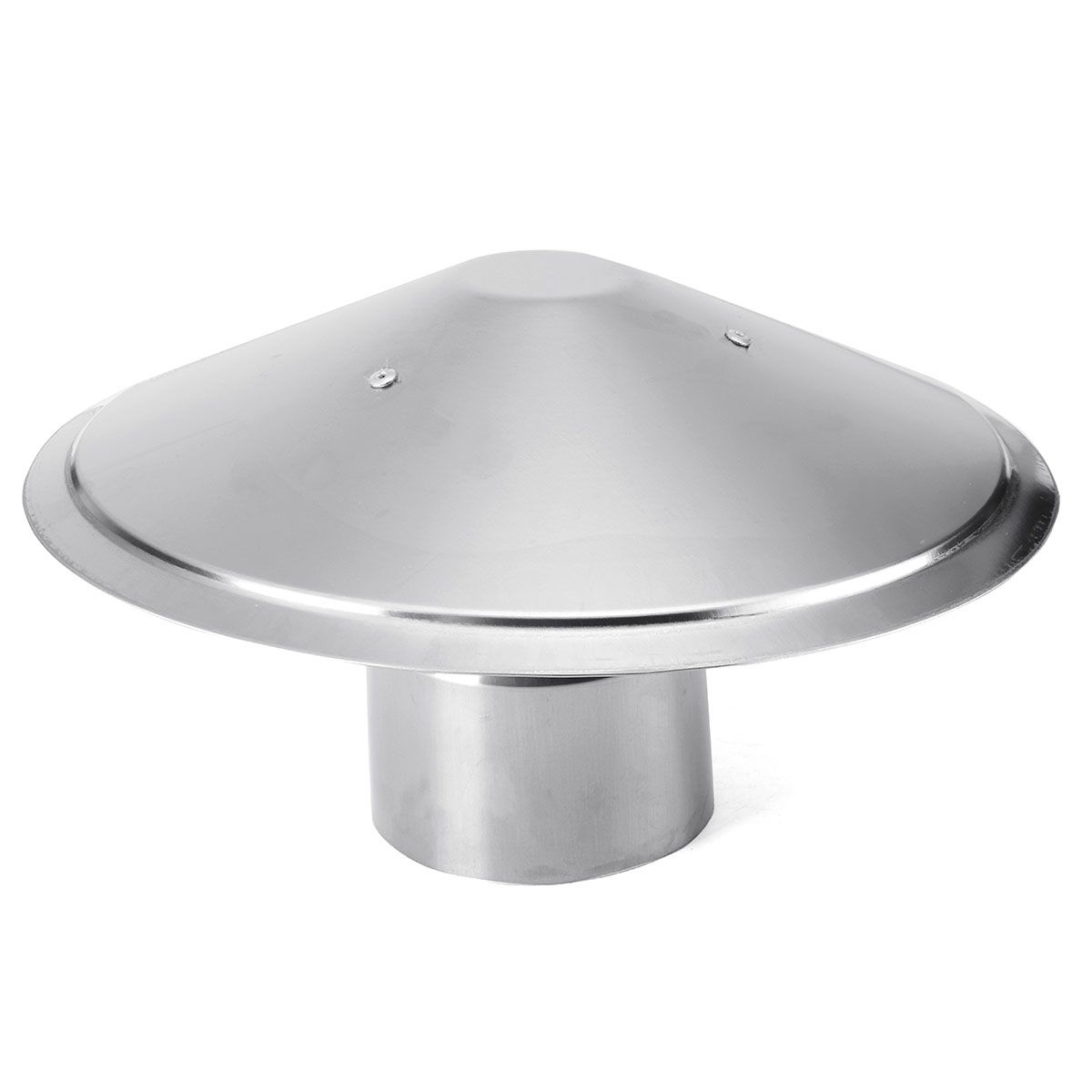
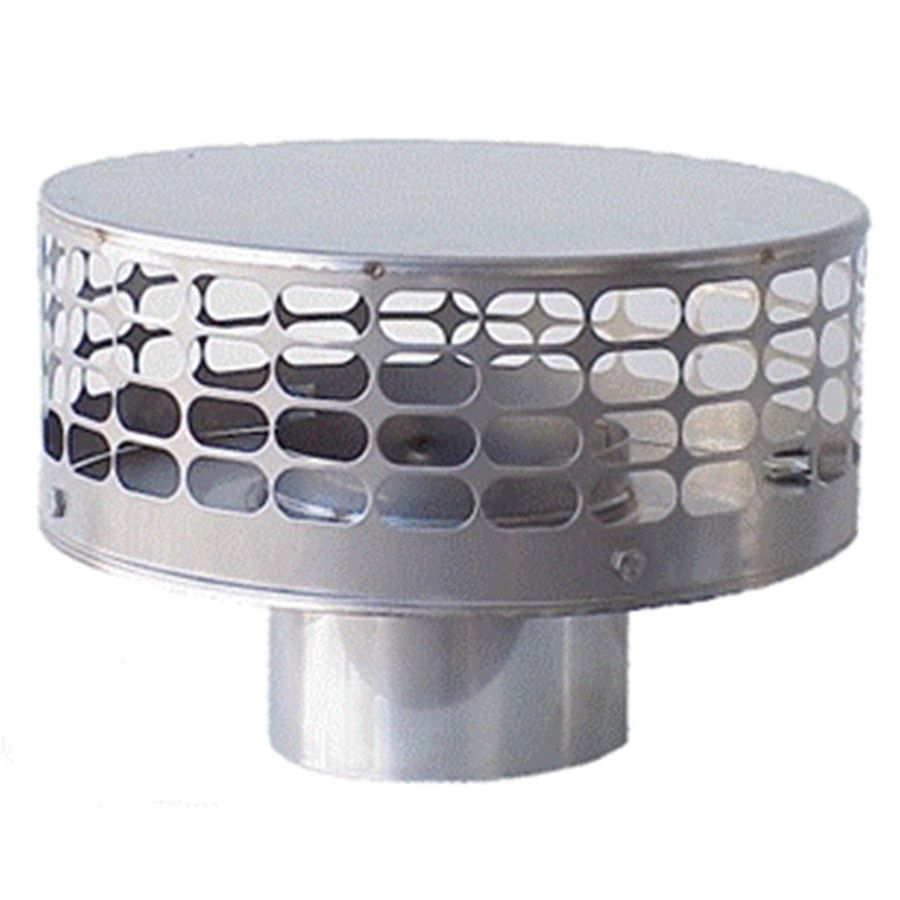
Now, let’s talk about the chimney cap. This simple, yet crucial piece of equipment sits atop your chimney and provides a multitude of benefits. It acts as a shield, protecting the chimney from rain, snow, and other weather elements. Water intrusion is a major enemy of chimneys, which can cause damage to the brickwork, mortar, and interior components. The cap also prevents leaves, twigs, and other debris from entering the chimney, which can cause blockages and fire hazards. Think of it as an umbrella, but for your chimney. Furthermore, and this is a biggie, the chimney cap acts as a barrier against animals. Birds, squirrels, raccoons – they all like to nest in chimneys, and that’s not good news for anyone. A cap keeps them out, protecting your home from unwanted guests and their messes. This is particularly important if you live in a more rural or wooded area and and you’re likely to get more critter activity.
Why a Damaged or Missing Chimney Cap is a Big Deal
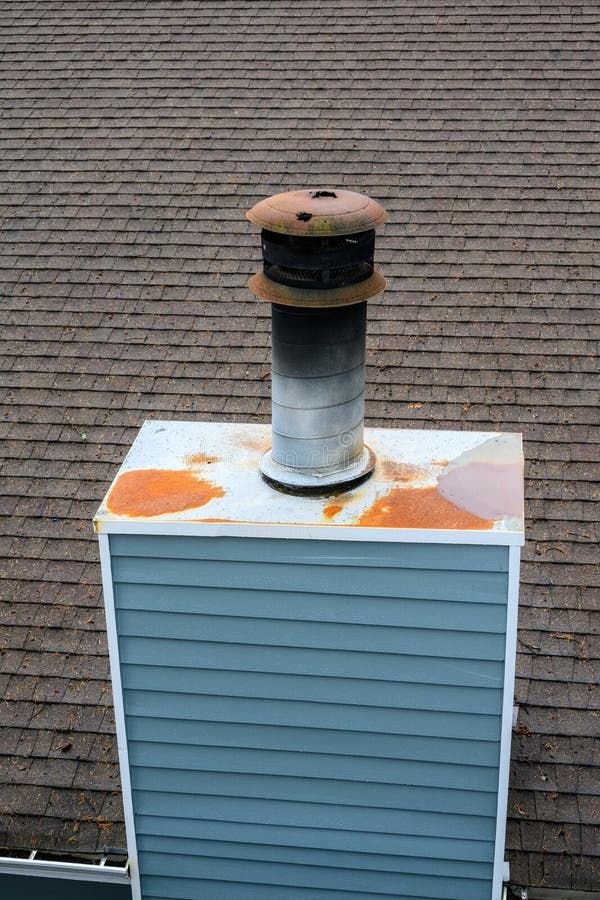
A damaged or missing chimney cap can lead to a litany of problems. Water damage can lead to deterioration of the chimney structure, which can require costly repairs or even rebuilding. Blockages from debris can restrict airflow, causing smoke to back up into your home, creating a fire risk and exposure to harmful gases. Animal nests can also pose a fire hazard and can lead to unpleasant odors and infestations. And let’s not forget the potential for structural damage from animals trying to enter or exit your home through the chimney. In short, a faulty or missing chimney cap significantly increases the risk of fire, water damage, and critter problems. It’s a small investment that can save you a whole heap of trouble down the road.
Choosing the Right Chimney Cap: A Little Guidance
When selecting a chimney cap, consider the material, size, and mesh screen. Stainless steel caps are a durable and long-lasting option, while copper caps offer a touch of elegance. Make sure the cap is the right size for your chimney opening and that the mesh screen is fine enough to keep out small animals and debris. You might also consider a cap with spark arrestors if you live in an area prone to wildfires. It’s always a good idea to consult with a chimney professional to ensure you get the right cap for your specific chimney and needs. They can also assist with the installation, which is important for safety and effectiveness.
Maintenance and Inspections: Keeping Your Chimney Happy
Regular maintenance is key to keeping your chimney and cap in good working order. Schedule annual chimney inspections by a certified professional. They can identify any damage, blockages, or other issues before they become major problems. Chimney sweeping is also a must, removing creosote buildup that can ignite and cause a chimney fire. Have your chimney cap inspected and cleaned regularly. Debris can accumulate on the cap, reducing its effectiveness. Take a look at your chimney pipe and cap yourself on a regular basis, as well. Look for any obvious signs of damage or wear and tear. Prompt attention to any issues will help keep your chimney running smoothly and safely. Remember, a little bit of preventative maintenance goes a long way in protecting your home.
Real-Life Examples and Actionable Tips
Let me share a quick story. One time, I helped a friend whose chimney cap was missing. During a heavy rain, water poured into the chimney, leading to significant water damage inside the house. They had to get the chimney repaired and also deal with mold problems. It was a costly and stressful experience. Another friend’s chimney became home to a family of raccoons, which created a huge mess and a fire hazard from the nesting material. These are just a couple of examples of why a chimney pipe with a cap is so important. Here are some actionable tips: 1. Schedule an annual chimney inspection and cleaning. 2. Inspect your chimney cap regularly for damage or blockages. 3. Choose a durable chimney cap made of stainless steel or copper. 4. Trim any trees near your chimney to prevent debris from falling onto it. 5. If you notice any signs of chimney problems, address them immediately.
So, there you have it, folks. The chimney pipe and cap may seem like small details, but they play a HUGE role in safeguarding your home. By understanding the importance of these components, implementing regular maintenance practices, and addressing any issues promptly, you can ensure your chimney operates safely and efficiently. Don’t wait until a problem arises. Take action now to protect your home and your family. Remember, a little bit of preventative care can save you a lot of money, time, and headaches in the long run. Stay safe, stay informed, and as always, happy home-owning!