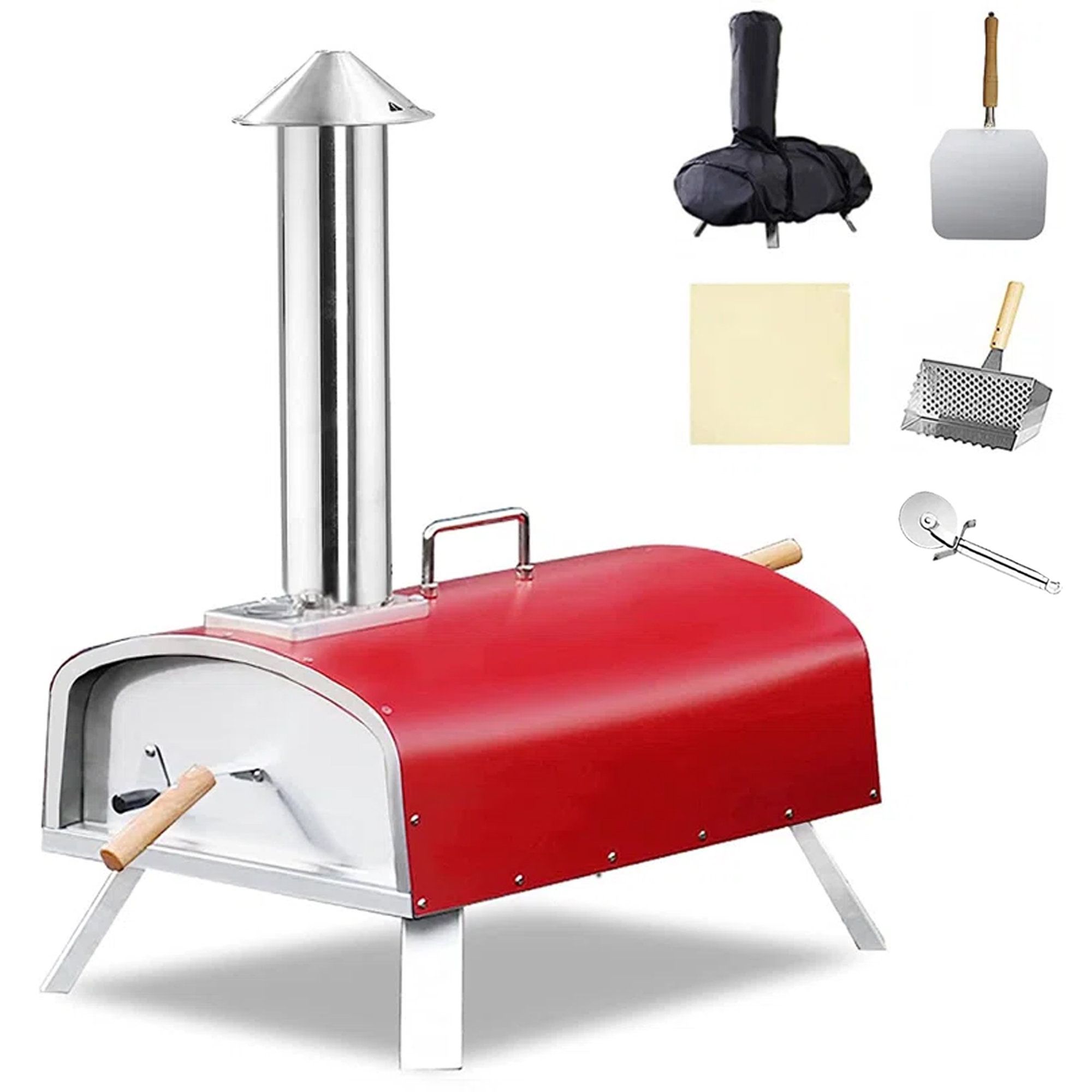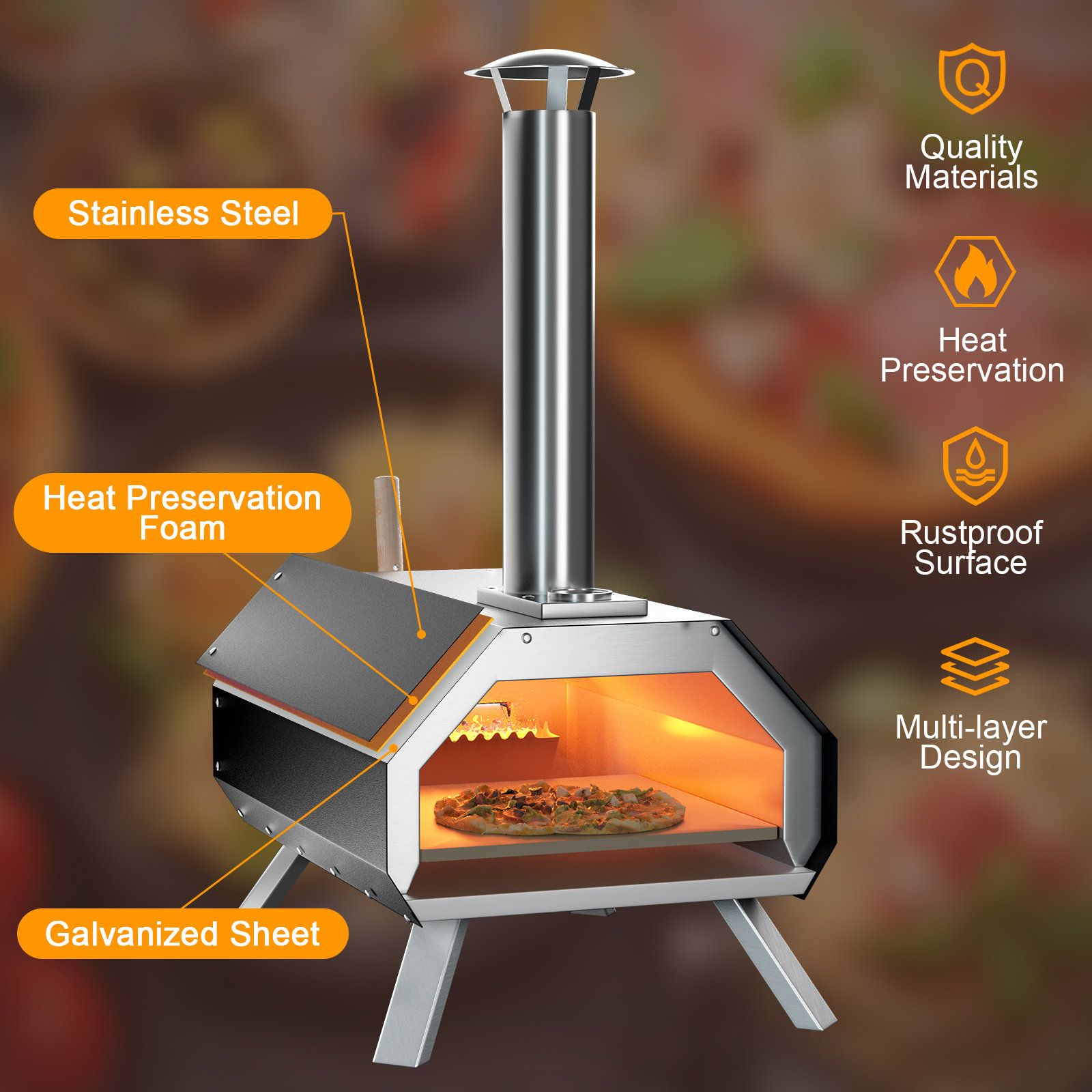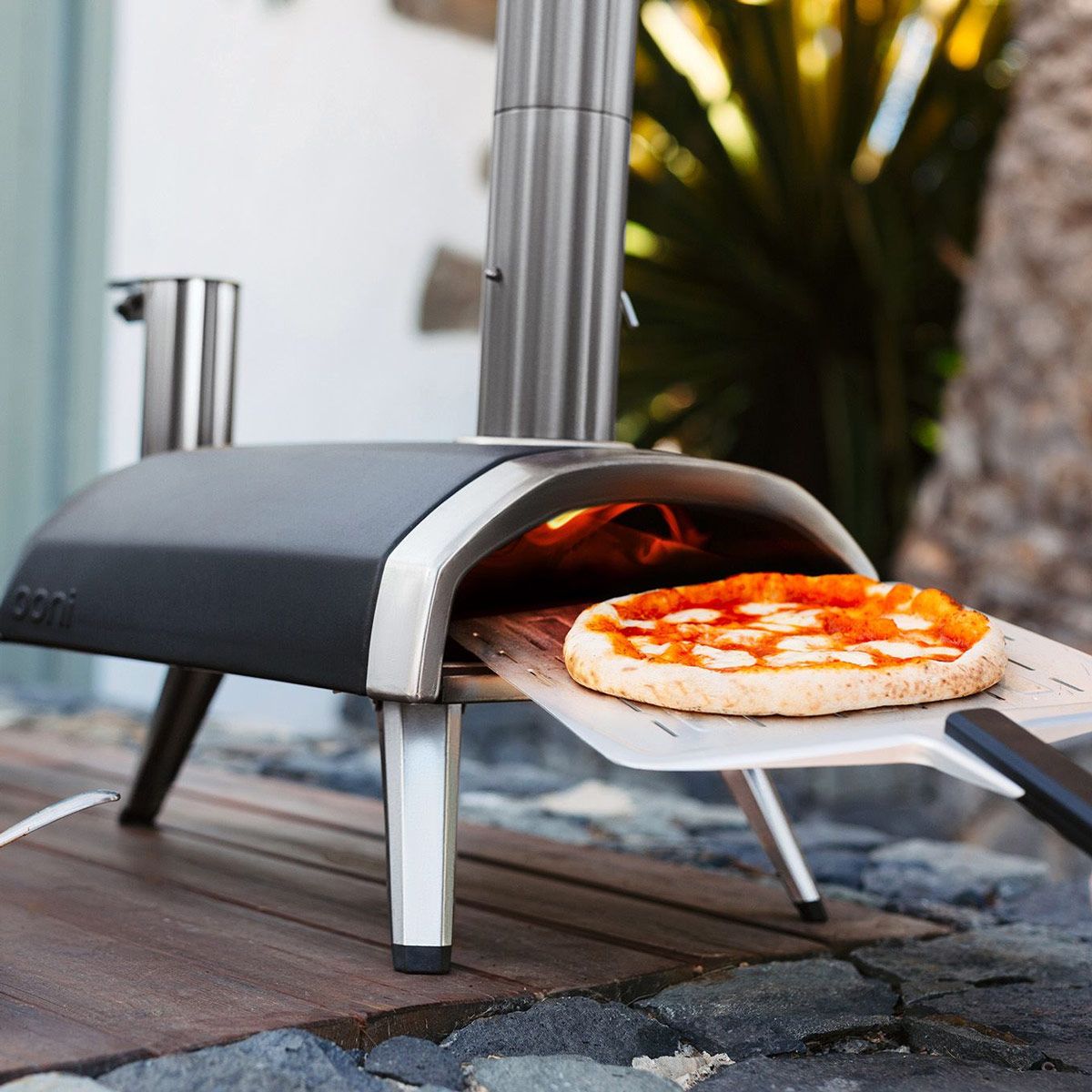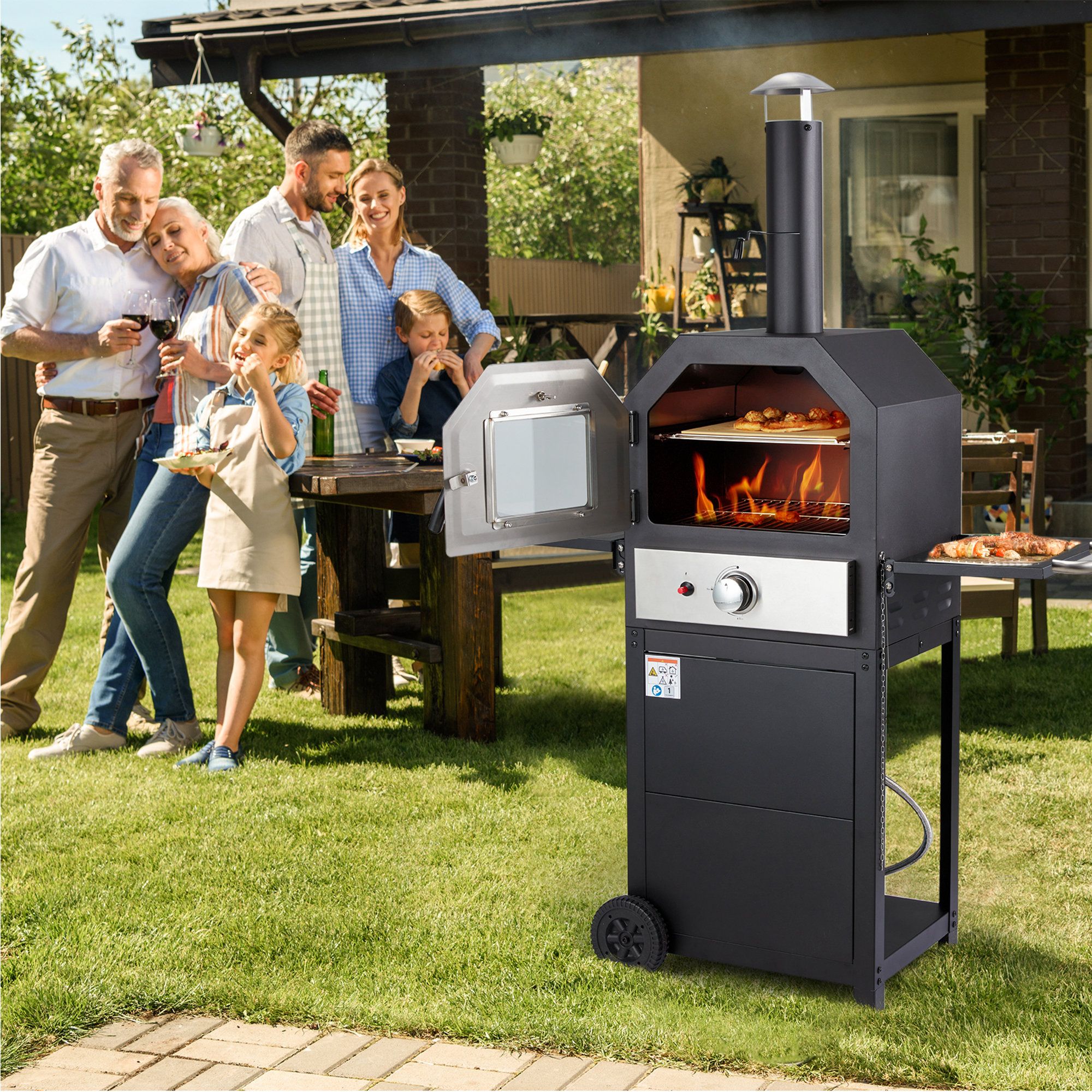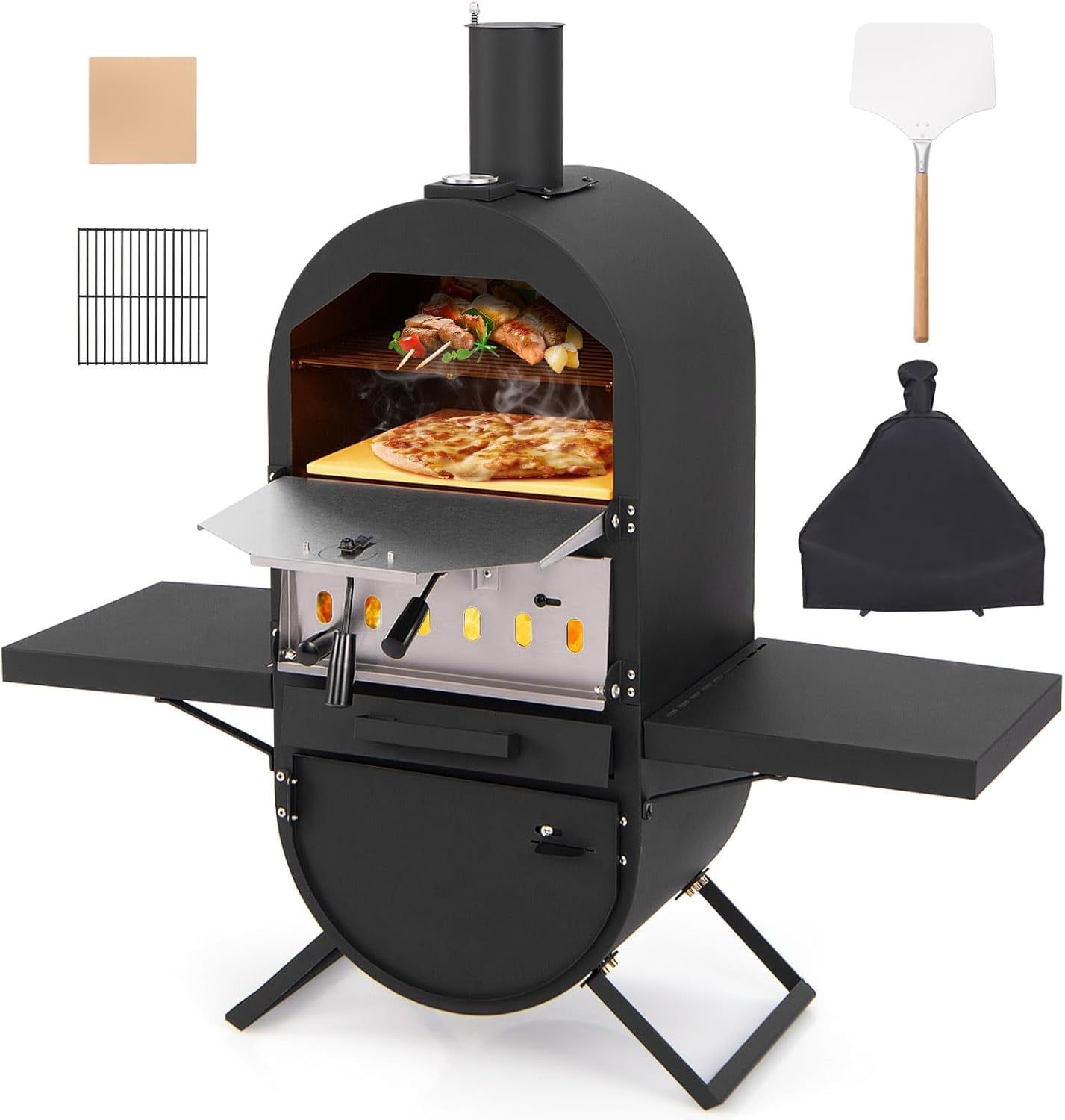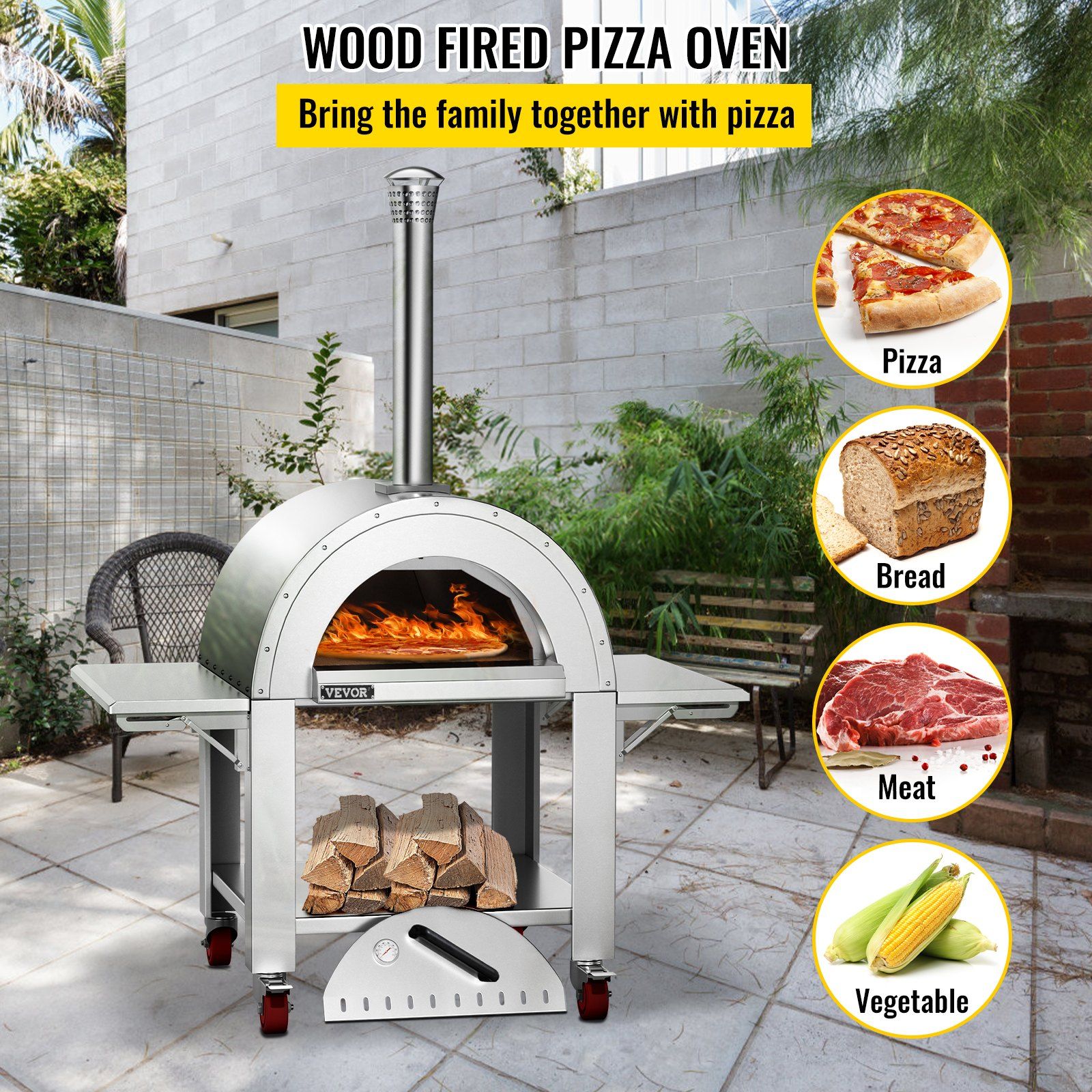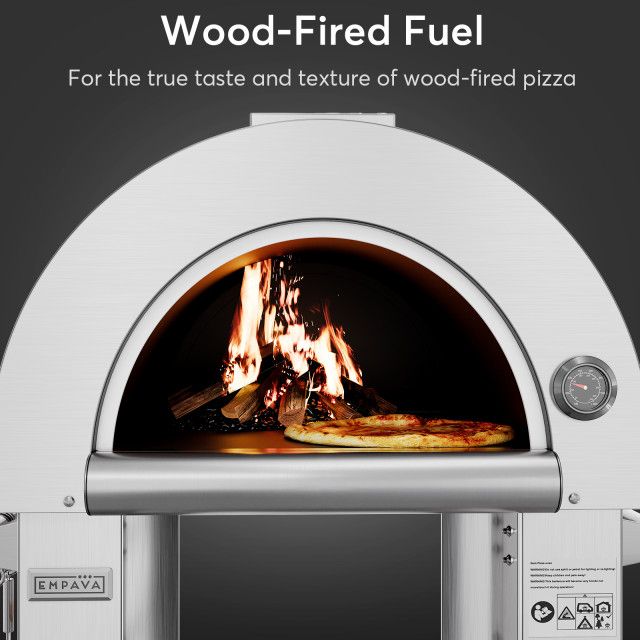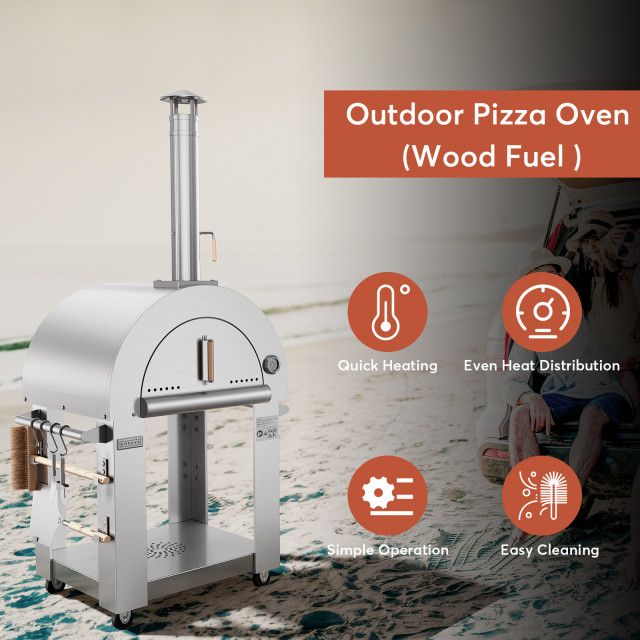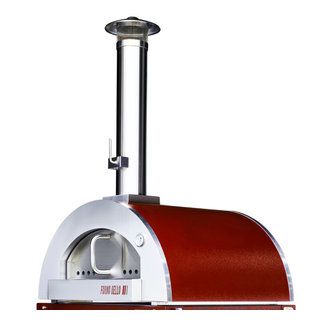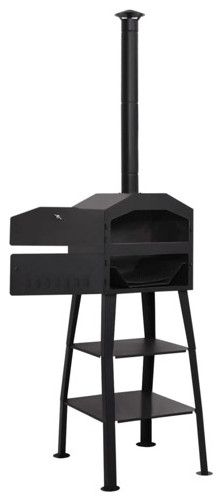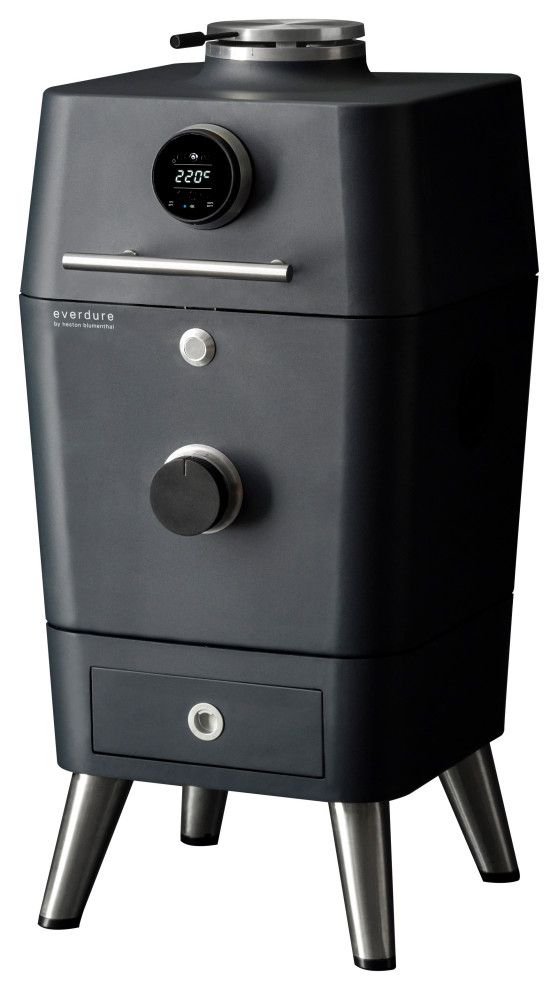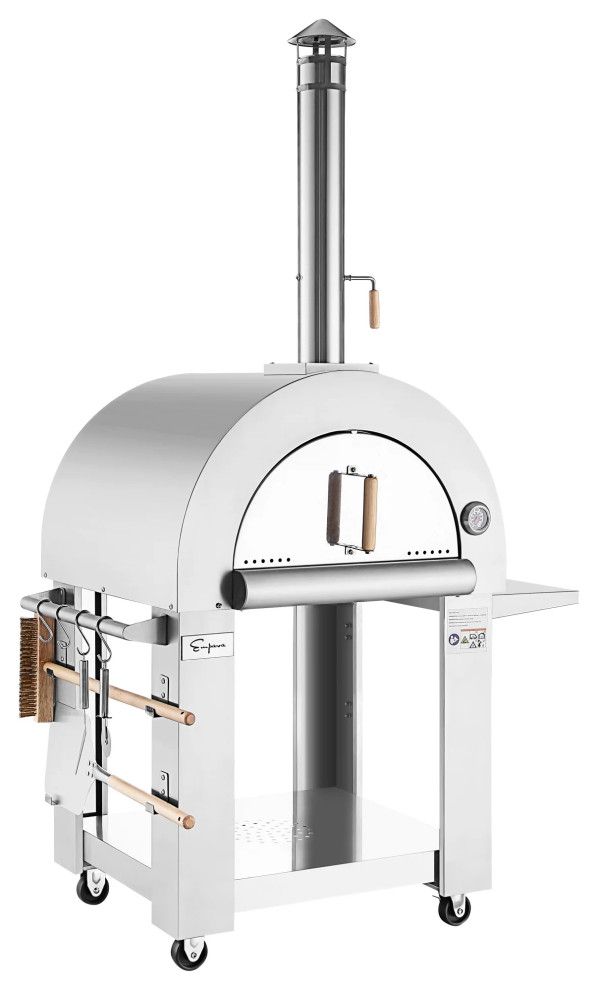
Hey pizza-loving friends, it’s your pal, the pizza whisperer, back again. I’ve been stoking fires, flipping dough, and, most importantly, learning the ins and outs of wood-fired pizza ovens for years now. Trust me, there’s a world of difference between a so-so oven and one that consistently churns out culinary masterpieces. This isn’t just about cooking; it’s about creating an experience, a gathering place, a source of joy. And a huge part of that hinges on how well you care for your oven. So, let’s dive into how to keep that heart of your outdoor kitchen beating strong, so you can enjoy delicious pizza for years to come. Ready to become a wood-fired pizza oven pro?
Owning a wood-fired pizza oven is like having a culinary superpower. The crispy crusts, the smoky flavors, the sheer fun of it all – it’s unbeatable. But, like any good friend, your oven needs some TLC to keep it happy. Proper care isn’t just about avoiding costly repairs; it’s about ensuring optimal performance, preventing safety hazards, and, most importantly, extending the life of your investment. Think of it this way: a well-cared-for oven is a pizza-making machine that will serve you well for many years. Neglect it, and you’re asking for trouble, and expensive trouble at that and you will not be able to make pizza. This guide will provide you with the knowledge and the actionable steps you need to become a wood-fired pizza oven expert, and I’ll even share some of my personal anecdotes and hard-earned lessons along the way.
The Pre-Fire Routine: Setting the Stage for Success
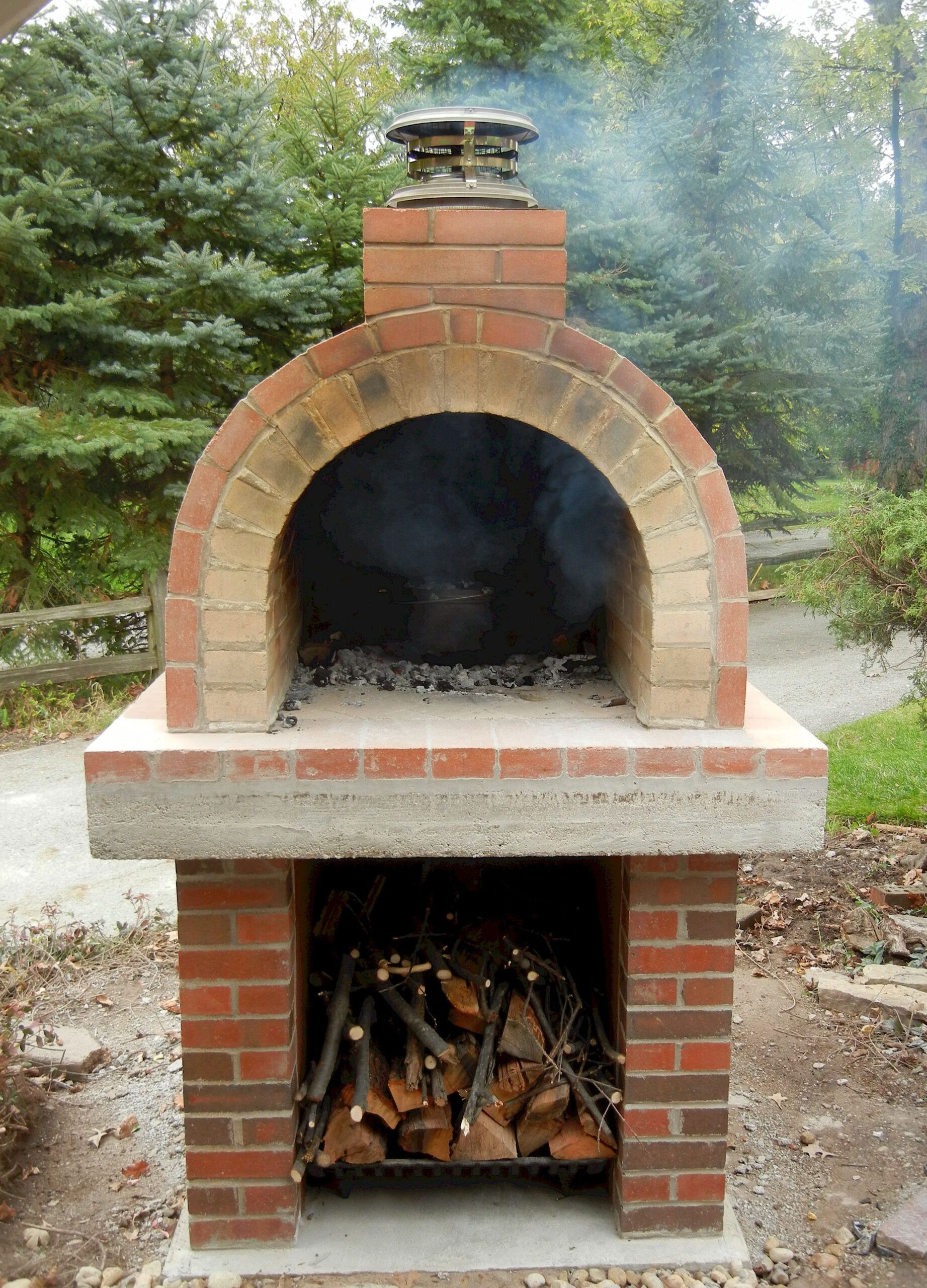
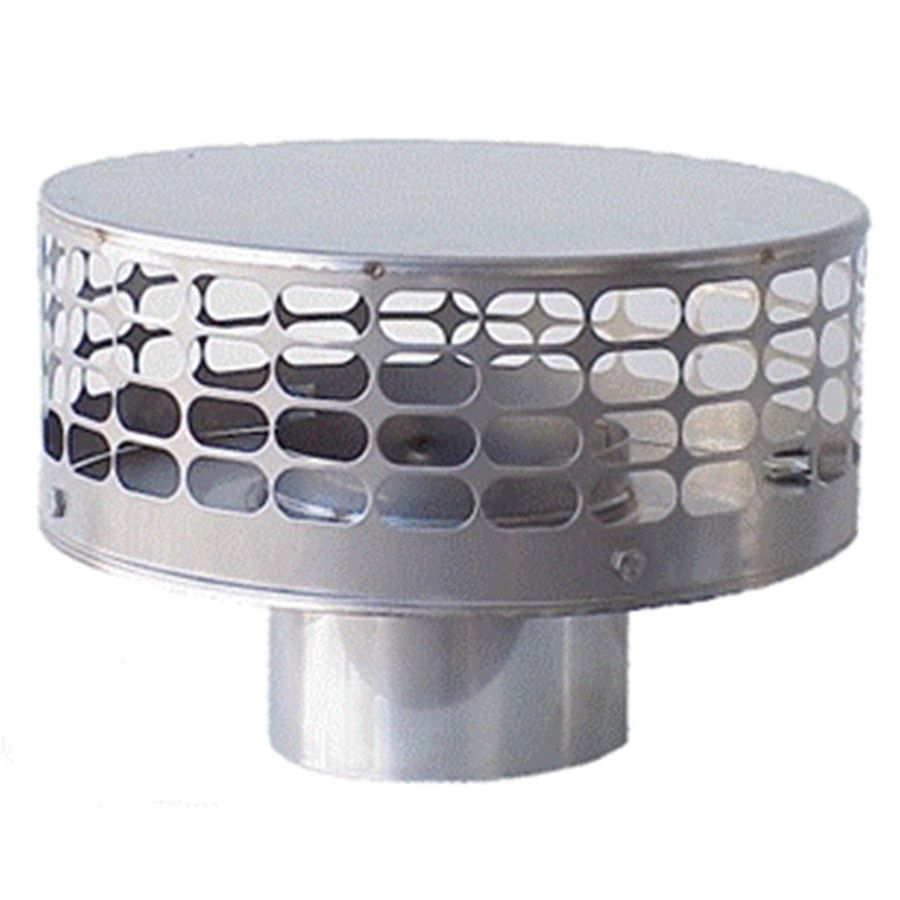
Before you even think about lighting a fire, there are a few things you’ll want to do. First, inspect your oven for any cracks, loose bricks, or structural damage. Small cracks are normal due to expansion and contraction from heat, but larger ones could indicate a serious problem. And it’s important to adress any structural issues quickly. Next, make sure the chimney is clear of any obstructions, like bird nests or debris. A blocked chimney can lead to smoke buildup and even a fire hazard. Finally, give the interior a good sweeping to remove any leftover ash from the previous cook. This will help with air circulation and prevent any unwanted flavors from lingering. Remember, a clean oven is a happy oven.
The Art of the Fire: Building a Blaze That Lasts
Building a good fire is more than just chucking wood in the oven. It’s a skill, my friends! Start with small kindling, like dry twigs or crumpled newspaper, and build a small pyramid. Gradually add larger pieces of wood as the fire grows. Use seasoned hardwood, such as oak, maple, or beech, as these woods burn hot and clean. Avoid using softwoods, like pine or fir, as they can create a lot of smoke and creosote, which can damage your oven. Place the fire towards the back of the oven to allow the heat to distribute evenly. And remember, patience is key. Let the fire burn down to glowing embers before you start cooking, giving the oven plenty of time to reach the correct temperature. I’ve learned from experience: a rushed fire leads to a mediocre pizza. Take your time; it’s worth it, and the outcome will be far better.
Maintaining the Heat: Temperature Control 101
Maintaining the right temperature is crucial for perfect pizza. The ideal temperature for a wood-fired pizza oven is usually between 750-850°F (400-450°C). You can monitor the temperature with an infrared thermometer. Adjust the fire by adding or removing wood to control the temperature. If the oven is too hot, you can let the fire burn down or move the embers to the side. If it’s not hot enough, add more wood. It’s a dance, a conversation with the fire. And after a while, you’ll get a feel for it. Don’t be afraid to experiment and find what works best for your oven and your pizza preferences. Remember, practice makes perfect, and soon you will know your oven like the back of your hand.
Cleaning Up After the Feast: Ash Removal & Maintenance
Once you’re done cooking, allow the oven to cool completely before cleaning. Carefully remove the ash with a long-handled brush and a metal shovel. Don’t use water to clean the interior, as it can damage the oven. Regularly inspect the chimney and flue for any buildup of creosote, a flammable substance that can pose a fire hazard. Clean the chimney at least once a year, or more frequently if you use your oven often. Also, keep an eye out for any signs of wear and tear, such as cracks or crumbling bricks. Address any issues promptly to prevent them from escalating. Remember, a clean oven is a safe and efficient oven.
Weathering the Storm: Protecting Your Oven from the Elements
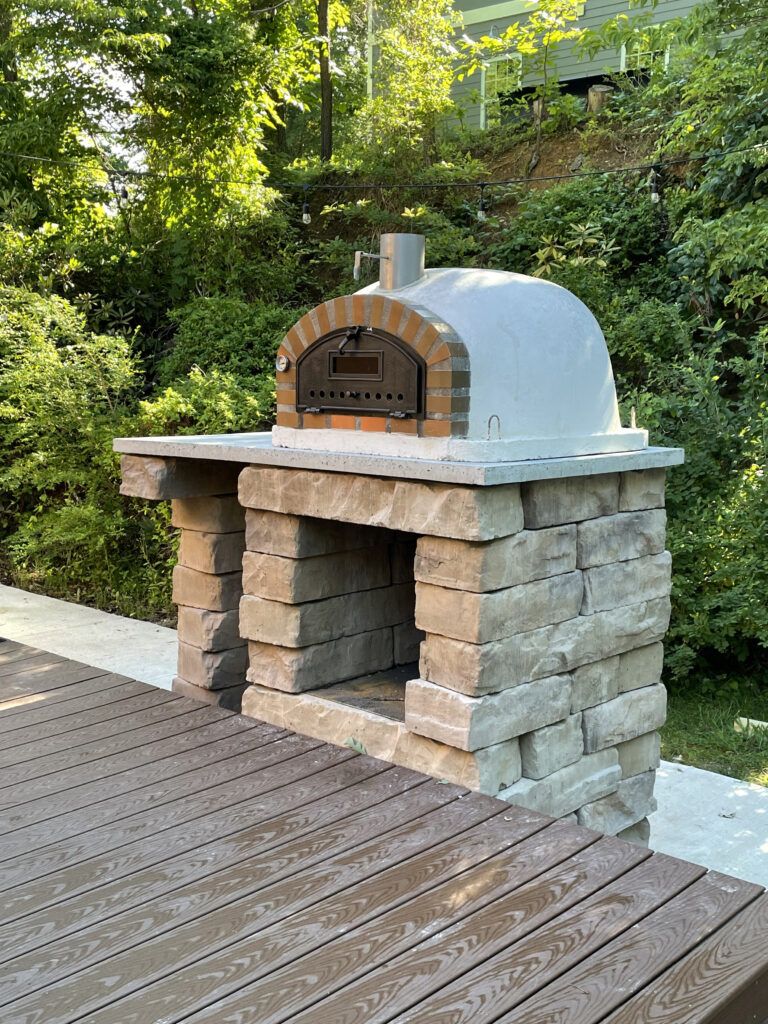
If your oven is outdoors, it’s exposed to the elements. Rain, snow, and sun can all take their toll. Protect your oven with a cover when it’s not in use. This will shield it from the weather and help to prevent water damage. If you live in a climate with harsh winters, consider insulating your oven or bringing it indoors during the coldest months. Regular inspections for signs of damage from the weather are also essential. Address any issues, such as cracks or leaks, as soon as you notice them. It’s better to be proactive than reactive when it comes to protecting your investment. And always remember, a well-protected oven is a long-lasting oven.
Troubleshooting Common Issues: When Things Go Wrong
Even with the best care, things can sometimes go wrong. Here are a few common problems and how to address them. Smoke buildup: This could be due to a blocked chimney or insufficient airflow. Make sure your chimney is clear and that you’re allowing enough air to circulate. Uneven heating: This can be caused by uneven distribution of embers or a draft. Try moving the embers around or adjusting the fire to promote even heating. Cracks in the oven: Small cracks are normal, but larger ones can indicate a problem. If you notice large cracks, contact a professional for repairs. Difficulty reaching temperature: This could be due to using wet wood or a lack of insulation. Make sure you’re using seasoned hardwood and that your oven is properly insulated. And don’t be afraid to ask for help. There are many online communities and resources available to help you troubleshoot any issues you may encounter. And even I, am here to help, just ask.
So, there you have it, folks. The secrets to keeping your wood-fired pizza oven in tip-top shape. Remember, regular care and maintenance are the keys to a long and happy relationship with your oven. By following these tips and taking a little time each time you fire up your oven, you can ensure that it will continue to be the heart of your outdoor kitchen, the center of your gatherings, and the source of countless delicious pizzas for years to come. Now go forth, build those fires, and enjoy the fruits (and pizzas) of your labor. And always remember, the best pizza is the one you make with love and a well-cared-for oven. Happy cooking, my friends. I’ll catch you next time, with more pizza wisdom. Until then, keep the fire burning and the dough rising.