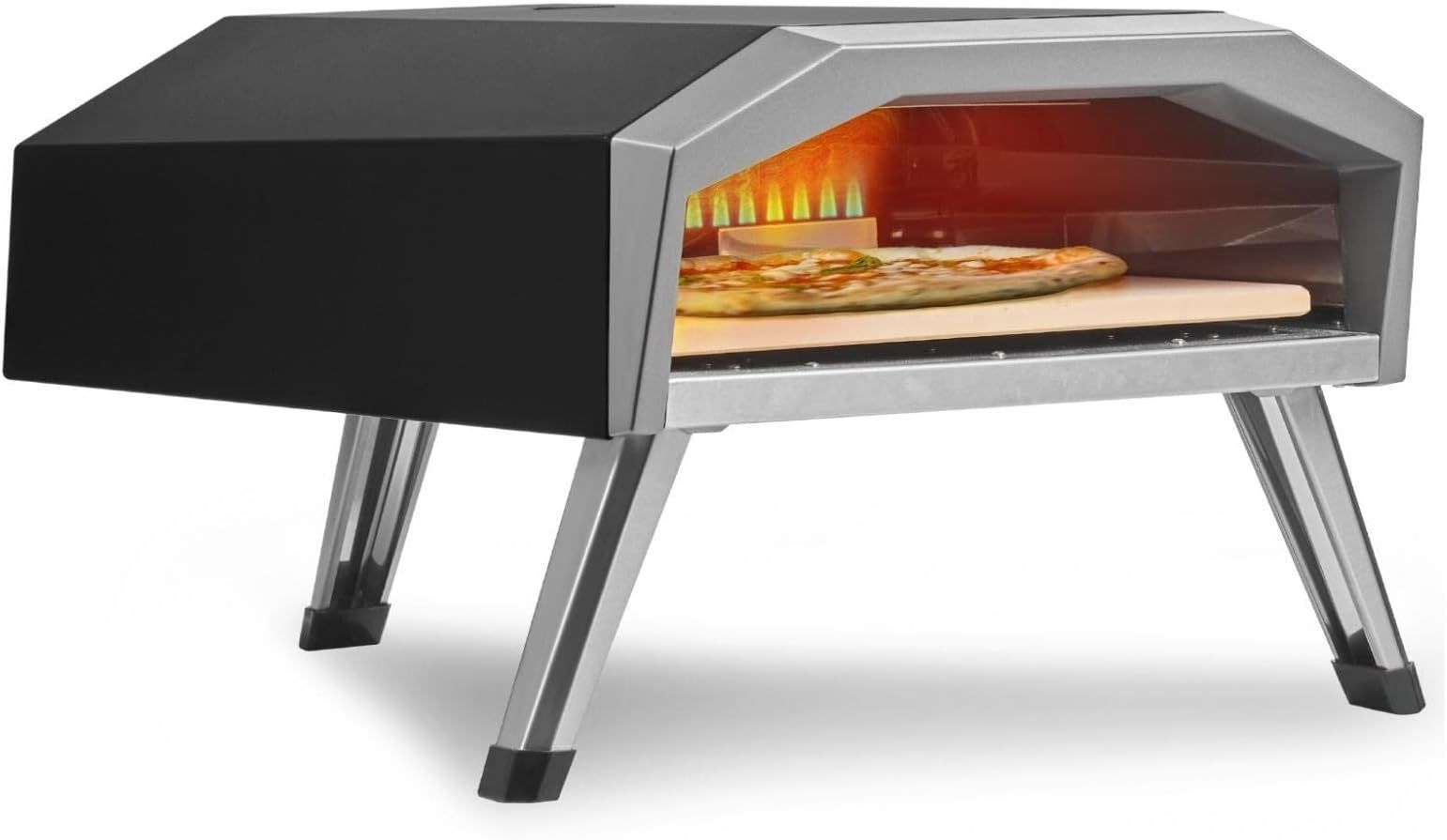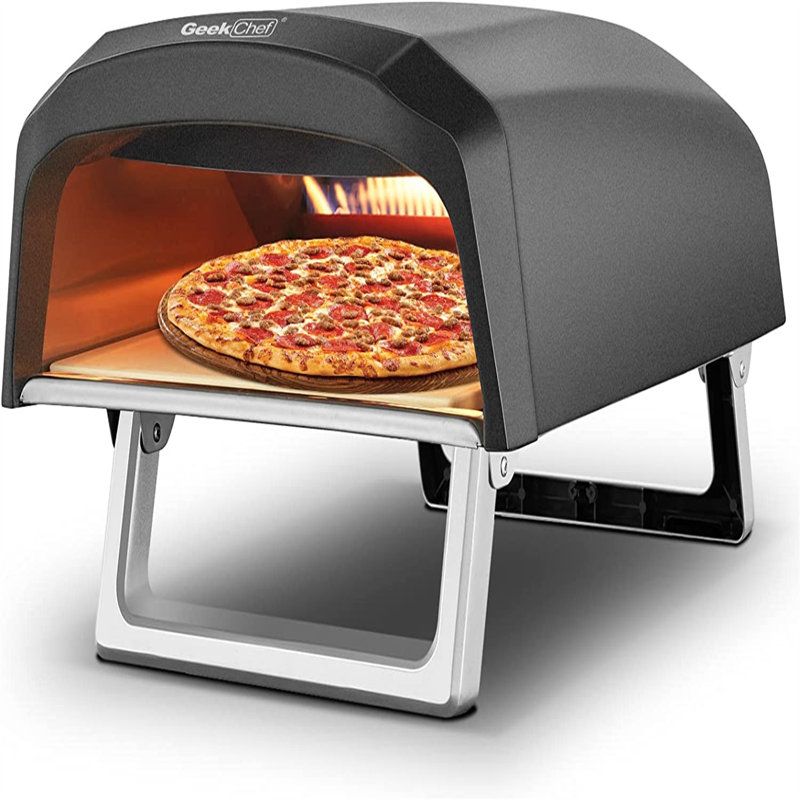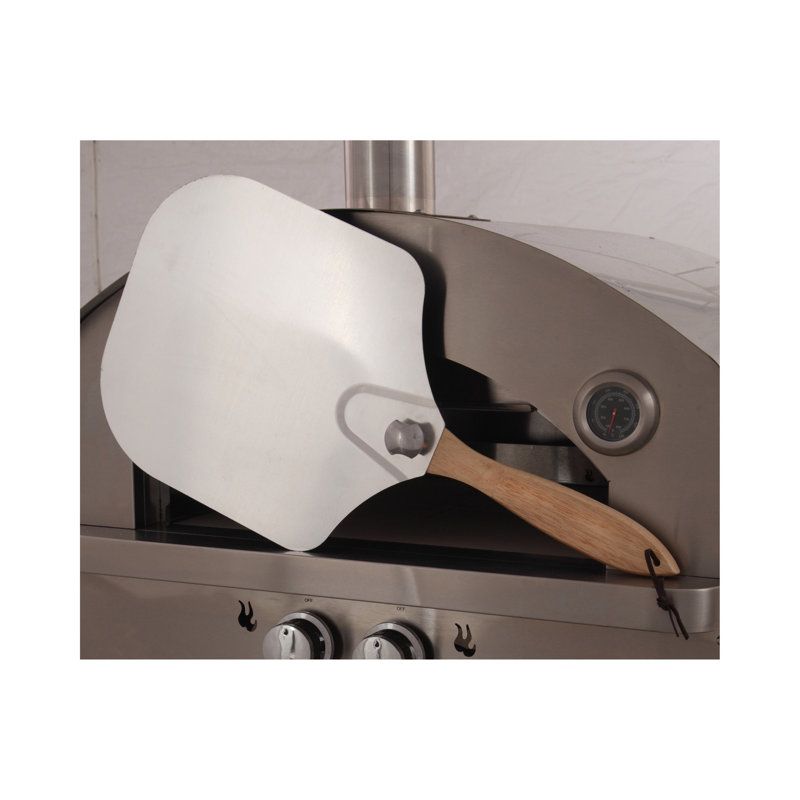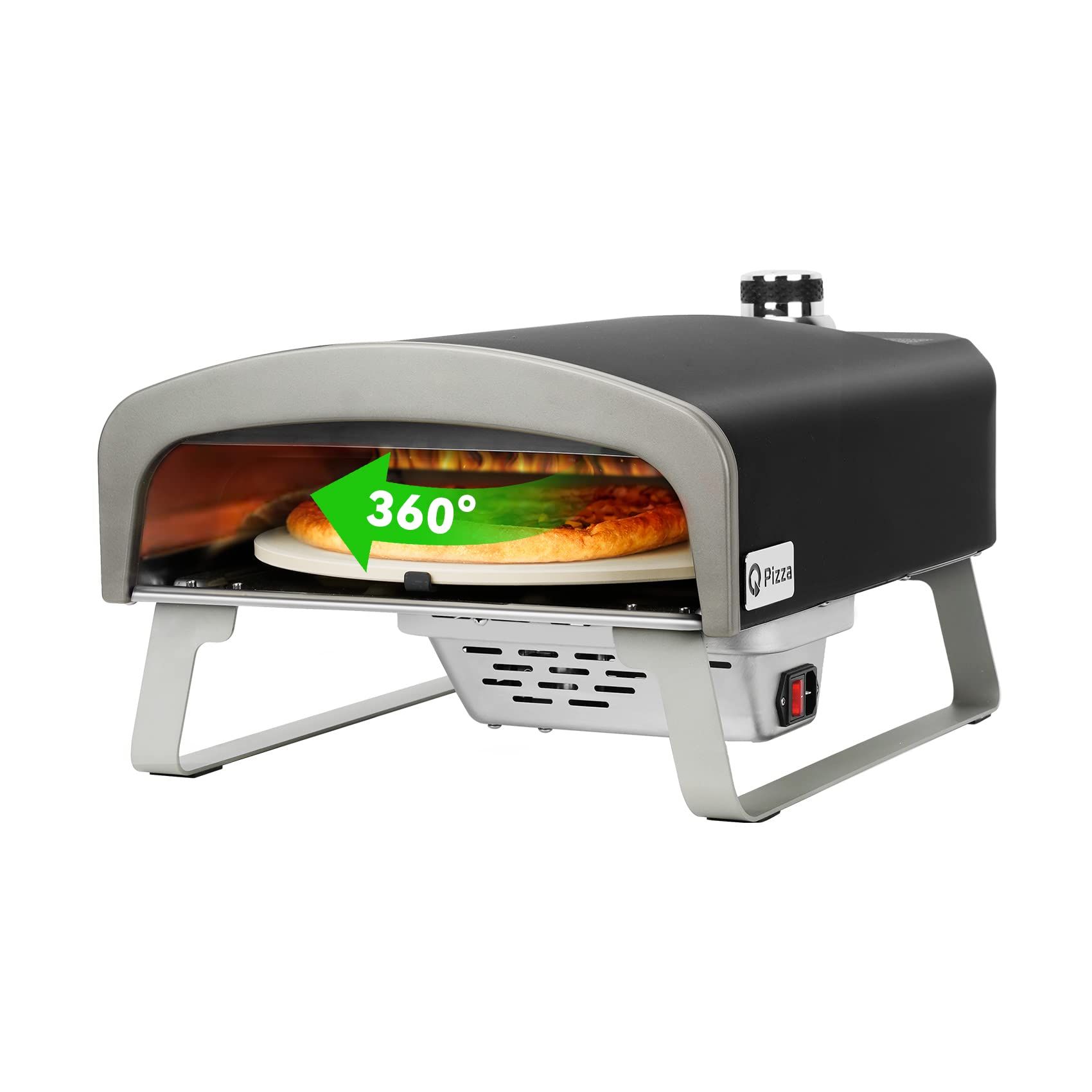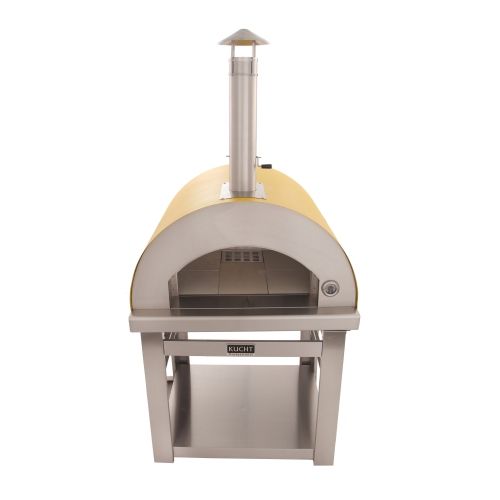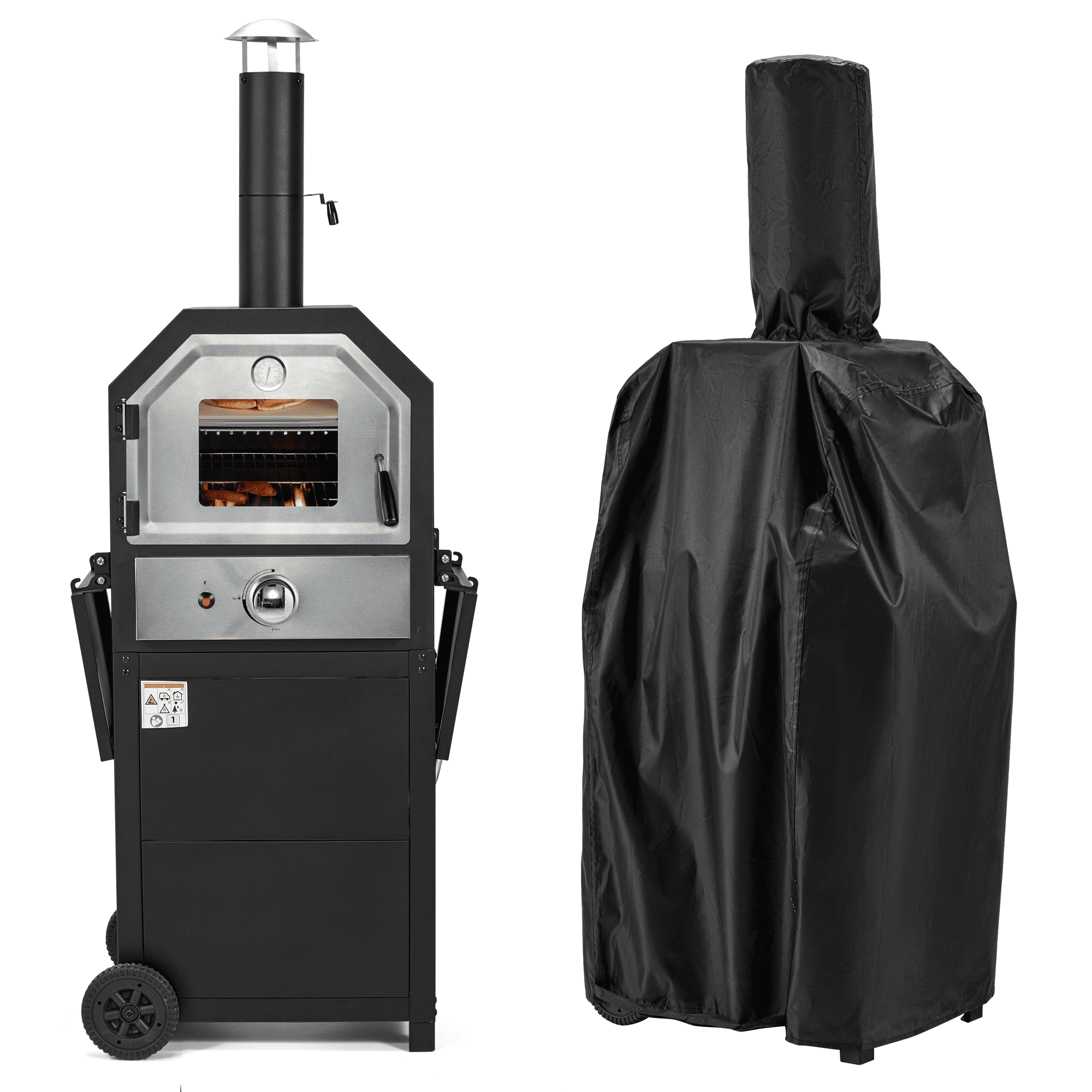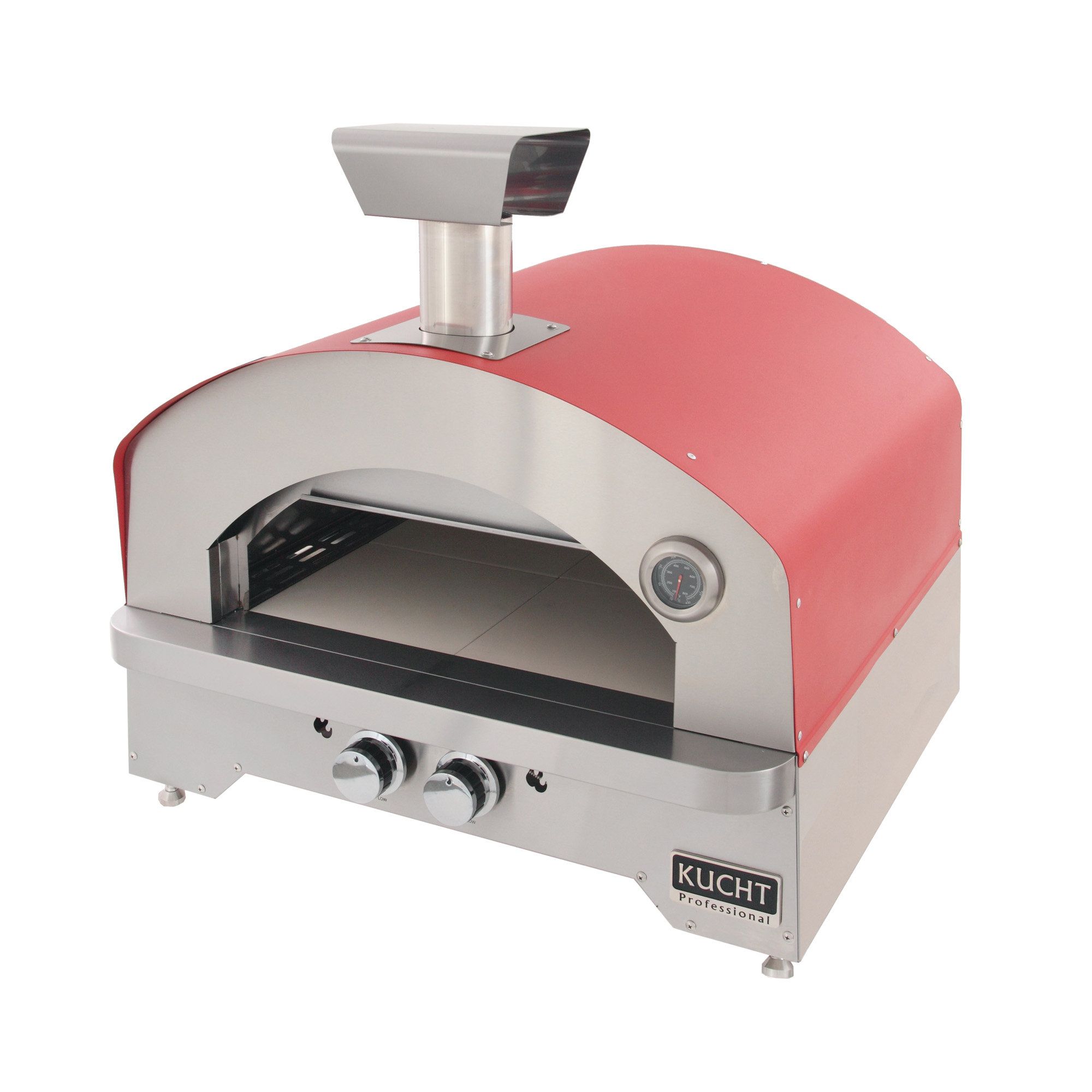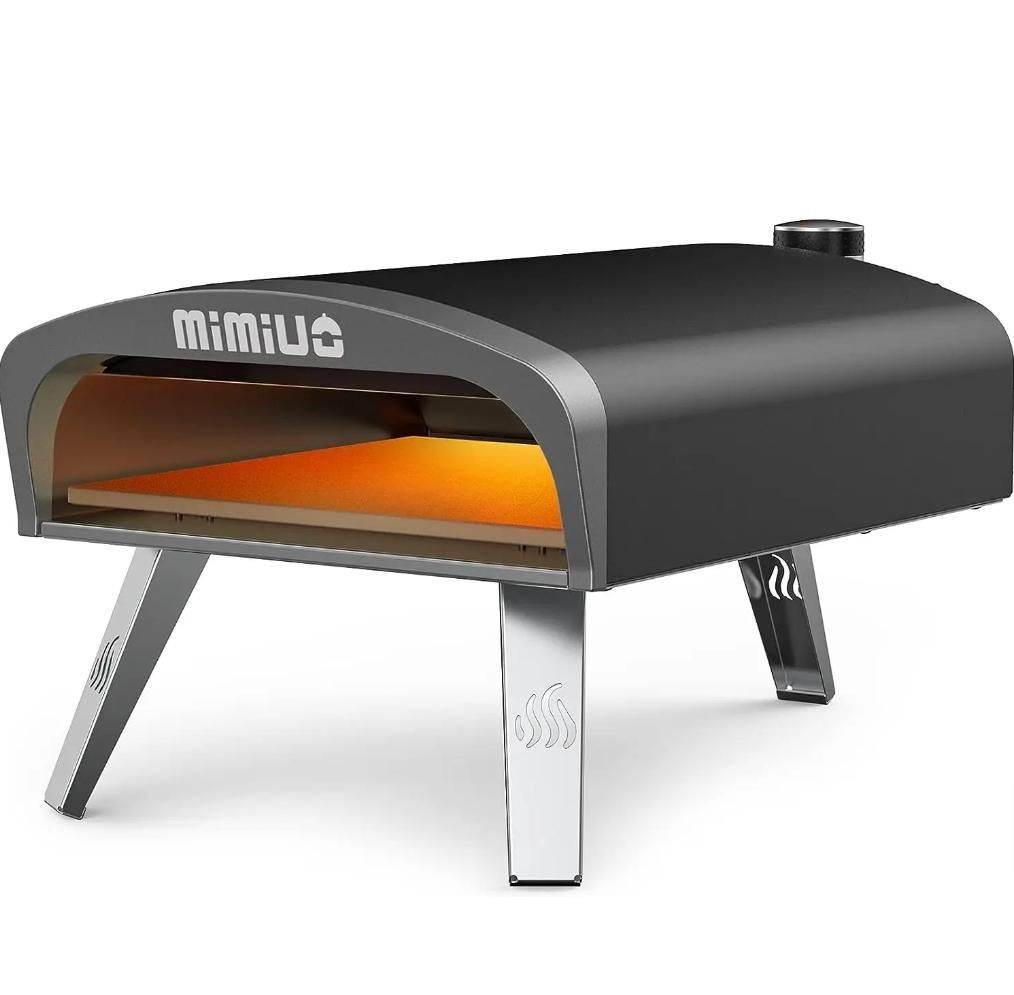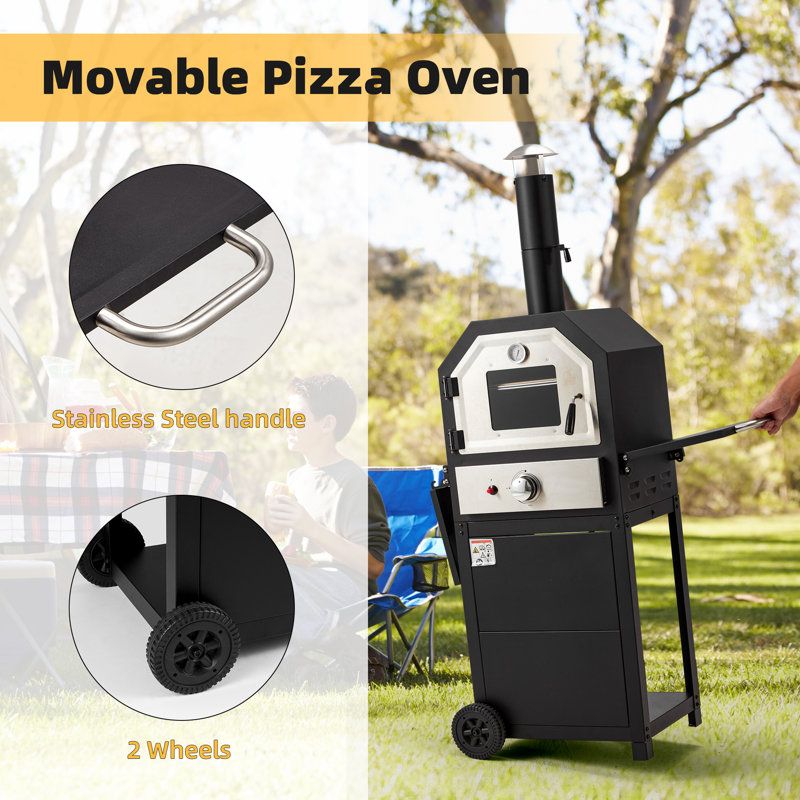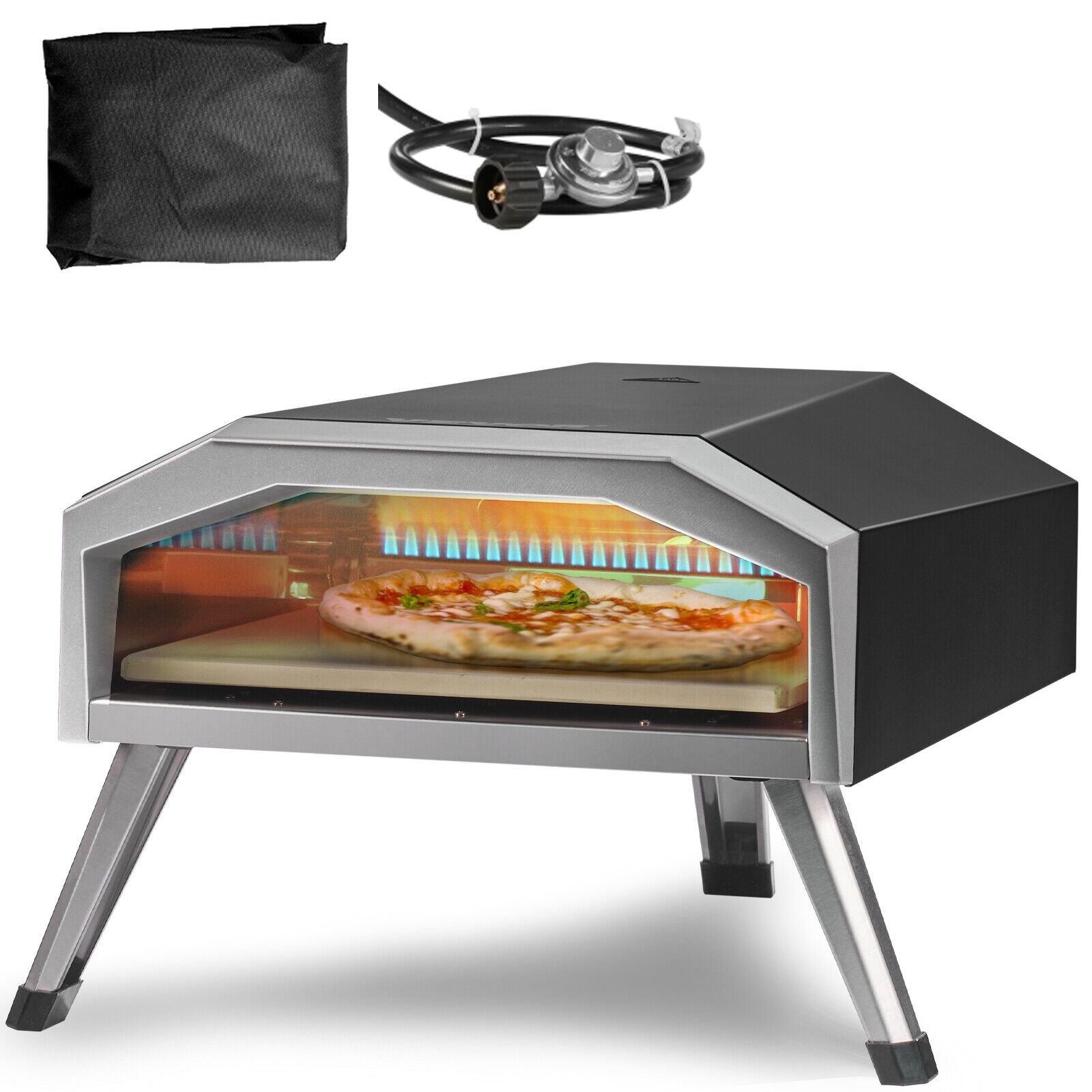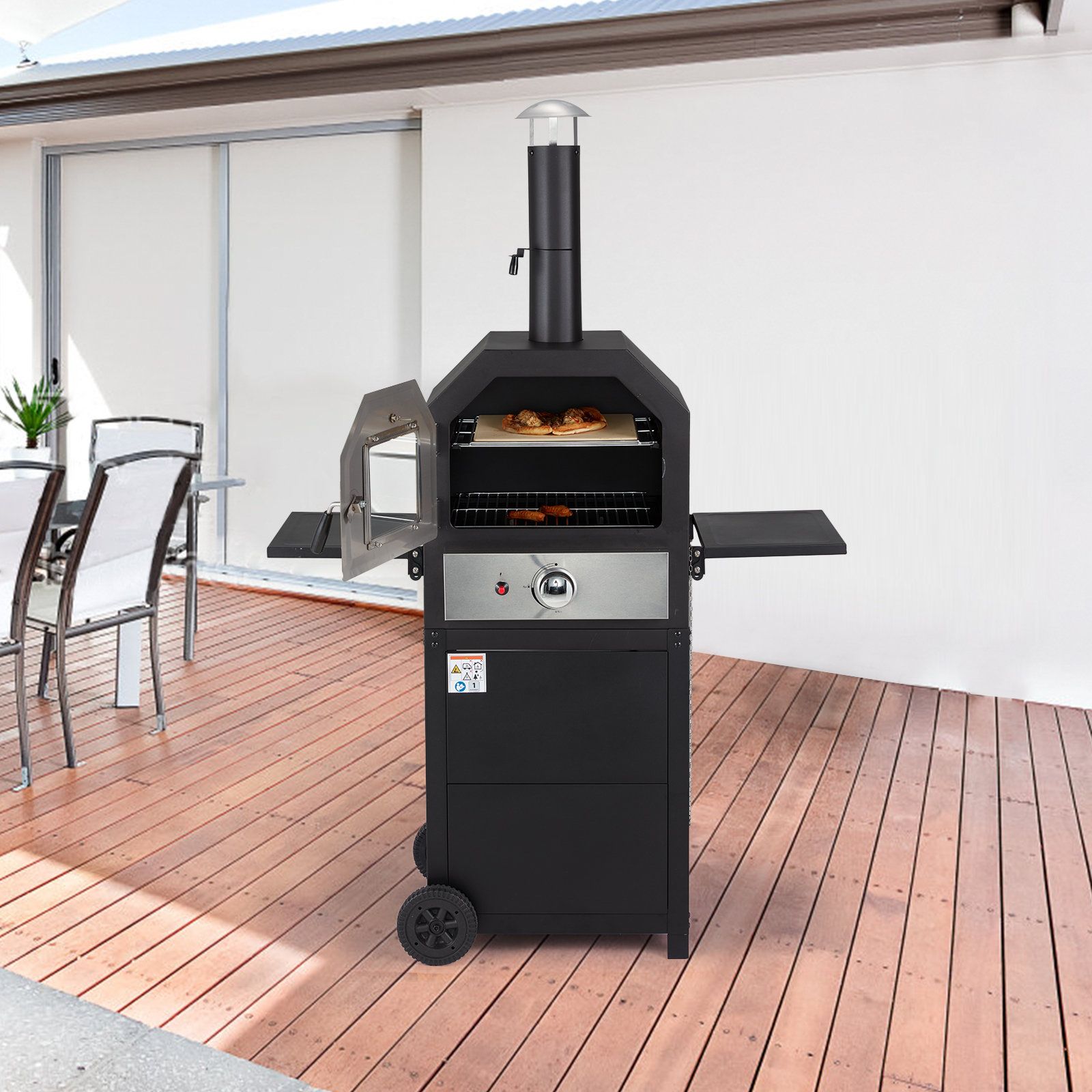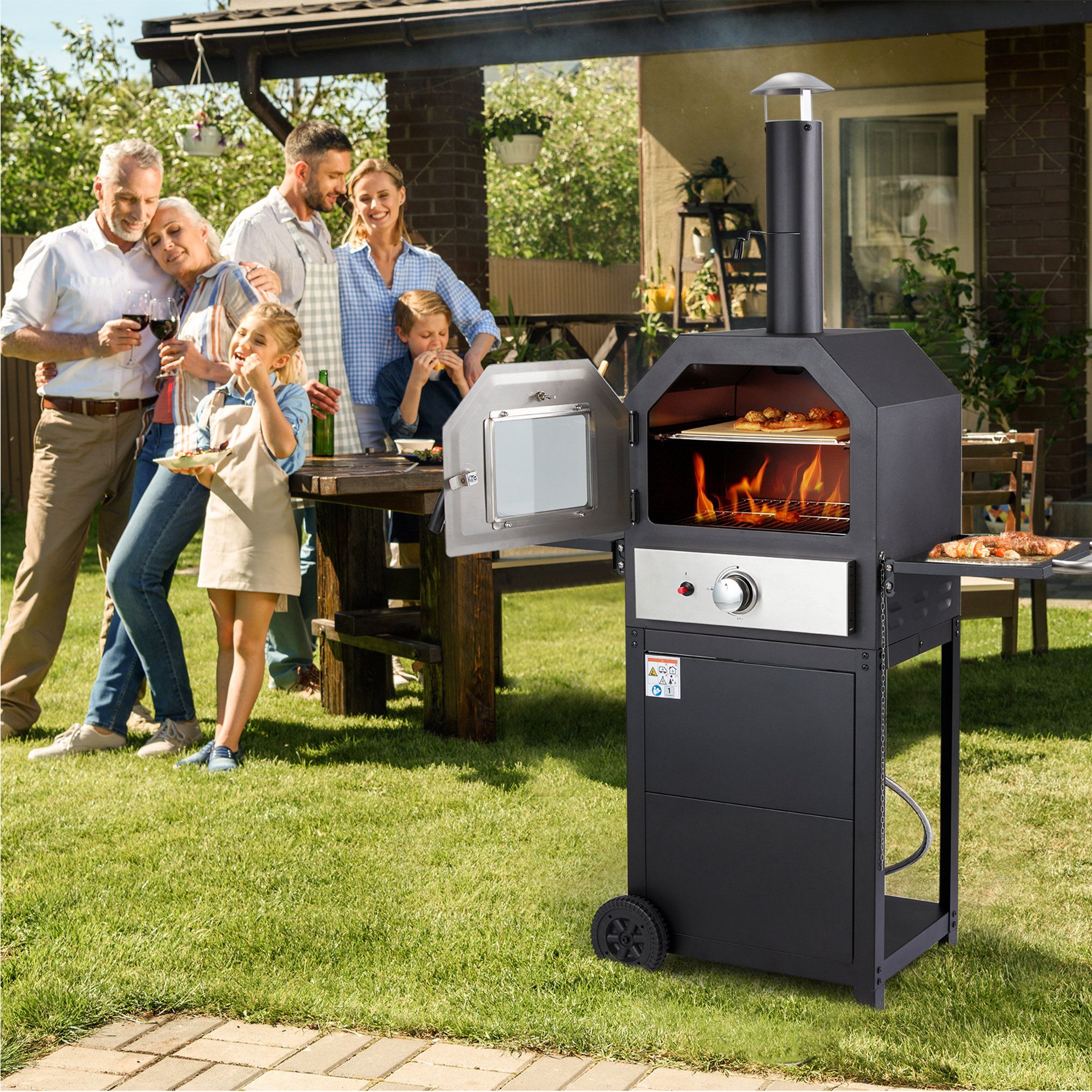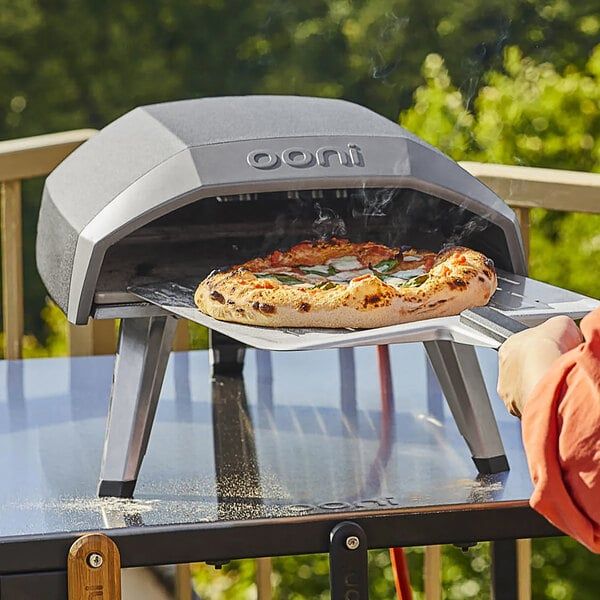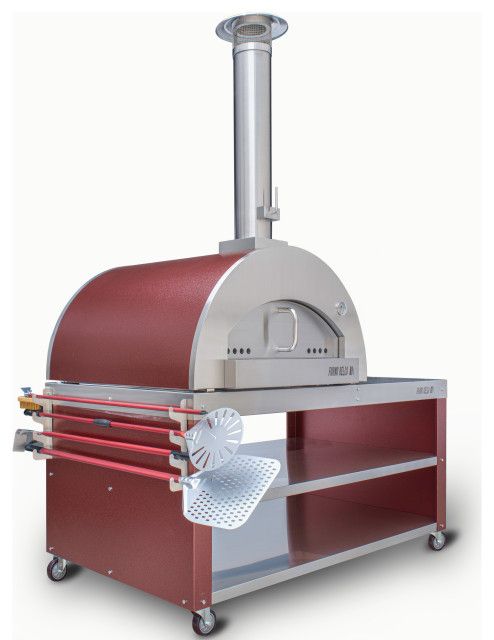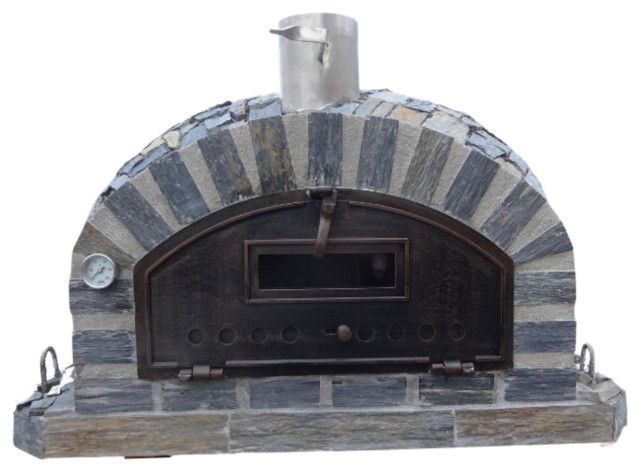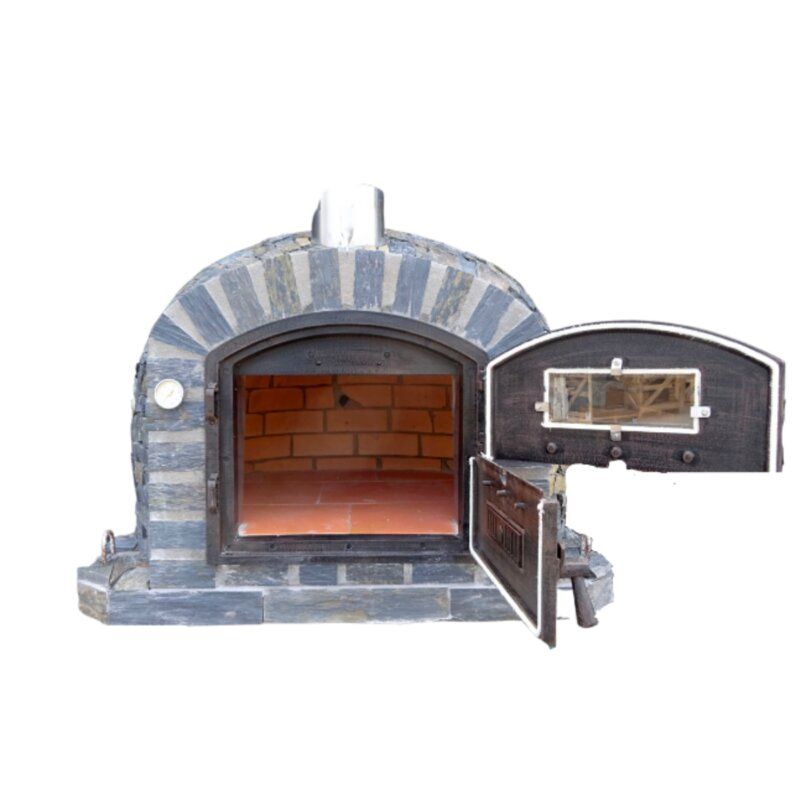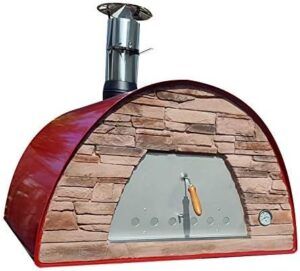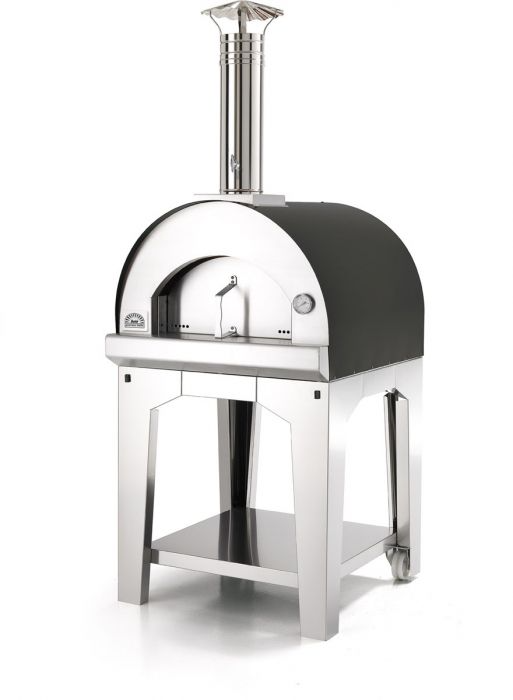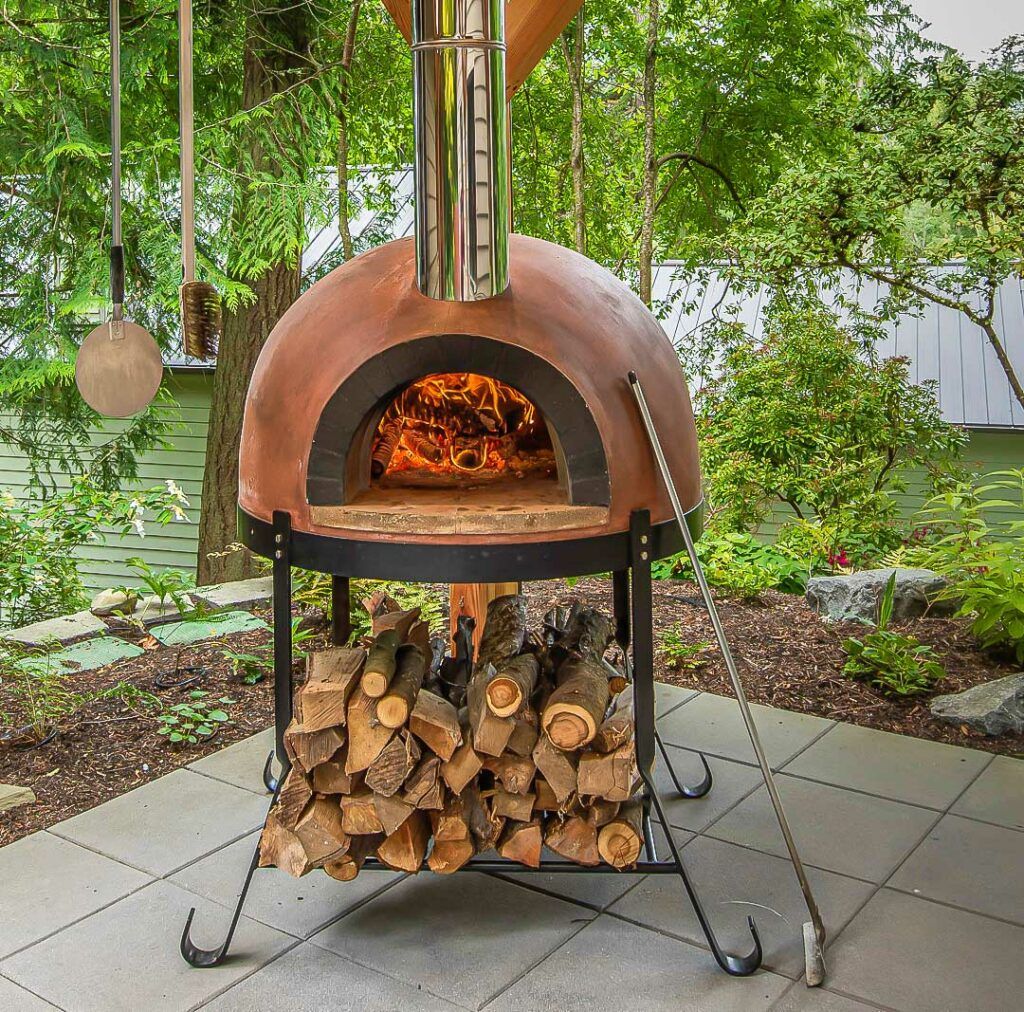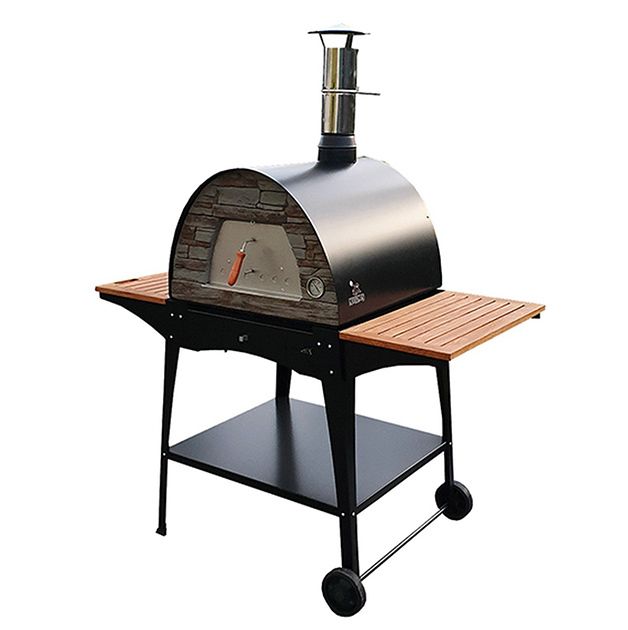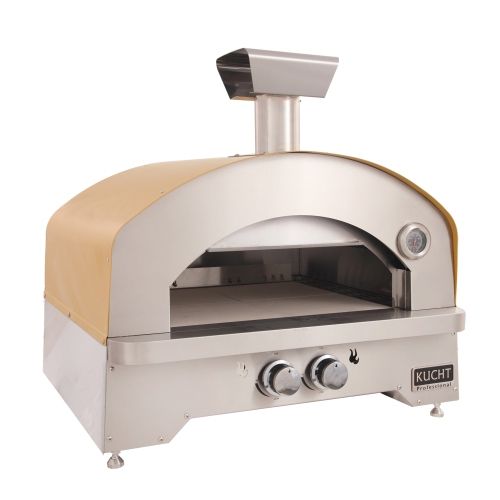
Hey pizza lovers and backyard chefs. I’m here today to talk about something near and dear to my heart (and stomach): perfectly cooked pizza. The portable propane pizza oven has revolutionized home pizza-making, offering that coveted wood-fired flavor, but they can sometimes be a bit… temperamental. Don’t worry, though. We’re gonna troubleshoot those common problems and get you back to pizza paradise. I’ve spent countless evenings perfecting my pizza game, and trust me, I’ve seen it all. From uneven cooking to flames that just won’t cooperate, I’ve learned a thing or two about keeping these little ovens humming. This guide is all about sharing that knowledge, so you can face any pizza-related challenge with confidence. Let’s dive in and make some amazing pizzas.
Portable propane pizza ovens are fantastic, right? They bring the authentic taste of a brick oven to your patio, deck, or even a camping trip. But, like any piece of equipment, they’re not immune to issues. Whether it’s a problem with the burner, the heat distribution, or the crust itself, these ovens can sometimes throw you a curveball. But don’t throw in the towel, yet. This article is your go-to guide for troubleshooting. I’ll walk you through some of the most common problems, share my go-to solutions, and provide you with actionable tips to ensure your pizza nights are always a success. We’ll cover everything from ignition issues to uneven cooking, ensuring you’re well-equipped to handle whatever your oven throws your way.
The Oven Won’t Ignite: Troubleshooting the Flame
One of the most frustrating issues is when your oven refuses to fire up. Here’s a breakdown of what could be wrong and how to fix it.
Gas Supply Issues:
- Check the propane tank: Make sure the tank is not empty. Sounds simple, but it happens. Also, make sure the valve is fully open.
- Inspect the connection: Ensure the regulator is securely attached to the tank and the oven. Look for any leaks by spraying soapy water on the connections; bubbles mean a leak. Tighten or replace parts as needed.
- Kinked or blocked gas line: Examine the hose for any bends or obstructions that might be stopping the gas flow.
Igniter Problems:
- Battery check: Many ovens use a battery-powered igniter. Replace the battery if it’s weak or dead.
- Igniter electrode: The electrode can sometimes get covered in debris or get wet. Clean it with a wire brush or replace it. Make sure the electrode is close enough to the burner to create a spark.
- Igniter wire: Check that the wire is securely connected to the igniter and the control knob.
Burner Issues:
- Blocked burner ports: Food particles or debris can clog the burner ports, preventing gas from escaping. Clean the burner with a wire brush or compressed air. And be sure to do this when the burner is cool, of course.
Uneven Cooking: Mastering Heat Distribution
Uneven cooking is a common complaint, but it’s usually solvable. Here’s how to get a perfectly cooked crust and toppings every single time.
Rotation is Key: The primary solution is to rotate your pizza. Most portable ovens have a hot spot (usually at the back). Turn your pizza 180 degrees halfway through the cooking process.
Preheating the Oven: Preheat your oven thoroughly. Allow it to reach the manufacturer’s suggested temperature before introducing your pizza. This ensures the stone is evenly heated.
Pizza Stone Condition: The pizza stone is critical. A well-seasoned stone is ideal. If the stone is damaged or dirty, it won’t distribute heat evenly. Clean the stone after each use, and consider replacing it if it’s heavily damaged. Avoid using soap; just scrape it clean.
Flame Control: Adjust the flame to control the heat. A lower flame can help avoid burning the crust before the toppings are cooked. Experiment with different flame settings to find the best balance for your oven and your desired pizza style.
Crust Troubles: Achieving the Perfect Base
A soggy or burnt crust can ruin a pizza. Here’s how to perfect your crust game.
Dough Hydration: Overly wet dough will result in a soggy crust. Use a dough recipe with the right hydration level. The more water in the dough, the more challenging it is to cook.
Preheating Your Stone: As mentioned, a hot stone is crucial. Make sure the stone is at the correct temperature before putting your pizza in.
Dough Thickness: A thicker crust will take longer to cook and can be more prone to sogginess. Roll your dough to the right thickness.
Placement on the Stone: Place your pizza in the center of the stone. This helps ensure even cooking.
Cooking Time: Don’t overcook your pizza. Cooking times vary depending on your oven and the type of pizza. Keep a close eye on it, and take the pizza out when the crust is golden brown and the cheese is melted and bubbly.
Smoke Overload: Dealing with Excessive Smoke
Excessive smoke can be a sign of an issue, or it can be a normal part of the pizza-making process. Here’s how to tell the difference and what to do about it.
Food Debris: Food particles or spilled toppings burning on the stone or burner are a primary cause. Clean your oven after each use to avoid buildup.
Incorrect Fuel: Only use propane. Using other fuels can create excessive smoke and potentially damage your oven.
Oven Temperature: Overheating can cause ingredients to burn and create smoke. Adjust your flame to control the oven’s temperature.
Type of Toppings: Certain toppings, like oily meats, can produce more smoke. Consider using less oily toppings or pre-cooking them.
Airflow: Ensure proper airflow to prevent smoke buildup. Check the oven’s vents and make sure they aren’t obstructed.
Burner Issues: Troubleshooting Flame Problems
If your burner isn’t performing correctly, here’s how to troubleshoot.
Low Flame: A low flame might be caused by a low propane supply, a blocked burner, or a faulty regulator. Check the propane tank, clean the burner ports, and inspect the regulator for any issues.
Yellow or Sooty Flames: This often indicates incomplete combustion. It might be caused by a lack of oxygen or an issue with the propane supply. Make sure the burner ports are clean, ensure proper airflow, and check the propane tank and regulator.
Uneven Flames: Uneven flames can indicate a blocked burner port or an issue with the gas supply. Clean the burner ports, and check the gas line for any kinks or obstructions.
Flameouts: If the flame keeps going out, it may be due to wind, a low gas supply, or a faulty safety mechanism. Shield the oven from the wind, check the propane level, and make sure the safety valve is working correctly.
Maintenance and Care: Keeping Your Oven in Top Shape
Regular maintenance is crucial for extending the life of your pizza oven and ensuring optimal performance. Here’s what you need to know.
Cleaning: Clean your oven after each use. Remove any food debris from the stone and burner. Wipe down the exterior.
Stone Care: Avoid using soap on your pizza stone. Scrape off any food residue. Season the stone by baking it at a high temperature for an hour after cleaning.
Storage: Store your oven in a dry place when not in use. Protect it from the elements to prevent rust and damage. Consider using a cover.
Regular Inspections: Inspect the gas line, regulator, and burner regularly for any signs of wear and tear. Replace any damaged components promptly.
Follow the Manufacturer’s Instructions: Always refer to the manufacturer’s manual for specific maintenance and care instructions.
Troubleshooting your portable propane pizza oven doesn’t have to be a pain. By understanding the common problems and knowing how to address them, you can keep your oven running smoothly and enjoy delicious, homemade pizza. Remember, practice makes perfect, and every pizza you make is a chance to learn and improve. So, embrace the challenges, experiment with flavors, and most importantly, have fun. And now, go forth and create some pizza masterpieces. Happy cooking, pizza pals.