Hello, fellow wood lovers. I’m thrilled to welcome you back to my space, where we delve into the heart of the forest and the craftsmanship that transforms nature’s gifts into cherished pieces. Today, we’re taking a deep dive into acacia wood – a timber that’s not just gorgeous, but also boasts a fascinating backstory. This isn’t just about furniture; it’s about understanding a material that connects us to the earth and the people who shape it. So, grab a cup of tea, settle in, and let’s unlock the secrets of acacia.
Acacia wood has captivated artisans and homeowners for centuries. Its beauty, strength, and the story it tells are what make it so special. From the vibrant hues to the unique grain patterns, acacia offers a warmth and character that other woods just can’t match. But there’s more to acacia than meets the eye. It’s a wood with a remarkable story, a story of survival, sustainability, and the skilled hands that bring it to life. We’ll explore its origins, its remarkable properties, the environmental considerations surrounding its use, and how you can bring a piece of acacia’s magic into your own home. And, well, I’m just excited to share it all with you.
Where Does Acacia Wood Come From? A Global Journey
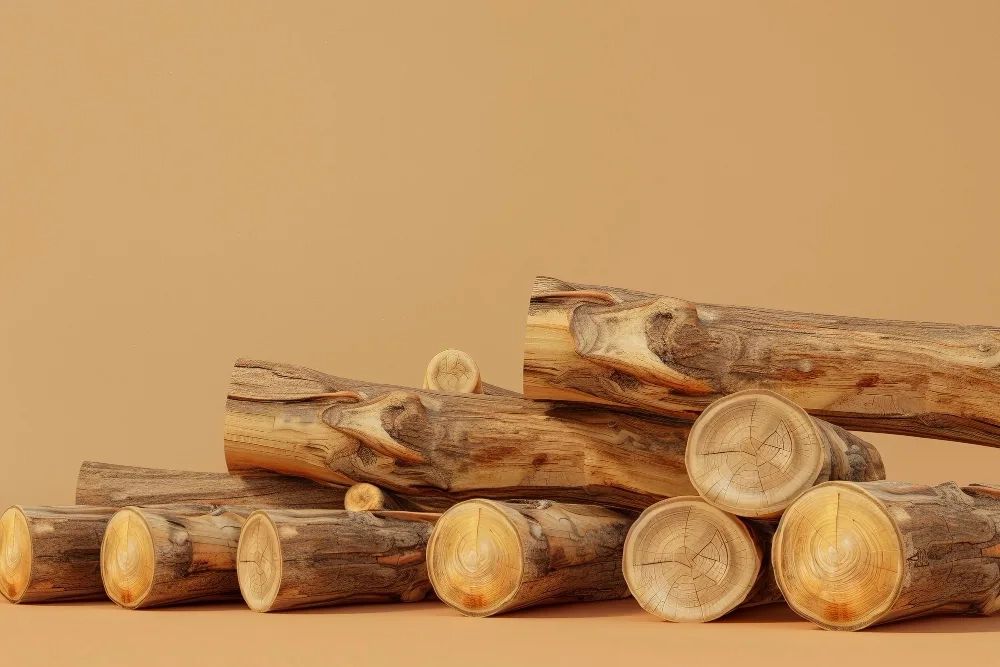
Acacia trees are not just found in one place, but all over the globe. They thrive in diverse environments, from the savannas of Africa and Australia to the tropical regions of Asia. The specific type of acacia used for furniture, however, often comes from Southeast Asia, particularly countries like Vietnam, Thailand, and Indonesia. These regions offer the perfect climate for the trees to flourish, allowing the wood to develop its unique properties. The way the trees are grown and harvested is super important to the quality of the wood and the environment. Good forestry practices ensure the wood is obtained sustainably, which means the forests are managed in a way that protects the environment and ensures a supply of wood for future generations. This is a huge part of what makes acacia such a great option for those of us who care about the environment.
Acacia’s Amazing Qualities: Strength, Beauty, and More
So, what makes acacia wood so special? Let’s break it down.
- Strength and Durability: Acacia is incredibly strong, making it perfect for furniture that needs to withstand daily use. Think of it as the workhorse of the wood world – it can take a beating and still look amazing.
- Water Resistance: Compared to other woods, acacia naturally resists water. This is why it’s often used for outdoor furniture, and even things like kitchen items.
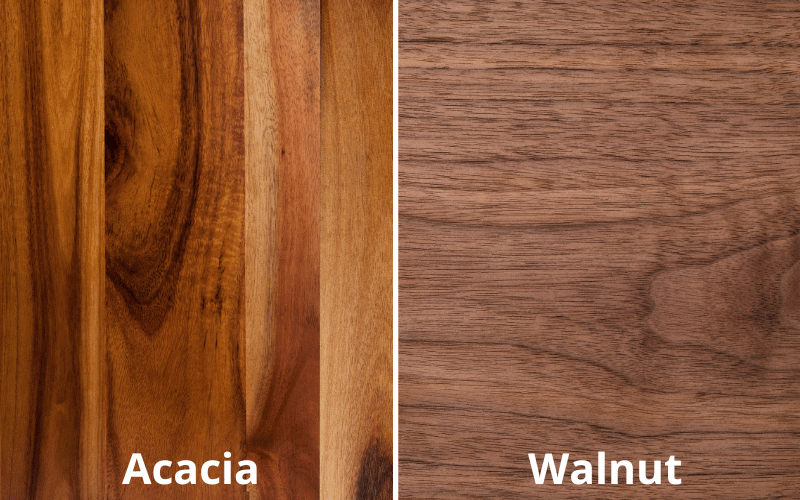
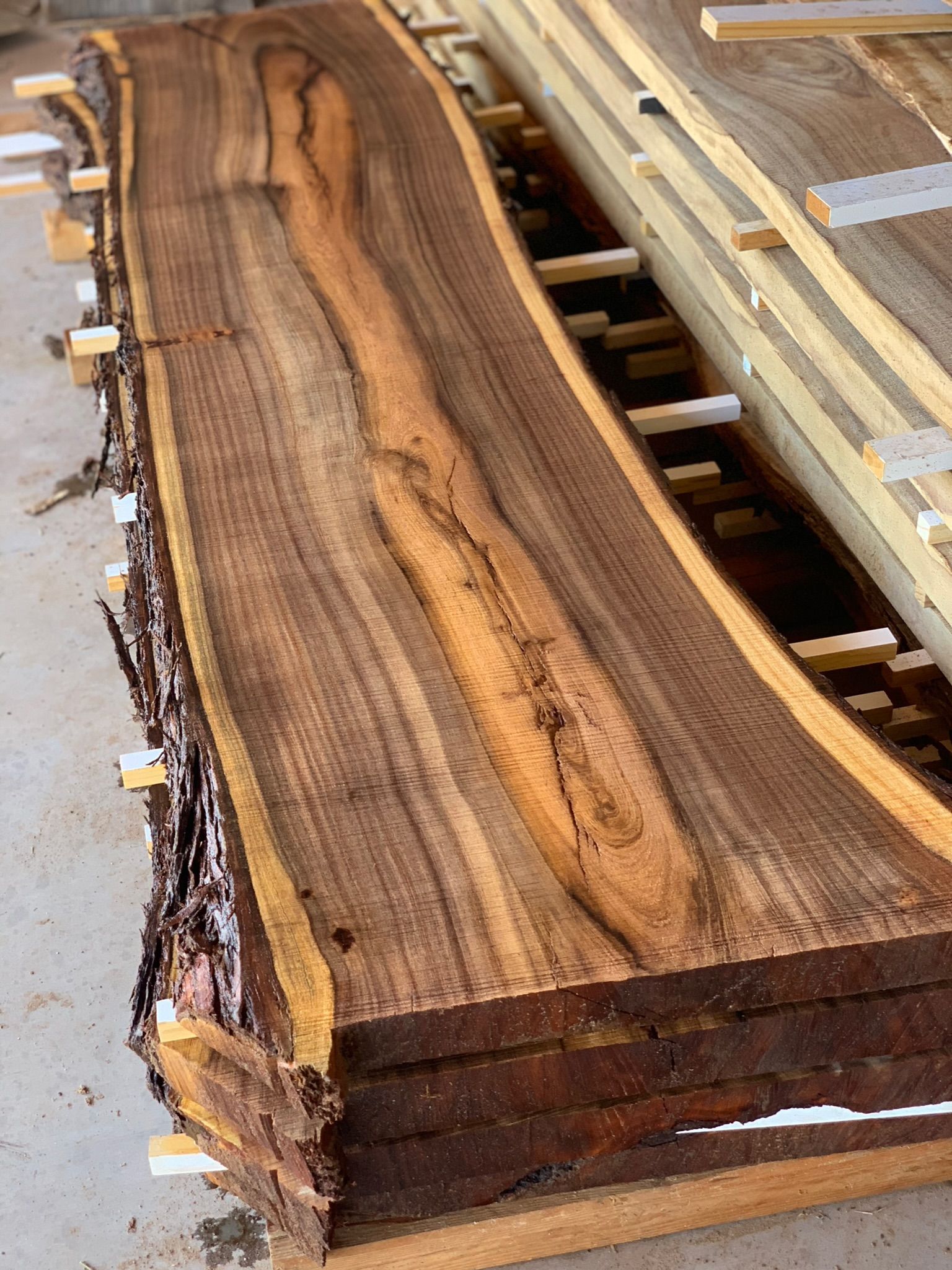
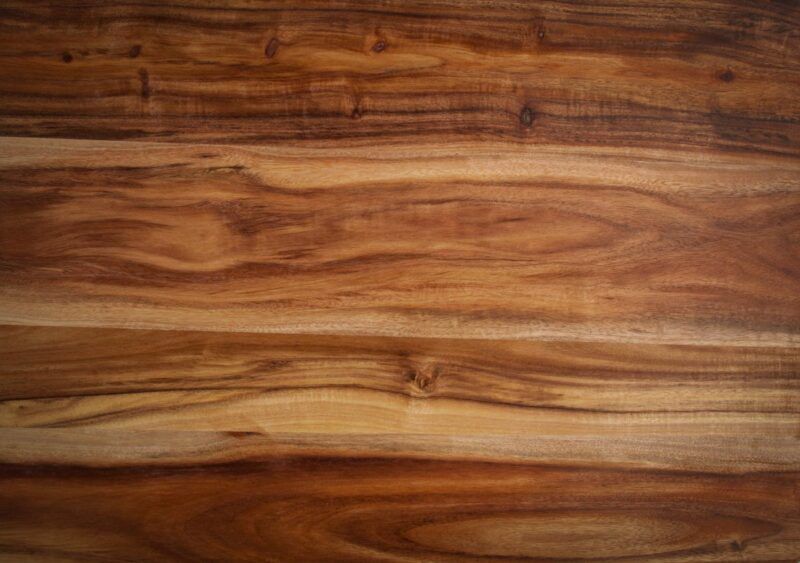
- Stunning Aesthetics: The grain patterns in acacia wood are just mesmerizing. It can range from straight lines to wild swirls, and the color varies from light brown to rich, reddish hues. Each piece of acacia furniture is truly unique.
- Natural Oils: Acacia wood contains natural oils that help protect it from the elements and give it a beautiful sheen. This also means it’s less likely to dry out and crack over time, making it a very low-maintenance choice.
- Adaptability: Acacia wood can be shaped and finished in many ways, so it suits a variety of styles, from rustic to modern. It’s a chameleon, really, adapting to whatever design you’re after. And it’s not just for furniture. You’ll find acacia in flooring, cutting boards, and even small decor items.
The Environmental Story: Sustainability and Responsible Sourcing
One of the most important things to consider when choosing acacia wood is its environmental impact. The good news is, acacia can be a sustainable choice, depending on how it’s sourced.
- Sustainable Forestry: Look for acacia wood that comes from forests managed with sustainable practices. This means that the trees are harvested responsibly, and new trees are planted to replace them. Certifications like the Forest Stewardship Council (FSC) are a great way to make sure that the wood you are buying is from a well-managed forest.
- Reducing Deforestation: Responsible acacia farming can actually help reduce deforestation. Acacia trees grow quickly, providing a fast alternative to slow-growing hardwoods. This means less pressure on old-growth forests.
- Supporting Local Communities: Many acacia farms support local communities by providing jobs and promoting economic development. This can be a win-win for both the environment and the people who live near the forests.
It’s always a good idea to ask questions about where the acacia wood comes from and how it was harvested. Choosing sustainably sourced acacia is a great way to enjoy its beauty while protecting our planet.
Caring for Your Acacia Wood: Tips for Longevity
Acacia wood is known for its durability, but it still requires some care to keep it looking its best. Here are a few tips to help your acacia furniture last for years to come:
- Cleaning: Regular cleaning is key. Wipe up spills immediately, and use a damp cloth to remove dust and dirt. Avoid harsh chemicals or abrasive cleaners, which can damage the wood’s finish. Mild soap and water are usually the best option.
- Protecting from the Sun: Excessive sunlight can cause acacia wood to fade over time. Try to keep your furniture out of direct sunlight, or use curtains or blinds to protect it. If you have outdoor acacia furniture, consider using a protective cover when it’s not in use.
- Preventing Scratches: Use coasters and placemats to protect your acacia surfaces from scratches and water rings. Avoid placing sharp objects directly on the wood.
- Oiling: To maintain the wood’s natural luster and protect it from drying out, apply a wood oil every few months. Look for oils specifically designed for acacia or other hardwoods. Follow the manufacturer’s instructions carefully.
- Re-finishing: Over time, your acacia furniture may need to be refinished. This can help restore its original beauty and protect it from further wear and tear. If you’re not comfortable doing it yourself, consider hiring a professional.
Acacia Wood in the Home: Examples and Inspiration
Acacia wood is incredibly versatile, and it fits into a wide range of home styles.
- Rustic Charm: Acacia’s natural grain and warm tones are perfect for creating a rustic and cozy atmosphere. Think of a reclaimed acacia dining table paired with mismatched chairs, or a live-edge acacia coffee table.
- Modern Minimalism: The clean lines and natural beauty of acacia make it a great choice for modern spaces. A sleek acacia bed frame or a minimalist acacia desk can add warmth and character to a contemporary room.
- Bohemian Vibes: Acacia can also be incorporated into bohemian-inspired spaces. A carved acacia headboard or a set of acacia shelves can add a touch of exotic flair.
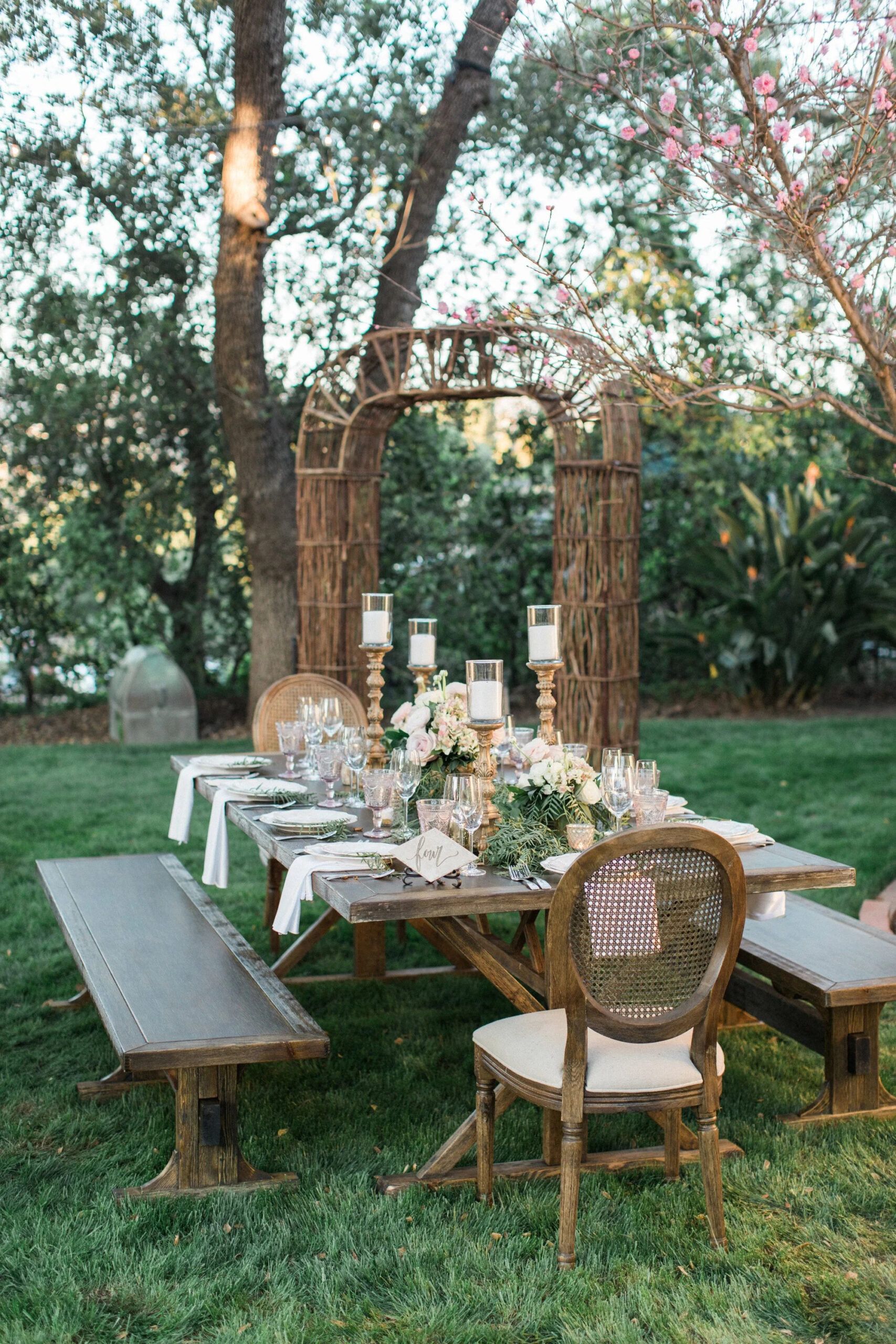
- Outdoor Oasis: Acacia is an excellent choice for outdoor furniture. Its water-resistant properties and durability make it perfect for decks, patios, and gardens. Consider an acacia dining set or a comfortable acacia bench for your outdoor space.
Explore different design blogs, Pinterest boards, and interior design magazines to get inspired. You’ll find endless ways to incorporate acacia wood into your home, no matter your style.
Beyond Furniture: Other Uses and Applications
Acacia’s versatility extends beyond furniture. Here are some other cool things you can make with acacia wood:
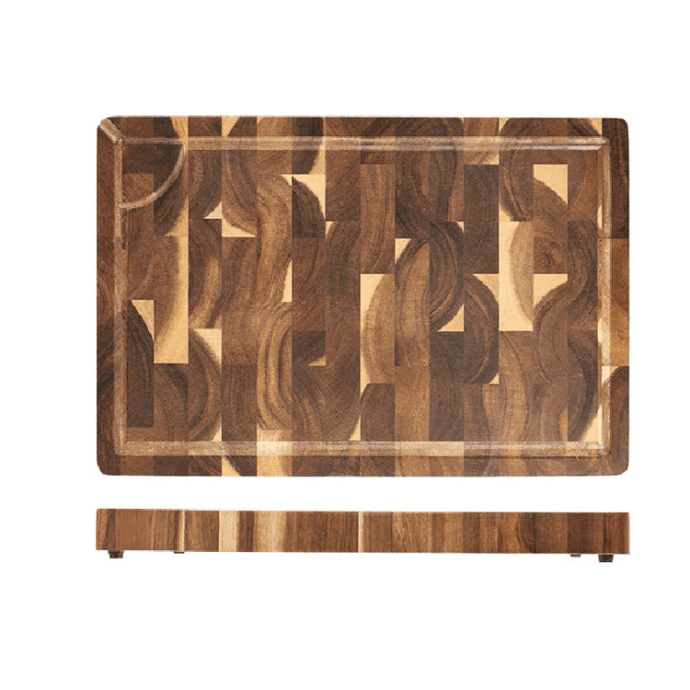
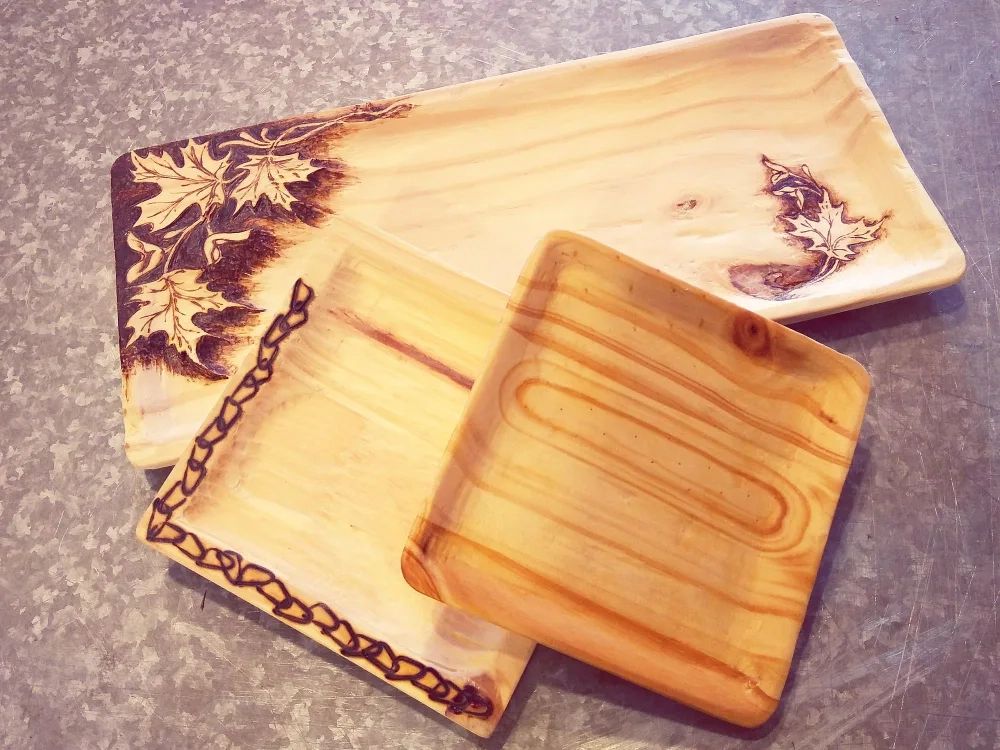
- Cutting Boards & Kitchen Utensils: Acacia’s water resistance and natural antibacterial properties make it an ideal choice for cutting boards, spoons, and other kitchen tools.
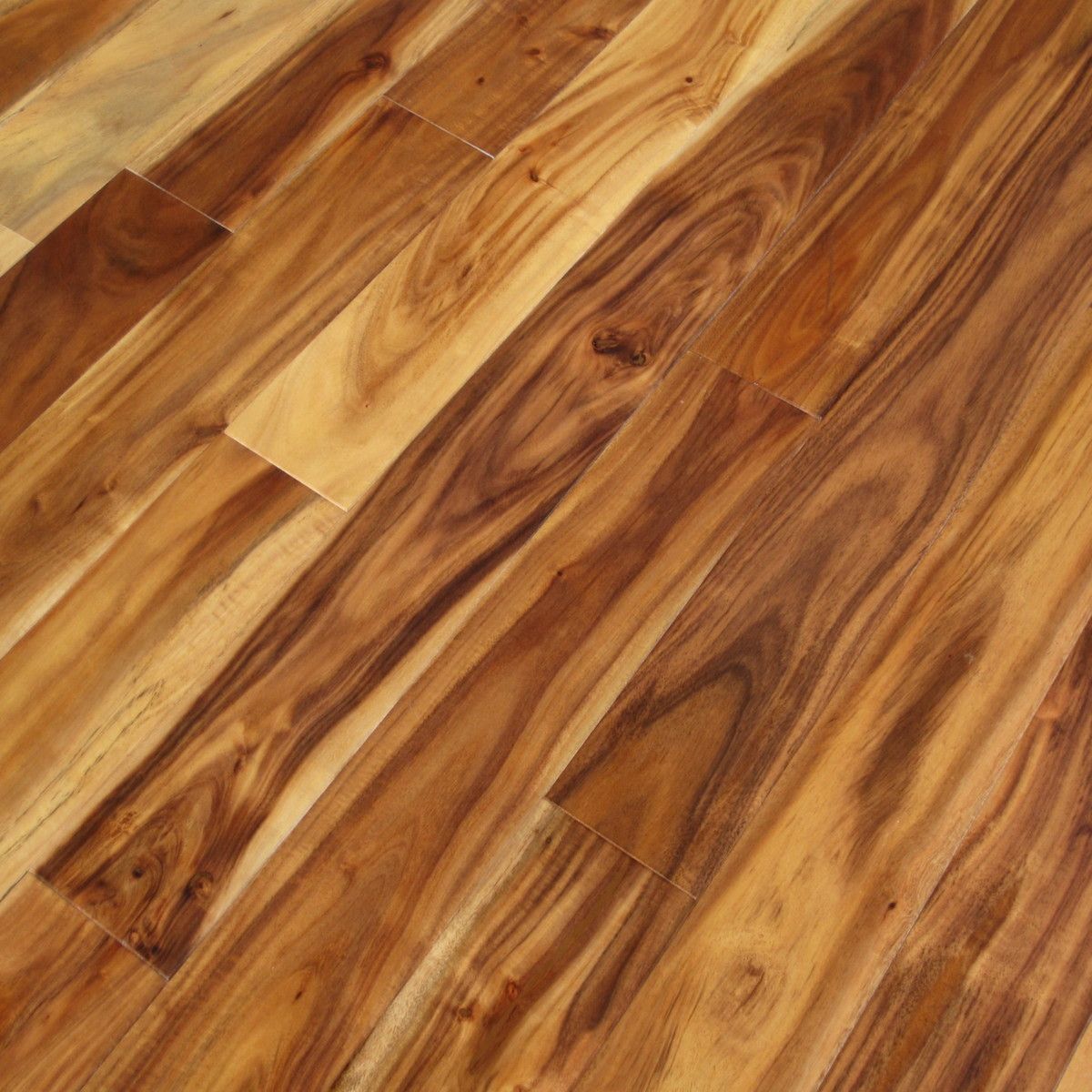
- Flooring: Acacia flooring is a durable and beautiful option. It’s known for its strength and resistance to wear and tear, making it a great choice for high-traffic areas.
- Decorative Items: Acacia can be carved and shaped into a variety of decorative items, from bowls and vases to picture frames and sculptures.
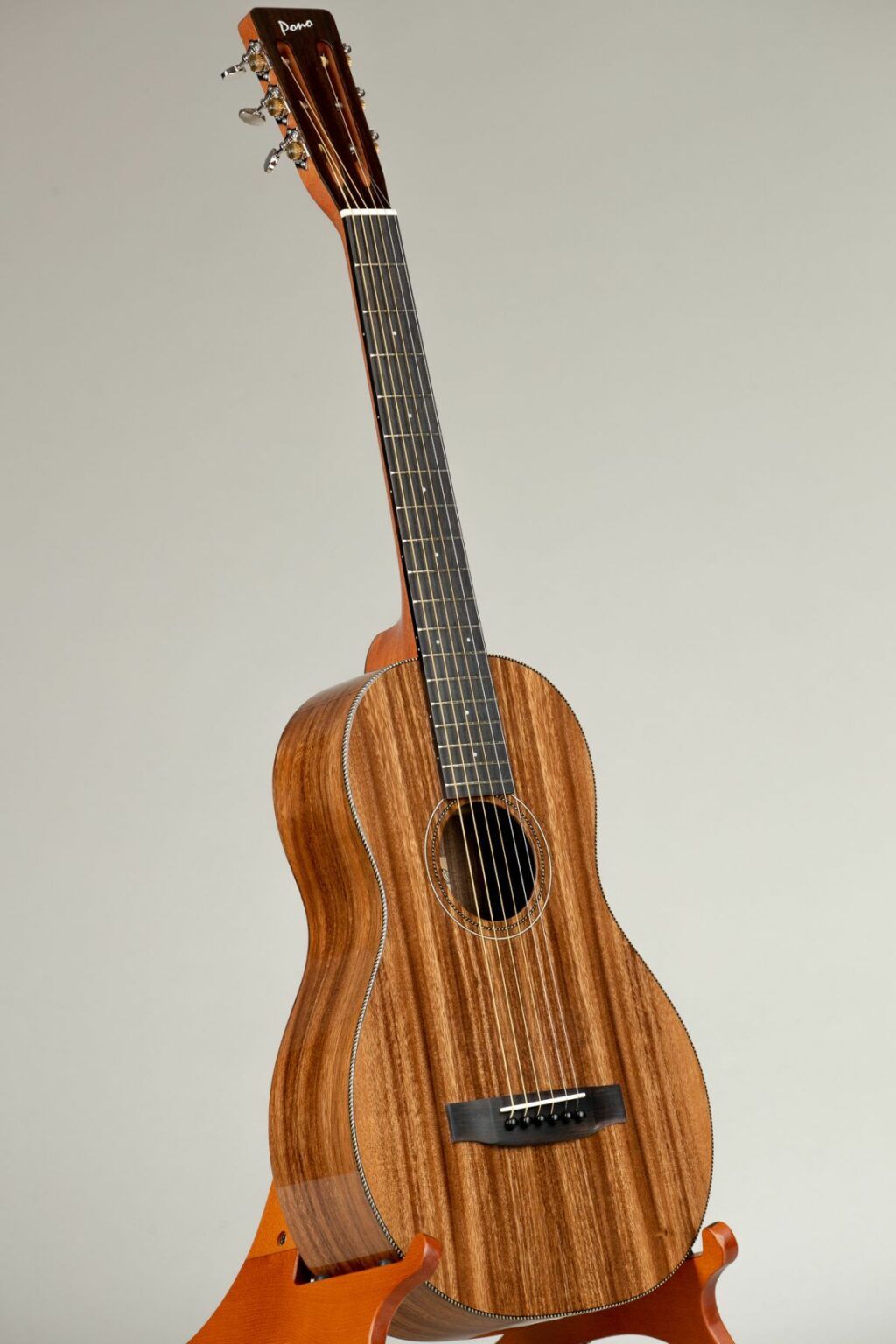
- Musical Instruments: Some acacia species are used in making musical instruments, such as guitars and ukuleles, due to their tonal properties and strength.
This just goes to show that acacia wood is not just for furniture; its applications are practically limitless.
So there you have it, a comprehensive look at the wonderful world of acacia wood. From its origins and remarkable qualities to its environmental considerations and diverse applications, acacia is a timber that truly has it all. It’s beautiful, durable, and, when sourced responsibly, a sustainable choice for your home. I hope this journey has inspired you to appreciate the beauty and versatility of acacia and to make informed choices about the furniture and other items you bring into your life. Remember to always ask questions about the origin of the wood and choose sustainably sourced options whenever possible. Let’s continue to celebrate the beauty of nature and the craftsmanship that brings it into our homes, and thanks for joining me on this exploration. Until next time, happy decorating, and happy woodworking, my friends.