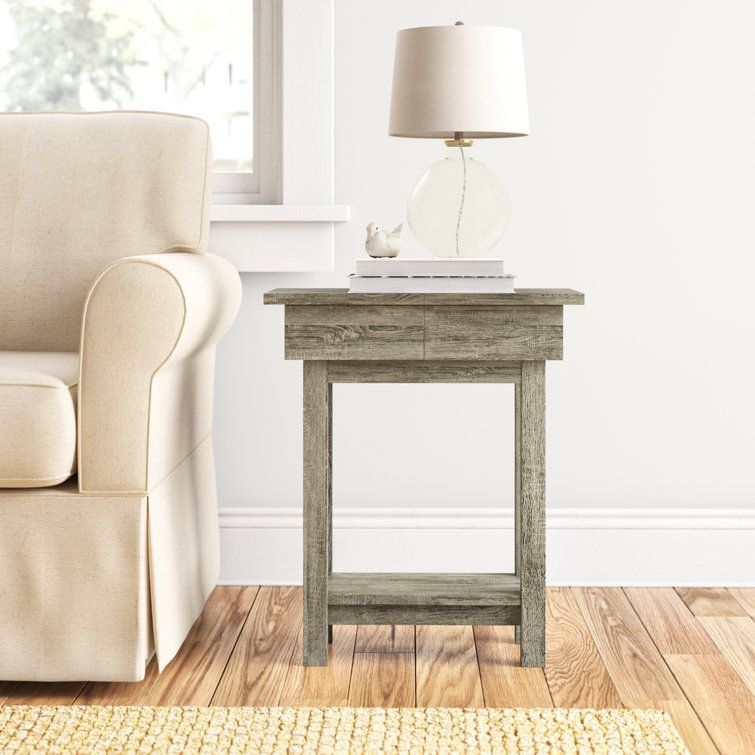
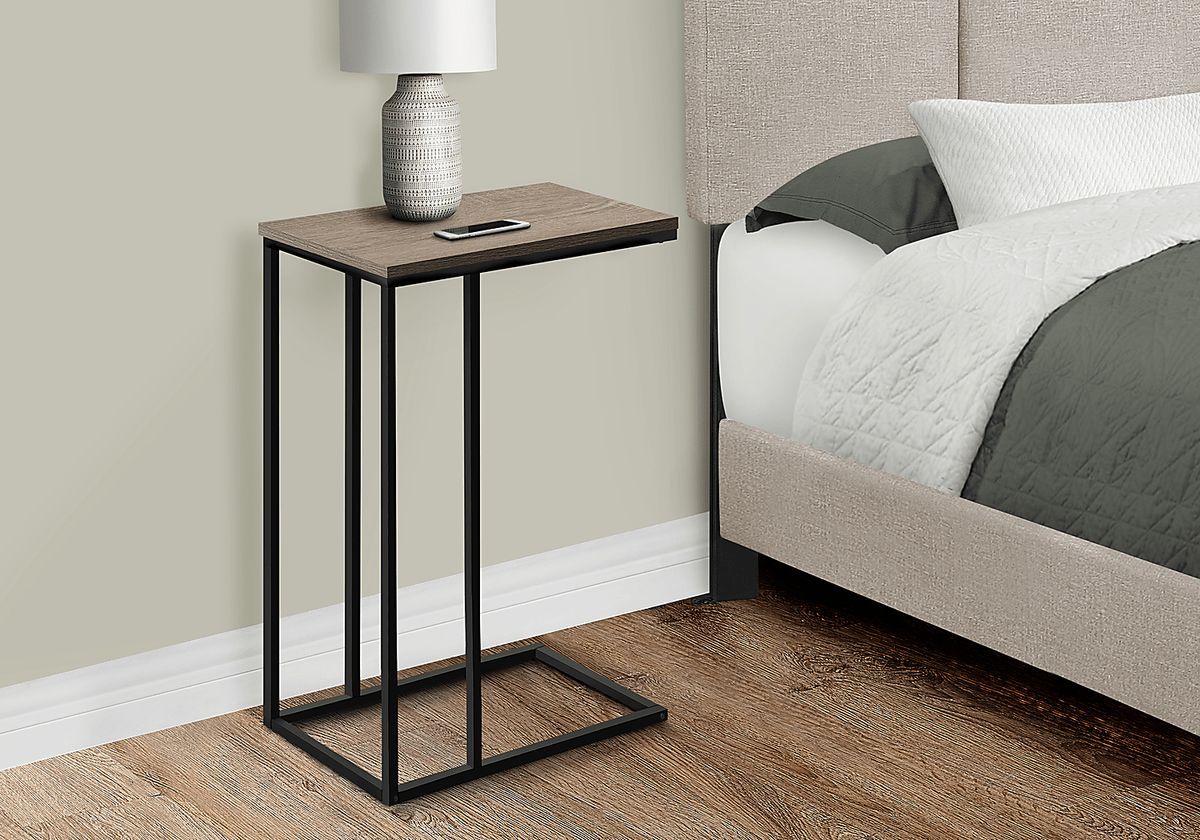
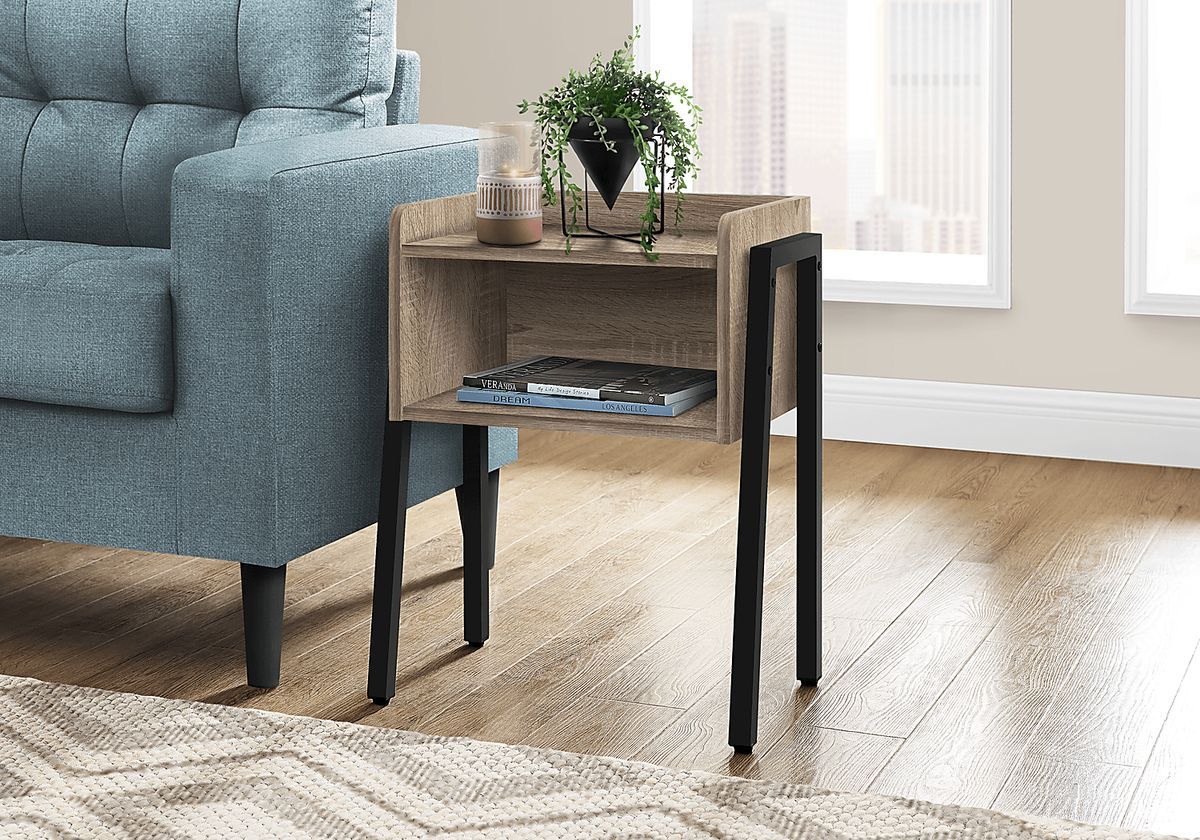
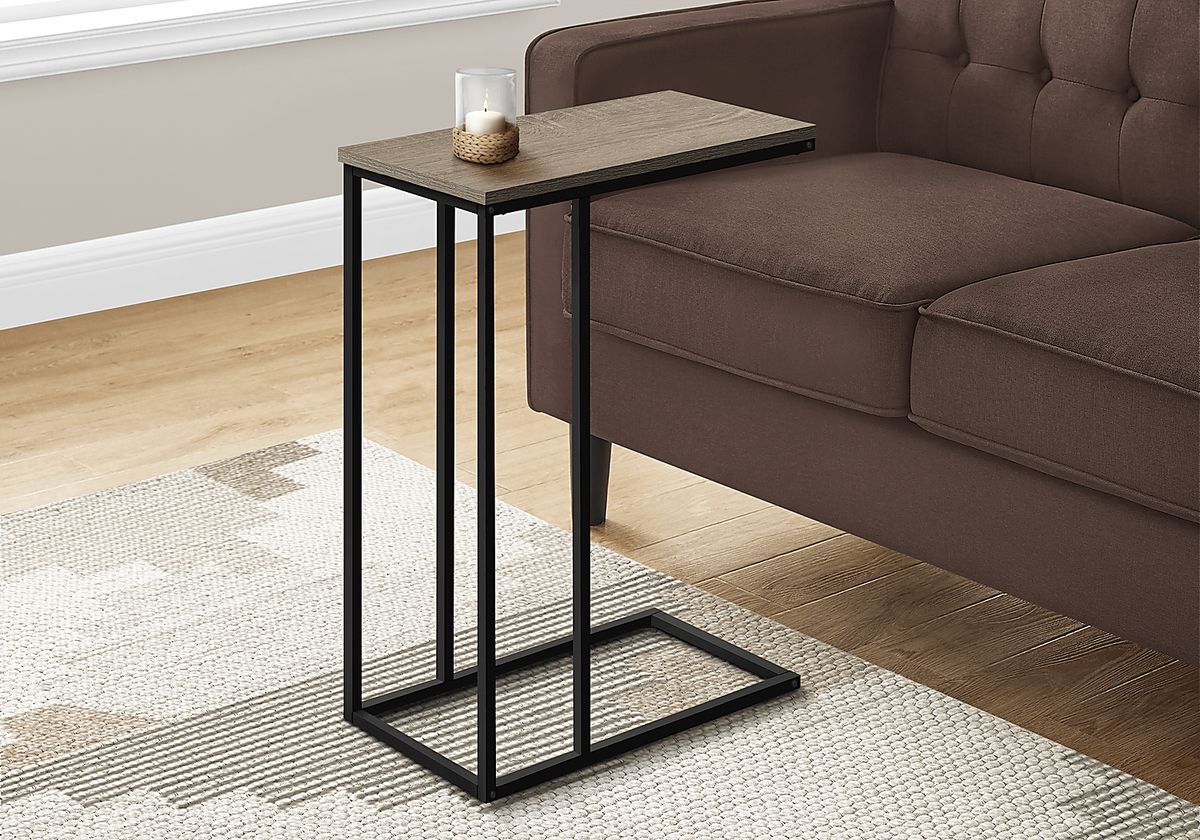
Ever wondered what makes your Rio Taupe side table tick? It’s more than just a pretty piece of furniture; it’s a carefully assembled creation. Understanding the materials used in its building is key to appreciating its beauty, durability, and, ultimately, how it fits into your life. Let’s pull back the curtain and explore the components that bring your side table to life.
We often take our furniture for granted, not giving a second thought to the work that goes into crafting it. But the materials that make up your Rio Taupe side table, from the wood to the finish, play a huge role in its look, longevity, and even its environmental impact. In this guide, we’ll delve into the most likely components, examine their characteristics, and give you some insights to help you take better care of your table and make informed decisions about future purchases. Prepare to become a side table material expert and get a newfound respect for your furniture.
The Likely Primary Material: What’s the Wood About?
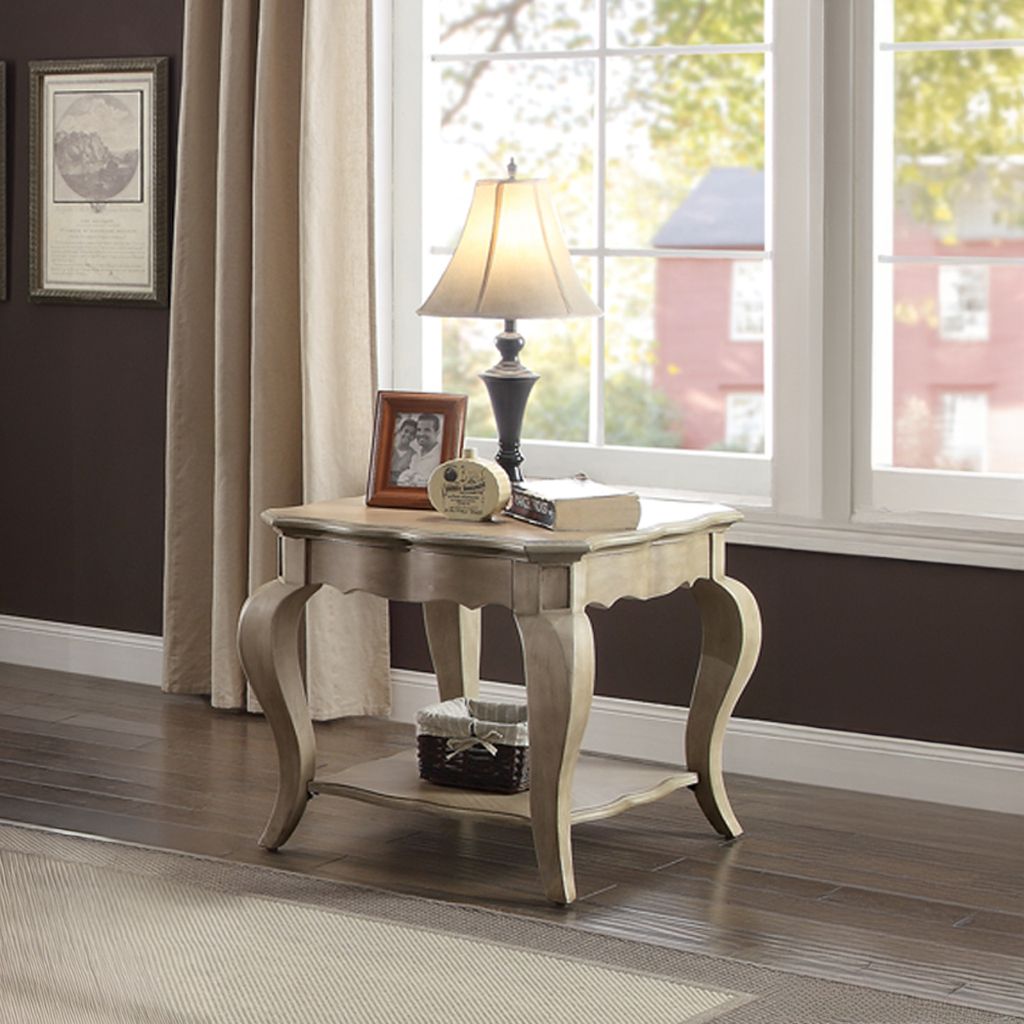
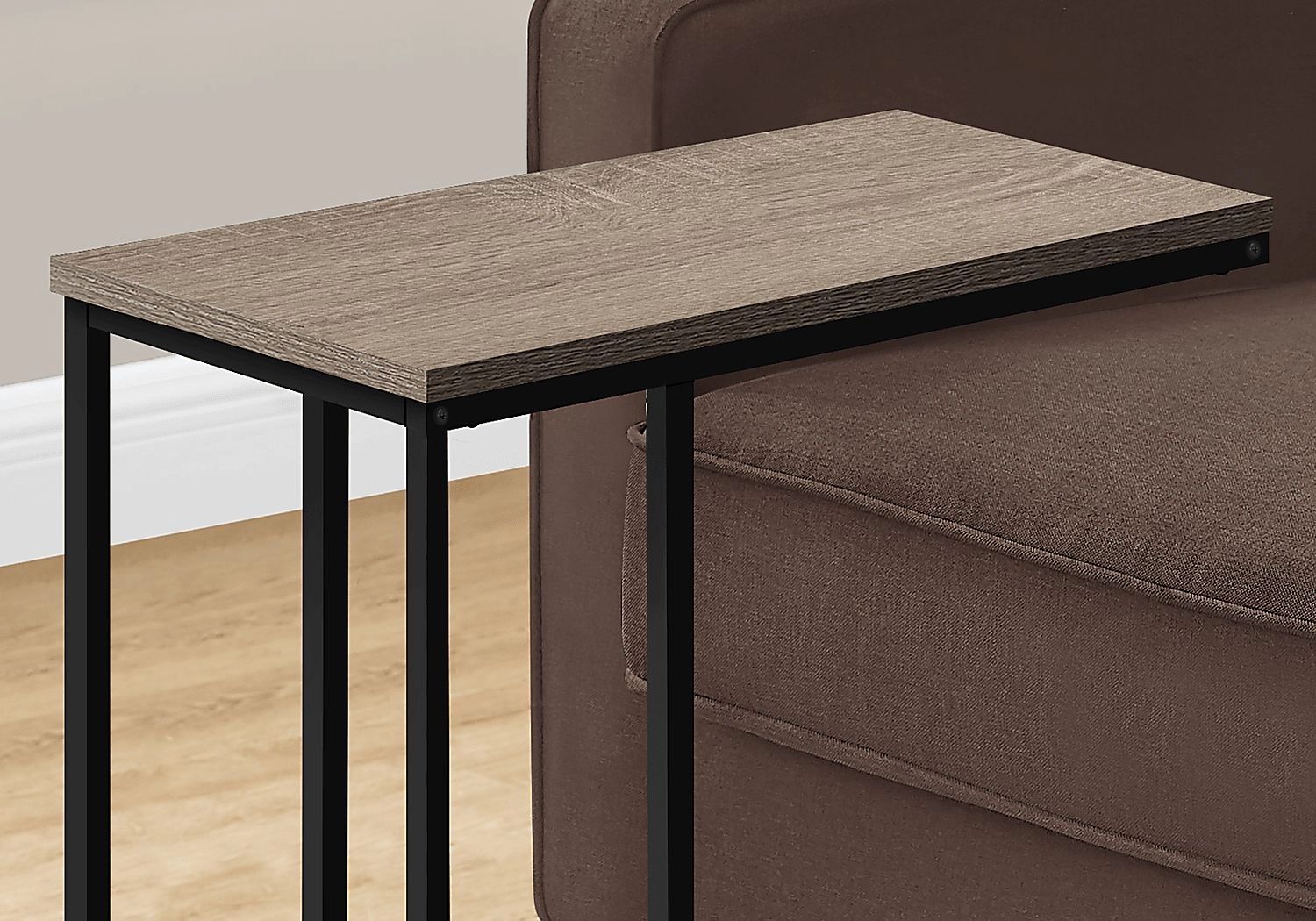
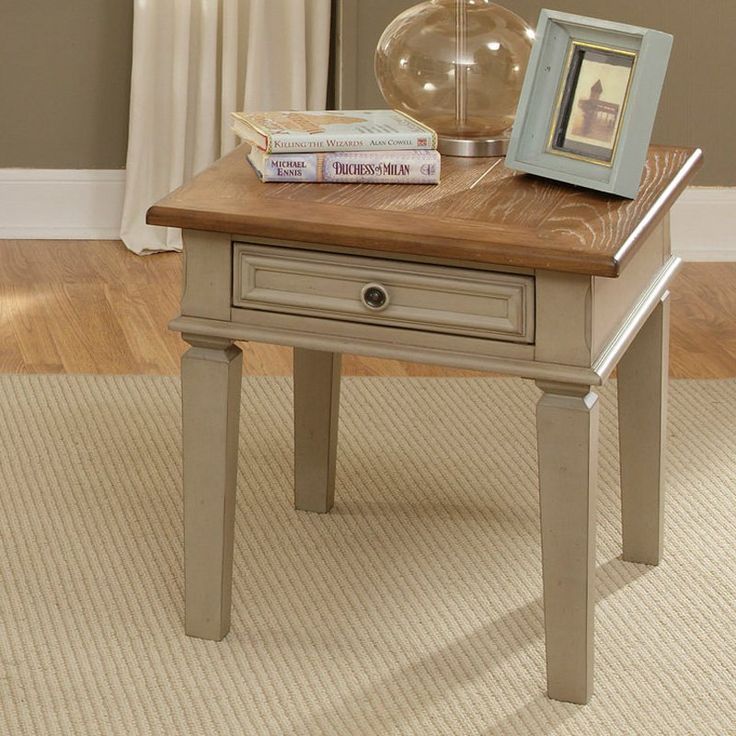
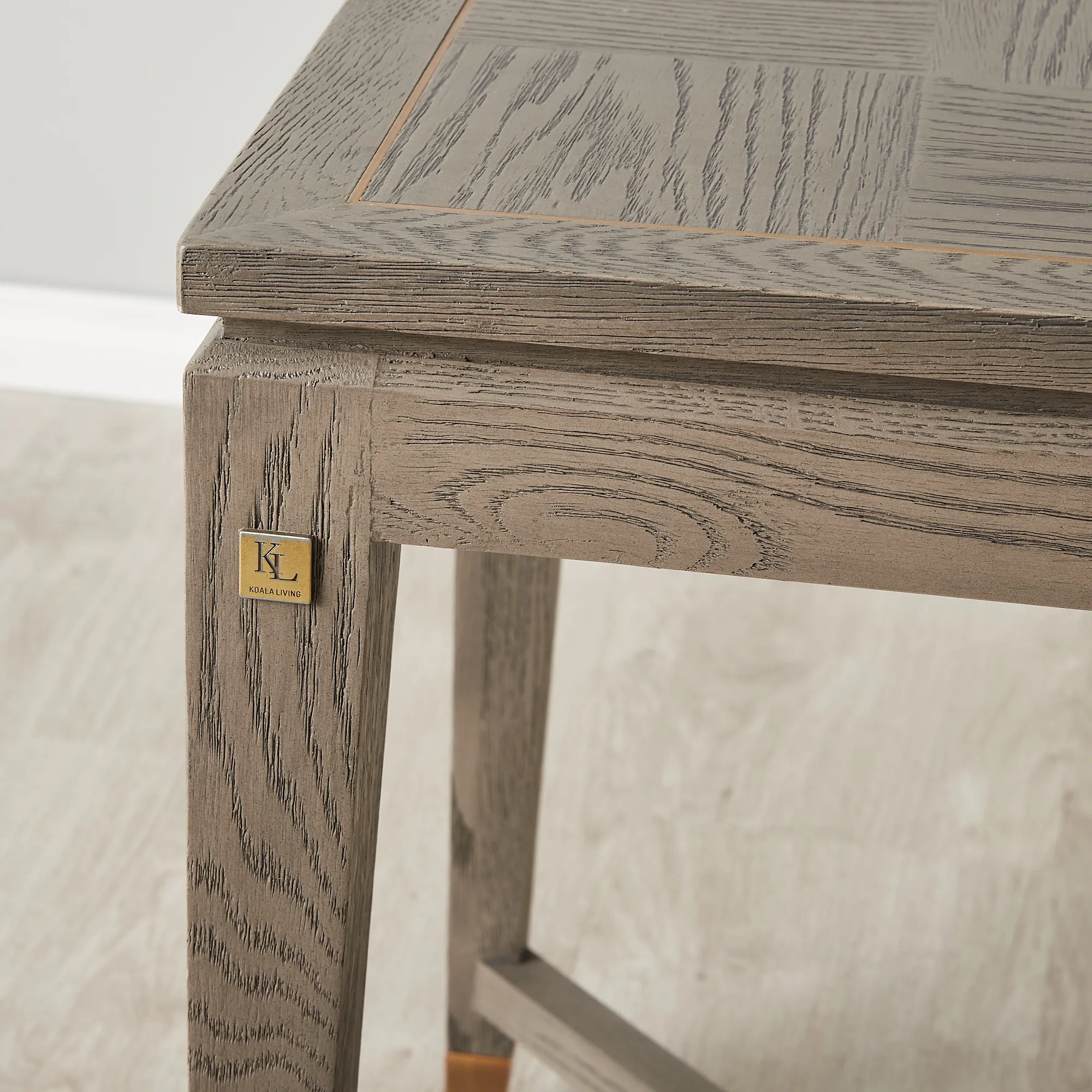
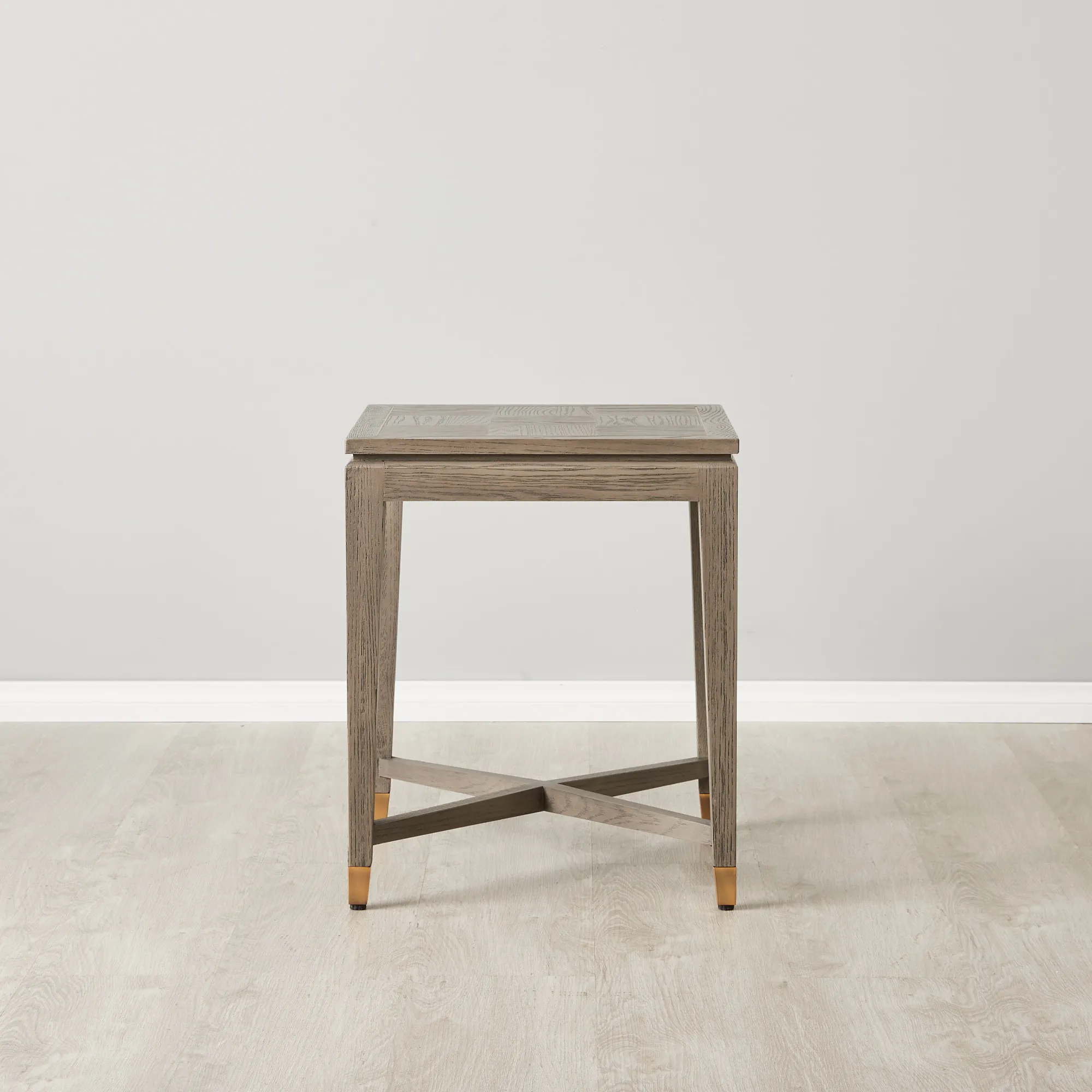
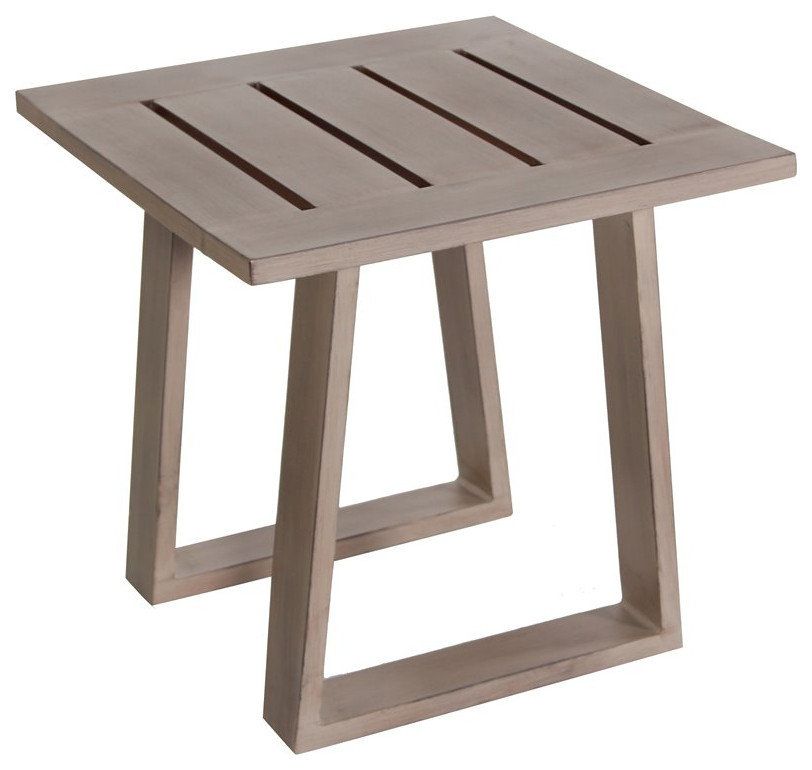
The core of a Rio Taupe side table is most likely wood, which could be solid wood or engineered wood. Solid wood, like oak, maple, or pine, offers natural beauty and strongness. It’s a timeless choice. Engineered wood, on the other hand, is often made from wood particles or fibers that are glued together and compressed. This can include materials like medium-density fiberboard (MDF) or plywood. Engineered wood is cost-effective and can be very stable, resisting warping and cracking. The choice of wood impacts the table’s weight, appearance, and, of course, the price. Look for signs of the wood type – the grain pattern, the feel of the surface, and any visible knots or imperfections. These details give you an idea of what you’re working with and how to care for it properly. And, of course, these add to the character and charm of the item.
The Taupe Finish: Beyond Just Color
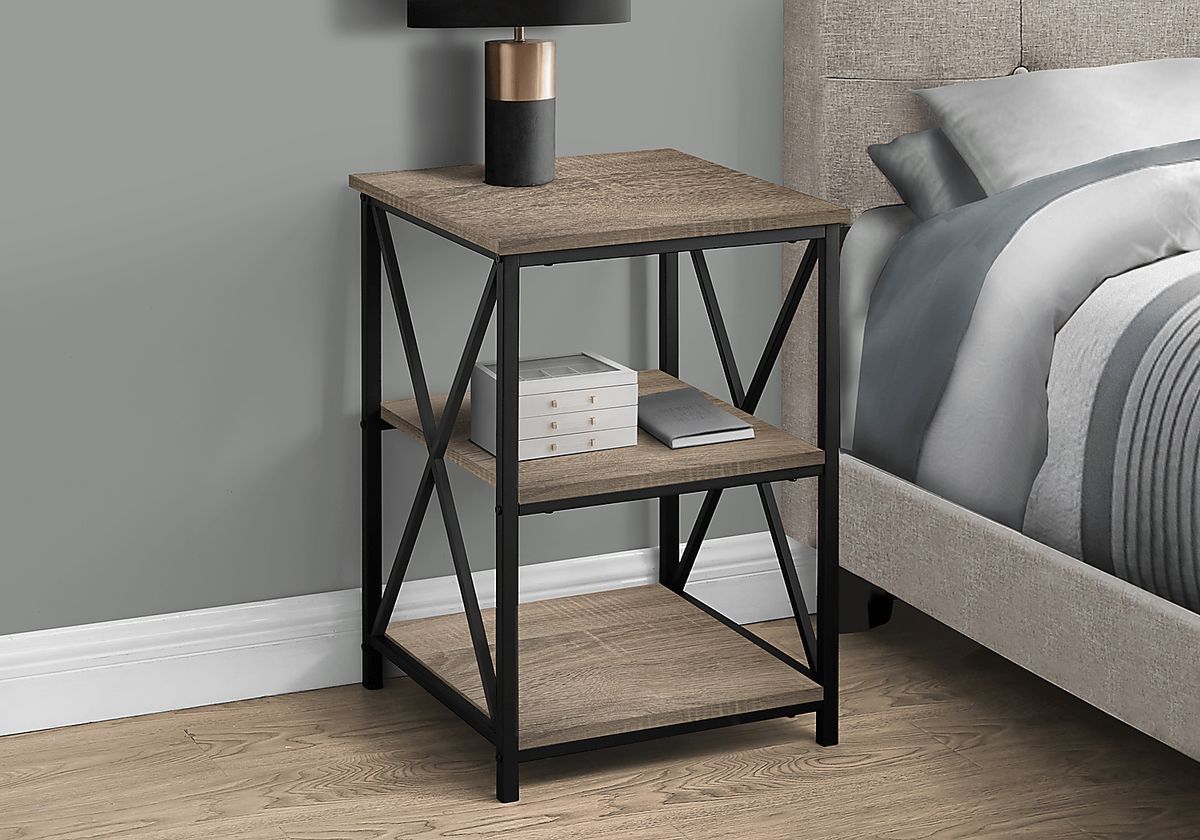
The ‘taupe’ in Rio Taupe refers to the color, a sophisticated blend of gray and brown. But the finish is more than just the color; it’s a protective layer. This is usually a type of stain, paint, or veneer. Stains soak into the wood, enhancing the grain and providing some protection. Paints offer a solid color and can also act as a barrier. Veneers, thin layers of wood, can give the appearance of a more expensive wood without the cost. The finish affects the table’s resistance to scratches, moisture, and sunlight. A good finish will protect the wood underneath and make cleaning easier. Pay attention to how the finish looks – is it smooth and even, or does it have imperfections? This can give you a clue about the quality of the table and how it will hold up over time.
Hardware and Fasteners: The Supporting Cast
Don’t overlook the hardware. Screws, bolts, hinges (if any), and drawer slides all play an important role in the table’s construction and function. These are typically made from metal, such as steel or iron, which might be coated to prevent rust. The quality of the hardware affects the table’s stability and longevity. Look for sturdy screws and well-aligned drawer slides. Loose screws can weaken the table over time, while poorly made slides can make drawers stick. Inspect the hardware regularly and tighten any loose screws. This simple maintenance can greatly extend the life of your table. Sometimes, even the smallest details can make the biggest difference, and give your table the extra strength it needs.
Possible Non-Wood Components: Beyond the Obvious
Your Rio Taupe side table might include other materials. Some tables feature glass tops or metal legs. Glass adds a touch of modern elegance, while metal legs can provide a sleek, industrial look. These components will influence the table’s appearance, weight, and durability. Glass is prone to breaking if not handled carefully, and metal can be susceptible to scratches and dents. Consider these factors when using your table and cleaning it. If your table has glass, use coasters and avoid placing heavy objects on it. If it has metal, be careful when moving it to avoid scratches. It’s all about understanding the combined effect of the materials to get the best from your furniture.
Impact on Style and Your Home
The materials chosen for your Rio Taupe side table directly impact its style. Solid wood often lends a classic, warm feel, while engineered wood with a sleek finish can create a modern aesthetic. The color, texture, and overall design of the table should complement your existing décor. Consider the materials when deciding where to place your table. A wood table might look great in a living room, while a metal and glass table could be perfect for a contemporary bedroom. Think about how the materials work together to create a cohesive look in your space. It all comes down to finding the right fit for your personal style and your home’s needs.
Caring for Your Table: Extending Its Lifespan
Proper care is crucial to preserving your Rio Taupe side table. The cleaning and maintenance methods depend on the materials used. For wood, use a soft cloth and wood cleaner to wipe away dust and spills. Avoid harsh chemicals that could damage the finish. For glass, use a glass cleaner and a soft cloth. Metal parts can be cleaned with a damp cloth. Regular dusting and cleaning will keep your table looking its best. Protect your table from direct sunlight and extreme temperatures, as these can damage the materials. With proper care, your Rio Taupe side table can remain a cherished part of your home for years to come. Remember, a little effort goes a long way in maintaining the beauty and functionality of your furniture.
Understanding the materials of your Rio Taupe side table provides a deeper appreciation for its design and craftsmanship. From the wood it’s made of to the hardware that holds it together, each part plays a role in its function and aesthetic. By knowing the materials, you can take better care of your table, make informed decisions about future furniture purchases, and truly appreciate the artistry behind everyday objects. The next time you look at your Rio Taupe side table, take a moment to consider the journey of each component, and the story it tells. It’s a story of design, durability, and, ultimately, how it enhances your living space. And, I hope you found this helpful, and are well on your way to becoming a furniture expert.