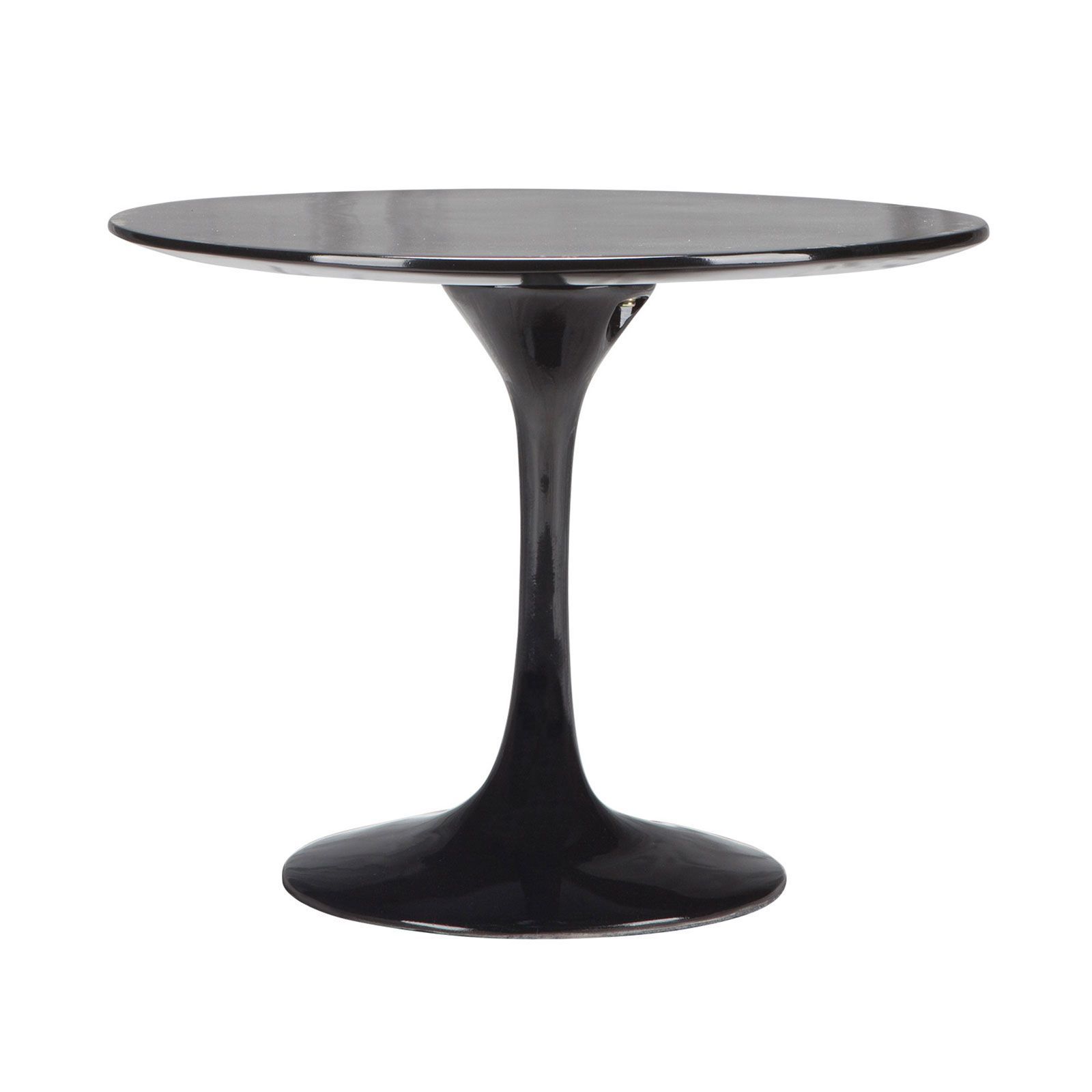
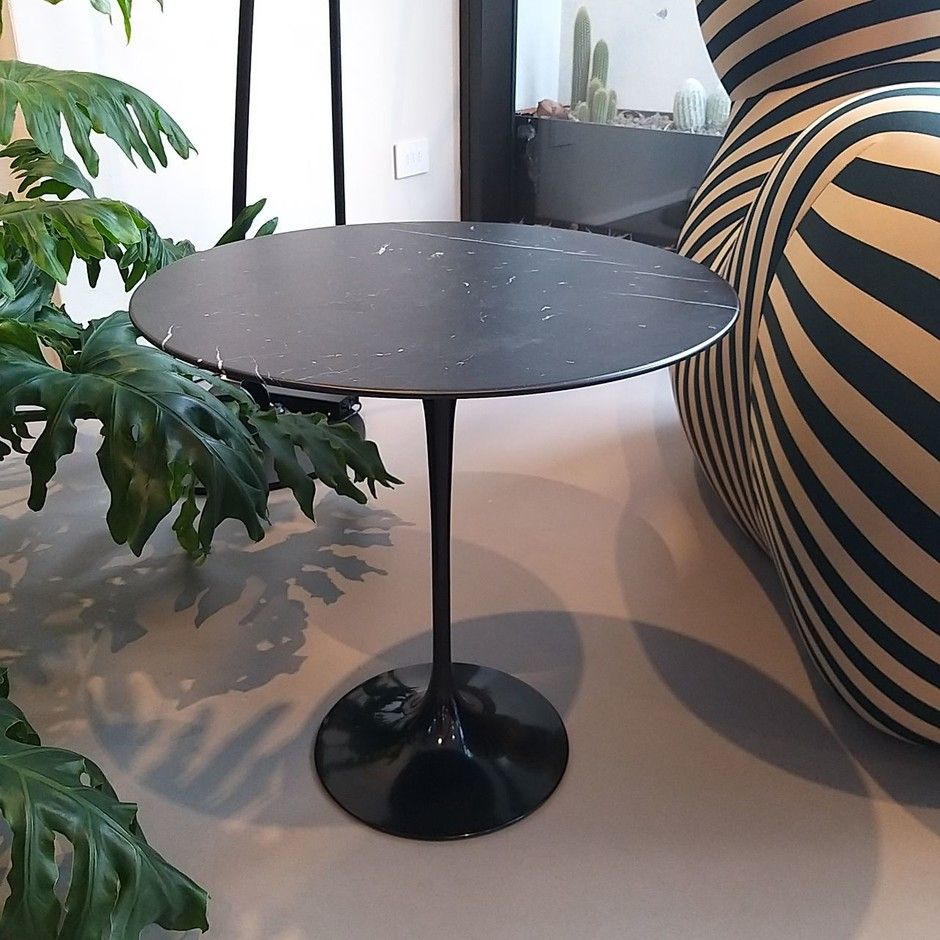
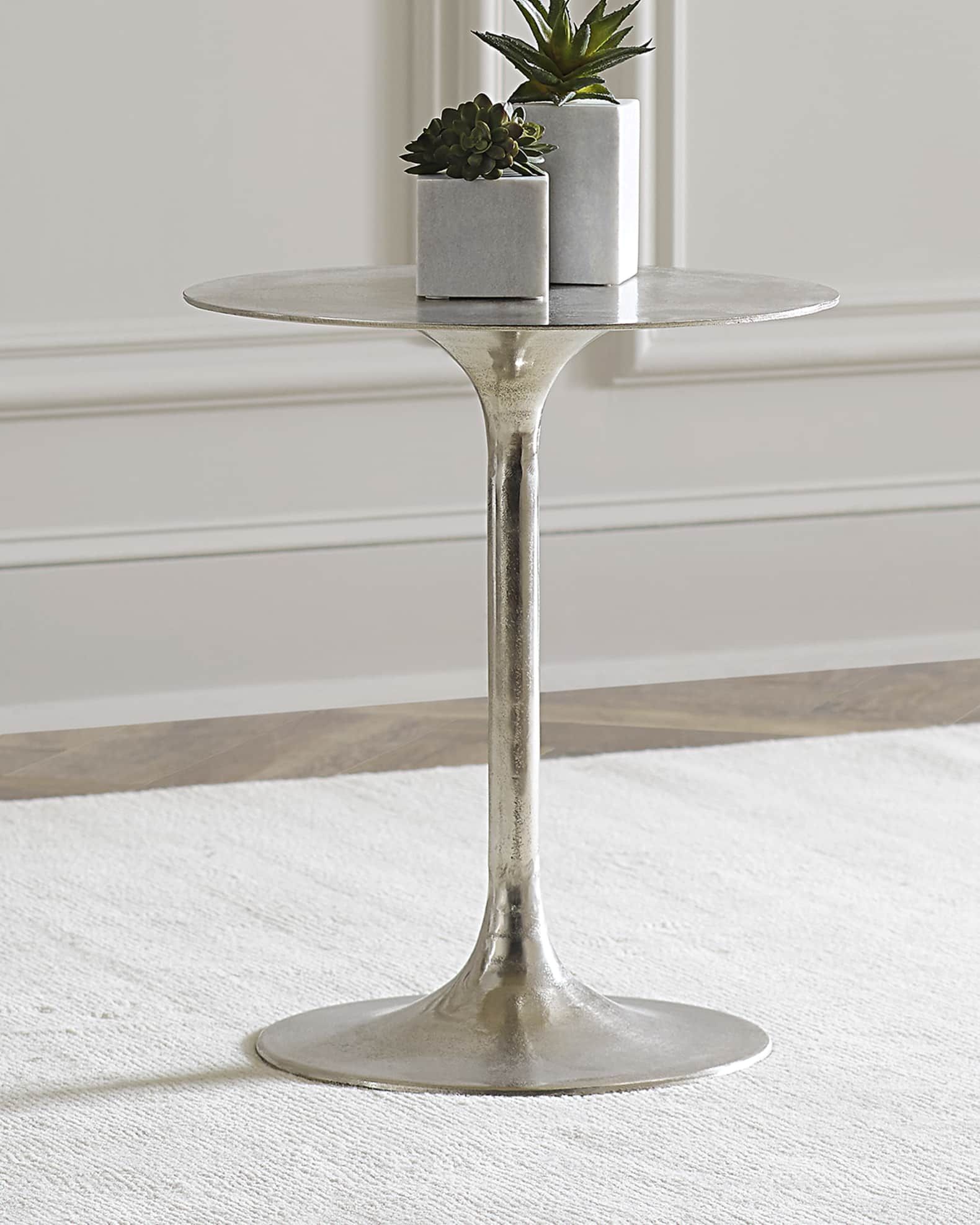
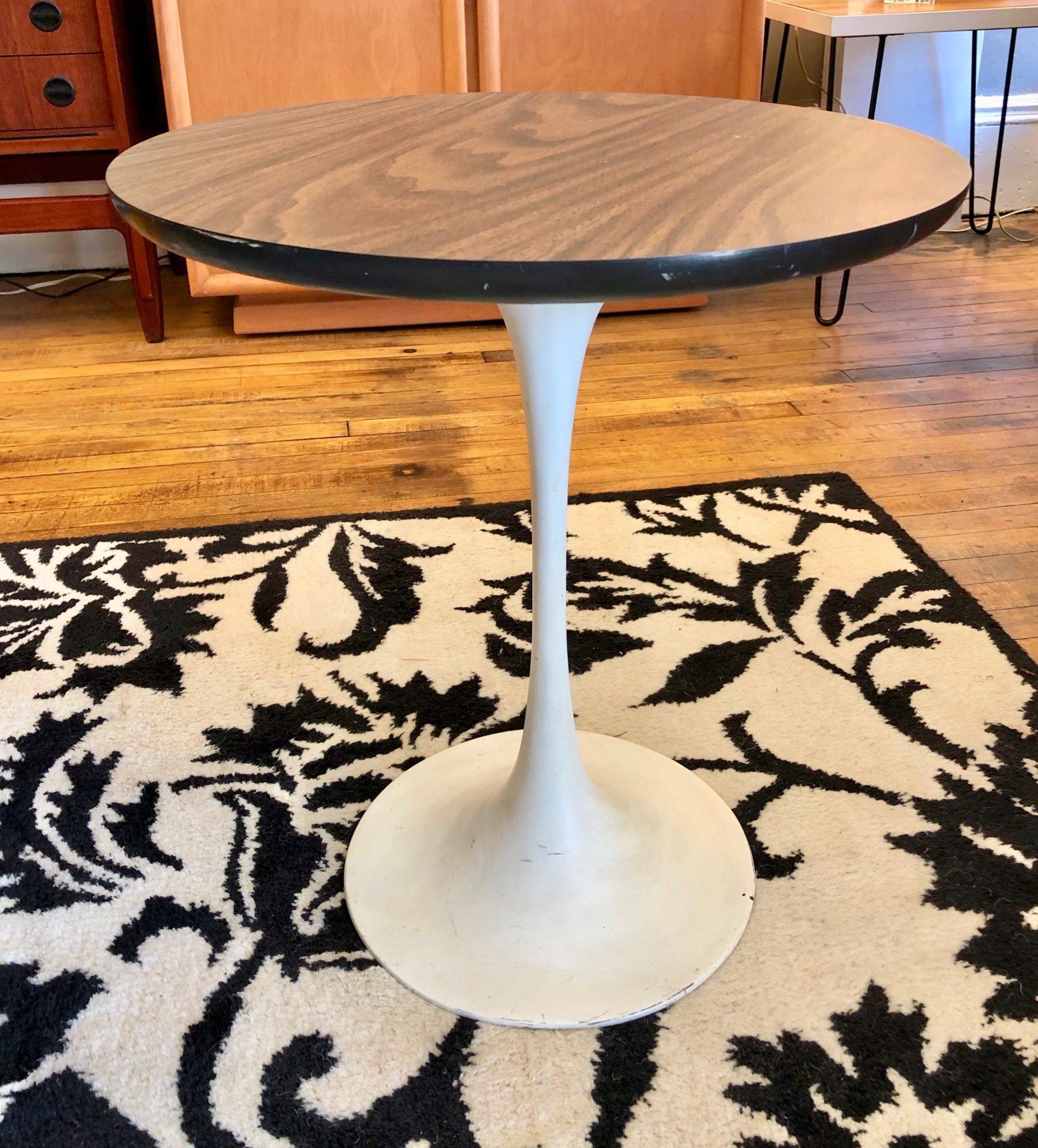
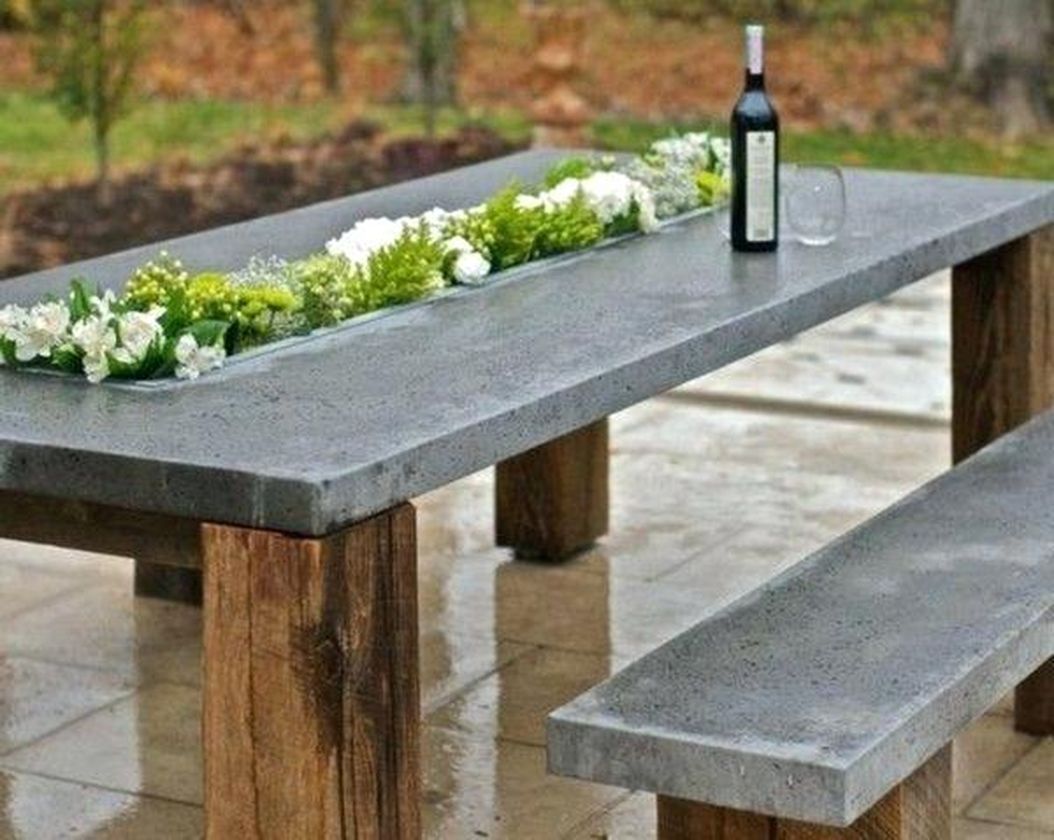
Hey everyone, it’s me, your friendly neighborhood sustainable design guru! I’m so excited to delve into a project that perfectly blends aesthetics with eco-consciousness: crafting beautiful cement tulip side tables. This isn’t just about making furniture; it’s about making a statement and it’s a statement that says, "I care about the planet, and I want my home to reflect that." Let’s get started, shall we?
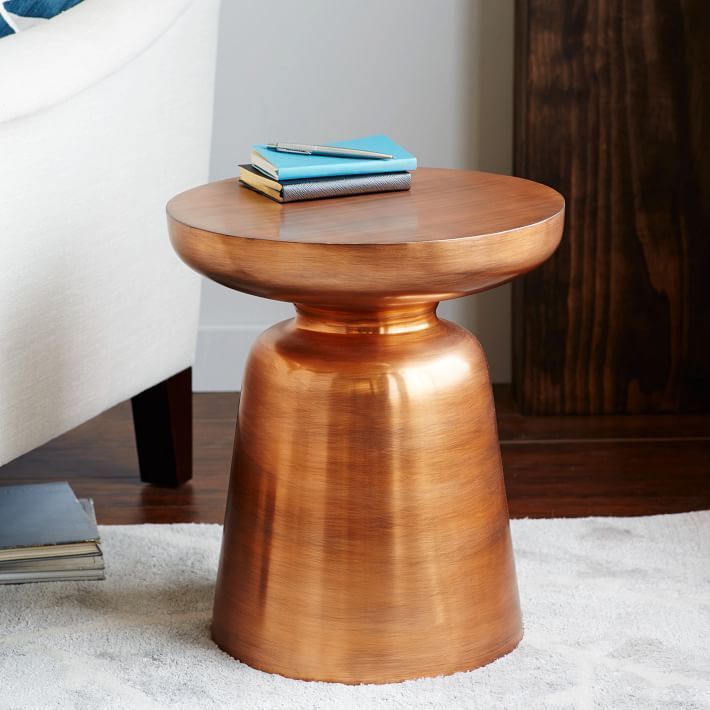
Why cement, you ask? And why tulip? Well, cement, when approached the right way, can be a remarkably sustainable material. It’s durable, long-lasting, and can be made using eco-friendly practices. The tulip shape? It’s an ode to natural forms, a celebration of organic beauty, and a design that’s both modern and timeless. Plus, these tables are a fantastic way to add a touch of elegance to any space, indoors and out. We’re going to explore how we can build these gorgeous tables while keeping our footprint as light as possible. We’ll talk about materials, techniques, and how to make informed choices that benefit both you and the world around us. It’s about creating something beautiful, functional, and good for the planet, all at once. I am so excited to share my expertise with you all. Let’s begin.
Choosing the Right Cement: Eco-Friendly Options
The foundation of our project is, of course, cement. But not just any cement. We’re going to focus on options that minimize environmental impact. Look for these key things:
- Low-Carbon Cement: This type of cement reduces CO2 emissions during production. It’s a huge step towards sustainability.
- Recycled Aggregates: Using crushed concrete or other recycled materials as aggregate reduces the need for new raw materials and it also helps to divert waste from landfills.
- Geopolymer Cement: This is an innovative, and eco-friendly alternative to traditional cement that uses industrial byproducts, like fly ash or slag, as its base.
Do a little research in your area to see what options are available. Local suppliers can often provide details about the environmental impact of their products. It’s all about making informed choices. You can also look into ready-made mixes that already incorporate some of these sustainable elements, which will simplify the process for beginners.
Remember, every little bit helps, and small changes can make a big difference.
The Tulip Shape: Designing the Mold
Creating the signature tulip shape is where the design magic truly happens. You’ll need to design and build a mold. Here are some ways to go about it:
- 3D Printing: If you have access to a 3D printer, this is a fantastic option for creating complex shapes with precision. You can design your tulip in CAD software and print a mold.
- DIY Mold Building: For a more hands-on approach, you can build a mold out of wood, plastic, or even cardboard. The key is to ensure that the mold is watertight and can withstand the weight of the cement. Remember that the inner shape of the mold will determine the outer shape of your table, and vice versa.
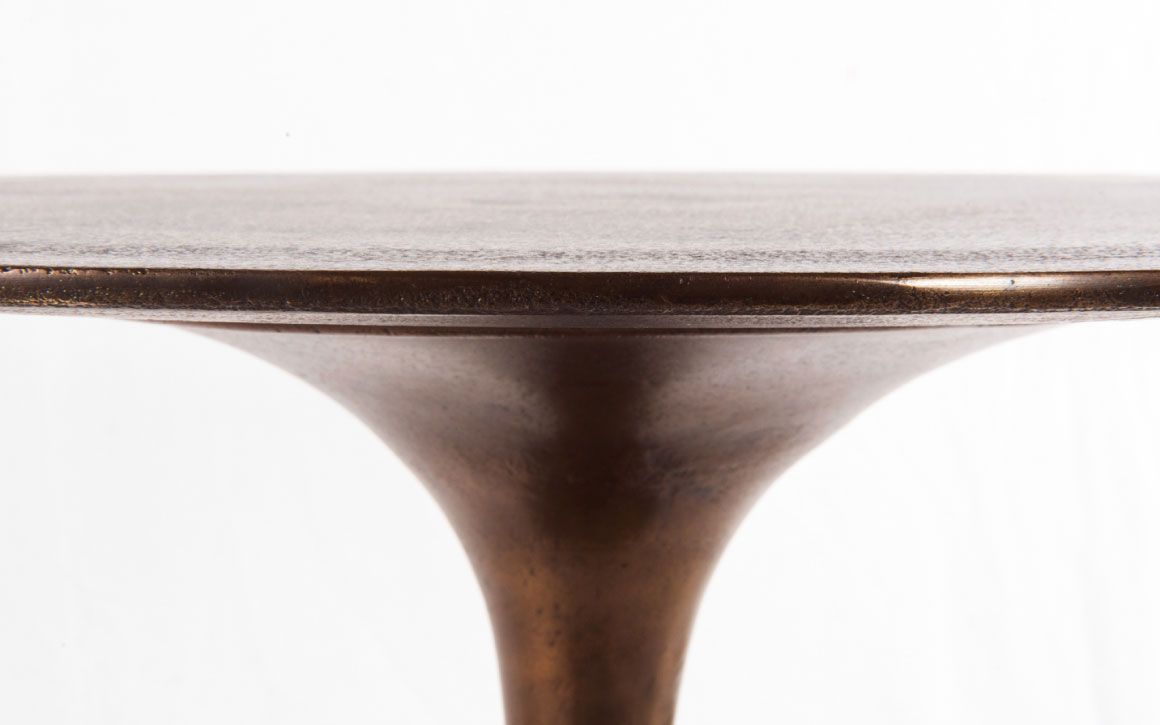
- Think About the Details: Consider the thickness of the table top and the height of the stem (the base). Think about the form and shape of the tulip petals. Are they open or closed? This will influence the overall look of your table. Don’t be afraid to sketch your design and experiment with different variations before you begin building. This is also where you can add any design elements, such as curves or textures. It is all about your personal style and preference.
Mixing and Pouring: A Gentle Touch
Now for the fun part: mixing the cement! Follow the manufacturer’s instructions carefully. Generally, you’ll mix the cement with water to create a smooth, workable consistency. Here are some tips:
- Precise Measurements: Use accurate measurements of cement and water to achieve the desired strength and consistency.
- Slow and Steady: Mix the cement slowly and thoroughly to avoid air bubbles. Air bubbles can weaken the structure of the table.
- Pouring Technique: Pour the cement into the mold slowly and evenly, ensuring that it fills all the nooks and crannies. You can gently tap the mold to help release any trapped air bubbles.
- Reinforcement: Consider adding reinforcement, such as rebar or wire mesh, to the cement during the pouring process. This will increase the table’s strength and durability. Make sure the rebar is made from recycled steel for extra eco-friendliness.
This step requires patience, but the results are worth it. Remember, a little care and attention to detail will go a long way.
Curing and Finishing: Patience is Key
Curing is the process of allowing the cement to harden and gain strength. This is a critical step, and it requires patience! Here’s what you need to know:
- Proper Curing: Cover the mold with plastic sheeting or a damp cloth to prevent the cement from drying out too quickly. This helps it cure evenly.
- Time: Allow the cement to cure for at least a week, or even longer, depending on the type of cement and the size of your table.
- Demolding: Once the cement is fully cured, carefully remove it from the mold. This is where you’ll see your beautiful tulip shape come to life.
- Finishing Touches: Sand the surface of the table to remove any imperfections and create a smooth finish. You can also apply a sealant to protect the cement from stains and weather damage.
Remember, the curing process is essential for the table’s durability and long-term performance. Don’t rush it, and the results will be amazing.
Sustainable Practices in Every Step: Minimizing Your Impact
Sustainability isn’t just about the materials; it’s about the whole process. Here’s how to minimize your environmental impact at every stage:
- Reduce Waste: Minimize waste by carefully planning your project and avoiding over-ordering materials. Recycle any leftover cement or materials whenever possible.
- Energy Efficiency: If you’re using power tools, opt for energy-efficient models or use hand tools.
- Water Conservation: Conserve water by using only the necessary amount for mixing and cleaning. Consider rainwater harvesting for your projects.
- Local Sourcing: Source your materials locally to reduce transportation emissions. This also supports local businesses.
- Responsible Disposal: Dispose of any waste materials responsibly. Don’t pour cement down the drain; instead, allow it to harden and dispose of it properly.
By incorporating these practices, you’re not just building a table; you’re building a commitment to a more sustainable lifestyle.
Styling and Placement: Showcasing Your Creation
Once your cement tulip side table is complete, it’s time to show it off! Here are some ideas for styling and placement:
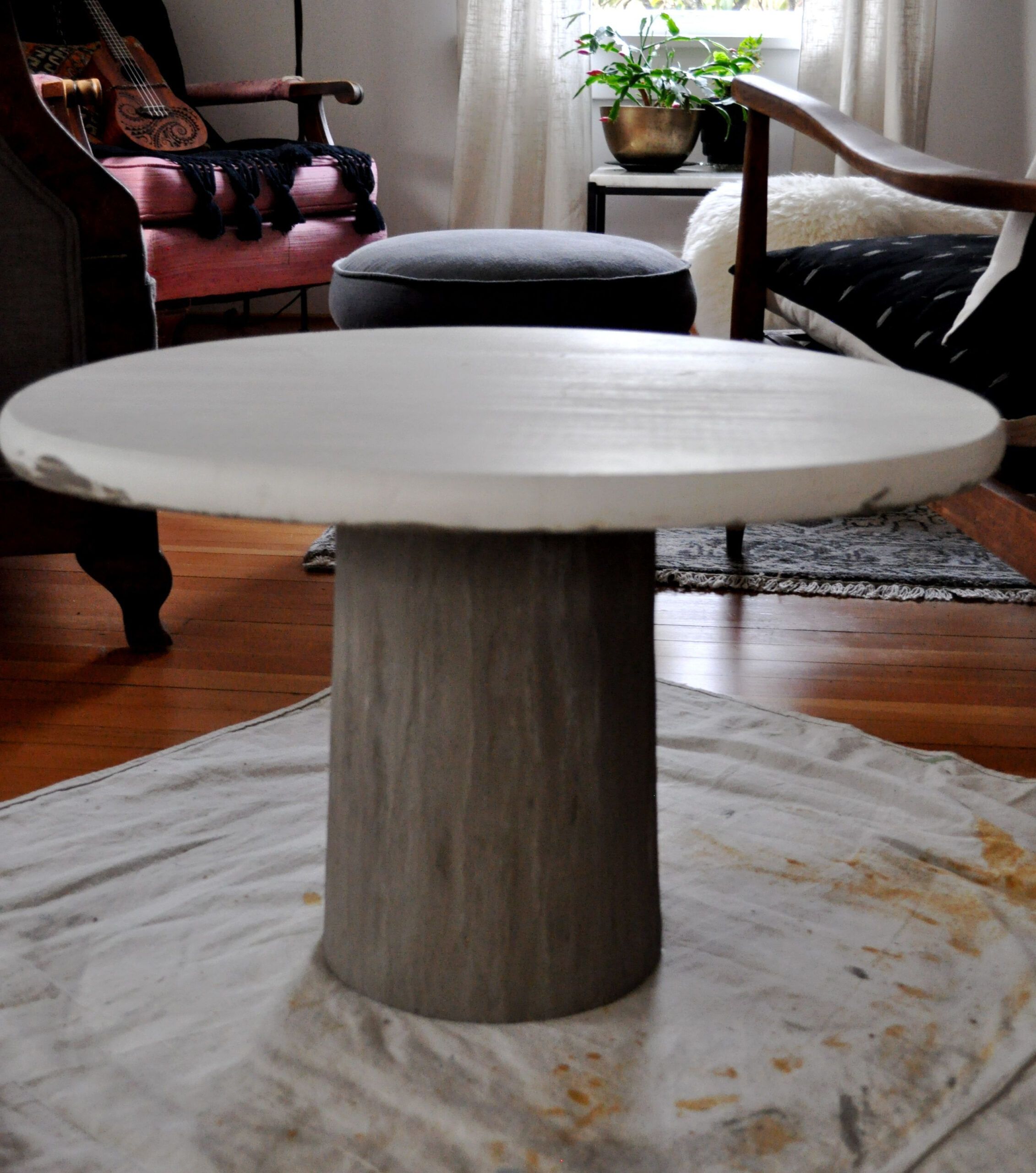
- Indoor Elegance: Place your table in a living room or bedroom as a stylish side table. Pair it with a cozy lamp, a stack of books, and a plant for a relaxed and inviting atmosphere.
- Outdoor Oasis: Use your table on a patio or balcony to create a chic outdoor seating area. It’s perfect for holding drinks, snacks, or a good book.
- Contrast is Key: The neutral tones of cement work with almost any decor style. Experiment with contrasting colors, textures, and materials to create a visually appealing look.
- Accessorize with Purpose: Choose accessories that reflect your values, such as organic cotton throw pillows, recycled glass vases, or locally sourced artwork.
- Enjoy! Most importantly, enjoy your creation. It’s a testament to your creativity and your commitment to sustainability. It’s a conversation starter, a piece of art, and a reminder of your dedication to the planet.
Creating eco-friendly cement tulip side tables is a rewarding project that combines artistry with environmental responsibility. It’s a journey of learning, experimenting, and making conscious choices. Remember that every step, from selecting sustainable materials to minimizing waste, makes a difference. And and the best part? You get to enjoy a beautiful, unique piece of furniture that reflects your values. I hope this guide inspires you to take on this project and to continue exploring the world of sustainable design. Go out there, get creative, and have fun. The planet – and your home – will thank you. Happy crafting, everyone.