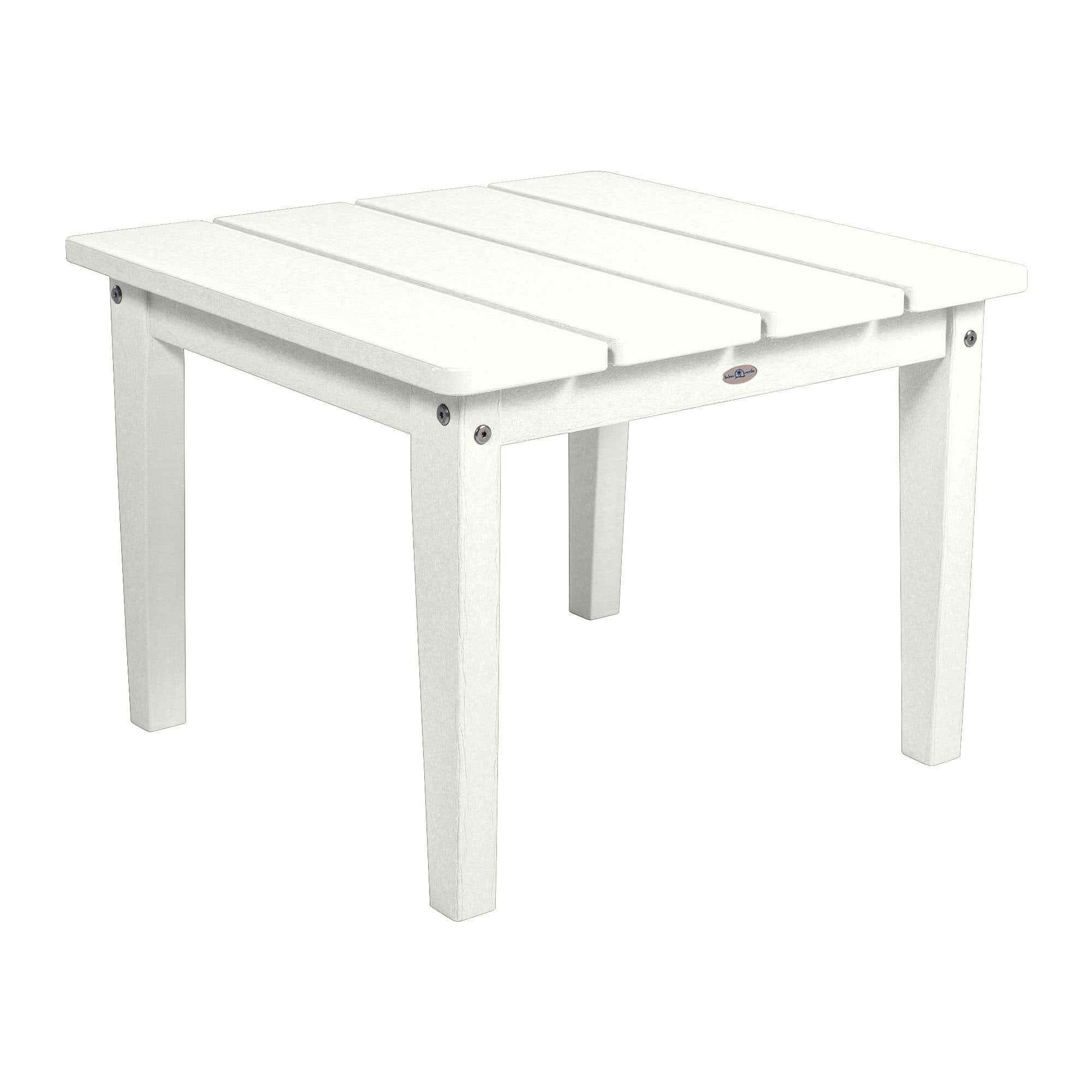
Hey everyone, it’s your friendly neighborhood content creator, back again to talk about something near and dear to my heart: making the most of our outdoor spaces, especially here in Brooklyn. We all know how unpredictable the weather can be, from scorching summers to brutal winters. That’s why choosing the right outdoor furniture is so important – especially when it comes to something as useful and stylish as a side table. Today, we’re diving deep into the best materials to ensure your side table can handle whatever Mother Nature throws its way. We’ll explore everything from the tried-and-true to the cutting-edge, helping you pick a table that looks great and lasts for years to come. Ready to make your patio the envy of the block? Let’s get started.
Brooklyn, we love it, don’t we? But let’s be real, our weather can be a bit, shall we say, challenging. Finding outdoor furniture that can withstand the elements is crucial. A side table is more than just a place to put your drink; it’s a style statement, a functional piece, and often, the centerpiece of your outdoor living space. Choosing the right material is the first, and most important, step. This guide will give you all the info you need to select the perfect side table for your rooftop, your backyard, or your cozy balcony. We’ll talk about the pros and cons of different materials, considering everything from durability and maintenance to style and cost. Let’s make that outdoor space something truly special.
The Reigning Champ: Weather-Resistant Wood (and Its Friends)
Wood is a classic for a reason. It’s warm, inviting, and looks great in any setting. However, not all wood is created equal when it comes to outdoor use.
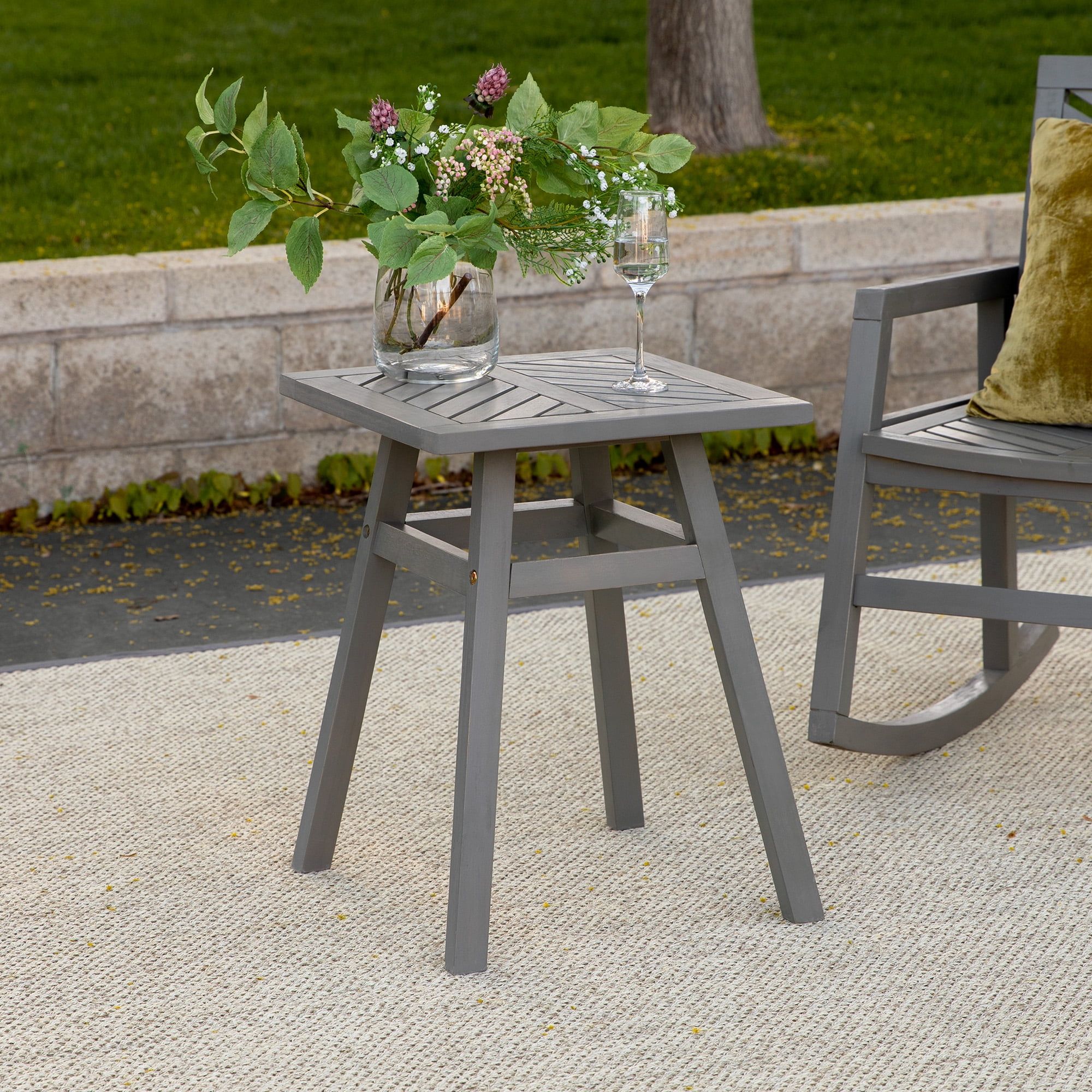
- Teak: This is the gold standard. Teak is naturally oily, which makes it incredibly resistant to water, rot, and insects. It weathers beautifully to a silver-gray color over time. It is, admittedly, a bit more pricey, but it’s an investment that pays off in longevity.
- Ipe (Brazilian Walnut): Another excellent choice. Ipe is incredibly dense and durable, almost as good as teak. It’s resistant to scratches and the elements, and it has a rich, dark color.
- Cedar: A more budget-friendly option. Cedar has natural oils that help it resist rot and decay. It’s also aromatic and adds a touch of rustic charm. Needs more regular maintenance than teak or ipe, though.
Important Note: No matter which wood you choose, proper sealing and maintenance are key. Regular cleaning and re-sealing will extend the life of your table and keep it looking its best. Remember to avoid harsh chemicals; warm, soapy water is usually all you need.
Metal Marvels: Strength and Style Combined
Metal side tables offer a modern and sleek aesthetic, plus they’re incredibly durable. Here’s a rundown:
- Aluminum: Lightweight, rust-resistant, and relatively affordable. Aluminum side tables are a great option for smaller spaces or those who like to move their furniture around. Powder-coated aluminum is even more resistant to scratches and fading.
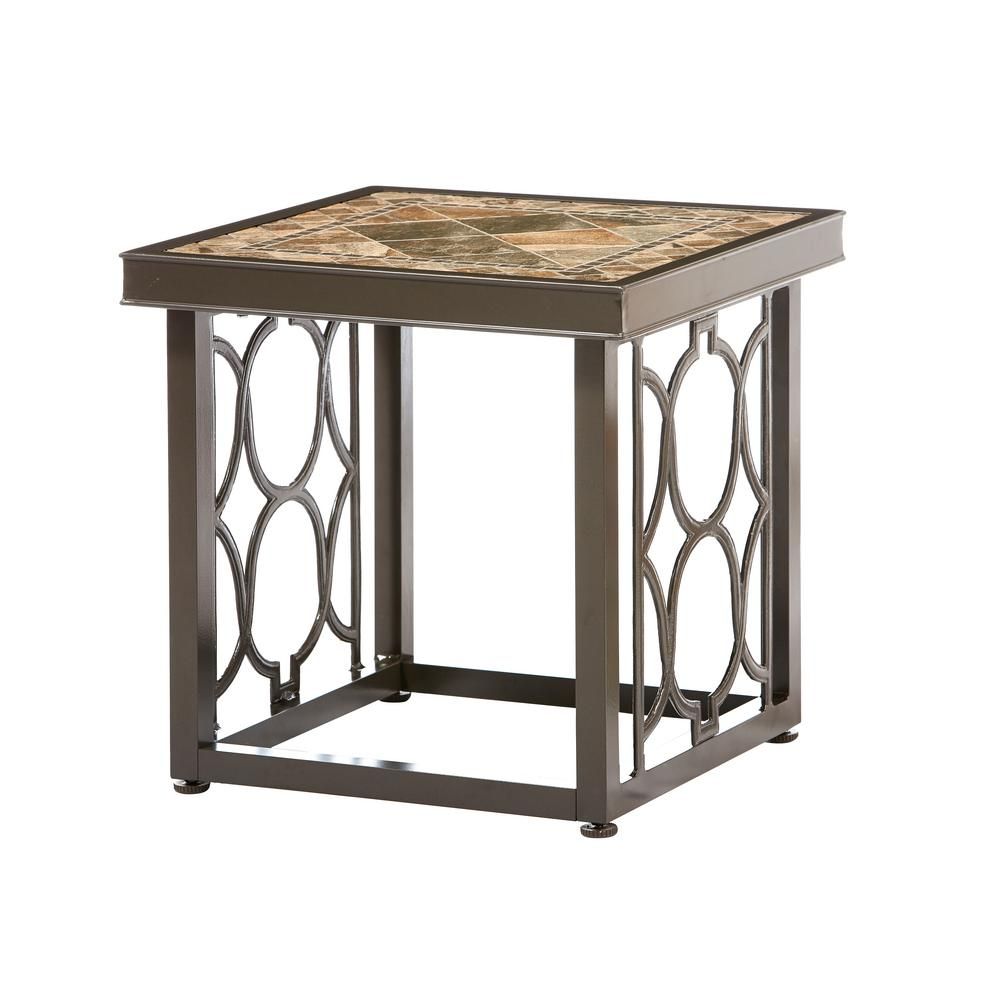
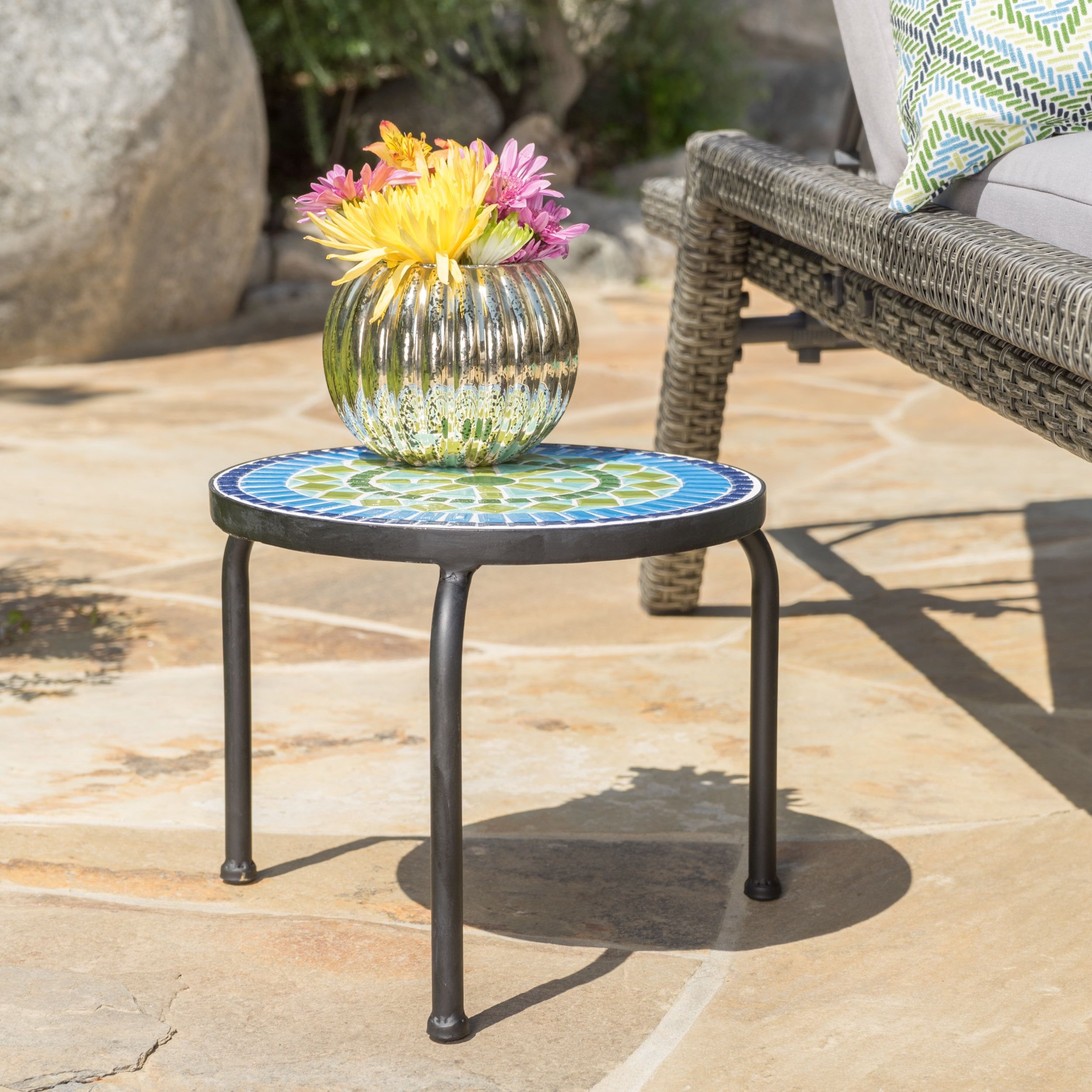
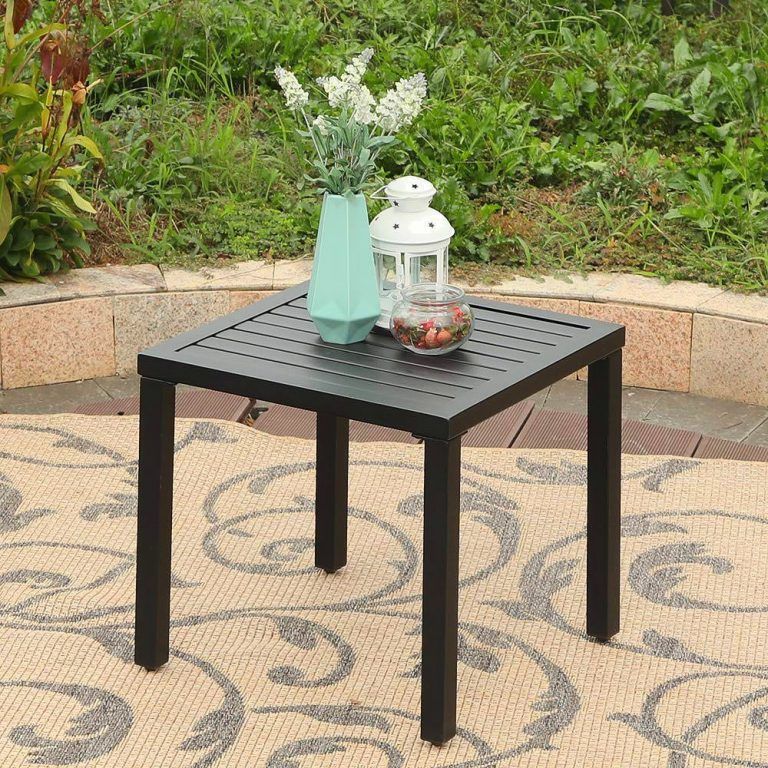
- Steel: Strong and durable, steel can withstand harsh weather. However, it’s prone to rust, so it needs a good powder-coat finish and regular maintenance, especially in Brooklyn’s humid climate. Look for tables that are hot-dip galvanized for extra rust protection.
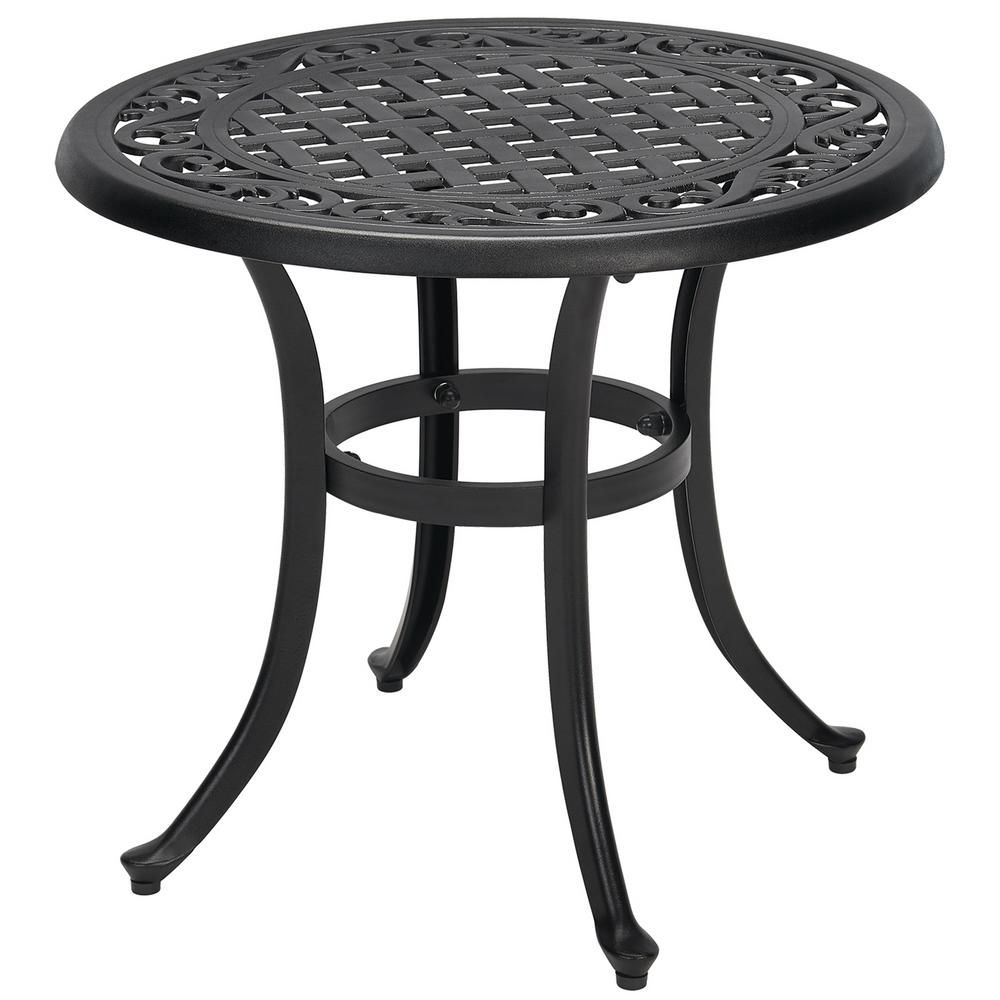
- Wrought Iron: Classic and elegant, wrought iron is very heavy and incredibly sturdy. It weathers beautifully, but it’s also prone to rust, so proper care is essential. It’s a great choice if you want a more traditional look.
Tip: When choosing a metal table, always check the finish. Powder-coating is the best option for long-lasting protection, and make sure to address any rust spots promptly.
The Resilience of Resin and Synthetic Materials
If you’re looking for low-maintenance and budget-friendly options, resin and synthetic materials are worth considering.
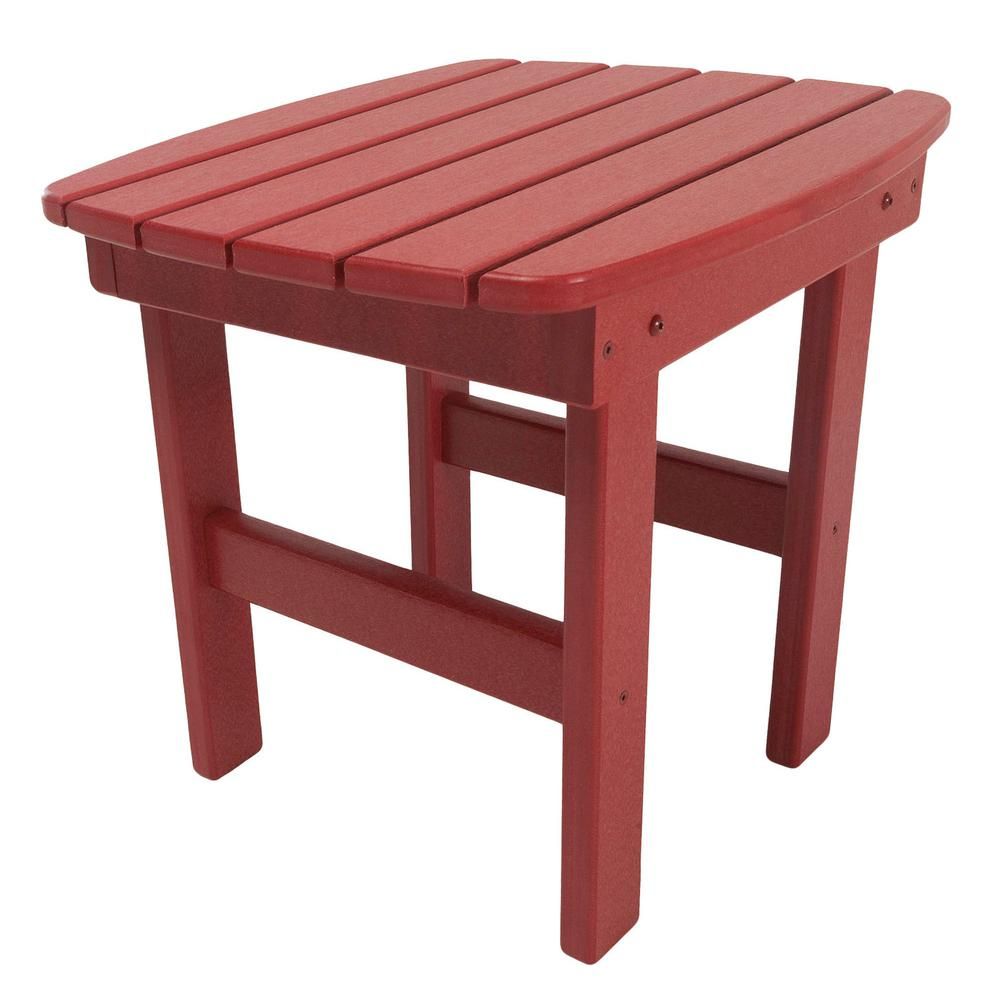
- High-Density Polyethylene (HDPE): Commonly used for outdoor furniture, HDPE is a type of plastic that’s incredibly durable, weather-resistant, and easy to clean. It comes in a wide range of colors and styles, and it’s often made from recycled materials.
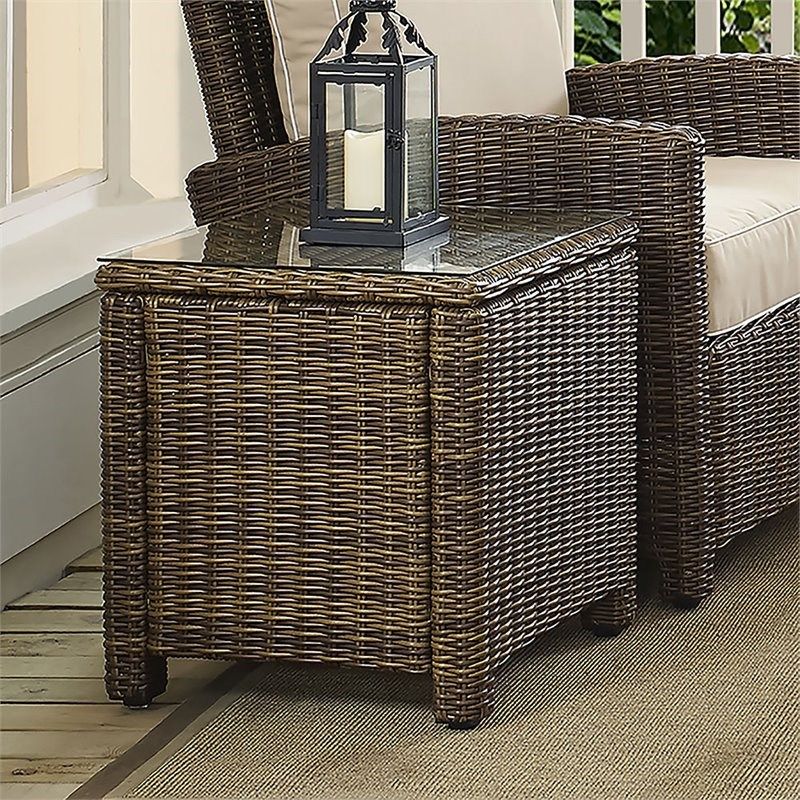
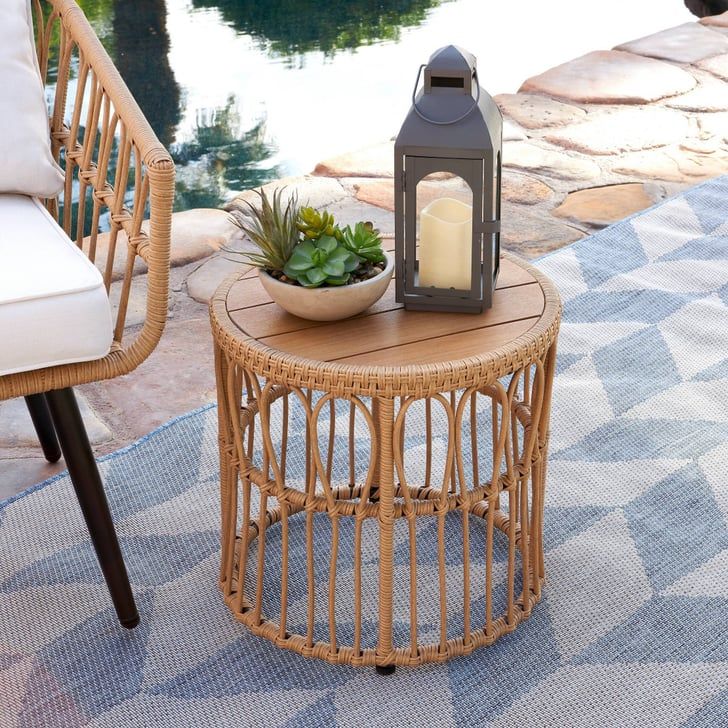
- Resin Wicker: This is a synthetic material that mimics the look of natural wicker. It’s durable, weather-resistant, and requires very little maintenance. It’s a great choice if you like the look of wicker but don’t want the hassle of natural materials.
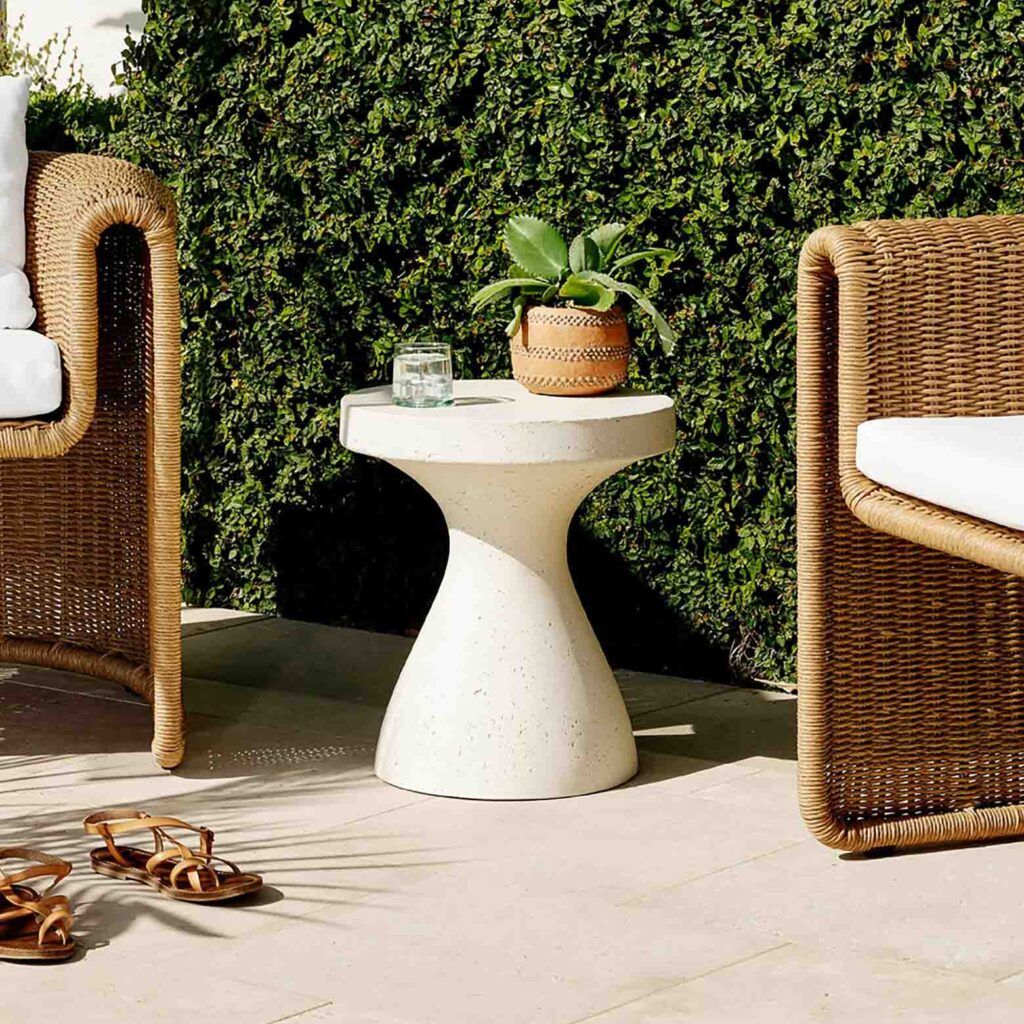
- Concrete: Concrete side tables are incredibly sturdy and can withstand extreme weather conditions. They have a modern, industrial look and are perfect for adding a touch of edginess to your outdoor space. However, they can be heavy, so make sure your deck or patio can support the weight.
The Lowdown: These materials are generally low-maintenance, requiring only occasional cleaning with soap and water. They’re also a great choice if you’re looking for a table that can handle heavy use.
Stone Cold Style: Granite, Marble, and Other Stone Options
Stone side tables offer a touch of luxury and elegance to any outdoor space. However, keep in mind that stone can be heavy and require some maintenance.
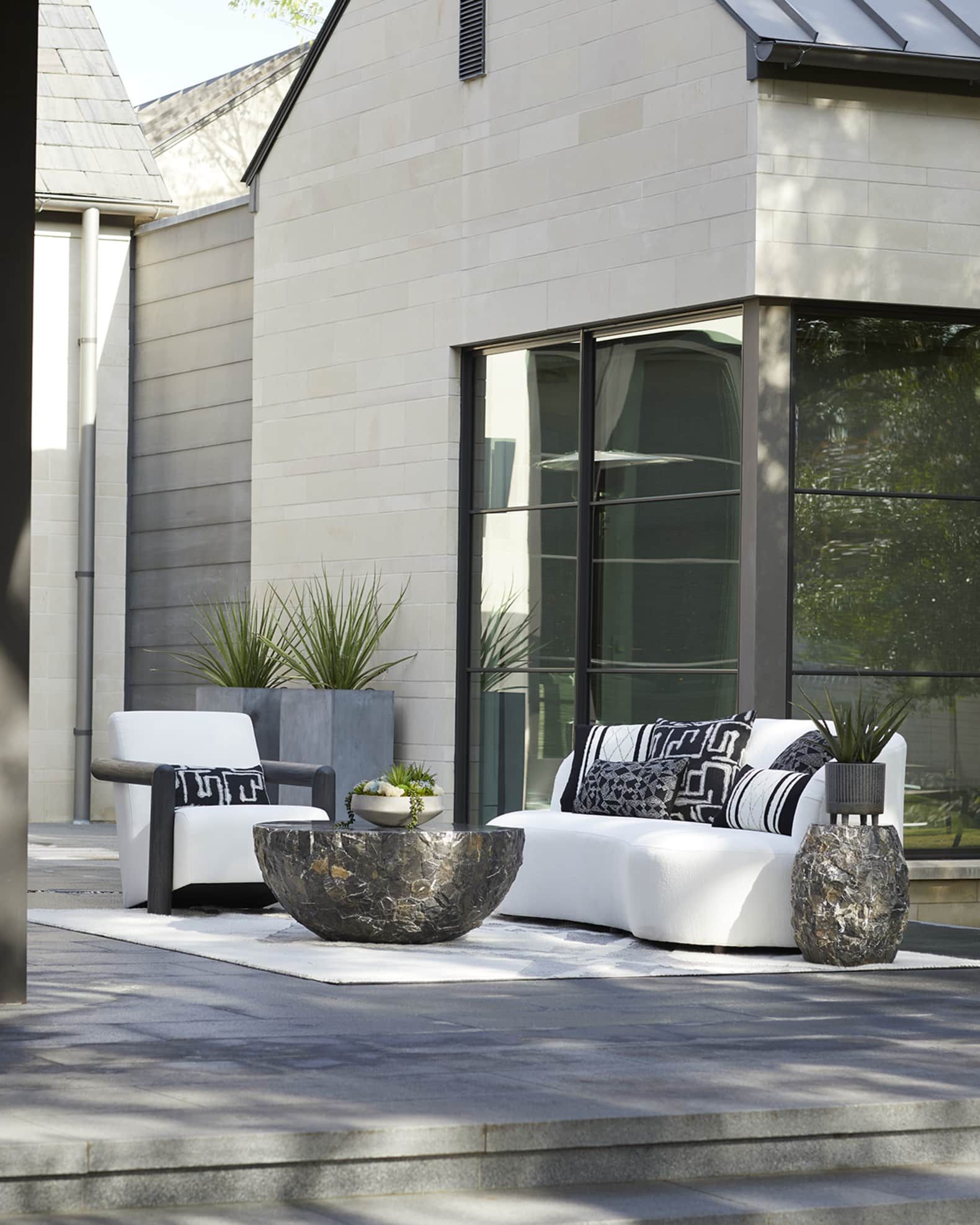
- Granite: Extremely durable and weather-resistant, granite is a great choice for outdoor use. It’s also very attractive and comes in a wide range of colors and patterns.
- Marble: Adds a touch of luxury. However, marble is porous and can stain, so it needs to be sealed regularly. It’s also more prone to etching from acidic substances like lemon juice.
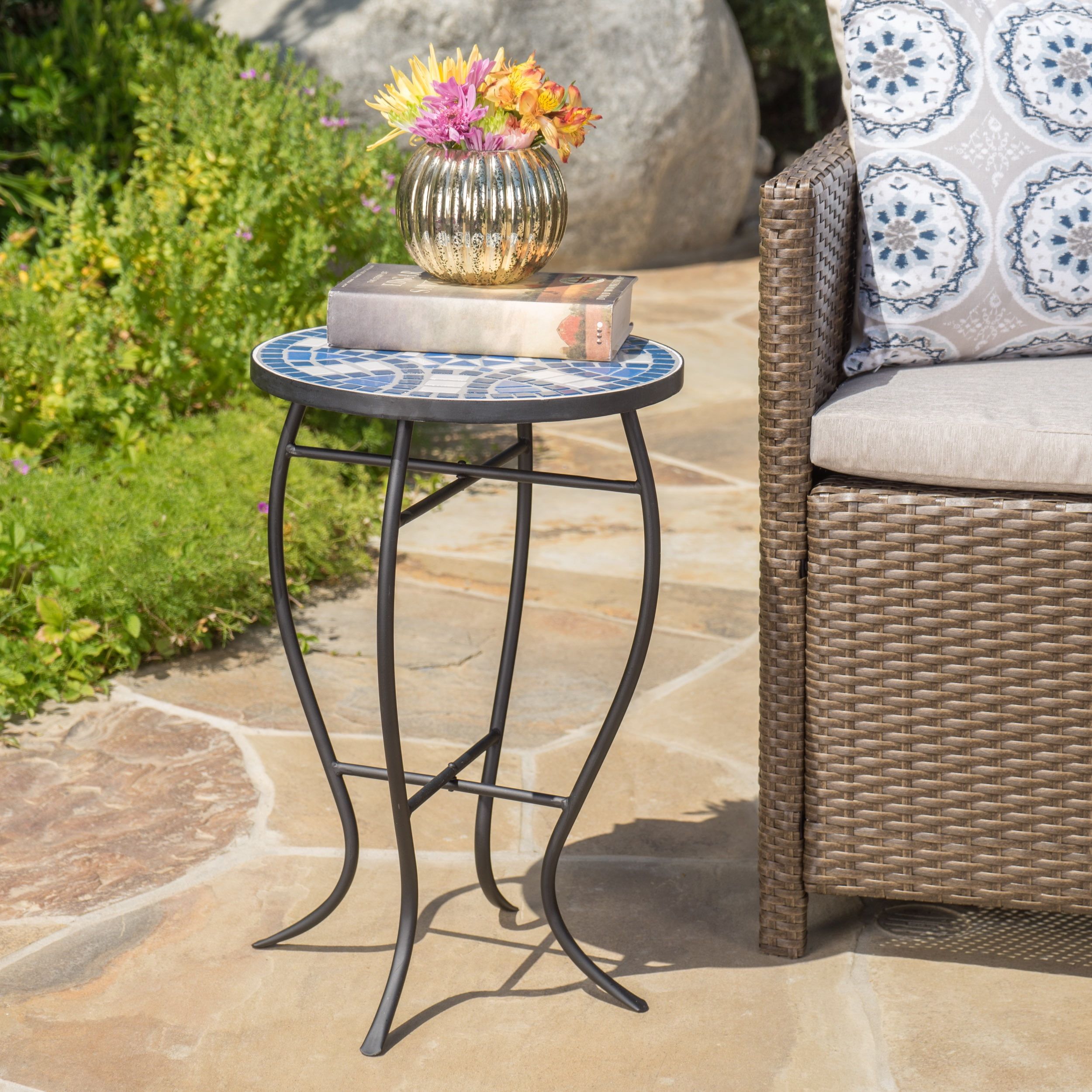
- Slate: A more affordable and durable alternative to marble. Slate is naturally water-resistant and comes in a variety of dark, earthy tones.
Care Considerations: Always seal your stone side table to protect it from the elements. Clean spills promptly to prevent staining, and avoid using harsh chemicals or abrasive cleaners.
Maintenance Matters: Keeping Your Table Looking Great
No matter what material you choose, a little bit of care goes a long way in extending the life of your outdoor side table. Here are some general maintenance tips:
- Regular Cleaning: Wipe down your table regularly with soap and water to remove dirt, dust, and debris.
- Protective Cover: When the weather gets really bad, consider using a protective cover to shield your table from rain, snow, and sun.
- Sealing: Re-seal wooden and stone tables every year or two to protect them from the elements.
- Inspect and Repair: Regularly inspect your table for any signs of damage, such as cracks, rust, or loose screws. Address any issues promptly to prevent them from worsening.
Brooklyn-Specific Considerations: What Works Best Here?
Living in Brooklyn presents unique challenges for outdoor furniture. The salty air, the intense sun, and the occasional Nor’easter all take their toll.
- Durability is Key: Choose materials that can withstand the elements. Teak, ipe, aluminum, and HDPE are all excellent choices.
- Consider the Space: If you have a small balcony, opt for a lightweight and portable table. For a larger patio, you can go for something more substantial.
- Think About Style: Brooklyn has a diverse range of styles, from industrial chic to bohemian. Choose a table that complements your personal aesthetic.
- Factor in Sunlight: If your space gets a lot of direct sunlight, choose a material that’s resistant to fading.
Pro Tip: Visit local furniture stores and showrooms to see the tables in person and get a feel for the materials. Talk to the sales staff and ask about their recommendations for Brooklyn’s climate.
Choosing the right material for your outdoor side table is an important decision, but with the right information, it doesn’t have to be daunting. Remember to consider your personal style, your budget, and the specific challenges of Brooklyn’s climate. Whether you opt for the timeless elegance of teak, the modern appeal of aluminum, or the low-maintenance convenience of resin, there’s a perfect side table out there waiting for you. So, go forth, browse, and create an outdoor space that you’ll love for years to come. Happy decorating, everyone. And remember, if you have any questions, drop them in the comments below. I’m always here to help. Until next time, stay stylish and weather the storm.