Hey everyone, it’s your friendly neighborhood wood enthusiast back again. Today, we’re diving deep into a timber that’s a real powerhouse – locust wood. This isn’t just any lumber; it’s a natural marvel, known for its incredible strength, resistance to decay, and overall versatility. Whether you’re a seasoned woodworker, a budding DIYer, or just someone who appreciates the beauty of natural materials, get ready to learn about this remarkable wood and all it has to offer. We’ll explore its unique characteristics, its many uses, and why it’s become a favorite for so many projects, from fence posts to intricate furniture. Let’s get started and unlock the secrets of locust wood, shall we?
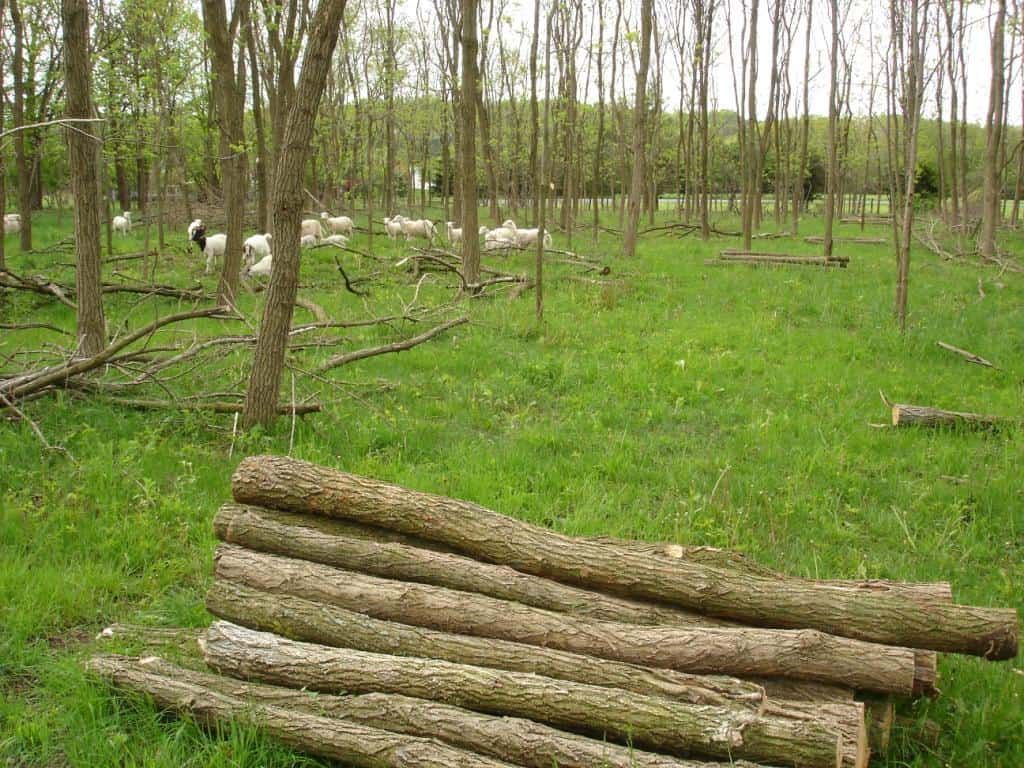
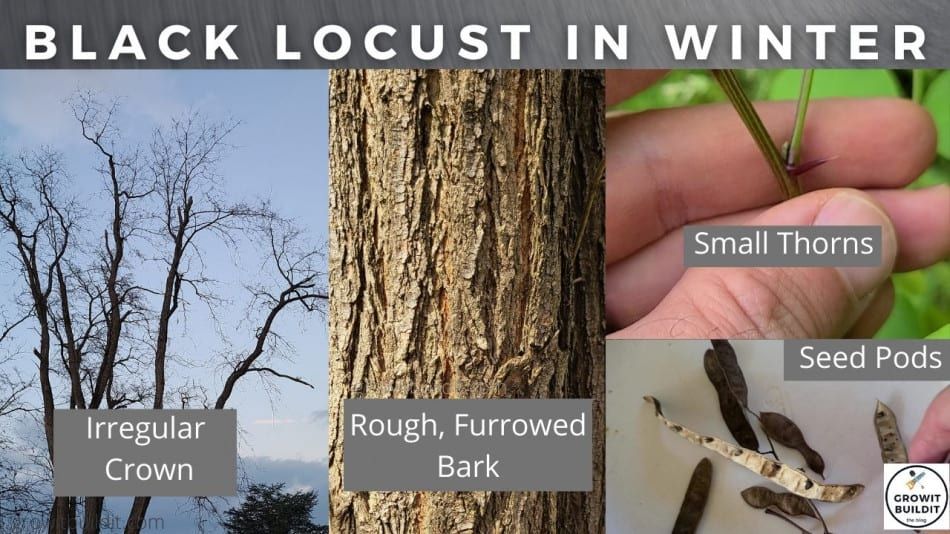
Locust wood, often referring to the Black Locust (Robinia pseudoacacia), is a hardwood species that’s gained popularity for its exceptional durabilty. It’s native to North America but has found a home in various parts of the world. This tree isn’t just a pretty face; it’s a workhorse, boasting impressive resistance to rot, insects, and the elements. This, combined with its inherent strength, makes it a top pick for projects that need to withstand the test of time. Think about things like outdoor furniture, decking, and even structural elements. But what precisely are the characteristics that make locust wood so desirable? Let’s break it down.
Key Properties of Locust Wood
Locust wood has several awesome attributes. Let’s take a look:
- Exceptional Durability: This is arguably the most significant advantage. Locust wood is naturally resistant to rot, decay, and insect infestation. This means projects made with locust wood last longer, saving you money and effort in the long run.
- High Strength: Locust wood is a very strong wood, making it suitable for load-bearing applications. It can handle a lot of weight and stress.
- Density & Hardness: It’s a dense and hard wood, which contributes to its strength and resistance to wear and tear. This also makes it a bit more challenging to work with, but the end results are worth it.
- Workability: While hard, locust wood is still workable. It can be sawn, planed, and shaped, though it may require more effort than softer woods. It also takes screws and nails pretty well.
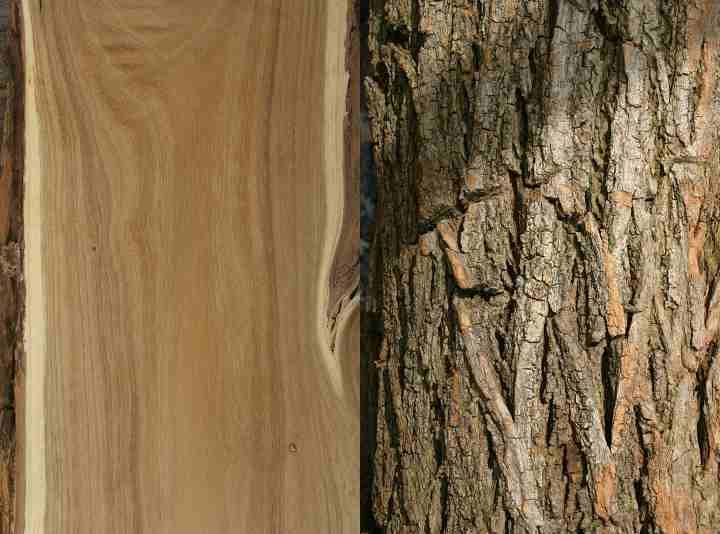
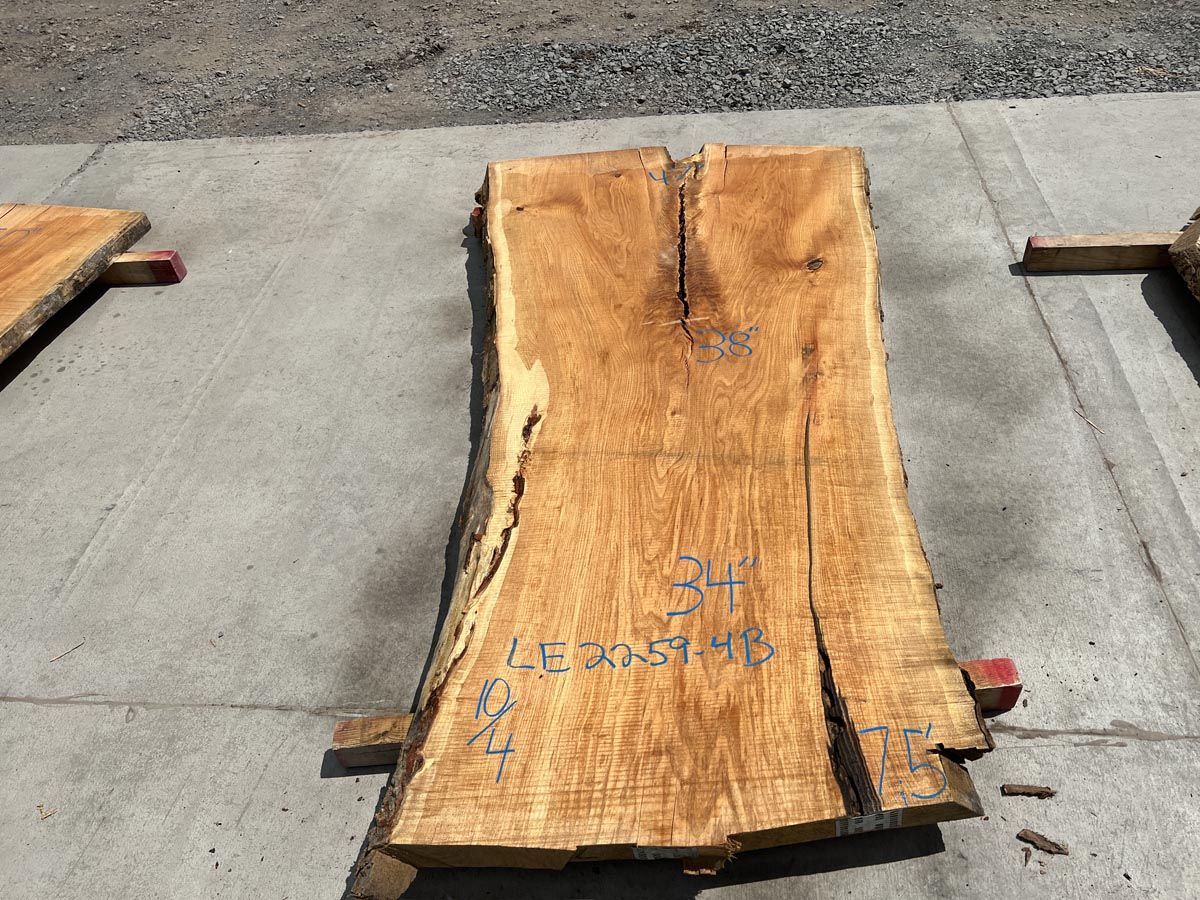
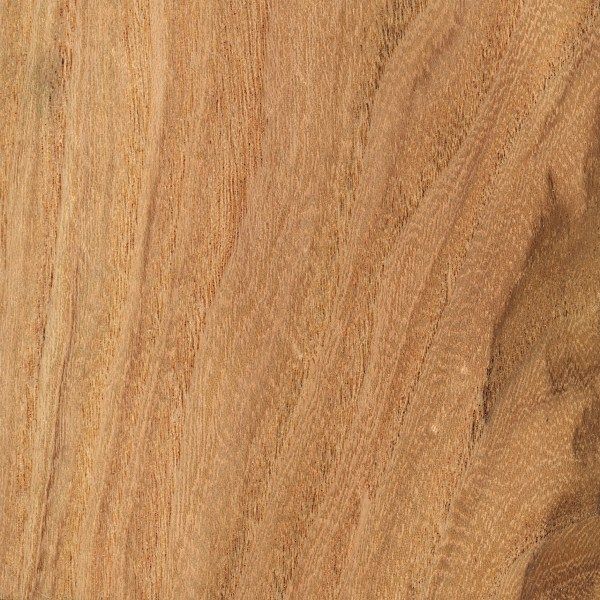
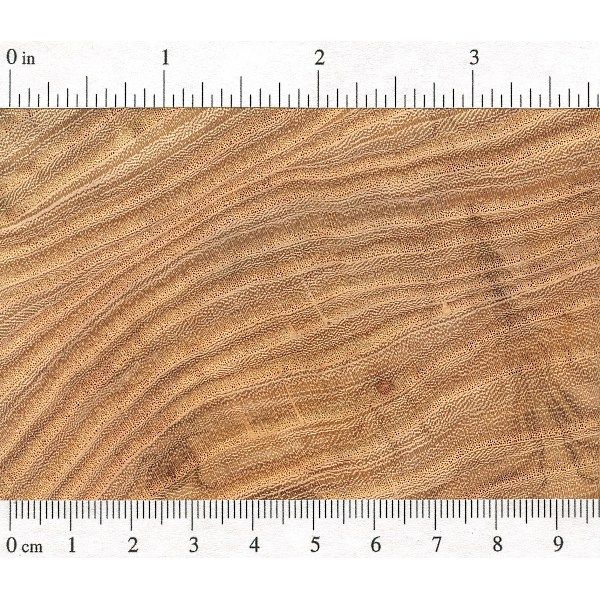
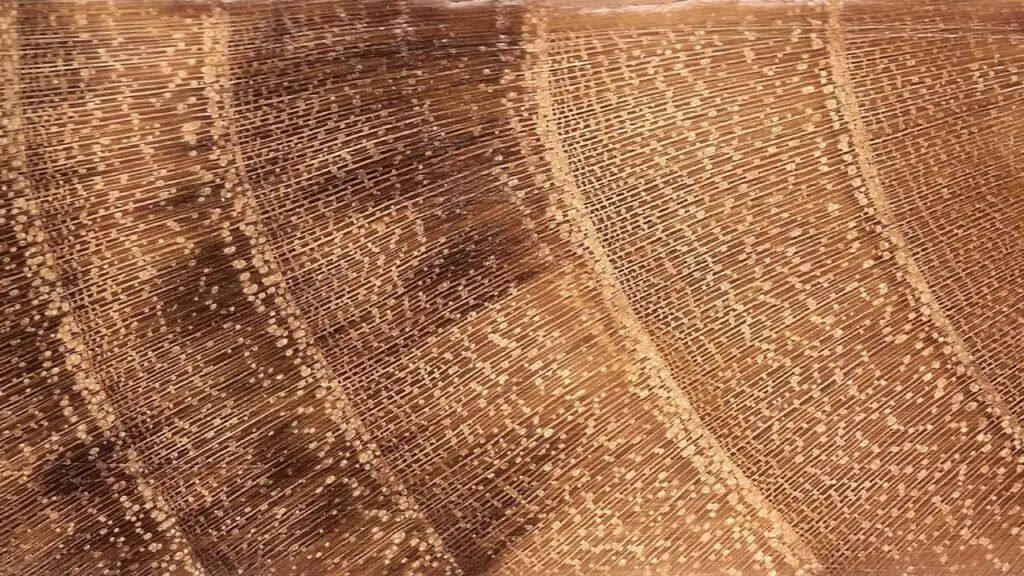
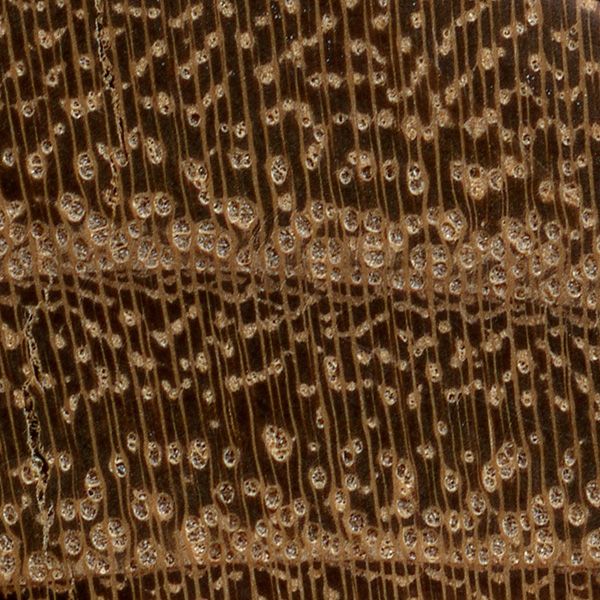
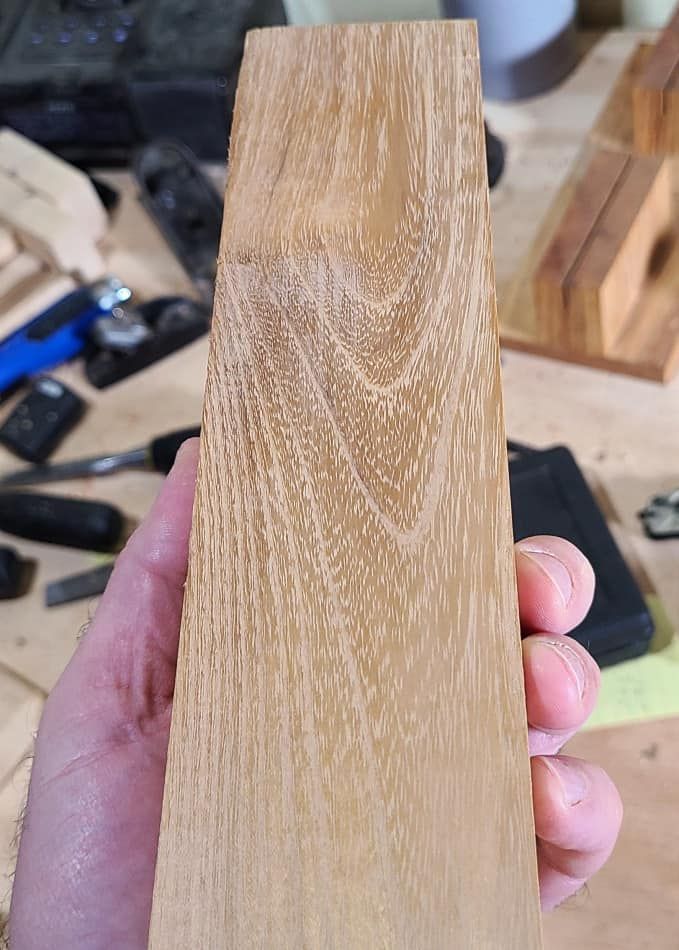
- Natural Beauty: Locust wood typically has a beautiful, warm color, ranging from light yellow to rich, golden brown. It also has an attractive grain pattern that enhances its appearance, especially when finished properly.
- Sustainability: Locust trees grow quickly, which makes them a relatively sustainable wood choice. Also, because of the durability, you’re not constantly replacing the wood.
Practical Applications: Where You’ll Find Locust Wood
The strength and decay resistance of locust wood make it ideal for numerous applications. Here are some practical examples:
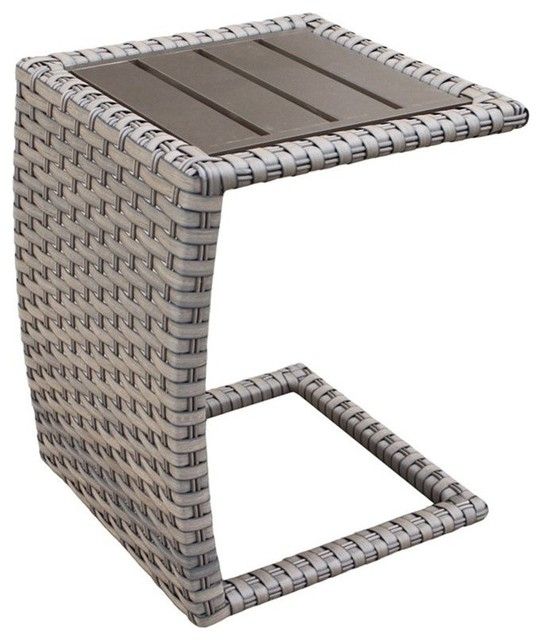
- Outdoor Structures: Think decks, fences, pergolas, and even outdoor furniture. Locust wood can withstand the elements year after year, making it a great investment.
- Structural Elements: It is often used for posts, beams, and other structural components in buildings, especially where ground contact is a concern.
- Landscaping: Landscape timbers, retaining walls, and even garden beds benefit from locust wood’s durability. Its natural resistance to rot ensures a long lifespan, reducing the need for frequent replacements.
- Flooring: Inside, locust wood flooring is a durable and beautiful option. It can handle heavy foot traffic and adds a touch of natural elegance to any room.
- Musical Instruments: The wood’s resonance qualities also make it a favorite for things like guitar bodies and other instruments.
- Tool Handles: The strength and durability make it perfect for tool handles, ensuring a long-lasting grip.
Working with Locust Wood: Tips and Tricks
Working with locust wood can be a rewarding experience, but it does have its challenges. Here are some tips to make your project easier and more successful:
- Sharp Tools: Because it is so hard, using sharp tools is essential. Dull blades will make the work slower and lead to tear-out.
- Pre-drilling: Always pre-drill holes before driving screws or nails to prevent splitting, especially near the edges.
- Finishing: Locust wood accepts finishes well. Choose a finish that suits your project and offers the desired level of protection (e.g., oil-based finishes for outdoor projects).
- Sanding: Sand the wood well to get a smooth surface before applying any finish. This will enhance the appearance and ensure the finish adheres properly.
- Patience: Remember that working with locust wood requires a bit more effort and patience than softer woods. Take your time, and enjoy the process.
Comparing Locust Wood to Other Wood Species
How does locust wood stack up against other popular choices? Let’s compare:
- vs. Cedar: Cedar is also naturally rot-resistant, but locust wood is generally harder and stronger. Cedar might be more easily workable, but locust will withstand more wear over time.
- vs. Pressure-Treated Lumber: Pressure-treated lumber is chemically treated to resist rot and insects. Locust wood offers a natural alternative, without the chemicals, and often has a better appearance.
- vs. Oak: Oak is a strong and durable hardwood. Locust wood is often even more decay-resistant and can be a good alternative for outdoor applications. It’s a bit harder to find than oak, in some areas.
- vs. Pine: Pine is a softwood, and much easier to work with, but not as durable as locust wood. Pine is a budget-friendly choice, but locust offers superior longevity.
Sourcing Locust Wood: Where to Find It
Finding locust wood can sometimes be a little more challenging than finding more common woods. Here’s where to look:
- Local Lumberyards: Check with your local lumberyards and woodworking supply stores. They may carry locust wood or be able to order it for you.
- Specialty Wood Suppliers: Look for specialty wood suppliers that focus on hardwoods. They often have a wider selection of species, including locust.
- Online Retailers: Online marketplaces and retailers can be a good option, but be sure to consider shipping costs and the quality of the wood.
- Sawmills: Local sawmills may have access to locust wood, especially in regions where the tree grows naturally. This can be a great way to get freshly sawn lumber.
- Woodworking Clubs and Forums: Connect with local woodworking clubs or online forums. Members can often provide leads on where to find wood in your area, and even share their own experiences working with it.
The Environmental Benefits and Sustainability of Locust Wood
Locust wood isn’t just strong and beautiful; it’s also a relatively sustainable choice. Here’s why:
- Fast Growth: Locust trees grow quickly, making them a renewable resource. This helps to reduce the pressure on slower-growing tree species.
- Natural Resistance: The natural durability of locust wood means less need for chemical treatments and preservatives. This is better for the environment and your health.
- Carbon Sequestration: Trees, including locust, absorb carbon dioxide from the atmosphere, helping to mitigate climate change. Using wood in construction stores this carbon for the life of the project.
- Reduced Waste: The long lifespan of locust wood projects reduces the need for replacements and minimizes waste. Choosing locust wood is a great step towards more eco-friendly building practices.
So, there you have it, folks – a comprehensive look at the amazing world of locust wood. From its remarkable durability and diverse applications to its environmental benefits, this wood has a lot going for it. Whether you’re planning a new project, or just appreciate the beauty of nature, I hope this article has enlightened you. Remember to always prioritize safety when working with any wood, and enjoy the process of creating something lasting. Until next time, happy woodworking, and keep exploring the amazing materials our world has to offer. And, and remember, the best projects are the ones made with care, attention, and, of course, a little bit of that incredible locust wood magic.