As someone who has dedicated decades to understanding and appreciating the nuanced world of woven furniture, particularly the exquisite Boynton Wicker Table, I can tell you there’s far more to it than meets the eye. It’s not just a piece of furniture; it’s a testament to human ingenuity, a symphony of natural materials, and a silent storyteller of craftsmanship. We’re going to pull back the curtain today and explore what makes these tables so incredibly special, from the humble reed to the final, gleaming finish.
For many, ‘wicker’ conjures images of porch swings and garden chairs. But for those in the know, the Boynton Wicker Table transcends these everyday associations. It represents a particular pinnacle of design and construction, a benchmark against which other woven pieces are often measured. It’s a piece that whispers of sun-drenched verandas and leisurely afternoons, yet it’s built with a structural integrity that belies its delicate appearance. Let’s delve into the genesis and enduring charm of this remarkable creation.
The Humble Beginnings: Selecting the Perfect Reed
The journey of a Boynton Wicker Table begins, as all great stories do, with its foundation: the reed. Now, not just any reed will do. The artisans behind these tables understood that the quality of the raw material directly impacts the final product’s strength, flexibility, and aesthetic appeal. They sought out specific varieties of rattan or cane, often sourced from Southeast Asia, known for their consistent diameter and minimal imperfections. This initial selection process is crucial, a meticulous culling of materials that ensures only the finest strands are chosen for the intricate weaving ahead. Think of it as a sculptor choosing their marble; the initial choice dictates the ultimate form and resilience.
The Art of Preparation: From Raw Cane to Pliant Strand
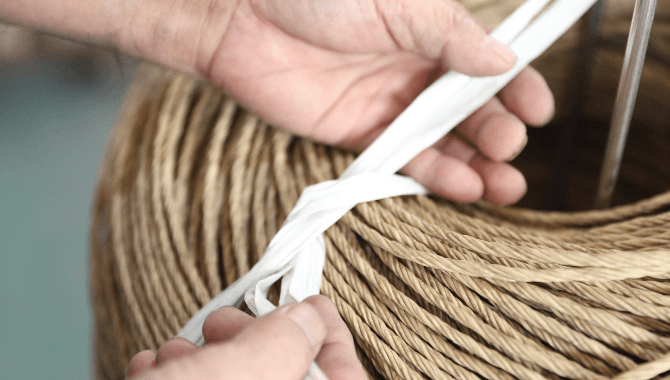
Once the perfect reeds are gathered, they undergo a series of preparatory steps that are as much art as they are science. The reeds are typically soaked in water, sometimes for days, to make them pliable. This process, often called ‘mellowing,’ is vital. Without proper mellowing, the reeds would be brittle and prone to snapping during the weaving process, leading to a flimsy or short-lived table. Imagine trying to bend a dry stick versus a freshly cut, green branch; the difference is profound. This stage also involves stripping the outer bark, revealing the smooth, inner core that will form the surface of the woven pattern. It’s a hands-on, tactile process, requiring a keen eye and a patient hand.
Weaving the Narrative: The Signature Boynton Patterns
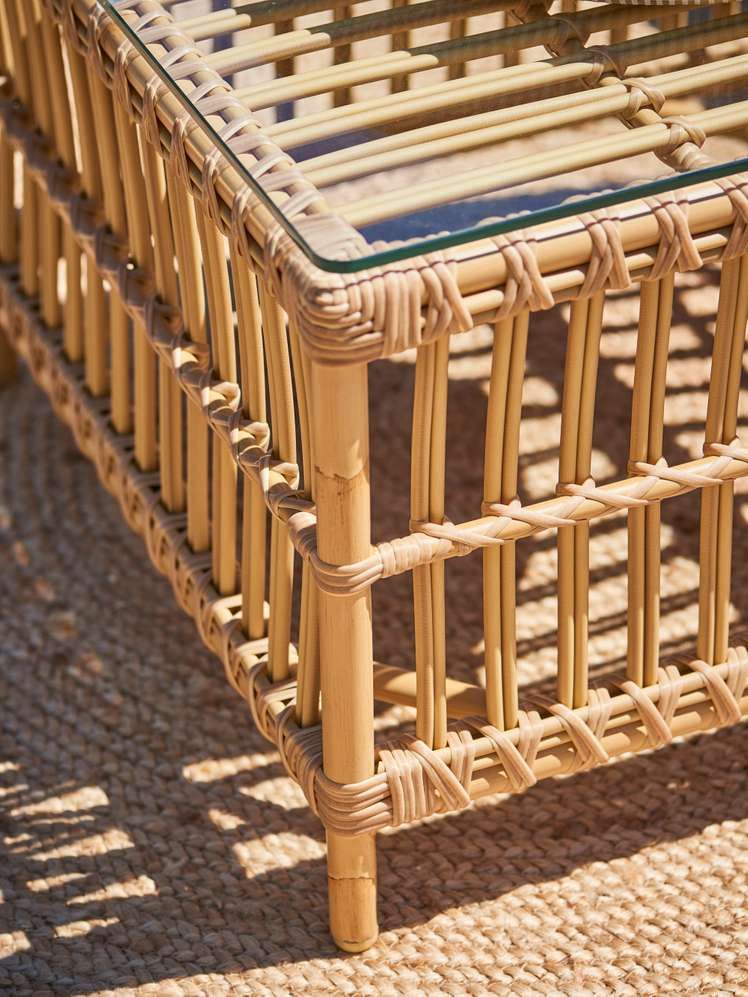
Here’s where the true magic of the Boynton Wicker Table comes alive: the weaving. Unlike mass-produced wicker, Boynton tables feature distintive and often complex patterns. While variations exist, common techniques include the tight basket weave, the intricate open-work patterns, and sometimes even a combination of different weaves to create visual interest and structural reinforcement. The weavers, often working from generations of inherited knowledge, use their fingers and simple tools to meticulously interlace each strand. There’s a rhythm to their work, a dance of hands and material that results in a seamless, strong, and beautiful surface. Each knot and every pass of the reed contributes to the table’s overall integrity and aesthetic, a testament to the weaver’s skill and dedication. It’s a painstaking process, but the results speak for themselves.
The Structural Integrity: Beyond the Surface Weave
While the visible weaving is undeniably beautiful, the true strength of a Boynton Wicker Table lies in its underlying structure. These tables aren’t simply woven shells; they often incorporate a robust internal frame, typically made from thicker rattan poles or even wood, around which the finer reeds are woven. This unseen framework provides the rigidity and stability necessary for a functional table. The legs, for example, are usually constructed from solid, bent rattan, carefully shaped and secured. The integration of this supportive skeleton with the delicate surface weaving is what elevates the Boynton Table from a mere decorative item to a durable piece of furniture. It’s a clever fusion of brute strength and refined elegance, a design principle often overlooked in modern reproductions.
The Finishing Touches: From Raw Beauty to Enduring Luster
The final stages of creating a Boynton Wicker Table are just as important as the initial steps. Once the weaving is complete, the table undergoes a series of finishing processes. This often includes sanding to smooth any rough edges, ensuring a pleasant tactile experience and preventing snags. Then comes the application of protective coatings. Historically, shellac or varnish was used, providing a durable, somewhat glossy finish that also protected the natural material from moisture and wear. Modern renditions might use more advanced sealants, but the goal remains the same: to enhance the natural beauty of the reed while ensuring the table’s longevity. This protective layer not only makes the table visually appealing but also contributes significantly to its resistance to the elements, allowing it to grace spaces for generations.
The Legacy and Resurgence: Why Boynton Endures
The enduring appeal of the Boynton Wicker Table isn’t just about its charming appearance; it’s about its inherent quality and the story it tells. In an era of mass production and disposable goods, the Boynton Table stands as a beacon of artisanal excellence. Its design is timeless, capable of blending seamlessly into various interior styles, from traditional to contemporary. Furthermore, its natural materials and handcrafted nature appeal to a growing appreciation for sustainable and authentic furnishings. Owning a Boynton Wicker Table isn’t just acquiring a piece of furniture; it’s an investment in a legacy, a connection to a tradition of skilled craftsmanship that prioritizes durability, beauty, and thoughtful design. It’s a piece that resonates with a human desire for authenticity and connection to the natural world. And frankly, they just feel good to have around.
From the careful selection of each individual reed to the final, protective layer, the creation of a Boynton Wicker Table is a journey steeped in skill, patience, and an unwavering commitment to quality. It’s a process that honors natural materials and the hands that transform them into functional works of art. These tables are more than just surfaces upon which to place a cup of tea; they are tangible representations of a craft that values integrity, beauty, and longevity. As a connoisseur of woven wonders, I can confidently say that the Boynton Wicker Table stands as a true testament to the idea that true resplendence springs from humble beginnings, meticulously nurtured and expertly brought to life. Their story, woven into every strand, continues to inspire and delight.