Imagine a beautiful summer evening, a gentle breeze, and you, relaxing on your patio. What’s the last thing you want to see? Unsightly rust and deterioration on your beloved outdoor furniture, right? It’s a common problem, a real bummer, and often, it’s a direct result of not truly understanding what’s going on ‘beyond the surface’ when it comes to corrosion resistance. This isn’t just about picking a nice-looking chair; it’s about making an informed decision that will save you headaches and cash in the long run.
Corrosion. Sounds a bit sci-fi, doesn’t it? But it’s a very real, very natural process that affects almost everything exposed to the elements, especially metals. Think of it as a slow, persistent attack by nature on your outdoor furniture. Rain, humidity, saltwater spray if you’re near the coast, and even air pollution can all contribute to this insidious process. For outdoor furniture, which is constantly battling Mother Nature, understanding corrosion resistance isn’t just a niche topic for engineers; it’s absolutely vital for anyone wanting their patio pieces to last more than a season or two. We’re going to pull back the curtain and reveal the secrets to keeping your outdoor oasis looking pristine.
The ABCs of Corrosion: What Exactly Are We Fighting?
Before we can defend, we need to understand our adversary. At its heart, corrosion is an electrochemical reaction. Basically, when a metal comes into contact with an electrolyte (like water, especially with dissolved salts or acids), an electrical current begins to flow, and the metal starts to degrade. For iron-based metals, this is what we commonly call ‘rust.’ But other metals corrode too, just in different ways. Aluminum, for instance, forms a protective oxide layer that can prevent further degradation, but it can still pit or discolor under certain conditions. Understanding these basic mechanisms is the first step in appreciating why certain materials and treatments are chosen for outdoor furniture.
Material Matters: The Foundation of Resistance
The choice of material is probably the most significant factor in how well your outdoor furniture will resist corrosion. Let’s break down the common players:
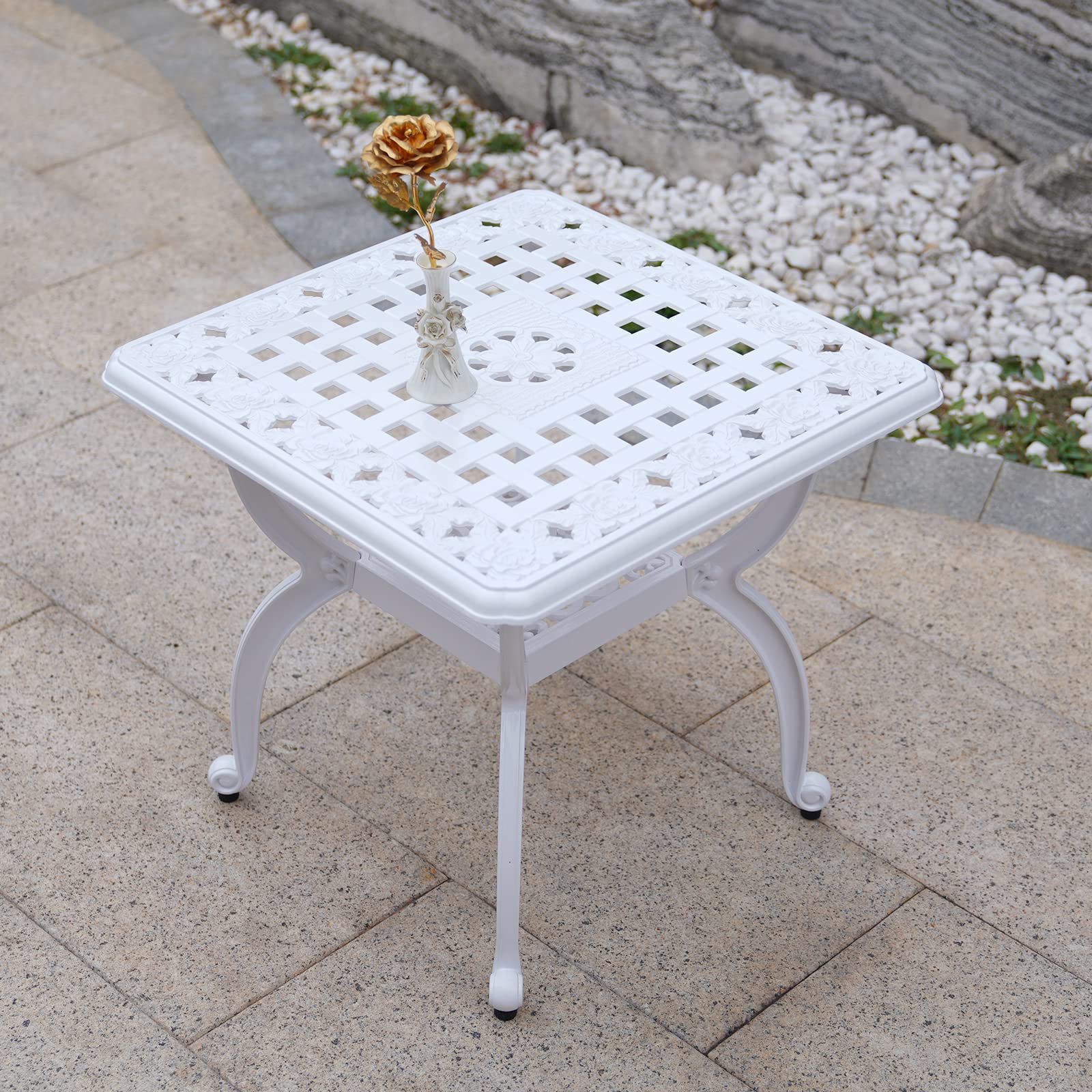
Aluminum: This is a superstar for outdoor use. Why? Because it naturally forms a thin, tough, self-healing oxide layer when exposed to air. This layer acts as a barrier, preventing further corrosion. It’s also lightweight and doesn’t rust in the traditional sense. However, it can still undergo ‘pitting’ corrosion in harsh environments, like near saltwater.
Stainless Steel: Ah, the classic ‘no-rust’ metal. Stainless steel gets its corrosion resistance from chromium, which forms a similar passive film to aluminum. There are different grades of stainless steel, with 304 and 316 being common for outdoor applications. 316, often called ‘marine grade,’ has added molybdenum, making it even more resistant to saltwater and chloride environments. It’s strong and looks sleek, but it can be heavier and more expensive.
Wrought Iron and Steel: These are beautiful, traditional materials, but they are highly susceptible to rust without proper protection. If you see wrought iron furniture, know that its longevity depends almost entirely on the coatings applied. Without them, it will rust quickly and severely.
Teak and Other Woods: While not metals, it’s worth mentioning that certain woods (like teak, shorea, and eucalyptus) are naturally resistant to rot and insect damage due to their high oil content and dense grain. They don’t ‘corrode’ in the metallic sense but offer excellent natural durability for outdoor settings.
The Armor: Coatings and Treatments That Make a Difference
Even inherently resistant materials often benefit from additional protection, and for less resistant metals, coatings are absolutely essential. Think of these as the armor for your furniture:
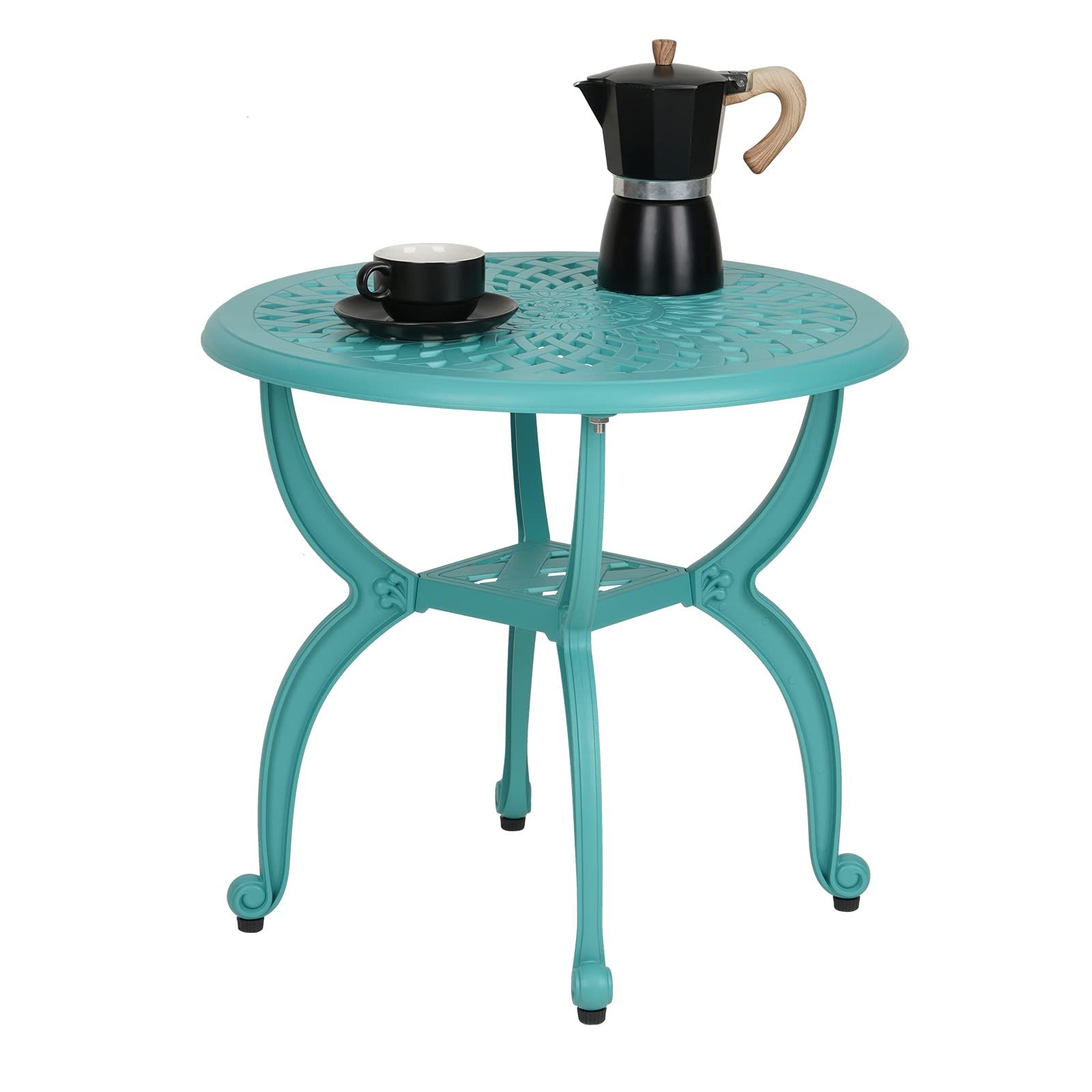
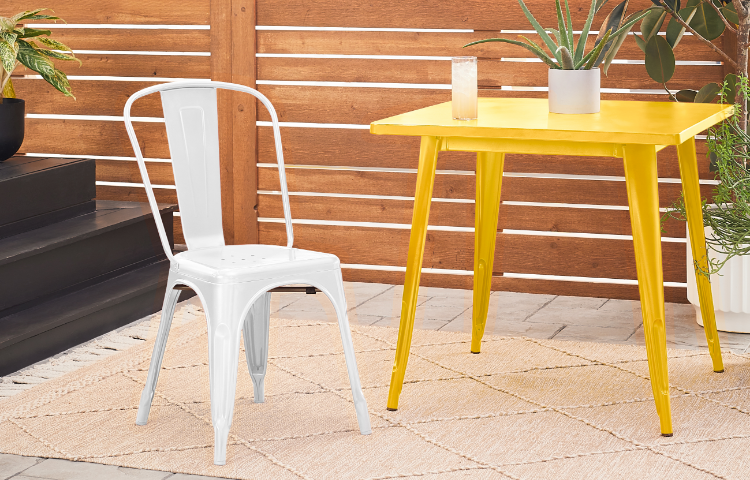
Powder Coating: This is the gold standard for metal outdoor furniture. It’s a dry finishing process where finely ground particles of pigment and resin are electrostatically charged and sprayed onto the furniture. The charged powder adheres to the electrically grounded metal object, then it’s cured under heat, creating a smooth, incredibly durable, and uniform finish. It’s much tougher and more chip-resistant than traditional liquid paint, offering excellent protection against moisture and abrasion.
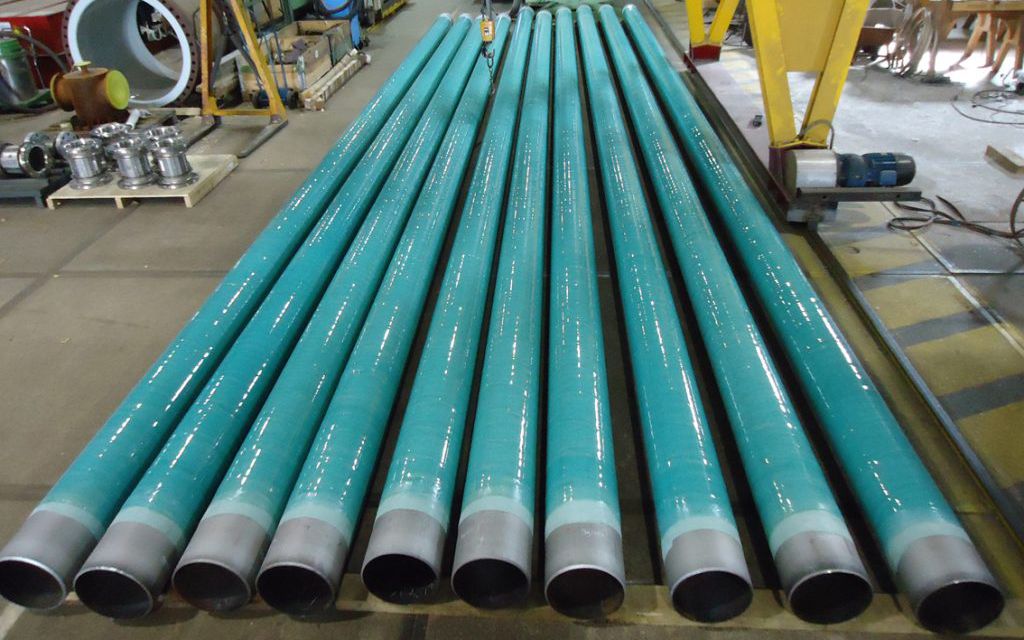
Galvanization: This process involves applying a protective zinc coating to steel or iron. Zinc acts as a sacrificial layer, meaning it corrodes before the underlying steel, protecting it even if the coating is scratched. Hot-dip galvanization, where the metal is dipped into molten zinc, provides a thick, long-lasting coating.
Anodizing: Primarily used for aluminum, anodizing creates a thicker, more durable oxide layer than the natural one. It involves an electrochemical process that converts the metal’s surface into a porous oxide layer, which can then be sealed or dyed. This significantly enhances corrosion resistance and allows for a variety of colors.
Electroplating: This involves depositing a thin layer of another metal (like chrome or nickel) onto the furniture using an electric current. It can provide a decorative finish and some corrosion resistance, but it’s generally not as robust as powder coating for severe outdoor exposure.
The Environment Factor: Where Your Furniture Lives Matters
It’s not just about the material and its treatment; the environment where your furniture resides plays a massive role in its long-term durability. A patio set in a dry, arid climate will face different challenges than one on a humid, salty beachfront. For coastal areas, the high concentration of salt in the air and water significantly accelerates corrosion. Here, materials like marine-grade 316 stainless steel or heavily powder-coated aluminum are almost necessities. Even in seemingly benign environments, things like acid rain or prolonged exposure to standing water can shorten the life of your furniture. Understanding your local conditions helps you make a smarter choice from the get-go.
Maintenance: Your Role in the Ongoing Battle
Even the best corrosion-resistant furniture isn’t entirely maintenance-free. Your proactive care can significantly extend its lifespan and keep it looking great. Here are a few practical tips:
Regular Cleaning: Simple soap and water can go a long way. Remove dirt, grime, and environmental contaminants that can trap moisture and accelerate corrosion. Rinse thoroughly.
Address Scratches Promptly: If a powder coat or paint finish gets scratched, exposeing the bare metal, it creates a vulnerability. Touch-up kits are often available and can prevent rust from spreading.
Winter Storage or Covers: During harsh weather, covering your furniture or storing it indoors is ideal. This protects it from extreme temperatures, prolonged moisture, and ice.
Avoid Harsh Chemicals: Bleach and abrasive cleaners can damage protective coatings and accelerate corrosion. Stick to mild soaps.
Check for Rust Spots: For steel or wrought iron pieces, be vigilant. If you spot rust, sand it down, prime it, and repaint it with a rust-inhibiting paint as soon as possible.
Making the Smart Choice: A Buyer’s Guide to Lasting Durability
So, how do you translate all this knowledge into a smart purchase? Here’s a quick guide:
Assess Your Environment: Are you coastal? Do you get a lot of rain? This will guide your material selection.
Prioritize Materials: For maximum resistance, consider powder-coated aluminum or 316 stainless steel. For traditional aesthetics, be prepared for more diligent maintenance if you choose wrought iron.
Inspect the Finish: For powder-coated items, look for a smooth, even finish without bubbles or thin spots. A good finish is a good sign of quality.
Ask Questions: Don’t be shy! Inquire about the specific grade of stainless steel, the thickness of the powder coat, or the galvanization process. A reputable retailer will have these answers.
Read Reviews: Other people’s experiences can be very telling about real-world performance.
Consider the Investment: Cheaper furniture often cuts corners on materials and coatings, leading to quick deterioration. Sometimes, paying a bit more upfront saves a lot in replacement costs and frustration later.
Understanding corrosion resistance in outdoor furniture isn’t about being a materials scientist; it’s about being an intelligent consumer. It’s about recognizing that the beauty of your outdoor space isn’t just about initial appearance, but about enduring quality. By grasping the basics of material science, protective coatings, and the impact of your environment, you can step ‘beyond the surface’ and make choices that ensure your outdoor furniture remains a source of joy and relaxation for many years to come. It’s an investment in your comfort, your aesthetic, and your peace of mind. So go forth, armed with knowledge, and build your resilient outdoor sanctuary!