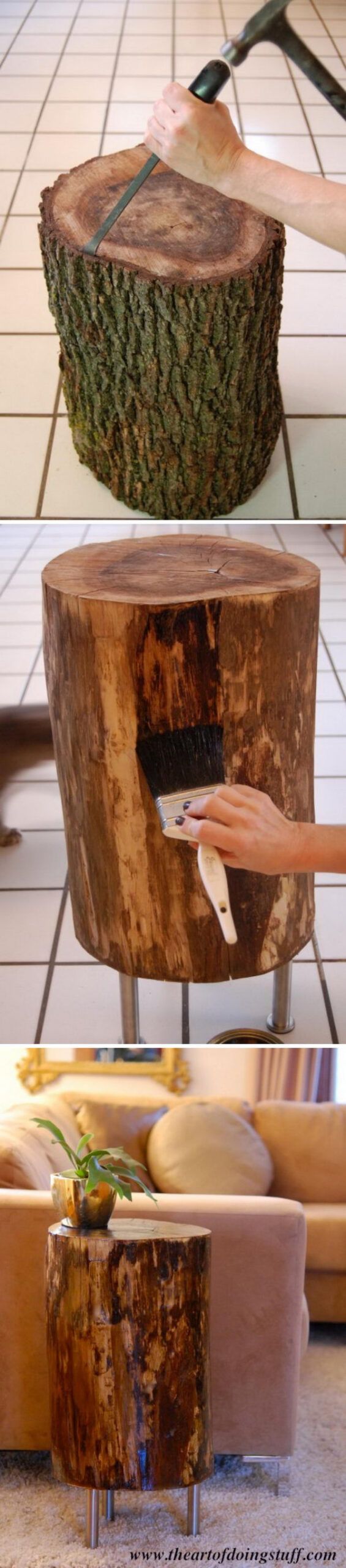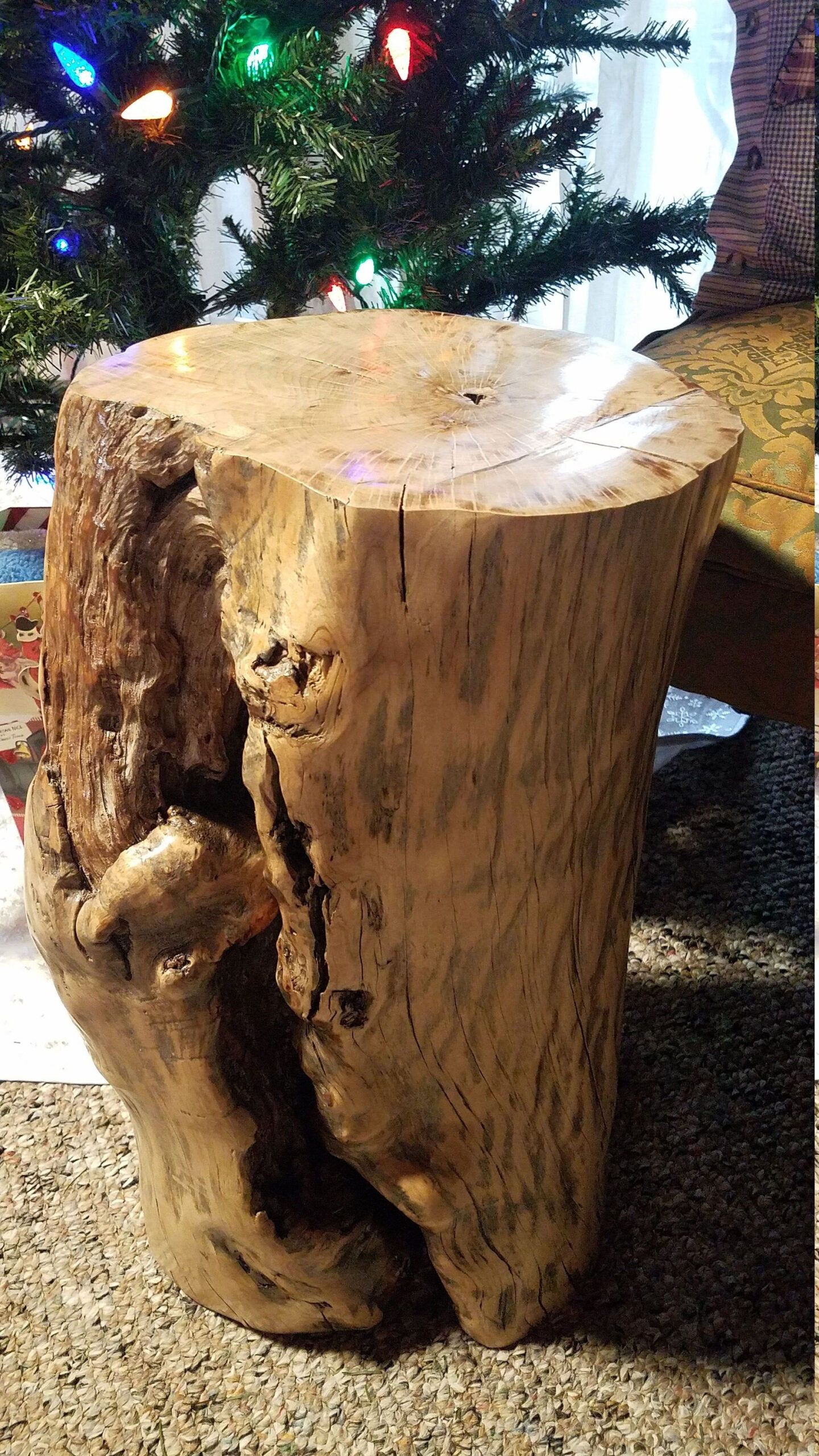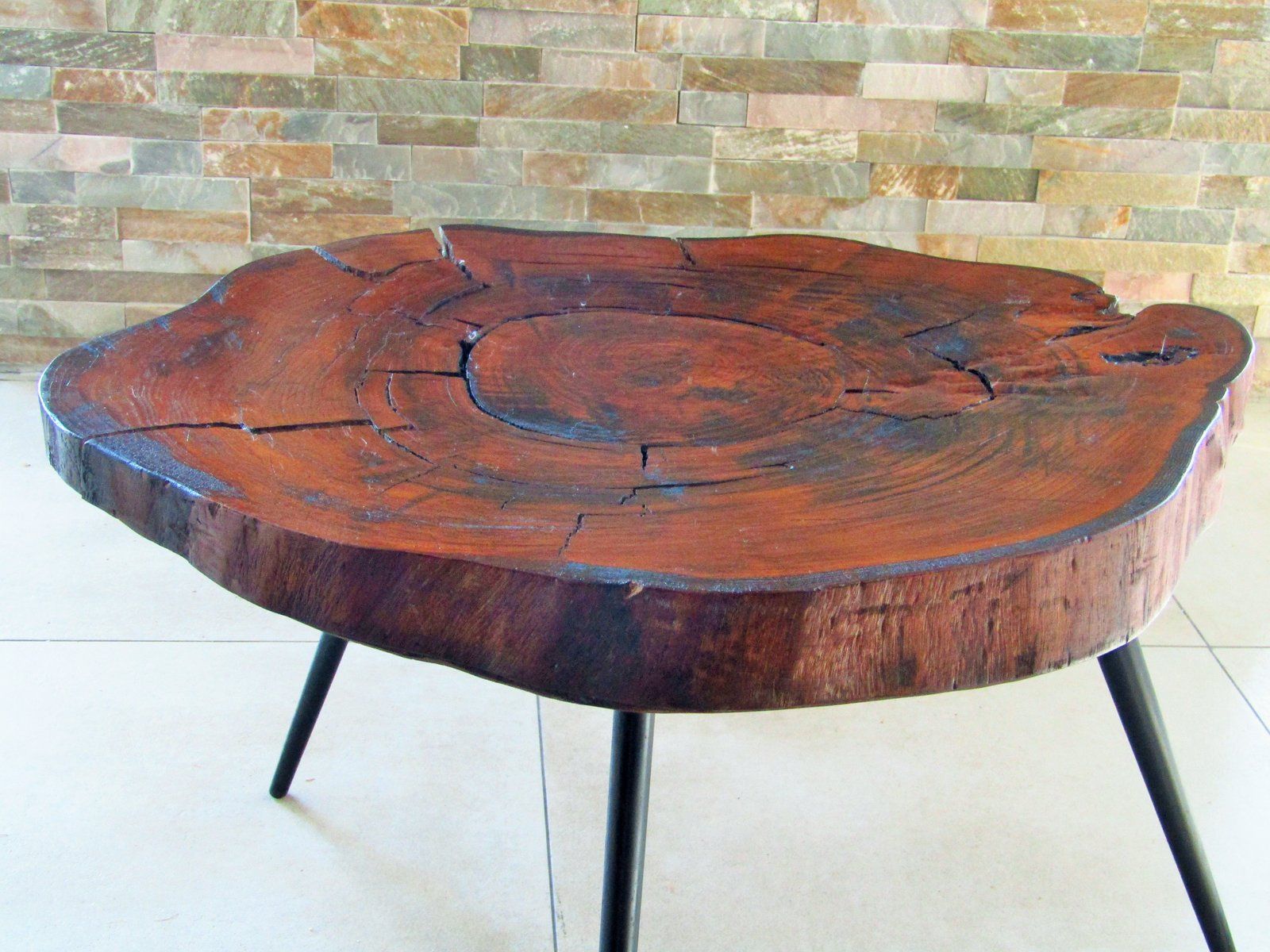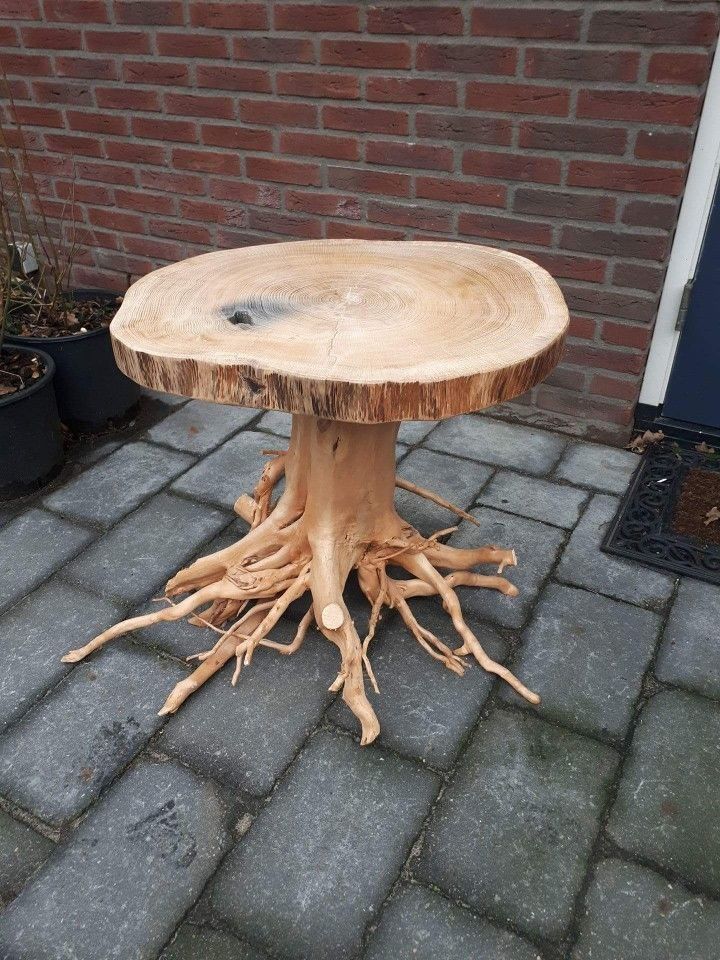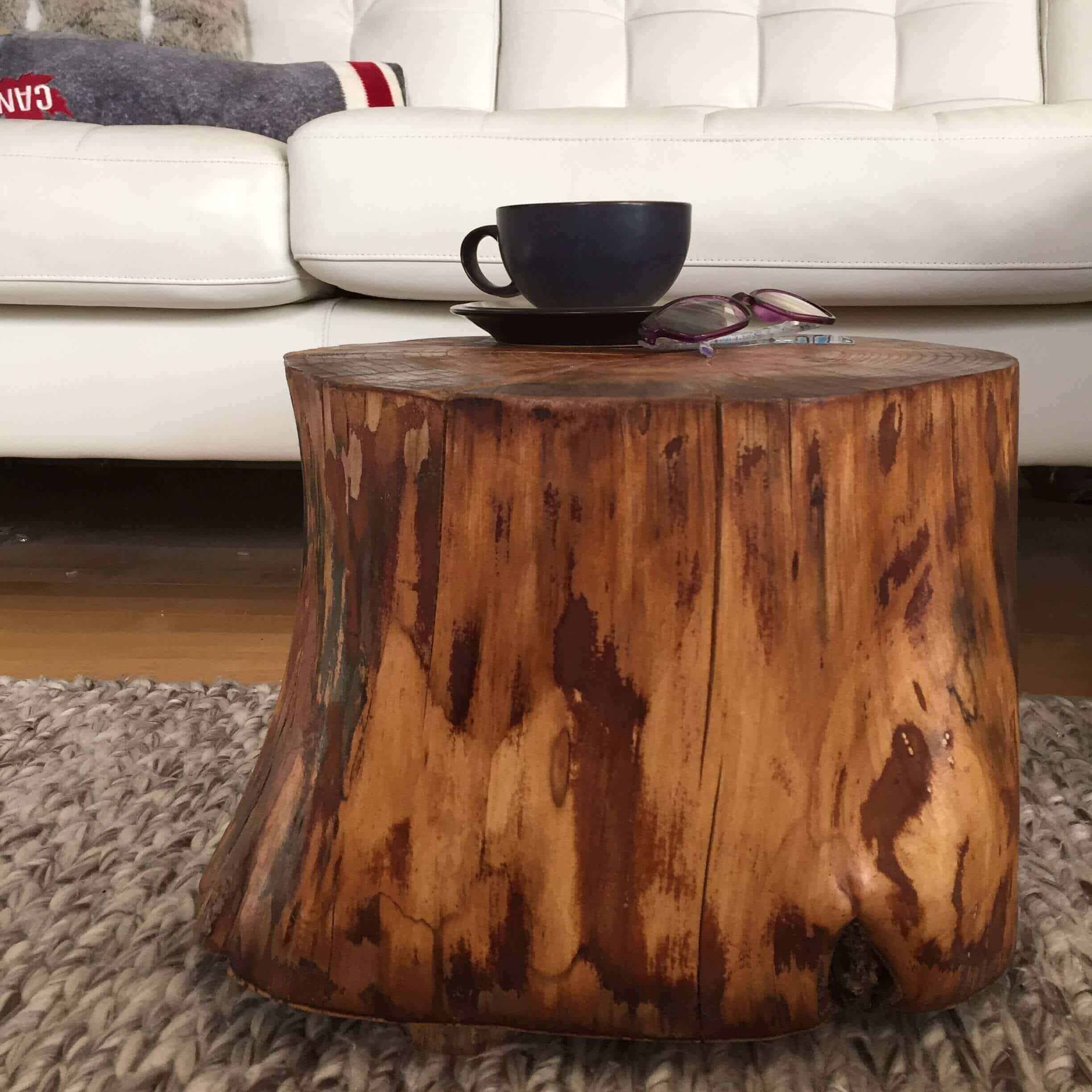
Ever gaze at a tree trunk table, those amazing slabs of wood, and ponder what tales they could tell? It’s not just a piece of furniture, you know. Each one is a silent historian, a chronicler of seasons, storms, and sunshine. They hold secrets, if only we know how to listen. Let’s delve into the incredible world held within those wooden circles, shall we?
Imagine a tree, standing tall for decades, maybe even centuries. It’s seen it all – scorching summers, brutal winters, gentle springs, and blustery autumns. It’s been home to countless creatures, felt the brush of human hands, and stretched its branches towards the sky. When that tree becomes a table, all of that history, that entire life, is etched right there for you to see. It’s a truly unique connection to the natural world, a tangible piece of time in your home. You’re not just buying a table; you’re adopting a piece of living history.
Reading the Rings: A Tree’s Autobiography
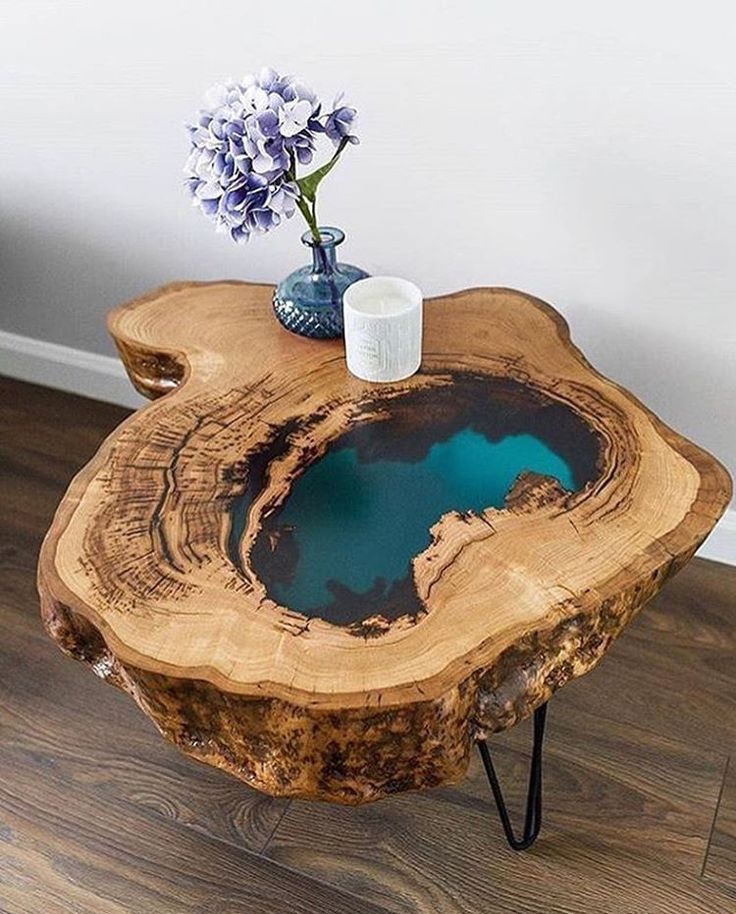
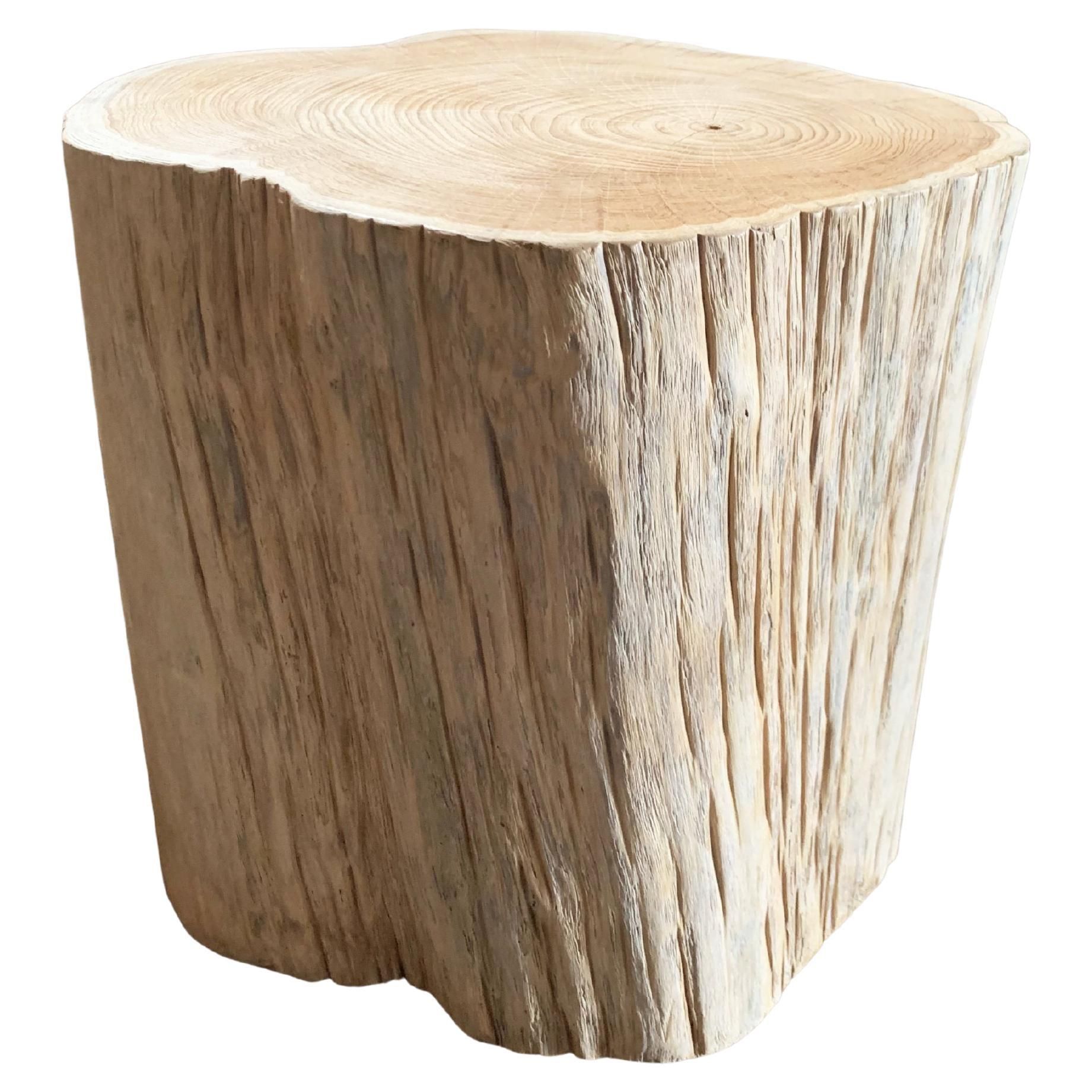
The most obvious storytellers on a tree trunk table are those concentric circles – the growth rings. These aren’t just pretty patterns; they are a tree’s autobiography, written year by year. A wide ring tells you that was a good year for the tree, plenty of water and sunshine. A thin ring? Well, that probably means a tough year, maybe a drought, a pest infestation, or a long, harsh winter. By looking at the sequence of wide and narrow rings, you can literally map out the climatic history of the area where that tree grew. It’s like a time capsule, right there on your coffee table. And it’s not just about weather. Sometimes, a series of very thin rings might indicate a period of stress – perhaps a disease or even a nearby construction project that affected its roots. It’s all there, waiting to be deciphered.
Knots and Burls: Scars and Stories
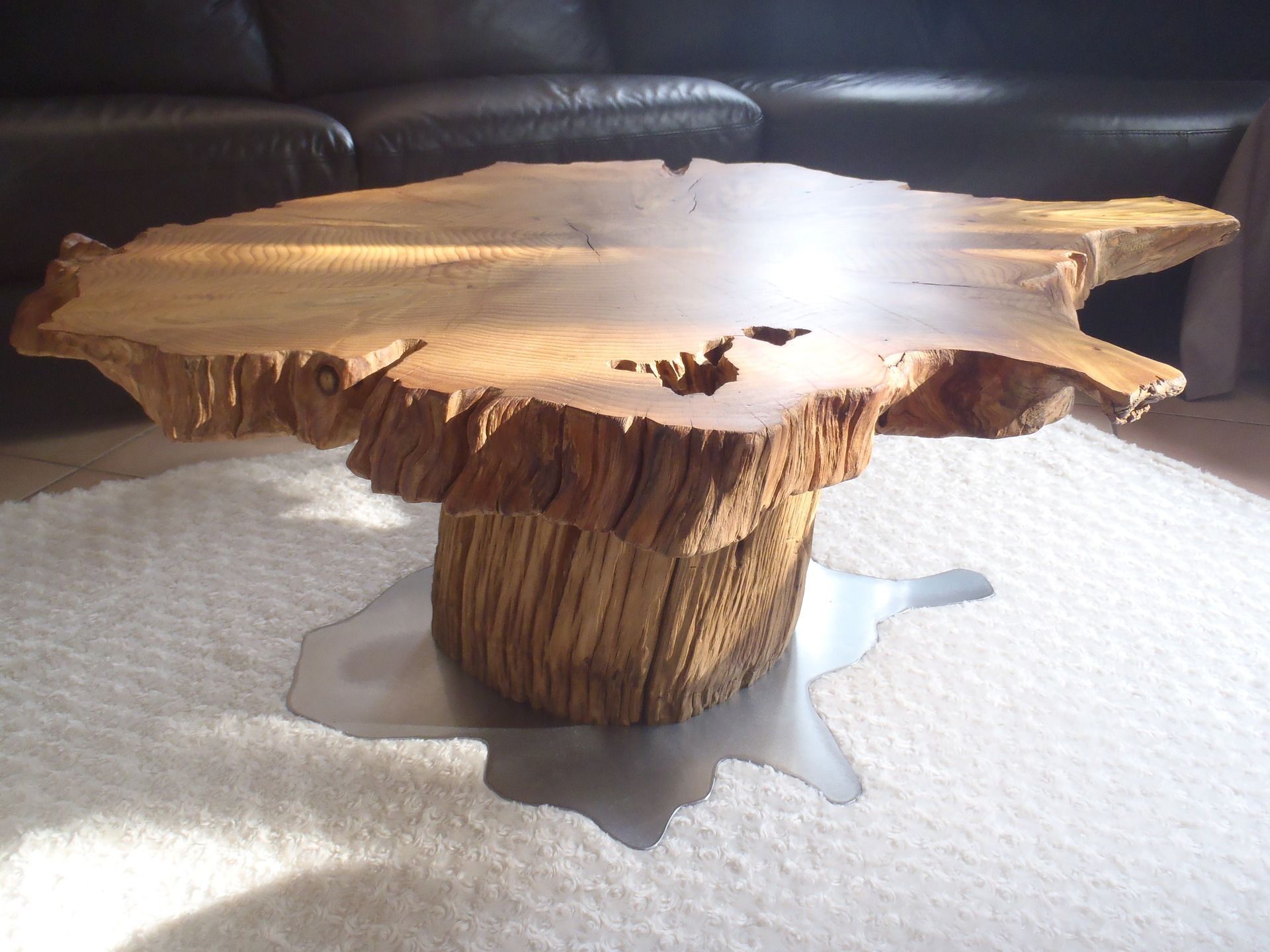
Those interesting knots and gnarly burls you see? They’re not imperfections; they’re battle scars, badges of honor. A knot is where a branch once grew, and its size and shape can tell you a lot about how that branch developed. Was it a strong, healthy branch reaching for the sun, or a smaller one that was shaded out by its neighbors? Burls, those strange, often bulbous growths, are even more mysterious. They’re often caused by some form of stress – an injury, a fungus, or even an insect attack. The tree, in an effort to heal or protect itself, creates these unique formations. They add incredible character and a touch of wildness to any table, each one a testament to the tree’s resilience and ability to overcome adversity. Think of them as nature’s abstract art, each one totally unique and full of character.
The Texture and Color: A Glimpse into the Environment
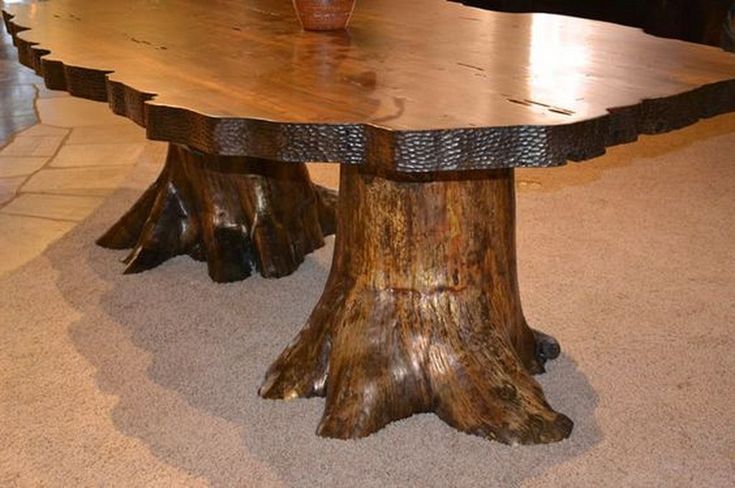
The overall texture and color of the wood itself can also spill secrets. Different species of trees have distinct grain patterns and hues. A dense, dark wood might suggest a slow-growing tree from a challenging environment, while a lighter, more open grain could indicate a faster-growing species from a more temperate climate. And what about the sapwood and heartwood? The sapwood, usually lighter in color, is the outermost layer, responsible for transporting water and nutrients. The heartwood, the darker, inner core, is essentially dead wood, providing structural support. The contrast between these two can be visually stunning and also tells you about the tree’s maturity and how long it lived. The way the light catches the grain, highlighting different shades and textures, it’s just amazing. It’s a subtle narrative, but a powerful one.
Beyond the Surface: The Human Connection
While the tree itself tells its own story, the journey from forest to table adds another fascinating layer. Was the tree sustainably harvested? What kind of craftsmanship went into transforming it into a functional piece of furniture? Knowing the origin of the wood, the care taken in its preparation, and the skill of the artisan who shaped it, all contribute to the table’s overall narrative. This human element adds a sense of purpose and a deeper appreciation for the object. It’s not just about the tree’s life, but also the human ingenuity that preserved its beauty for generations. It’s a collaboration, really – nature’s artistry and human skill coming together.
Caring for Your Storyteller: Preserving the Narrative
Just like any living thing, even after it’s been transformed, your tree trunk table needs a little love and care to keep telling its story for years to come. Protecting it from extreme temperature changes, direct sunlight, and excessive moisture is key. Regular cleaning and occasional oiling or waxing will help maintain its luster and prevent the wood from drying out or cracking. Think of it as a custodian of history. By taking good care of your table, you’re ensuring that its unique story, and the stories it will witness in your home, will be preserved for future generations. It’s a commitment, but a truly rewarding one. You’re not just maintaining a piece of furniture; you’re preserving a legacy.
So, the next time you gather around a tree trunk table, take a moment. Look closely at the rings, trace the lines of a knot, feel the texture of the wood. You’re not just looking at a table; you’re looking at a piece of the Earth’s history, a testament to resilience, growth, and the passage of time. Each one is a unique, natural masterpiece, a silent witness to countless moments. It’s a conversation starter, a source of wonder, and a beautiful reminder of our deep connection to the natural world. What story will your table tell you today? It’s truly a marvel, isn’t it?