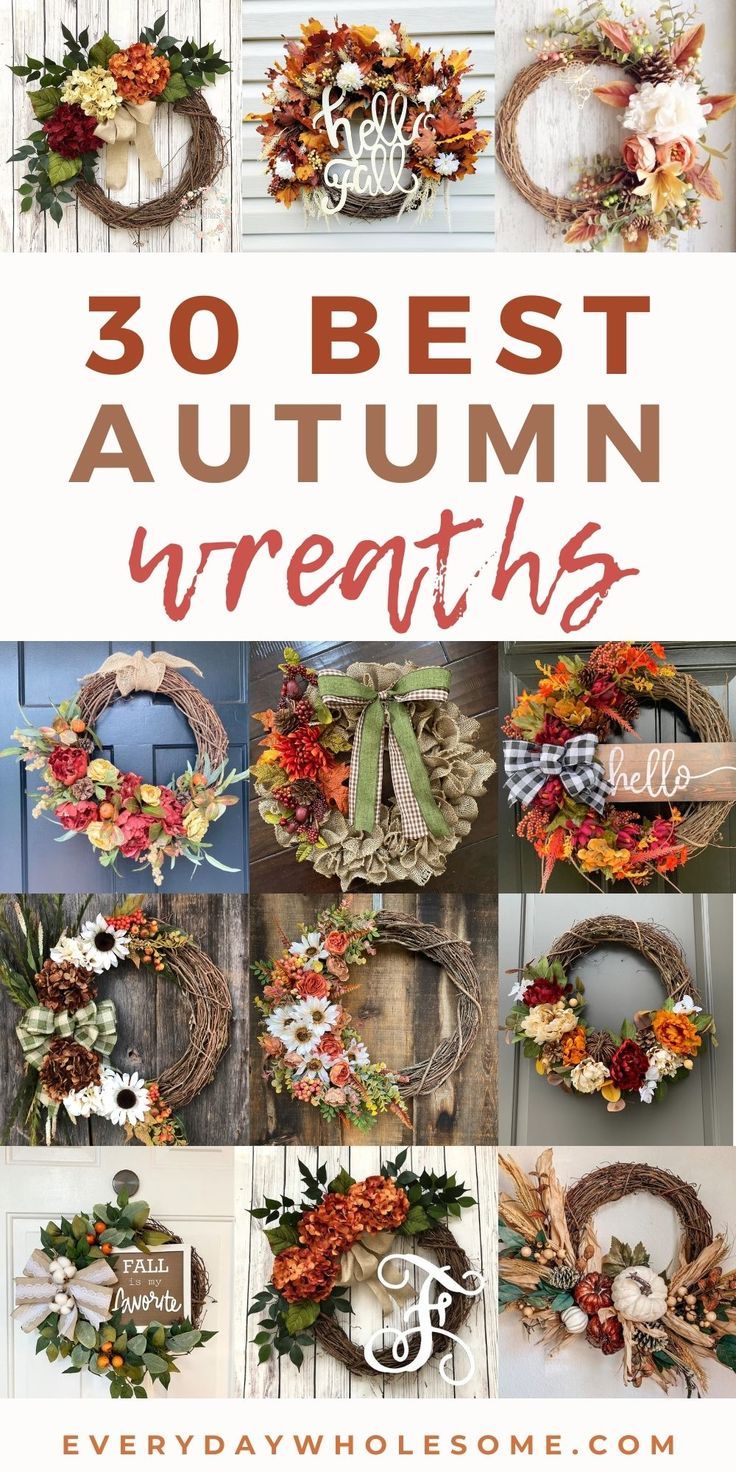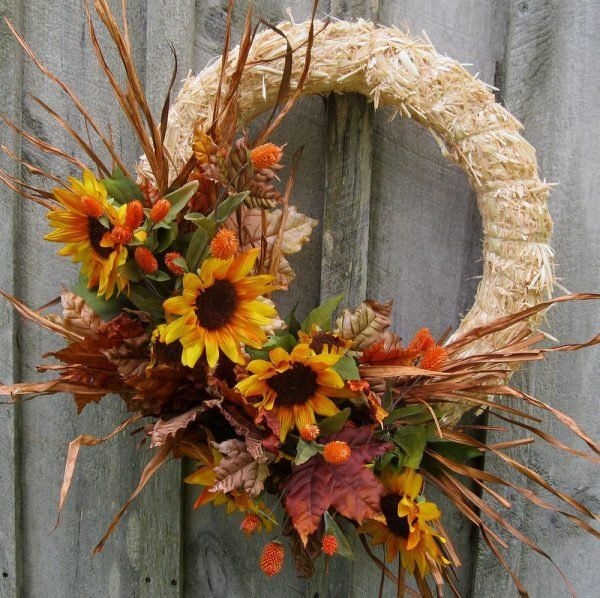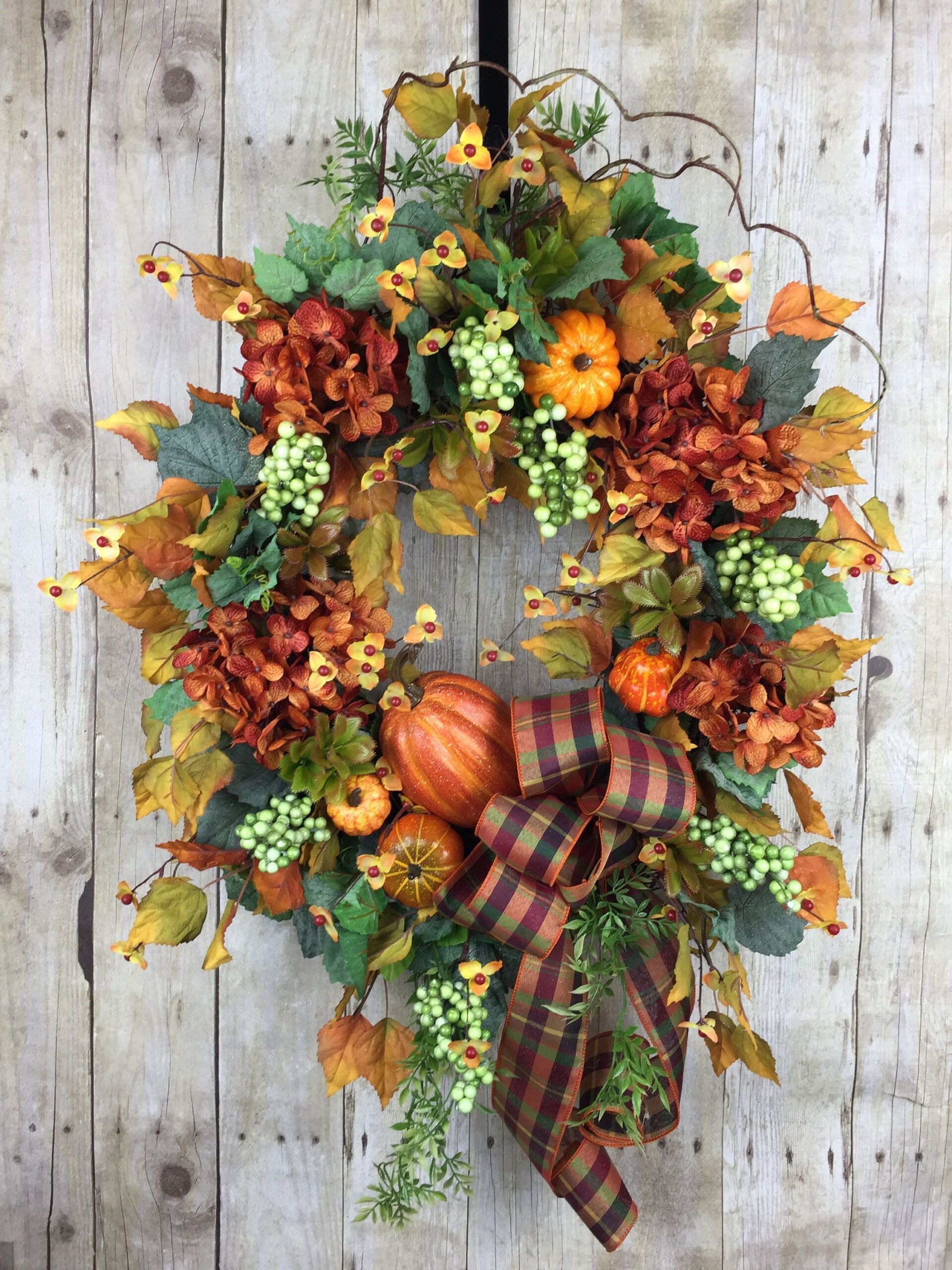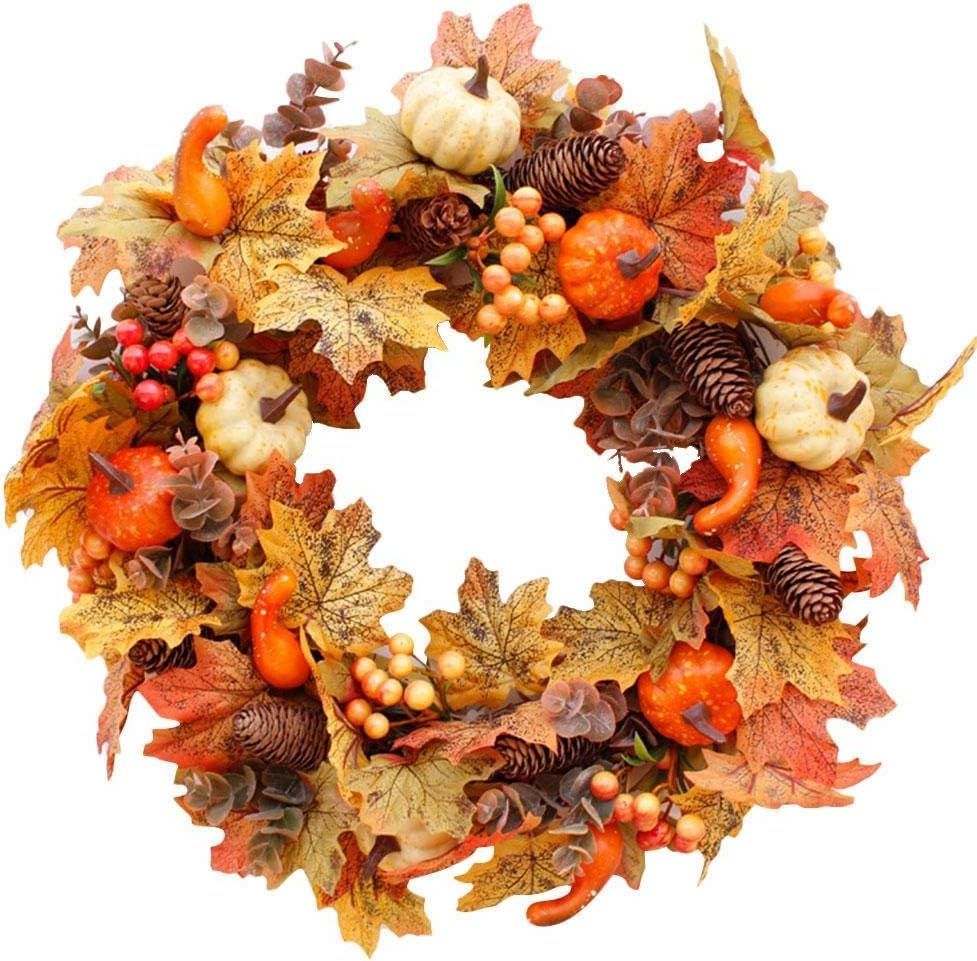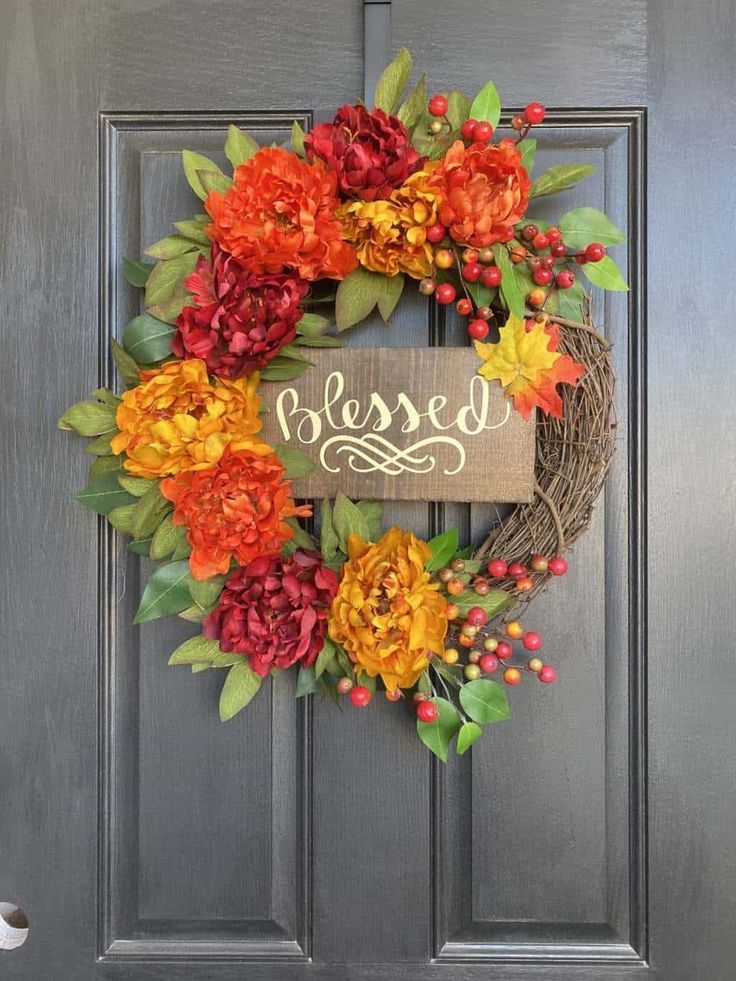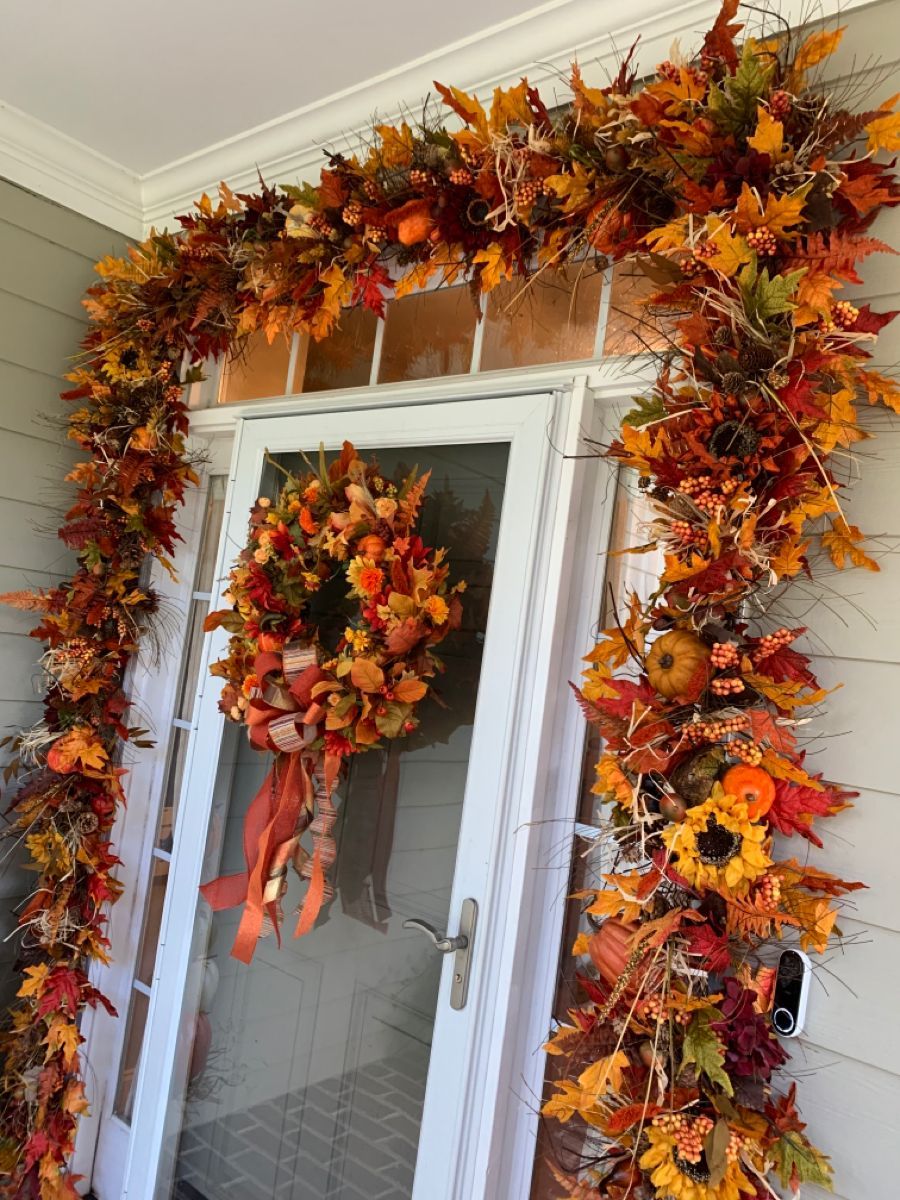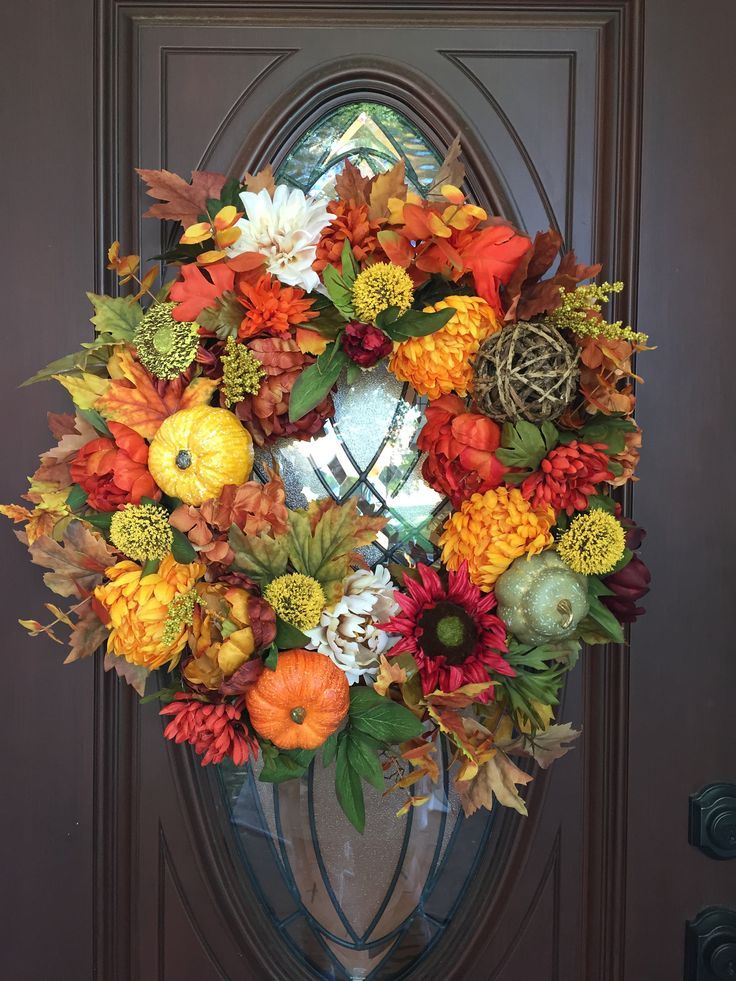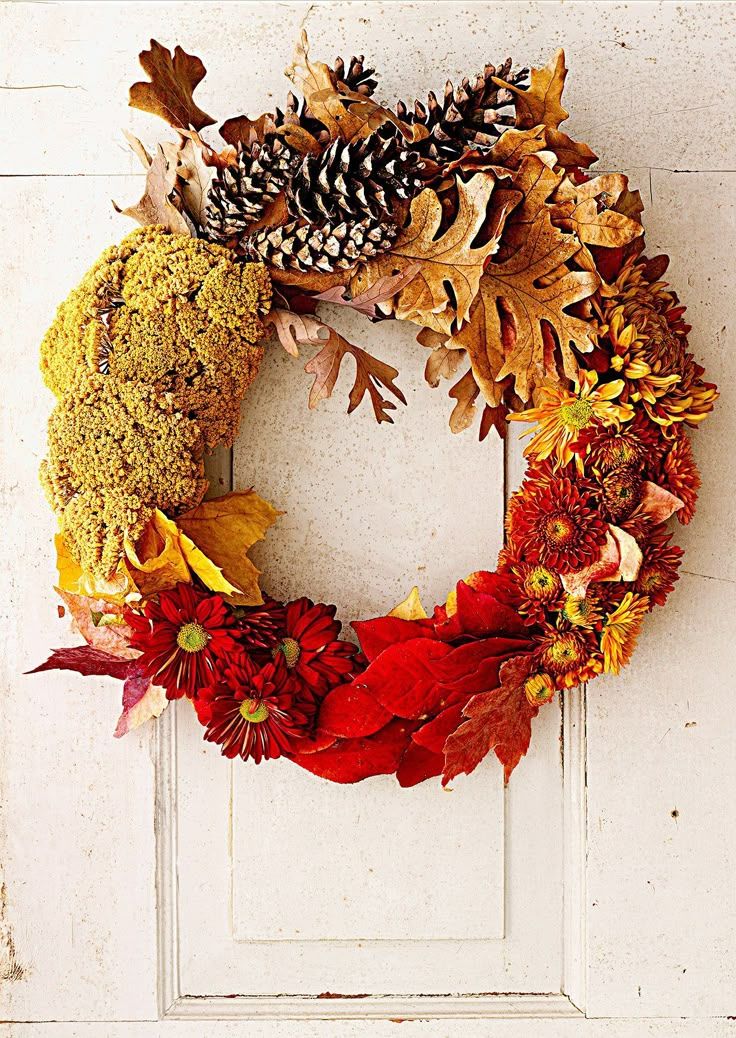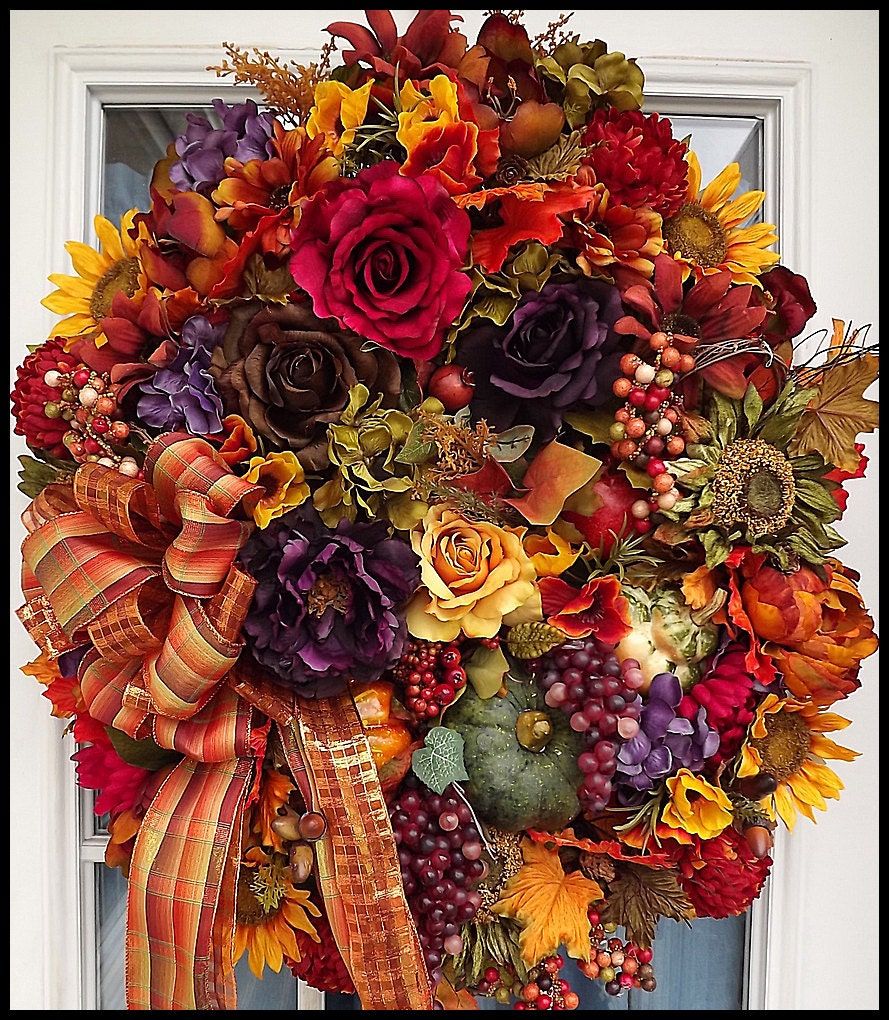
There’s something truly special about autumn, isn’t there? The crisp air, the vibrant foliage, and the comforting scents that fill our homes. One of the most delightful ways to capture this essence is by crafting your very own autumn harvest wreath. It’s a fantastic way to connect with the season’s natural beauty and add a personal touch to your decor. Think of it as a welcoming hug for your front door, or a warm accent piece inside your home. Ready to bring a bit of that autumnal charm inside?
Autumn is a time of transition, a season where nature puts on a spectacular show of color and texture before settling into winter’s rest. The harvest season, in particular, brings a feeling of abundance and gratitude. What better way to celebrate this bounty than by creating a wreath that embodies it? These aren’t just decorations; they’re tangible expressions of the season’s spirit. Whether you’re a seasoned crafter or a complete beginner, making an autumn harvest wreath is an accessible and rewarding project. It allows you to play with natural materials, express your creativity, and create something truly unique. Let’s dive into how you can bring the beauty of the harvest into your home.
The Foundation: Choosing Your Wreath Base
Every great wreath starts with a solid base. For autumn harvest wreaths, you have a few excellent options. The most traditional is a grapevine wreath. Its natural, slightly irregular shape lends itself beautifully to a rustic, organic look. You can find these at craft stores or even forage for sturdy vines if you have permission and know what you’re doing. Another popular choice is a straw or twig base. These are often lighter and provide a good surface for attaching heavier elements. Foam or metal wreath forms are also available if you prefer a very structured base, though they might require more embellishments to achieve that natural harvest feel.
When selecting your base, consider the size of your door or the space where you plan to hang it. A wreath that’s too small can get lost, while one that’s too large might overwhelm the area. Think about the weight of the materials you plan to use, too; a heavier base will better support a densely packed wreath.
Gathering Your Harvest Treasures: Materials and Inspiration
This is where the real fun begins! The beauty of an autumn harvest wreath lies in its diverse collection of natural elements. Think about what comes to mind when you picture fall:
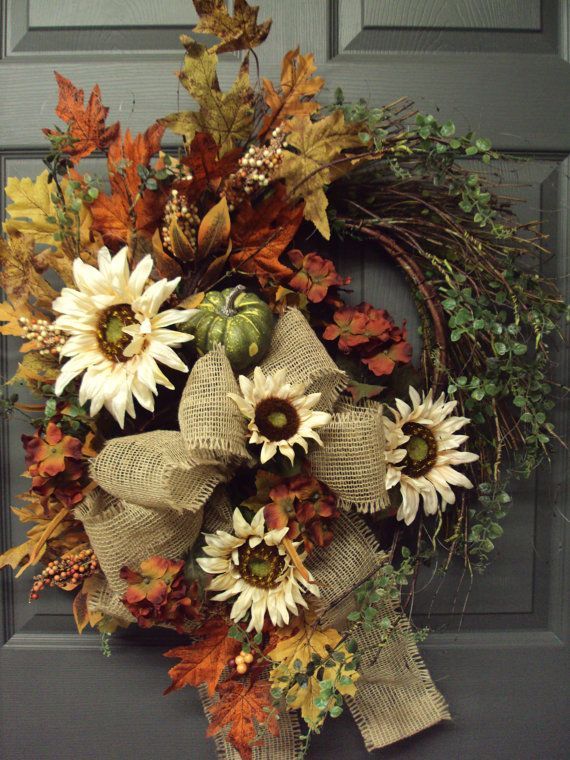
- Foliage: Dried leaves in glorious shades of red, orange, and yellow are a must. Maple leaves, oak leaves, and even vibrant ferns can add incredible texture and color. Be sure to press them flat to dry them out before use, or allow them to dry naturally on the wreath base.
- Gourds and Pumpkins: Mini pumpkins, ornamental gourds, and dried corn cobs are quintessential harvest elements. They add shape, volume, and that unmistakable fall vibe. Use small, lightweight varieties for easier attachment.
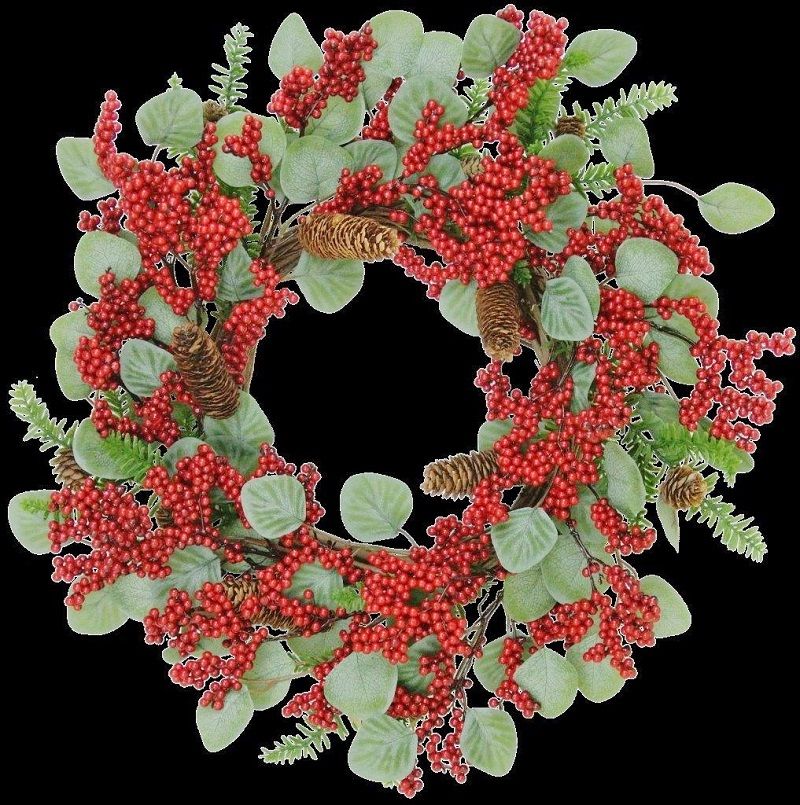
- Fruits and Berries: Dried apples, crabapples, rose hips, bittersweet, and dried berries bring pops of color and interest. They add a touch of sweetness to the overall design.
- Nuts and Seed Pods: Acorns, pinecones, walnut shells, and dried seed pods offer natural texture and a more subtle, earthy appeal. They’re fantastic for filling in gaps and adding depth.
- Grains and Grasses: Wheat stalks, dried grasses, and even small bundles of lavender can add height, movement, and a touch of rustic elegance.
Don’t be afraid to mix and match. The goal is to create a visually interesting arrangement that tells a story of the season’s abundance. Visit local farms, your garden, or even go for a nature walk to gather your treasures. Just remember to be respectful of your surroundings and only take what you need.
The Art of Arrangement: Techniques for Building Your Wreath
Once you have your base and your materials, it’s time to start assembling. There’s no single right way to do this, but here are some tips to help you create a balanced and beautiful wreath:
Start with a Base Layer: Begin by attaching your largest or most prominent elements first. This could be your mini pumpkins or gourds. Secure them using floral wire, hot glue, or by tucking them into the grapevine base. If using hot glue, work in small sections to prevent the glue from cooling before you can attach your items.
Add Volume and Texture: Next, incorporate your foliage, grasses, and seed pods. Layer them, overlapping slightly, to create fullness. Think about creating a natural flow; you might want to arrange elements in a circular pattern or have some elements reaching outwards.
Incorporate Color and Interest: Now, add your smaller items like berries, dried fruits, and acorns. Use these to fill in any remaining gaps and to add pops of contrasting color. Consider clustering certain elements together for a more impactful look.
Think About Balance: Step back frequently and look at your wreath from different angles. Is it balanced? Are there any empty spots? Does it feel cohesive? Adjust and add as needed.
Secure Everything: Ensure all your elements are securely attached. A well-made wreath will last longer and withstand being handled or exposed to the elements. Double-check any glued or wired pieces.
Pro Tip: For a more professional look, try creating small clusters or bundles of similar materials before attaching them to the wreath. This can make the arrangement process smoother and result in a more organized appearance.
Adding Those Special Touches: Embellishments and Finishes
While the natural elements are the stars of the show, a few extra touches can elevate your harvest wreath even further. Consider adding:
- Ribbon: A beautiful burlap, plaid, or velvet ribbon tied into a bow can add a touch of elegance or rustic charm. You can attach it to the top of the wreath, or let it cascade down.
- Twine or Raffia: For a more natural and textured look, wrap some twine or raffia around areas of the wreath or tie small bundles with it.
- Cinnamon Sticks or Star Anise: These fragrant spices can add a lovely scent and a unique visual element. Tuck them in amongst your other materials.
- Small Ornaments: Tiny painted pinecones, wooden beads, or even small, weathered metal charms can add a whimsical touch.
When adding embellishments, remember to keep the overall theme and color palette in mind. The goal is to enhance the natural beauty, not to overpower it. Think about how these additions will complement the textures and colors of your harvested treasures.
Preserving Your Creation: Making Your Wreath Last
Autumn harvest wreaths, especially those made with fresh or dried natural materials, do require a bit of care to last. Here are some ways to help preserve your beautiful creation:
- Location, Location, Location: If your wreath is going on an exterior door, try to hang it in a spot that’s sheltered from direct rain and harsh sun. A covered porch is ideal. Excessive moisture can lead to mold, and strong sunlight can fade colors and dry out materials too quickly.
- Sealant (Optional): For some elements, like delicate leaves or berries, you might consider a light spray of an acrylic sealant or hairspray. Do a small test patch first to ensure it doesn’t alter the appearance. This can help protect them from moisture and prevent shedding.
- Bring it Inside: During extreme weather, or for the winter months, consider bringing your wreath indoors to protect it. It can make a lovely interior decoration!
- Gentle Cleaning: If your wreath collects dust, you can gently blow it off with a can of compressed air or use a very soft brush. Avoid getting it wet.
With a little care, your handmade harvest wreath can bring joy and autumnal beauty to your home for many seasons to come.
Beyond the Door: Displaying Your Wreath Indoors
While a wreath is a classic front-door decoration, don’t limit its potential! Autumn harvest wreaths can be stunning accents throughout your home. Consider these ideas:
Over a Fireplace Mantel: A wreath hung above a cozy fireplace creates an immediate focal point and enhances the warm, inviting atmosphere.
On a Mirror: Place a wreath around a large mirror to add a touch of nature and color to your living space.
As a Centerpiece: Lay a flatter wreath on a dining table and place a pillar candle or a small collection of gourds in the center. This creates a beautiful and fragrant centerpiece.
On Interior Doors: Hang a wreath on a bedroom door, a pantry door, or even a large cabinet for a delightful seasonal touch.
Leaning on a Shelf: A smaller wreath can simply lean against the back of a bookshelf or a console table for a subtle decorative element.
Experiment with different locations and see where your handmade creation adds the most warmth and autumnal character to your home. It’s a wonderful way to spread the seasonal cheer beyond just your entryway.
Creating an autumn harvest wreath is more than just a craft project; it’s an opportunity to slow down, appreciate the beauty of nature, and infuse your home with the spirit of the season. From selecting the perfect base to gathering nature’s treasures and arranging them with care, each step is a chance to connect with the abundance that autumn offers. Whether you opt for a classic look with pumpkins and leaves or experiment with unique dried flowers and seed pods, your handmade wreath will be a unique and cherished decoration. So, embrace the crisp air, gather your materials, and let your creativity bloom. Happy crafting, and may your home be filled with the warmth and beauty of the autumn harvest.