There’s something undeniably special about magnolias, isn’t there? Their large, often fragrant blooms and glossy leaves evoke a sense of classic beauty and natural grandeur. For centuries, these magnificent trees and shrubs have captivated hearts, and today, we’re exploring how to harness that same magic to transform your indoor spaces. Get ready to invite a touch of nature’s finest into your everyday life.
Magnolias are more than just plants; they’re living sculptures, whispering tales of ancient forests and sun-drenched gardens. With their origins tracing back millions of years, these botanical wonders boast a rich history and a diverse family. From the towering Southern Magnolia with its iconic, creamy-white flowers to the more compact Star Magnolia, each variety offers a unique charm. But how do we capture this outdoor splendor and make it a part of our indoor world? Let’s dive into the delightful possibilities.
Choosing the Right Magnolia for Your Indoor Oasis
Bringing the grandeur of magnolias indoors often means focusing on smaller varieties or utilizing cuttings. For those with more space, smaller shrub-like magnolias, such as ‘Ann’ or ‘Jane’, can be grown in large containers. These cultivars are known for their beautiful, goblet-shaped flowers and more manageable size. If container growing isn’t feasible, don’t despair. The iconic blooms of larger magnolias, like the Southern Magnolia (Magnolia grandiflora), can be enjoyed indoors through carefully selected cuttings. Think about the light in your home and the space you have available. A little planning goes a long way in ensuring your chosen magnolia thrives.
The Art of the Magnolia Cutting: A Gateway to Indoor Beauty
One of the most accessible ways to bring magnolia magic inside is by taking cuttings from mature trees. The best time to do this is usually in late spring or early summer when the plant is actively growing. Look for healthy, semi-hardwood stems. Cut a piece about 6-8 inches long, making sure it has several leaves. Remove the lower leaves and any flowers or buds. You can then dip the cut end in rooting hormone – this helps encourage root development. Place the cutting in a pot filled with a well-draining potting mix, like a blend of peat moss and perlite. Keep the soil moist and the humidity high, perhaps by covering the pot with a plastic bag or placing it in a propagator. With patience, you’ll soon see roots forming, and you’ll have the beginnings of your own indoor magnolia.
Nurturing Your Indoor Magnolia: Light, Water, and Soil
Whether you’ve managed to grow a cutting or are nurturing a container-grown shrub, proper care is key. Magnolias generally prefer bright, indirect light. Direct, harsh sunlight can scorch their leaves. Water your magnolia when the top inch of soil feels dry. It’s important not to let it sit in water, as this can lead to root rot. Good drainage is paramount. Use a high-quality potting mix designed for acid-loving plants, as magnolias often thrive in slightly acidic soil. Overwatering is a common pitfall, so always check the soil moisture before reaching for the watering can. Regular feeding with a balanced, acid-promoting fertilizer during the growing season can also help maintain its health and vigor.
Beyond Blooms: The Fragrance and Foliage
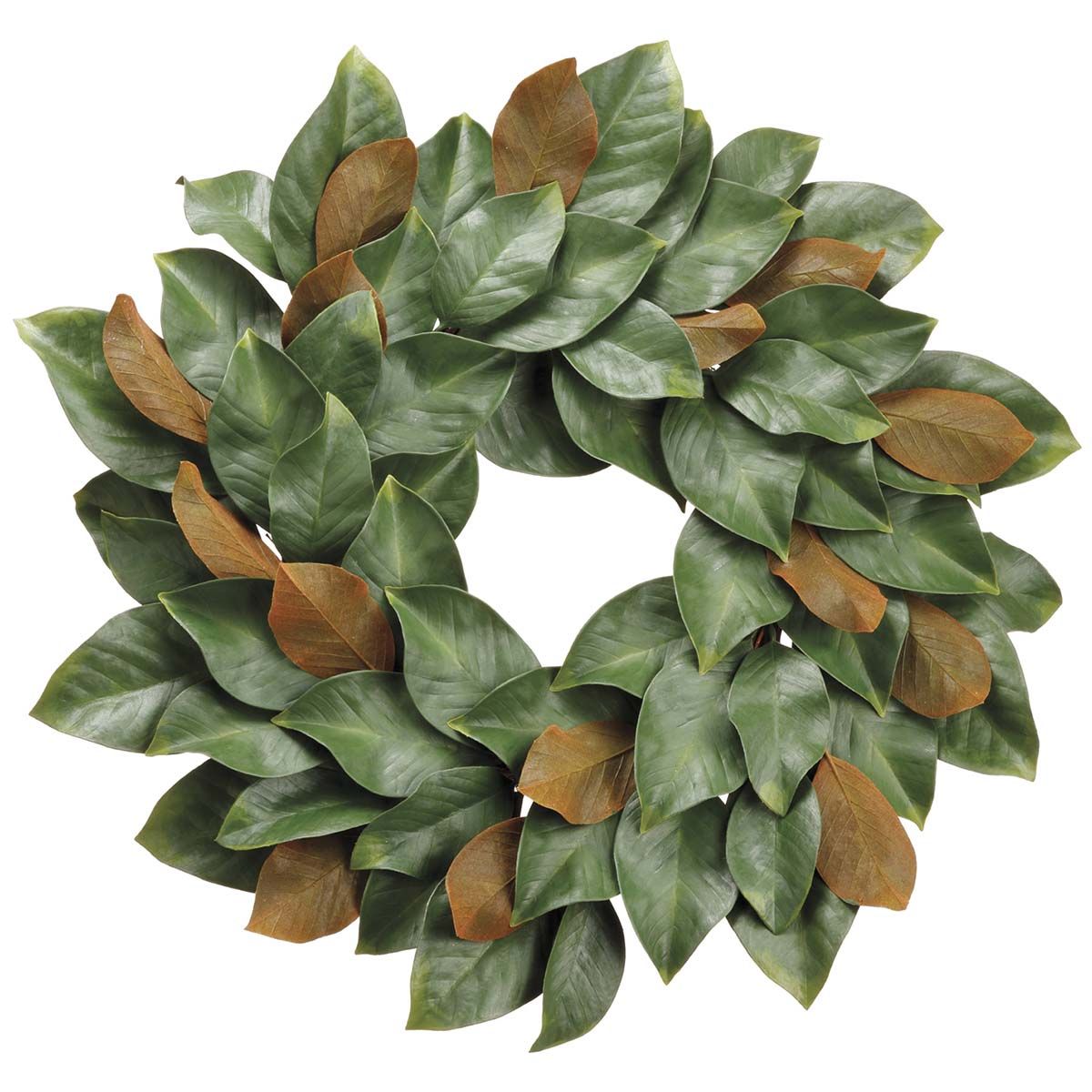
Magnolias aren’t just about their stunning flowers. Many varieties, especially the Southern Magnolia, boast a delightful, lemony fragrance that can fill a room. Imagine stepping into your living space and being greeted by this natural perfume. The foliage itself is also a significant part of the appeal. The large, glossy, deep-green leaves of many magnolias add a lush, tropical feel to any indoor setting. Even when not in bloom, the rich greenery provides a constant connection to the natural world, bringing a sense of calm and serenity.
Styling Your Indoor Magnolia: A Touch of Elegance
Once you have your indoor magnolia, how do you best showcase its beauty? For cuttings that have rooted and are growing into small plants, a simple terracotta pot can highlight their natural elegance. If you’re using fresh cuttings as cut flowers, arrange them in a simple vase. Their substantial size means they often stand alone beautifully, requiring minimal accompanying foliage. Consider placing them in a spot where their fragrance can be appreciated, perhaps on a side table in your living room or on a windowsill in your kitchen. The goal is to let the magnolia be the star, a natural focal point that brings a touch of the outdoors in.
Troubleshooting Common Issues and Ensuring Longevity
Even with the best intentions, plants can sometimes present challenges. Yellowing leaves on your indoor magnolia might indicate overwatering or a lack of nutrients. Brown, crispy leaf edges could be a sign of too much direct sun or low humidity. Pests like aphids or spider mites can also be an issue. Regularly inspect your plant for any signs of distress. For pests, a gentle wash with soapy water or an insecticidal soap can often resolve the problem. Ensure good air circulation around your plant to help prevent fungal issues. Remember, a healthy plant is a resilient plant, and with a little attention, your indoor magnolia can bring you joy for a long time.
Bringing the magic of magnolias into your home is a rewarding experience. Whether you’re nurturing a new cutting or caring for a container-grown specimen, you’re inviting a piece of natural history and timeless beauty into your living space. Their exquisite blooms, intoxicating fragrances, and rich foliage offer a constant reminder of nature’s artistry. So go ahead, experiment with cuttings, find the perfect spot, and let the enduring charm of magnolias transform your indoor world. It’s a simple, elegant way to connect with the grandeur of the natural world, right where you live.