
You know that smell. It’s early spring, or maybe late fall, and you’re standing in front of a massive pile of shredded bark at the local garden center. It smells like earth and rain and possibility. But then you look at the price tag, and that warm feeling gets a little chilly. Why does a cubic yard cost so much more here than it did last year? Or worse, why does it cost double what your cousin paid in Ohio?
Mulch isn’t just dirt. It’s the finishing touch that makes a house look like a home. It keeps weeds down and moisture in. But in 2026, the price of keeping your garden beds looking sharp has become a bit of a puzzle. It’s not just about the wood chips anymore. It’s about where you live, how you buy it, and when you decide to pull the trigger. Let’s dig into the numbers, because understanding these trends is the only way to keep your landscaping budget from getting out of hand.
The Big Picture: What’s Driving Prices Up This Year
The U.S. mulch industry is huge. We’re talking about an $8.5 billion market in 2026. That’s a lot of wood chips. But behind that big number are real factors hitting your wallet. First off, transportation costs haven’t gone down. Fuel prices fluctuate, and moving heavy, bulky material like mulch across state lines eats up cash. If you live far from a processing plant or a forest source, you’re paying for those miles.
Then there’s labor. Finding people to load trucks, operate grinders, and deliver loads is harder and more expensive than it used to be. This drives up the "installed" price significantly. According to recent data, while raw material costs might range from $18 to $60 per cubic yard, once you add delivery and labor, you’re looking at $60 to $140 per yard installed. That’s a steep jump if you’re just expecting to pay for the wood.
It’s also about demand. Everyone wants their curb appeal to pop, especially after the housing market shifts we’ve seen. Homeowners are investing more in outdoor living spaces. This surge in demand means suppliers can charge a premium, particularly during peak seasons like April and May. If you wait until the last minute, you’re playing a seller’s market. And nobody likes losing that game.
Bulk vs. Bagged: The Math That Matters
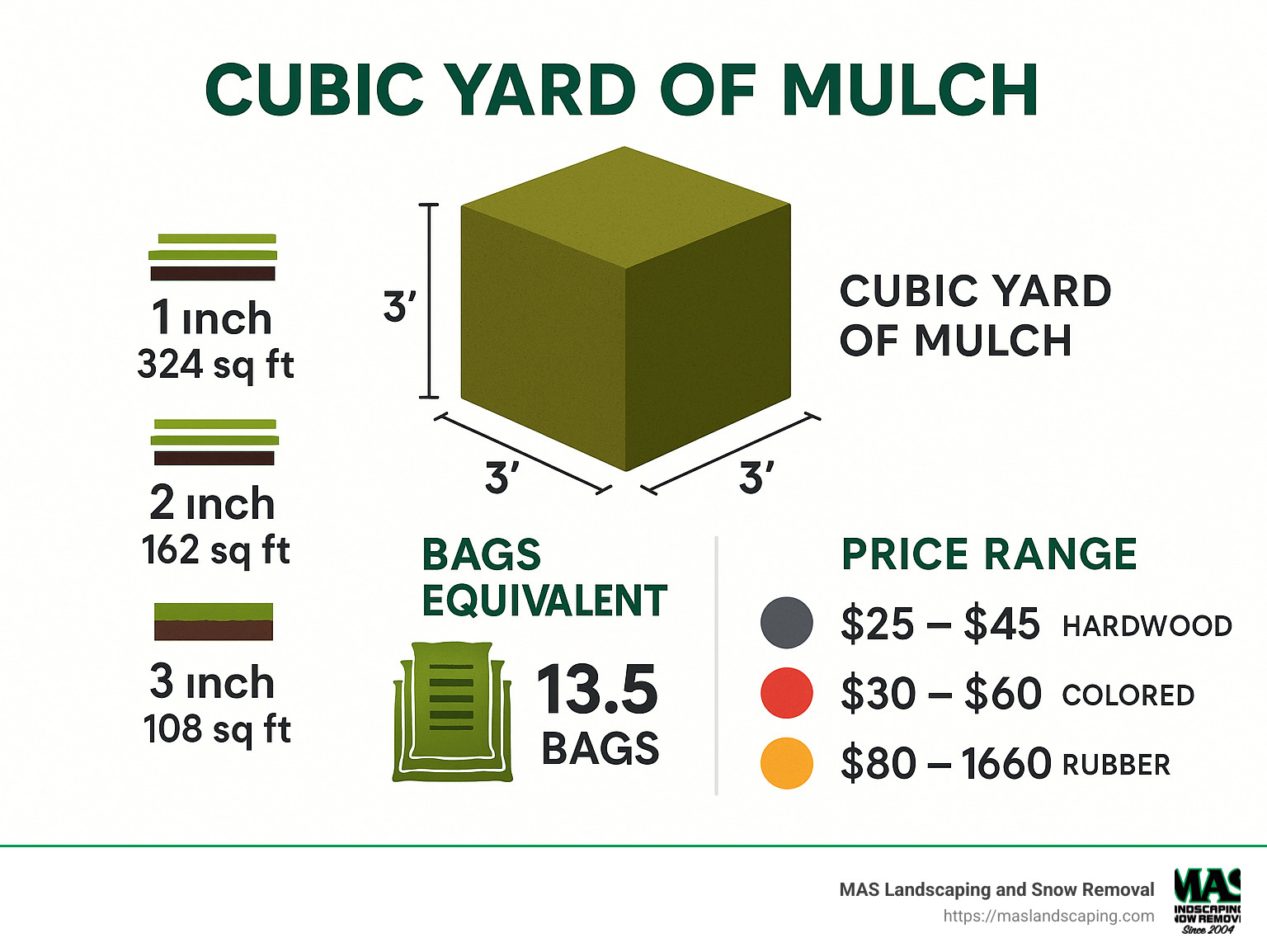
Here’s the thing most people get wrong. They see a bag of mulch for $5 and think it’s a deal. But let’s do some quick math. A standard bag is usually 2 cubic feet. There are 27 cubic feet in a cubic yard. So, you need about 13.5 bags to equal one cubic yard. At $5 a bag, that’s $67.50. And that’s before tax.
Now, look at bulk pricing. In many regions, a cubic yard of basic hardwood or pine mulch delivered might run you $35 to $50. Even if you have to rent a trailer or pay a small delivery fee, bulk is almost always cheaper for any project over 2 cubic yards. If you’re doing a small flower bed, sure, bags are convenient. You can toss them in the back of a sedan. But for anything bigger, you’re literally throwing money away by choosing bags.
There’s a middle ground, though. Some landscape supply yards offer "mini-bulks" or super sacks. These hold about half a cubic yard. They’re great if you don’t have space for a full dump truck load but still want to avoid the bag premium. Just make sure you check the quality. Sometimes, the cheaper bulk options have more dust and fines, which compact too much and don’t breathe as well as the pricier stuff.
Regional Breakdown: Where You Live Changes Everything
Prices aren’t the same everywhere. It’s simple geography and economics. In the Midwest, for example, you’re often closer to the source. There’s plenty of timber and processing facilities. This abundance means prices can dip as low as $15 to $25 per cubic yard for basic types. It’s a buyer’s market there, mostly because supply outstrips local demand.
Head to the Northeast, and things change. Delivery fees are higher because of traffic, tolls, and tighter access to properties. Plus, the growing season is shorter, so everyone rushes to mulch in a narrow window. This spike in demand drives prices up. You might pay $40 to $60 per yard just for the material, with delivery adding another $50 to $100 depending on distance. It’s pricey, but it’s the cost of doing business in dense, older suburbs.
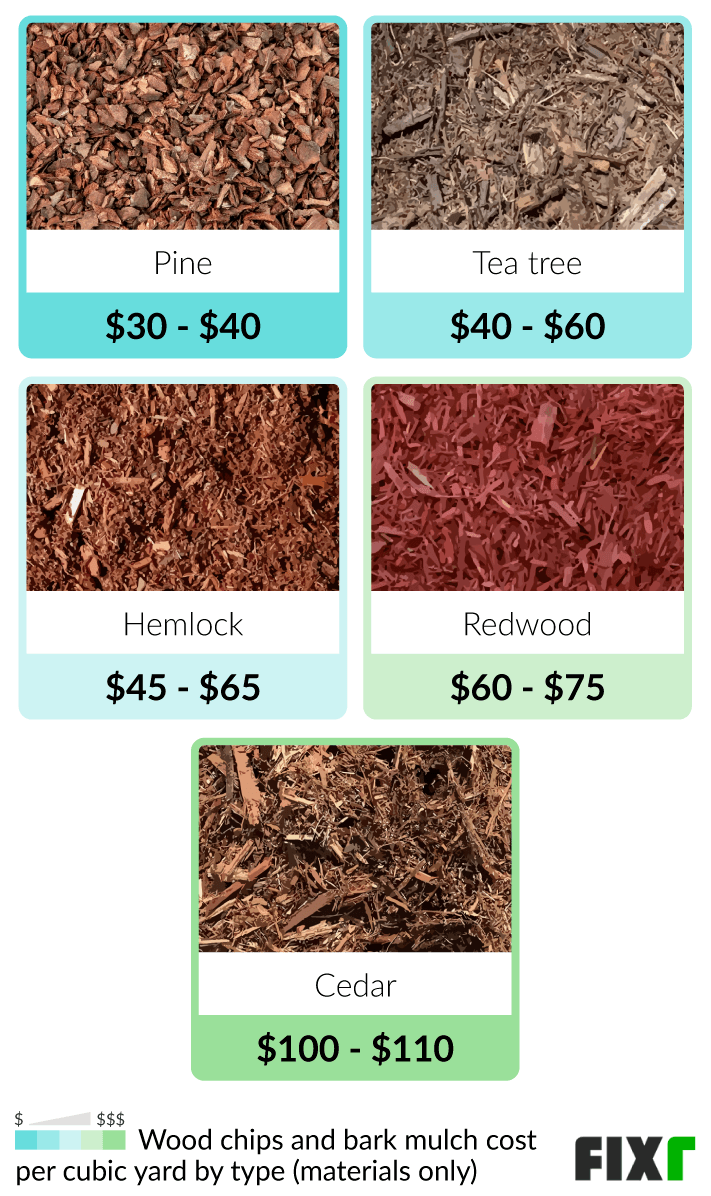
The South presents a different challenge. While bulk material costs can be lower due to fast-growing pine resources, the heat creates high seasonal demand. Everyone is trying to lock in moisture before the summer scorch. This can lead to shortages in May and June, pushing prices up. Meanwhile, out West, decorative mulches like cedar or redwood carry a premium. If you want that specific look in California or Oregon, expect to pay top dollar, sometimes upwards of $75 per yard, because those materials are scarce and highly sought after.
Type of Mulch: Not All Wood Chips Are Created Equal
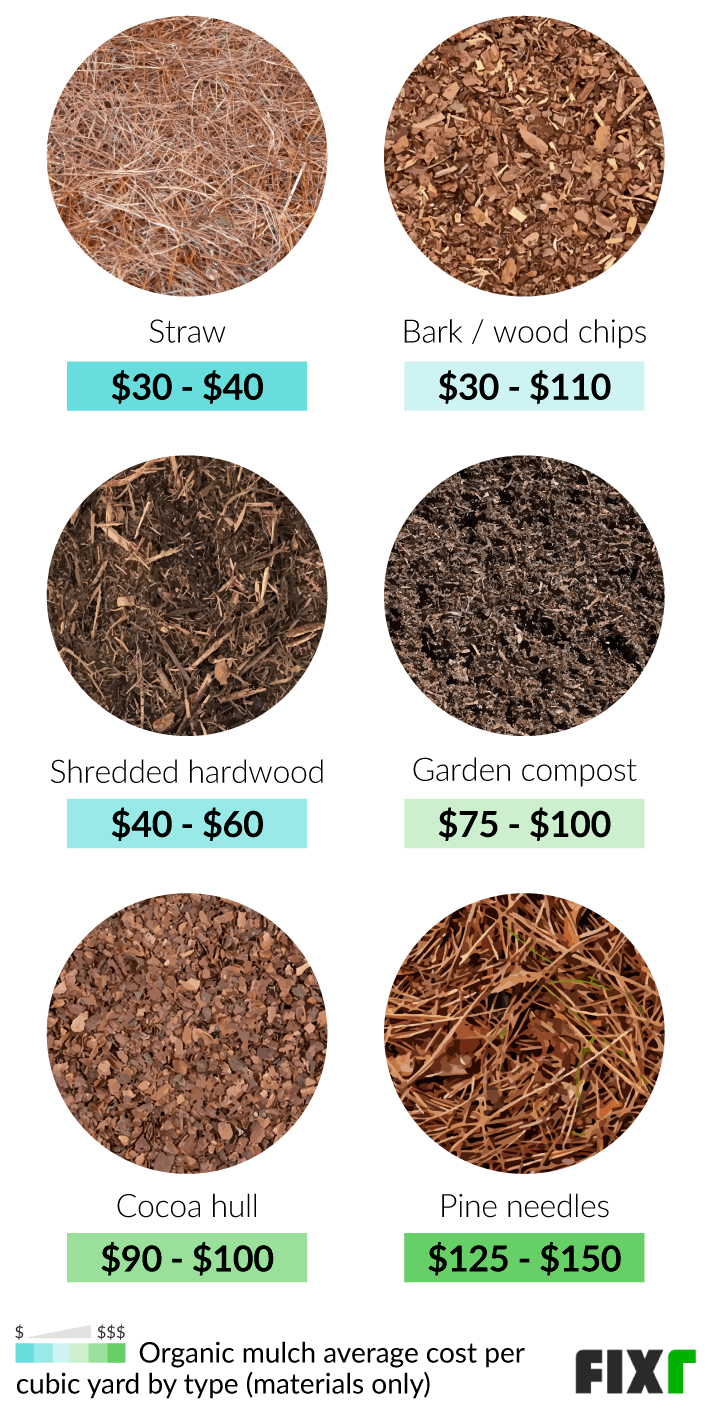
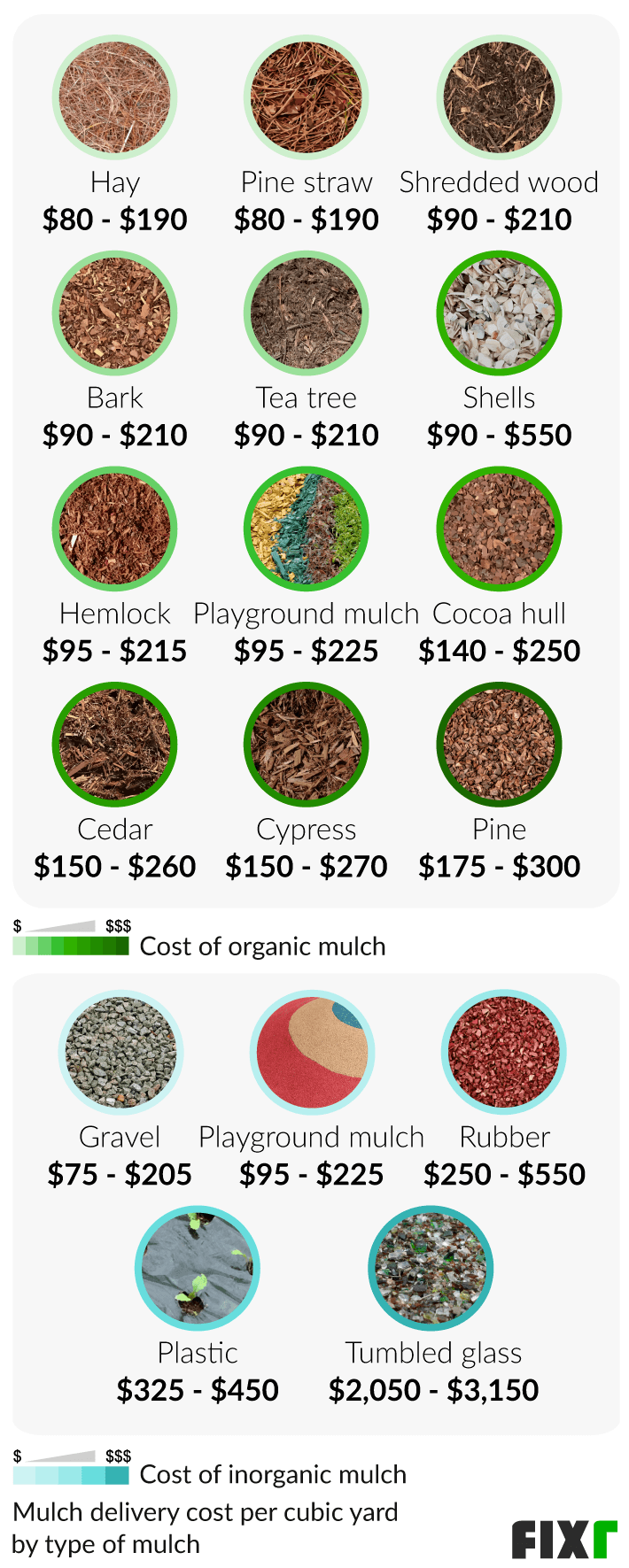
You can’t talk price without talking type. Generic bark mulch is usually the cheapest option. It’s often a byproduct of lumber mills, so it’s abundant. But it breaks down fast and doesn’t look as refined. Hardwood mulch is the standard for most suburban homes. It lasts longer, looks darker and richer, and costs a bit more—usually sitting in that $25 to $40 per yard range for bulk.
Then you have the specialty players. Cedar mulch is popular because it repels insects and smells amazing. But that scent comes at a cost. It’s often 20-30% more expensive than hardwood. Rubber mulch is another option, made from recycled tires. It lasts forever but doesn’t improve soil health. It’s pricey upfront, often $50+ per yard, but you never have to replace it. Is it worth it? For playgrounds, maybe. For flower beds, probably not.
Don’t forget about dyed mulches. Black and red mulches are trendy. They provide a stark contrast to green plants. But the dye adds to the cost, and there’s ongoing debate about whether the chemicals in cheap dyes are good for your soil. If you go this route, buy from a reputable supplier who uses vegetable-based dyes. It’ll cost you a few dollars more per yard, but your soil—and your conscience—will thank you.
Hidden Costs: Delivery, Labor, and Timing
The sticker price on the mulch is rarely the final bill. Delivery fees are the biggest hidden cost. Many companies have a minimum order for free delivery, often around 5 to 10 cubic yards. If you only need 3 yards, you might pay a flat $50 to $75 delivery fee. That drastically increases your per-yard cost. Always ask about these fees upfront. Sometimes, picking it up yourself saves a bundle, even if you have to rent a truck.
Labor is the other biggie. If you’re hiring someone to spread it, expect to pay $30 to $50 per hour per worker, or a flat rate per yard. Installing mulch is hard work. It’s heavy, hot, and tedious. For a standard 150-300 square foot bed, you’re looking at 3-6 cubic yards. Having pros do it might cost $200 to $400 in labor alone. Doing it yourself saves that cash, but be honest about your back’s limits.
Timing matters too. Buy in the off-season if you can. Late fall or winter purchases often come with discounts because suppliers want to clear inventory. Storage isn’t an issue for mulch; it just sits there. If you have a dry place to keep it, buying in November for next spring’s project can save you 10-15%. It’s a simple hack that most people overlook because they’re thinking about gardening in the moment, not planning ahead.
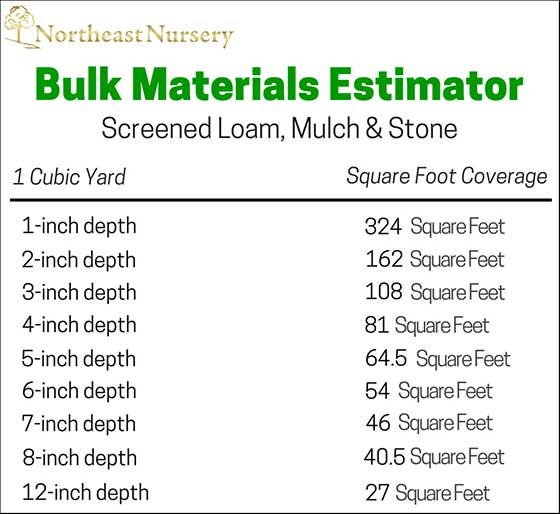
So, how do you keep costs down without sacrificing quality? First, measure accurately. Overbuying is waste. Underbuying means a second delivery fee. Use a online calculator to figure out exactly how many cubic yards you need based on square footage and depth. Aim for 2-3 inches deep. Any deeper is overkill and wastes money. Any shallower won’t stop weeds.
Second, consider mixing types. Use expensive, pretty cedar mulch in the front beds where everyone sees it. Use cheaper, generic bark or pine nuggets in the back yard or around foundation plants that are less visible. This "zoning" approach lets you splurge where it counts and save where it doesn’t. It’s a trick professional landscapers use all the time.
Finally, join forces with neighbors. If you and two neighbors all need mulch, you can combine orders to hit that free delivery threshold or buy in larger bulk quantities that often come with volume discounts. Splitting a 15-yard dump truck load three ways is way cheaper than each buying 5 yards separately. It takes coordination, sure, but the savings are real. And it’s a good excuse to meet the people next door.
At the end of the day, mulch is an investment. It protects your plants, saves water, and makes your property look cared for. The prices in 2026 are higher than we’d like, but they’re manageable if you’re smart about it. Know your region’s trends. Understand the difference between bulk and bags. And don’t be afraid to shop around or time your purchase.
Your wallet will feel lighter if you rush in blind. But if you take a moment to plan, measure, and negotiate, you’ll find that beautiful, fresh-smelling garden bed doesn’t have to break the bank. It’s about working with the market, not against it. So grab that shovel, but maybe check the prices first.