
You wake up one morning, coffee in hand, and look out the window. That old oak tree you’ve loved for years? It’s leaning. Badly. Or maybe a storm ripped through last night, leaving a tangled mess of branches across your driveway. Your heart sinks a little. You know it has to go. But then the other shoe drops: how much is this going to hurt your wallet?
It’s a question that keeps homeowners up at night, almost as much as the creaking branches do. Tree removal isn’t like buying a gallon of milk. There’s no sticker price on the trunk. It’s messy, dangerous, and highly variable. In 2026, with labor costs rising and insurance premiums climbing for arborists, the numbers have shifted again. If you’re staring at a tree and wondering if you can afford to lose it, you’re in the right place. Let’s cut through the noise and get real about what you’ll actually pay.
The Sticker Shock: Why Prices Vary So Wildly
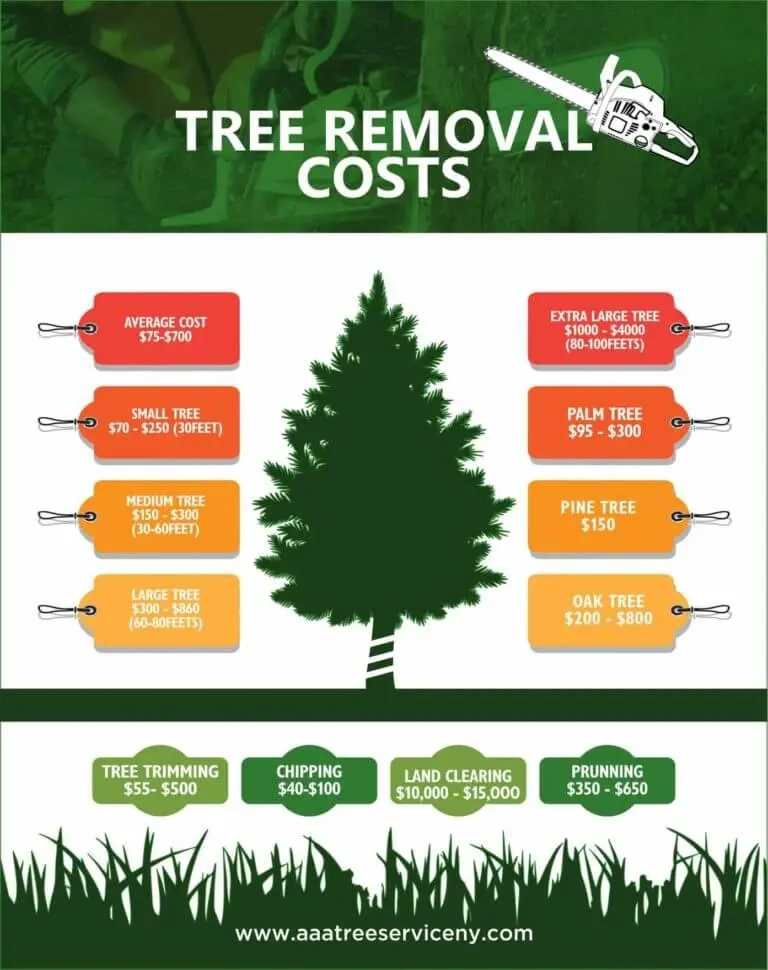
Let’s get the big number out of the way first. In 2026, the national average for professional tree removal hovers between $750 and $2,500. But that average is a liar. It’s like saying the average house costs $500,000. Sure, some do. But others are $100k shacks or $5M mansions. A small dogwood might cost you $300. A massive, diseased elm hanging over your roof? That could easily hit $4,000 or more.
Why the huge gap? It’s mostly about risk and effort. Removing a tree isn’t just cutting it down. It’s about controlling where it falls. If a tree is in an open field, an arborist can just let it drop. Easy. Cheap. But if that same tree is sandwiched between your house, your neighbor’s fence, and a power line? Now it’s a surgical operation. They have to climb up, cut it into small pieces, and lower each piece gently with ropes. That takes time. Time is money. And in this industry, skill is expensive because one mistake can cost a life or a home.
Also, don’t forget the cleanup. Some quotes include hauling away the wood and chipping the branches. Others don’t. They’ll leave you with a pile of logs the size of a small car and expect you to deal with it. Always ask if "debris removal" is included. If not, you might save $200 on the quote but spend $300 renting a truck and paying dump fees. It’s a classic trap. Be clear from the start. Do you want the yard clean, or do you want the firewood?
Size Matters: Breaking Down Costs by Height and Diameter
When arborists talk about size, they aren’t just guessing. They look at height and diameter at breast height (DBH). These two factors drive the price more than anything else. Let’s break it down so you can estimate your own situation.
Small trees (under 30 feet tall) are the budget-friendly option. Think young maples, dogwoods, or ornamental cherries. These usually cost between $300 and $700. They’re easy to handle. Often, a crew can just push them over or cut them at the base without needing heavy climbing gear. It’s a quick job, maybe an hour or two of work. If you have a few of these, you might even get a bulk discount.
Medium trees (30 to 60 feet) are where things get serious. This includes most mature residential trees like standard oaks, pines, or sycamores. Expect to pay $700 to $1,500 here. At this size, you can’t just push it over. Someone needs to climb up or use a bucket truck. They need to rig lines to control the fall. It’s more technical. The crew size might increase from two people to three or four. Safety gear becomes critical. You’re paying for their expertise in not crushing your shed.
Large and extra-large trees (over 60 feet) are the heavy hitters. We’re talking ancient oaks, towering pines, or massive eucalyptus. These jobs start at $1,500 and can skyrocket to $3,000, $4,000, or even higher. Why? Because the margin for error is zero. A branch from a 100-foot tree weighs hundreds of pounds. Dropping it wrong means disaster. These jobs often require cranes. Yes, actual construction cranes. Renting a crane isn’t cheap, and it adds a huge chunk to the bill. But sometimes, it’s the only safe way. Don’t skimp here. If someone says they can take down a giant tree for $500 without a crane, run. They’re either lying or reckless.
Location Challenges: Access, Obstacles, and Danger Zones
Imagine two identical 50-foot oak trees. One is in the middle of a empty backyard. The other is leaning over your garage, with power lines running through its branches. Which one costs more to remove? The second one, by a mile. Location is the silent killer of budgets. It’s not just about the tree; it’s about what’s around it.
Access is a huge factor. Can a bucket truck drive right up to the tree? If yes, great. That saves hours of climbing. If your yard is fenced, narrow, or full of garden beds, the crew might have to carry all their gear in by hand. That’s labor-intensive. They might charge an "access fee" or just bump up the hourly rate. In 2026, labor is tight. Any extra hassle translates directly to higher costs. If you can clear a path for them, do it. Move the patio furniture. Trim the hedges. Make their job easier, and you might save a few bucks.
Then there are the obstacles. Power lines are the biggest red flag. If a tree is touching or near utility lines, the power company might need to come out first to disconnect or trim the lines. This can delay the job and add complexity. Some tree companies won’t even touch trees near power lines unless they’re specially certified. Houses, sheds, pools, and fences also add risk. The closer the tree is to these structures, the more careful (and slow) the crew has to be. They have to use rigging techniques to lower pieces inch by inch. It’s tedious work. And you pay for every minute of it.
Don’t forget about the ground itself. Is the soil soft and muddy? That makes it hard for heavy equipment to stay stable. Is the yard sloped? Climbing on a hill is harder and more dangerous. All these little details add up. When you get a quote, walk the property with the arborist. Point out the tricky spots. Ask how they plan to handle them. A good pro will explain their strategy. A bad one will just give you a number and hope for the best.
Hidden Fees and Extra Services You Didn’t Expect
You got a quote for $1,200. Sounds fair. But then the final bill comes in at $1,800. What happened? Welcome to the world of hidden fees. Tree removal has more add-ons than a fast-food menu. Knowing them ahead of time can save you from nasty surprises.
Stump grinding is the most common upsell. Removing the tree doesn’t mean removing the stump. The quote usually covers cutting the tree down to ground level. If you want the stump gone, you need stump grinding. This costs extra, typically $100 to $400 depending on the stump’s size. Some companies bundle it, but many don’t. If you plan to replant or lay sod, you’ll need this. If you don’t mind a stump sticking out, you can skip it. But remember, stumps can attract termites or sprout new shoots. It’s worth considering.
Permits are another sneaky cost. Many cities and towns in 2026 have strict rules about removing trees, especially large or historic ones. You might need a permit from your local municipality. The cost varies wildly. Some places charge $50. Others charge $500 or more. And the process can take weeks. If you remove a tree without a permit, you could face hefty fines. Always check with your local planning department before signing a contract. A reputable tree service will often help you navigate this, but the cost is usually on you.
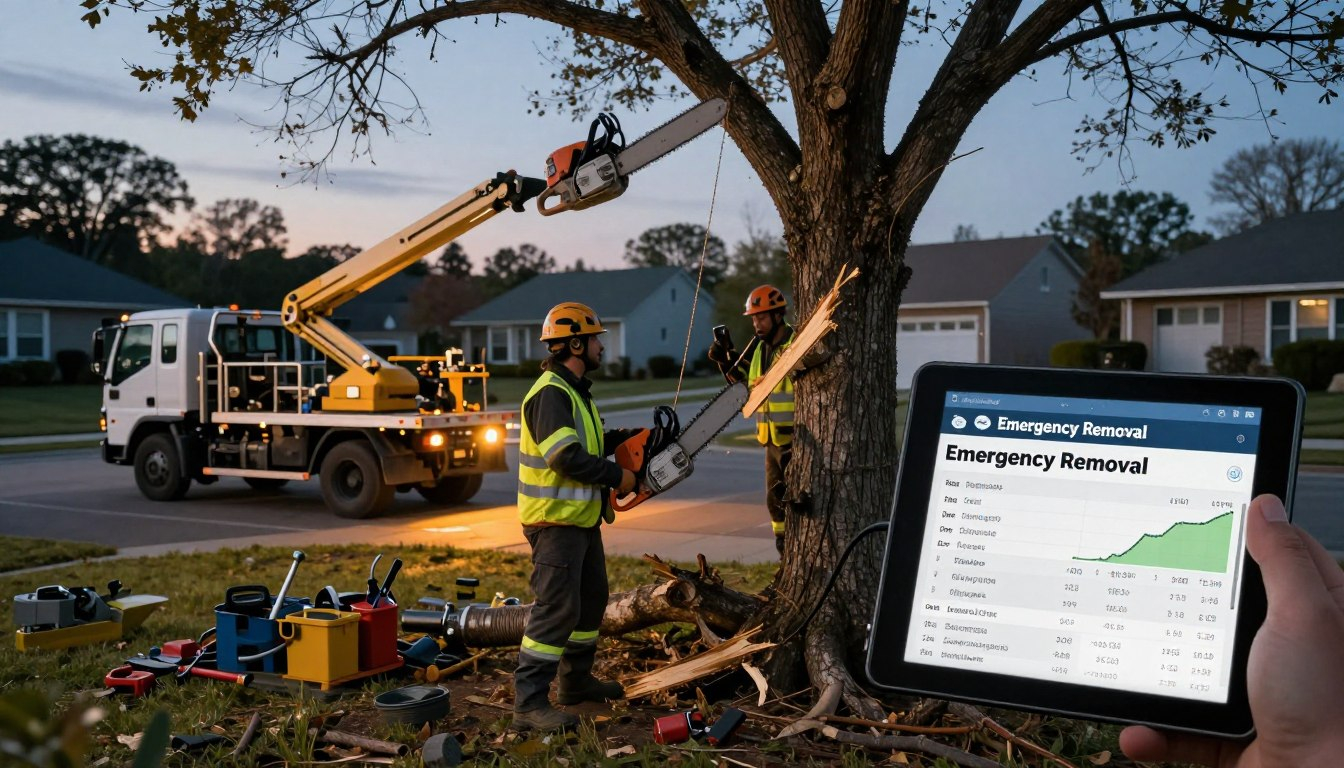
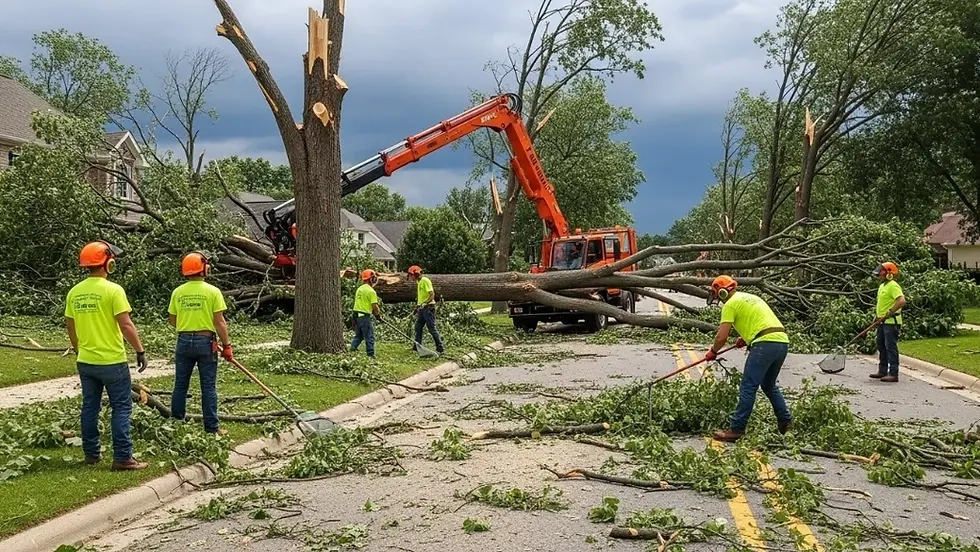
Emergency services also carry a premium. If a tree falls during a storm and blocks your driveway, you’re in emergency mode. Companies charge more for immediate response, especially on weekends or holidays. It’s supply and demand. Everyone needs help at once, and crews are stretched thin. If you can wait a few days, you’ll save money. But if it’s dangerous, pay the extra. Safety first. Also, ask about travel fees. If you live far from the company’s base, they might charge for gas and time. It’s small, but it adds up.
Regional Differences: Where You Live Changes the Price
Where you live matters. A lot. Tree removal in rural Alabama costs differently than in downtown San Francisco. It’s not just about the trees; it’s about the local economy, regulations, and competition. In 2026, these regional gaps are wider than ever.
In high-cost-of-living areas like California, New York, or Massachusetts, expect to pay 20-40% more than the national average. Labor is expensive. Insurance is expensive. Disposal fees at landfills are sky-high. A $1,000 job in the Midwest might be $1,500 in Boston. Plus, dense urban areas mean more obstacles. Trees are packed closer together, houses are bigger, and space is tight. It’s a logistical nightmare. Arborists in these regions are highly skilled, but you pay for that skill.
In contrast, rural areas or states with lower living costs like Texas, Ohio, or Tennessee tend to be cheaper. Competition might be lower, but so are overhead costs. You might find great deals here. However, availability can be an issue. If you’re in a remote area, you might have fewer companies to choose from. This can keep prices steady, but it also means less leverage for you to negotiate. Shop around. Get three quotes. Even in rural areas, prices can vary significantly between providers.
Local regulations also play a role. Some cities have "heritage tree" laws that protect specific species or sizes. Removing these trees can be illegal or require special, expensive permits. Coastal areas might have environmental restrictions to protect wildlife habitats. Always research your local laws. Ignorance isn’t an excuse. And remember, weather patterns matter too. Areas prone to hurricanes or ice storms might have higher baseline prices because arborists factor in the higher risk and wear-and-tear on their equipment.
Can you do it yourself? Maybe. Should you? Probably not. Unless you’re trained, equipped, and insured, DIY tree removal is a gamble with high stakes. In 2026, hospital visits for DIY tree accidents are still a common occurrence. It’s not worth it. But let’s look at the options honestly.
DIY is only viable for very small trees. Think saplings or shrubs under 10 feet. If you have a chainsaw, some safety gear, and a bit of strength, you can handle these. The cost? Just your time and maybe fuel for the saw. But once you get above 15 feet, the risks multiply. Falling branches can kill. Chainsaws kick back. Ladders slip. It’s a dangerous combo. Most homeowner’s insurance doesn’t cover injuries from DIY tree work. If you get hurt, you’re on your own. If you damage your neighbor’s property, you’re liable. The potential costs far outweigh the savings.
Hiring a professional is the smart move for anything medium or large. Yes, it costs more upfront. But you’re paying for peace of mind. Pros have the right tools: chippers, stump grinders, cranes, and personal protective equipment. They have the training to assess risk and execute safely. They’re insured. If something goes wrong, their insurance covers it, not yours. In 2026, look for companies certified by the International Society of Arboriculture (ISA). This certification means they adhere to industry standards. It’s a mark of quality.
There’s a middle ground, though. You can save money by doing the cleanup yourself. Ask the tree service to cut the tree down and leave the wood. Then, you can chop it into firewood or haul it away later. This can save $200-$500. But be realistic about your ability. Do you have a truck? Do you have space for the wood? If not, just pay for the full service. It’s cleaner and faster. Sometimes, paying a bit more for convenience is the best investment you can make.
So, where does that leave you? Tree removal in 2026 is an investment in safety and property value. It’s not just a expense; it’s a necessary step to protect your home. The costs vary, yes. But understanding the factors—size, location, extras, region, and professionalism—gives you power. You’re not just guessing anymore. You’re informed.
Take your time. Get multiple quotes. Ask questions. Don’t just pick the cheapest option. Pick the one that feels right. Look for transparency. Look for experience. And remember, a healthy tree is an asset. A dead or dangerous one is a liability. Removing it properly is worth every penny. Your future self, standing in a safe, clean yard, will thank you.