
Ever looked at three different landscaping bids for the exact same backyard project and felt like you were reading three completely different languages. One company gives you a single, massive number that leaves you guessing. Another breaks down every single bag of mulch but leaves out the labor costs. It is enough to make you want to throw your hands up and just pick the cheapest one. But choosing a crew based solely on the bottom line is a recipe for half-done patios, dead sod, and hidden fees that show up later.
Getting your outdoor space renovated is a big investment. To make sure you actually get what you pay for, you have to learn how to look past the final price tag and really dissect the details. By understanding how modern crews operate—and how they price their work—you can make a choice that leaves you with both a gorgeous yard and total peace of mind.
The Mystery of the Lump Sum vs. Itemized Bids
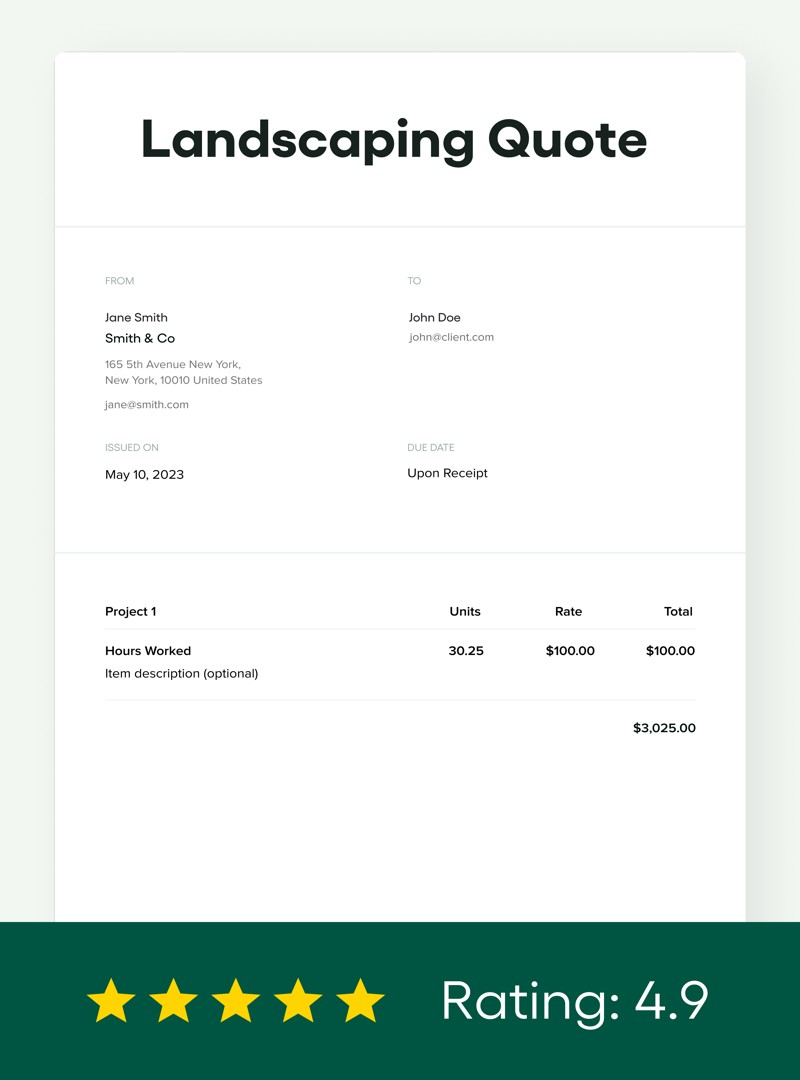
When you start collecting quotes, you will notice two main styles. The first is the "lump sum" estimate, where the contractor gives you a broad overview and one final cost. The second is an itemized bid that lists specific tasks, materials, and labor hours. Always push for the itemized version. Why. Because it protects you from misunderstandings down the road.
If a bid just says "Backyard Renovation: $12,000," you have no idea what quality of materials they are planning to use. Are they planting mature trees or tiny saplings. Are they laying down premium topsoil or just throwing grass seed over hard clay. An itemized breakdown lets you compare apples to apples across different companies.
Spotting the Hidden Cost of Labor and Time
Labor is usually the biggest chunk of any landscaping bill, but it is also the hardest part to verify. A smart way to evaluate a crew is to ask how they calculate their time. In 2026, professional landscaping companies use advanced management tools like Aspire Crew Control or Jobber to track exactly how many hours a job takes.
When you look at a line item for labor, ask the contractor how many workers will be on-site and how many days the project will take. If one company estimates 40 hours of labor and another estimates 80 for the same job, someone is miscalculating. Companies that use solid tracking software can usually give you a highly accurate labor hour calculation, which means fewer surprises when the final bill arrives.
Materials, Quality, and the Danger of Cheap Substitutes
Not all plants, pavers, and soils are created equal. A line item that simply says "10 Shrubs" doesn’t tell you the whole story. What species are they. What size pots are they coming in. A cheaper contractor might save money by buying smaller, lower-grade plants that will take years to look good, while a premium crew might bid for mature, field-grown plants that give you an instant impact.
Don’t be afraid to ask for specifics on materials. Check the warranty on things like hardscape pavers or synthetic turf. If a crew is bidding significantly lower on materials, they might be cutting corners on the foundation work—like skipping the proper gravel base layer under a walkway—which will cause the stones to shift and crack after the first winter.
Scheduling, Tech, and Communication Habits
How a company handles its day-to-day business tells you a lot about how they will treat your property. Modern landscaping businesses rely on scheduling apps to keep their crews organized and on time. If a contractor takes two weeks just to send you a messy, hand-written quote, imagine how disorganized they might be when it is time to actually show up and do the work.
Look for teams that use systems like WorkWave or RealGreen to manage their schedules and customer communication. When a company has a smooth, digital workflow, it usually means their crews show up on the right day, with the right tools, and with a clear understanding of the project scope.
Evaluating Crew Supervision and Safety Standards
A beautiful design means nothing if the crew executing it is unsupervised or poorly trained. When comparing companies, find out who will actually be managing the job on-site. Will there be a dedicated foreman present, or does the owner just drop the workers off and leave for the day.
Furthermore, ask about their safety protocols and insurance coverage. If a worker gets injured on your property or a stray rock breaks a neighbor’s window, you need to be completely sure the company’s insurance covers it. A professional outfit won’t hesitate to show you their proof of general liability and workers’ compensation coverage.
The Red Flags to Watch Out For
Trust your gut when reviewing the final numbers. If a bid seems incredibly low compared to the others, it is rarely because that company found a magical discount on materials. It usually means they missed a major part of the project scope, lack insurance, or plan to hit you with change orders once the yard is already dug up.
Another red flag is a contractor who demands a massive cash deposit upfront before any materials are delivered. While it is standard to pay a deposit to secure your place on the schedule and cover initial material costs, a reputable business will have the financial stability to start the job without asking for everything upfront.
At the end of the day, picking the right crew comes down to finding a balance between a fair price and clear communication. Take the time to sit down with your itemized quotes, ask the hard questions about labor hours, and look for companies that use modern tools to run an efficient business.
Once you find a contractor who explains their line items clearly and shows respect for your time and property, you can sign the contract with confidence. Your yard is going to look incredible, and you won’t have to stress through the process to get there.