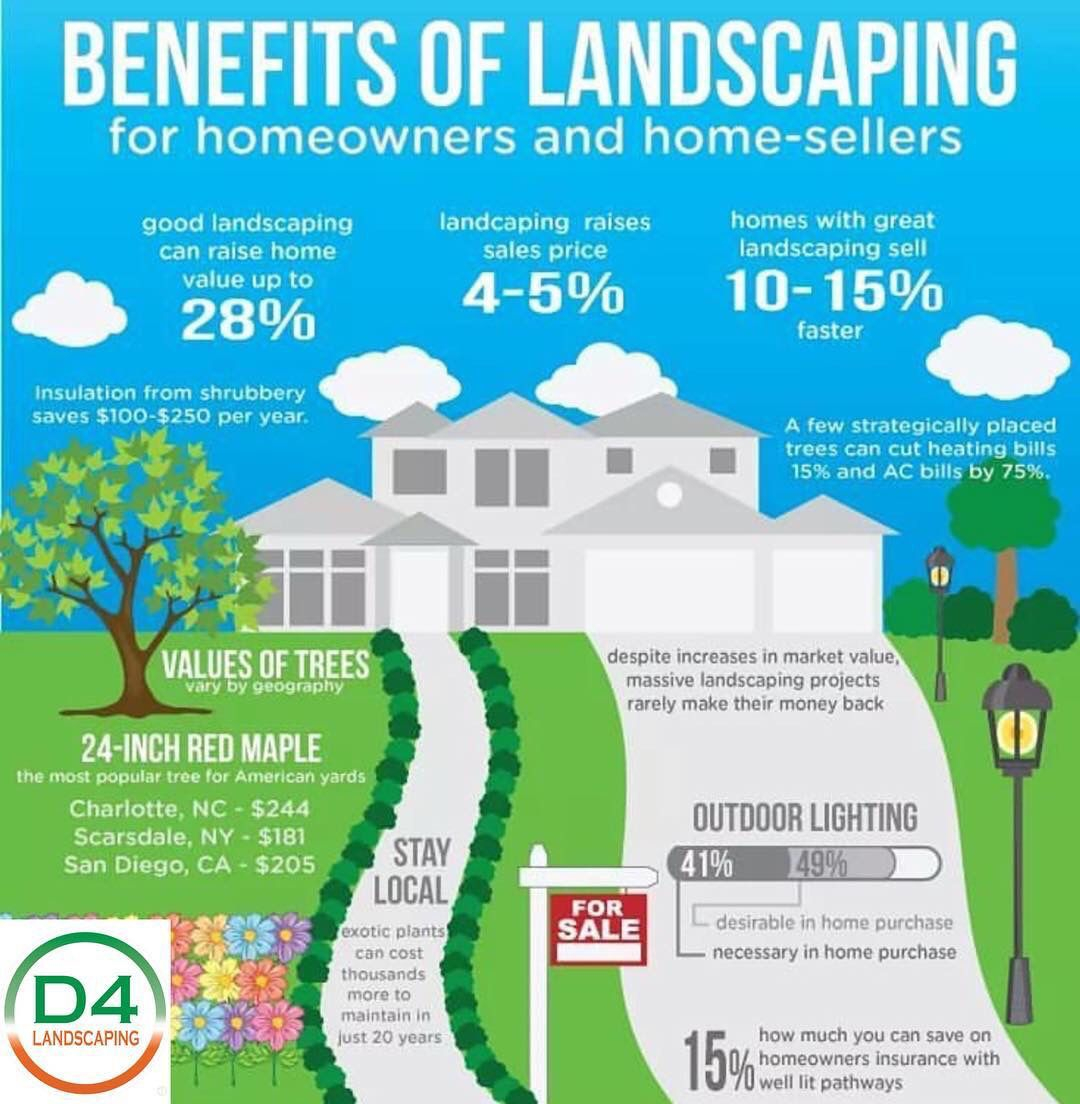

You know that feeling when you pull up to a house and just… stop? It’s not always the biggest mansion on the block. Sometimes, it’s the one with the perfectly swept porch or the garden that looks like it’s giving you a warm hug. That’s the magic of curb appeal. And here’s the thing: you don’t need a landscape architect’s salary to create it. In fact, some of the most memorable homes I’ve seen sold were the ones where the owners spent less than a hundred bucks on plants and paint.
It’s wild how much weight buyers put on that first seven seconds. They’re standing on the sidewalk, judging your mulch beds before they’ve even taken off their shoes. It feels unfair, right? But it’s human nature. We’re wired to look for signs of care. A tidy yard says, "I take care of things." A messy one whispers, "Good luck with the roof." So, if you’re thinking of selling in 2026, or just want to love your home more, let’s talk about how to hack that first impression without emptying your savings account.
The best part? Most of these fixes are things you can do in a weekend. Maybe even a Saturday afternoon if you’re motivated. You don’t need heavy machinery. You don’t need a crew. You just need a bit of sweat equity and an eye for what actually matters to a stranger walking by. Let’s dive into the dirt.
The Power of Green (Without the Green Thumb)
Let’s be real. Not everyone is born with a green thumb. Some of us kill cacti. But buyers don’t expect a botanical garden. They expect life. Dead grass is a mood killer. It screams neglect. So, the first step is almost always about health, not beauty. If your lawn is patchy, don’t panic. You don’t need to sod the whole yard. Just focus on the visible parts. The strip from the sidewalk to the front door. That’s your runway.
In 2026, water-wise landscaping is huge. Buyers are savvy. They know climate patterns are shifting. So, swapping out thirsty turf for native ground covers in those front beds is a smart move. It looks intentional, not lazy. Plus, it saves you money on the water bill, which is a selling point you can mention later. If you’re not ready to rip out grass, just keep it edged. Crisp lines between the lawn and the flowerbeds make everything look sharper. It’s like ironing a shirt. The fabric is the same, but it looks ten times better.
And don’t forget the power of a fresh layer of mulch. It’s the cheapest facelift in the book. Dark brown or black mulch makes green plants pop. It hides the weeds you haven’t pulled yet (we’ve all been there). Just keep it away from the tree trunks and house foundation. Piling it up like a volcano is a no-no. Keep it flat, like a blanket. Two inches is plenty. Any more and you’re just wasting money and suffocating roots.
Paint, Hardware, and the Front Door Effect
Your front door is the handshake of your home. Is it limp? Is it dirty? Or is it firm and welcoming? If your door is faded, peeling, or just a boring beige, paint it. This is arguably the highest return-on-investment project you can do for under fifty dollars. Pick a color that contrasts with your siding. If your house is white, go navy. If it’s brick, try a deep charcoal or even a cheerful yellow if the neighborhood vibe allows. Just make sure it’s clean. Scuff marks show up like neon signs.
While you’re at it, look at your hardware. The house numbers, the mailbox, the light fixture next to the door. Are they mismatched? Do they look like they survived a storm in 1995? Updating these small details creates a sense of cohesion. You don’t need to buy expensive designer pieces. Home improvement stores have sleek, modern black fixtures that cost maybe twenty bucks each. Swapping out old brass for matte black or brushed nickel instantly modernizes the look. It’s jewelry for your house.
Also, check your shutters and trim. If they’re chipping, scrape and repaint them. You don’t have to do the whole house. Just the front facade. The part people see from the street. Clean windows too. Inside and out. Streaky glass makes the interior look dark and dingy, even if it’s bright in there. A squeegee and a bucket of vinegar water cost pennies. The clarity it adds is priceless. It lets the light in, and it lets the buyers see that you’ve got nothing to hide.
Lighting the Way to a Sale
Dark houses feel scary. Lit houses feel safe. It’s primal. When buyers drive by at dusk—and many do, because that’s when they’re off work—the lighting makes all the difference. You don’t need an electrician to run new wires. Solar lights have come a long way since the dim, flickering junk of the past. Today’s solar path lights are bright, reliable, and cheap. Stick them along the walkway. Make sure they’re evenly spaced. Nothing kills the vibe like a strobe-light effect from uneven spacing.
Focus on the entry. A well-lit porch says, "Come on in." If your existing porch light is weak, swap the bulb for a higher lumen LED. Or add a small sconce on either side of the door if you have the outlets. If not, battery-operated puck lights under the eaves can work wonders. They wash the wall with light and highlight the texture of your siding or brick. It adds depth. Depth equals interest. Interest equals engagement.
Don’t forget the backyard if it’s visible from the street or if you’re hosting open houses in the evening. String lights are still a thing, and for good reason. They’re cozy. They suggest lifestyle. Buyers aren’t just buying a structure; they’re buying the dream of sitting out there with a glass of wine. Showing them that potential with soft, warm lighting helps them visualize it. Just keep it tasteful. Don’t turn your yard into a carnival. Subtlety is key.
The Art of Decluttering and Depersonalizing
This one hurts. I know. You love your garden gnome collection. Your kids’ plastic toys are everywhere. The rusted bike frame has sentimental value. But buyers? They see clutter. Clutter makes spaces look smaller. It makes them look chaotic. And chaos is stressful. Selling a home is about creating a blank canvas. You want buyers to project their own lives onto your space, not feel like they’re intruding on yours.
Start with the porch. Clear it off. No shoes. No coats. No random packages. Just a nice mat and maybe one potted plant. That’s it. If you have a big front yard, remove any large items that block the view of the house. Old cars, piles of wood, unused playsets. If it’s broken, toss it. If it’s unused, store it. Rent a storage unit if you have to. It’s worth it. The goal is to make the house look spacious and manageable.
Inside the view from the windows matters too. If buyers can see through your front window into a living room piled with laundry, they’re gone. Keep window lines clear. Move furniture away from the glass. Let the light flow. This applies to the backyard as well. If your patio is covered in grills, chairs, and toys, clear it. Leave one setting. A small table and two chairs. Show the function, not the accumulation. It’s hard to let go, but remember: you’re moving. You don’t need to take the junk with you.
Creating Zones Without Building Walls
You don’t need a deck addition to define your outdoor space. In fact, permanent structures can sometimes limit a buyer’s imagination. Instead, use soft landscaping to create "rooms." A circle of pavers in the grass suggests a fire pit area. A row of tall ornamental grasses can act as a privacy screen without the cost of a fence. These are low-commitment changes that show potential.
Trellises are another great trick. As noted in recent landscaping trends, building simple trellises for climbing plants adds vertical interest. It draws the eye up, making the yard feel bigger and more lush. You can make these from cheap lattice panels or even reclaimed wood. Plant a jasmine or a clematis at the base. Even if it’s not fully grown yet, the structure shows intent. It says, "This is a place for beauty."
Consider the flow. Can you walk easily from the back door to the patio? Is the path clear? If not, clear it. Trim back overgrown bushes that scratch your legs. Mow a clear path through tall grass. Accessibility is a huge subconscious factor. If a buyer feels like they have to fight the yard to get anywhere, they’ll feel exhausted. Make it easy. Make it inviting. Use stepping stones or gravel to define paths where grass won’t grow. It’s practical and pretty.
It’s the little things. Always. A cracked step is a tripping hazard and an eyesore. Fix it. There are concrete patch kits that cost ten dollars. Mix, pour, smooth. Done. Loose railings? Tighten them. Squeaky gates? Oil the hinges. These are tiny tasks that take minutes but signal major maintenance issues if left undone. Buyers will wonder, "If they didn’t fix the gate hinge, did they fix the foundation?" Don’t give them that doubt.
Clean the gutters. Seriously. Hanging leaves and mossy buildup look terrible from the ground. It makes the house look old and uncared for. A ladder and a pair of gloves are all you need. While you’re up there, peek at the roof. If you see missing shingles, replace them. It’s a small cost compared to the perception of a leaky roof. Pressure wash the driveway and sidewalks if they’re stained. The difference between gray, grimy concrete and bright, clean stone is staggering. It makes the whole property look newer.
Finally, add a welcome touch. A fresh wreath on the door. A clean, neutral-colored doormat. Maybe a pot of seasonal flowers—petunias in summer, mums in fall. Nothing too exotic. Just color. Life. It’s the cherry on top. It shows that someone is home, and they’re happy to be there. That emotion is contagious. Buyers want to feel that happiness. They want to imagine themselves being the ones who put that wreath up. Give them that chance.
So, there you have it. You don’t need a fortune to make a fortune on your home sale. You just need attention. A bit of time. And a willingness to see your home through a stranger’s eyes. It’s not about perfection. It’s about potential. It’s about showing that the house has been loved, so it’s ready to be loved again. Start small. Pick one thing from this list. Do it this weekend. Then pick another. Before you know it, you’ll be standing on the sidewalk, looking at your house, and thinking, "Wow. I’d buy this place." And if you would, they will too.