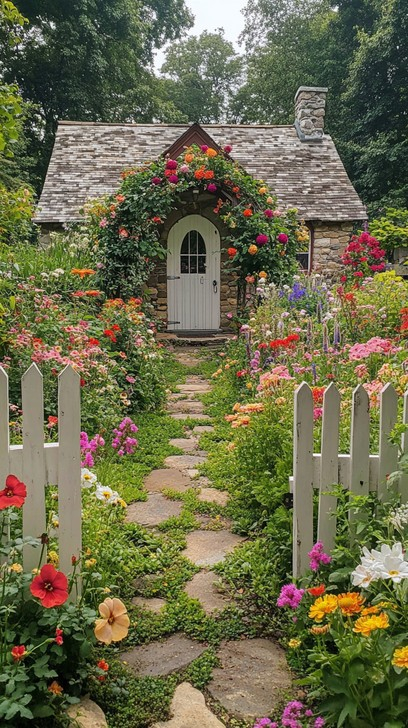

Have you ever stared at a patch of dirt in your yard and wondered how on earth to turn it into something alive. Gardening can feel totally overwhelming when you look at glossy magazines filled with endless rows of complicated blooms. But honestly, it does not have to be that stressful.
Planting a garden for the first time is a journey full of trial and error. You do not need a green thumb to get started this year in 2026. All you really need are the right plants that practically grow themselves and a simple plan to keep things organized. Let us dive into the easiest ways to bring your yard to life without losing your mind.
Choosing Tough-As-Nails Perennials
Perennials are the absolute best friends of any beginner. Unlike annuals that die after one single season, these resilient plants return year after year with very little fuss. They save you both time and money in the long run.
When starting out, look for varieties known for surviving minor neglect. Coneflowers and black-eyed susans are fantastic options because they tolerate poor soil and dry spells like absolute champions. They just keep pushing through whatever Mother Nature throws their way.
Another great choice is daylilies. These hardy wonders multiply naturally, meaning your garden patch gets fuller each spring without you lifting a finger. Just tuck them into a sunny spot, give them a little drink when they look thirsty, and watch them thrive.
The Power of the Island Bed Layout
One of the easiest garden layouts for a beginner is the freestanding island bed. Instead of fighting with straight lines against a fence or a wall, carving out a curved shape in the middle of your lawn opens up endless creative possibilities.
An island bed lets you view your plants from every single angle. To make it work, place your tallest flowers right in the center so they act as a focal point. From there, step down gradually with medium plants, and use low-growing ground covers around the very edge.
This setup also makes mowing the lawn around your garden a breeze. By keeping the edges nicely curved, your lawnmower can glide right past without snagging on sharp corners. It is a win-win for both your weekends and your curb appeal.
Mastering the Rule of Three
When arranging your flowers, professional designers swear by an ancient rule. Always plant in odd numbers, especially threes and fives. Random single plants scattered everywhere often look messy, whereas clusters create instant visual impact.
Grouping three coneflowers together creates a bold splash of color that catches the eye immediately. Single stems tend to get lost in the landscape, but tight little neighborhoods of flowers look deliberate and curated.
Do not be afraid to mix different textures and leaf shapes within your groups. Pairing spiky ornamental grasses next to soft, rounded hosta leaves adds massive depth. It keeps your beds looking interesting even when some of the flowers are not actively blooming.
Sun Mapping Before You Dig
Before you buy a single plant, you have to play detective in your own yard. Knowing where the sunshine falls throughout the day determines whether your plants live or perish. A gorgeous sun-loving lavender will quickly wither in a damp, shady corner.
Spend a weekend tracking how much direct light different areas receive. Full sun usually means six or more hours of direct rays daily, while partial shade means dappled sunlight or a few hours of morning light.
Matching the right plant to the right lighting condition is the ultimate secret to zero-stress gardening. If you respect what your yard naturally offers, you will rarely have to deal with drooping, dying plants that refuse to cooperate.
Soil Prep Without Breaking Your Back
Good soil is the invisible engine behind every thriving garden. However, turning every inch of your yard with a heavy shovel is exhausting work. Many modern gardeners now embrace no-dig methods that protect the soil web underneath.
To get started, simply layer cardboard over your chosen layout area to smother existing grass. Pile a thick mix of compost, topsoil, and organic mulch right on top. Over the months, the cardboard rots away, creating rich, nutrient-dense earth.
Earthworms and helpful microbes love this layered approach. You get a deep, fluffy growing medium without destroying your back trying to dig through rocky clay. It is the smartest shortcut a new gardener can take.
Even the easiest gardens need a tiny bit of love to stay looking sharp. Establishing a gentle routine keeps chores from piling up into overwhelming weekend projects. A weekly walk-through with a pair of snips makes all the difference.
Deadheading, which is just clipping off spent flower heads, encourages plants to push out fresh blooms. It keeps the energy flowing into healthy growth instead of making seeds. Plus, it makes your flower beds look instantly tidy.
Mulching once a year is your best defense against pesky weeds. A three-inch blanket of wood chips blocks sunlight from reaching weed seeds while locking in precious soil moisture. Less weeding means more time actually enjoying your outdoor oasis.
Creating your first garden does not require a degree in botany or endless hours of hard labor. By choosing tough, reliable perennials and sticking to a simple layout plan, you set yourself up for total success. Take a deep breath, get your hands a little dirty, and enjoy watching your new outdoor space come alive this season.